Bluegill and Redbreast Sunfish: A Beginner’s Guide
It's happened to all of us – you're standing on the bank of a peaceful South Carolina pond or river, and you see ripples, but you're not quite sure what fish are beneath the surface, let alone how to catch them. Especially if you're new to fishing, or you've got excited kids in tow, the sheer variety of fish can be overwhelming. But what if I told you there are two incredibly common, fun-to-catch, and surprisingly feisty species that are perfect for getting started? This guide is all about demystifying bluegill and redbreast sunfish, helping you understand where they live, what they eat, and how to reliably reel them in, making your next outing a memorable success.
Understanding South Carolina's Friendly Fighters: Bluegill and Redbreast Sunfish
When folks talk about "bream" in South Carolina, they're often lumping together a few different panfish species, but bluegill and redbreast sunfish are undoubtedly among the most popular. These aren't the monster bass or elusive trout that require specialized gear and techniques; these are the workhorses of our freshwater systems, providing endless entertainment for anglers of all ages and skill levels. They're abundant, readily available, and offer a fantastic introduction to the joys of fishing.
Bluegill Basics: The Classic Panfish
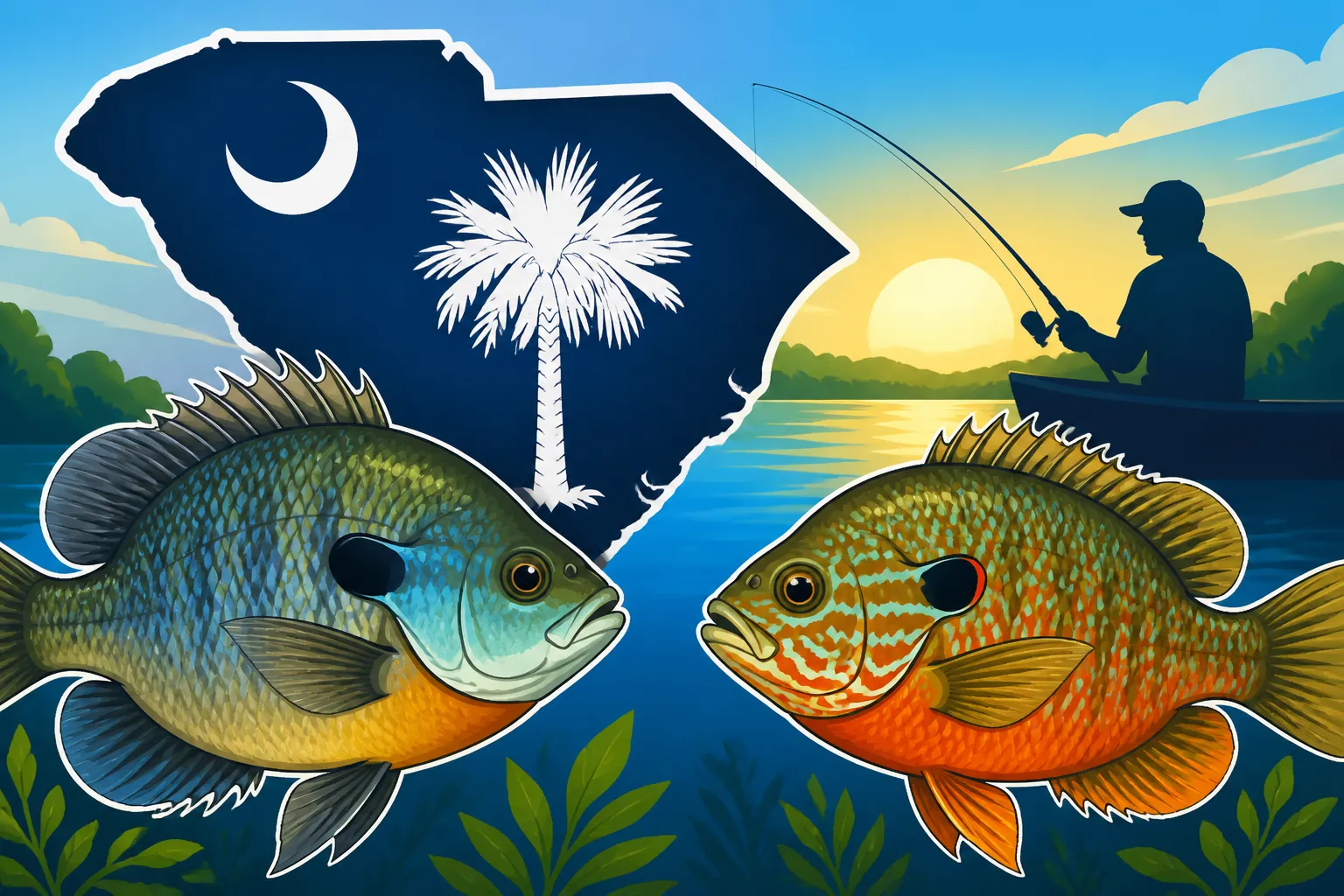
Ah, the humble bluegill! This is probably the fish that most people picture when they think of "panfish." Known scientifically as Lepomis macrochirus, the bluegill is easily recognizable by its deep, flattened body, small mouth, and that tell-tale black "ear flap" on its gill cover, often with a dark spot at the base of the dorsal fin. Their coloration can vary quite a bit depending on the water clarity and diet, ranging from olive green to yellowish-brown on the back, fading to a lighter belly. You might even see some with vertical bars along their sides, especially the males during spawning season.
What makes bluegill so beloved, especially by beginners and families? Their sheer willingness to bite. They're not picky eaters, and they're found in nearly every freshwater system in South Carolina, from small farm ponds to vast reservoirs like Lake Murray or Lake Marion. They might not grow to massive sizes, typically ranging from 6 to 10 inches, but what they lack in size, they make up for in fight. A 9-inch bluegill on light tackle can put a serious bend in a rod, delivering a surprising amount of excitement. They're also incredibly territorial, especially around their spawning beds in spring and early summer, making them easy targets for eager anglers.
Redbreast Distinctions: The River Dweller
While similar in shape to bluegill, the redbreast sunfish (Lepomis auritus) has some distinct features that set it apart. The most obvious difference is their incredibly long, dark opercular (ear) flap, which is much more elongated than the bluegill's and lacks the distinct spot. As their name suggests, redbreast sunfish often have a beautiful reddish-orange belly, though this color can be more pronounced in males during breeding season. Their bodies tend to be a bit more streamlined than bluegill, and they often have wavy blue lines on their cheeks and gill covers.
Redbreast sunfish are often found in slightly different habitats than bluegill. While bluegill thrive in stiller waters like ponds and lake coves, redbreasts prefer flowing water – think rivers, creeks, and the upper reaches of reservoirs where there's a good current. This preference for moving water often makes them a bit more feisty when hooked, using the current to their advantage. They also tend to be a little less gregarious than bluegill, often found in smaller groups rather than large schools. Catching a vibrantly colored redbreast from a clear-flowing stream is a true delight and a testament to the diversity of our freshwater ecosystems. For a deeper dive into all the different panfish, you might want to check out South Carolina's Nine Native Sunfish Species Explained.
Why Bluegill and Redbreast are Perfect for Aspiring Anglers
If you're thinking about introducing someone to fishing, or you're just starting out yourself, these two sunfish species are truly gifts from the fishing gods. They offer a low-barrier-to-entry experience that builds confidence and creates lasting memories. Forget the complicated knots, expensive electronics, or long treks to remote locations that some other species demand. With bluegill and redbreast, success is often just a cast away, right in your local park pond or river bend.
Building Confidence and Skill for Beginners
There's nothing quite like the thrill of feeling that first tug on your line, especially for a child. Bluegill and redbreast sunfish provide that thrill consistently. Their aggressive feeding habits mean bites come often, preventing the boredom that can quickly turn a beginner off to fishing. When you're constantly getting bites, you're learning how to react, how to set the hook, and how to reel in a fish. Each successful catch reinforces these basic skills, building a foundation for more advanced angling pursuits down the road.
Moreover, these fish are excellent teachers. They'll show you what kind of cover they like (lily pads, submerged logs, docks), what depths they prefer at different times of day, and what baits they simply can't resist. You'll quickly learn the importance of casting accurately, waiting for the bite, and gently retrieving your catch. It’s hands-on learning in the most fun way possible, and it’s why they’re often highlighted as Kid-Friendly Fish Species to Catch in South Carolina.
Accessible and Abundant: Your Local Fishing Hole
One of the greatest advantages of targeting bluegill and redbreast is their sheer accessibility. You don't need a fancy boat or a long drive to a pristine wilderness area. These fish thrive in urban ponds, neighborhood lakes, slow-moving creeks, and nearly every river system throughout South Carolina. Public access points are often abundant, making it easy to just grab your gear and go. Many state parks, county parks, and even local city parks maintain ponds that are teeming with these feisty sunfish.
This widespread availability also means less pressure. While popular bass lakes can get crowded, you can often find a quiet spot on a smaller body of water where bluegill and redbreast are plentiful. This makes for a much more relaxing and enjoyable fishing experience, especially when you’re trying to avoid the hustle and bustle. It’s all about getting out there, soaking up the sun, and enjoying the simple pleasure of a bent rod.
Where to Find Bluegill and Redbreast Sunfish in South Carolina
South Carolina is blessed with an incredible variety of freshwater habitats, and both bluegill and redbreast sunfish make themselves at home in many of them. Knowing their preferred hangouts will significantly increase your chances of success. From the smallest farm ponds to the mighty rivers and vast reservoirs, these panfish are never too far away.
Ponds, Lakes, and Calm Backwaters for Bluegill
Bluegill are creatures of comfort, preferring calmer, warmer waters with plenty of vegetation and submerged structure. Think of them as the lounge lizards of the fish world, hanging out where they can find food and shelter without too much effort.
- Farm Ponds: These are goldmines for bluegill. They love the relatively shallow, nutrient-rich water and the abundance of aquatic insects. Look for areas with lily pads, cattails, or fallen trees.
- Lake Coves and Backwaters: On larger lakes and reservoirs like Lake Wateree or Lake Greenwood, bluegill will retreat into protected coves, especially those with standing timber, brush piles, or weed lines. These areas offer shelter from predators and a buffet of bugs.
- Docks and Piers: Any man-made structure provides shade and cover, attracting bluegill. Casting around and under docks can be incredibly productive.
- Weed Lines: Submerged vegetation is a prime bluegill habitat, offering both food and protection. Casting parallel to a weed line is often a winning strategy.
For families, seeking out designated Family-Friendly Fishing Spots in South Carolina or even Kid-Friendly Fishing Ponds Near Columbia will often lead you to waters brimming with bluegill. They’re simply everywhere!
Rivers, Creeks, and Flowing Water for Redbreast
Redbreast sunfish, as mentioned, have a slight preference for moving water. This doesn't mean raging rapids, but rather areas with a noticeable current where food is constantly being delivered.
- Small Rivers and Creeks: This is prime redbreast territory. Look for slower eddies behind rocks, fallen trees, or along bankside vegetation where the current isn't too strong but still present.
- River Bends: The outside bends of rivers often create deeper pockets with slower currents, perfect for redbreast to ambush passing prey.
- Upstream Reservoir Sections: Where a river flows into a large lake, the current is often still strong enough to attract redbreast before the water becomes completely still.
- Rocky Shoals: Areas with rocky bottoms and a moderate current are ideal for redbreast, as they feed on aquatic insects clinging to the rocks.
If you're exploring spots like the Congaree River near Columbia or the Edisto River, you're likely in redbreast country. Pay attention to changes in current and cover, and you'll find them. Remember, regardless of species, understanding Best Time of Year to Catch Panfish can significantly impact your success.
Simple Gear and Bait for Sunfish Success
One of the most appealing aspects of fishing for bluegill and redbreast sunfish is that you don't need a massive investment in gear. In fact, some of the most basic, affordable setups are often the most effective. This makes it a perfect entry point into fishing without breaking the bank, and you can easily find everything you need on platforms like Amazon.
Essential Rod and Reel Setup
For bluegill and redbreast, lighter is definitely better. This allows you to feel even the most subtle bites and makes the fight from a small fish feel much more exciting.
- Ultralight Spinning Combo: A 5 to 6-foot ultralight or light action spinning rod paired with a small spinning reel is ideal. This setup is sensitive enough to detect light bites, yet has enough backbone to handle even larger panfish. You can find excellent, affordable combos on Amazon that are perfect for this type of fishing.
- Line: Stick with light monofilament line, typically 4 to 6-pound test. Monofilament has a bit of stretch, which can be forgiving when a sunfish makes a sudden dash. It's also relatively inexpensive.
- Bobber (Optional but Recommended): A small, sensitive bobber (like a slip bobber or a fixed float) is a game-changer. It helps suspend your bait at a desired depth and visually signals even the slightest tap from a curious sunfish. For specific advice on kid-friendly setups, you might consider articles like Do Kids Need Special Gear to Catch Bluegill?.
Remember, you don't need to spend a fortune. A simple, well-matched ultralight combo will bring you years of enjoyment chasing these spirited panfish.
Terminal Tackle and Top Bait Choices
When it comes to the business end of your line, simplicity once again reigns supreme. You don't need a complex rig; a basic hook, sinker, and bait are often all it takes.
- Hooks: Small hooks are essential because bluegill and redbreast have relatively small mouths. Size 8 or 10 Aberdeen or "bream" hooks are perfect. These fine-wire hooks are less likely to injure the fish if you plan on catch-and-release, and they're also easier to hide within your bait.
- Sinkers: A few small split-shot sinkers will do the trick. Just enough weight to get your bait down to the desired depth and keep it there, especially if there's a slight current.
- Natural Baits: This is where the magic happens! Sunfish are opportunistic feeders and love natural offerings.
- Worms: Red wigglers, nightcrawlers (pinched in half), or any small garden worm are irresistible to bluegill and redbreast. They are arguably the best all-around bait.
- Crickets: Especially effective for redbreast in rivers. Crickets are a natural food source, and the sound of them hitting the water can sometimes trigger a strike.
- Grubs/Mealworms: Easily purchased at bait shops or even pet stores, these are fantastic small baits that stay on the hook well.
- Corn: Believe it or not, a few kernels of canned corn can be very effective, especially in ponds where fish might be accustomed to being fed.
- Artificial Baits: While natural bait is king, small artificial lures can also work, especially for larger, more aggressive sunfish.
- Tiny Jigs: Micro jigs (1/32 to 1/16 oz) tipped with a small plastic grub or tube bait in bright colors can be very productive.
- Small Spinners: In-line spinners with a small blade, like a Rooster Tail or Mepps Aglia, can attract aggressive sunfish, especially redbreasts in current.
For more specifics on bait, a great resource to explore is Best Bait for Panfish in Farm Ponds. You can find a huge variety of hooks, sinkers, and even artificial baits on Amazon, making it super convenient to stock up before your next fishing adventure.
Basic Techniques for Catching Bluegill and Redbreast Sunfish
Now that you know what gear to use and where to find them, let's talk about the fun part: actually catching these fish! The techniques are straightforward, making them incredibly rewarding for beginners and experienced anglers alike. The key is often patience, observation, and a gentle touch.
Bobber Fishing: The Classic and Most Effective Method
If you're just starting out, or fishing with kids, bobber fishing is king. It’s visual, exciting, and incredibly effective for sunfish. The bobber acts as a strike indicator, dancing and dipping when a fish takes the bait, which is pure joy to watch.
- Setup: Attach a small bobber to your line about 1-3 feet above your hook. The exact depth will depend on how deep the fish are holding, but start shallow (1-2 feet) and adjust deeper if you're not getting bites. Add a split-shot sinker a few inches above the hook to help your bait sink.
- Casting: Make a gentle cast towards cover – lily pads, submerged logs, or dock pilings. Don't cast right into the thickest cover, but near its edges.
- Waiting for the Bite: Let your bait settle. Watch the bobber. It might twitch, slowly move, or suddenly dart underwater. That's your cue!
- Setting the Hook: When the bobber goes down, give a gentle but firm flick of your wrist upwards to set the hook. Don't yank too hard, as sunfish have delicate mouths.
- Retrieving: Reel in steadily. Enjoy the fight!
This method is fantastic for teaching kids to pay attention and react quickly. It’s truly How to Catch Bluegill for Beginners in its purest form.
Bottom Fishing: When Fish are Holding Deeper
Sometimes, especially during hotter parts of the day or in deeper waters, sunfish might be holding closer to the bottom. In these situations, fishing directly on the bottom can be more effective.
- Setup: Use a small sinker (like a 1/8 oz egg sinker or a few split shots) threaded onto your main line, followed by a small swivel. Tie a 6-12 inch leader of lighter line (e.g., 2-4 pound test) to the other end of the swivel, and then tie on your small hook. This allows the bait to drift naturally near the bottom.
- Casting: Cast to your desired spot and let the sinker settle to the bottom.
- Detecting Bites: This takes a bit more feel than bobber fishing. Watch your line where it enters the water for twitches, or hold your rod lightly and feel for taps. A slight bend in the rod tip can also indicate a bite.
- Setting the Hook: Again, a gentle, firm upward flick.
Bottom fishing can be particularly good for targeting redbreast in slightly deeper river pools or larger bluegill that are less inclined to come to the surface.
Sight Fishing: The Thrill of the Stalk
In clear water, especially during the spring spawning season when bluegill gather in their "beds" (saucer-shaped depressions in the bottom), sight fishing can be incredibly exciting.
- Spotting: Look for these circular depressions, often in shallow, sandy or gravelly areas. You'll often see several fish guarding these beds.
- Presentation: Gently cast your bait (a small worm or grub is excellent) just beyond the bed and slowly pull it into the fish's territory.
- Reaction: The territorial bluegill will often rush the bait, either to eat it or to push it away. This aggressive behavior makes for a thrilling visual strike.
- Caution: Try not to spook the fish. Move slowly and quietly along the bank.
This method can be a bit more challenging but offers immediate visual gratification. It’s a great way to understand fish behavior firsthand and apply Simple Bream Fishing Techniques for Kids that go beyond just waiting for a bite.
| Technique | Best For | Gear Highlight | Skill Level | Pros | Cons |
|---|---|---|---|---|---|
| Bobber Fishing | Beginners, Kids, Shallow water | Small Bobber, Light Line | Easy | Highly visual, easy to detect bites, fun | Less effective in deep or windy conditions |
| Bottom Fishing | Deeper water, Less active fish | Small Sinkers, Leader | Moderate | Reaches fish holding low, good for current | Harder to detect subtle bites |
| Sight Fishing | Clear water, Spawning beds | Polarized Sunglasses, Small Bait | Moderate | Visual thrill, targets specific fish | Requires clear water, can spook fish |
Conservation and Responsible Angling
While bluegill and redbreast sunfish are abundant and provide excellent table fare, it's crucial to practice responsible angling to ensure these populations thrive for generations to come. Fishing is not just about catching; it's also about respecting the resource and contributing to its health.
Catch and Release Practices
If you're not planning to keep your catch for dinner, or you've already caught enough, practicing proper catch and release is vital. It minimizes stress and injury to the fish, allowing it to survive and potentially be caught again.
- Handle with Care: Wet your hands before touching the fish. Dry hands can remove the fish's protective slime layer, making it vulnerable to disease.
- Minimize Air Exposure: Keep the fish in the water as much as possible. If you must lift it for a quick photo, do so quickly and gently.
- Use Barbless Hooks: Crushing the barb on your hook with a pair of pliers makes it much easier to remove, reducing damage to the fish's mouth. Many anglers do this as a standard practice.
- Quick Release: Use a de-hooking tool or needle-nose pliers to gently remove the hook. If the fish is deeply hooked, it's sometimes best to cut the line as close to the hook as possible; the hook will often rust out or be absorbed.
- Revive If Necessary: If a fish seems sluggish before release, hold it gently in the water, facing into a mild current, and allow water to flow over its gills until it swims away under its own power.
Responsible handling is especially important if you're targeting larger specimens, which are often the prime spawners and contribute most to future fish populations.
Understanding Bag Limits and Regulations
Even for common panfish, regulations are in place to manage populations sustainably. Always check the current South Carolina Department of Natural Resources (SCDNR) regulations before you head out. These regulations often specify daily bag limits – the maximum number of fish you can keep in a single day. While bluegill and redbreast often have generous limits, it's still important to adhere to them.
- Know Before You Go: A quick check of the SCDNR website or a printed guide will give you all the information you need. Don't assume.
- Respect the Resource: Just because you can keep a large number of fish doesn't mean you should every time. Consider keeping only what you'll eat, and release the rest.
- Support Conservation: Your fishing license fees directly fund conservation efforts, including stocking programs, habitat restoration, and enforcement of regulations. Make sure your South Carolina Fishing License Guide is up to date!
By being mindful of limits and choosing to release fish you don't intend to eat, you help ensure that South Carolina's lakes, ponds, and rivers remain vibrant fisheries for everyone to enjoy for years to come. It's all part of being a good steward of our natural resources, and it makes every catch, whether kept or released, feel like a win.
Disclaimer
This article is for general informational purposes only and does not constitute professional advice. Laws, prices and regulations vary by location and change over time. Consult a qualified professional for guidance on your specific situation.