Is Largemouth Bass Good to Eat? A South Carolina Angler’s Guide
For many South Carolina anglers, there’s a quiet debate that often takes place after a successful fishing trip, usually around the cooler: "Is this largemouth bass actually good to eat?" It's a question that can spark a range of opinions, from enthusiastic nods to skeptical grimaces, and it often leads to uncertainty about whether to keep that trophy or release it. This guide is here to cut through the chatter and give you the real scoop on making your largemouth bass a delicious meal, focusing on what you need to know as an angler in the Palmetto State.
The Culinary Debate: Why Largemouth Bass Gets a Bad Rap (Sometimes)
Let’s be honest, largemouth bass doesn't always have the sterling reputation that, say, a speckled trout or a snapper might have on the dinner plate. You often hear stories of "muddy" taste, a "fishy" odor, or a soft, unappetizing texture. This isn't just hearsay; there are legitimate reasons why some bass end up less palatable than others. But it’s also important to separate myth from reality and understand that a bad experience with one bass doesn't condemn the entire species. With the right knowledge and techniques, a largemouth can be a surprisingly delightful meal.
Freshwater Flavor Profile: What Influences Taste
The flavor of any freshwater fish, including largemouth bass, is incredibly susceptible to its environment. Think about it: a fish spends its entire life breathing and feeding in a specific body of water. Whatever is in that water, and whatever the fish eats from it, will inevitably influence its flesh. This is why a bass caught from a pristine mountain lake, with its diet of small baitfish and insects, often tastes vastly different from one pulled from a shallow, warm, stagnant farm pond where it’s been feeding on less appealing fare.
The water temperature plays a huge role too. In warmer water, fish metabolize faster, and their flesh can sometimes soften more quickly after being caught, which can impact texture. Algae blooms, common in many lakes during hotter months, can also introduce compounds into the water that fish absorb, leading to that notorious "muddy" or "grassy" taste. Oxygen levels are another critical factor. Waters with high dissolved oxygen typically support healthier fish with cleaner-tasting flesh, whereas low-oxygen environments can stress fish and lead to off-flavors.
Common Misconceptions and Reality Checks
One of the biggest misconceptions about largemouth bass is that they are inherently "muddy" tasting. While some certainly can be, it's not a universal truth. This "muddy" flavor is usually a result of geosmin and methylisoborneol (MIB), organic compounds produced by certain blue-green algae and bacteria found in some aquatic environments. Bass, being bottom-dwellers and ambush predators, can absorb these compounds through their gills and diet. However, if you catch a bass from a clear, cool, flowing water system, or a well-managed lake, you're far less likely to encounter this issue.
Another common complaint is that largemouth bass can have a "mushy" or "soft" texture. This often stems from improper handling after the catch. If a fish isn't bled immediately and quickly chilled on ice, its enzymes continue to break down the muscle tissue, leading to a softer, less firm fillet. The age and size of the fish also contribute; larger, older bass can sometimes have tougher, stringier meat, while smaller, younger bass tend to have more delicate, flaky flesh. It's all about understanding these nuances and making informed choices about which fish to keep for the pan and how to care for them.
Factors That Truly Impact the Taste of Your Catch
When you're deciding whether to keep that largemouth bass for dinner, or even after you've landed one, there are several key factors that will truly influence how delicious it ends up being. It's not just about the species; it's about the individual fish and its environment. Knowing these elements can help you pick the best candidates for your table.
Water Quality and Habitat: The Cleaner, The Better
This is arguably the most significant factor influencing bass flavor. A largemouth bass from a clear, deep, cold reservoir or a clean river system will almost always taste better than one from a shallow, warm, murky pond. Think of the crisp, clean taste of a wild salmon compared to a farmed one – the environment makes a huge difference. In South Carolina, we have a diverse range of water bodies. Bass caught from the deep, rocky sections of Lake Jocassee, known for its incredible water clarity, often have a much milder, cleaner flavor than those from a stagnant backwater slough on the Santee Cooper lakes during a hot summer.
The presence of aquatic vegetation also plays a role. While bass love to hide in weeds, excessive decaying vegetation can contribute to poor water quality and off-flavors. Conversely, a healthy ecosystem with diverse plant life and a good current helps maintain clean water. Always consider the source; if the water looks questionable or smells stagnant, the fish from it might reflect that. South Carolina Freshwater Fishing Calendar can give you an idea of peak seasons when water quality might be better for certain areas.
Size and Age of the Bass: Smaller is Often Sweeter
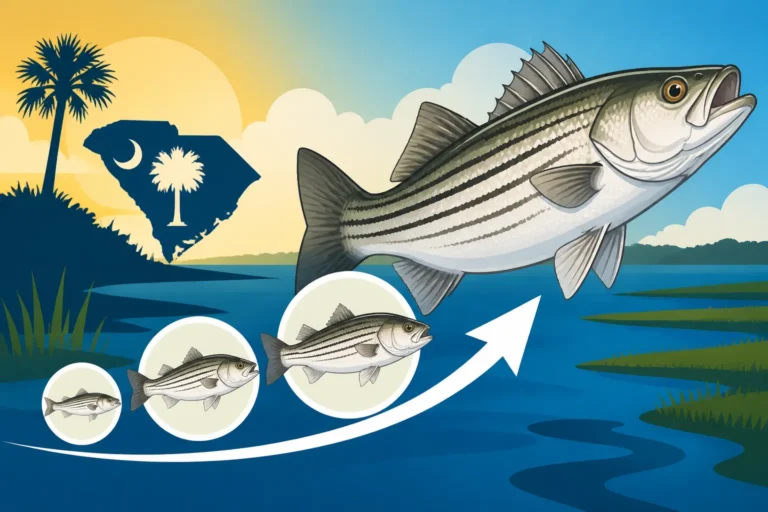
Here's a tip that goes against the "biggest fish wins" mentality for dinner: when it comes to eating largemouth bass, smaller is usually better. Young, actively growing bass, typically in the 12- to 16-inch range, tend to have the most tender, flaky, and mild-tasting flesh. As bass grow older and larger, their meat can become tougher, more fibrous, and sometimes develop a stronger, more "fishy" flavor. They've also had more time to accumulate any undesirable compounds from their diet and environment.
This is why many experienced anglers who keep bass for consumption will target smaller "eaters" rather than the large lunker they'd usually mount. There's a sweet spot, of course. A bass that's too small won't yield much meat, but a bass just above the minimum legal size limit is often perfect. Plus, harvesting smaller, more abundant bass can actually be beneficial for the overall health of a fishery, as it helps thin out the population and allows the remaining fish to grow larger. If you're chasing that true trophy Largemouth Bass Growth Rate From Fingerling to Trophy, you're likely going to release it anyway, which is great for the fishery.
Diet of the Bass: What They've Been Eating
Just like "you are what you eat," so too is the bass you catch. The diet of a largemouth bass directly impacts its flesh quality. Bass that primarily feed on smaller baitfish like shad, shiners, or bluegill, along with crawfish and aquatic insects, generally have a cleaner, more delicate flavor. These food sources typically don't impart strong, undesirable tastes.
However, if a bass is primarily feeding on species that themselves might have a stronger flavor, or if their diet consists of less appetizing bottom-dwelling organisms in a murky environment, that can translate to the bass's taste. Some anglers even suggest that bass from areas with a high population of sunfish or crawfish taste particularly good, as these prey species contribute to a firm, clean-flavored flesh. It’s hard to know exactly what an individual fish has eaten, but generally, a healthy, diverse ecosystem supporting a variety of prey suggests a better-tasting bass.
Proper Handling and Preparation from Catch to Plate
Even if you catch a bass from the most pristine waters with an ideal diet, improper handling can ruin it. This is probably the most overlooked aspect of ensuring a good-tasting fish. From the moment it leaves the water to the second it hits the pan, every step matters. A fish left flopping in a warm livewell for hours, or tossed directly into a cooler without ice, will degrade rapidly.
The goal is to stop the metabolic processes in the fish as quickly as possible. This means immediate dispatch, bleeding, and cooling. By doing so, you prevent the buildup of lactic acid in the muscles, which can lead to a "gamey" taste and mushy texture. Think of it like handling fine cuts of meat; care and attention to temperature and cleanliness are paramount for quality.
Preparing Largemouth Bass for the Best Flavor
So, you’ve decided to keep a few bass for the dinner table. Fantastic! Now comes the crucial part: preparing them correctly. The steps you take from the moment the fish is caught to when it's ready for cooking can make all the difference between a passable meal and a truly delicious one.
From Water to Cooler: The Critical First Steps
This cannot be stressed enough: immediate and proper handling is key. The moment you land a bass you intend to keep, it should be dispatched humanely and quickly. A swift blow to the head or severing the spinal cord behind the head will do the trick. This minimizes stress and the release of adrenaline, which can negatively impact meat quality.
Next, and this is vital, bleed the fish. Make a cut under the gills to sever the artery, and let it bleed out thoroughly in a bucket of water or by hanging it. This removes blood from the flesh, which is often a major contributor to "fishy" tastes. Once bled, get that fish on ice immediately. Not just cool water, but ice. A cooler full of ice slurry (ice and a little water) is ideal for rapidly bringing down the fish's core temperature. This halts bacterial growth and enzyme activity, preserving the firm texture and mild flavor. Don't just layer them on top of a few cubes; surround them completely.
Filleting and Skinning: Removing the "Off" Flavors
Once you're back home and ready to process your catch, proper filleting is the next step. For largemouth bass, it's highly recommended to skin the fillets. The skin can often hold onto some of those undesirable flavors, especially if the bass came from murkier waters. Using a sharp fillet knife (you can find excellent ones on Amazon), carefully separate the skin from the flesh.
Beyond skinning, pay attention to any red lateral line meat, sometimes called the "blood line." This darker meat often has a stronger, more pronounced flavor and can be a bit oilier. Many chefs and experienced anglers choose to trim this away entirely, leaving only the clean, white muscle tissue. This extra step, while a bit more work, results in a much milder and more appealing fillet. Also, inspect the fillets for any remaining bones and remove them with tweezers if necessary.
Soaking and Marinating: Enhancing the Taste
Even after meticulous handling and filleting, some anglers like to take an extra step to ensure the mildest flavor: soaking. A common technique is to soak the fillets in milk for 30 minutes to an hour in the refrigerator. The milk proteins are believed to bind to and neutralize some of the compounds that cause "fishy" tastes, resulting in a milder flavor.
Another effective method is to soak the fillets in a saltwater brine or a solution of water with a tablespoon of vinegar or lemon juice for about 20-30 minutes. The slight acidity can help firm up the flesh and further reduce any off-flavors. After soaking, simply pat the fillets dry with paper towels before seasoning and cooking.
For those who want to add specific flavors, marinating is an excellent option. Citrus-based marinades (lemon, lime, orange), herb-infused olive oil, or even a simple buttermilk marinade can do wonders. Just be mindful not to over-marinate, especially with acidic ingredients, as it can start to "cook" the fish and make it mushy. A 30-minute to 1-hour marinade is usually plenty for bass fillets.
Popular Cooking Methods for Largemouth Bass
Now that your bass fillets are clean, fresh, and ready to go, it's time for the fun part: cooking! The method you choose can greatly impact the final taste and texture. Each technique brings out different qualities of the fish, so it’s worth experimenting to find your favorite.
Frying and Pan-Searing: Crispy and Flavorful
Ah, the classic. Frying is perhaps the most popular way to prepare freshwater fish, and largemouth bass is no exception. A crispy, golden-brown crust gives way to tender, flaky white meat – it’s a crowd-pleaser for a reason. For frying, you'll want to use a light breading or batter. A simple mix of cornmeal, flour, and your favorite seasonings (paprika, garlic powder, onion powder, salt, and pepper are great starting points) works wonderfully.
Heat vegetable oil, peanut oil, or even a mix of oil and butter in a heavy skillet (cast iron works beautifully) over medium-high heat. You want the oil hot enough to sizzle when the fish touches it, around 350-375°F. Dip your fillets in an egg wash or buttermilk, then coat them thoroughly in your breading mix. Fry for 3-5 minutes per side, depending on thickness, until golden brown and cooked through. The key is not to overcrowd the pan, which lowers the oil temperature and can lead to greasy, soggy fish. Serve immediately with a squeeze of lemon.
Pan-searing offers a similar crispy exterior but often uses less oil. Season your fillets well, perhaps with a simple salt, pepper, and a touch of dill. Heat a non-stick or well-seasoned cast-iron pan with a tablespoon or two of olive oil or butter until shimmering. Place the fillets presentation-side down and sear for 3-4 minutes until a nice crust forms. Flip and cook for another 2-3 minutes until cooked through. This method really lets the natural flavor of the bass shine.
Baking and Grilling: Healthier Alternatives
If you're looking for lighter, healthier options, baking and grilling are fantastic choices for largemouth bass. These methods allow the fish to cook evenly while retaining moisture, especially if you take a few precautions.
For baking, preheat your oven to 400°F (200°C). Place your seasoned fillets on a baking sheet, perhaps on a bed of lemon slices or herbs. Drizzle with a little olive oil or melted butter. You can also create a foil packet with vegetables like asparagus or cherry tomatoes, sealing it tightly to steam the fish within its own juices. Bake for 10-15 minutes, or until the fish flakes easily with a fork. This method works well with marinades that penetrate the fish without the need for a heavy crust.
Grilling gives bass a lovely smoky flavor and those appealing grill marks. For best results, especially with thinner fillets, consider using a grill basket or placing the fish on foil to prevent sticking and breaking. Brush the fillets with olive oil and season generously. Grill over medium-high heat for about 4-6 minutes per side, depending on thickness. Again, don't overcook, as grilled fish can dry out quickly. A spritz of lemon juice and fresh herbs after grilling elevate the flavor beautifully.
Beyond the Basics: Soups, Stews, and Smoked Bass
While frying, baking, and grilling are popular, don't limit yourself! Largemouth bass can be incredibly versatile in other dishes. For instance, bass can make a wonderful fish chowder or stew. Its firm flesh holds up well to simmering in broths with vegetables and spices. You might find a recipe for a Lowcountry fish stew that incorporates bass, root vegetables, and a rich, savory broth.
Smoking bass is another fantastic way to prepare it, adding a deep, complex flavor. After brining the fillets (a saltwater and brown sugar brine works great), smoke them low and slow in a smoker. The smoke penetrates the fish, transforming its texture and taste into something truly special. Smoked bass can be enjoyed on its own, flaked into dips, or used in salads. It's a great option for preserving a larger catch or for adding a gourmet touch to your fishing haul. You can find specialized smokers and wood chips for different flavor profiles on Amazon, making it easy to experiment.
South Carolina Specifics: Where Your Bass Might Taste Best
As South Carolina anglers, we're fortunate to have a wide variety of fishing environments, and understanding these local nuances can really help in choosing the best bass for your plate. The quality of our waters is a huge determinant of fish flavor.
Prime Bass Waters and Their Impact on Flavor
South Carolina boasts some incredible bass fisheries, from expansive reservoirs to winding blackwater rivers. Generally speaking, bass from clearer, cooler, and less stagnant waters will have a milder, cleaner taste.
Lakes like Lake Jocassee in the Upstate are renowned for their exceptional water quality and deep, cool waters, which often yield great-tasting bass. Lake Keowee, another pristine mountain lake, also falls into this category. The constant flow of the Congaree River or Broad River can also keep bass active and clean-tasting, especially in sections with good current.
On the other hand, while the Santee Cooper lakes – Lake Marion and Lake Moultrie – are legendary for their trophy bass fishing, these warmer, shallower, and often more fertile waters, especially during summer, can sometimes produce bass with a stronger or slightly "muddy" flavor due to algal blooms. This isn't always the case, and many anglers swear by Santee Cooper bass, but it's a consideration. South Carolina's Best Bass Fishing Lakes provides a comprehensive look at top spots. You can also dive deeper into Santee Cooper Lakes: South Carolina's Legendary Bass Fishery or Lake Murray Fishing Guide for South Carolina Anglers for more localized insights.
It's also worth noting that bass from private ponds can be a mixed bag. If a pond is well-managed with good water circulation and a healthy forage base, the bass can be excellent. However, neglected ponds, especially those that become overly warm and stagnant, often produce bass with the strongest off-flavors.
Regulations and Ethical Harvesting for Better Eating
South Carolina has specific regulations regarding bass, including size and creel limits. These are in place to manage fish populations and ensure healthy fisheries for generations to come. Understanding these rules is not just about legality but also about making ethical choices that can lead to better-tasting fish.
Often, slot limits or size restrictions are designed to protect large breeding females while encouraging the harvest of smaller, more abundant fish. As we discussed, these smaller bass (typically 12-16 inches) are often the best for eating anyway. By adhering to these regulations and selectively harvesting fish within the keeper size, you're not only being a responsible angler but also optimizing your chances of a delicious meal. Always check the current South Carolina Fishing Bag Limits Explained before heading out.
Remember that releasing larger bass, especially those true trophy fish, is often the best practice for both conservation and culinary quality. Larger bass are crucial for reproduction and maintaining the genetics of the fishery. Plus, if you really want to know more about Largemouth Bass Fishing in South Carolina: The Complete Guide, you'll find that selective harvest is a key part of responsible angling.
| Factor | Impact on Bass Taste | Best Practice for Eating |
|---|---|---|
| Water Quality | Murky, warm, stagnant water = "muddy" or "fishy" taste | Target clear, cool, flowing water or deep, clean reservoirs. |
| Size/Age of Bass | Larger, older bass = tougher, stronger flavor | Keep smaller, younger bass (e.g., 12-16 inches) for best flavor and texture. |
| Diet | Unappealing diet = undesirable flavors | Bass feeding on baitfish, crawfish, insects tend to taste cleaner. |
| Immediate Handling | Leaving fish to flop/warm = soft, gamey meat | Dispatch, bleed, and ice down immediately in an ice slurry. |
| Filleting & Skinning | Skin and red meat = stronger flavors | Always skin fillets and trim off any red lateral line meat. |
| Soaking/Marinating | Can reduce "fishiness" and add flavor | Soak in milk, brine, or acidic solution. Marinate to infuse desired flavors. |
| Cooking Method | Overcooking = dry, tough fish | Choose method appropriate for fillet thickness; avoid overcooking. |
Gear for Catching and Cooking Your Bass
Having the right tools, both on the water and in the kitchen, makes the entire process of catching and preparing largemouth bass much more enjoyable and successful. It’s all about efficiency and quality.
Essential Angling Tools for a Good Catch
Of course, to catch bass, you need the right fishing gear. A medium-heavy spinning or baitcasting rod and reel combo, spooled with 10-20 lb test line, is a versatile setup for most largemouth bass fishing in South Carolina. For lures, a variety of options can work, from soft plastic worms and jigs to crankbaits and spinnerbaits. Your choice of lure often depends on the season and water conditions. For example, Best Lures for Largemouth Bass in Muddy Water would suggest different options than for clear water.
Beyond your rod and reel, a few other items are crucial. A good landing net helps you safely bring fish into the boat, reducing stress on the fish (and you!). A pair of pliers or forceps for hook removal is essential, both for angler safety and for the fish's well-being if you're releasing it. And if you plan to keep fish, a quality cooler packed with plenty of ice is non-negotiable for immediate chilling, as discussed earlier. Investing in a good cooler will pay dividends in the quality of your catch.
Kitchen Essentials for Filleting and Cooking
Once you've brought your catch home, the right kitchen tools become your best friends. A super sharp fillet knife is at the top of the list. A dull knife makes filleting a chore and can lead to uneven cuts and wasted meat. Look for a knife with a flexible, stainless-steel blade that's easy to sharpen. You can find excellent fillet knives from brands like Rapala or Bubba Blade on Amazon, which often come with sharpeners.
A sturdy cutting board, preferably one designated for fish to avoid cross-contamination, is also vital. Look for one with a non-slip surface and maybe a juice groove to catch any liquids. Beyond that, a good pair of kitchen shears can be handy for trimming fins or smaller pieces of skin.
For cooking, your standard kitchen setup will usually suffice, but a few specific items might enhance the experience. A heavy-bottomed skillet or cast-iron pan is ideal for frying or pan-searing, ensuring even heat distribution. A deep fryer, if you really love fried fish, makes short work of batches. If you're grilling, a fish grilling basket can prevent delicate fillets from sticking or falling through the grates. For soaking fillets, a simple bowl or a resealable freezer bag works perfectly. Don't forget a good set of tongs for flipping fish, and plenty of paper towels for drying those fillets before cooking! Many of these cooking essentials can be conveniently sourced from Amazon, ensuring you have everything you need for a successful fish fry.
Disclaimer
This article is for general informational purposes only and does not constitute professional advice. Laws, prices and regulations vary by location and change over time. Consult a qualified professional for guidance on your specific situation.