Best Smallmouth Bass Lakes in South Carolina
Oh, South Carolina! When most folks talk about fishing here, their minds immediately jump to those big, chunky largemouth bass in our warmer lakes, or maybe the feisty redfish down on the coast. But let me tell you, there's a quieter, often overlooked pursuit that offers a truly exhilarating challenge: chasing smallmouth bass. These aren't your typical Southern fish; they prefer clear, cold, rocky waters, and finding them in the Palmetto State is like uncovering a hidden gem. If you've ever yearned for that hard-fighting bronzeback thrill, this guide is your key to unlocking the best smallmouth bass lakes in South Carolina and understanding how to tempt these elusive beauties.
The Unique Appeal of Smallmouth Bass in the Palmetto State
Smallmouth bass, often affectionately called "bronzebacks," are a different breed from their largemouth cousins. While largemouth thrive in warmer, weedier waters, smallmouth prefer cooler, cleaner, rockier environments. This makes their presence in South Carolina a bit of a rarity, mostly confined to the deep, clear reservoirs nestled in the upstate mountains. For anglers used to the explosive strikes of a largemouth from lily pads, a smallmouth offers a different kind of fight – powerful, acrobatic jumps and deep, bulldogging runs that will test your tackle and your resolve. They're a true prize, and encountering one in our state feels like a special accomplishment.
Distinguishing Smallmouth from Other Bass Species
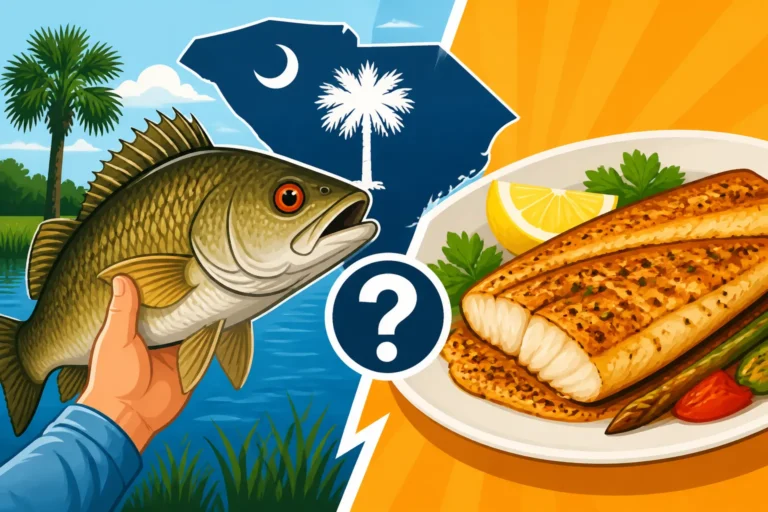
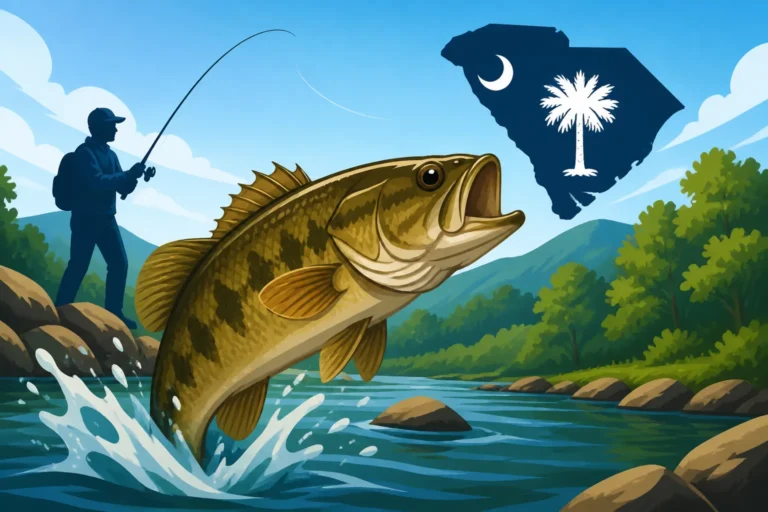
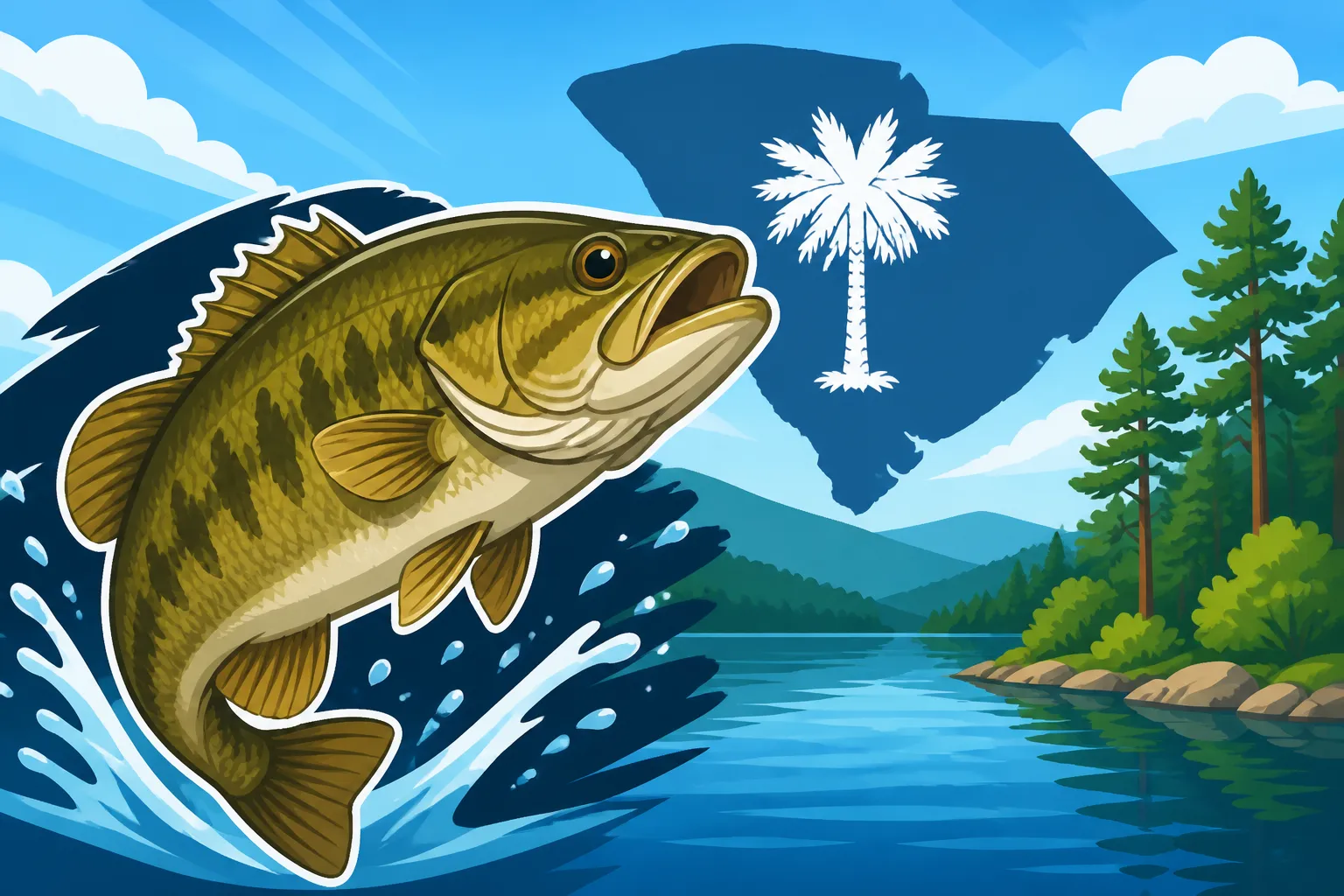
Before you can effectively target smallmouth, it's crucial to know what you're looking for. It's easy to mistake them for a largemouth, especially if you're not accustomed to seeing them regularly, or even a spotted bass. The most prominent identifiers for a smallmouth are their coloration, which is typically a mottled brown or bronze, often with vertical bars or blotches on their sides, rather than a distinct horizontal stripe. Their mouths, true to their name, do not extend past their eye when closed, unlike a largemouth.
Another key feature is the dorsal fin: on a smallmouth, the spiny front portion and the soft-rayed rear portion are clearly connected, forming a continuous fin. In a largemouth, these two sections are deeply separated, almost appearing as two distinct fins. Understanding these subtle differences is vital for proper identification, especially since you might encounter largemouth or How to Identify a Largemouth Bass and spotted bass in the same waters. Sometimes, anglers even confuse them with redeye bass, so knowing the specific markings can save you from misidentification. If you're looking for even more detail, you might check out Redeye Bass vs Largemouth Bass: How to Tell Them Apart for a comprehensive breakdown.
Why Smallmouth Bass Are a Challenge Here
South Carolina's climate and geography mean that suitable smallmouth habitat is limited. Our state is known for its warm, fertile waters, which are ideal for largemouth bass, catfish, and crappie. Smallmouth, on the other hand, need consistent cold water, plenty of oxygen, and rocky or gravelly bottoms for spawning and foraging. This means they are predominantly found in specific, deep reservoirs fed by mountain rivers, where water temperatures remain cooler year-round, even in the depths.
This scarcity makes them a prized catch, but also means you can't just drop a line anywhere and expect to hook one. Targeting smallmouth here requires specific knowledge of their preferred haunts, a deep understanding of their behavior, and a willingness to adapt your techniques. It’s not just about casting; it's about precision, patience, and often, fishing deeper than you might for other bass species.
Prime South Carolina Lakes for Smallmouth Action
When it comes to smallmouth bass in South Carolina, there are a couple of lakes that truly stand out as the primary hunting grounds. These upstate gems offer the specific conditions that bronzebacks require, making them the top destinations for anglers seeking this unique challenge. While their populations might not rival those in northern states, the fish you find here are healthy, aggressive, and offer an unforgettable fight.
Lake Jocassee: The Smallmouth Mecca
If there's one lake in South Carolina that earns the title "Smallmouth Mecca," it's undoubtedly Lake Jocassee. Tucked away in the mountainous northwestern corner of the state, Jocassee is a stunningly beautiful, deep, and crystal-clear reservoir fed by pristine mountain rivers. Its deep, cold waters, rocky cliffs, submerged timber, and numerous coves create an almost perfect environment for smallmouth bass. You won't find endless shallow flats here; Jocassee is all about structure, depth, and oxygen-rich water.
Anglers often find smallmouth holding tight to rocky points, steep drop-offs, and submerged humps, sometimes at considerable depths, especially during the warmer months. Focus your efforts around the areas where the Toxaway, Horsepasture, Whitewater, and Thompson rivers feed into the lake, as these areas often provide the cooler, flowing water that smallmouth prefer. Early mornings and late evenings can bring them shallower, but don't be afraid to fish deep, sometimes 20-50 feet or more, using your electronics to pinpoint structure and schools of baitfish. Jocassee isn't just known for smallmouth either; it's also a fantastic lake for South Carolina's Native Brook Trout: A Blue Ridge Mountain Original and other cold-water species, making it a truly diverse fishery.
Lake Keowee: A Promising Secondary Option
Just downstream from Lake Jocassee lies Lake Keowee, another impressive upstate reservoir. While not as renowned for its smallmouth population as Jocassee, Keowee definitely holds a respectable number of these bronzebacks, offering a solid alternative for anglers. Keowee is also a deep, clear lake, though generally not as cold as Jocassee, especially in its lower sections. However, its upper reaches and areas with significant rocky structure and deep channels can be excellent for smallmouth.
The key to finding smallmouth in Keowee often lies in identifying similar conditions to Jocassee: deep, clean water with plenty of submerged rock piles, ledges, and offshore humps. Areas closer to the dam, or those with strong currents and ample structure, tend to hold the most promise. While largemouth are more prevalent here, especially in the shallower coves, dedicating time to the deeper, rockier areas will increase your chances of hooking into a smallmouth. You can explore various access points and boat ramps on this lake if you consult Lake Keowee Fishing Spots and Boat Ramps. It's a lake that demands patience and exploration, but the reward of a hard-fighting smallmouth is well worth the effort.
Proven Strategies for Targeting Smallmouth Bass
Catching smallmouth bass in South Carolina requires a bit of finesse and an understanding of their unique behaviors, especially when compared to the aggressive nature of a largemouth. These fish are often found deeper, prefer cleaner water, and can be particular about their presentations. Success hinges on adapting your approach to the conditions of these deep, clear mountain lakes and being prepared to fish vertically as well as horizontally.
Seasonal Tactics for Elusive Bronzebacks
Just like any bass species, smallmouth behavior changes with the seasons. In winter, they'll often retreat to the deepest parts of the lake, congregating around prominent underwater structure like humps, ledges, and deep points. This is when vertical jigging with spoons or blade baits, or slow-rolling a Ned rig along the bottom, can be incredibly effective. As spring approaches, smallmouth begin to move shallower, seeking rocky flats and gravelly areas for spawning. During the pre-spawn and spawn, crankbaits, jerkbaits, and tube jigs worked slowly can entice strikes.
Summer can see them suspend over deep water or relate to thermoclines, often chasing baitfish. This is a great time for drop-shotting, particularly around submerged timber or deep brush piles that offer cover and cooler water. Fall often brings them back to shallower structures as they gorge themselves in preparation for winter, making crankbaits, spinnerbaits, and even topwater lures (in early fall) good choices. For more general insights into how the seasons affect bass, take a look at South Carolina Bass Fishing Techniques by Season. It’s a good idea to consult a South Carolina Freshwater Fishing Calendar to understand general fish patterns.
Go-To Lures and Baits
Smallmouth bass are often less about power fishing and more about subtle presentations. Here are some lures and baits that consistently produce in South Carolina's smallmouth waters:
- Drop Shots: This technique is incredibly effective for fishing deep water and presenting a bait right in the fish's face. Small finesse worms, minnow imitations, or creature baits rigged on a drop shot allow for subtle movements that tempt even finicky smallmouth. You can find a huge variety of drop shot weights and hooks on Amazon.
- Tube Jigs: Tubes are classic smallmouth baits, mimicking crawfish or small baitfish. Work them along rocky bottoms, letting them fall naturally into crevices. Colors like green pumpkin, watermelon, or smoke with glitter are often productive.
- Ned Rigs: Another finesse technique, the Ned rig is fantastic for subtle presentations. A small mushroom-head jig paired with a short, buoyant stick bait creates an enticing stand-up action on the bottom. It's especially good when fish are lethargic or pressured.
- Jerkbaits: For suspended fish or when smallmouth are actively chasing baitfish in shallower water, a suspending jerkbait can be deadly. Vary your retrieve with pauses to let the bait hang in the strike zone.
- Small Swimbaits: Realistic small baitfish imitations, either rigged on a jig head or as an underspin, can be very effective when smallmouth are feeding on shad or other forage. Many anglers swear by specific colors, and you can find a fantastic selection on Amazon to experiment with.
- Crankbaits: Medium-diving crankbaits that mimic crawfish or shad are great for covering water, especially around rocky points and ledges in the spring and fall. Look for models that dive to the depths where you're seeing activity.
- Live Bait: If artificials aren't cutting it, live minnows, shiners, or even crawfish (where legal) can be irresistible to smallmouth. Present them on a simple hook-and-sinker rig or under a slip bobber near structure.
Before you head out, make sure you have the right gear. A good medium-light spinning rod and reel combo, which you can easily find on Amazon, will make a huge difference in feeling those subtle smallmouth bites and handling their powerful runs.
Reading the Water for Smallmouth Success
Successfully targeting smallmouth bass is as much about understanding the lake as it is about your tackle. These fish are highly structure-oriented, meaning they relate strongly to underwater features.
- Utilize Electronics: A quality fish finder is almost a necessity for smallmouth fishing in these deep lakes. It will help you identify submerged humps, rock piles, ledges, and drop-offs where smallmouth congregate. Learning to interpret your sonar and down/side imaging will be a game-changer. Investing in a portable fish finder, readily available on Amazon, can greatly enhance your ability to locate those deep, rocky structures where smallmouth love to hide.
- Study Maps: Navigational charts and contour maps of Lake Jocassee and Lake Keowee will reveal underwater topography, helping you identify potential smallmouth hotspots before you even launch your boat. Look for areas where contours quickly change, indicating steep breaks or ledges.
- Look for Baitfish: Smallmouth are predators, so where there's bait, there's a good chance smallmouth aren't far behind. Watch for baitfish flickering on the surface or congregating on your fish finder. Gulls or diving birds can also indicate baitfish activity.
- Observe Water Clarity and Temperature: Smallmouth prefer clear water, so pay attention to water clarity. They also have specific temperature preferences, usually thriving in water from the mid-50s to low 70s Fahrenheit. Don't forget essentials like a good pair of polarized sunglasses (another great Amazon find) to spot subtle changes in water clarity.
Responsible Smallmouth Fishing and Conservation
Because smallmouth bass are somewhat rare in South Carolina's waters, especially compared to the widespread largemouth populations, conservation efforts are particularly important. Anglers targeting these bronzebacks have a responsibility to ensure these unique fisheries remain healthy for future generations. It’s not just about catching fish; it’s about protecting a special resource.
Embracing Catch and Release
For many smallmouth enthusiasts in South Carolina, the joy is in the fight, not necessarily the dinner plate. Practicing catch and release, particularly for larger, older smallmouth, is highly encouraged. These bigger fish are crucial for the reproductive success and genetic health of the population. When you do release a fish, handle it gently, minimize its time out of the water, and ensure it's revived and swimming strongly before letting it go. A simple dehooking tool can make this process smoother and less stressful for the fish.
Think about the unique nature of these fish in South Carolina; they're not everywhere, so giving them the best chance to thrive is part of the sport. Every fish released is an investment in the future of this specialized fishery, ensuring that the thrill of catching a South Carolina smallmouth can be experienced by others down the line.
Adhering to South Carolina's Fishing Regulations
Even though smallmouth bass are rare, they still fall under the general statewide bass regulations in South Carolina. It's absolutely critical to be aware of and adhere to the current rules regarding size limits and daily creel (bag) limits for black bass. While there might not be specific rules just for smallmouth, the general regulations apply. Before any fishing trip, always double-check the latest regulations published by the South Carolina Department of Natural Resources (SCDNR). These rules are in place to manage fish populations and ensure sustainable fishing. You can usually find detailed information in the South Carolina Fishing License Guide or by reading up on South Carolina's Freshwater Fishing Regulations. Understanding these regulations helps protect the sport and ensures you're fishing legally and responsibly. For instance, some trout streams have very specific limits, like South Carolina Streams With a 7-Fish Trout Limit, which highlights how localized rules can be.
South Carolina Smallmouth Bass Lakes Comparison
Here's a quick look at the two primary smallmouth bass lakes in South Carolina to help you plan your adventure:
| Feature | Lake Jocassee | Lake Keowee |
|---|---|---|
| Primary Smallmouth Focus | High (premier smallmouth fishery) | Moderate (good secondary option) |
| Water Clarity | Exceptionally Clear, Pristine | Very Clear |
| Water Temperature | Colder, especially in deeper sections | Colder, but generally warmer than Jocassee |
| Dominant Structure | Steep rock walls, deep points, submerged timber | Rocky points, ledges, deep channels, coves |
| Depth | Very Deep (up to 300+ ft) | Deep (up to 150+ ft) |
| Challenges | Deep fish, remote access, boat traffic | Largemouth competition, boat traffic, finding spots |
| Best Lures/Techniques | Drop shots, tube jigs, jigs, spoons | Drop shots, Ned rigs, jerkbaits, crankbaits |
South Carolina might not be famous for its smallmouth bass, but for those willing to seek them out, the reward is an unparalleled fishing experience. Lake Jocassee and Lake Keowee offer the challenging, clear-water environments where these elusive bronzebacks thrive. Remember to fish responsibly, respect the regulations, and most importantly, enjoy the unique thrill of battling a smallmouth in the beautiful mountains of the Palmetto State. It's a testament to the incredible diversity of South Carolina Fishing License Guide our state has to offer, if you know where to look.
Disclaimer
This article is for general informational purposes only and does not constitute professional advice. Laws, prices and regulations vary by location and change over time. Consult a qualified professional for guidance on your specific situation.