South Carolina Fishing License Guide
Few things are as frustrating as planning a perfect fishing trip to the beautiful waters of South Carolina, only to realize you're unsure about the exact fishing license you need. The rules can feel like a labyrinth, changing depending on where you're casting your line, how long you plan to stay, and even your age. This comprehensive guide is designed to cut through that confusion, helping every angler, from seasoned locals to visiting enthusiasts, understand and secure the correct South Carolina fishing license with ease.
Why a South Carolina Fishing License is Essential
It's tempting to think of a fishing license as just another hurdle, another piece of paper to acquire before you can truly enjoy a day on the water. But in South Carolina, and everywhere else, it's far more than that. Your fishing license is actually a critical component of conservation, ensuring that the vibrant fisheries we all cherish remain healthy and abundant for generations to come.
Protecting Our Natural Resources
When you purchase a fishing license in South Carolina, a significant portion of that fee goes directly towards funding vital conservation efforts by the South Carolina Department of Natural Resources (SCDNR). Think about it: without these funds, who would monitor fish populations, conduct scientific research to understand their health, or manage habitats that are crucial for spawning and growth? The money from licenses helps pay for things like fish stocking programs in freshwater lakes, habitat restoration projects in coastal estuaries, and enforcement of regulations that prevent overfishing. It's an investment in the future of fishing, allowing you, your kids, and even your grandkids to experience the thrill of a bending rod and a screaming reel. It means that when you're targeting a trophy largemouth bass on Lake Murray or chasing redfish in the Lowcountry marshes, you know those opportunities are being actively protected.
Understanding the Legal Requirements
Beyond the moral imperative of conservation, there's the straightforward legal reality: fishing without a proper license in South Carolina is against the law. It’s not a minor infraction; it can lead to fines, confiscation of gear, and an unpleasant interruption to your peaceful day on the water. SCDNR game wardens are out there, patrolling our lakes, rivers, and coastal areas, and they absolutely can and will ask to see your license. It's their job to ensure fair play and protect the resource, and showing a valid license is a quick and easy way to demonstrate you're doing your part. Trust me, the momentary hassle of buying a license far outweighs the stress and expense of dealing with a citation. You wouldn't drive a car without a license plate, and fishing responsibly requires the same level of compliance.
Who Needs a Fishing License in South Carolina
The question of "who needs a license" often trips people up, leading to unnecessary confusion or, worse, accidental violations. The general rule is straightforward, but there are some important nuances that can make a big difference, especially for kids, seniors, or those fishing in specific situations.
Age Requirements and Exemptions
In South Carolina, anyone 16 years of age or older is required to have a valid fishing license to fish in public waters. This is a pretty standard age cutoff across many states, designed to ensure that most active anglers contribute to conservation efforts. So, if you're planning a family trip, remember that while your younger kids can cast away without a license, any teenagers hitting the sweet sixteen mark will need to get one. It’s important to note that these rules apply to both residents and nonresidents. For those interested in the specifics, you can dive deeper into the state's official rules on fishing license requirements in South Carolina.
However, there are some wonderful exceptions! South Carolina offers some exemptions, especially for its elder citizens. Residents who were born before July 1, 1940, are completely exempt from needing a fishing license – what a fantastic perk for our senior anglers who've been enjoying these waters for decades! Additionally, active-duty military personnel and residents who are legally blind, paraplegic, or missing two or more limbs can obtain special lifetime licenses or exemptions. Always double-check the specific criteria for these exemptions to ensure you qualify.
Public vs. Private Waters Considerations
This is where things can get a little murky. Generally, a South Carolina fishing license is required for public waters. This includes the vast majority of lakes, rivers, streams, and coastal waters across the state. But what about private ponds? If you're fishing in a completely private pond that is entirely enclosed on private land and has no connection to public waterways, you typically do not need a state fishing license. The owner of that pond can set their own rules.
However, be extremely cautious here. A "private pond" that actually drains into a public creek, river, or lake is not considered entirely private, and a license would likely be required. It’s often best to err on the side of caution. If there's any doubt about whether a body of water is truly isolated and private, assume you need a license. This is particularly relevant for those fishing smaller farm ponds or community lakes that might seem private but have connections to larger water systems.
Special Cases: Piers, Charters, and Reciprocity
South Carolina has some excellent fishing piers, especially along the coast. Do you need a license to fish from one of these? Often, the answer is no, but with a big caveat. Many public fishing piers operate under a blanket license that covers all anglers fishing from that specific structure. This means the pier itself holds a commercial license that extends to its patrons. However, this is not universal. Always check with the individual pier management before you cast your line. Fishing from a bridge or a public dock (not a designated fishing pier) does require your own individual license.
What about fishing charters? If you're on a licensed fishing charter or with a professional guide, you are typically covered under their commercial license. This is a huge benefit of booking a trip with a professional outfit like those offering Hilton Head Island fishing charters. They handle all the licensing for you and your group, so you can focus solely on catching fish. However, this coverage usually only applies while you are on their vessel during the paid trip.
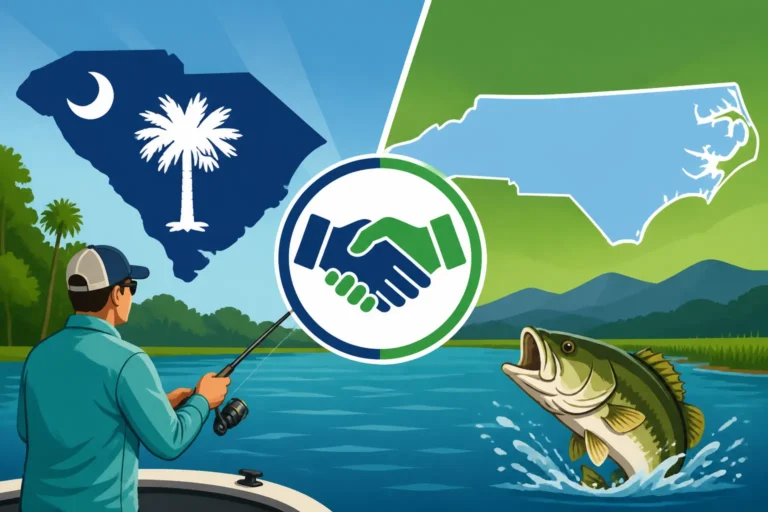
Lastly, let's talk about reciprocity. South Carolina shares some border waters with neighboring states like North Carolina and Georgia. Does your South Carolina license work in those waters? In some specific border waters, such as portions of the Savannah River or Lake Hartwell shared with Georgia, or parts of the Catawba River shared with North Carolina, there might be reciprocity agreements. This means a valid license from either state may be honored in certain designated areas. However, these agreements are often very specific and do not extend statewide. It's crucial to check the exact rules for those specific border areas, as details can change. Don't assume your license covers you if you're venturing across state lines; always verify to avoid any legal trouble. For more specific information, you can research South Carolina fishing license reciprocity with North Carolina or explore options for fishing license reciprocity with Georgia.
Navigating the Different Types of South Carolina Fishing Licenses
Once you've established that you indeed need a license, the next step is figuring out which one. South Carolina offers a variety of license types tailored to different fishing preferences, durations, and even the type of water you plan to fish. Understanding these categories is key to getting exactly what you need without overpaying or coming up short.
Freshwater vs. Saltwater Licenses
This is perhaps the most fundamental distinction. South Carolina's diverse geography offers incredible fishing opportunities in both freshwater and saltwater environments, and the state wisely separates licenses for these two domains.
A freshwater fishing license is what you need for all inland waters: lakes, rivers, ponds, and streams that are not influenced by tides or ocean salinity. This includes popular spots like Lake Murray, the Santee Cooper lakes (Marion and Moultrie), Lake Hartwell, and countless smaller rivers and creeks throughout the state. If you're chasing largemouth bass, crappie, catfish, or even trout in the Upstate mountains, this is your ticket.
A saltwater fishing license covers all marine and estuarine waters up to the freshwater/saltwater demarcation lines on coastal rivers. This means if you're casting a line in Charleston Harbor, Murrells Inlet, the intercoastal waterway, or surf fishing along the beach at Myrtle Beach, you need a saltwater license. Target species here include redfish, spotted seatrout, flounder, and numerous other inshore and offshore species. Keep in mind that for specific species like redfish, there are very important rules about the South Carolina redfish slot limit.
It's absolutely critical to understand where these lines are drawn. Fishing just upstream of a designated demarcation line with a saltwater license, or vice versa, could lead to a violation. The SCDNR has maps and detailed descriptions available that outline these boundaries. When in doubt, it’s safer to have both or to verify the specific water body's classification.
Annual, Multi-Year, and Short-Term Options
South Carolina understands that not everyone fishes year-round, and not everyone is a permanent resident. Therefore, they offer flexible duration options for licenses:
- Annual Licenses: These are the most common and cost-effective if you plan to fish more than a few times a year. An annual license is valid for 365 days from the date of purchase, not just for a calendar year. This is a great feature, as it means you get a full year of fishing no matter when you buy it. You can easily find the South Carolina Annual Fishing License Price Breakdown for both residents and nonresidents.
- Multi-Year Licenses (3-Year): For the truly dedicated angler who knows they'll be hitting the water consistently, a 3-year license is an excellent choice. These offer a slight discount compared to buying three individual annual licenses back-to-back, saving you a bit of money and the hassle of annual renewals. It's a convenient option, locking in your fishing access for an extended period. Look into South Carolina 3-Year Fishing License Options if this sounds like a good fit for you.
- Short-Term Licenses: These are perfect for visitors or those who only fish occasionally. South Carolina offers various short-term options, typically ranging from 1 day to 14 days for residents and nonresidents alike, though nonresident options may vary slightly. For example, a nonresident might find a South Carolina nonresident saltwater fishing license 7-day cost to be ideal for a week-long vacation. These are fantastic for a quick weekend getaway or a planned fishing vacation. They're usually a bit more expensive per day than an annual license, but they save you money if you don't need year-round coverage. You can check out South Carolina 14-Day Fishing License Options for more details.
Combination Licenses for the Avid Angler
For those who enjoy both freshwater and saltwater angling, or even those who like to hunt, South Carolina offers combination licenses. These are designed to provide convenience and often a cost-saving over purchasing separate licenses.
A popular choice is the "All-Access" (or comprehensive) license for residents, which often bundles freshwater, saltwater, and even hunting privileges into one convenient package. This simplifies your compliance and can be a significant advantage if you're a multi-sport outdoor enthusiast. Instead of carrying multiple pieces of paper or juggling different expiration dates, everything is consolidated.
For nonresidents, combination options might be less common but are worth investigating, especially if you plan an extended stay that includes diverse fishing experiences. Always verify exactly what a "combo" license covers. Sometimes it covers freshwater and saltwater, sometimes it also includes hunting, or specific stamps for certain species (though stamps are less common for general fishing). It's all about finding the right fit for your specific angling habits.
Resident vs. Nonresident Licenses: What You Need to Know
The distinction between resident and nonresident licenses is probably the most significant factor impacting the cost and type of license you'll need. South Carolina, like most states, prioritizes its residents with more affordable options, while visitors contribute a bit more to the state's conservation efforts.
Defining South Carolina Residency
So, what exactly makes you a "resident" in the eyes of the South Carolina Department of Natural Resources? It's not just about owning property or having a mailing address. Generally, to qualify as a South Carolina resident for licensing purposes, you must:
- Have resided continuously in South Carolina for at least 30 consecutive days immediately prior to applying for a license.
- Be able to prove residency with a valid South Carolina driver's license or state ID card.
- For active military personnel stationed in South Carolina, they (and their dependents) may qualify for resident rates, even if their permanent home state is elsewhere. This is a common courtesy to service members.
- Students attending a college or university in South Carolina for at least six months of the year can also sometimes qualify as residents for licensing, though they may need to show proof of enrollment.
It’s crucial to understand these criteria. Attempting to purchase a resident license when you don't genuinely meet the requirements is a serious offense and can lead to significant penalties. SCDNR wardens are trained to verify residency, so always be truthful and prepared to show proper identification. What counts as proof of residency for a resident license? Typically, it's a South Carolina driver's license or state-issued ID.
Nonresident Options for Visitors
If you're visiting South Carolina for a fishing vacation, don't worry – the state welcomes you with open arms and plenty of great fishing. Nonresident licenses are readily available, though, as expected, they come with a higher price tag. This higher fee helps compensate for the fact that nonresidents typically don't contribute to the state's tax base that also supports wildlife and natural resource management.
Nonresident options mirror many of the resident choices in terms of duration:
- Annual Nonresident Licenses: Ideal if you plan multiple trips to South Carolina throughout the year, or an extended stay. For instance, the South Carolina Nonresident Freshwater Fishing License Annual Cost is significantly more than the resident equivalent, but still a solid investment for frequent visitors.
- Short-Term Nonresident Licenses: These are incredibly popular for vacationers. Options include 1-day, 7-day, or 14-day licenses, offering flexibility for short visits. For example, understanding the South Carolina Nonresident Saltwater Fishing License 7-Day Cost can help you budget for a week-long coastal trip. These are perfect for that annual family beach trip where you know you'll spend a day or two trying to catch some redfish or trout.
When deciding between an annual or short-term nonresident license, do a quick calculation. If you're coming for more than one short trip, or staying for an extended period, an annual license might surprisingly be more cost-effective. For example, is the nonresident freshwater license worth it for a single trip? Probably not an annual one, but a short-term option definitely is.
Price Discrepancies and Value
The price difference between resident and nonresident licenses can be substantial. This isn't unique to South Carolina; it's a common practice across the United States. It's a way for states to ensure that all individuals who benefit from their natural resources contribute financially to their upkeep, regardless of where they call home permanently.
For instance, the Freshwater Fishing License Cost for South Carolina Residents is quite affordable, often just $10 for an annual license. Compare that to the nonresident equivalent, and you'll see a noticeable jump. While this might seem steep to a visitor, remember that these funds are directly reinvested into the fisheries you're enjoying. From stocking programs in mountain streams for native brook trout to managing coastal marsh health for juvenile fish, your license dollars are working hard.
Understanding these price differences is simply part of planning your trip. It helps you budget accordingly and appreciate the investment being made in South Carolina's incredible fishing heritage.
Breaking Down the Costs of a South Carolina Fishing License
Let's get down to brass tacks: how much is this going to set you back? The good news is that South Carolina fishing licenses are generally quite affordable, especially for residents, offering incredible value for the access they provide to world-class fishing.
Standard Annual License Fees
For South Carolina residents, the annual costs are remarkably low, making year-round fishing highly accessible:
- Annual Freshwater Fishing License: As of my last check, this usually runs about $10. This gives you 365 days of access to all public freshwater lakes, rivers, and ponds. A fantastic deal for anyone who lives here! You can read more about South Carolina's $10 Annual Freshwater Fishing License Explained.
- Annual Saltwater Fishing License: This is typically around $15 for residents. Again, 365 days of casting in the coastal estuaries, surf, and nearshore waters. The South Carolina Resident Saltwater Fishing License Annual Cost is a small price to pay for the bounty of the coast.
- Combination Annual (Freshwater & Saltwater): If you enjoy both, a combination resident license might be available, often around $25. This is usually the best value if you plan to fish both environments.
For nonresidents, the annual fees are higher, reflecting their temporary use of the state's resources:
- Annual Nonresident Freshwater Fishing License: This can be around $35. It's still a fair price for a full year of access, especially if you visit multiple times.
- Annual Nonresident Saltwater Fishing License: Typically, this is around $75. Again, if you're a frequent visitor to the coast, it's a worthwhile investment. The $75 Nonresident Annual Saltwater License Explained is a useful resource for understanding this option.
- Combination Annual (Freshwater & Saltwater): Nonresident combo options, if available, would logically combine these costs, likely offering a slight discount over buying two separate annual licenses.
Short-Term and 3-Year License Pricing
Beyond the annual options, South Carolina provides flexibility:
- Short-Term Licenses for Residents:
- 14-Day Freshwater: Often around $5. This is a great choice for a couple of fishing weekends or a short vacation inland. The $5 14-Day Freshwater Fishing License Explained shows just how affordable this can be.
- 14-Day Saltwater: Typically around $10. Perfect for a quick coastal trip.
- Short-Term Licenses for Nonresidents:
- 14-Day Freshwater: Usually around $11.
- 14-Day Saltwater: Often around $11.
- 7-Day Saltwater: Can be around $11.
- 1-Day Saltwater: Typically around $10. These short-term options are extremely convenient for brief visits.
- Considering the annual vs 7-day nonresident saltwater license: which saves more? This depends on how many times you plan to fish. For a single short trip, the 7-day is certainly more economical.
- 3-Year Licenses:
- Resident 3-Year Freshwater: Around $30. This is exactly three times the annual cost, but the convenience is invaluable.
- Resident 3-Year Saltwater: Roughly $45. This offers excellent long-term value. The $45 3-Year Saltwater Fishing License Explained highlights the benefits.
- Nonresident 3-year options are also available for both freshwater and saltwater, mirroring the annual costs over three years, sometimes with a slight bundled discount.
It's always a good idea to check the most current prices directly on the SCDNR website or on the Go Outdoors South Carolina portal, as fees can occasionally be adjusted. However, these figures give you a very accurate picture of what to expect.
Senior and Disability License Benefits
South Carolina truly looks out for its senior citizens and those with disabilities, offering some of the most generous licensing programs in the nation:
- South Carolina Senior Lifetime License: This is an incredible program. Residents who are 64 years of age or older can purchase a lifetime comprehensive fishing license (and often hunting too) for a one-time fee, which is significantly reduced from what you might expect. For example, the South Carolina Senior Lifetime License Cost at Age 64 is a true bargain, providing lifetime access. These licenses cover both freshwater and saltwater fishing, removing the need for annual renewals forever. It's a fantastic benefit for those who have spent a lifetime enjoying the outdoors. You can also explore the specific South Carolina Senior Lifetime License Benefits.
- Free Lifetime Licenses for Older Seniors: As mentioned earlier, residents born before July 1, 1940, are completely exempt from needing a fishing license in South Carolina. This means they fish for free, for life, a wonderful recognition of their contributions and longevity. For those born before this date, it’s worth verifying who qualifies for a free South Carolina lifetime license.
- Disability Licenses: Residents with certain disabilities (such as being legally blind, paraplegic, or missing two or more limbs) can also obtain special lifetime licenses or exemptions. Specific documentation and application processes are required for these. These programs ensure that physical challenges don't prevent individuals from enjoying the therapeutic and recreational benefits of fishing.
These programs underscore South Carolina's commitment to making fishing accessible and affordable for a wide range of its citizens.
Where and How to Purchase Your License
Once you know which license you need, the next step is actually getting your hands on it. Luckily, South Carolina makes this process pretty straightforward, with several convenient options.
Buying Online Through Go Outdoors South Carolina
Without a doubt, the easiest and most common way to purchase your South Carolina fishing license is online through the official SCDNR licensing portal, "Go Outdoors South Carolina." This user-friendly website allows you to buy your license from the comfort of your home, 24 hours a day, 7 days a week.
Here's a general rundown of the online process:
- Navigate to the Go Outdoors South Carolina Website: A quick search for "Go Outdoors South Carolina" will take you to the official portal.
- Create or Log In to Your Account: If you're a new user, you'll need to set up an account, which involves providing basic personal information (name, address, date of birth, etc.). If you're a returning user, simply log in. This is where you can also deal with Go Outdoors Login Help for License Buyers if you run into any issues.
- Select Your License Type: Browse the available resident or nonresident options for freshwater, saltwater, or combination licenses, and choose the duration you prefer (annual, 3-year, 14-day, etc.).
- Provide Necessary Information: Confirm your residency status and provide any additional details required.
- Payment: Use a credit or debit card to complete the purchase. The platform accepts major credit cards, making transactions smooth.
- Print or Save Your License: Once purchased, you'll typically receive an email confirmation with a link to your digital license. You can print this out at home, or, increasingly, keep a digital copy on your smartphone. Many anglers find the digital fishing license vs printed paper copy debate leaning towards digital for convenience.
The convenience of buying online means you can literally be on your way to the lake or coast and realize you forgot your license, pull over, buy it on your phone, and be legal within minutes.
In-Person Retailers and SCDNR Offices
While online purchasing is super convenient, sometimes you prefer a face-to-face interaction or need a physical license immediately without access to a printer. South Carolina provides these options too:
- Authorized License Vendors: Numerous retailers across the state are authorized to sell South Carolina fishing licenses. These often include tackle shops, sporting goods stores (like many local branches of Academy Sports + Outdoors or Bass Pro Shops), some Walmart locations, and even many gas stations and convenience stores in popular fishing areas. These vendors are a lifeline for anglers who need a license on the fly, perhaps while buying bait or last-minute fishing gear. Just walk in, ask for the license you need, provide your ID, and you'll walk out with a printed copy. Mentioning brands here like Amazon could be tricky, as they don't sell licenses directly, but if you needed a new fishing hat or sunscreen last minute after buying your license, you might turn to Amazon.
- SCDNR Regional Offices: The South Carolina Department of Natural Resources maintains regional offices throughout the state. While perhaps less numerous than private vendors, these offices are staffed by knowledgeable personnel who can answer any questions you might have about licenses or regulations. It's a great option if you need specific guidance or have unique circumstances.
Remember, whether buying online or in person, always have your South Carolina driver's license or state ID handy, especially if you're claiming resident status. Nonresidents will need their home state's ID.
The Importance of Keeping Your License Handy
Regardless of how you purchase your license, it is absolutely essential to have it with you while you are fishing. This isn't just a suggestion; it's a legal requirement. Whether it's a physical paper copy, laminated and tucked into your wallet, or a digital copy clearly displayed on your smartphone, you must be able to present it to a game warden upon request.
Imagine the scenario: you're enjoying a peaceful afternoon fishing on Lake Moultrie, and an SCDNR patrol boat pulls up. The warden approaches, asks how the fish are biting, and then politely requests to see your fishing license. If you can't produce it, even if you know you bought one, you could still face a citation. Don't let a simple oversight ruin your day. Keep it accessible and protected. Consider purchasing a waterproof license holder, which you can find easily on Amazon, to keep your paper license safe from splashes and sweat. A digital copy is a great backup, but a dead phone battery means no proof of license, so having a printed version is always a smart move.
Beyond the License: Key Regulations and Exemptions
While getting your license is paramount, it's just the first step in responsible angling. South Carolina has a rich tapestry of regulations designed to protect specific species, manage populations, and ensure sustainable fishing for everyone. Being aware of these rules is just as important as carrying your license.
Free Fishing Days: A Special Opportunity
South Carolina offers a fantastic opportunity for residents and nonresidents alike to try fishing without needing a license on designated "Free Fishing Days." These days are usually tied to national initiatives or state holidays and are a wonderful way to introduce newcomers to the sport or for lapsed anglers to get back on the water without the initial financial commitment.
Typically, South Carolina designates a couple of days each year as Free Fishing Days. For example, recent years have seen Free Fishing Days for residents only around May 25th or July 4th. These dates often change year to year, so it's vital to check the current SCDNR calendar. For example, you can specifically look for South Carolina Free Freshwater Fishing Day May 25 2026 or South Carolina Free Freshwater Fishing Day July 4 2026.
It's important to understand the specifics:
- License Exemption Only: While the license requirement is waived on these days, all other fishing regulations still apply. This means bag limits, size limits, and gear restrictions are still in effect.
- Resident vs. Nonresident: Often, one of the free fishing days is open to both residents and nonresidents, while another might be designated for residents only. Always check the official announcement carefully. Are South Carolina's Free Fishing Days open to nonresidents? Sometimes, yes, but not always for every free day.
- Great for Families: These days are perfect for family outings, especially to introduce kids to fishing without worrying about individual licenses for older children. Do you need a license on South Carolina's Free Fishing Days? No, that's the whole point, but be aware of other rules.
Important Bag and Size Limits to Follow
This is where conservation gets very specific. Bag limits refer to the maximum number of fish of a particular species you can keep in a single day. Size limits specify the minimum or maximum length a fish must be to be legally harvested (often called a "slot limit"). These rules are based on scientific data about fish populations and are critical for preventing overfishing and ensuring species can reproduce and thrive.
Let's look at a few common examples:
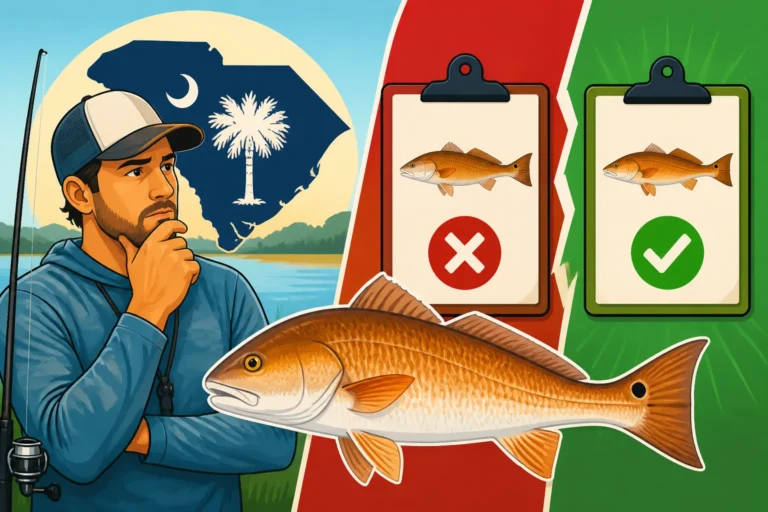
- Redfish (Red Drum): South Carolina has very specific regulations for redfish, a highly prized inshore species. There's typically a slot limit, meaning redfish must fall within a certain length range (e.g., 18 to 25 inches) to be kept. Anything smaller or larger must be released. There's also a daily bag limit per person and often a vessel limit. For detailed current rules, you should specifically check the South Carolina Redfish Slot Limit Rules.
- Spotted Seatrout (Speckled Trout): Another popular inshore game fish, spotted seatrout also have minimum size and daily bag limits. For instance, the South Carolina Spotted Seatrout Minimum Size 14 Inches is a key regulation. Understanding these limits, such as the South Carolina Spotted Seatrout Daily Bag Limit of 10 Fish, is crucial for compliant fishing.
- Trout (Rainbow, Brown, Brook): In the freshwater mountain streams, especially for stocked trout, there are often daily bag limits that can vary by stream or even by section of a stream. Checking a Stream's Trout Limit Before You Fish It is always a wise move.
- Bass (Largemouth, Smallmouth, Spotted): While often caught for sport and released, bass species also have bag and size limits that protect their populations.
These limits are subject to change based on population assessments and environmental factors, so always consult the most recent SCDNR regulations manual before each fishing season or trip. You can find digital copies on the SCDNR website, or even pick up a physical copy at many of the same retailers where you buy your license. Many anglers even carry a small, portable measuring tape, easily found on Amazon, to ensure their catch is within legal size limits.
Special Licenses for Tournament Anglers
For competitive anglers who participate in fishing tournaments, there might be additional licensing requirements or permits. While individual anglers still need their personal fishing license, tournament organizers often need to secure a special permit from the SCDNR for the event itself. This helps the state monitor fishing pressure, collect data, and ensure fair play.
If you're an organizer, understanding the Tournament Permit Requirements for Fishing Guides and tournament organizers is critical. If you're an angler, generally your individual license is sufficient, but it's always good practice to confirm with the tournament director if there are any additional angler-specific requirements for the event. This might be especially true for tournaments targeting specific species or those with large prize pools.
Consequences of Fishing Without a License
It's easy to dismiss regulations as mere bureaucracy, but when it comes to fishing licenses, ignoring the rules can lead to genuine repercussions. Nobody wants their enjoyable day on the water to end with an uncomfortable interaction with law enforcement and a hit to the wallet.
Understanding Fines and Penalties
Fishing without a valid South Carolina fishing license is a violation that carries real penalties. The specific fine can vary depending on the exact circumstances, such as whether it's your first offense, the type of water you're fishing, and the discretion of the enforcing officer. However, it's safe to say that the penalty for fishing without a license in South Carolina will almost certainly be more expensive than the license itself.
For a first offense, fines typically range from around $100 to several hundred dollars. In addition to the monetary fine, you might also face court costs. Imagine paying $200-$300 or more just because you didn't spend $10-$15 on a license! That's a steep price for an oversight. Repeat offenders can face even higher fines, and in some severe cases, can even lose their fishing privileges for a period. It's not just a slap on the wrist; it's a legitimate legal process. For specific details, it’s advisable to research South Carolina fines for unlicensed fishing.
Beyond the fines, wardens have the authority to confiscate your fishing gear, including rods, reels, and tackle, especially if you are also in violation of other regulations (like possessing undersized fish). They can also seize any illegally caught fish. This can quickly turn an otherwise perfect day into a very frustrating and costly ordeal.
Enforcement by Game Wardens
The South Carolina Department of Natural Resources employs dedicated game wardens whose job it is to protect the state's natural resources and enforce all wildlife and fishing laws. These officers are highly trained and regularly patrol all public waterways – from the busiest lakes and coastal inlets to remote rivers and hidden creeks.
Yes, rangers can check your fishing license in South Carolina. They have the authority to approach any individual who appears to be fishing and request to see their valid fishing license, along with photo identification. They are professionals and generally polite, but they take their job seriously. If you are asked to produce your license, it's best to cooperate fully and respectfully. Trying to evade them or arguing about the rules will only escalate the situation and potentially lead to more severe consequences.
Their presence isn't meant to spoil your fun; it's a vital part of ensuring that South Carolina's incredible fishing opportunities remain healthy and sustainable. When you see a game warden, remember that your license fee helps fund their efforts, which ultimately benefits all anglers. Being prepared with your license and adhering to regulations shows respect for the resource and the law. What happens if you get caught fishing without a license? You'll face a fine, and potentially more, so it's best to avoid that scenario entirely.
Renewing Your South Carolina Fishing License
Time flies when you're having fun fishing, and before you know it, your annual South Carolina fishing license might be nearing its expiration date. While a 3-year license gives you a longer reprieve, annual licenses require a bit more attention. Luckily, renewing your license is generally as simple as purchasing a new one.
How to Stay on Top of Expiration Dates
Most annual South Carolina fishing licenses are valid for 365 days from the date of purchase, rather than expiring at the end of a calendar year. This is a great system, as it ensures you get a full year's worth of fishing no matter when you buy it. However, it also means your renewal date might be unique to you.
Here are a few tips to avoid having an expired license:
- Check Your Existing License: Your current physical or digital license will clearly state its expiration date. Make a habit of checking it periodically, perhaps at the beginning of your peak fishing season.
- SCDNR Notifications: If you've purchased your license online through the Go Outdoors South Carolina portal, the system often sends out email reminders as your expiration date approaches. Make sure your contact information is up to date in your account to receive these valuable alerts.
- Set a Calendar Reminder: A simple solution is to add a recurring reminder to your digital calendar or phone for a month before your license expires. This gives you plenty of time to renew without feeling rushed.
- Review Your Go Outdoors Account: You can always log into your Go Outdoors South Carolina account to view your active licenses and their expiration dates. This is the definitive way to check if a fishing license is still valid.
The Renewal Process
The renewal process for your South Carolina fishing license is essentially the same as buying a new one:
- Online: This is typically the quickest and easiest method. Log in to your Go Outdoors South Carolina account. The system will usually prompt you to renew any expiring licenses. You'll select the same (or a different) license type and duration, confirm your information, and pay with a credit or debit card. How to buy a fishing license on Go Outdoors South Carolina is straightforward.
- In-Person: You can also renew your license at any authorized license vendor or SCDNR regional office. Just bring your old license (or your ID if you don't have it) and they can look up your information and issue a new one.
It's important to remember that if your license has expired, you're not "renewing" an active license; you're simply purchasing a new one. There typically aren't late fees or penalties for letting it expire, but you cannot legally fish until you have a new, valid license in hand. So, don't delay, especially if your favorite fishing season is just around the corner!
Planning Your Trip: Beyond the License
Having your South Carolina fishing license in hand is a major milestone, but a truly successful and enjoyable fishing trip involves a bit more planning. From gear to understanding the local environment, these elements will elevate your experience.
Essential Gear and Supplies
While you don't need to break the bank, having the right gear makes a huge difference. Beyond your rod and reel, consider these essentials:
- Tackle Box: A well-stocked tackle box with various lures, hooks, weights, and line is crucial. Tailor your selection to the species you're targeting and the water type. For example, if you're pursuing largemouth bass, you'll want plastic worms, crankbaits, and spinnerbaits. For inshore saltwater, consider popping corks, jig heads, and a variety of soft plastics. Many beginners start with a basic kit, and then expand. You can find excellent starter kits and individual components on Amazon.
- Bait: Live bait (like minnows, worms, shrimp, or mullet) or artificial bait (lures, soft plastics) are essential. Research what bait works best for your target species and fishing location. For example, live shrimp is often a top choice for redfish and spotted seatrout in saltwater, while worms or crickets are fantastic for freshwater panfish.
- Measuring Tape or Scale: To comply with size and bag limits, a measuring tape is a must-have. If you're a catch-and-release angler, a portable scale can be fun for weighing your catch before returning it to the water.
- Pliers and Line Cutters: Essential for safely removing hooks and cutting line.
- Sun Protection: South Carolina sunshine can be intense. Don't forget sunscreen, a wide-brimmed hat, and polarized sunglasses to protect your eyes and help you spot fish beneath the surface.
- Water and Snacks: Hydration is key, especially during warmer months. Pack plenty of water and some snacks to keep your energy up.
- First-Aid Kit: Minor cuts and scrapes can happen. A small, basic first-aid kit is always a good idea.
Understanding the Environment and Conditions
Being successful isn't just about having the right gear; it's about understanding the water you're fishing and the conditions of the day:
- Weather: Always check the weather forecast before you go. This includes not just rain, but also wind speed and direction, which can greatly impact your ability to cast and even the comfort of your boat. For coastal fishing, understanding tide charts is critical, as fish behavior is heavily influenced by tidal movement. For instance, knowing how to fish an incoming tide for redfish can greatly improve your chances.
- Water Temperature: Water temperature dictates where fish will be and how active they are. Cooler water often means fish are deeper and less active, while warmer water can bring them to the surface or into shallower feeding areas.
- Habitat: Different fish prefer different habitats. Bass like structure like submerged trees and weed beds. Crappie often congregate around brush piles. Redfish patrol oyster beds and grass flats. Knowing your target species' preferred habitat will help you choose the best fishing spots in South Carolina. For instance, if you're near Lake Murray, anchoring the submerged humps near Dreher Island for stripers is a classic technique.
- Time of Day/Season: Fish often have peak feeding times, typically around dawn and dusk. Additionally, certain species are more active or abundant during specific seasons. For example, striped bass fishing on Lake Murray in South Carolina summer might mean targeting deeper waters. A South Carolina fishing seasons guide can provide invaluable insights into what to expect throughout the year.
Respecting the Resource and Fellow Anglers
Finally, always remember to practice ethical angling:
- Leave No Trace: Pack out everything you pack in, and perhaps even pick up any litter you find. Our beautiful waterways deserve to stay clean.
- Handle Fish Carefully: If you're practicing catch and release, handle fish gently, minimize their time out of water, and revive them properly before release. Use circle hooks when possible, especially in saltwater, as they reduce gut hooking.
- Respect Private Property: Be mindful of private property signs and do not trespass.
- Be Courteous: Share the water with other anglers, boaters, and wildlife enthusiasts. A simple nod or wave goes a long way.
By taking the time to secure your license, understand the regulations, and prepare thoughtfully, you're setting yourself up for not just a legal fishing trip, but a truly rewarding and unforgettable experience in the diverse and beautiful waters of South Carolina.
Important Disclaimer
The information provided in this guide is intended for general informational purposes only and is subject to change. Fishing regulations, license fees, and requirements are determined by the South Carolina Department of Natural Resources (SCDNR) and can be updated at any time. While we strive to provide accurate and up-to-date information, it is the angler's responsibility to verify all current rules, regulations, and license requirements directly with the SCDNR before engaging in any fishing activities. Always consult the official SCDNR website or contact them directly for the most current and authoritative information.