Kid-Friendly Fishing Ponds Near Columbia
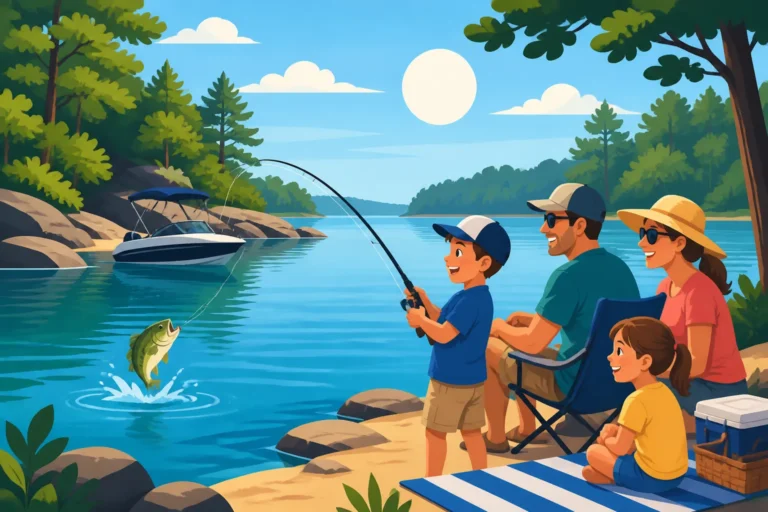
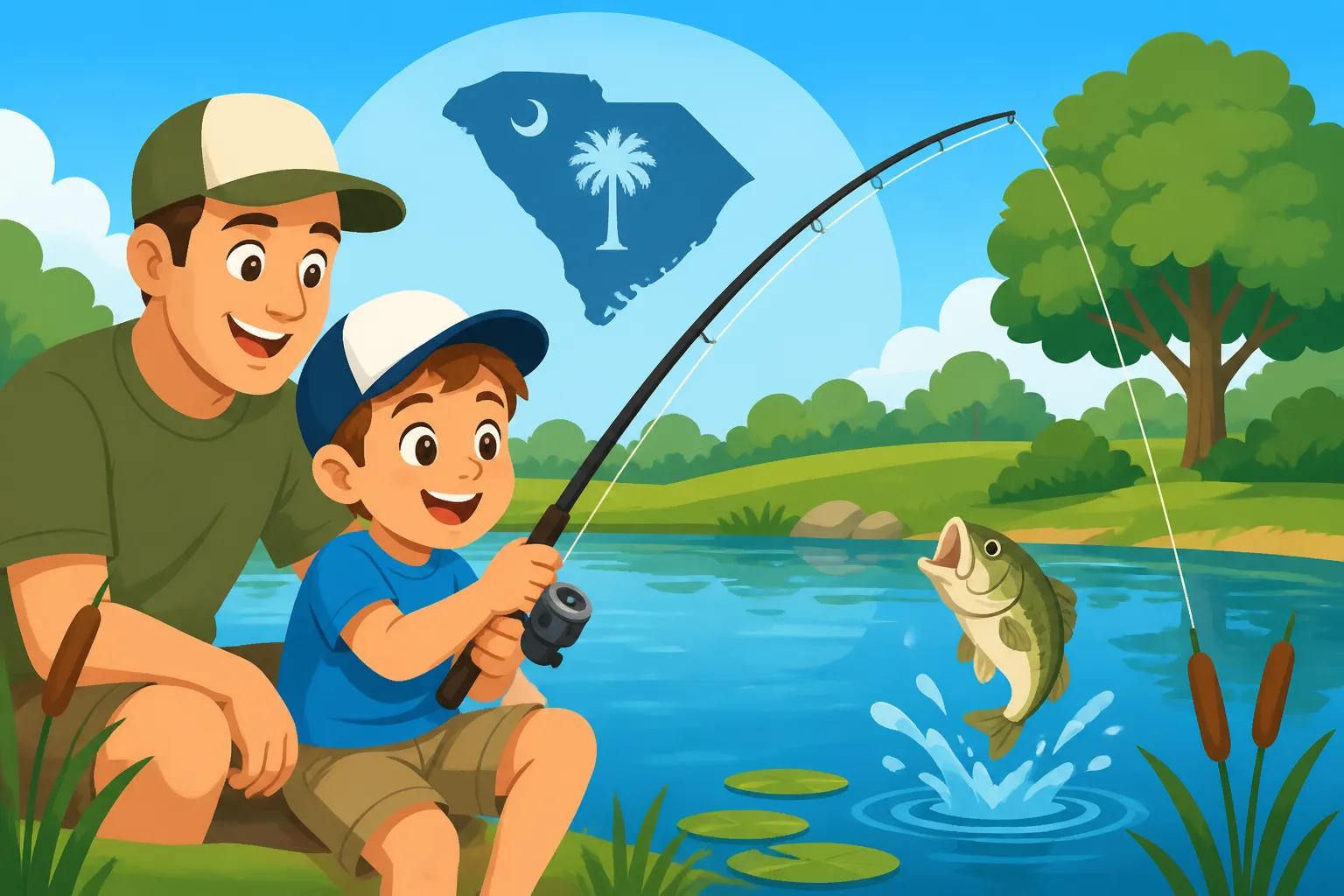
Finding a peaceful, productive, and downright fun spot to take the kids fishing near Columbia, South Carolina, can sometimes feel like a bigger challenge than catching the fish themselves. Between juggling gear, keeping an eye on little ones, and just hoping for a bite, the dream of a relaxing family fishing trip can quickly turn into a chaotic memory. This guide is here to untangle those lines, exploring the absolute best kid-friendly fishing ponds and parks around Columbia, offering practical advice and insider tips to ensure your next angling adventure is filled with smiles, splashes, and maybe even a few keeper memories.
Discovering Columbia's Best Family Fishing Ponds
Columbia, South Carolina, might be known for its vibrant city life and historical sites, but just a short drive in any direction reveals a surprising number of tranquil waters perfect for introducing young anglers to the joys of fishing. The key is finding spots that are safe, accessible, and reliably offer a good chance of catching panfish, which are usually the most eager biters for beginners.
Sesquicentennial State Park: An Angler's Oasis for Little Ones
When you're thinking "kid-friendly fishing" near Columbia, Sesquicentennial State Park should definitely be at the top of your list. Located just a stone's throw northeast of the city, this park is a true gem. Its centerpiece is the beautiful 30-acre "Lake Sesqui," which is well-stocked and managed, making it an excellent environment for young fishers.
The park offers a fantastic fishing pier that extends out over the lake, providing a safe, stable platform away from the brush and snags often found along the shoreline. This makes it super easy for kids to cast without getting tangled in trees behind them. The lake is teeming with various panfish like bluegill and redbreast sunfish, which are perfect targets for youngsters because they're plentiful and generally aggressive biters. You might also find largemouth bass and even some channel catfish lurking in the deeper spots. Beyond the fishing, the park boasts playgrounds, picnic areas, and walking trails, ensuring there's plenty to do even if the fish aren't biting constantly. It’s the kind of place where you can spend an entire afternoon, creating a full outdoor experience for the whole family, not just a fishing trip.
Saluda Shoals Park: River and Pond Adventures
Another incredible resource for families in the Columbia area is Saluda Shoals Park. While it's famous for its access to the Saluda River, offering fantastic opportunities for more experienced anglers, the park also features smaller, often less-pressured ponds within its sprawling grounds that are ideal for kids. These ponds are typically shallower and easier to navigate for little legs, and they're often stocked with the usual suspects: bluegill, sunfish, and small bass.
What makes Saluda Shoals particularly appealing for families is the sheer variety of activities available. Even if the fish are playing hard to get in the ponds, you can switch gears and explore the miles of walking trails, visit the nature center, or let the kids burn off energy on the playgrounds. Occasionally, the park even hosts specific youth fishing clinics or events, providing a structured and educational environment for kids to learn the ropes. It’s a wonderful spot to combine fishing with other outdoor activities, ensuring that every family member finds something to enjoy. Remember to check their website or call ahead for any specific fishing regulations or event schedules before you go.
Exploring Other Local Gems and Access Points
While Sesquicentennial and Saluda Shoals are prime spots, Columbia and its surrounding areas offer other smaller, often overlooked, locations that can provide a quiet fishing experience. Many local community parks, while not always boasting a massive lake, might have a well-maintained pond. These often rely on neighborhood efforts or city maintenance, so checking local county park and recreation websites (like Richland County or Lexington County) can sometimes reveal hidden spots.
For families willing to venture a bit further, the massive expanse of Lake Murray offers numerous public access points that can be adapted for kid-friendly bank fishing. While not a "pond," specific coves and designated fishing areas within state parks like Dreher Island State Park on Lake Murray provide calmer waters and amenities that make them suitable for families. These spots often have shallower areas where panfish gather, and the sheer size of the lake means there's always a chance for a bigger catch, which can be incredibly exciting for an aspiring angler. Exploring these different options can help you find the perfect balance of accessibility, amenities, and fishable waters for your family.
Essential Gear and Simple Techniques for Kids
Taking kids fishing doesn't require a boatload of expensive, high-tech gear. In fact, simplicity is usually the secret to success and enjoyment. The goal is to make it easy for them to cast, reel, and feel that exciting tug on the line without getting frustrated by complicated equipment.
Kid-Friendly Rods and Reels
For young anglers, a spincast rod and reel combo is hands-down the best choice. These typically feature a push-button casting mechanism, which is incredibly easy for small hands to learn and master. No complicated bail to flip, no tricky thumb control like a baitcaster. Just push, cast, and reel. Look for combos with shorter rods (around 4 to 5 feet) and lighter action, as these are easier for kids to handle and make even small panfish feel like giants. Brands like Zebco have been a staple for generations, offering durable and affordable options specifically designed for young beginners.
Choosing a rod with a comfortable, smaller grip is also important, as it helps prevent fatigue and allows them to maintain better control. While it might be tempting to hand down an old, heavier adult rod, investing in a proper kid-sized setup will drastically improve their experience and reduce frustration, making them much more likely to fall in love with the sport.
The Magic of Simple Baits and Bobbers
When it comes to bait for kid-friendly fishing, forget the fancy lures and intricate presentations. Live bait under a bobber is usually the golden ticket. Nothing beats the excitement of watching that bobber dance and then suddenly disappear under the water!
- Worms: Earthworms (red wigglers or nightcrawlers) are universally effective and easy to acquire. Most bait shops carry them, and you might even find some in your own backyard after a rain.
- Crickets: For bluegill and other sunfish, crickets are irresistible. They're lively, relatively clean, and panfish go absolutely wild for them.
- Corn or Bread: Believe it or not, kernels of sweet corn or small pieces of bread can be incredibly effective for enticing panfish, especially if you're fishing in public ponds where fish might be accustomed to being fed.
Rigging is simple: tie a small hook (size 8 or 10 is good for panfish) to your line, add a split shot weight a few inches above the hook, and then attach a small, brightly colored bobber about 1-3 feet above the weight. Adjust the bobber depth based on how deep you think the fish are feeding – often, they're in shallower water close to cover. This basic setup, combined with the visual thrill of a bobber, is a recipe for success and keeps young attention spans engaged.
Setting Up for Success: What to Pack Beyond the Tackle Box
A successful family fishing trip extends far beyond just rods and reels. Thoughtful preparation can make all the difference between a memorable day and a miserable one. Think of it as a mini-expedition!
First, and most importantly, sun protection is crucial in South Carolina. Pack plenty of sunscreen, wide-brimmed hats, and sunglasses for everyone. Lightweight, long-sleesleeved shirts can also offer great protection. Hydration is key, so bring a cooler filled with plenty of water bottles and other refreshing drinks. Snacks are non-negotiable for kids (and adults!). Think easy-to-eat items like fruit, granola bars, and sandwiches. A small first-aid kit is a must for minor cuts, scrapes, or insect bites – hooks happen, as do scraped knees from exploring. Comfortable folding chairs can make bank fishing much more enjoyable, especially for waiting patiently. Don't forget insect repellent, especially during warmer months or when fishing near still water. Finally, a camera or phone is essential for capturing those proud moments when a young angler lands their first fish! If you're considering a more structured experience, sometimes booking through a service like FishingBooker can help you find guides who handle many of these logistics, letting you focus purely on the family fun.
Understanding South Carolina's Youth Fishing Regulations
Navigating fishing regulations can seem daunting, but when it comes to kids, South Carolina makes it fairly straightforward. It's essential to understand the rules not just for compliance, but also to instill a sense of responsibility and conservation in young anglers.
Fishing License Requirements for Young Anglers
This is often the first question parents have: "Do my kids need a fishing license?" In South Carolina, the good news for residents is that individuals under 16 years of age are generally exempt from needing a fishing license to fish in public waters. This is fantastic news for families, as it removes one barrier to getting kids outdoors and into fishing!
However, it's always smart to double-check the specifics, especially if you're a non-resident or if your child is approaching that 16-year mark. While residents under 16 can usually fish without a license, non-resident children typically need to abide by the same license requirements as non-resident adults. You can find detailed information on Fishing License Rules for Kids in South Carolina and confirm any specific exemptions. Teaching children about respecting regulations from a young age helps them understand the importance of conservation and responsible angling.
Bag Limits and Size Restrictions to Teach Respect
While bag limits and size restrictions might seem like complicated adult rules, they offer a perfect opportunity to teach children about conservation and responsible harvesting. For popular kid-friendly species like bluegill and other sunfish, limits are generally generous, often allowing for a good number of catches to take home for a meal. For example, the statewide daily creel limit for bream (which includes bluegill and other sunfish) is 30 fish per person.
However, for species like largemouth bass or catfish, more stringent rules may apply. Bass, for instance, often have a specific slot limit or minimum size. It’s a great teaching moment to explain why these rules exist – to protect the fish population, ensure healthy breeding, and guarantee there will be fish for future generations to enjoy. When a child catches a fish that's too small or outside the slot limit, showing them how to gently release it back into the water fosters a deep appreciation for nature and the lifecycle of fish. This early education reinforces that fishing isn't just about catching, but also about protecting. For more specific details, you can explore guides like South Carolina's Freshwater Fishing Regulations.
Safety First: Rules and Etiquette on the Water
Beyond licenses and limits, teaching kids about safety and etiquette on the water is paramount. These aren't just rules; they're life lessons that ensure a safe and enjoyable experience for everyone.
- Life Jackets: If you're fishing near deep water, on a pier, or from a boat, ensure children (especially non-swimmers) wear properly fitted life jackets. It's not just a rule; it's a non-negotiable safety measure.
- Casting Safety: Teach them to look behind them before casting. The "Ok, all clear!" rule can prevent hooks from ending up in unfortunate places. Explain that hooks are sharp and should be handled with care.
- Respecting Other Anglers: Public fishing spots are shared spaces. Teach kids to keep their noise level down, avoid casting over other people's lines, and give others ample space. This simple courtesy makes the experience better for everyone.
- Leaving No Trace: Instill the "pack it in, pack it out" philosophy. All trash, including discarded fishing line (which can be deadly to wildlife), should be brought home or disposed of properly. Explain that a clean environment helps fish thrive.
By emphasizing these safety and etiquette points, you're not just creating a more pleasant outing, but you're also raising responsible outdoor enthusiasts who understand their role in protecting the environment and respecting others.
Making Every Trip an Unforgettable Memory
While catching fish is undeniably exciting, the true magic of a kid-friendly fishing trip often lies in the moments shared, the lessons learned, and the connections forged with nature and each other.
Beyond the Catch: Learning and Connection
It's easy to get caught up in the "how many did we catch?" mentality, but for kids, the experience itself is usually more valuable than the final tally. Use the fishing trip as an opportunity to connect with nature. Talk about the different birds you see, the sounds of the water, or the tiny insects buzzing around. Point out the lily pads, discuss what fish might be hiding under them, and explain the ecosystem.
Teach them patience – a valuable life skill learned quickly when waiting for a fish to bite. Celebrate every nibble, every cast, and every effort, not just the landed fish. Sometimes, the biggest fish caught is actually the conversation you have, or the quiet moment shared looking out over the water. These are the memories that truly last a lifetime, far beyond the fleeting excitement of a caught fish. For more ideas on how to engage them, check out resources like Kid-Friendly Bluegill Fishing Techniques or Best Family-Friendly Fishing Spots for Beginners in South Carolina.
Planning Your Day: Best Times and Weather
Strategic planning can significantly increase your chances of success and enjoyment. Fish are often most active during specific times of the day, and weather plays a huge role.
- Time of Day: Early mornings and late afternoons/evenings are typically the best times to fish for most species, especially in warmer months. The sun is less intense, and fish tend to move into shallower feeding areas. Midday, especially during summer, can be slow and uncomfortably hot for kids.
- Weather: Overcast days with light breezes can be fantastic, as the diffused light often makes fish more willing to bite. Avoid extremely windy days, as casting becomes difficult, and the water can be too choppy for comfortable fishing. Also, keep an eye on the forecast for thunderstorms; safety always comes first, so if lightning is a possibility, it’s better to reschedule. A calm, pleasant day ensures a more relaxed and productive outing.
When to Consider a Guided Experience for a Boost
While DIY trips to local ponds are wonderful, sometimes a guided fishing trip can provide an invaluable boost, especially for families looking for a guaranteed positive experience or to learn specific techniques. Guides, often booked through platforms like FishingBooker, specialize in putting people on fish and know the local waters intimately.
A professional guide typically provides all the necessary gear, bait, and most importantly, the expertise to help kids catch fish. They know the best spots, what baits are working, and how to adapt to conditions. This takes all the pressure off you as a parent, allowing you to relax and enjoy watching your child learn and succeed. Many guides even offer "kid-friendly" or "family fishing" trips, specifically designed to keep young anglers engaged and make sure they get plenty of bites. This can be a fantastic way to introduce kids to fishing without the frustrations of trial and error, ensuring they build positive associations with the sport right from the start. Plus, the convenience of having everything taken care of can be a huge relief, making the trip truly stress-free.
Fishing Pond and Park Comparison Table for Families
Here's a quick look at some of the best kid-friendly fishing spots around Columbia, South Carolina, to help you plan your next outing:
| Park Name | Location (approx. from Columbia) | Primary Fish Species for Kids | Key Amenities for Families | Pros | Cons |
|---|---|---|---|---|---|
| Sesquicentennial State Park | Northeast Columbia (15-20 min) | Bluegill, Redbreast Sunfish, Bass, Catfish | Fishing Pier, Playground, Picnic Areas, Walking Trails, Canoe/Kayak Rentals | Dedicated fishing pier, well-stocked lake, plenty of non-fishing activities | Park entrance fee, can get busy on weekends |
| Saluda Shoals Park | Northwest Columbia (20-25 min) | Bluegill, Sunfish, Small Bass, Catfish (in river) | Ponds, River Access, Nature Center, Playgrounds, Trails, Water Play Park (seasonal) | Diverse activities, educational programs, good facilities, serene environment | Ponds might be less predictable than Lake Sesqui, entrance fee applies |
| Dreher Island State Park (Lake Murray) | West Columbia (45-60 min) | Bluegill, Crappie, Bass, Stripers (deeper) | Multiple Fishing Piers, Boat Ramps, Camping, Cabins, Swimming, Trails | Access to huge Lake Murray, variety of fish, full outdoor experience | Longer drive, vastness of lake can be intimidating for beginners |
| Congaree National Park | Southeast Columbia (30-40 min) | Catfish, Panfish, Bass (river/creek) | Canoe/Kayak Trails, Boardwalk, Hiking Trails, Visitor Center | Unique old-growth forest experience, very natural, free entry | River/creek fishing can be challenging for very young kids, no piers |
Disclaimer
The information provided in this guide is for general informational purposes only and is not intended as legal or professional advice. Fishing regulations, license requirements, and park amenities can change frequently. Always consult the official South Carolina Department of Natural Resources (SCDNR) website or contact local park authorities directly for the most current and accurate information before planning your fishing trip. Adherence to all local, state, and federal laws and regulations is the responsibility of the angler.