Best Bait for Panfish in Farm Ponds
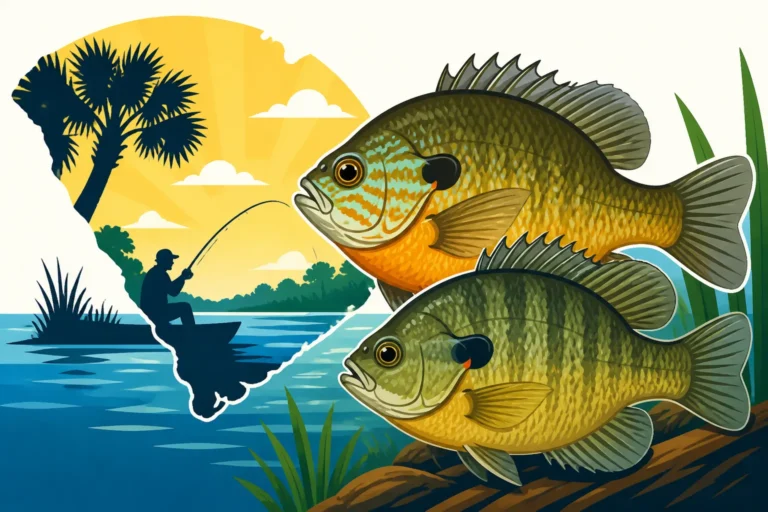
For many folks in South Carolina, there's nothing quite like the simple pleasure of fishing a quiet farm pond. Whether you're chasing bream, bluegill, or shellcrackers, figuring out what bait will get those feisty little panfish to bite can sometimes feel like a puzzle. This guide is here to unravel that mystery, diving deep into the tried-and-true, as well as some creative options, to help you consistently fill your cooler with these delicious and fun-to-catch fish.
Understanding What Makes Panfish Bite
Before we even talk about specific baits, it helps to understand a little bit about what drives panfish to strike. These are generally opportunistic feeders, meaning they'll eat a wide variety of things, from insects and small crustaceans to plant matter and smaller fish eggs. They're not usually picky eaters, which is great news for us anglers! What they are, however, is very attuned to their immediate environment and what looks like an easy, nutritious meal. Their relatively small mouths mean tiny baits are often more effective, and their keen eyesight in clear pond waters means natural presentations are key.
The Panfish Diet: A Buffet of Bugs and Bites
Farm ponds, by their very nature, are rich ecosystems. They're often teeming with aquatic insects like mayfly larvae, dragonfly nymphs, and various worms that live in the sediment. Terrestrial insects, such as grasshoppers, crickets, and beetles, frequently fall into the water from overhanging vegetation, becoming an instant meal. You'll also find small minnows, tadpoles, and even some plant material on a panfish's menu. This varied diet means you have a wide array of bait options, from live critters to more unconventional choices. Understanding this natural food source helps inform our bait selection, pushing us towards offerings that mimic what they're already accustomed to eating.
Behavior in Ponds: Where and When They Feed
Panfish love structure. Think fallen trees, submerged brush piles, weed lines, lily pad fields, and even old tires or cinder blocks if they're present. These spots offer cover from predators and ambush points for their own feeding. They're often most active during the cooler parts of the day – early mornings and late evenings – and particularly in spring when they're spawning. During the spawn, they'll congregate in shallow, protected areas, making them easier to target. However, in farm ponds, they can often be found in deeper holes or near aerators during the heat of summer. Knowing their habits helps you present your chosen bait in the right place at the right time.
Tried-and-True Live Baits for Panfish
When it comes to panfish, live bait is almost always a surefire winner. There's just something about the natural movement, scent, and texture of a live offering that panfish can't resist. These baits mimic their natural forage perfectly and often lead to quick bites, making them ideal for both seasoned anglers and beginners alike.
Worms: The Universal Appetizer
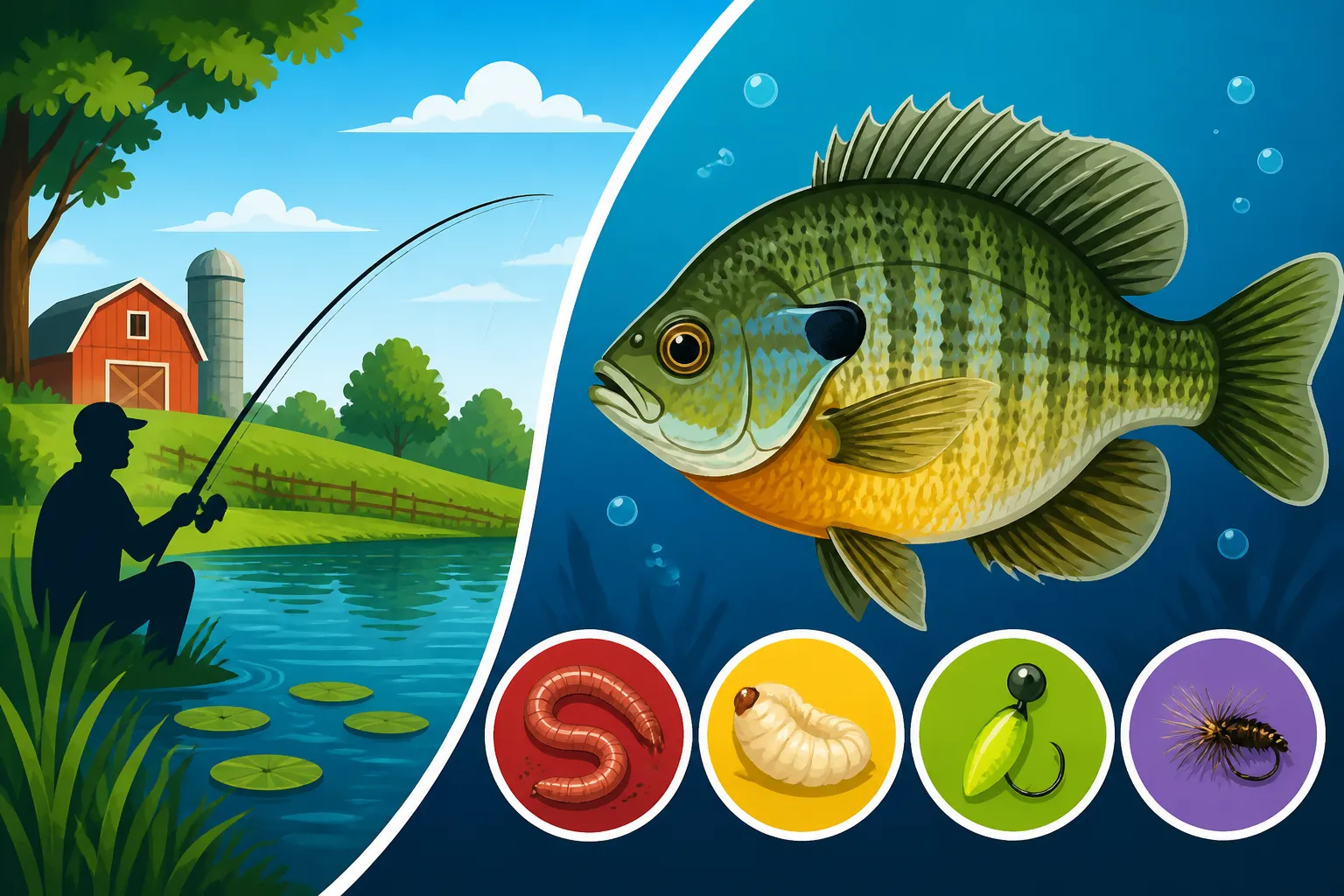
Good ol' earthworms are perhaps the most classic and effective panfish bait out there. Whether you're digging them up in your backyard, buying a cup at the local bait shop, or ordering them in bulk online from a place like Amazon, they're a consistent producer. Red wigglers are fantastic for panfish because they're lively and emit a strong scent. Nightcrawlers work too, but you might need to pinch off a piece or use smaller ones to better suit a panfish's mouth.
The key to fishing with worms for panfish is to use just enough to cover the hook, leaving a little tail wiggling. This creates maximum action and appeal. A small piece of worm on a tiny hook under a bobber is an almost irresistible meal for bluegill, shellcrackers, and even smaller bass that might be lurking in the pond. This technique is especially effective for beginners or children, offering a high chance of success.
Crickets: Chirping Their Way to a Bite
Crickets are another phenomenal live bait, particularly for bluegill and redbreast sunfish. There's something about their frantic kicking on the surface or just below that drives panfish wild. You can buy crickets by the dozen at most bait shops, or sometimes even at pet stores.
To rig a cricket, gently thread a small hook through its thorax (the thickest part of its body). You want to keep it alive and kicking as long as possible. Crickets are best fished near the surface or just a few feet down, often suspended under a small float. Cast near lily pads, fallen trees, or overhanging bushes where panfish might be hiding, and get ready for a splashy strike! The visual appeal and lively action are what make crickets so effective.
Small Minnows: For the Bigger Panfish
While not as commonly used for smaller panfish like bluegill, small minnows can be incredibly effective if you're targeting larger crappie or bigger redear sunfish (shellcrackers) that might be sharing the pond. They’re also great for attracting any lurking largemouth bass, giving you a chance at a bonus catch!
Use a tiny gold hook, hooking the minnow lightly through the back, just behind the dorsal fin, or through the lips. This allows it to swim naturally. Fish minnows deeper, closer to submerged structure or drop-offs. A split shot or two might be needed to get them down to the desired depth. You can often find bait minnows at local tackle shops, and sometimes even specialized minnow traps can be found on Amazon if you want to catch your own.
Other Insects and Grubs: Nature's Candy
Don't limit yourself to just worms and crickets! Panfish will eagerly devour a wide range of other insects.
- Grasshoppers: Just like crickets, grasshoppers are excellent surface baits. Catch a few from a nearby field and rig them similarly to crickets. Their larger size might attract a slightly bigger panfish or even a small bass.
- Mealworms and Waxworms: These grubs are popular with trout anglers but are absolute magnets for panfish. They're readily available at bait shops and are easy to keep. Their soft bodies and wiggling action make them irresistible. Thread one or two onto a small hook.
- Grubs/Larvae: If you're adventurous, turning over logs or digging in decaying wood might yield beetle larvae or other grubs. These are natural treats for panfish and can be highly effective.
Artificial Baits: When You Want to Keep Casting
Sometimes, you don't want to mess with live bait, or you want to cover more water efficiently. That's where artificial baits shine. While they require a bit more active fishing and technique, they can be incredibly rewarding, often enticing more aggressive strikes from panfish.
Tiny Jigs: Small Baits, Big Results
Micro jigs are arguably the most versatile artificial bait for panfish. These tiny lures, often weighing 1/32 to 1/16 ounce, come in a myriad of colors and styles, mimicking everything from minnows to insects.
- Marabou Jigs: These have a soft, feathery tail that pulses and breathes in the water, making them incredibly lifelike. White, black, chartreuse, and pink are all popular colors.
- Soft Plastic Jigs: These tiny bodies mimic minnows, worms, or grubs. Think tiny curly-tail grubs, panfish assassins, or little tubes. They're often paired with a jig head.
Jigs can be fished in several ways:
- Under a Bobber: Cast it out and let it suspend, twitching the bobber occasionally to impart action.
- Slow Retrieve: Cast and slowly reel it in, allowing the jig to swim and flutter.
- Vertical Jigging: Drop it straight down near structure and gently bounce it.
You can find excellent selections of panfish jigs and jig heads on Amazon or at any well-stocked tackle shop. Experiment with colors and retrieve speeds to see what the panfish are keying in on.
Small Spinners: Flash and Vibration
Spinners are another fantastic artificial option, especially for active panfish in slightly deeper water or when you want to cover ground quickly. Brands like Rooster Tail or Mepps make tiny spinners that are perfect for panfish. The spinning blade creates flash and vibration that fish detect from a distance, triggering their predatory instincts.
Cast a small spinner near weed lines, submerged logs, or along the banks. A steady, slow retrieve is usually all that's needed. The blade will spin, sending out irresistible signals. These are also great for catching other species like perch or even small trout if you're in a pond that's occasionally stocked. Just make sure your spinner is small enough for a panfish to get its mouth around!
Fly Fishing Flies: Delicate and Deadly
For the fly-fishing enthusiast, tiny flies can be incredibly effective. Panfish love small poppers, sponge bugs, or even wet flies like a Woolly Bugger (in miniature form). The delicate presentation of a fly on a fly rod can be incredibly subtle, often fooling even wary panfish.
Poppers are fished on the surface, creating a "pop" sound that mimics an insect struggling. Wet flies and nymphs are fished subsurface, imitating aquatic insects. This is a more specialized technique but incredibly rewarding.
Unconventional and DIY Baits: Thinking Outside the Box
Sometimes, you might be out of traditional bait, or you just want to experiment. Luckily, panfish aren't too picky, and many common household items or easily found natural items can make excellent impromptu baits.
Bread and Dough Balls: A Simple Snack
Yes, panfish will eat bread! This is a fantastic option for kids or when you're in a pinch. Simply take a small piece of white bread, squeeze it around your hook into a tight ball, and cast it out. It softens in the water and creates a scent trail.
You can also make simple dough balls from flour, water, and perhaps a little cornmeal or garlic powder for extra scent. Knead it until it's firm enough to stay on the hook. This bait is cheap, easy to make, and often works surprisingly well for bream and bluegill.
Corn and Peas: Sweet Temptations
Believe it or not, canned corn or peas can be excellent panfish baits. Their bright color and sweet scent are often irresistible. Just slip a few kernels of corn or a couple of peas onto a small hook. This works best when fished on the bottom or just off the bottom. It's especially popular for shellcrackers, which often feed on the bottom.
This is another great bait for beginners because it's clean, easy to handle, and very affordable. Plus, if the fish aren't biting, you've got a snack for yourself!
Hot Dogs and Cut Bait: A Meaty Morsel
For larger panfish, especially crappie or bigger shellcrackers, small pieces of hot dog can be very effective. Cut a hot dog into small, hook-sized pieces. The strong scent and soft texture make it appealing. Similarly, a tiny piece of cut fish (from a baitfish or even another panfish) can sometimes entice larger, more predatory panfish. This is less common but can be a secret weapon when other baits aren't working.
Essential Gear and Techniques for Panfish Success
It’s not just about what bait you use, but how you use it. Even the best bait in the world won’t work if it’s presented incorrectly. A few basic gear items and simple techniques will drastically improve your panfish catch rates.
The Right Rod, Reel, and Line: Keeping it Light
Panfish have soft mouths and fight hard for their size, so light tackle is key.
- Rod: An ultralight or light-action spinning rod, about 5 to 6 feet long, is perfect. This allows you to feel even the lightest bites and makes the fight more fun.
- Reel: A small spinning reel (size 1000 or 2000) spooled with thin line.
- Line: 4-6 pound test monofilament or fluorocarbon line is ideal. Anything heavier might be too visible and reduce your casting distance with light baits. You can often find great deals on combo rod and reel sets, perfect for panfishing, by searching on Amazon.
Bobbers and Sinkers: Mastering Depth and Drift
These simple accessories are crucial for panfish fishing:
- Bobbers/Floats: Use small, sensitive bobbers, like pencil floats or small round floats. They should be just buoyant enough to keep your bait afloat but go down easily with a light bite. The bobber tells you where your bait is and, more importantly, when a fish bites! For shallow farm ponds, a fixed bobber is often better than a slip bobber.
- Split Shot Weights: A small split shot or two crimped a foot or so above your hook will help your bait sink to the desired depth and keep it there, especially when there's a slight breeze or current. Avoid using too much weight, as it can make your presentation less natural.
Hooks: Small and Sharp
Panfish have small mouths, so tiny hooks are a must.
- Sizes: #8, #10, or even #12 Aberdeen or Baitholder hooks are usually perfect. Aberdeen hooks are thin-wired, making them less likely to tear a panfish's mouth, and easier to remove if snagged.
- Sharpness: Always ensure your hooks are sharp. A dull hook will result in missed bites.
Locating the Fish: Reading the Pond
Even with the perfect bait, you need to find the fish. Look for:
- Structure: As mentioned before, fallen trees, brush piles, docks, and lily pads are prime panfish habitat.
- Shallow Spawning Beds: In spring, look for circular depressions in shallow areas – these are likely panfish beds.
- Shaded Areas: During bright, hot days, panfish will often retreat to shaded areas under trees or docks.
- Aerators/Inflows: Any source of fresh water or oxygen, like an aerator pump or a small stream flowing in, can attract fish.
Presentation is Everything: Subtle and Slow
Once you've chosen your bait and found a good spot, the way you present it matters.
- Gentle Casts: Cast your bait gently, trying not to make a big splash that might spook the fish.
- Natural Drift: If using a bobber, let the bait drift naturally with any subtle current or wind. Panfish are used to food passively floating by.
- Occasional Twitches: If the bite is slow, give your rod tip a slight twitch every now and then. This makes your bait "jump" or wiggle, mimicking a struggling insect or minnow and often triggering a strike.
- Be Patient, But Not Too Patient: If you're not getting bites after 10-15 minutes in one spot, move on. Panfish are usually quick to bite if they're there and feeding.
Table: Popular Panfish Baits at a Glance
To help you decide which bait to reach for on your next South Carolina farm pond adventure, here's a quick comparison of some popular options:
| Bait Type | Pros | Cons | Target Panfish (Primary) | Other Species |
|---|---|---|---|---|
| Red Wigglers | Universal appeal, strong scent, lively | Can be messy, require cool storage | Bluegill, Redear Sunfish | Crappie, Catfish, Small Bass |
| Nightcrawlers | Larger size, easy to find | Can be too big; need to be cut | Crappie, Redear Sunfish | Catfish, Bass |
| Crickets | Excellent for surface action, visual appeal | Fragile, can escape, noisy | Bluegill, Redbreast Sunfish | Small Bass |
| Mealworms/Waxworms | Clean, easy to keep, irresistible action | Smaller size, sometimes pricier | Bluegill, Crappie | Trout, Perch |
| Small Minnows | Attracts larger panfish, lifelike | Requires aerated bucket, can be fragile | Crappie, Larger Redear | Largemouth Bass, Pickerel |
| Bread/Dough Balls | Cheap, readily available, easy to use | Can wash off hook easily, less scent | Bluegill, Redear Sunfish | Carp, Catfish |
| Canned Corn/Peas | Clean, affordable, bright color | Less scent dispersal, stationary | Redear Sunfish, Bluegill | Carp |
| Tiny Jigs | Versatile, reusable, covers water well | Requires active retrieve, technique | Bluegill, Crappie, Perch | Small Bass, Trout |
| Small Spinners | Flash and vibration, covers water | Requires steady retrieve, can snag | Bluegill, Crappie, Perch | Small Bass, Trout |
No matter which bait you choose, remember that consistency and patience are your best friends when panfish fishing. Often, the fish are right there, and a slight adjustment in depth, retrieve, or even just waiting them out, can make all the difference. Get out there, enjoy the peacefulness of a South Carolina farm pond, and have fun catching those panfish!
South Carolina Sunfish and Panfish: A Beginner's Guide is a great resource if you're looking to identify your catch. For those interested in the costs associated with getting started, checking out South Carolina Fishing License Costs in South Carolina or even Fishing License Rules for Kids in South Carolina can be helpful. If you're wondering about specific locations, articles like South Carolina's Best Ponds for Panfish Fishing or Kid-Friendly Fishing Ponds Near Columbia might give you some ideas. For those times you might need to renew, South Carolina Fishing License Renewal Basics could come in handy. Want to learn more about the best ways to catch bluegill? Try How to Catch Bluegill for Beginners. If you're interested in the culinary side, Is Sunfish Good to Eat? has you covered. And don't forget to review South Carolina Fishing Bag Limits Explained to ensure you're always fishing responsibly.
Disclaimer
This article is for general informational purposes only and does not constitute professional advice. Laws, prices and regulations vary by location and change over time. Consult a qualified professional for guidance on your specific situation.