South Carolina Sauger Fishing Tips for Beginners
If you've ever found yourself intrigued by the idea of catching sauger in South Carolina, you're not alone. Many anglers hear whispers of these elusive fish and wonder if they truly exist in our waters and, if so, how on earth to catch them. This guide is designed specifically for beginners, demystifying sauger fishing in the Palmetto State by breaking down what you need to know about these unique fish, the gear that gives you the best chance, and the techniques that can put one on your line.
Understanding Sauger in South Carolina
Let's be real, sauger aren't exactly the most common fish you'll encounter in South Carolina. Unlike their larger cousin, the walleye, or our abundant bass populations, sauger tend to keep a low profile, preferring specific riverine environments. This makes them a bit of a mystery and a real trophy for those who manage to hook one. Understanding their habits and where they prefer to live is your first step in even hoping to encounter one.
Sauger vs. Walleye: The Key Differences
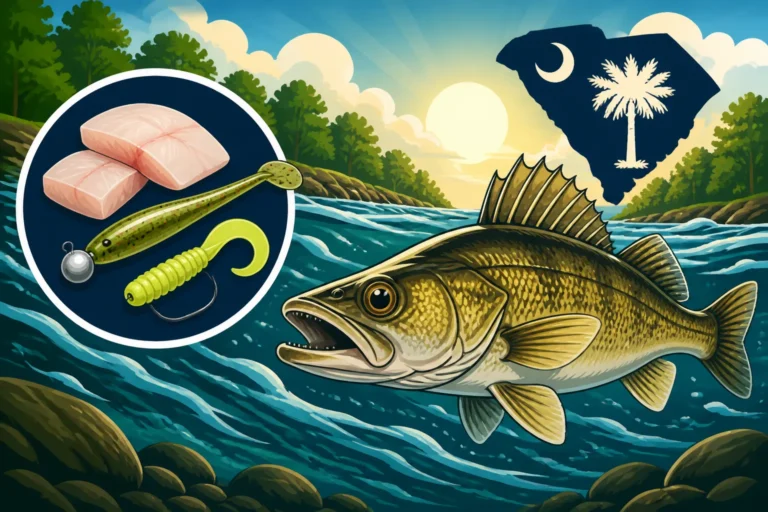
When we talk about sauger, it’s almost impossible not to mention walleye. They're both part of the perch family, and at first glance, they look remarkably similar, leading to a lot of confusion, especially for new anglers. However, there are distinct differences that can help you identify a sauger if you're lucky enough to catch one. Walleye tend to be larger, often with a more uniform olive-green or golden color, and their dorsal fin usually has a dark blotch at the rear base. Sauger, on the other hand, are generally smaller, sleeker, and have distinct dark spots on their dorsal fin, almost like tiny polka dots. They also lack the prominent white tip on the lower lobe of their tail fin that walleye often display. Knowing these subtle differences is key, especially since regulations for each species might vary in places where both exist. For a deeper dive, check out Walleye vs Sauger: How to Tell Them Apart.
One of the most noticeable differences, beyond the spots on the dorsal fin, is the body shape. Walleye often appear a bit more robust and chunky, especially larger specimens, while sauger tend to be more elongated and slender. This streamlined body plan is perfectly adapted for the river currents they typically inhabit. You'll also notice their eyes, which are large and somewhat opaque, giving them excellent low-light vision, a crucial adaptation for feeding in deeper, murkier waters or during dawn and dusk. This visual adaptation heavily influences the best times to target them.
Another key identifier is their habitat preference. While both prefer cool, clear water, walleye can thrive in large lakes and reservoirs, whereas sauger are almost exclusively river dwellers. They gravitate towards areas with current, preferring to hold near structure that breaks the flow, conserving energy while waiting for prey. This distinction helps narrow down your search when you're specifically targeting sauger. Understanding these differences can prevent misidentification and help you appreciate the unique characteristics of a sauger should you be fortunate enough to catch one. It’s a bit like comparing two different types of apples – similar in many ways, but with distinct flavors and textures. For more visual cues, you might find What Does a Sauger Look Like Compared to a Walleye? helpful.
Where Do Sauger Hide in South Carolina?
Now, for the million-dollar question: where do you actually find sauger in South Carolina? The honest answer is, it's tough. Sauger are not widespread or abundant in the Palmetto State, unlike some of their northern counterparts. They primarily inhabit larger rivers with good current and cooler, deeper sections. Think about the major river systems, especially those that feed into or are part of large reservoirs. These fish are sensitive to water quality and temperature, preferring the oxygen-rich, cooler depths that larger river channels provide. They are often associated with rocky bottoms, gravel bars, and areas with submerged timber or other structures that create current breaks. These spots offer them ambush points and protection from the main flow.
Historically, sauger have been documented in parts of the Catawba and Savannah River systems, particularly in their upper reaches or below dams where tailraces create strong current and cooler water. These areas mimic the natural river environments where sauger thrive. However, even in these locations, they are generally not present in high numbers, making each catch a truly special event. They are almost always found in moving water, so stagnant ponds or slow-moving creeks are highly unlikely spots. Their presence often indicates a healthy, dynamic river ecosystem, making them a good environmental indicator species.
For a beginner, focusing your efforts on these larger river systems, particularly below dams or in deep channels with noticeable current, is your best bet. While specific Sauger Fishing Spots in South Carolina are few and far between, anglers who regularly fish the deep, flowing sections of our larger rivers for species like catfish or stripers sometimes report incidental catches of sauger. It's truly a "right place, right time" scenario much of the time. Don't go out expecting to fill a cooler with sauger, but rather, keep an eye out for them while enjoying the fantastic river fishing South Carolina already offers for other species. Their elusive nature is part of their charm, turning every sauger catch into a memorable story.
Essential Gear for Beginner Sauger Anglers
Fishing for sauger doesn't require a highly specialized arsenal of equipment, especially if you're already set up for other freshwater species like crappie or light bass fishing. The key is choosing gear that allows for sensitivity to detect their often subtle bites and is robust enough to handle the current and any other fish you might encounter in river environments. Focusing on versatility and reliability will serve you well without breaking the bank.
Rod, Reel, and Line Choices
For sauger, a medium-light to medium-action spinning rod, around 6 to 7 feet long, is often ideal. This rod length provides good casting distance for covering water and enough backbone to handle a sauger, yet it's sensitive enough to feel those gentle tugs. The medium-light action is crucial because sauger, like walleye, can be notoriously light biters, often just "thumping" the lure rather than aggressively striking it. A sensitive graphite rod will transmit those subtle vibrations directly to your hand. Pair this with a reliable spinning reel in the 2000-3000 size range, which balances well with the rod and holds enough line. You can find some excellent rod and reel combos on Amazon that are perfectly suited for this type of fishing, offering great value and performance.
When it comes to line, a strong, sensitive line is paramount. Many experienced sauger anglers prefer a braided line as their main line, typically 6 to 10-pound test, due to its incredible sensitivity and lack of stretch. This allows you to feel even the most delicate bites, especially in deeper water or strong current. Because braid is visible in clear water, it's always a good idea to tie on a fluorocarbon leader, usually 4 to 8-pound test, about 3 to 6 feet long. Fluorocarbon is nearly invisible underwater and offers good abrasion resistance against rocks and timber. If braid isn't your preference, a good quality monofilament line, 6 to 8-pound test, can also work, though you'll sacrifice some sensitivity. The main goal is a setup that gives you maximum feel and confidence to detect those elusive bites, which often feel like nothing more than a slight weight on your line.
The right combination of rod, reel, and line effectively acts as an extension of your senses. Imagine trying to feel a tiny pebble on the end of a long, limp rope versus a stiff, taut wire. That's the difference a good sensitive setup makes. A rod with a fast tip allows the tip to bend easily, indicating a bite, while the stronger mid-section gives you the power to set the hook and fight the fish. Make sure your reel has a smooth drag system, as this is vital for preventing line breaks, especially if you hook into a larger-than-expected fish in the river current. Investing in decent quality gear, which you can easily research and purchase on Amazon, means you'll spend less time troubleshooting equipment and more time focused on the subtle art of sauger fishing.
Best Baits and Lures for Sauger
Sauger are predatory fish, and like their walleye cousins, they respond well to baits and lures that imitate small baitfish or worms. The key is presenting these offerings near the bottom, where sauger typically hold in current breaks. For live bait, shiners, minnows, or small leeches are often highly effective. You can rig these on a plain hook with a weight (like a split shot or an egg sinker) to keep them near the bottom, or under a slip bobber in slower currents to allow the bait to drift naturally. Always check local regulations regarding live bait use in specific waterways.
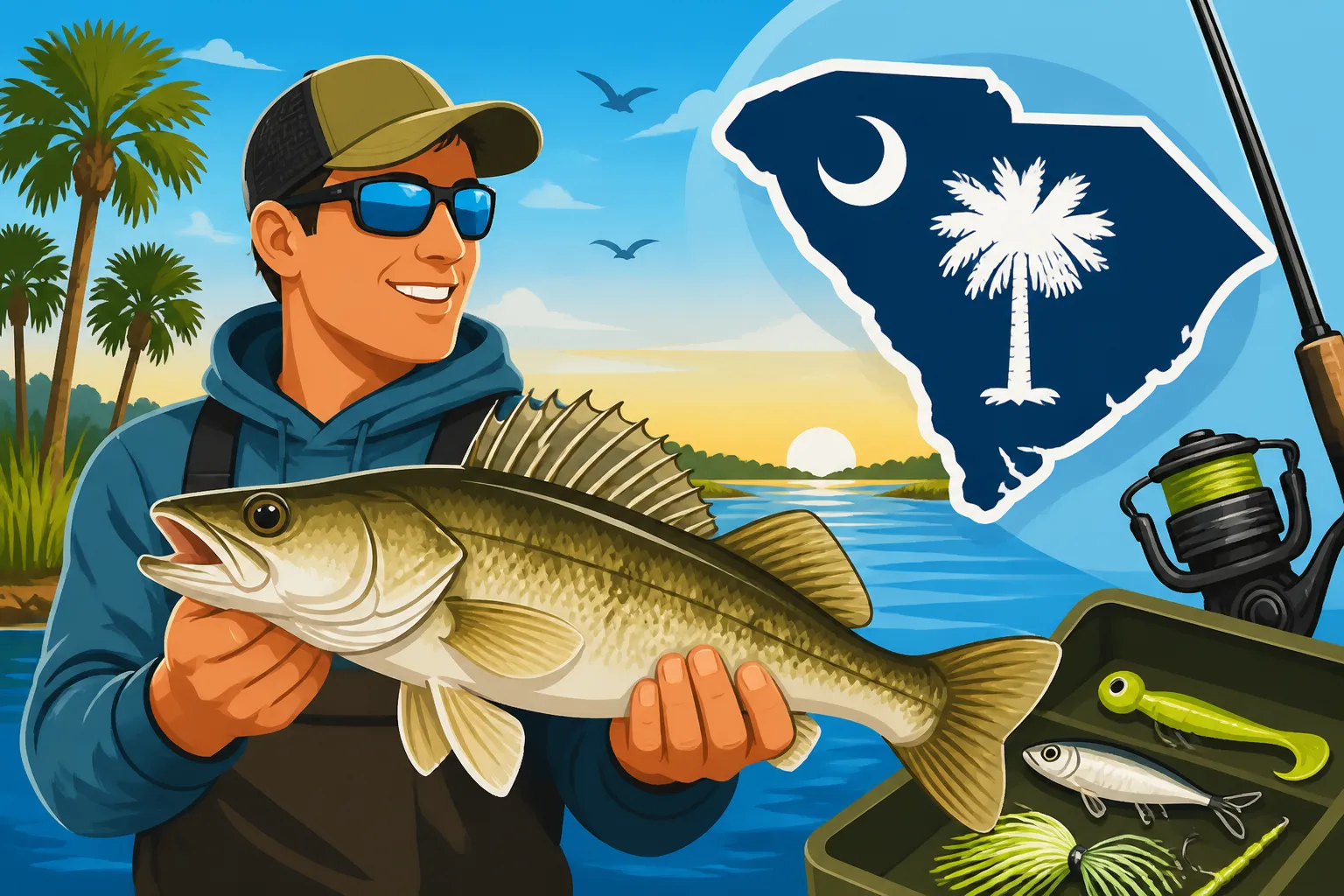
When it comes to artificial lures, jigs are arguably the most popular and effective choice for sauger. Small lead head jigs, ranging from 1/8 to 1/4 ounce, tipped with a soft plastic grub, curly-tail, or a small minnow imitation are deadly. Colors like white, chartreuse, motor oil, or natural baitfish patterns often produce good results. You can present these jigs by vertically jigging them directly below your boat in deeper channels, or by casting them upstream and letting them bounce along the bottom with the current as you retrieve them slowly. Remember, it's about getting the lure to the fish, which means keeping it in the strike zone near the bottom. Many anglers prefer to use a small blade bait or spoon when sauger are tightly schooled or when they want to cover water quickly, as these lures have a distinct vibration and flash that can attract fish from a distance.
Crankbaits and stickbaits can also be effective, especially those designed to dive deep and mimic injured baitfish. Look for models with a tight wobble that can be retrieved slowly against the current without blowing out. The best approach is often to cast these lures upstream or across the current, letting them dive and work their way downstream, bumping off the bottom occasionally. The specific lure you choose isn't as critical as its presentation: keep it low, slow, and in areas where sauger are likely holding. Many of these effective baits and lures, from a wide range of brands, are readily available on Amazon. Experimentation is your friend here; what works one day might not work the next, so having a selection of colors and styles is always a good idea. For more detailed information on specific offerings, consider reading Best Bait for Sauger in River Currents.
Sauger Fishing Techniques for South Carolina Newcomers
Since sauger are river fish, understanding how current affects their behavior and how to present your bait effectively in those conditions is crucial. These aren't fish you'll typically find chasing lures in open water; they're usually tucked away, conserving energy, waiting for an easy meal to drift by. Your techniques need to reflect this ambush predator nature.
Reading the Water and Current
One of the most valuable skills for any river angler, especially when targeting sauger, is learning to read the water. Sauger love current, but they don't like to fight it constantly. This means they'll position themselves in "current breaks" – areas where the main flow is disrupted, creating a calmer pocket of water. These spots are prime sauger habitat. Look for eddies behind submerged rocks, log jams, bridge pilings, or sharp bends in the river. Anywhere the water slows down or swirls, while still being adjacent to the main current, is a potential holding spot. How to Read a Trout Stream for Beginners offers insights that can be adapted for river fishing in general, even for sauger.
The depth of the water is also a significant factor. Sauger typically prefer deeper sections of the river, especially during the day or in warmer months when they seek cooler, more oxygenated water. Use a depth finder if you have one to identify channels, drop-offs, and humps along the bottom. The confluence of a feeder creek with the main river can also be a hotspot, as these areas often have deeper water and carry additional baitfish into the system. Pay attention to the water clarity as well; sauger have excellent low-light vision, so they can feed effectively in slightly stained or turbid water, which might give you an advantage compared to fishing clearer areas.
Understanding how current moves your boat or your lure is also essential. When fishing from a boat, positioning yourself upstream of a likely current break and letting your boat drift slowly while you vertically jig can be incredibly effective. If bank fishing, casting upstream and allowing your lure to tumble downstream with the current, while maintaining just enough tension to feel the bottom, is a go-to technique. The goal is always to present your bait or lure in a natural way, making it seem like an easy meal drifting effortlessly into the sauger's strike zone. This takes practice, but once you start recognizing these subtle cues in the water, you'll open up a whole new world of river fishing possibilities.
Effective Retrieval Methods
Once you've identified a likely spot and chosen your bait or lure, the next step is how you retrieve it. Sauger are typically bottom-oriented fish, so your presentation needs to reflect this. The most common and effective technique involves keeping your lure or bait as close to the bottom as possible, with a slow, deliberate retrieve. For jigs, this often means a "lift and drop" or "drag" retrieve. Cast your jig upstream or slightly cross-current, let it sink to the bottom, then slowly lift your rod tip a foot or two, letting the jig fall back down on a semi-slack line. Most bites will occur as the jig falls or as it rests on the bottom.
Another effective method, particularly when using live bait or soft plastic baits on a bottom rig, is simply drifting. Use just enough weight to keep your bait bouncing along the bottom as it drifts naturally with the current. This "dead-drifting" technique is incredibly effective because it mimics how actual baitfish or worms would move in the river. This method is particularly useful in deeper channels or areas with consistent current. Just be sure to maintain contact with your line so you can feel the subtle pick-ups. For those chilly months, techniques similar to Catfish Fishing Techniques for Cold Water might also prove useful, as sauger, like catfish, tend to be less active and stay deeper in colder conditions.
When using crankbaits or stickbaits, the key is a slow, steady retrieve that allows the lure to dive and "walk" along the bottom, occasionally bumping off rocks or structure. These deflections can often trigger a reaction strike from a sauger. The speed of your retrieve will depend on the strength of the current; stronger current might require a slightly faster retrieve to keep the lure digging, while weaker currents allow for a slower, more deliberate action. Always be prepared for a bite on the pause or just after the lure bumps something. Remember, sauger are opportunistic feeders, so presenting your offering directly in their path, slowly and convincingly, will greatly increase your chances of success. They're not going to chase it far, so accuracy and proximity to their hiding spots are paramount.
Timing Your South Carolina Sauger Trip
Just like with any other fish, the success of your sauger fishing adventure can heavily depend on timing. While their presence in South Carolina is sporadic, knowing the conditions they prefer can help you maximize your limited opportunities to target them. It's all about understanding their natural rhythms and environmental preferences.
Best Seasons and Water Temperatures
Sauger, being cold-water species, are generally most active during the cooler months in South Carolina. This means late fall, winter, and early spring are typically your best windows of opportunity. As water temperatures drop, sauger become more active and tend to congregate in deeper river pools and channels. This aggregation makes them slightly easier to locate, though still challenging. Once the water warms significantly in late spring and summer, they become even more dispersed and retreat to the deepest, coolest parts of the river, often making them incredibly difficult to target.
Ideal water temperatures for sauger activity often fall in the range of 40-55 degrees Fahrenheit. During these periods, their metabolism is higher, and they are more actively feeding. This contrasts with many warm-water species like bass, which thrive in higher temperatures. Therefore, don't shy away from those crisp, cold days on the river; they might just be your best bet for a sauger encounter. Pay close attention to local river temperatures if you can find that data, as it will be a far better indicator than air temperature alone.
Winter fishing for sauger can be particularly rewarding, as they tend to school up in predictable deep holes. However, you'll need to be prepared for the cold. Layer up, bring plenty of hot drinks, and ensure your boat (if you're using one) is equipped for colder conditions. Early spring, just as the water begins to warm but before it gets too hot, can also be productive as sauger might move shallower to feed more aggressively. Remember, persistence is key, and going out when the conditions are most favorable for the fish, rather than just when it's most comfortable for you, will greatly increase your chances of success.
Ideal Conditions for Sauger Activity
Beyond the general season, certain daily conditions can also influence sauger activity. Overcast days or periods of low light, such as dawn and dusk, are often prime times. Sauger have excellent vision in dim conditions, giving them a distinct advantage over their prey during these times. They are less light-sensitive than walleye, but still tend to avoid bright, direct sunlight, especially in shallower water. Therefore, don't dismiss a cloudy, dreary day; it might be perfect for sauger fishing.
Light rain or snow can also trigger feeding activity, as it can reduce light penetration and stir up the water, disorienting baitfish. However, avoid fishing immediately after heavy rains that cause the river to swell rapidly and become extremely muddy, as this can make fishing very challenging and disperse the fish. A gradually clearing river after a light rain, when the water level is stable or slowly falling, can be excellent. The increased current often concentrates baitfish, and the slightly stained water provides cover for sauger.
Finally, while anecdotal, some anglers believe a stable or rising barometer can positively impact sauger feeding activity. Changes in barometric pressure can affect fish behavior, often making them more active as pressure stabilizes after a dip. Keeping an eye on weather patterns and choosing days with stable conditions, or those following a cold front where pressure is rising, might give you an edge. Ultimately, sauger fishing in South Carolina is a quest for the patient and observant angler, blending an understanding of fish biology with the subtle art of reading a dynamic river environment. It's a challenging pursuit, but landing one of these elusive fish from our Southern rivers is a truly unforgettable experience.
| Feature | Sauger | Walleye |
|---|---|---|
| Size | Smaller (typically 12-20 inches) | Larger (typically 15-25 inches, can be much bigger) |
| Dorsal Fin | Distinct dark spots or blotches | Dark blotch at the rear base (no distinct spots) |
| Tail Fin | Lacks a prominent white tip on lower lobe | Often has a distinct white tip on lower lobe |
| Body Shape | More slender, elongated | More robust, stockier |
| Habitat | Primarily rivers, prefers current, deeper sections | Lakes, reservoirs, rivers (more adaptable) |
| Coloration | Olive-brown to brassy, mottled | Olive-green to golden, often more uniform |
| Teeth | Sharp, conical teeth (similar to walleye) | Sharp, conical teeth (similar to sauger) |
| Elusiveness SC | Very rare/localized in South Carolina | Rare in South Carolina |
Disclaimer
This article is for general informational purposes only and does not constitute professional advice. Laws, prices and regulations vary by location and change over time. Consult a qualified professional for guidance on your specific situation.