How to Catch Bluegill for Beginners
If you've ever felt overwhelmed by the world of fishing, especially when trying to introduce the joy of it to kids, you're absolutely not alone. The sheer variety of gear, techniques, and often confusing regulations can make a simple outing seem daunting, taking the fun right out of it before you even cast a line. But what if I told you there's a perfect starting point that promises consistent action and pure, unadulterated fun, especially here in South Carolina? This comprehensive guide will strip away the complexities and show you exactly how to catch bluegill for beginners, transforming that initial confusion into confident casts for your very next family fishing trip.
Why Bluegill Are the Perfect Catch for Beginners and Families
There's a reason why so many of us started our fishing journey with bluegill, or "bream" as we often call them here in the Palmetto State. These little dynamos are the unsung heroes of freshwater fishing, offering an unparalleled experience for anyone new to the sport, from eager youngsters to adults looking for a relaxing, high-success outing. Forget the intimidating tales of trophy bass or elusive trout; bluegill are here to build your confidence, one enthusiastic bite at a time.
Their Abundance and Eagerness to Bite
One of the biggest frustrations for new anglers is waiting around with no action. It's easy to get discouraged when the fish aren't biting, and for kids, boredom sets in almost instantly. This is precisely where bluegill shine! They are incredibly widespread across South Carolina's freshwater systems, from small farm ponds to large reservoirs like Lake Murray and the Santee Cooper Lakes. You'll find them in almost any calm water body with some cover. More importantly, they're not finicky eaters. Bluegill are curious and opportunistic, meaning they're often willing to investigate and aggressively strike a wide variety of baits. This eagerness drastically increases your chances of success, ensuring that even a novice angler can feel the satisfying tug of a fish on the line. It's this almost guaranteed action that makes bluegill fishing such a fantastic way to instill a love for the outdoors and the sport in anyone, especially children, who thrive on immediate gratification.
Think about it: instead of long periods of stillness, you'll likely experience frequent nibbles and solid bites, keeping everyone engaged and excited. This steady interaction builds fundamental fishing skills without the pressure of a big-game catch. You learn to watch your bobber, feel for the bite, and set the hook, all while having a genuinely good time. The sheer volume of bluegill often allows for multiple catches in a single session, turning a simple afternoon into a memorable fishing adventure. If you're looking for Easy-Catch Fishing Spots for Families in South Carolina, bluegill-rich ponds and calm coves are always your best bet.
Accessibility: You Don't Need a Fancy Boat
Another common barrier for beginners is the perceived need for expensive equipment, particularly a boat. Many popular fishing spots for larger species require a vessel, which can be a significant investment or rental hassle. Bluegill, however, are wonderfully accessible. They often congregate in shallower waters, near banks, docks, submerged brush, lily pads, and fallen trees—all places easily reached from shore. This means you don't need a fancy bass boat, a specialized kayak, or even a pier for a successful bluegill outing, although piers can certainly be great.
You can fish for bluegill from a park bank, a public dock, or even a friend's private pond. Many state parks and local community ponds across South Carolina are excellent spots for bank fishing, providing easy access and often stocked with panfish. This incredible accessibility means that fishing for bluegill is largely an inclusive activity, open to anyone regardless of their budget or access to specialized gear. You just need a short walk to the water's edge, and you're ready to start. If you're hunting for Shore Fishing Spots That Don't Require a Boat, bluegill will undoubtedly be a primary target species. This freedom from elaborate setups makes bluegill fishing the perfect entry point into the wider world of angling.
Essential Gear for Your First Bluegill Adventure
Now that you're convinced bluegill are the way to go, let's talk about what you actually need to catch them. The good news is, bluegill fishing doesn't require a hefty investment or complex gear. Simplicity is key, and you likely already have some items around the house, or you can pick up the essentials without breaking the bank. This section will walk you through the basic components of a successful bluegill setup, making sure you're well-equipped without being overwhelmed.
Simple Rod and Reel Setups
For bluegill, you want light tackle. This isn't about power; it's about sensitivity and fun! A lightweight rod allows you to feel even the slightest nibble, and a small reel makes for easy casting and retrieving.
- Spincast Combos: These are often the go-to for beginners, especially kids, because of their incredible ease of use. The reel has a button you push to cast, and it's virtually tangle-free. You can find decent spincast rod and reel combos for very reasonable prices online, often from retailers like Amazon, or at any local sporting goods store. Look for something in the 4.5 to 5.5-foot range, which is manageable for most ages. These are excellent for learning the basic mechanics of casting and reeling.
- Ultralight Spinning Combos: If you're an adult beginner or have slightly older kids, an ultralight spinning combo offers a bit more sensitivity and control, while still being very easy to operate. These rods are usually a bit longer (5 to 6 feet) and have open-face reels that allow for longer, smoother casts. They really let you feel the fight of a feisty bluegill, which is a blast! Again, Amazon or your local tackle shop will have plenty of options. The key is light line, typically 4-6 pound test monofilament, which is strong enough for bluegill but thin enough to cast small baits.
No matter which you choose, make sure it feels comfortable in your hand. The goal is to make fishing enjoyable, not a wrestling match with your gear. Remember, you don't need the most expensive equipment to catch fish; reliable, easy-to-use gear is far more important for a positive first experience.
The Best Baits That Bluegill Can't Resist
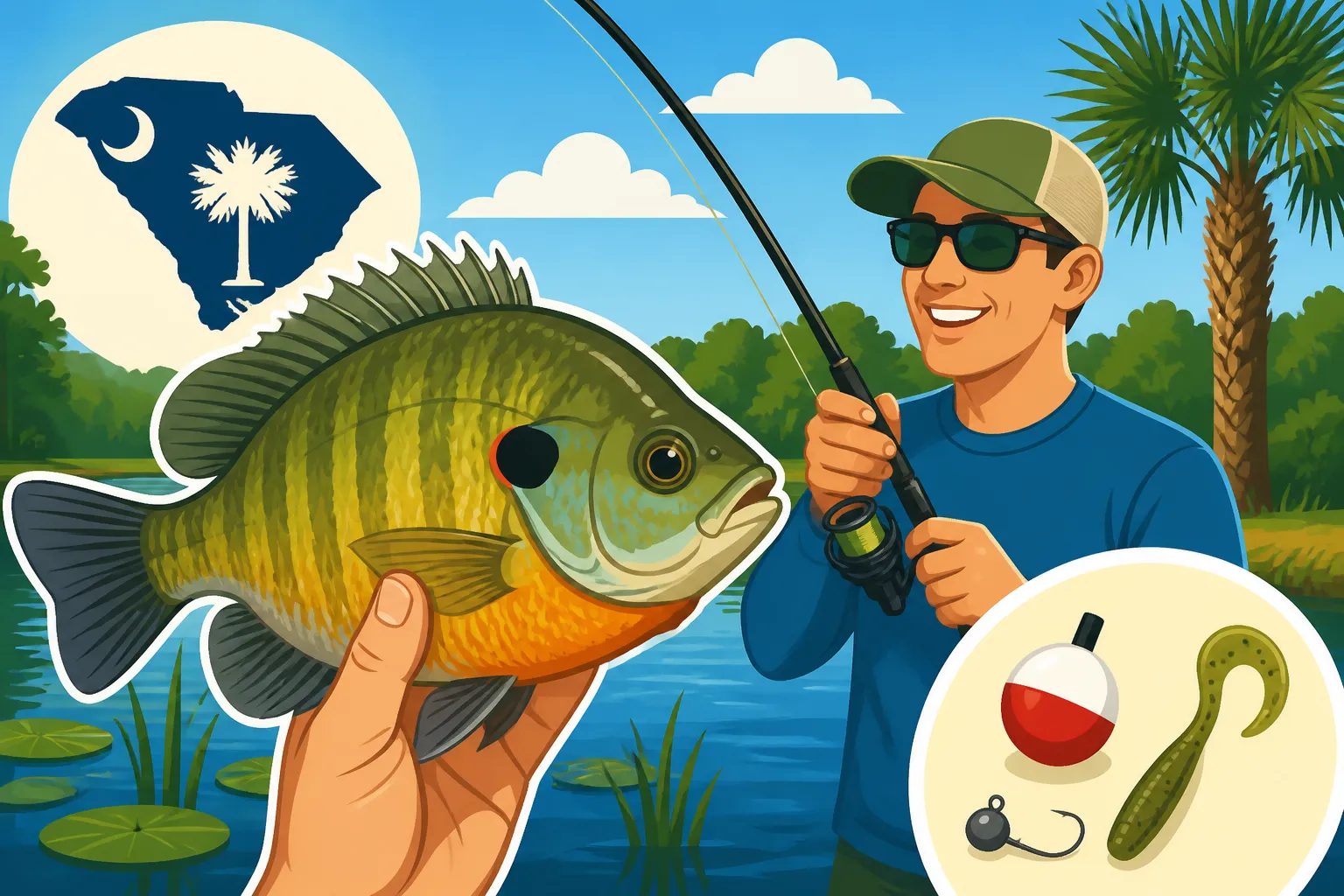
Bluegill are not picky eaters, which is fantastic news for beginners! You don't need exotic lures or complicated rigging. Their diet consists of insects, small crustaceans, and even plant matter, so your bait choices should reflect that.
- Live Bait is King: When it comes to consistently catching bluegill, live bait is almost always the answer.
- Worms: Red wigglers or nightcrawlers (cut into smaller pieces for bluegill-sized mouths) are universally effective. They're cheap, easy to find at bait shops, garden stores, or even your backyard, and bluegill absolutely love them.
- Crickets: Another bluegill favorite, especially during warmer months. Crickets are lively and often entice aggressive strikes. You can buy them by the dozen at bait and pet stores.
- Mealworms/Waxworms: These smaller grubs are perfect for tiny bluegill mouths and can be very effective, particularly if the fish are being a bit more hesitant. You can often find them at sporting goods stores or through Amazon.
- Artificial Alternatives (for the adventurous): While live bait is a sure bet, some small artificial options can work once you get the hang of things. Tiny jigs (1/32 to 1/16 oz) tipped with a small piece of plastic, like a small grub tail, can be effective, especially in clearer water. But for your first few trips, stick to live bait – it’s simply more productive and boosts confidence. If you're curious about Best Bait for Catching Bluegill, worms and crickets will top every list, every time.
A good tip: keep your live bait fresh and cool. Worms in a breathable container with some dirt, and crickets in a cricket keeper, will last longer and be more enticing to the fish.
Basic Tackle Box Essentials
You don't need a massive, overflowing tackle box for bluegill, but a few key items will make your trip much smoother.
- Bobbers: These are crucial for bluegill fishing. They float on the surface, indicating when a fish is biting by dipping or moving. Slip bobbers are great because you can adjust the depth, but simple clip-on bobbers work perfectly well for beginners. Get a few different sizes, but generally, smaller bobbers are better as they offer less resistance to the fish.
- Hooks: Small hooks are essential for bluegill. Sizes #6 to #10 are ideal. A smaller hook is easier for a bluegill to get in its mouth and often leads to more hook-ups. Always have a few extra, as snags happen.
- Sinkers/Split Shots: Tiny split shot weights are used to get your bait down to the fish. You'll attach them a few inches above your hook. Start with just one or two small ones; you don't want to weigh your bait down too much.
- Needle Nose Pliers or Hemostats: These are invaluable for safely removing hooks from fish, especially if they've swallowed the hook a bit deeper. They also save your fingers!
- Small Scissors or Line Clippers: For cutting line when tying knots or re-rigging.
- Stringer or Cooler (optional): If you plan on keeping your catch, a simple stringer to keep them alive in the water or a small cooler with ice will be necessary.
- Sunscreen, Hat, Water: Don't forget these personal essentials for any outdoor adventure in South Carolina!
Here’s a quick overview of essential tackle box items for bluegill:
| Item | Purpose | Key Features for Bluegill |
|---|---|---|
| Rod & Reel | Casting and reeling in fish | Ultralight to light action, 4-6 ft |
| Fishing Line | Connects rod to hook | 4-6 lb test monofilament |
| Bobbers | Indicate bites, keep bait at desired depth | Small, clip-on or slip |
| Hooks | Catch the fish | Size #6 to #10, Aberdeen style |
| Sinkers | Get bait to desired depth | Small split shot weights |
| Bait | Attract fish to bite | Live worms, crickets, mealworms |
| Pliers/Hemostats | Safely remove hooks | Needle nose, small size |
| Line Clippers | Cut fishing line | Small scissors or clippers |
| Stringer/Cooler | Keep caught fish fresh (if keeping) | Small, simple stringer or cooler |
With these simple items, you're more than ready to hit the water and start catching bluegill! The beauty is in the simplicity, allowing you to focus on the experience rather than fussing with complex gear.
Mastering the Art of Bluegill Fishing: Techniques That Work
Now that you have your gear and bait ready, it's time to learn how to put it all together and actually catch some fish! Bluegill fishing is wonderfully straightforward, making it perfect for building confidence. There are a few tried-and-true techniques and strategies that will dramatically increase your success, turning a hopeful cast into a guaranteed bite.
The Classic Bobber and Bait Rig
This is the quintessential bluegill setup, easy enough for anyone to master in minutes. It's visual, effective, and incredibly satisfying when that bobber dances and dips.
Step-by-Step Setup:
- Tie on your hook: Use a simple knot like an Improved Clinch Knot to attach your small hook (#6 or #8) to the end of your fishing line.
- Add a split shot: About 6-12 inches above your hook, pinch one or two small split shot weights onto your line. This helps sink your bait. The exact distance might vary depending on how much current there is or how deep you want your bait to go.
- Attach your bobber: Clip or slide your bobber onto the line above the split shot. The distance between the bobber and the split shot (and thus your bait) determines how deep your bait will sit in the water. For beginners, start by setting your bobber so your bait is about 2-4 feet deep. You can adjust this later if the fish aren't biting at that depth.
- Bait your hook: This is where the magic happens! For worms, thread a small piece onto the hook, making sure the hook point is exposed. For crickets, hook them gently through the collar or behind the head so they stay lively and on the hook. You want just enough bait to cover the hook and be enticing, but not so much that a small bluegill can't get it all in its mouth.
Casting and Watching: Cast your rig gently into the water, aiming for areas with cover (more on that next). Once your bobber settles, watch it intently. Bluegill bites are often a series of small dips or nudges, sometimes followed by the bobber completely disappearing underwater. That's your cue!
Finding Bluegill Hotspots: Where to Cast Your Line
Knowing where to cast is almost as important as having the right bait. Bluegill aren't typically out in the wide-open middle of a lake. They prefer structure and cover, which provides them with both food and protection from larger predators.
- Near Shoreline Cover: Look for areas along the bank that offer some sort of protection. This could be lily pads, submerged logs, fallen trees, brush piles, or even thick aquatic vegetation. Bluegill love to hide in these spots, darting out to grab unsuspecting insects or worms. Cast your bait as close to the edge of this cover as you can without getting snagged.
- Docks and Piers: The shaded areas under docks and piers are bluegill magnets. The pilings and supports create perfect hiding spots, and boat traffic can stir up food. These are fantastic spots for bank anglers and often provide easy access. If you're wondering Do You Need a Fishing License to Fish From a Pier?, it's always wise to check local regulations, but often, public piers have blanket licenses that cover their patrons, though this varies by location.
- Shallow Coves and Ponds: Calm, shallow coves, especially those with muddy or weedy bottoms, are prime bluegill territory. Farm ponds, in particular, are often teeming with them. If you're fishing in South Carolina, these are the places you'll find them in abundance. You can often find South Carolina's Best Ponds for Panfish Fishing through local community guides or state park resources.
- Bluegill Beds in Spring: During the spring spawning season, bluegill gather in large groups in shallow, protected areas to create "beds." These look like circular depressions on the bottom. If you find a bluegill bed, you're in for some fast and furious action! You can practically catch a fish on every cast. To learn more about this exciting period, research How to Find Bluegill Beds in Spring.
The key is to target these areas. If you cast into open water and aren't getting bites, move your bait closer to cover. Experiment with different depths around these spots by adjusting your bobber. Patience and observation are your best tools here.
The Gentle Art of Setting the Hook and Reeling Them In
Once your bobber goes down, the real fun begins! Don't yank the rod back violently; bluegill have relatively soft mouths, and you can easily pull the hook right out.
- Setting the Hook: When the bobber disappears or makes a clear, sustained dive, gently but firmly lift your rod tip upward. Think of it more as a sweep or a firm raise rather than a hard jerk. This sets the hook in the fish's mouth. If you feel resistance, you've likely got one!
- Reeling Them In: Bluegill, especially the bigger ones, put up a surprisingly good fight for their size. Keep your rod tip up, creating a bend in the rod. This bend acts as a shock absorber, keeping tension on the line and preventing the hook from pulling free. Reel steadily, but don't crank too fast. Enjoy the fight! If the fish tries to pull drag, let it, that's what your reel's drag system is for. Once the fish is close to the bank or boat, gently lift it out of the water. Avoid swinging it too hard, especially if it's a larger fish, as the line can break.
Handling Your Catch: Once you have the fish, handle it gently. Bluegill have small spines on their dorsal (back) fin and gill plates that can prick you if you're not careful. Hold them firmly but gently, with a thumb on one side and fingers on the other, avoiding the fins. Use your pliers or hemostats to quickly and safely remove the hook. If you plan to release the fish, wet your hands before touching it to protect its slime coat. If you plan to keep them, place them immediately on a stringer in the water or into a cooler with ice to keep them fresh.
Remember that fishing for bluegill is meant to be fun and relaxing. Don't get discouraged if you miss a few bites or lose a fish. Every cast is a new opportunity, and every outing is a chance to learn more about our amazing South Carolina waters and the fish that call them home.
Beyond the Catch: Handling, Keeping, and Releasing Bluegill
You've cast your line, watched the bobber dive, and successfully reeled in a bluegill – congratulations! But what comes next? Understanding how to properly handle your catch, whether you intend to keep it for a delicious meal or release it to fight another day, is an important part of responsible angling. It shows respect for the fish and contributes to healthy fish populations in our beautiful South Carolina lakes and ponds.
Respectful Handling for a Healthy Fishery
No matter your intention, always prioritize the well-being of the fish. Even though bluegill are robust little fighters, they are still living creatures deserving of careful handling.
- Wet Your Hands: Before touching a fish, always wet your hands. This protects the fish's protective slime coat, which acts as its first line of defense against diseases and parasites. Dry hands can rub off this crucial layer, leaving the fish vulnerable if released.
- Minimize Air Exposure: Try to keep the fish in the water as much as possible, especially if you plan to release it. Bluegill can't breathe air, and prolonged exposure can be very stressful and even fatal. If you need a photo, get it quickly and gently.
- Use Tools for Hook Removal: As mentioned, needle-nose pliers or hemostats are your best friends for hook removal. They allow you to quickly and safely dislodge the hook without putting your fingers at risk or causing unnecessary damage to the fish. If a fish is deeply hooked and you can't easily remove the hook without tearing tissue, it's often best to simply cut the line as close to the hook as possible. The hook will usually rust out over time, and this causes less trauma than trying to force it out.
- Support the Fish: When holding a bluegill, support its body horizontally. Avoid holding it vertically by its mouth or gill plate, as this can damage its jaw or internal organs. A firm, gentle grip around the body, avoiding the spiny fins, is ideal.
Practicing these simple steps ensures that whether your bluegill goes into a frying pan or back into the water, you've done your part to treat it with care. This mindfulness is a core tenet of ethical fishing, whether you're targeting small panfish or larger game species.
Deciding to Keep or Release Your Catch
This is a personal decision, but it's important to make an informed one. Bluegill are fantastic table fare, but releasing them responsibly ensures future generations of anglers can enjoy the same opportunities.
- Keeping Bluegill: If you're planning on keeping bluegill, check the local regulations first. While bluegill usually don't have strict size or creel limits in South Carolina, understanding South Carolina Fishing Bag Limits Explained is always a good practice, even for panfish, as regulations can vary or change. Keep only what you will eat. Bluegill reproduce rapidly, so keeping a reasonable number for a meal often helps thin out stunted populations, leading to healthier, larger fish in the pond. As soon as you catch a fish you intend to keep, put it on a stringer in the water or immediately into a cooler with ice. This keeps the fish fresh and ensures the meat quality is at its best.
- Releasing Bluegill: If you're not planning to eat your catch, or if you're just enjoying the sport, releasing bluegill is an excellent practice. When releasing, gently place the fish back into the water headfirst, allowing it to swim away on its own power. Sometimes, especially after a long fight or warm water conditions, a fish might need a moment to revive. Gently hold it upright in the water, facing into any current, until it kicks its tail and swims off. This contributes to a vibrant ecosystem and ensures there are plenty of fish for everyone to catch in the future. For families just getting started, this catch-and-release philosophy can be a great way to enjoy the thrill of the catch without the responsibility of cleaning fish, making the experience simpler and more accessible.
Enjoying Your Bluegill Harvest
If you decide to keep your bluegill, you're in for a treat! Many anglers consider bluegill among the finest eating freshwater fish, with delicate, flaky white meat.
- Cleaning Your Fish: Cleaning bluegill is a skill that comes with practice. You can either scale and gut them, frying them whole, or fillet them for boneless portions. Filleting smaller panfish like bluegill might seem daunting at first, but with a sharp fillet knife, it's quite manageable. There are plenty of online tutorials that can guide you through the process step-by-step.
- Cooking Bluegill: The most classic way to enjoy bluegill is pan-fried. Lightly breaded in cornmeal or seasoned flour, then fried until golden brown, they make a delicious meal. They're also excellent baked or grilled. Serving up a meal of fish you caught yourself is an incredibly rewarding experience and a fantastic way to cap off a successful fishing trip with family and friends. If you're curious about Is Sunfish Good to Eat?, the answer from nearly any experienced angler will be a resounding "Yes!"
Remember, fishing is more than just catching fish; it's about connecting with nature, enjoying time outdoors, and creating lasting memories. Whether you're chasing that first bite or perfecting your technique, bluegill fishing offers an accessible and incredibly fun way to experience the best of South Carolina's freshwater bounty. So grab your simple gear, find a quiet pond, and get ready to discover the joy of bluegill fishing!
Disclaimer
This article is for general informational purposes only and does not constitute professional advice. Laws, prices and regulations vary by location and change over time. Consult a qualified professional for guidance on your specific situation.