Simple Bream Fishing Techniques for Kids
There’s nothing quite like introducing a child to the magic of fishing, but let's be honest, the idea of tangled lines, constant re-baiting, and a quickly bored youngster can feel more daunting than delightful. If you're looking for an activity that promises frequent excitement and simple techniques to get your little ones hooked on the outdoors in South Carolina, then bream fishing is your golden ticket. This guide will walk you through straightforward, kid-friendly methods to ensure a fun and successful day on the water, making memories that last a lifetime.
Why Bream Fishing is Perfect for Young Anglers in South Carolina
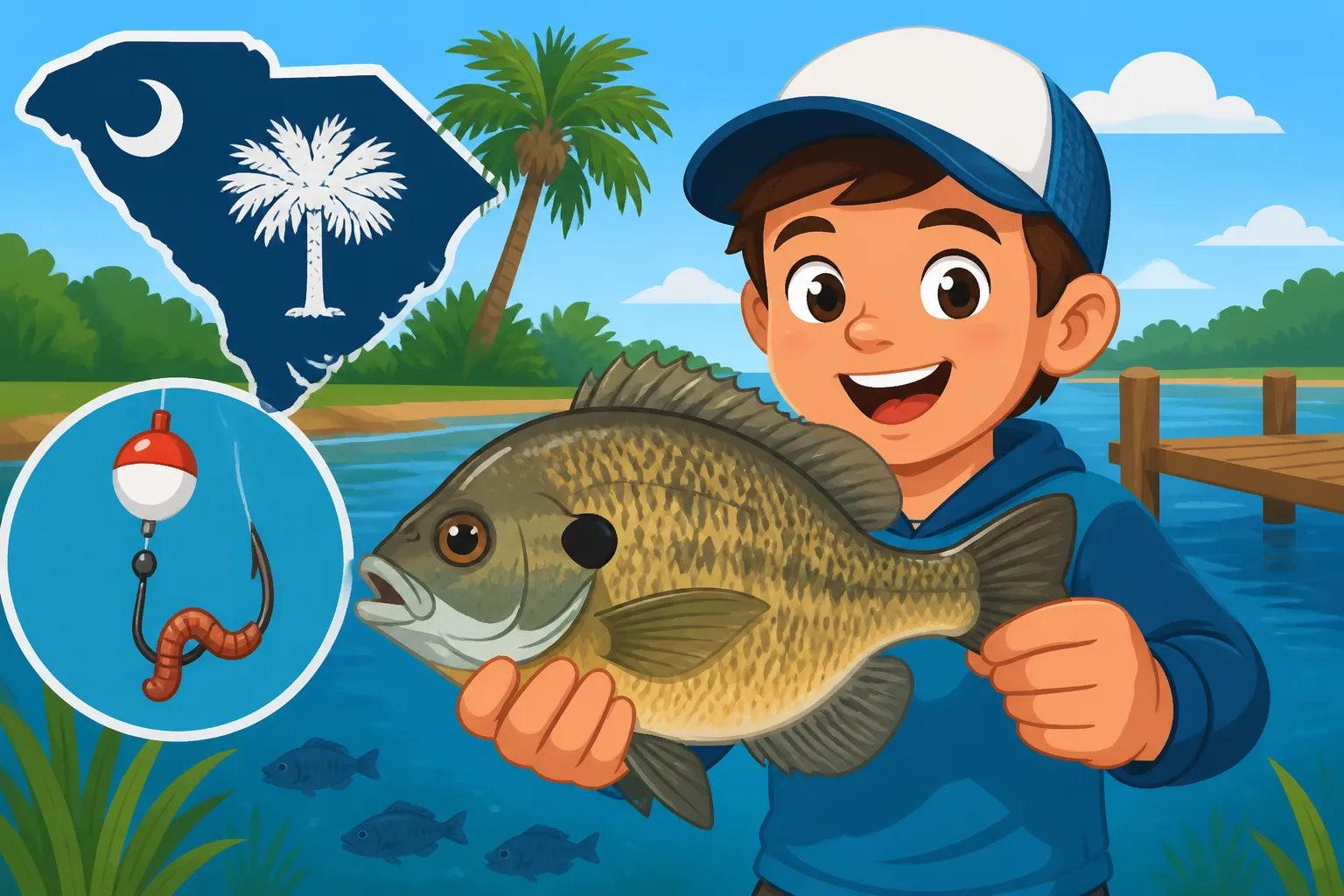
Bream, a general term that often includes bluegill, redbreast sunfish, and other panfish, are truly the unsung heroes of family fishing trips. They're abundant, feisty for their size, and readily available, making them the ideal target for anyone trying to teach a child the ropes. Forget about complicated casting or long waits; bream deliver action, and that’s exactly what keeps kids engaged.
The Joy of Frequent Bites
One of the biggest hurdles when fishing with kids is the dreaded silence. Long periods without a bite can quickly lead to wandering attention spans, complaints of boredom, and a premature end to the outing. This is where bream shine. They're opportunistic eaters and tend to school together, meaning if you find one, you're likely to find many. The constant bobber dips and tugs on the line provide immediate gratification, turning a potentially frustrating waiting game into an exciting, interactive experience.
Imagine the sheer delight on a child's face when their bobber suddenly dances and then plunges underwater! It’s a moment of pure, unadulterated joy that can spark a lifelong passion for fishing. These small but spirited fish put up a surprisingly good fight for their size, offering just enough challenge to make the catch feel like a real accomplishment without being too difficult for tiny hands to manage. This constant feedback is crucial for building confidence and maintaining interest in the early stages of a young angler's journey.
Easy-to-Handle Gear
You don't need a professional-grade setup to catch bream, which is fantastic news for parents. Simple, inexpensive, and lightweight gear is all that's required, making it perfect for kids to learn with. Often, a basic spin-cast rod and reel combo, sometimes called a "push-button" reel, is the best choice. These setups are designed for ease of use, minimizing tangles and maximizing casting success for beginners.
The beauty of this simplicity is that it allows children to focus on the fundamental skills of fishing – casting, feeling a bite, and reeling in – without being overwhelmed by complex equipment. They can comfortably hold their own rod and feel a sense of independence and control. Plus, since the gear is so straightforward, clean-up and maintenance are minimal, allowing more time for actual fishing and less time fussing with tackle. Many starter kits come with everything needed, often available with just a few clicks on a site like Amazon.
Abundant and Accessible Spots
South Carolina is blessed with an incredible variety of freshwater fishing spots, and many of them are teeming with bream. From small farm ponds to the quiet coves of our larger lakes like Lake Murray or the Santee Cooper lakes, these fish are practically everywhere. This widespread availability means you don't have to travel far or find highly specialized locations to have a successful trip. Easy access is key when fishing with kids, as it cuts down on travel time and gets them to the action faster.
You'll find bream flourishing in state parks, local ponds, and slow-moving rivers. These areas often have shaded banks, picnic spots, and restrooms, making the entire outing more comfortable for families. Being able to fish from a dock or the bank is a huge plus, eliminating the need for a boat and adding an extra layer of safety and convenience. Just be sure to check for local regulations or any specific rules at state parks regarding fishing. You can learn more about Family-Friendly Fishing Spots in South Carolina to plan your next adventure.
Essential Gear for Your Kid's Bream Adventure
Equipping your child for their first bream fishing trip doesn't have to break the bank or involve a trip to a specialty store. The emphasis is on simplicity, durability, and kid-friendliness. Having the right basic tools makes the experience much smoother and more enjoyable for everyone involved.
Rods, Reels, and Lines for Little Hands
When choosing a rod and reel for a child, think light, short, and easy. A 4 to 5-foot spin-cast rod and reel combo is usually perfect. Spin-cast reels are incredibly user-friendly; they have a button that releases the line for casting, which is much simpler for beginners to master than open-faced spinning reels. Look for models with a comfortable grip sized for smaller hands, and perhaps even a fun color to make it truly theirs.
The line that comes pre-spooled on most kid's combos is usually adequate, but a fresh spool of 4-6 pound monofilament line is an inexpensive upgrade that can prevent frustrating break-offs. It's strong enough for bream, yet thin enough for easy casting. Remember, the goal is to make the process as smooth and tangle-free as possible, so investing in a decent quality, simple setup will pay dividends in smiles and successful catches. You can find a wide array of excellent starter fishing kits, often bundled with basic tackle, on Amazon, ready to be delivered right to your door.
Simple Tackle Box Must-Haves
You don't need a massive tackle box overflowing with lures and gadgets for bream fishing. A small, organized tackle box with just a few essentials is perfect. Here’s what you’ll want to pack:
- Hooks: Small, size 8 or 10 Aberdeen or bait holder hooks are ideal for bream's small mouths. These are thin-wire hooks, which make them easier to remove if swallowed, and they're less likely to snag.
- Bobbers: The classic red and white bobber is a must-have! Small to medium sizes (1-inch to 1.5-inch diameter) are perfect. They're easy for kids to see and signal bites clearly.
- Split Shot Weights: A small assortment of removable split shot weights will help cast lighter baits and keep them at the desired depth. You'll want sizes like B or BB.
- Pliers or Hook Remover: Essential for safely removing hooks from fish and for pinching on weights.
- Small Scissors or Line Clippers: For trimming line and opening bait packages.
- Wet Towel/Rag: For handling fish and cleaning up hands.
- Bucket with Water: A small bucket for keeping caught fish alive temporarily or for releasing them safely.
A compact, multi-compartment tackle box from Amazon can help keep these small items organized, preventing frustrating searches for the right hook or weight. This minimal approach keeps things simple and prevents young anglers from getting overwhelmed by too many choices.
The Best Baits to Entice Bream
Bream aren't picky eaters, which is another reason they're fantastic for kids! You don't need fancy lures; readily available and often inexpensive natural baits work best. Presenting the right bait is half the battle, and with bream, almost anything small and edible will do.
- Worms: The classic choice! Red wigglers or nightcrawlers (cut into smaller pieces) are irresistible to bream. They stay on the hook well and are easy for kids to manage.
- Crickets: A top-tier bream bait, especially for bluegill and redbreast. Their erratic movements on the hook are a great attractant.
- Corn: Canned corn can be surprisingly effective, especially in waters where fish are used to being fed. It’s clean, easy to handle, and kids love baiting with it.
- Bread: Small balls of white bread, gently kneaded onto a hook, can also work. It’s cheap and always on hand.
- Small Artificial Baits: Tiny jigs (1/32 or 1/64 oz) tipped with a small piece of worm or scented soft plastic can also be effective if you want to introduce lures later on, but for beginners, stick to natural bait.
For optimal results, make sure the bait is small enough for the bream to take into their mouths easily. A good rule of thumb is to use a piece of bait no larger than your thumbnail. Remember, fresh bait is always best, so keep worms and crickets cool and well-aerated.
Step-by-Step Bream Fishing Techniques Kids Can Master
Teaching kids to fish should be about building confidence and celebrating small victories. These techniques are designed to be straightforward, allowing children to quickly grasp the basics and start catching fish.
The Classic Bobber Set-Up
This is arguably the easiest and most effective way to introduce a child to fishing. The visual cue of a bobber disappearing under the water is incredibly exciting and easy for kids to understand.
First, let’s get the rig ready. You’ll want to tie a small hook (size 8 or 10) to the end of the line. A simple overhand knot or improved clinch knot will do the trick. Next, attach a small split shot weight about 6-12 inches above the hook. This weight helps cast the light bait and sinks it to where the fish are. Finally, clip a bobber onto the line about 1-2 feet above the weight. The depth can be adjusted later if you find the fish are deeper or shallower.
Now, for the bait. Show your child how to carefully thread a small piece of worm, a cricket, or a kernel of corn onto the hook, ensuring the point is covered. For casting, teach them to hold the rod with one hand, push and hold the reel’s button, then gently swing the rod forward and release the button. Start with short, controlled casts close to shore. Once the bobber hits the water, instruct them to watch it intently. When it jiggles, moves sideways, or dips below the surface, it’s time to slowly reel in the slack and gently lift the rod tip to set the hook. Even if they miss, the attempt is a learning experience!
Simple Bottom Fishing for Bream
Sometimes, bream might be holding a bit deeper, or perhaps the wind is making bobber watching difficult. This is where a simple bottom fishing rig comes in handy. It’s still very easy for kids and can often catch larger bream or even a catfish surprise!
To set up for bottom fishing, you’ll again tie a small hook to the end of your line. Instead of a bobber, you’ll pinch a slightly heavier split shot weight (or use a small egg sinker above a swivel, then a leader to the hook) about 6-12 inches above the hook. The goal here is for the weight to hold your bait on the bottom.
Once baited, have your child cast out and let the weight sink to the bottom. Instead of watching a bobber, they’ll learn to feel for bites. Keep a slight bit of tension on the line, and watch the rod tip. A gentle tap, tap, or a steady bend in the rod tip indicates a bite. When they feel a solid tug, they can lift the rod tip and reel in. This method teaches a different kind of sensitivity, which is a great skill for them to develop as they get more experienced. You can further explore Kid-Friendly Bluegill Fishing Techniques for more ideas.
Safety First and Fun Always
Beyond the fishing techniques themselves, making sure the experience is safe and fun is paramount. This includes both physical safety and managing expectations.
Always bring plenty of water, snacks, sunscreen, and hats. South Carolina sun can be intense! A first-aid kit with band-aids for minor scrapes or hook pokes is also a good idea. Teach kids how to handle fish gently (if they're comfortable with it) and how to safely remove hooks. If they're squeamish, that's okay – a parent or guardian can handle the fish removal. A small, kid-friendly fishing vest, which you can easily find on Amazon, can hold snacks and a small bottle of water, making them feel like a real angler.
Emphasize that catching fish isn't the only goal. Enjoying nature, spending time together, and learning new skills are just as important. Celebrate every cast, every bite, and especially every fish, no matter how small. Even seeing a frog jump or a bird fly by can be a highlight for a child. Be patient, be encouraging, and let them get their hands dirty. Remember, you're not just teaching them to fish; you're creating cherished memories and fostering an appreciation for the outdoors.
Finding the Best Bream Spots in South Carolina
South Carolina is a bream paradise, and knowing where to look will significantly increase your chances of a successful and fun day of fishing with the kids. These fish are generally found in warmer, shallower waters, making them accessible from shore.
Ponds, Lakes, and Calm River Backwaters
For young anglers, smaller, more controlled environments are often the best bet. Farm ponds are ideal, as they typically have high populations of bream and less fishing pressure. Always ask permission before fishing on private property. Public lakes and reservoirs across the state, such as those within various state parks, often have designated fishing piers or easy bank access that are perfect. Look for coves, sheltered bays, or areas around docks and vegetation on larger bodies of water. The calmer waters reduce currents and make casting easier for kids.
Even on larger rivers like the Edisto or Congaree, search for calm backwaters, oxbow lakes, or slow-moving creeks that feed into the main channel. These areas provide the warmer, shallower habitat that bream prefer and offer a break from stronger currents. You can find more targeted information on Kid-Friendly Fishing Ponds Near Columbia for local suggestions.
Look for Structure
Bream, like many fish, love to hide and congregate around "structure" in the water. This provides them with cover from predators and ambush points for their prey. Teaching kids to identify these areas will not only improve their catch rate but also give them a better understanding of fish behavior.
Keep an eye out for docks, fallen trees, brush piles, lily pads, and submerged vegetation. These are prime bream habitat. Fish close to the edges of these structures. If you're fishing from a boat, gently motor along the shoreline and use a fish finder (if you have one) to locate submerged brush. From the bank, simply observe the water for visual cues like lily pads or overhanging branches. Often, simply casting next to the pilings of a dock can yield multiple bites. This technique can also be applied to catching Bluegill Fishing Tips for South Carolina Ponds.
When and Where to Go
The best time to fish for bream with kids in South Carolina is typically from late spring through early fall, when the water temperatures are warm. They are most active during the warmer parts of the day, but often early morning and late afternoon will offer the most consistent action. These times are also more comfortable for young anglers, avoiding the peak heat of midday.
Consider sunny, calm days over windy or rainy ones. Good visibility of the bobber is crucial for kids learning to identify bites. Remember that children under a certain age are often exempt from needing a fishing license in South Carolina, but it's always wise to check the current Fishing License Rules for Kids in South Carolina to be sure. Also, be mindful of specific regulations for areas you plan to visit, such as size or bag limits, though for bream, these are usually quite generous.
| Bait Type | Ease of Use for Kids | Effectiveness for Bream | Cost/Availability | Notes |
|---|---|---|---|---|
| Live Worms | Medium | High | Low/Easy to find | Classic, stays on hook well, wiggles attract fish. |
| Live Crickets | Medium | Very High | Medium/Bait shops | Great attractant, can be tricky to hook for tiny hands. |
| Canned Corn | High | Medium | Very Low/Grocery store | Clean, easy to bait, good for shy biters. |
| Bread Balls | High | Medium | Very Low/Kitchen | Cheap, easy, but can come off hook easily. |
| Small Jigs | Low (for beginners) | Medium-High | Medium/Tackle shop | Requires more skill to fish actively, better for older kids. |
For specific advice on bait, you might also find insights in Best Bait for Panfish in Farm Ponds. And if you're curious about optimal timing, check out Best Time of Year to Catch Panfish for more seasonal details. Before heading out, it's always a good idea to confirm that all adults and older children have their South Carolina Fishing License Guide in order, as regulations can vary. Don't forget that for our seasoned anglers, there's even a South Carolina's Senior Fishing License Guide available, ensuring everyone can enjoy the sport.
Disclaimer
This article is for general informational purposes only and does not constitute professional advice. Laws, prices and regulations vary by location and change over time. Consult a qualified professional for guidance on your specific situation.