Do Kids Need Special Gear to Catch Bluegill?
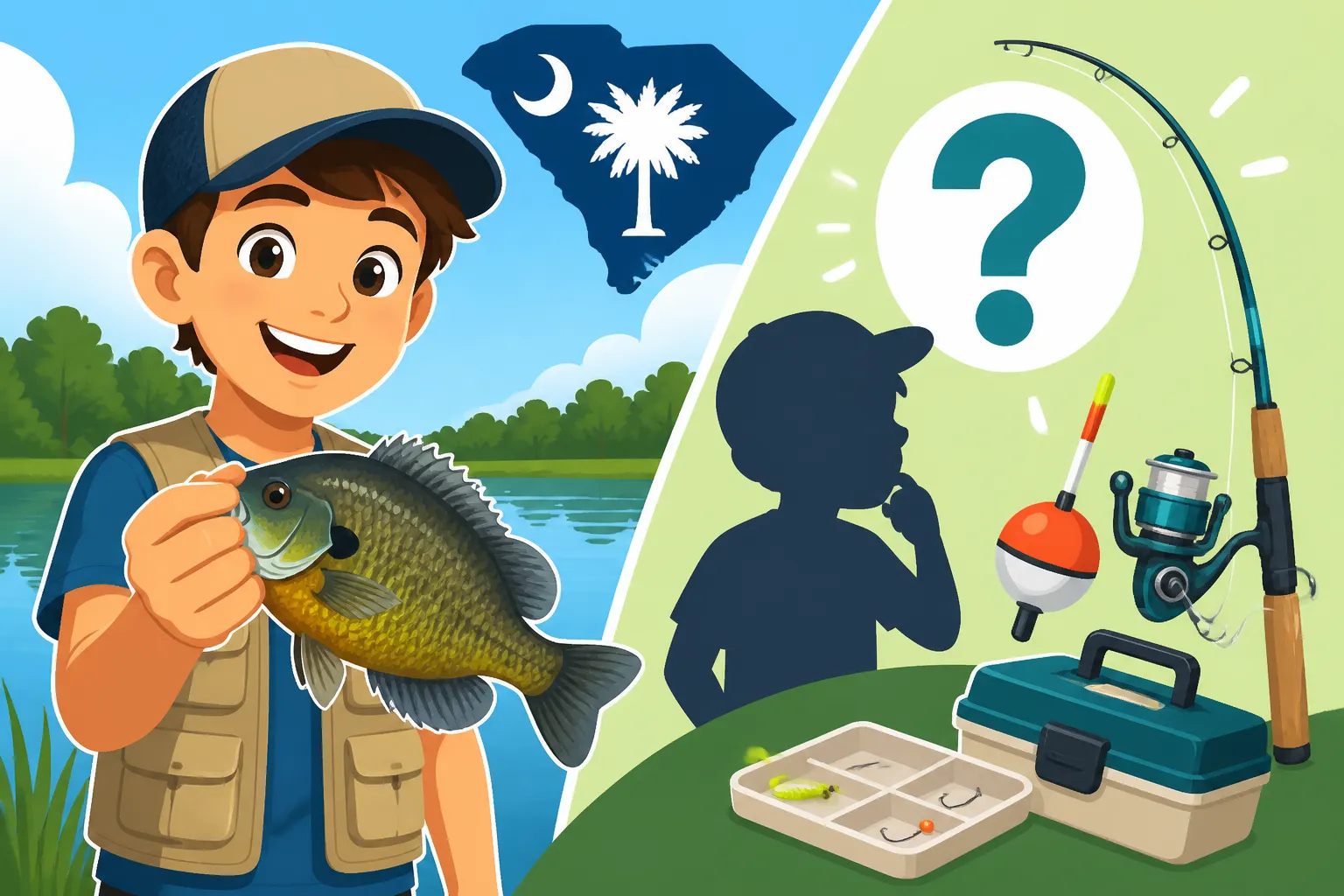
It's a common scene: you're walking into a tackle shop, excited to take your little ones fishing, and suddenly you're overwhelmed. Aisles of brightly colored rods, reels adorned with cartoon characters, and an array of "kid-specific" gadgets stare back at you, making you wonder if you need to empty your wallet just to introduce your child to the joy of catching a simple bluegill. The good news? You absolutely do not need to invest in a mountain of specialized, expensive gear. This guide will help you cut through the marketing noise and focus on what truly matters for a successful, enjoyable, and affordable bluegill fishing trip with your kids in South Carolina.
The Truth About "Kid-Specific" Fishing Gear
The fishing industry, like many others, has mastered the art of appealing to parents. They know we want the best for our children, and that often translates into a belief that we need to buy purpose-built equipment. But when it comes to bluegill, simplicity isn't just sufficient; it's often superior.
Marketing Hype vs. Practicality
Walk through the sporting goods section, and you'll spot them: junior combos featuring popular animated characters, rods that light up, and reels designed with flashy aesthetics. While these can certainly catch a child's eye, they rarely offer a tangible advantage in actual fishing performance. In fact, sometimes the novelty features can even detract from the learning experience or durability.
What often gets overlooked is that a "kid-specific" rod and reel might just be a standard, inexpensive model dressed up in a colorful package, often at a higher price point than a basic adult combo that would serve the same purpose, if not better. When we talk about practicality for young anglers, we're looking for a few key things: manageable size, ease of use, and resilience. A shorter rod, for instance, is genuinely practical because it's easier for small hands to cast and control, but it doesn't need to be emblazoned with a cartoon fish. A simple, sturdy setup will withstand the inevitable drops, bumps, and accidental tangles much better than something overly complicated or flimsy, regardless of its branding.
Why Simplicity Reigns for Young Anglers
Children, especially younger ones, have an attention span that's often shorter than a fish's memory. They want action, and they want it to be easy. Fumbling with complex baitcasting reels, tying intricate knots, or worrying about expensive gear getting damaged can quickly turn a fun outing into a frustrating chore for both parent and child. Simplicity is the key to keeping them engaged and excited.
A simple spin-cast (or "push-button") reel is hands-down the best choice for beginners. Its operation is intuitive: push a button, cast, release the button. This minimizes tangles and maximizes casting attempts, which means more opportunities to feel a bite. Bluegill aren't finicky; they're eager biters, making them the perfect target for introducing kids to the thrill of a tug on the line. With straightforward gear, the focus can remain squarely on the excitement of the catch, the joy of being outdoors, and the shared experience, rather than on mastering complex equipment. This foundation helps build a love for fishing without the initial hurdle of expensive or intimidating tools.
Essential (and Affordable) Gear for Bluegill Fishing with Kids
Let's break down what you actually need to get your young angler started. Spoiler alert: it's not much, and it won't break the bank.
The Right Rod and Reel Combo
When choosing a rod and reel for a child, think light, short, and durable. A combination that is 4 to 5 feet long is usually perfect, allowing them to handle it comfortably without it feeling too cumbersome. Look for a light action rod, meaning it bends easily. This makes even a small bluegill feel like a mighty catch, enhancing the excitement for the child.
As mentioned, a spin-cast reel (the kind with a push-button release and a covered spool) is ideal. They are incredibly user-friendly, minimize tangles, and are generally quite robust. Many come pre-spooled with fishing line, making them ready to go right out of the package. You can find excellent, affordable options at most big box stores or through online retailers like Amazon. There's no need to spend a fortune; a combo that costs a fraction of what an adult bass setup would is perfectly sufficient. These entry-level combos are built to take a few bumps and splashes, which is exactly what you need when fishing with energetic kids.
Basic Terminal Tackle and Bait
This is where you can truly keep things simple. Bluegill aren't picky, and their small mouths mean you don't need giant hooks or elaborate lures.
First, hooks: size 8 to 12 Aberdeen hooks are perfect. They're small enough for bluegill mouths but strong enough to hold the fish. The Aberdeen style is often a bit lighter wire, which can be helpful if you get snagged, as it might bend and allow you to retrieve it rather than break off entirely. Next, bobbers: small, brightly colored clip-on bobbers are great. They're easy for kids to see when a fish tugs and simple to attach and adjust. If you're fishing slightly deeper water, a slip bobber can also be an excellent option as it allows you to fish at a specific depth without having too much line dangling from the rod tip. Lastly, weights: a few small split shot weights will help cast your bait farther and sink it to the desired depth. Just a tiny pinch or two above the hook is usually all you need.
Now for the bait, the bluegill's favorite! Forget expensive artificial lures for now. Bluegill absolutely adore live bait. Worms (red wigglers or small pieces of nightcrawlers) are a universal bluegill magnet. Crickets are another fantastic option, especially in the warmer months. Even simple household items like corn or small pieces of bread can tempt a bluegill. This is where the magic happens—kids love baiting their own hooks, especially with a wiggly worm! You can find a deeper dive into simple bait choices, which you can read more about in our guide to the Best Bait for Catching Bluegill.
Beyond the Gear: Making the Experience Enjoyable
While a few pieces of basic gear are necessary, the real secret to a memorable fishing trip with kids lies in the experience itself, not the equipment.
Location, Location, Location
Choosing the right fishing spot is paramount when fishing with children. You're not looking for trophy bass waters or deep-sea excitement just yet. Instead, prioritize accessibility, safety, and a high probability of catching fish. Ponds, calm lake coves, and slow-moving creeks are ideal bluegill habitats. These spots often have easy bank access, minimizing the need for boats and the associated complexities.
Look for areas with some shade, especially during warmer South Carolina days, and relatively calm water where a bobber is easy to see. Proximity to home is also a huge plus; shorter drives mean less "are we there yet?" and more fishing time. A productive, easy-to-reach spot ensures that kids don't get bored waiting for a bite or frustrated by casting difficulties. If you're looking for prime locations, check out our piece on Kid-Friendly Panfish Spots for Beginners or even Best Bluegill Fishing Spots for Family Trips. South Carolina is full of hidden gems perfect for an afternoon of bluegill fishing.
Patience, Fun, and Safety First
This might be the most crucial "gear" you bring: your attitude. Manage expectations for the trip. The goal isn't to fill a cooler or land a record-breaking fish; it's to have fun, spend time together, and connect with nature. Celebrate every little nibble, every cast, even if no fish comes to the bank. A missed bite is still an exciting moment! Teach them the basics: how to hold the rod, how to cast (even if it's just a short flip), and how to gently reel in. You can delve deeper into specific methods in our article on Simple Bream Fishing Techniques for Kids to make every outing a learning adventure.
Safety should always be your top priority. Sunscreen, hats, and plenty of water are essential for any outdoor activity in South Carolina. If you're near open water, especially with younger children, life vests are a must, even if they know how to swim. A small first-aid kit for minor scrapes and bug bites is also a smart addition. And don't forget the importance of proper licensing. For understanding the nuances of these regulations, our comprehensive Fishing License Rules for Kids in South Carolina guide is invaluable, as it explains exceptions and age requirements, including information on the Free Fishing License Age Cutoff for Children. Remember, a positive, patient attitude from you will make a far greater impact on their fishing experience than the fanciest rod and reel ever could. We've got some great insights into How to Catch Bluegill for Beginners that can help make that first trip a resounding success.
Common Pitfalls and How to Avoid Them
Even with the best intentions, it's easy to fall into certain traps that can diminish the fun of a kids' fishing trip. Let's make sure we steer clear of them!
Overcomplicating the Setup
As adults, we often have our sophisticated tackle boxes, loaded with various lures, different line weights, and specialized tools. It's tempting to bring it all along "just in case." However, for a kid's bluegill trip, less is definitely more. Hauling a heavy, overflowing tackle box is cumbersome, and offering a child too many choices of lures or rigging styles can be overwhelming and confusing.
Imagine a child, eager to fish, being told they need to try a jig, then a spinner, then a different color worm, all while dealing with knots and changing rigs. It's a recipe for frustration. Stick to the absolute basics: a handful of small hooks, a few bobbers, some split shots, and a tub of worms. That's it! Keeping the setup streamlined means more time fishing and less time fiddling with gear. The aim is to get bait in the water quickly and efficiently, increasing the chances of a bite and keeping the child engaged. And for those exciting moments when the bobber dips, knowing How to Fish a Bobber for Bream effectively can make all the difference.
Focusing on the Catch, Not the Experience
This is perhaps the biggest pitfall for many adult anglers taking kids out. We love the thrill of the catch, and we naturally want our kids to experience that too. However, bluegill fishing with children is about so much more than just hooking a fish. It's about being outdoors, enjoying nature, and spending quality time together.
What happens if the fish aren't biting? If the sole focus is on catching fish, then a slow day can quickly become a boring or disappointing one. Instead, embrace the entire experience. Talk about the birds you see, the dragonflies buzzing around, the interesting plants along the bank. Teach them how to skip rocks, identify different types of leaves, or even just sit quietly and observe the water. The actual fish become a bonus, not the sole determinant of success. Kids will remember the laughter, the fresh air, and the special moments with you far more than the exact number of bluegill they reeled in. Want to know more about the best times? Our guide on the Best Time of Day to Catch Bluegill offers some excellent advice. If you're curious about finding those hotspots, our article on How to Find Bluegill Beds in Spring provides fantastic tips, and if you're thinking about dinner, you might also wonder, Is Sunfish Good to Eat, and we have the answers for you.
To help visualize the difference between genuinely helpful gear and items that might be overkill for a beginner bluegill angler, here's a quick comparison:
| Recommended Gear for Kids Fishing Bluegill | Overkill or Unnecessary Items for Beginners |
|---|---|
| 4-5 foot light action rod | Heavy offshore rod or complex baitcaster |
| Spin-cast (push-button) reel, pre-spooled | Open-face spinning reel (initially harder for kids) |
| Small hooks (size 8-12 Aberdeen) | Large treble hooks or specialized bass hooks |
| Small clip-on or slip bobbers | Expensive electronic bite alarms |
| Small split shot weights | Heavy sinkers or elaborate Carolina/Texas rigs |
| Live bait (worms, crickets, corn, bread) | Large, expensive crankbaits, jerkbaits, or swimbaits |
| Small, simple tackle box with essentials | Oversized, multi-compartment tackle box filled with adult gear |
| Sunscreen, hat, water, life vest (if needed) | High-tech fish finders or GPS units |
Remember, the goal is to make fishing accessible and fun. By keeping the gear simple and focusing on the overall experience, you're setting your kids up for a lifetime of enjoyment on the water, without the need for a huge initial investment. Happy fishing!
Disclaimer
This article is for general informational purposes only and does not constitute professional advice. Laws, prices and regulations vary by location and change over time. Consult a qualified professional for guidance on your specific situation.