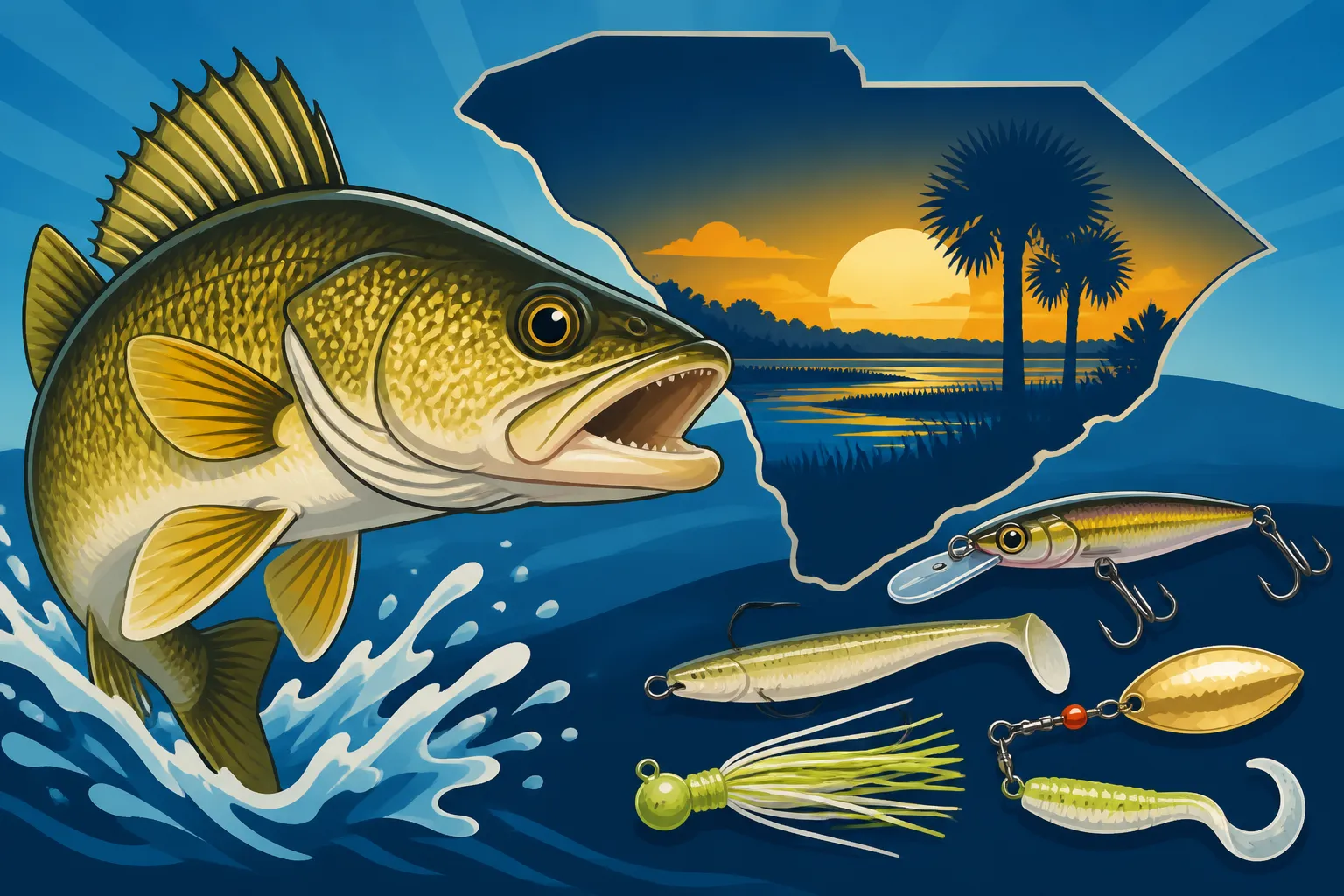
Best Bait and Lures for Walleye in South Carolina
It can be incredibly frustrating trying to figure out what bait or lure to use when you're targeting a specific fish, especially one like the walleye in South Carolina. They aren't always the easiest to find, and when you do, getting them to bite can feel like a riddle wrapped in an enigma. This guide is here to break down the best baits and lures for walleye fishing in our Palmetto State waters, helping you cut through the guesswork and increase your chances of reeling in one of these elusive, delicious fish.
Understanding Walleye Habits in South Carolina
Before we dive into the specific baits and lures, let's take a moment to understand walleye a bit better, especially how they behave in South Carolina. Walleye are cool-water fish, and while they thrive in many northern states, our warmer climate means they're found in more specific, deeper, and cooler waters, primarily our mountain reservoirs and some upper river systems. This makes them a bit of a niche target for many anglers, but that's part of the fun, right?
Walleye are largely nocturnal feeders, or at least prefer low light conditions like dawn, dusk, or cloudy days. Their large, light-sensitive eyes give them a huge advantage in these conditions. They tend to stick close to the bottom, often near structure like humps, points, submerged timber, or rocky drop-offs. They're opportunistic predators, meaning they'll eat just about anything that looks like an easy meal – especially smaller fish. Knowing this informs every bait and lure choice we make. If you're wondering Is Walleye Fishing Good in South Carolina?, the answer is yes, but it often requires a bit more intentional effort and understanding of their habits.
Walleye's Preferred Habitat and Feeding Behaviors
In South Carolina, you're most likely to find walleye in large, deep reservoirs like Lake Hartwell or Lake Jocassee, especially in the cooler months. During the day, they'll retreat to deep water, often congregating around submerged creek channels, ledges, or deep humps where the water temperature remains stable and baitfish are present. When the light dims, they might move shallower to actively hunt, but they usually won't stray too far from their deep-water sanctuaries.
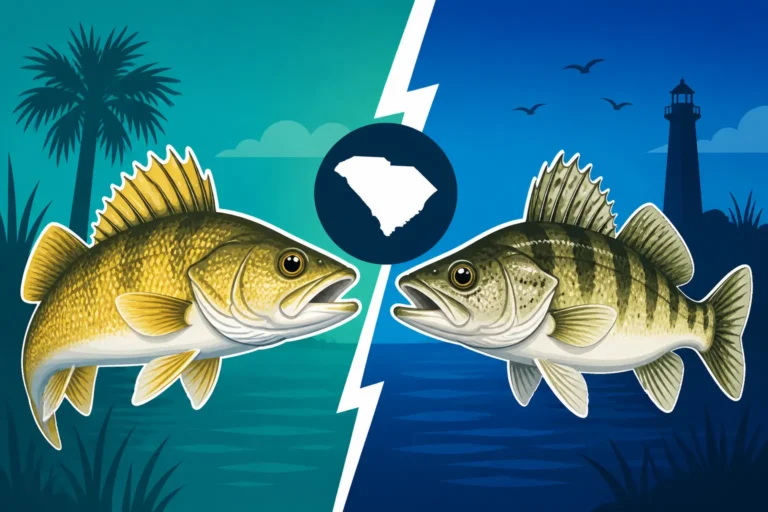
Their feeding behavior is a slow, methodical stalk rather than a frantic chase. They'll mouth bait gently, sometimes making it hard to detect a bite, especially with artificial lures. This means patience and a keen sense of touch are crucial. They rely heavily on their sense of smell and lateral line to detect vibrations, which is why scent and subtle lure actions can be so effective. If you're fishing in systems where both are present, knowing Walleye vs Sauger: How to Tell Them Apart can be helpful, as their behaviors, while similar, can have subtle differences.
Top Live Baits for South Carolina Walleye
When it comes to walleye, especially those pickier ones in our southern waters, nothing quite beats live bait. It's natural, it moves on its own, and it provides a scent trail that walleye find irresistible. These are often the go-to choices for consistent success.
Minnows and Shiners
Minnows and shiners are arguably the most effective live baits for walleye, hands down. Their natural appeal is hard to beat. Walleye are primarily piscivores, meaning they eat other fish, and a struggling minnow perfectly mimics their natural prey. For South Carolina waters, fathead minnows, shiners, or even small creek chubs are excellent choices.
You'll want to rig minnows carefully to keep them alive and active. A common method is to hook them lightly through the lips, allowing them to swim naturally. Another effective technique is hooking them just behind the dorsal fin, being careful not to hit the spine. This lets them dart around, attracting attention. When fishing deeper, try a Carolina rig with a small walking sinker and a fluorocarbon leader, keeping the minnow suspended just off the bottom. Remember, walleye often mouth the bait before fully committing, so a sharp, small hook is key. You can often find pre-packaged minnow hooks and leaders at your local tackle shop or browse options on Amazon.
Nightcrawlers and Worms
While minnows are kings, don't underestimate the power of a juicy nightcrawler. Walleye have a great sense of smell, and the scent of a struggling worm can draw them in from a distance, especially when they're not actively chasing baitfish. Nightcrawlers are particularly effective in slightly stained water or when fished slowly along the bottom.
For rigging, a popular method is to use a worm harness or a simple Lindy rig. A worm harness consists of two or three small hooks snelled in a line, allowing the nightcrawler to be stretched out and presented naturally. The rotation of the blades on a harness adds extra flash and vibration. If using a single hook, try hooking the worm once or twice through the middle, letting the ends wriggle freely. This creates a natural, enticing action. Drifting nightcrawlers slowly over deep structure or along current breaks is a prime tactic, especially during the Best Time of Year to Catch Walleye when they might be a bit more sluggish.
Leeches
Leeches might not be everyone's favorite, but walleye absolutely adore them. They are incredibly tough, stay alive on the hook for a long time, and have a unique wriggling action that walleye find irresistible. Plus, they're surprisingly hardy and can withstand a good deal of abuse, meaning you can often catch multiple fish on the same leech.
To rig a leech, simply hook it once through the sucker end. This allows it to stretch and swim most naturally. Leeches are excellent on a simple jig head, fished slowly along the bottom, or under a slip bobber in deeper water. Their dark color provides good contrast in clear water, and their subtle movements are perfect for attracting less aggressive walleye. You might have to special order leeches or find them at bait shops near walleye-heavy lakes, but the effort can pay off significantly.
Effective Artificial Lures for Walleye in South Carolina
Sometimes, live bait isn't practical or available, or you just prefer the challenge of artificials. Good news! There are plenty of lures that can be incredibly effective for South Carolina walleye, provided you understand how to present them.
Jigs and Soft Plastics
Jigs are a walleye angler's best friend. They are versatile, allow for precise depth control, and can imitate a variety of forage. Pair a jig head with the right soft plastic, and you've got a deadly combination. Look for jig heads ranging from 1/8 to 1/2 ounce, depending on depth and current.
- Grubs and Paddle Tails: These are fantastic for imitating baitfish. A curly tail grub or a small paddle tail swimbait on a jig head can be jigged vertically, cast and retrieved with a lift-and-fall motion, or slowly dragged along the bottom. Natural colors like white, pearl, grey, or watermelon are often best, but don't shy away from brighter colors like chartreuse or orange in stained water. The subtle vibration from the tail is often just enough to trigger a bite.
- Minnow Imitations: Soft plastic jerkbaits or fluke-style baits rigged on a jig head can also be incredibly effective. They mimic a dying baitfish perfectly when twitched and paused. The key with jigs is a slow, methodical presentation. Walleye aren't usually chasing down fast-moving prey, so "less is more" when it comes to retrieve speed. You can find a vast selection of jig heads and soft plastics to experiment with on Amazon, allowing you to build your perfect walleye arsenal.
Crankbaits and Jerkbaits
Crankbaits and jerkbaits are excellent for covering water and targeting actively feeding walleye, particularly around deeper points, ledges, or submerged structure. The key is to match the crankbait's diving depth to the depth where the walleye are holding.
- Deep-Diving Crankbaits: These lures are designed to get down to specific depths and stay there. Brands like Rapala, Berkley, and Bomber make excellent deep-divers. Trolling these at slow speeds is a highly effective tactic for covering large areas and finding concentrations of walleye. Pay attention to the wobble and vibration; walleye are drawn to these subtle cues. Natural baitfish patterns are always a good starting point, but don't hesitate to try firetiger or perch patterns.
- Jerkbaits: While often associated with bass, slender, neutral-buoyancy jerkbaits can be deadly for walleye, especially when they're suspended. Work them with a "twitch, twitch, pause" retrieve. The long pause allows the walleye time to ambush the lure. Jerkbaits are particularly effective in cooler water when walleye might be less willing to chase. This technique is especially useful during the colder months, making it a great option for Best Bait for Walleye in Cold Water scenarios.
Spinnerbaits and Blade Baits
While not as common as jigs or crankbaits, spinnerbaits and blade baits can have their moments, particularly in specific situations.
- Spinner Rigs: Often paired with a nightcrawler or leech, spinner rigs (like a walleye harness) combine the attraction of flash and vibration with the irresistible scent of live bait. The spinning blade creates a lot of commotion, drawing attention, while the live bait seals the deal. These are excellent for trolling or slow-drifting over flats and humps.
- Blade Baits: These compact, vibrating lures (like a Heddon Sonar or a Sebile Vibrato) can be incredibly effective when jigged vertically in deep water. Their intense vibration and flash often trigger a reaction strike from walleye that might otherwise ignore other presentations. They mimic struggling baitfish very well and are fantastic for precision fishing over schools of fish marked on your electronics. Many anglers find reliable blade baits and other specialized tackle on Amazon.
| Bait/Lure Type | Key Advantage | Best Presentation | Ideal Conditions |
|---|---|---|---|
| Minnows/Shiners | Natural look, smell, action | Carolina rig, slip bobber, jig head | All conditions, especially slow bite |
| Nightcrawlers | Strong scent, natural wriggle | Lindy rig, worm harness, jig head | Slightly stained water, slow retrieve |
| Leeches | Extremely durable, subtle action | Jig head, slip bobber, worm harness | Clear water, subtle presentation preferred |
| Jigs/Soft Plastics | Versatile, depth control, subtle action | Vertical jigging, lift-and-fall, slow drag | Structure fishing, varying depths |
| Crankbaits | Covers water, specific dive depths | Trolling, steady retrieve | Actively feeding fish, defined depth zones |
| Jerkbaits | Mimics dying baitfish, suspended action | Twitch-twitch-pause retrieve | Cooler water, suspended fish, reaction strikes |
| Spinner Rigs | Flash, vibration, live bait combo | Trolling, slow drift | Covering water, active search |
| Blade Baits | Intense vibration, reaction strike | Vertical jigging, rip-pause | Deep water, schooling fish, aggressive trigger |
Seasonal Strategies for Walleye Bait and Lure Selection
The best bait or lure for walleye often depends heavily on the time of year and the prevailing water temperatures. Adapting your approach seasonally is key to consistent success in South Carolina. For a broader overview of fishing timings, consult the South Carolina Freshwater Fishing Calendar or the South Carolina Fishing Seasons Guide.
Spring: Pre-Spawn and Post-Spawn Tactics
Spring is a prime time for walleye fishing, as they become more active with rising water temperatures. During the pre-spawn phase, usually late winter to early spring, walleye move shallower to staging areas near spawning grounds. This is when large, deep-diving crankbaits or jigging spoons can be effective as fish are still somewhat lethargic but looking for a hearty meal.
Once they move into the spawn, fishing can be tough due to regulations and their focus on reproduction. Post-spawn, however, they'll be hungry and aggressive, recovering from the exertion. This is an excellent time for live minnows or nightcrawlers fished on a Lindy rig or under a slip bobber in transition areas between deep and shallow water. Small crankbaits or jigs with paddle tails retrieved slowly can also trigger bites as they start to cruise for food. The cooler, flowing waters in some of South Carolina's Best River Fishing Spots in South Carolina can be productive during this period.
Summer: Deep Water and Night Fishing
As South Carolina's summer heat kicks in, walleye retreat to deeper, cooler waters. This means your approach needs to shift. Trolling deep-diving crankbaits is highly effective, allowing you to cover vast stretches of open water where walleye might be suspended or hugging the bottom on deep structure. Focus on depths of 20-40 feet or more, depending on the lake.
Night fishing for walleye truly shines in the summer. Their light-sensitive eyes give them a massive advantage in the dark, and they'll often move shallower to feed under the cover of night. Cast and retrieve suspending jerkbaits or use slow-moving jigs tipped with a scented grub. Live nightcrawlers or leeches fished under a slip bobber near points or humps can also be incredibly productive after sundown.
Fall and Winter: Slow and Steady Wins the Race
As water temperatures cool in the fall, walleye will often go on a feeding binge, fattening up for winter. This is a fantastic time for larger offerings. Live suckers or large shiners can entice trophy-sized walleye. Deep-diving crankbaits are still effective for trolling, and vertical jigging with heavy jigs or blade baits over deep structure becomes a prime tactic as walleye group up.
Winter fishing for walleye in South Carolina means finding those deep, stable thermal refuges. Walleye will be sluggish, so a slow, subtle presentation is crucial. Downsizing your baits and slowing your retrieve dramatically can make all the difference. Small jigs tipped with a minnow or a piece of nightcrawler, or even dead sticking live bait right on the bottom, can provoke strikes from these cold-water predators. Patience is key, as bites will be light.
Final Tips for Walleye Success
Catching walleye in South Carolina is a rewarding challenge, but it does require a bit of dedication. Remember these key points to improve your odds:
- Patience is a Virtue: Walleye are not typically aggressive biters. Be patient, pay close attention to your line, and don't be afraid to leave your bait or lure in the strike zone for longer than you might with other species.
- Electronics are Your Friend: A good fishfinder is invaluable for locating walleye in deep water, especially in South Carolina's larger reservoirs. Look for schools of baitfish and nearby predators.
- Scent Matters: Walleye rely heavily on their sense of smell. Don't hesitate to add scent to your artificial lures or use live baits that naturally emit a strong odor.
- Sharp Hooks: Their mouths can be bony, so keeping your hooks needle-sharp will ensure a better hook-set on those subtle bites.
- Check Regulations: Always be aware of current South Carolina Fishing Bag Limits Explained and other regulations, as they can change.
By understanding walleye behavior and adapting your bait and lure choices to the conditions and season, you'll be well on your way to experiencing the thrill of catching these fantastic fish in South Carolina's waters.
Disclaimer
This article is for general informational purposes only and does not constitute professional advice. Laws, prices and regulations vary by location and change over time. Consult a qualified professional for guidance on your specific situation.