Why Is Striped Bass South Carolina’s State Fish?
For many folks, the idea of a "state fish" might just be a trivia fact tucked away in a dusty old textbook. But here in South Carolina, our official state fish, the magnificent Striped Bass, is so much more than a mere symbol. It represents a deep connection to our waters, a thrilling challenge for anglers, and a vital part of our natural heritage. If you've ever wondered why this particular fish holds such a distinguished place in the Palmetto State, you're in the right place. We're going to dive deep into the rich history, ecological importance, and undeniable appeal that makes the Striped Bass a true icon of South Carolina fishing.
The Undeniable Appeal of the Striped Bass in South Carolina
It's not just by chance that the Striped Bass, or "striper" as it's affectionately known, became South Carolina's state fish. This isn't some arbitrary decision; it's a recognition of a species that truly embodies the spirit of fishing in our state. From its impressive size to its powerful fight, the striper has captivated the hearts of countless anglers for generations, weaving itself into the very fabric of our outdoor culture. It’s a fish that demands respect and offers immense rewards, both in the thrill of the catch and the memories made on the water.
When you think about a classic sport fish, the Striped Bass often comes to mind, especially in a state like ours with abundant freshwater lakes and coastal rivers where they thrive. The sheer excitement of hooking into a hard-fighting striper is something that resonates with beginner anglers and seasoned veterans alike. They’re known for their powerful runs, their stamina, and their sheer determination once hooked, making every battle a memorable one. This raw, athletic prowess is a huge part of their charm and a major reason why they are so revered.
Furthermore, the adaptability of the Striped Bass to both freshwater and saltwater environments in South Carolina truly sets it apart. While native to coastal waters, landlocked populations in our vast reservoirs like Lake Murray and the Santee Cooper lakes have flourished, creating incredible freshwater fisheries. This unique characteristic means that whether you prefer the calm expanse of an inland lake or the dynamic currents of a tidal river, you have a chance to encounter this magnificent species. Their presence across such diverse habitats only enhances their standing as a premier game fish.
A Storied History of Designation
The journey for the Striped Bass to become South Carolina’s official state fish began with a groundswell of appreciation from the angling community and conservationists. It wasn't just about picking a popular fish; it was about acknowledging a species that had long been a cornerstone of our fisheries and an economic driver for many communities. This designation was a formal nod to the fish's long-standing cultural and recreational significance.
Back in 1972, the South Carolina General Assembly officially designated the Striped Bass as the state fish. This decision wasn't made lightly. It came after years of the species demonstrating its value as a premier game fish, attracting anglers from all over the country to our lakes and rivers. The sheer volume of trophy-sized stripers being caught and the economic boost these fisheries provided played a significant role in this legislative recognition. It was a formal declaration of what many anglers already knew in their hearts: the striper was special.
This designation also brought with it a renewed focus on the conservation and management of Striped Bass populations. With the title came responsibility, and it highlighted the need to protect and sustain these valuable fish for future generations. It provided a platform to discuss issues like habitat preservation, water quality, and responsible fishing practices, ensuring that the legacy of the Striped Bass would continue. The state's commitment to protecting this iconic species is deeply intertwined with its designation.
Ecological Role and Economic Impact
Beyond the thrill of the catch, the Striped Bass plays a crucial ecological role in South Carolina's aquatic ecosystems, acting as a significant predator that helps maintain balance within its habitats. Their presence is often an indicator of a healthy, thriving aquatic environment, making their well-being important for the entire food web. They are a keystone species in many of our waters.
In freshwater systems like the Santee Cooper lakes, Striped Bass are apex predators, feeding on smaller fish like shad and herring. This predatory behavior helps control populations of forage fish, preventing overpopulation and ensuring a healthier overall fishery. Without them, the delicate balance of these ecosystems could be disrupted, leading to potential issues with other fish species and water quality. Their predatory nature keeps the system in check, making them unsung heroes of ecological stability.
Economically, the Striped Bass is a powerhouse for South Carolina. The popularity of striper fishing draws thousands of anglers annually, fueling a vibrant industry around fishing guides, tackle shops, boat sales, and hospitality. Imagine the impact on local businesses around Lake Murray or Lake Marion every time a group of out-of-state anglers comes to chase trophy stripers. These visitors contribute significantly to local economies, purchasing everything from bait and tackle to hotel stays and meals. For anyone interested in learning more about fishing for these fantastic fish, a quick search on Amazon will reveal a wealth of books on Striped Bass Fishing on Lake Murray, South Carolina or even general guides like "The Complete Book of Striped Bass Fishing," which can deepen an angler's understanding and enhance their chances of success.
Understanding the Striped Bass: From Biology to Behavior
To truly appreciate why the Striped Bass holds such an honored position, it's worth delving into the fascinating biology and behavior of this species. They are truly remarkable fish, adapted to a wide range of conditions and possessing characteristics that make them incredibly resilient and formidable opponents on the end of a line. Understanding their life cycle and habits helps anglers connect with them on a deeper level and appreciate their ecological significance.
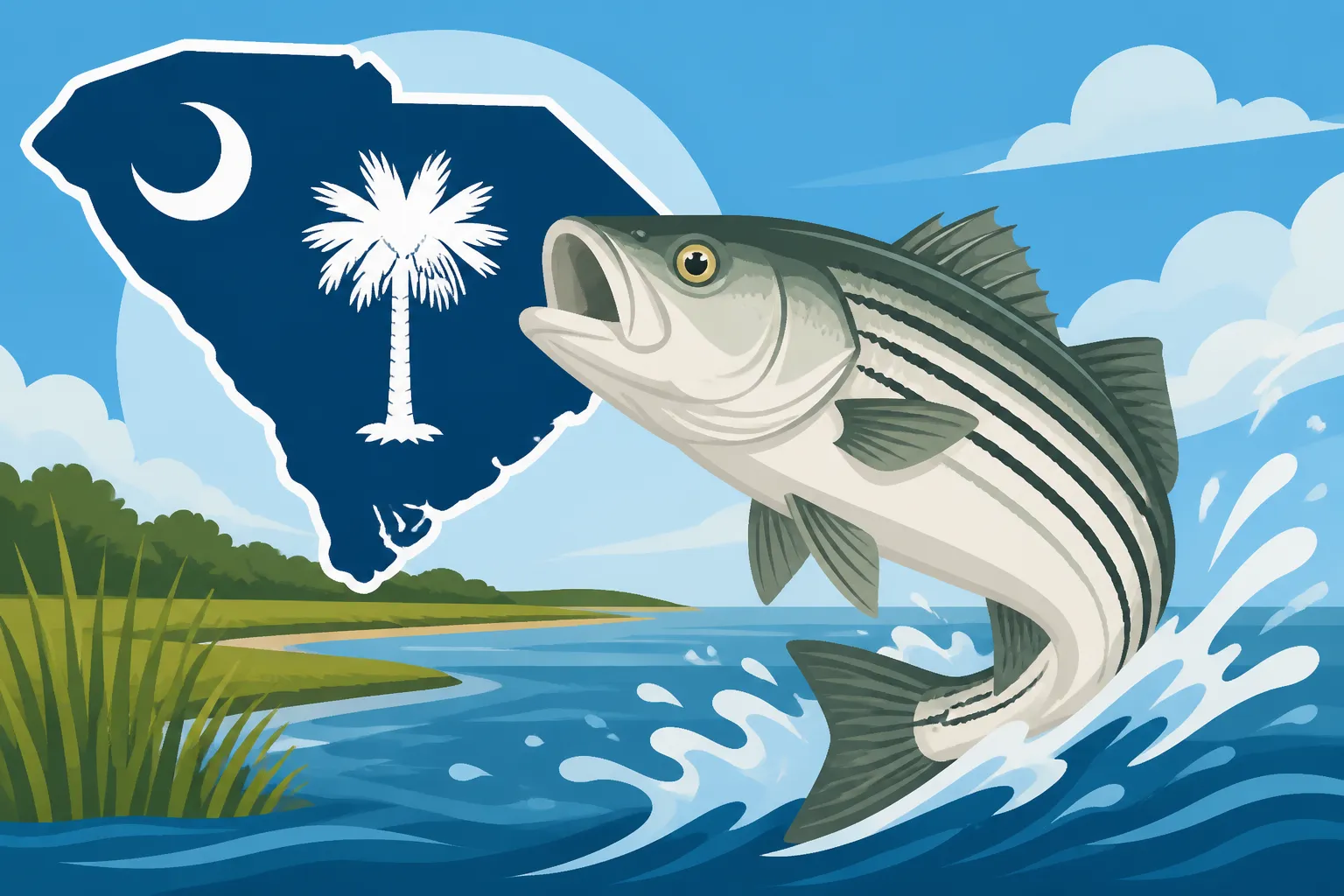
Striped Bass are recognized by their distinctive dark, horizontal stripes running from head to tail on their silver bodies, making them easy to identify. These stripes are not just for show; they are part of their natural camouflage, helping them blend into their surroundings whether they are cruising coastal estuaries or lurking in the depths of a freshwater lake. Their streamlined bodies are built for speed and power, perfectly suited for chasing down prey and putting up a spectacular fight when hooked.
Their life cycle is also incredibly interesting, showcasing their adaptability. While naturally an anadromous species—meaning they migrate from saltwater to spawn in freshwater rivers—South Carolina has successfully established self-sustaining landlocked populations in several reservoirs. These landlocked populations have adapted to complete their entire life cycle within the freshwater system, utilizing long riverine arms for spawning. This successful adaptation in our lakes is a testament to the species' resilience and the effective management efforts by state agencies.
Identifying and Distinguishing Striped Bass
Being able to properly identify a Striped Bass is the first step for any angler, not just for bragging rights, but also for adhering to regulations. While their stripes are a dead giveaway, there are subtle differences between true Striped Bass and their close relatives, the Hybrid Striped Bass, which are also popular in some South Carolina waters. Knowing these distinctions can prevent confusion and ensure you're fishing legally and responsibly.
True Striped Bass, as mentioned, have seven or eight prominent horizontal stripes running along their sides. These stripes are generally unbroken and continuous from head to tail. Their bodies are typically more elongated and torpedo-shaped compared to their hybrid cousins. The dorsal fin on a purebred striper will also have distinct separation between the spiny front portion and the soft-rayed rear portion. These are the fish that grow to truly massive sizes and are known for their incredible endurance.
Hybrid Striped Bass, often called "wipers," are a cross between a Striped Bass and a White Bass. While they also have stripes, these are usually broken or interrupted, appearing as dashed lines rather than solid ones. Their bodies tend to be deeper and more stout than a purebred striper, and they don't typically grow as large, though they still offer an excellent fight. It's crucial for anglers to be aware of these differences, especially when South Carolina Striped Bass Regulations are in place, as size and bag limits can sometimes vary or require careful identification. Always double-check current regulations before heading out.
| Feature | Striped Bass (Purebred) | Hybrid Striped Bass (Wiper) |
|---|---|---|
| Body Shape | More elongated, torpedo-shaped | Deeper body, often more stout or football-shaped |
| Stripes | Usually unbroken, continuous, 7-8 distinct dark lines | Often broken, interrupted, or unevenly spaced, less defined |
| Dorsal Fins | Two distinctly separate dorsal fins | Two dorsal fins, but the gap between them is often smaller |
| Maximum Size | Can grow very large (50+ pounds, even in freshwater) | Typically smaller than purebred stripers (often 20 pounds max) |
| Tail Fin | More deeply forked | Slightly less forked |
Habitat and Migration Patterns
Striped Bass are incredibly versatile when it comes to habitat, which is another reason for their widespread success and popularity in South Carolina. Understanding where and when these fish move is key to consistently finding and catching them, whether you're targeting them in a vast lake or a winding tidal creek. Their patterns are often driven by water temperature, spawning urges, and the availability of food.
In their native anadromous form, Striped Bass spend much of their adult lives in coastal saltwater environments, including estuaries, bays, and the nearshore ocean. When it's time to spawn, typically in the spring, they undertake significant migrations up freshwater rivers, sometimes traveling hundreds of miles inland to reach suitable spawning grounds. After spawning, the adults will return to the saltwater, while the juvenile fish remain in the brackish nursery areas before eventually heading out to sea. This migratory behavior is a spectacle of nature, showcasing their incredible instinct.
Our landlocked populations in reservoirs like Lake Murray or the Santee Cooper lakes have adapted their "migration" patterns to fit these confined systems. Instead of moving between salt and fresh, they often migrate within the lake, moving between deeper, cooler waters in the summer and shallower areas for feeding during cooler months. During the spring spawning season, these fish will seek out suitable riverine arms or areas with current where they can lay their eggs. Knowing these seasonal movements is crucial for successful fishing, as their location can shift dramatically throughout the year. For specific insights into these patterns, especially during the warmer months, you might want to look into Lake Murray Summer Striped Bass Techniques in South Carolina or explore guides detailing Striped Bass Winter Fishing Patterns in Freshwater Lakes.
Chasing South Carolina's State Fish: Angling for Stripers
Now that we understand why the Striped Bass holds such a special place, let's talk about the fun part: fishing for them! Angling for stripers in South Carolina is an exhilarating experience, offering a diverse range of techniques and opportunities for everyone, from those casting from the bank to those trolling expansive lakes. The challenge and reward of catching these powerful fish are truly unmatched.
Whether you're in a boat on Lake Moultrie or casting from a pier along the coast, the thrill of a striper bite is unmistakable. They hit hard and pull even harder, testing your gear and your resolve. This intense fight is what keeps anglers coming back, year after year, eager for another shot at these magnificent fish. It's a true game of strength and strategy, where the angler must be as determined as the fish.
South Carolina offers fantastic opportunities for both freshwater and saltwater striper fishing. Our inland reservoirs, particularly the Santee Cooper system (Lake Marion and Lake Moultrie) and Lake Murray, are renowned for their incredible landlocked striper fisheries, often producing trophy-sized fish. Along the coast, anglers can target migratory stripers in tidal rivers and estuaries, offering a different but equally exciting experience. The sheer variety of fishing environments means there's always a new challenge to pursue.
Popular Techniques and Baits
Targeting Striped Bass requires a mix of knowledge, the right gear, and often, a bit of patience. There are numerous effective techniques, and the best choice often depends on the season, the specific body of water, and whether you're after freshwater or saltwater stripers. Getting this right can make all the difference between a slow day and a banner day.
For freshwater stripers in our large reservoirs, trolling with artificial lures or live bait (like shad or herring) is incredibly popular and effective, especially when fish are suspended in open water. Downriggers and planer boards are often used to present baits at specific depths and distances from the boat. When stripers are actively feeding on the surface, often indicated by diving birds or schooling baitfish, casting topwater plugs, swimbaits, or large spoons can lead to explosive strikes. In cooler months, vertical jigging with heavy spoons or bucktails over deep structure can also be very productive. To ensure you have the best chance, consider a robust fishing setup. You can find high-quality reels, rods, and line suitable for striper fishing on Amazon, which also offers a wide array of specialized lures and tackle.
Saltwater striper fishing often involves different approaches. In tidal rivers and estuaries, casting artificial lures like bucktail jigs, soft plastic paddle tails, or lipless crankbaits near structure or current seams can be effective. Live bait, such as menhaden or mullet, fished on a Carolina rig or under a popping cork, is also a go-to choice. For anglers targeting stripers in the surf or near jetties, heavy surf rods with cut bait or large plugs are commonly used. Remember, conditions can change rapidly in saltwater, so staying adaptable with your techniques is key. Checking the tides and understanding Tide-Based Techniques for Inshore Fishing can significantly improve your success rate in coastal areas.
Essential Gear for Striper Anglers
Having the right gear is paramount when chasing Striped Bass, given their size and fighting power. You don't want to be undergunned when you hook into a true South Carolina trophy striper. Investing in reliable equipment will not only increase your chances of landing that fish of a lifetime but also enhance your overall fishing experience.
A medium-heavy to heavy action rod, typically 7 to 8 feet long, paired with a stout spinning or baitcasting reel, is a good starting point for most striper fishing in South Carolina. The reel should have a smooth drag system and be spooled with 20-50 pound braided line, often with a fluorocarbon leader. Braided line offers superior strength and sensitivity, allowing you to feel even subtle bites and set the hook effectively. For those deeper trolling techniques, specialized trolling rods and conventional reels might be necessary.
Beyond the rod and reel setup, a few other items are essential. A good quality landing net with a wide hoop and deep bag is crucial for safely landing larger fish, especially if you plan on catch and release. Pliers, hook removers, and a measuring tape are also vital for safe handling and compliance with South Carolina Fishing Bag Limits Explained. Don't forget polarized sunglasses to spot fish or underwater structure, and a reliable cooler to keep your catch fresh if you decide to keep it. Always ensure you have a valid South Carolina Fishing License Guide for the waters you plan to fish.
Conservation and Management of South Carolina's Striped Bass
Being the state fish comes with an important responsibility: ensuring the long-term health and sustainability of Striped Bass populations. South Carolina has a robust set of conservation and management programs in place, reflecting our commitment to preserving this incredible resource for current and future generations of anglers. These efforts are critical, as environmental pressures and fishing pressure can impact even the most resilient species.
One of the biggest challenges for landlocked striper populations in our reservoirs is temperature and oxygen levels in deeper waters during the hot summer months. State fisheries biologists continually monitor water quality and fish health, making adjustments to stocking programs and regulations as needed. The goal is always to balance recreational opportunities with the ecological needs of the species. This proactive approach helps mitigate environmental stressors and ensures the fish have the best chance to thrive.
Furthermore, regulations such as size limits, bag limits, and seasonal closures are carefully implemented and enforced. These rules are not just arbitrary; they are based on scientific data and designed to protect spawning fish, allow juveniles to reach maturity, and prevent overharvesting. Anglers have a crucial role to play in conservation by understanding and adhering to these rules. Information on topics like South Carolina Redfish Slot Limit Rules and Spotted Seatrout Size and Bag Limits in South Carolina also shows how careful management applies to other popular species, emphasizing the state's comprehensive approach to fishery health.
Stocking Programs and Research
South Carolina's commitment to Striped Bass management is perhaps best exemplified by its extensive stocking programs. Because many of our large reservoirs are landlocked and don't allow for natural anadromous spawning migrations, hatcheries play a vital role in maintaining robust populations. These programs ensure that there are always plenty of stripers for anglers to pursue.
State hatcheries, such as the Dennis Wildlife Center, rear millions of Striped Bass fingerlings each year. These young fish are then stocked into our major reservoirs, supplementing natural reproduction and ensuring a healthy population density. This is a complex and expensive undertaking, requiring significant biological expertise and resources, but it's a testament to how highly valued the Striped Bass is in South Carolina. Without these programs, the incredible freshwater striper fisheries we enjoy simply wouldn't exist as they do today.
In addition to stocking, ongoing research is a cornerstone of effective management. Fisheries biologists continuously study Striped Bass populations, monitoring their growth rates, mortality, diet, and movement patterns. This research helps inform management decisions, allowing for adaptive strategies that respond to changing environmental conditions or fish behavior. Technologies like acoustic tagging and sonar are often employed to track fish and gain insights into their lives beneath the surface. This scientific approach ensures that management efforts are based on the best available data, helping to secure the future of our state fish.
Angler's Role in Conservation
As anglers, we are not just participants in the fishery; we are also its stewards. Our actions on and off the water have a direct impact on the health of Striped Bass populations. Responsible angling practices are crucial for supporting the state's conservation efforts and ensuring that future generations can enjoy the same incredible fishing experiences we do.
Practicing catch and release, especially for larger breeding-size fish or when bag limits have been met, is a simple yet powerful way to contribute to conservation. Proper handling techniques, such as minimizing air exposure, supporting the fish's body, and using wet hands or gloves, are essential to ensure the released fish has the best chance of survival. Taking a quick photo and getting the fish back into the water promptly is always recommended. For those looking to learn more about respectful fishing practices, resources are available that explain How Redfish Vessel Limits Work for Group Charters, which also touches on sustainable fishing for group outings.
Furthermore, staying informed about and adhering to all current fishing regulations is non-negotiable. Regulations can change based on the latest scientific data, so it's vital to check the South Carolina Department of Natural Resources (SCDNR) website or pickup a printed guide regularly. Reporting poaching or any suspicious activity to the authorities also helps protect our shared resources. Ultimately, the health of South Carolina's Striped Bass fishery depends on a collaborative effort between state agencies, scientists, and the angling community working together.
Disclaimer
This article is for general informational purposes only and does not constitute professional advice. Laws, prices and regulations vary by location and change over time. Consult a qualified professional for guidance on your specific situation.