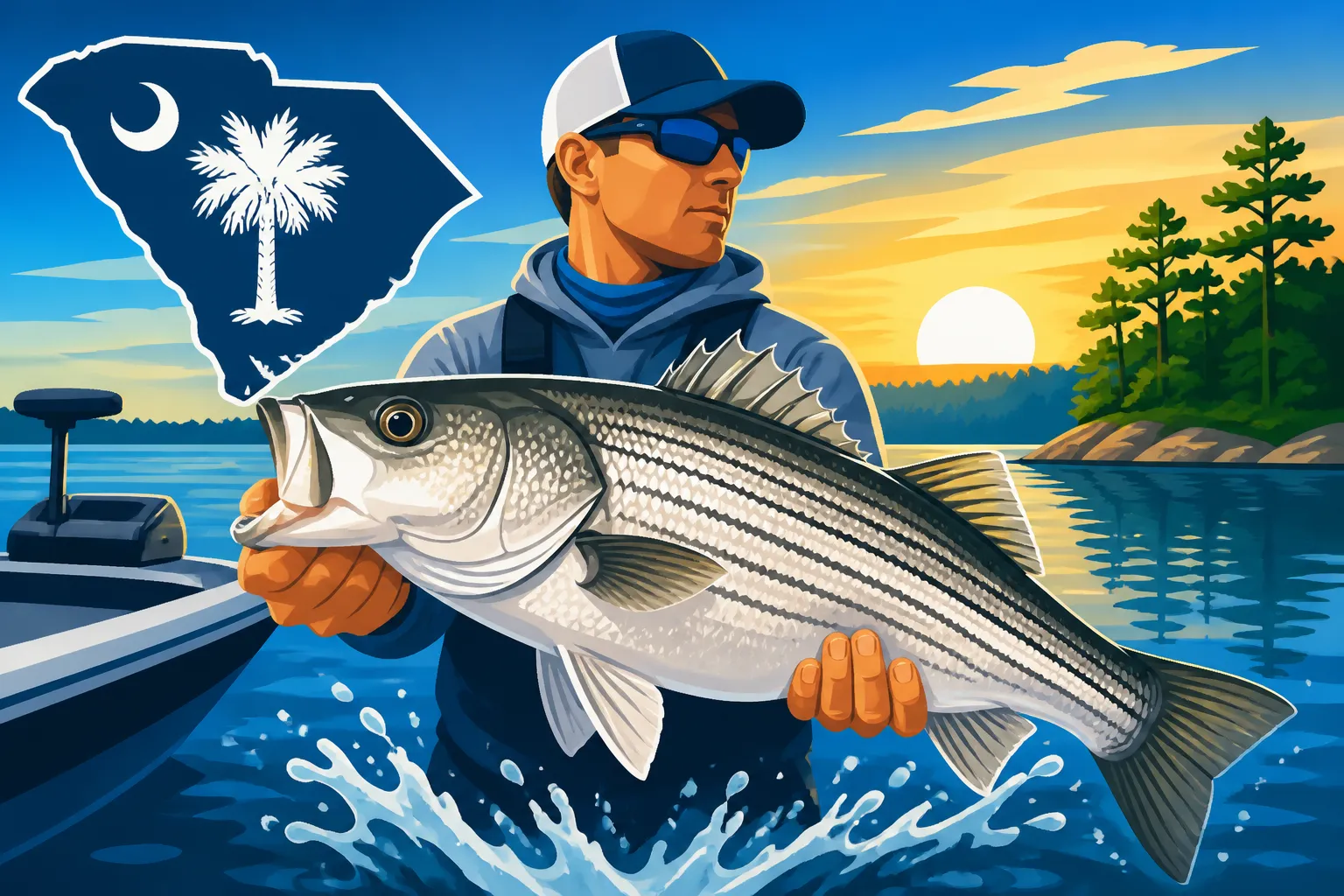
Striped Bass Fishing on Lake Murray, South Carolina
There's a special kind of thrill that comes with chasing striped bass, and if you've ever felt that tug on your line, you know exactly what I mean. But Lake Murray's stripers, often called "landlocked rockfish," have a reputation for being elusive, frustrating even the most seasoned anglers. This comprehensive guide is here to unravel those mysteries, sharing insider tips and strategies specifically for targeting these magnificent fish in the vast, beautiful waters of Lake Murray, South Carolina.
Unraveling Lake Murray's Striped Bass Secrets
Lake Murray isn't just a pretty face; it's a dynamic ecosystem that produces some truly impressive striped bass. These aren't your typical river-run stripers; they've adapted to a freshwater reservoir environment, which means understanding their habits here is key to putting fish in the boat. Many anglers get frustrated because they apply ocean or river techniques that just don't translate. The beauty of Lake Murray is that these stripers are a resident population, but their movements and feeding patterns are profoundly influenced by the lake's unique structure and the relentless march of the seasons.
The Unique Behavior of Landlocked Stripers in Lake Murray
Unlike their anadromous cousins who migrate between fresh and saltwater, Lake Murray's stripers spend their entire lives within the lake's boundaries. This landlocked existence means they've adapted to the specific conditions of a large, man-made reservoir. They rely heavily on oxygenated, cooler water, especially during the warmer months, often leading them to deeper thermoclines or areas with strong current. These fish are incredible predators, constantly on the hunt for baitfish like threadfin and gizzard shad. Their schooling behavior is legendary, often forming massive aggregations that can be tracked with modern sonar technology. Understanding that they are constantly moving, driven by bait availability and comfort, is the first step to success. It's not about finding a spot, it's about finding the fish in a constantly changing environment. South Carolina's Best Striped Bass Waters definitely includes Lake Murray, and for good reason!
Why Lake Murray is a Premier Striper Destination
Lake Murray boasts a thriving striped bass population, supported by a successful stocking program and ample forage. Its sheer size – over 50,000 acres of water with 650 miles of shoreline – provides an incredible habitat range. From deep open water to submerged timber, vast flats, and numerous creek channels, the lake offers diverse environments that stripers utilize throughout the year. The presence of significant structure, both natural and man-made (think bridges, submerged islands, and old riverbeds), creates prime ambush points and holding areas for these powerful fish. Anglers flock to Lake Murray not just for the quantity of fish, but for the chance to hook into truly trophy-sized stripers that can push well into the 20 and 30-pound range, making every outing an exciting prospect. The challenge, of course, is locating them in such a massive body of water.
Seasonal Strategies for Lake Murray Stripers
The year-round pursuit of striped bass on Lake Murray is a journey that demands adaptability. These fish are incredibly sensitive to water temperature, oxygen levels, and bait availability, meaning your tactics need to shift dramatically with each passing season. What works like magic in the spring will likely leave you frustrated in the heat of summer. It's all about understanding their migration patterns and feeding habits through the seasonal cycle. South Carolina Fishing Seasons Guide provides a great general overview, but for Lake Murray stripers, we need to dive deeper.
Spring: The Energetic Feast
As the water temperatures begin to rise in early spring, usually from late February through April, Lake Murray's stripers become incredibly active. This is often heralded as one of the best times to catch them. They'll start moving out of their deeper winter haunts and into shallower areas, especially around creek mouths and points, following the schools of baitfish that are also becoming more active. Look for water temperatures in the mid-50s to low-60s. Live bait, particularly herring or shad, fished on planer boards or free-lined, can be deadly. Topwater lures can also produce explosive strikes, especially during dawn and dusk. This is a fantastic time for covering water, casting to visible boils, or targeting areas where birds are diving. Many anglers find success trolling bucktails or deep-diving crankbaits along contours and channel edges. Best Time of Year to Fish in South Carolina often points to spring for many species, and stripers are no exception.
Summer: The Deep Water Challenge
Summer on Lake Murray, from late May through September, brings its own set of challenges, primarily due to the heat and the formation of a thermocline. Stripers will seek refuge in deeper, cooler, more oxygenated waters. This is when your electronics become your best friend. You'll be looking for schools of stripers suspended over deep water, often in the main lake basin or around deep creek channels. Lake Murray Summer Striped Bass Techniques in South Carolina are crucial here. Techniques shift dramatically to downlining live bait directly to suspended fish, or using heavy spoons and jigs to vertically jig beneath the boat. Trolling with umbrella rigs or large deep-diving crankbaits can also be effective, especially during low-light conditions. Many experienced anglers understand Why Lake Murray Stripers Move Deeper as Water Warms, and adjust their tactics accordingly, often finding fish at depths of 30-60 feet or even more.
Fall: The Resurgence of Surface Action
As the temperatures cool in the fall, typically from October through November, Lake Murray's stripers begin to move back up into shallower water, following the baitfish. This can be another fantastic time for surface activity, similar to spring, but often with even more aggressive feeding frenzies. You might witness dramatic "topwater busts" where stripers aggressively push bait to the surface. Look for schooling fish near points, humps, and submerged islands. Live bait is still highly effective, but artificial lures like topwater plugs, swimbaits, and even jigging spoons become incredibly productive. Trolling with bucktails or shallow-running crankbaits can also cover a lot of ground and entice strikes. This season offers some of the most exciting visual fishing experiences, as stripers are actively chasing and feeding.
Winter: The Subsurface Hunt
Winter on Lake Murray, generally from December through February, sees stripers once again moving deeper, but often congregating in large schools in predictable areas. While surface action is rare, this can be a highly productive time for those willing to brave the cold. The fish are often concentrated in the main lake basin, deep creek channels, or around significant structure like the dam area. Vertical jigging with heavy spoons or fishing live bait on downlines continues to be a staple. Trolling deep-diving crankbaits or umbrella rigs can also be effective, especially along channel swings or near deep points. The key in winter is often patience and precise boat control, as the fish can be lethargic and require a more subtle presentation. Striped Bass Winter Fishing Patterns in Freshwater Lakes tend to involve slower movements and more concentrated schools.
Essential Gear and Techniques for Success
Stepping onto Lake Murray with the right gear and a solid understanding of techniques can make all the difference when chasing striped bass. These powerful fish demand robust tackle and smart approaches, whether you're a seasoned pro or just starting your striper adventure. Don't let gear be your Achilles' heel; a little preparation goes a long way.
Rods, Reels, and Line: Building Your Striper Arsenal
For Lake Murray stripers, you'll want medium-heavy to heavy action rods, typically 7 to 7.5 feet long. These provide the backbone needed to cast heavier lures or control powerful fish once hooked. Pairing these with conventional baitcasting reels or robust spinning reels (size 4000-6000) that have a smooth drag system is crucial. The drag is your best friend when a striper decides to make a blistering run! As for line, braided line is a popular choice for its sensitivity and strength, often in the 30-50 lb test range. Many anglers will tie a fluorocarbon leader (15-25 lb test) to the braid for invisibility and abrasion resistance. You can find excellent options for all of these components on Amazon, with many trusted brands offering durable and high-performing gear suitable for these powerful fish.
Bait and Lure Strategies
Choosing the right bait or lure can depend heavily on the season and the fish's mood.
Live Bait:
- Herring and Shad: These are the undisputed kings for Lake Murray stripers. Whether you're downlining, free-lining, or using planer boards, live bait is incredibly effective, especially when stripers are less aggressive or holding deeper. Keeping your bait lively is paramount, so a good livewell is essential.
- Gizzard Shad: Larger gizzard shad are excellent for targeting bigger, more aggressive stripers.
Artificial Lures:
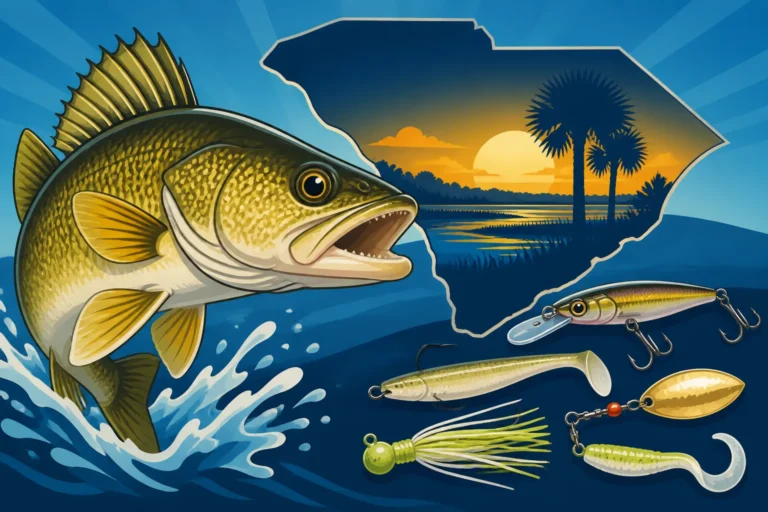
- Topwater Plugs: Spooks, poppers, and walking baits are exhilarating when stripers are busting on the surface in spring and fall. The visual strike is unforgettable.
- Jigging Spoons: Heavy metal spoons, often in silver or chrome, are deadly when vertically jigged over schooling fish in deep water, particularly in summer and winter.
- Bucktail Jigs: These versatile jigs can be cast, trolled, or vertically jigged. Adding a soft plastic trailer can enhance their appeal.
- Swimbaits: Realistic soft plastic swimbaits, often rigged on a jig head, are great for imitating shad and can be very effective in various depths.
- Crankbaits: Deep-diving crankbaits are excellent for trolling or casting to cover deeper water in search of suspended fish. Best Lures for Lake Murray Striped Bass in South Carolina Summer will often feature these deep-diving options.
- Umbrella Rigs: When trolling, these rigs, which mimic a school of baitfish, are incredibly effective, especially in summer.
A well-stocked tackle box should have a variety of these, allowing you to adapt to changing conditions. Many anglers swear by particular brands of bucktails or spoons that they’ve found consistently productive; a quick search on Amazon for "Lake Murray striper lures" can reveal popular local choices and insights from other anglers.
Electronics and Navigation: Your Eyes Below the Surface
Modern electronics are not just a luxury; they are a necessity for serious striper fishing on Lake Murray.
- Sonar/Fishfinder: A good quality sonar unit with CHIRP technology and side-imaging or down-imaging capabilities allows you to locate baitfish schools and the stripers feeding on them, even when they're scattered or holding tight to structure. Look for fish suspended in the water column or relating to submerged humps and ledges.
- GPS/Chartplotter: Essential for navigating the lake safely, marking productive spots, and returning to areas where you've found fish previously. Lake Murray has many subtle contours and submerged features that a good map can reveal.
- Mapping: Detailed lake maps (often built into modern chartplotters or available separately) highlight depths, channels, humps, and other critical underwater structure. These are invaluable for understanding Fishing Dreher Island's Submerged Humps for South Carolina Stripers and other key locations.
Learning to interpret your sonar screen is a skill that develops over time, but it's arguably the most important one for consistently finding stripers on Lake Murray. Without it, you're essentially fishing blind in a vast expanse of water.
Navigating Challenges and Maximizing Your Catch
Fishing for striped bass on Lake Murray is rarely a simple affair. These are smart, powerful fish in a huge body of water, and Mother Nature always has a say. Overcoming common challenges is part of the game, and being prepared to adapt is what separates good days from great days.
Common Frustrations and How to Overcome Them
Many anglers express frustration with finding fish in such a large lake or getting them to bite once located. Here's how to tackle some common issues:
- Finding the Fish: Lake Murray is massive, and stripers are highly mobile. Don't rely on "spots" alone. Instead, focus on finding bait. Stripers follow their food. Use your electronics to scan large areas for schools of baitfish, and the stripers won't be far behind. Look for bird activity – diving seagulls often indicate stripers pushing bait to the surface. Trolling can be an effective search method to cover water quickly and locate concentrations of fish. Remember, Dreher Island Striped Bass Fishing on Lake Murray is popular because that area often holds bait and structure, but fish can be anywhere.
- The Bite Is Off: Sometimes you mark fish, but they just won't bite. This can be due to a variety of factors: changing weather, high pressure, or simply their mood. Try changing your presentation:
- Slow Down: If live bait, let it swim more naturally.
- Downsize: Sometimes a smaller bait or lure is more appealing.
- Change Colors: Experiment with different lure colors, especially for artificials. Natural colors (shad, white) are usually a good starting point, but don't be afraid to try brighter or darker options.
- Vary Depth: Even if fish are at 40 feet, try presenting bait slightly above or below them. Striped Bass Depth Patterns at South Carolina's Lake Murray in Summer are critical to understand these nuances.
- Boat Traffic: Lake Murray can get busy, especially on weekends and holidays. Consider fishing during weekdays or very early mornings/late evenings to avoid the crowds. Early morning often brings a better bite anyway!
Adapting to Weather and Lake Conditions
South Carolina weather can be fickle, and Lake Murray conditions respond. Understanding how to adapt is key.
- Wind: Wind can make boat control difficult, but it can also push baitfish, concentrating stripers. Fish the windy side of points or humps, but be prepared for a bumpy ride. Use your trolling motor to hold position or drift with the wind, presenting your bait naturally.
- Rain/Cloud Cover: Overcast days often mean stripers stay active longer into the day and might be found shallower than on bright, sunny days. Rain can also wash nutrients into the lake, attracting bait and therefore stripers.
- Water Clarity: Heavy rains can muddy up parts of the lake. Stripers can still be caught in stained water, but you might need to use noisier lures or brighter colors to help them find your presentation. In clearer water, a more natural and subtle approach is often best. Always check local forecasts and lake reports before heading out.
Responsible Angling and Conservation
Lake Murray's striped bass fishery is a precious resource, and responsible angling ensures its health for future generations.
- Regulations: Always be aware of and adhere to current South Carolina fishing regulations regarding size limits, bag limits, and seasons. These rules are in place to protect the fishery. South Carolina Fishing Bag Limits Explained is an excellent resource to stay informed.
- CPR (Catch, Photo, Release): While keepers are certainly exciting, consider practicing CPR, especially for larger breeding-size stripers. These older, larger fish are vital to the health of the population. Handle fish gently, minimize their time out of water, and use proper release techniques to maximize their survival.
- Live Bait Management: If using live bait, ensure you dispose of any unused bait properly and never release non-native species into the lake, as this can harm the ecosystem.
- Gear Check: Ensure your gear is in good condition to prevent break-offs, which leave hooks and line in the water, potentially harming wildlife. Regularly inspect your line and knots. You can find quality terminal tackle and environmental-friendly fishing weights on Amazon.
By understanding the seasonal shifts, mastering your gear, and practicing responsible angling, you'll not only improve your chances of catching those magnificent Lake Murray stripers but also contribute to the long-term sustainability of this incredible fishery. It's a journey of learning and adaptation, but the reward of a powerful striper on the end of your line is truly unparalleled.
| Season | Striper Location Tendency | Primary Techniques | Recommended Bait/Lures | Key Considerations |
|---|---|---|---|---|
| Spring | Shallow to mid-depth; creek mouths, points, flats | Free-lining, planer boards, topwater casting, trolling | Live herring/shad, topwater plugs, bucktail jigs, crankbaits | High activity, strong bites, look for bird activity |
| Summer | Deep water; main lake basin, thermocline depths | Downlining, vertical jigging, deep trolling | Live herring/shad, heavy spoons, umbrella rigs, deep crankbaits | Electronics crucial, seek cooler, oxygenated water |
| Fall | Mid-depth to shallow; points, humps, open water | Free-lining, topwater casting, jigging, trolling | Live herring/shad, topwater plugs, swimbaits, bucktail jigs | Aggressive feeding, surface busts, great visual fishing |
| Winter | Deep water; concentrated schools in channels, dam area | Downlining, vertical jigging, slow trolling | Live herring/shad, heavy spoons, deep jigs | Patience, precise boat control, fish can be lethargic |
Disclaimer
This article is for general informational purposes only and does not constitute professional advice. Laws, prices and regulations vary by location and change over time. Consult a qualified professional for guidance on your specific situation.