South Carolina Spotted Bass Fishing Tips for Beginners
If you've ever felt a little intimidated by the world of bass fishing, especially when trying to figure out which bass is which, you are absolutely not alone. South Carolina's waters are teeming with different species, and spotted bass, while perhaps less famous than their largemouth cousins, offer an exciting challenge that can be incredibly rewarding for beginners. This guide is all about getting you started on the right foot, making spotted bass fishing accessible, understandable, and most importantly, fun, without getting bogged down in overly technical jargon.
Understanding South Carolina's Spotted Bass
Before you can catch them, you've got to know them! Spotted bass are a fantastic game fish, but they often get mistaken for other types of bass. Getting a handle on their unique characteristics and preferred hangouts is the first step toward a successful day on the water.
What Makes Spotted Bass Unique for Anglers?
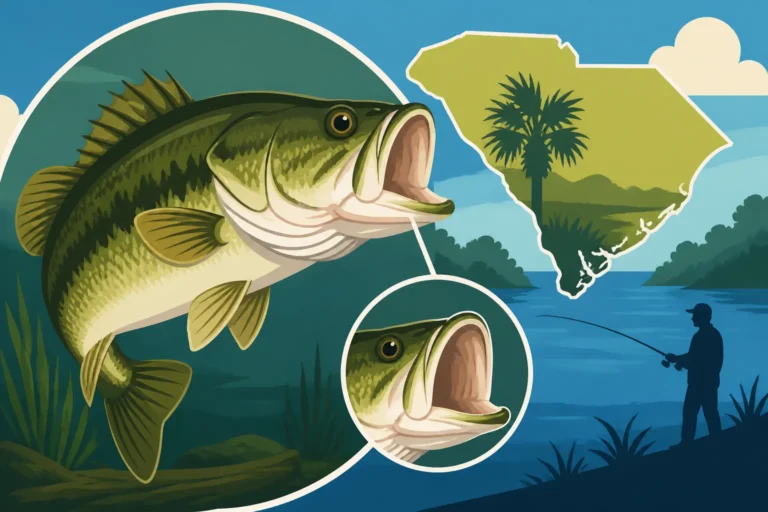
Spotted bass, or "spots" as many anglers affectionately call them, have some distinct traits that set them apart from largemouth and smallmouth bass. For starters, their name comes from the rows of small, dark spots found below the lateral line, which is typically a pretty solid indicator. They also possess a patch of teeth on their tongue, which you won't find on a largemouth. Their body shape tends to be a bit more slender than a largemouth's, and their mouth doesn't extend past the back of their eye, unlike their bigger-mouthed relatives.
From an angler's perspective, spotted bass are known for their feisty fighting spirit. They often fight harder pound-for-pound than largemouth bass, diving deep and making strong runs. This makes them an absolute blast to catch, especially on lighter tackle. They also tend to congregate in schools more readily than largemouth, meaning if you find one, you're likely to find more. This schooling behavior can lead to some incredible action once you've located them. If you're curious about identifying these fish properly, you'll find a lot of helpful information in our guide on Spotted Bass Identification and Where to Find Them in South Carolina. Many beginners struggle to differentiate them from largemouth, so checking out Spotted Bass vs Largemouth Bass: How to Tell Them Apart can be incredibly useful.
Where to Find Spotted Bass in South Carolina
South Carolina offers some fantastic opportunities for spotted bass fishing, primarily in its major reservoirs and rivers, particularly in the Upstate region. While largemouth bass prefer weedy, shallow, and murky waters, spotted bass lean towards clearer, rockier, and often deeper environments. Think about areas with steep banks, humps, points, and especially deep rocky structures or submerged timber. They thrive in environments that mimic riverine conditions within lakes, often preferring areas with some current.
Lakes like Hartwell and Keowee are prime examples of spotted bass strongholds. Lake Hartwell, straddling the South Carolina-Georgia border, is renowned for its healthy spotted bass population. Anglers exploring Lake Hartwell Fishing Spots on the South Carolina-Georgia Border will often find spotted bass around the main lake points, bluff walls, and deep brush piles. Similarly, Lake Keowee, known for its clear, deep waters, provides an ideal habitat. Checking out Lake Keowee Fishing Spots and Boat Ramps can give you a head start on where to launch and what areas to target for these hard-fighting fish. They are less common in the muddier, warmer, and shallower lakes of the lower parts of the state.
The Best Times to Target Spotted Bass
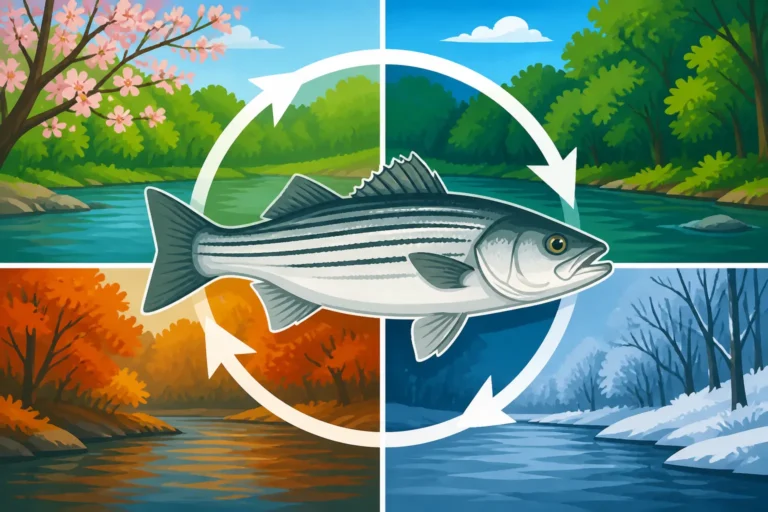
Spotted bass, like most fish, have their preferred feeding windows. Generally, spring and fall are excellent times to target them. In spring, as water temperatures rise into the 50s and 60s, spotted bass move shallower to spawn, making them more accessible. They often use rocky points and gravel beds for this activity. Post-spawn, they'll often scatter but remain somewhat active before the summer heat really sets in.
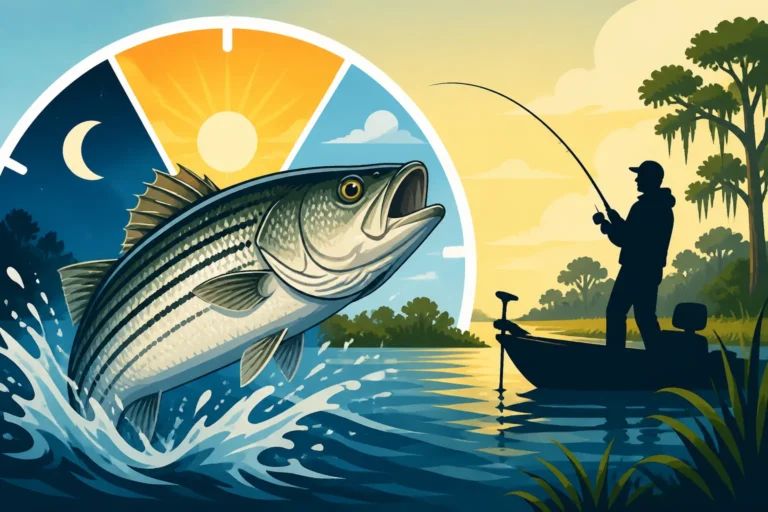
During the warmer summer months, spotted bass will retreat to deeper, cooler waters, often suspending over structure or hugging the bottom in 20-40 feet of water, especially during the brightest parts of the day. Early mornings, late evenings, and even night fishing can be productive during summer. As fall arrives and water temperatures drop, they become incredibly active again, feeding aggressively to build up fat reserves for winter. Even in winter, they can be caught, though they'll be deeper and more lethargic, requiring slower presentations. Understanding What Time of Day Do Bass Bite Best? can certainly increase your chances, as can knowing How to Catch Bass After a Cold Front, which can significantly impact their behavior.
Essential Gear for Beginner Spotted Bass Anglers
Don't let the sheer volume of fishing gear out there overwhelm you. For spotted bass, especially as a beginner, you can keep things relatively simple and still be very effective. The key is to choose versatile equipment that gives you good control and sensitivity.
Rods, Reels, and Line Choices
For spotted bass, a medium-light to medium power spinning rod is an excellent starting point. A 6'6" to 7' fast-action rod will offer good casting distance and enough backbone to handle a fighting fish, while the fast action provides the sensitivity needed to detect subtle bites. Pair this with a reliable spinning reel in the 2500-3000 size range. This combination is forgiving for beginners and allows you to throw a wide variety of lures effectively. You can often find great beginner combos on platforms like Amazon that offer good value and performance.
When it comes to line, a 6 to 10-pound test fluorocarbon or braided line with a fluorocarbon leader is a solid choice. Fluorocarbon is nearly invisible underwater, offers good abrasion resistance, and has less stretch than monofilament, giving you better feel. If you opt for braided line, which is incredibly sensitive and strong, always tie on a fluorocarbon leader (typically 6-8 feet) to provide stealth. The thin diameter of these lines will help your lures get down to the deeper fish that spotted bass often inhabit.
Lures and Baits That Spotted Bass Love
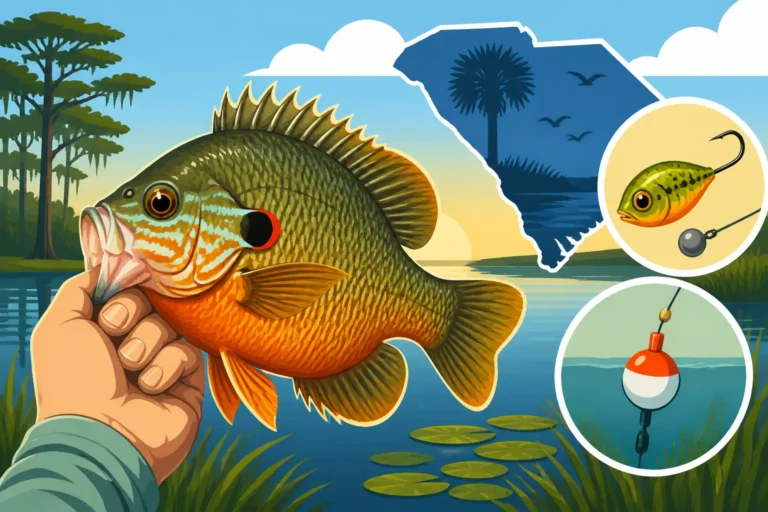
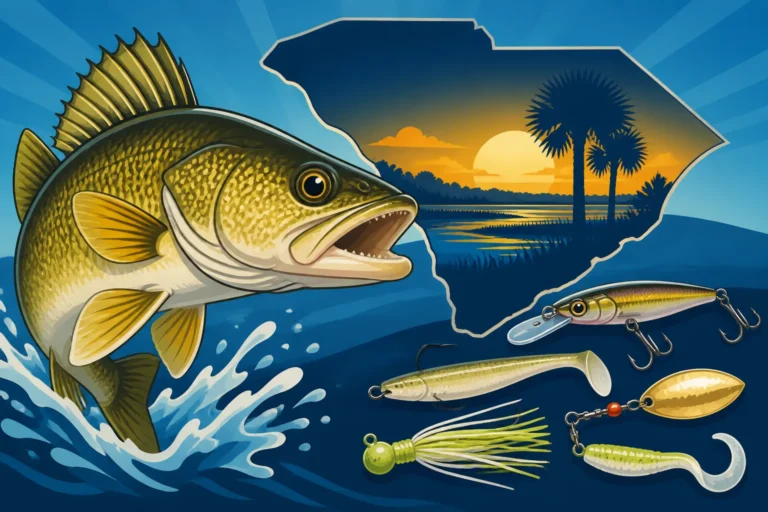
Spotted bass have a diverse diet and aren't overly picky, which is great news for beginners. The key is to present baits that mimic their natural forage, like shad, crawfish, and small bream. Here are some excellent beginner-friendly options:
- Jigs (Shaky Heads & Football Jigs): These are perhaps the most versatile and effective lures for spotted bass, especially when they're deeper or hugging the bottom. A shaky head jig, rigged with a finesse worm or small creature bait, is fantastic for slowly working rocky bottoms. Football jigs, often paired with a craw-style trailer, are great for dragging over rocks and ledges. Learning How to Fish a Jig for Largemouth Bass is highly transferable to spotted bass.
- Small Crankbaits: These lures dive to specific depths and are great for covering water quickly. Look for ones that dive to the depths you expect the fish to be. Spotted bass often hit crankbaits aggressively.
- Drop Shot Rigs: This technique is incredibly effective for spotted bass that are suspended or holding tight to structure. It involves tying a hook directly to your line with a weight tied below the hook. This allows your bait (usually a small plastic worm or creature bait) to hover enticingly at a specific depth, right in the fish's face.
- Soft Plastics (Carolina Rigs & Texas Rigs): A Carolina rig uses a weight and bead above a swivel, with a leader separating it from your hook and plastic bait. It's excellent for dragging across flat bottoms and covering ground. A Texas rig is simpler, with a bullet weight pegged directly to your worm or creature bait, making it weedless and great for fishing around cover. For more on these, look up How to Rig a Texas-Rig Worm for Bass.
- Small Swimbaits: These mimic baitfish and can be fished at various depths. Rig them on a jig head and retrieve steadily or with a slight pause-and-go action.
Remember, the goal is often to match the hatch. If you see baitfish flickering on the surface, a small swimbait or crankbait might be the ticket. If you're targeting deeper, rocky areas, a jig or drop shot will be more effective. Finding the Best Lures for Spotted Bass in Rocky Lakes will give you even more specialized options.
Must-Have Accessories for a Successful Trip
Beyond your rod and reel, a few key accessories will make your fishing trip much smoother and more enjoyable. These aren't just for convenience; they can genuinely improve your success and safety.
- Tackle Box or Bag: A good way to organize your lures, weights, hooks, and other terminal tackle is crucial. A simple soft-sided tackle bag or a small plastic tackle box from a brand like Amazon Basics can keep everything neat and accessible. No one wants to spend half their fishing time untangling lines or searching for the right lure.
- Pliers/Forceps: These are essential for safely removing hooks from fish, especially if they've swallowed the bait deep. They also come in handy for cutting line, crimping weights, or bending hooks. Safety first, always!
- Sun Protection: South Carolina sunshine can be intense. A wide-brimmed hat, polarized sunglasses (which also help you see into the water better!), and sunscreen are non-negotiable.
- Measuring Tape/Scale: If you plan on keeping fish (always check current regulations for size and bag limits!) or just want to document your catches, a small measuring tape and a portable digital scale are great to have. It's always exciting to see how big your fish really is.
- First-Aid Kit: Minor cuts, scrapes, or hook pricks can happen. A basic first-aid kit with bandages, antiseptic wipes, and pain relievers is a smart addition to any tackle box.
Having these small but important items on hand ensures that you're prepared for whatever the day brings, allowing you to focus more on the actual fishing.
Beginner-Friendly Techniques for Catching Spotted Bass
Now that you're geared up, let's talk about how to actually go about catching these incredible fish. Spotted bass are often found in areas that largemouth might shy away from, so a slightly different approach can make all the difference.
Simple Casting and Retrieval Methods
For beginners, simplicity is key. You don't need complex retrieves or fancy presentations to catch spotted bass. Here are a few straightforward methods:
- Steady Retrieve with Crankbaits: Cast your small crankbait out, let it dive to its intended depth, and then simply reel it in at a consistent pace. Spotted bass often react to this predictable movement, especially when they're actively feeding. Vary your retrieve speed occasionally until you find what the fish prefer.
- Bottom Dragging with Jigs: For shaky heads and football jigs, cast them out and let them sink to the bottom. Once there, slowly drag the lure along the bottom, occasionally pausing for a few seconds. Most bites will come during or right after these pauses. The key is a very slow, deliberate retrieve, mimicking a crawfish or other bottom-dwelling prey.
- Working a Drop Shot: Cast your drop shot rig to a likely looking spot, let it sink to the desired depth, and then barely move your rod tip to impart subtle action to the bait. The weight stays on the bottom, while your bait dances above it. This is fantastic for tempting finicky fish or when they're suspended. It requires patience but can be incredibly rewarding. You might even find yourself buying specialized drop shot hooks and weights from Amazon to really dial in this technique.
These methods are easy to learn, effective, and will help you build confidence on the water. The more comfortable you become with the basic cast and retrieve, the more you can experiment later.
Reading the Water for Spotted Bass
Being able to "read the water" is a skill that comes with time, but even as a beginner, you can start identifying key areas where spotted bass are likely to be. They prefer clearer water and are often associated with rocky structures, points, and sudden depth changes.
- Look for Structure: Points that extend into deeper water, rocky banks, bluff walls, and submerged timber are all magnets for spotted bass. These structures provide ambush points and cover from predators. If you have a fish finder, look for baitfish schools around these areas, as spotted bass won't be far behind.
- Understand Depth: Spotted bass generally prefer deeper water than largemouth, especially as the day brightens or water temperatures rise. Pay attention to contour lines on lake maps or your fish finder. A sudden drop-off from 10 to 30 feet can be a prime holding area. How to Fish Deep Structure for Bass in Summer gives some excellent insights applicable to spotted bass.
- Current Matters: In river systems or even large reservoirs, areas with some current—like eddies behind obstacles or the main river channel—can concentrate spotted bass as they wait for food to be swept by. A little current often means active fish.
Start by targeting obvious structures, and if you get a bite, try to replicate that scenario. Fishing is often about finding a pattern, and the more you pay attention to where and when you get bites, the quicker you'll learn to read the water.
Hooking, Fighting, and Landing Your Catch
The moment of truth! Feeling that tug on your line is exhilarating, but knowing how to react is crucial.
- Setting the Hook: When you feel a bite – which can range from a subtle tap to a solid thunk – react quickly but smoothly. Raise your rod tip firmly upwards, sweeping it to the side to drive the hook home. Avoid a violent jerk, as this can often pull the lure out of the fish's mouth or snap your line.
- Fighting the Fish: Spotted bass are known for their strong, deep runs. Keep your rod tip up (this acts as a shock absorber) and maintain steady pressure on the fish. Let your reel's drag system do its job, allowing the fish to pull line when it runs hard, but reeling when it pauses. Don't try to horse the fish in too quickly; enjoy the fight!
- Landing the Fish: Once the fish is close, guide it toward you. You can either use a net (especially helpful for larger fish or if you're fishing from a boat) or, for smaller fish, carefully grab them by the lower lip with your thumb inside the mouth and fingers outside. Be mindful of hooks! If you’re planning to release the fish, wet your hands before handling it to protect its slime coat.
Practice makes perfect. The more fish you catch, the more intuitive these steps will become. And remember, the goal is not just to land the fish, but to do so safely for both you and the fish.
Common Mistakes and How to Avoid Them
We all make mistakes when we're learning, and fishing is no exception. The good news is that many common beginner pitfalls for spotted bass are easily avoidable with a little awareness.
Overcomplicating Your Approach
One of the biggest mistakes beginners make is thinking they need a tackle box full of expensive, specialized lures and incredibly complex techniques. Spotted bass, especially, can often be caught on relatively simple presentations. Trying to master too many techniques at once can lead to frustration and less success.
How to avoid it: Stick to a few proven lures and techniques that you feel comfortable with. Start with a shaky head or a small crankbait and focus on presenting them effectively. Master one or two retrieval styles before trying to add more to your repertoire. Remember that fishing is often about confidence in your bait and presentation. You can get a lot of mileage out of a few versatile lures and a solid rod and reel, many of which can be found on Amazon. Don't fall into the trap of buying every new gadget on the market when you're just starting out.
Ignoring Water Conditions
Another common oversight is not paying attention to how factors like water temperature, clarity, and even weather changes affect fish behavior. Spotted bass are creatures of habit, but those habits shift with their environment. If you're fishing the same way you did last week, but a cold front just blew through, you might be setting yourself up for disappointment.
How to avoid it: Before you even cast your first line, take a moment to observe. What's the water temperature? Is it clear or stained? Is the sun bright, or is it overcast? Has there been heavy rain recently? These factors will dictate where the fish are likely to be and how active they might be. For example, after a cold front, fish often become less active and retreat to deeper water, requiring slower presentations. Being aware of How to Catch Bass After a Cold Front can be incredibly valuable. Adjust your lure choice, retrieval speed, and even fishing depth based on what the water is telling you.
Patience is a Virtue
Fishing, by its very nature, requires patience. It's easy to get discouraged if you're not getting bites right away, especially as a beginner. This often leads to constantly changing spots, lures, or techniques, without giving any one approach enough time to work.
How to avoid it: Trust your instincts and the knowledge you've gained. If you're fishing a promising spot with a proven lure, give it time. Work the area thoroughly from different angles and with slightly varied retrieves. Sometimes, it just takes a few extra casts for a fish to commit. If you've given a spot a good 15-20 minutes without a bite, then it's time to move on and try a different location or tactic. Remember, even the pros have slow days. The joy is often in the process and the anticipation, not just the catch.
Conclusion
Getting started with spotted bass fishing in South Carolina is a truly rewarding endeavor. These feisty fish offer a fantastic challenge for beginners and seasoned anglers alike. By understanding what makes them tick, equipping yourself with some basic, versatile gear (which you can easily find on platforms like Amazon), and focusing on a few key, beginner-friendly techniques, you'll be well on your way to enjoying some incredible days on the water. Don't be afraid to experiment, stay patient, and most importantly, have fun out there. Every cast is a new opportunity, and every fish caught is a memory in the making.
Disclaimer
This article is for general informational purposes only and does not constitute professional advice. Laws, prices and regulations vary by location and change over time. Consult a qualified professional for guidance on your specific situation.