South Carolina Freshwater Fish Species Worth Targeting
You’ve cast your line into South Carolina’s abundant freshwater, perhaps hoping for a big catch, but sometimes it feels like a guessing game knowing which species are truly worth your time and effort. It can be frustrating staring at a vast lake or winding river, wondering what lies beneath and how to even begin targeting it. This guide is here to cut through that confusion, helping you identify and successfully pursue the most popular and rewarding freshwater fish species across the Palmetto State, from the mountain streams to the lowland lakes.
Largemouth Bass: The Reigning King of Freshwater
When you talk about freshwater fishing in South Carolina, the conversation inevitably turns to Largemouth Bass. These aggressive, hard-fighting fish are the undisputed champions for many anglers, known for their powerful strikes and acrobatic jumps. There's a reason why so many tournaments are dedicated to chasing these green monsters; they offer an exhilarating challenge that keeps you coming back for more.
Identifying the Green Machine
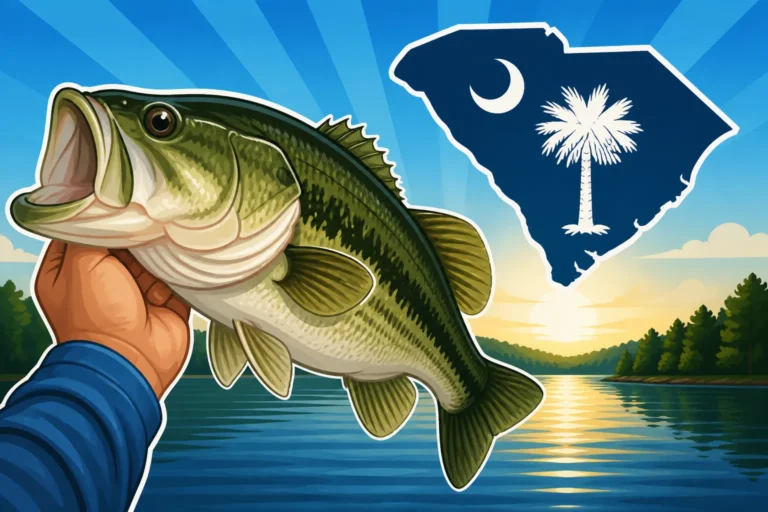
Recognizing a Largemouth Bass is usually pretty straightforward, even for a beginner. They have a distinctive dark, horizontal stripe running along their sides, which can sometimes appear as blotches, especially in clearer water. Their jaw is the key identifier: when their mouth is closed, the corner of their jaw extends beyond the back of their eye. This is the "largemouth" part of their name! They typically have a deep green back that fades into a lighter belly, though their coloration can vary quite a bit depending on the water clarity and their habitat. You might notice them lurking around submerged cover – think fallen trees, docks, lily pads, or thick grass beds – waiting to ambush their prey. For a deeper dive, check out Largemouth Bass Fishing in South Carolina: The Complete Guide.
These fish are true predators, and their diet reflects that. They'll eat almost anything they can fit in their mouth, from smaller baitfish like shad and sunfish to crawfish, frogs, and even small birds or mice that fall into the water. Knowing their predatory nature is half the battle in figuring out how to catch them.
Top Techniques and Baits for Lunkers
To land a trophy Largemouth in South Carolina, you need to match your tactics to their behavior. In the spring, during the pre-spawn and spawn, they'll often be in shallower water, preparing to bed or actively spawning. This is a fantastic time for slow-moving baits like jigs, soft plastic worms (Texas-rigged or Carolina-rigged), and even spinnerbaits fished slowly along the bottom. Topwater lures can also be absolutely explosive during low-light conditions or over shallow grass beds, creating thrilling blow-ups that will get your heart pounding.
As the water warms in summer, bass tend to move to deeper, cooler water, often relating to structure like ledges, brush piles, or humps. Here, deep-diving crankbaits, shaky head jigs, and even drop shots can be incredibly effective. For those seeking new gear or a variety of lure options, you can find a vast selection of bass lures, from soft plastics to hard baits, on Amazon to stock your tackle box for any situation. In the fall, as temperatures cool, bass become very active, feeding heavily to prepare for winter. This is a great time for fast-moving baits like lipless crankbaits, chatterbaits, and swim jigs, as they chase down baitfish.
Prime Largemouth Lakes and Rivers
South Carolina is blessed with numerous fantastic Largemouth Bass fisheries. The legendary Santee Cooper Lakes (Marion and Moultrie) are often cited as some of the best in the country, producing monster bass year after year. Lake Murray is another powerhouse, known for both numbers and size. You'll find excellent bass fishing on Lake Hartwell, particularly in its many coves and tributaries, and Lake Wylie offers fantastic opportunities, especially in its shallower, more fertile sections.
Don't overlook the state's rivers either. The Congaree, Wateree, and Edisto rivers all hold healthy populations of Largemouth. Whether you're fishing from a boat, kayak, or the bank, there are countless places to find these prized fish. To explore more specific locations, consider reading South Carolina's Best Bass Fishing Lakes and Santee Cooper Lakes: South Carolina's Legendary Bass Fishery.
Striped Bass: The Freshwater Powerhouses
If you're looking for a fish that will test your tackle and your stamina, look no further than the Striped Bass. Often called "rockfish," these powerful, migratory fish have adapted incredibly well to South Carolina's larger freshwater impoundments, providing an epic angling experience. Hooking into a big striper is an adrenaline rush unlike any other, with long, drag-screaming runs that make your arms ache in the best way possible. It’s no wonder they are South Carolina's official state fish.
Stripers vs. Hybrids: Knowing Your Catch
South Carolina's freshwater holds two main types of "stripers": true Striped Bass (often just called "stripers") and Hybrid Striped Bass (often called "wipers" or "sunshine bass"). True stripers are typically larger, with solid, unbroken lateral lines running from gill to tail. Hybrid stripers, on the other hand, are a cross between a Striped Bass and a White Bass. They are generally smaller than true stripers but still pack a serious punch for their size. Their lateral lines are usually broken or interrupted, especially toward the tail.
Both provide incredible sport, but it's important to be able to tell them apart as regulations, particularly bag limits, can sometimes differ. Hybrids are often stocked in reservoirs where true stripers might struggle to reproduce naturally, providing more angling opportunities. For more on the state's official fish, check out Striped Bass: South Carolina's Official State Fish.
Seasonal Strategies for Striped Bass
Striped Bass are temperature-sensitive and often follow baitfish, which dictates their seasonal movements. In spring, as water temperatures rise, stripers will move into shallower areas, especially up rivers and tributaries, to spawn or feed on abundant baitfish. This is a prime time for casting swimbaits, jerkbaits, or live bait like shad. Trolling bucktail jigs or umbrella rigs can also be very effective.
Summer sees stripers retreat to deeper, cooler waters, often congregating around thermal refuges or oxygen-rich areas, sometimes near dam outflows or springs. Downriggers, planer boards, and lead core line are essential tools for presenting baits at the right depth. Live bait, particularly large gizzard shad or blueback herring, is often the most consistent producer. As fall approaches and water temperatures cool, stripers become incredibly active, chasing baitfish in massive schools. Topwater action can be phenomenal during this time, especially at dawn and dusk. Winter fishing can also be productive, with stripers schooling tightly in deep water, often near the main lake channels. Vertical jigging spoons or large live baits can draw strikes.
Where to Find the Best Striper Action
South Carolina boasts world-class Striped Bass fisheries. Lake Murray is undeniably the crown jewel, consistently producing trophy-sized stripers and offering year-round opportunities. The Santee Cooper Lakes, Marion and Moultrie, are also fantastic, particularly for their sheer numbers of fish. Lake Hartwell, on the border with Georgia, holds strong populations, especially in the larger, main lake areas.
Other notable lakes include Lake Russell, which can offer good numbers of hybrids, and Lake Wateree, known for its healthy striper population. When targeting these fish, pay close attention to depth finders to locate schools of baitfish, as the stripers will rarely be far behind. Finding structure like humps, ledges, or deep channels near these bait schools is often the key to success.
Crappie: Delicious and Fun Panfish
Crappie are truly a gift to anglers in South Carolina. They're fun to catch, often schooling in large numbers, and are absolutely delicious to eat. Whether you call them "speckled perch," "papermouths," or just "crappie," these panfish provide endless enjoyment, especially for those looking to fill a cooler with tasty fillets. Their delicate mouths require a soft touch, making the fight surprisingly engaging for their size.
Black Crappie vs. White Crappie Distinctions
In South Carolina, you'll primarily encounter two species of crappie: Black Crappie and White Crappie. While similar in appearance and habits, there are some subtle differences that can help you distinguish them. Black Crappie typically have a darker, more mottled pattern with irregular black blotches, resembling pepper sprinkled on their sides. They also have seven or eight dorsal fin spines. They tend to prefer clearer water with more vegetation.
White Crappie, on the other hand, usually have more distinct vertical bars on their sides, though these can be faint. They have five or six dorsal fin spines, which is the easiest way to tell them apart from their black crappie cousins. White Crappie are a bit more tolerant of murky water and often frequent areas with more timber or brush piles. Both species grow to similar sizes in South Carolina, with slabs over a pound being common and larger fish certainly possible.
Effective Crappie Fishing Methods
Crappie are notorious for schooling up, which means if you find one, you're likely to find many! This makes them a fantastic target for a variety of techniques. Jigging is perhaps the most popular method. Small jigs, often tipped with a tiny plastic grub or tube bait, are deadly. Crappie Jigging Techniques for Beginners offers some great starting points. You can fish them vertically over brush piles, around docks, or along submerged creek channels. Spider rigging, where multiple rods are deployed from the front of the boat to cover a wide area, is another highly effective tactic, especially when trolling slowly.
Live minnows, suspended under a bobber or fished on a tight-line rig, are also incredibly effective, particularly during the colder months. In the spring, when crappie move shallow to spawn, they can be caught by casting small jigs or minnows around fallen trees, stumps, and lily pads. A good ultralight rod and reel, perfect for crappie, can be found on Amazon, making the fight even more exciting and ensuring you feel every delicate nibble. Remember that Best Time of Year to Catch Crappie will depend on your chosen technique.
South Carolina's Crappie Hotspots
South Carolina offers a plethora of excellent crappie fishing. The Santee Cooper Lakes (Marion and Moultrie) are legendary, often producing limits of slab crappie. Lake Wateree is another top-tier destination, particularly known for its consistent crappie population. Lake Murray also holds a strong crappie fishery, especially in its many coves and around its plentiful underwater structure.
Other productive crappie waters include Lake Greenwood, Lake Wylie, and Lake Hartwell. When you're out on the water, look for submerged timber, brush piles (both natural and man-made), bridge pilings, and deep creek channels. Many anglers will sink their own brush piles to create crappie magnets. Knowing where to find these structures is half the battle, and a good fish finder is an invaluable tool for locating them. For a comprehensive overview, see South Carolina's Best Lakes for Crappie Fishing.
Catfish: The Bottom-Dwelling Behemoths
For anglers who love a powerful fight and the chance to land a truly massive fish, South Carolina's catfish are an undeniable draw. These whiskered giants are prolific, widespread, and can grow to incredible sizes, offering a different kind of angling challenge than their finicky bass or crappie cousins. Plus, many species of catfish are excellent table fare, adding to their appeal.
Channel, Blue, and Flathead Catfish Explained
South Carolina is home to three main species of large freshwater catfish: Channel Catfish, Blue Catfish, and Flathead Catfish. Each has its own distinct characteristics and preferred habitats.
- Channel Catfish: These are the most widespread and common catfish in the state. They typically have a forked tail, scattered black spots (though these can fade in older fish), and are generally a greenish-gray color. They are voracious eaters and can be found in almost any freshwater body, from small ponds to large rivers. They're an excellent target for beginners and provide great action.
- Blue Catfish: Known for their impressive size, Blue Cats are generally uniform slate-blue or gray on their backs, fading to a white belly, and have a distinctly forked tail. They are often found in the main channels and deeper holes of large rivers and reservoirs, preferring moving water. Santee Cooper is famous for its monster Blue Catfish, with many weighing over 50 pounds!
- Flathead Catfish: These are easily identified by their flattened heads, unique lower jaw that protrudes beyond the upper, and their mottled brown-to-yellowish skin. Unlike channel and blue cats, flatheads prefer live bait and often inhabit rocky, woody cover in rivers and larger creeks. They are incredibly powerful fighters, earning their reputation as true river monsters.
Baits and Rigs for Monster Cats
When it comes to catfish, bait is king, and often, the stinkier, the better! For Channel Catfish, a wide variety of baits work: cut bait (shad, herring), chicken livers, stink baits, hot dogs, and even nightcrawlers are all excellent choices. Blue Catfish also respond well to cut bait, with fresh chunks of shad or herring being top producers. Larger chunks are often better for deterring smaller fish and attracting those trophy-sized blues.
Flathead Catfish, however, are a bit pickier. They are primarily piscivores (fish-eaters) and strongly prefer live bait. Live bream, small carp, or robust shiners are ideal for tempting a big flathead out of its lair. For rigging, a simple bottom rig with a heavy sinker to hold the bait in place, a sturdy leader, and a strong circle hook is usually all you need. Consider larger, stronger hooks when targeting the bigger blue and flathead species. A dedicated catfish rod and reel, capable of handling heavy lines and big fish, can be found on Amazon.
Night Fishing for South Carolina Catfish
Catfish are primarily nocturnal feeders, meaning they become much more active after the sun goes down. This makes night fishing an incredibly productive and popular tactic for targeting all three species in South Carolina. As darkness settles, catfish move out of their deep-water hiding spots and begin cruising shallower flats, creek channels, and submerged structure in search of food.
When night fishing, safety is paramount. Make sure you have good lighting, mosquito repellent, and are familiar with your fishing spot. Many anglers use glow sticks or small LED lights attached to their rod tips or bobbers to detect subtle bites in the dark. The cooler temperatures and reduced boat traffic at night also make for a more peaceful and often more successful fishing experience. For more detailed strategies, read Night Fishing Techniques for Catfish.
Bream and Sunfish: Perfect for Family Angling
There’s something truly nostalgic and wonderfully simple about catching bream and other sunfish. These feisty little fish are abundant across South Carolina, relatively easy to catch, and provide fantastic fun for anglers of all ages, especially kids. They might not be the giants of the freshwater world, but their consistent bites and vibrant colors make them incredibly rewarding, introducing countless people to the joys of fishing.
Common Bream Species to Target
In South Carolina, "bream" is a general term often used to describe several species of panfish within the sunfish family. The most common and popular targets include:
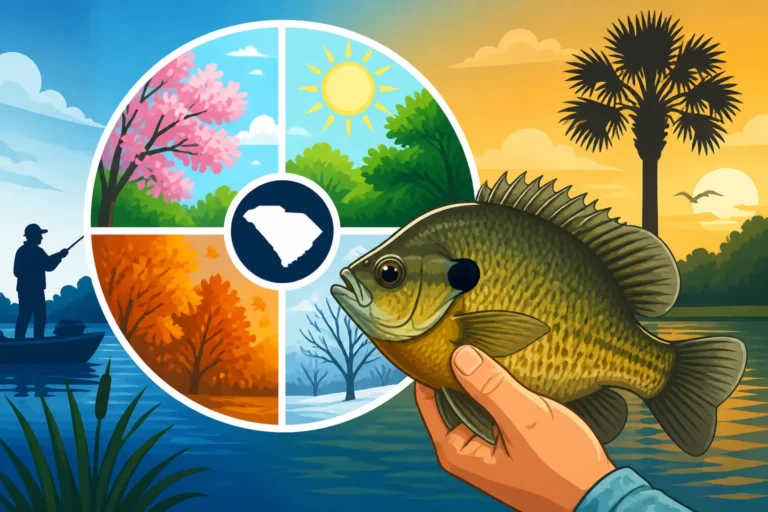
- Bluegill: Easily recognizable by the dark spot on their gill flap and a small black blotch on the soft dorsal fin. They have a deep, slab-sided body and are often a vibrant blue-green to olive color. Bluegill are found almost everywhere and are a perfect target for beginners due to their aggressive feeding habits.
- Redbreast Sunfish: Known for their stunning orange to red belly (hence "redbreast") and a long, narrow opercular flap (the "ear flap"). They tend to prefer flowing water, so you'll often find them in rivers and larger creeks, though they are also in many lakes. They're strong fighters for their size.
- Redear Sunfish (Shellcrackers): Named for the distinct red or orange spot on the edge of their gill flap. They have a reputation for eating snails and mussels, using specialized crushing plates in their throats, hence the nickname "shellcracker." They are often found on the bottom, particularly around hard structure, and can grow to a decent size.
- Warmouth: A more robust, bass-like sunfish with a wider mouth and often mottled, dark brown patterns. They prefer murky, weedy waters and can be quite aggressive.
Each of these species offers a slightly different angling experience, but all are incredibly accessible and fun. For more on identification, see Bluegill and Redbreast Sunfish: A Beginner's Guide.
Simple Rigs for Easy Catches
One of the best things about bream and sunfish fishing is that you don't need a lot of fancy gear. A simple cane pole or a light spinning rod and reel with 4-6 lb test line is perfect. The classic bobber rig is incredibly effective and teaches fundamental fishing skills. Simply tie on a small hook (size 6-10), attach a sinker a few inches above it to help cast, and then add a bobber at a depth that matches the water you're fishing. Watch that bobber disappear, and you've got a bite!
Small live baits are irresistible to bream. Crickets are probably the most classic and effective bait, but worms (red wigglers or nightcrawlers cut into pieces) are also phenomenal. Small pieces of corn or even bread can sometimes work too. For artificials, tiny jigs (1/32 to 1/16 oz) tipped with a small plastic grub, especially in chartreuse or white, can also be very productive. A small tackle box filled with hooks, sinkers, bobbers, and some small jigs, easily found on Amazon, will set you up for success.
Kid-Friendly Fishing Spots and Tactics
South Carolina is brimming with family-friendly fishing spots perfect for chasing bream and sunfish. Most state parks with ponds or lakes offer excellent bank fishing opportunities for these species. Local community ponds, often stocked, are also fantastic choices. Look for areas with some shallow water access, especially near lily pads, docks, or fallen trees, where bream love to congregate.
The key to a successful outing with kids is to keep it fun and simple. Focus on the experience, not just the catch count. Let them bait their own hooks (if they're comfortable), cast their lines, and reel in their fish. Celebrate every bite, big or small. Bream are cooperative, providing consistent action that keeps kids engaged and excited. Teaching them about conservation, like catch and release or proper handling of fish, is also a valuable lesson. Kid-Friendly Bluegill Fishing Techniques offers more tips for engaging young anglers.
Trout: Coldwater Gems of the Upstate
While South Carolina might be known for its vast warm-water lakes, a hidden gem exists in the cooler, crystal-clear streams of the Blue Ridge Mountains in the Upstate: trout fishing. For those who appreciate the beauty of mountain scenery and the challenge of outwitting a wary fish, chasing trout is an entirely different, incredibly rewarding experience. It's about solitude, patience, and a deep connection to nature.
Native Brook Trout vs. Stocked Rainbows and Browns
In South Carolina's trout waters, you'll encounter a mix of species, each with its own charm.
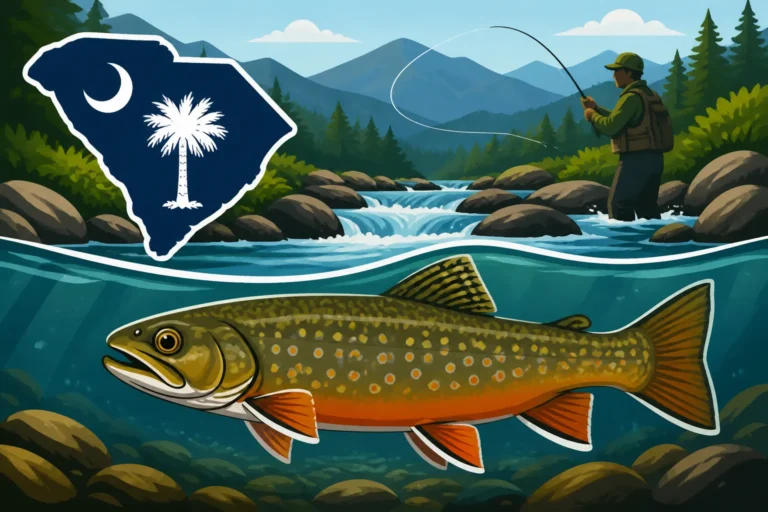
- Native Brook Trout: These are truly special. South Carolina has one of the southernmost native brook trout populations in the world, living in pristine, cold-water mountain streams. They are vibrant, beautifully colored fish with distinctive worm-like markings (vermiculations) on their backs, red spots with blue halos on their sides, and white leading edges on their fins. They are generally smaller than stocked trout but are incredibly feisty and a true prize for any angler. Finding a native brook trout in its natural habitat is an experience to cherish. For an in-depth look, check out South Carolina's Native Brook Trout: A Blue Ridge Mountain Original.
- Stocked Rainbow Trout: These are the most commonly stocked trout species in South Carolina. They are identifiable by their iridescent silver body with a prominent red or pink stripe along their side and numerous black spots on their body and fins. Rainbows are popular because they grow quickly and readily take a variety of baits and lures, making them accessible to many anglers.
- Stocked Brown Trout: Less common than rainbows but still stocked in some streams, Brown Trout are typically darker, often golden-brown with scattered black and red spots (some with light halos). They are known for being a bit more elusive and harder to catch than rainbows, often growing to larger sizes and being more aggressive predators.
Fly Fishing and Spin Fishing for Trout
Trout fishing often evokes images of fly fishing, and indeed, the serene mountain streams of South Carolina are perfect for it. Fly fishing for trout is an art form, requiring skill and finesse to present artificial flies that mimic insects or small baitfish. Dry flies, nymphs, and streamers are all effective depending on the season and what the trout are feeding on. For beginners, learning to cast a fly rod can be a challenge, but it's an incredibly rewarding pursuit that deepens your connection to the environment.
However, you don't have to fly fish to enjoy trout fishing. Spin fishing can be very effective as well. Ultralight spinning gear with light line (2-4 lb test) is ideal. Small inline spinners, spoons, and trout-specific soft plastics (like powerbait or trout worms) can be deadly. Live bait, such as red worms or corn, can also be very productive, especially for freshly stocked trout. When spin fishing, focus on casting upstream and retrieving downstream, allowing your lure or bait to drift naturally. Always be mindful of stream regulations, as some areas may have specific gear or bait restrictions. For general limits, see South Carolina Stocked Trout Daily Limit.
Best Mountain Streams for Trout
South Carolina's trout fisheries are concentrated in the cooler, higher elevations of the Upstate, primarily in Oconee, Pickens, and Greenville counties. These include some stunningly beautiful streams and rivers within the Sumter National Forest and various state parks.
Popular trout streams include the Chattooga River (especially its headwaters), the Chauga River, Eastatoe Creek, and the Middle Saluda River. Many of these streams are regularly stocked with rainbow and brown trout, providing consistent action. For native brook trout, you'll often need to hike into smaller, more remote tributaries and feeder creeks, where the water stays exceptionally cold and clear. Always check current regulations and stocking schedules from the South Carolina Department of Natural Resources (SCDNR) before heading out, as conditions and rules can change.
Freshwater Fish Species Comparison Table
To give you a quick overview of what to expect when targeting these popular South Carolina freshwater species, here's a handy comparison table:
| Species | Average Size (Common) | Best Time to Target | Primary Habitat | Go-To Baits/Lures |
|---|---|---|---|---|
| Largemouth Bass | 1-5 lbs (trophies larger) | Spring, Fall | Lakes, ponds, slow rivers, heavy cover | Soft plastics, jigs, crankbaits, spinnerbaits |
| Striped Bass | 5-20 lbs (trophies larger) | Year-round | Large reservoirs, main lake channels | Live shad, bucktail jigs, umbrella rigs, swimbaits |
| Crappie | 0.5-2 lbs | Spring, Fall, Winter | Lakes, slow rivers, brush piles, docks | Live minnows, small jigs, tiny plastic grubs |
| Channel Catfish | 1-10 lbs | Spring, Summer, Fall | Lakes, rivers, ponds, most freshwater habitats | Cut bait, chicken livers, stink baits |
| Blue Catfish | 5-50+ lbs | Year-round | Large rivers, main channels of reservoirs | Large cut bait (shad, herring) |
| Flathead Catfish | 10-50+ lbs | Summer, Fall | Rivers, woody cover, deep holes | Live bait (bream, shiners) |
| Bream (Bluegill) | 0.25-1 lb | Spring, Summer | Ponds, lakes, slow rivers, shallow vegetated areas | Crickets, worms, tiny jigs |
| Trout (Rainbow) | 0.5-2 lbs | Spring, Fall | Cold mountain streams | Inline spinners, powerbait, worms, nymphs |
Disclaimer
This article is for general informational purposes only and does not constitute professional advice. Laws, prices and regulations vary by location and change over time. Consult a qualified professional for guidance on your specific situation.