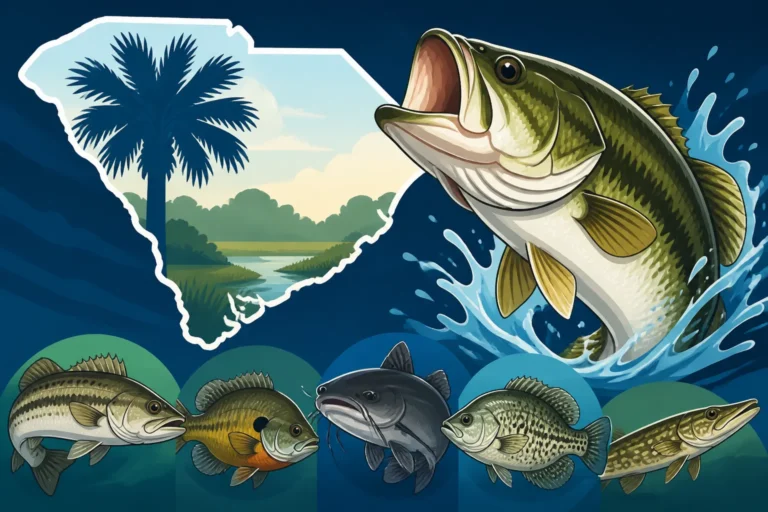
Striped Bass: South Carolina’s Official State Fish
Many anglers, whether long-time residents or newcomers visiting our beautiful coastline and expansive freshwater lakes, often hear whispers of the "King of the Freshwater" or the "Silver Ghost." They might feel a little lost trying to figure out which fish truly defines the South Carolina angling experience, especially when faced with such a diverse aquatic landscape. This comprehensive guide will pull back the curtain on the Striped Bass, South Carolina's official state fish, offering a deep dive into its fascinating world, its preferred haunts, and the best ways to connect with these powerful fish.
Why the Striped Bass Reigns Supreme in South Carolina
There's something undeniably special about the Striped Bass, or "striper" as we affectionately call them here in South Carolina. It's not just another fish; it's an icon, a symbol of our state's rich fishing heritage and the incredible opportunities our waters provide. For many, the thrill of a striper on the line is unparalleled, offering a fight that tests both skill and endurance.
The Official State Fish Designation
It wasn't by accident that the Striped Bass earned its place as South Carolina's official state fish. This designation, made official, reflects not only the species' prevalence and sporting value but also its deep cultural connection to the people of the Palmetto State. For generations, striped bass have provided food, recreation, and livelihoods, particularly around our major reservoirs and coastal rivers. When you talk about South Carolina fishing, stripers are often at the very top of the conversation, synonymous with exciting, challenging angling. This official status helps highlight the importance of the species and the need for ongoing conservation efforts to protect these magnificent fish for future generations of anglers.
Iconic Status and Angler Appeal
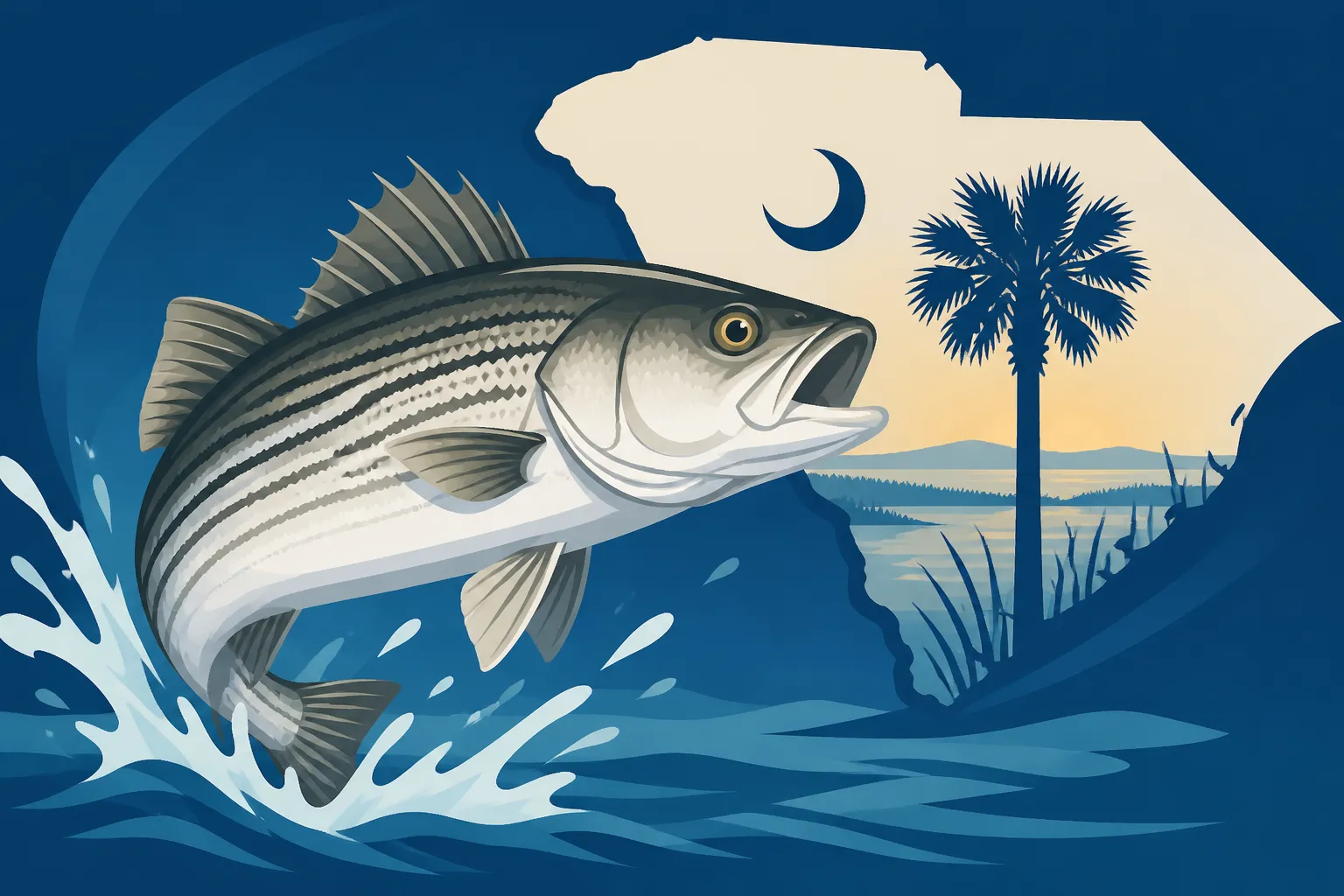
What is it about the Striped Bass that captures the hearts of so many anglers? Perhaps it’s their sheer power. Hook into a large striper, and you'll quickly understand why they're so revered. They’re known for blistering runs, headshakes that try to throw the hook, and an incredible will to fight until the very end. Beyond the fight, their striking appearance—those distinctive dark, horizontal stripes against a silver-white body—makes them instantly recognizable. Catching a striper, especially a big one, is a badge of honor for many South Carolina fishermen. They challenge you, educate you, and often push you to become a better angler. Whether you're a seasoned pro with years of experience or just starting out, the allure of the striper is undeniable, promising an unforgettable experience every time. You'll find countless stories shared at bait shops and boat ramps about epic battles with these powerful fish.
Freshwater vs. Anadromous Populations
One of the fascinating aspects of Striped Bass in South Carolina is their dual existence: we have both landlocked freshwater populations and anadromous populations that migrate between saltwater and freshwater. The anadromous stripers, true to their nature, spend most of their adult lives in the ocean but migrate into coastal rivers like the Santee and Cooper to spawn. These are incredible fish that adapt to both environments. However, our landlocked populations, particularly those in large reservoirs like Lake Murray and the Santee Cooper lakes, are equally impressive. These fish were established through stocking programs and have thrived, creating world-class fisheries entirely within freshwater. Understanding which type of striper you're targeting can influence your approach, from the gear you choose to the locations you focus on. Each offers a unique angling challenge and reward, making South Carolina a truly special place for striper enthusiasts.
Understanding Striped Bass Biology and Behavior
To successfully pursue Striped Bass, it's crucial to understand a bit about their biology and how they behave in our South Carolina waters. Knowing what they eat, where they live, and when they reproduce can give you a significant advantage on the water. They're not just random swimming targets; they follow predictable patterns driven by instinct and environment.
Identifying Striped Bass vs. Hybrids
This can be a tricky one, even for experienced anglers! South Carolina waters are home to both purebred Striped Bass (Morone saxatilis) and Hybrid Striped Bass (a cross between a Striped Bass and a White Bass). While both offer a fantastic fight, knowing the difference can be important, especially if regulations vary (though often they are similar for management purposes). The easiest way to tell them apart is by looking at their lateral stripes. Purebred Stripers usually have unbroken, distinct horizontal stripes running from their gills to their tail. Hybrid Stripers, on the other hand, typically have broken or interrupted stripes, especially on their lower body. Sometimes these broken lines can be quite jagged or even merge together, creating a distinct "splotchy" pattern. Hybrid Stripers also tend to have a slightly deeper body than purebred stripers, though this can be subtle. It’s a good idea to familiarize yourself with these subtle differences before you hit the water, perhaps by looking at a reliable fish identification chart you can find online or in a fishing guide, to ensure you're compliant with any specific regulations for each type.
Diet and Feeding Habits
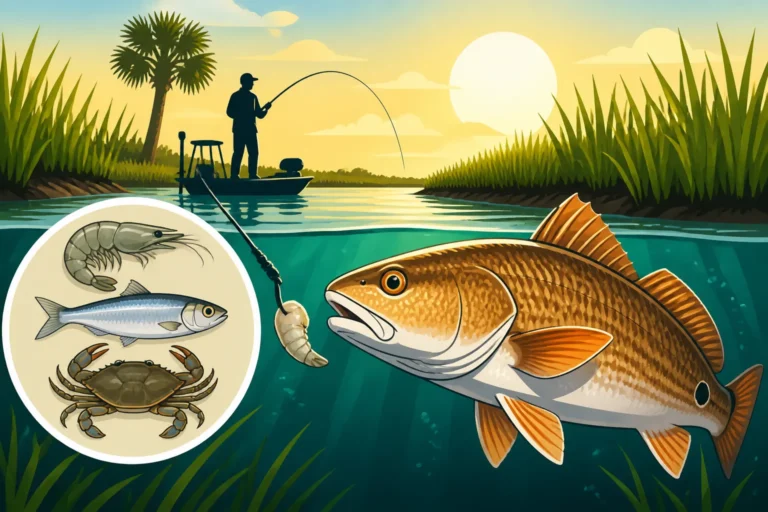
Striped Bass are opportunistic and aggressive feeders, which is great news for anglers! Their diet in South Carolina is quite varied, depending on whether they're in freshwater reservoirs or coastal estuaries. In freshwater, their primary forage includes baitfish like shad (gizzard shad and threadfin shad are particularly important), alewife, herring, and even smaller panfish. They are truly apex predators in these environments. In coastal rivers and estuaries, their diet expands to include a wider array of marine baitfish, shrimp, and even crabs. Stripers are often found hunting in schools, herding baitfish against structure or into open water where they can attack them more easily. This behavior often leads to explosive feeding frenzies on the surface, a sight that gets any angler's heart pumping. Understanding their forage base is key: if you can "match the hatch" with your lures or bait, you'll greatly increase your chances of success. They feed most actively during low light conditions—dawn, dusk, and even throughout the night, especially during the warmer months.
Spawning and Life Cycle in South Carolina
The life cycle of a Striped Bass is a fascinating journey. Anadromous stripers make incredible spawning migrations from the ocean up into the freshwater sections of rivers like the Santee and Cooper. They prefer areas with good current over hard bottoms like rock or gravel to deposit their eggs, which are semi-buoyant and drift downstream, developing as they go. Our landlocked populations in reservoirs like Lake Murray also undertake similar spawning runs, often moving up tributary rivers that feed into the main lake. Spawning typically occurs in the spring when water temperatures reach suitable levels, usually in the range of 60-70 degrees Fahrenheit. After hatching, the larval stripers spend time in nursery areas before growing into juveniles and eventually making their way into the larger bodies of water. Striped Bass are relatively long-lived fish and can grow to impressive sizes, with some individuals reaching well over 50 pounds, although these true giants are rare and often older fish. The survival of their young is highly dependent on environmental factors like water flow and temperature, which is why consistent conservation efforts and responsible management are so vital to maintain healthy populations.
Top South Carolina Waters for Striped Bass Fishing
South Carolina is truly blessed with an abundance of fantastic waters for chasing Striped Bass. From vast inland reservoirs to intricate coastal river systems, there’s a spot for every type of angler. Knowing where to go is half the battle, and the Palmetto State offers some legendary opportunities. Here's a rundown of some of the absolute best spots to target these powerful fish. If you're looking for where to start your striper adventure, you really can't go wrong with these iconic locations.
Lake Murray: The Striper Capital
When you talk about Striped Bass in South Carolina, Lake Murray inevitably comes up first. Often referred to as the "Jewel of South Carolina," this 50,000-acre reservoir near Columbia is arguably the state's most famous striper fishery. It holds a robust population of landlocked stripers that grow to impressive sizes, regularly producing fish in the 20-30 pound range, with much larger trophies caught annually. The lake's deep, clear waters, abundant baitfish (especially blueback herring), and numerous submerged structures create an ideal habitat. Anglers on Lake Murray employ a variety of techniques throughout the year. In summer, the Lake Murray Summer Striped Bass Techniques in South Carolina often involve targeting fish in deeper, cooler thermoclines with downriggers or free-lining live bait at night. In cooler months, stripers are more active on the surface and around shallower humps and points. The area around Dreher Island State Park is particularly renowned for its striper action. If you're serious about catching a trophy striper in South Carolina, Lake Murray should be at the top of your list. The sheer numbers and size of the fish here are simply astounding.
Santee Cooper Lakes: A Legendary Fishery
The Santee Cooper Lakes system, comprising Lake Marion and Lake Moultrie, is another cornerstone of South Carolina's Striped Bass legacy. This sprawling, interconnected system is one of the oldest and most productive fisheries in the Southeast, famous not just for stripers but also for enormous catfish and crappie. While Lake Murray might be known for its consistent trophy stripers, the Santee Cooper system offers an incredible diversity, supporting both landlocked and anadromous populations at various times. Lake Marion, the upper lake, is known for its vast expanses of cypress trees and submerged stumps, providing incredible habitat. Lake Moultrie, the lower lake, is generally deeper and more open. During the spring, anadromous stripers migrate up the Santee and Cooper rivers to spawn, offering fantastic opportunities for anglers targeting these migratory fish. Year-round, you can find landlocked stripers in both lakes, often chasing baitfish schools. The Santee Cooper Lakes: South Carolina's Legendary Bass Fishery is a complex and rewarding place to fish, requiring a deep understanding of seasonal patterns and fish movements, but the rewards can be truly spectacular.
Other Key Freshwater Systems
Beyond the giants of Murray and Santee Cooper, several other South Carolina lakes offer excellent Striped Bass fishing, each with its own unique character and challenges.
- Lake Hartwell: On the border with Georgia, Lake Hartwell Fishing Spots on the South Carolina-Georgia Border is a large, deep reservoir known for its clear waters and thriving populations of both Striped Bass and Hybrid Striped Bass. Anglers here often target stripers around humps, points, and river channels, particularly in the Tugaloo and Seneca River arms. It's a fantastic lake for trolling or pursuing schooling fish on the surface.
- Lake Wateree: This lake, located in the Midlands, is another productive striper fishery. While perhaps not as famous as Murray or Santee Cooper for sheer trophy size, Lake Wateree Fishing Spots in South Carolina offers consistent action and a healthy population of stripers and hybrids. It's a great choice for anglers looking for a slightly less crowded experience but still with plenty of fighting fish. Trolling with artificial lures or drifting live bait are popular methods here.
- Lake Greenwood: While often highlighted for its bass and crappie, Lake Greenwood Fishing Guide for South Carolina Families also holds a respectable population of Striped Bass and Hybrid Stripers. This smaller, but beautiful, lake offers good opportunities, especially during cooler months when stripers can be found closer to the surface. It's an excellent option for a family fishing trip where you might hook into a strong striper along with other species.
These lakes, along with others like Lake Wylie and Lake Keowee, ensure that no matter where you are in South Carolina, a quality striper fishing opportunity is likely within reach. Many of these waters are part of the larger network of South Carolina's Best Striped Bass Waters.
Coastal Rivers and Estuaries
While our freshwater lakes get a lot of attention, we can't forget the incredible opportunities for Striped Bass in South Carolina's coastal rivers and estuaries. These are typically the anadromous populations, fish that spend most of their lives in the saltwater of the Atlantic Ocean and migrate upstream to spawn. Rivers like the Cooper, Santee, Winyah Bay tributaries, and even some of the smaller creeks flowing into the sounds can hold stripers, especially during their migratory periods in spring and fall. Striped Bass Migration Up South Carolina's Coastal Rivers is a truly remarkable event, drawing anglers who love the challenge of chasing these ocean-run fish. These coastal stripers tend to be strong, often with a different body shape adapted to the ocean environment. Angling here often involves targeting tidal currents, oyster beds, and channel edges with a mix of artificial lures and natural baits. While regulations might differ slightly for coastal vs. landlocked stripers, the excitement of catching a migratory fish is a unique experience that every South Carolina angler should try at least once.
Seasonal Strategies for South Carolina Stripers
The beauty of fishing for Striped Bass in South Carolina is that it's often a year-round pursuit, but your strategies will need to adapt significantly with the changing seasons. What works in the scorching summer heat certainly won't be effective in the chilly grip of winter. Understanding these seasonal shifts in striper behavior is paramount to consistent success, helping you know where to find them and what they’ll be willing to bite.
Spring: Pre-Spawn and Spawn Aggression
Spring in South Carolina is a truly exciting time for striper anglers. As water temperatures begin to climb, usually from March through May, Striped Bass become increasingly active. This is the pre-spawn and spawning period, where fish move from their wintering grounds to their spawning rivers or up into the major tributaries of our large reservoirs. During pre-spawn, stripers are often aggressively feeding, trying to pack on calories before the rigors of spawning. You'll find them shallower than in winter, often congregating in bays, coves, and river bends where baitfish are abundant. This is an excellent time for casting artificial lures like bucktails, swimbaits, or topwater plugs, especially during low-light conditions. As the spawn progresses, fish will focus more on the actual act of reproduction, making them sometimes harder to catch, but the aggressive males guarding spawning females can still offer a thrilling fight. Pay close attention to water temperatures and river currents, as these are primary drivers for the spawning migration.
Summer: Deep Water and Night Fishing Tactics
When the South Carolina summer heat really sets in, typically from June through August, Striped Bass in our large freshwater lakes head for deeper, cooler, more oxygenated waters. This is when the thermocline—the layer where water temperature changes rapidly with depth—becomes your best friend. Stripers will often suspend in or just above the thermocline, especially during the day. This necessitates different tactics. Trolling with downriggers to present baits at precise depths is extremely effective, as is jigging vertically with heavy spoons or soft plastics directly over schooling fish found on your sonar. Night fishing truly shines during the summer months. As the sun sets, stripers will often move shallower, sometimes even to the surface, chasing baitfish under the cover of darkness. This can lead to incredible topwater action or fantastic opportunities for free-lining live bait, especially blueback herring or gizzard shad. Always be prepared for a strong fight under the moonlight; a reliable headlamp is an essential tool for summer night trips.
Fall: Feeding Frenzies and Migration
Ah, fall! For many South Carolina striper anglers, this is the absolute sweet spot. As air and water temperatures begin to cool in September and October, Striped Bass enter a period of intense feeding, often referred to as a "feeding frenzy." They know winter is coming, and they need to build up fat reserves. This means stripers become incredibly active and aggressive, often chasing huge schools of baitfish to the surface, creating explosive "boils" or "blow-ups" that are unmistakable. This is prime time for casting topwater lures, spoons, and swimbaits into the fracas. Look for diving birds, surface commotion, or baitfish jumping as tell-tale signs of striper activity. In coastal areas, the fall also brings another wave of migratory stripers as they move into rivers and estuaries, offering opportunities for both freshwater and brackish water anglers. The energy of the fish in the fall is truly contagious, and it’s a season not to be missed.
Winter: Slow-Rolling and Live Bait
Don't put away your striper gear just because it's cold! Winter fishing for Striped Bass in South Carolina, generally from November through February, can be incredibly productive, though it often requires a more patient and subtle approach. Stripers will still feed, but their metabolism slows down, and they are less likely to chase fast-moving baits over long distances. In our freshwater lakes, fish will often hold in deep creek channels, main lake points, and around underwater humps. Live bait—shad, herring, or even large shiners—is often the most effective presentation, drifted slowly or fished vertically. Artificial lures can still work, but think slower retrieves. Slow-rolling large swimbaits or umbrella rigs near the bottom can entice sluggish stripers. Sonar is crucial in winter to locate schools of fish and bait. While the bites may be less frequent than in fall, the fish you do hook into are often large and healthy, providing a rewarding experience even on the coldest days. Dressing warmly, with layers, is key to enjoying these crisp winter days on the water.
Essential Gear and Techniques for Striped Bass
Getting geared up for Striped Bass fishing in South Carolina doesn't have to be intimidating, but having the right tools can make all the difference between a frustrating outing and a successful one. Stripers are powerful fish, and your tackle needs to be up to the task. Let's talk about what you'll need and some of the tried-and-true techniques that consistently put fish in the boat or on the bank.
Rods, Reels, and Line Selection
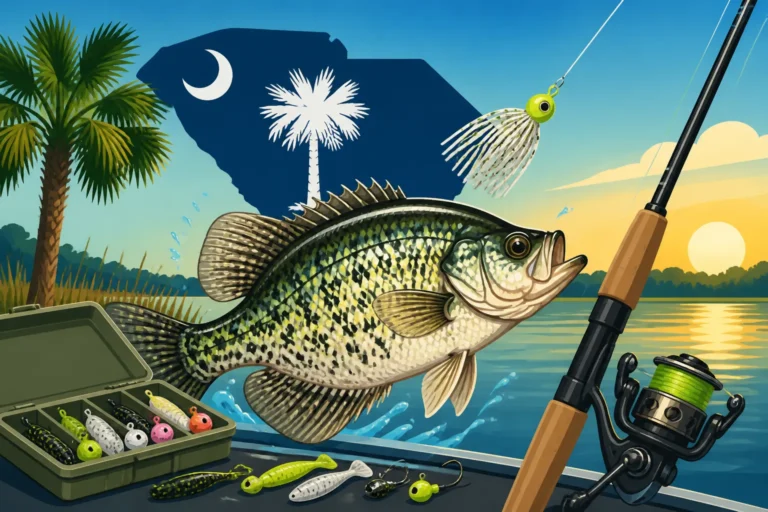
For Striped Bass, you'll generally want a medium-heavy to heavy action rod, typically in the 7 to 8-foot range. This length provides good casting distance and enough backbone to handle a powerful striper. Shorter rods might be used for vertical jigging, while longer rods excel at trolling or casting heavy baits. Look for rods with a comfortable grip, as you'll be fighting strong fish. For reels, a good quality spinning reel in the 4000-6000 size class or a baitcasting reel with a robust drag system and plenty of line capacity is ideal. You need a reel that can hold at least 200 yards of line and has a smooth, reliable drag that won't give out under pressure. When it comes to line, braided line is a popular choice for its strength, sensitivity, and small diameter. A 30-50 pound test braid is common. You'll typically tie a fluorocarbon leader (20-40 pound test) to your braid, as fluoro is nearly invisible underwater and more abrasion-resistant. For those who prefer monofilament, 15-25 pound test is a good starting point. You can find excellent options for all of these components on Amazon, with plenty of reviews to help guide your choice.
Top Lures and Baits for Stripers
Striped Bass are not overly finicky, but certain lures and baits consistently outperform others in South Carolina. Matching the local forage is always a smart move.
- Live Bait: This is often the undisputed king for stripers, especially larger fish. Blueback herring and gizzard shad are phenomenal choices, particularly in our freshwater lakes like Murray and Santee Cooper. They can be fished free-lined, under a bobber, or on downriggers. Don't underestimate large shiners or even smaller panfish if legal in your area.
- Artificial Lures:
- Bucktail Jigs: These classic lures are incredibly versatile. They can be cast and retrieved, jigged vertically, or trolled. White, chartreuse, and natural baitfish colors are excellent.
- Swimbaits: Soft plastic paddle-tail swimbaits, rigged on appropriate jig heads, mimic baitfish perfectly. Sizes from 4 to 8 inches are common.
- Topwater Plugs: When stripers are busting on the surface, there's nothing more exciting than a topwater explosion. Poppers, walk-the-dog lures, and pencil poppers can be incredibly effective.
- Spoons: Heavy metal spoons (like Hopkins or Kastmasters) are great for vertical jigging over deep schools of fish or casting into surface feeds.
- Crankbaits/Lipless Crankbaits: These can be effective for trolling or casting, especially in areas where stripers are feeding on shallower baitfish.
- Umbrella Rigs: These multi-lure rigs, often trolled behind a boat, imitate a school of baitfish and are incredibly effective for attracting large stripers, especially in deeper water.
For a deeper dive into specific artificials, check out Best Lures for Striped Bass in South Carolina.
Trolling, Casting, and Live Bait Rigs
Each technique has its time and place when targeting South Carolina Striped Bass.
- Trolling: This is a highly effective method, especially in our large reservoirs. Anglers use planer boards, downriggers, or lead core line to present artificial lures (like crankbaits or umbrella rigs) or live baits at specific depths and speeds. Trolling allows you to cover vast amounts of water, searching for active fish. It’s particularly effective in summer when stripers are deep and spread out.
- Casting: When stripers are on the surface, chasing bait, or holding around visible structure, casting is your go-to. This involves throwing topwater plugs, swimbaits, or jigs to actively feeding fish. The key is to get your lure into the feeding zone quickly and present it naturally. This technique often leads to exhilarating, visual strikes.
- Live Bait Rigs:
- Free-lining: Simply hook a live baitfish (through the nose or back) and let it swim freely in the water, often with little or no weight. This is fantastic when fish are shallow or near the surface.
- Carolina Rig/Bottom Rig: For fishing live bait on the bottom or near it, especially in deeper water or current, a Carolina rig with an egg sinker above a swivel and a leader to a hook is effective.
- Planer Boards/Balloon Rigs: These methods help keep your live bait away from the boat and spread out, mimicking natural baitfish schools. Balloons can also suspend bait at a precise depth.
The choice of rig depends heavily on current conditions, fish depth, and personal preference. Don't be afraid to experiment!
South Carolina Regulations and Conservation Efforts
Fishing for Striped Bass in South Carolina isn't just about the thrill of the catch; it's also about being a responsible steward of our natural resources. Understanding and adhering to the regulations is not just a legal requirement but a crucial part of ensuring these magnificent fish continue to thrive for generations to come. Conservation is a collective effort, and every angler plays a role.
Size and Bag Limits
Regulations for Striped Bass in South Carolina can vary depending on the water body and whether you are targeting freshwater or coastal populations. Generally, there will be minimum size limits and daily bag limits. A typical example might be a specific slot limit (e.g., 23-27 inches) or a minimum size with a certain number of fish allowed per day. These limits are put in place by the South Carolina Department of Natural Resources (SCDNR) to protect the breeding stock and ensure sustainable populations. Exceeding bag limits or keeping undersized or oversized fish can result in significant fines and penalties. It’s absolutely vital to always check the most current regulations before you head out, as they can change seasonally or annually based on population assessments. You can find up-to-date information on the SCDNR website or in the annual South Carolina Fishing Bag Limits Explained guide. Don't rely on old information or hearsay; always verify the rules for the specific body of water you intend to fish.
Importance of Conservation and Sustainable Practices
The health of South Carolina's Striped Bass populations is not a given; it's the result of ongoing conservation efforts, stocking programs, and responsible angling. Overfishing, habitat degradation, and environmental changes can all impact these fisheries. This is why every angler must embrace sustainable practices. This includes knowing and respecting all regulations, but it goes beyond that. It means minimizing stress on fish, especially those you plan to release, and advocating for healthy aquatic environments. Many organizations work tirelessly to protect striper habitats and ensure responsible management, and supporting them, even just by adhering to the rules, contributes significantly. We want our children and grandchildren to experience the same thrill of a striper on the line, and that starts with us.
Catch and Release Best Practices
Even if you plan to keep a fish within your legal limits, practicing responsible catch and release for others is essential, especially for larger breeding-size fish. Large stripers are often the most important for the future of the fishery, so protecting them is paramount.
Here are some best practices for catch and release:
- Minimize Fight Time: Use appropriate tackle to land the fish quickly, reducing exhaustion.
- Handle Gently: Support the fish horizontally, ideally with wet hands or a wet towel. Avoid touching the gills or putting fingers in the eye sockets.
- Use Barbless Hooks: Crushing the barb on your hooks makes removal much easier and less damaging.
- Remove Hook Quickly: Use pliers or a dehooking tool to remove the hook as fast as possible. If the fish is deeply hooked, cut the line as close to the hook as possible.
- Revive Properly: If the fish seems sluggish, hold it gently in the water, facing into the current, until it regains strength and can swim away on its own. Never drag a fish backward through the water.
- Avoid Air Exposure: Keep the fish in the water as much as possible, especially during warm weather. Long periods out of water are extremely stressful.
Following these practices helps ensure that released fish have the best possible chance of survival, contributing to the overall health and future of South Carolina's beloved Striped Bass fishery.
Tips for Landing That Trophy Striper
Landing a true trophy Striped Bass is often the culmination of planning, skill, and a little bit of luck. It's not just about getting a bite; it's about successfully bringing that powerful fish to the boat or shore. These fish are notorious for their strong runs and headshakes, so being prepared can make all the difference.
Reading the Water and Sonar Use
Successfully finding and landing trophy stripers often begins long before you cast a line. It starts with understanding the water you're fishing and intelligently using your electronics. Learning to "read the water" means recognizing subtle cues: diving birds indicating baitfish, current seams, underwater points, humps, and drop-offs. These are all potential ambush points for stripers.
However, modern sonar technology has revolutionized striper fishing. A good fishfinder allows you to locate schools of baitfish and the larger predatory stripers below. Look for dense schools of bait (often appearing as large, blob-like masses on your screen) and the distinctive arched marks of stripers nearby or just beneath them. Pay attention to the depth at which fish are suspending, as this is often where you'll need to present your lure or bait. Some high-end units even offer side-imaging or live-scanning sonar, which can show you fish reacting to your lure in real-time. Mastering your sonar is like having X-ray vision into the underwater world, an indispensable tool for consistent striper success, especially when fish are holding deep or spread out. You can find portable, easy-to-use fish finders, even smaller ones for kayaks, on Amazon that connect to your smartphone.
Fighting and Landing Big Fish
Once you've hooked into a big Striped Bass, the real battle begins! These fish are incredible fighters, and landing them requires a combination of patience and power.
- Set the Hook Firmly: When you feel that strike, deliver a strong, sweeping hookset to bury the hook past the barb.
- Maintain Pressure: Keep a bend in your rod at all times. A slack line is an open invitation for the fish to throw the hook. Let the drag do its job during powerful runs; don't try to muscle the fish if it wants to take line.
- Pump and Reel: When the fish pauses its run, lower your rod tip towards the water while reeling down, then lift the rod to gain line (the "pump"). Repeat this motion, steadily bringing the fish closer.
- Anticipate Headshakes: As the fish gets closer, especially near the surface, be ready for violent headshakes. Lower your rod tip slightly during these to absorb the shock and prevent the hook from pulling out.
- Netting: Use a large, rubberized landing net to bring the fish aboard. Avoid gaffing if you plan to release the fish. Have a partner ready with the net, and guide the fish headfirst into the net when it’s boatside and tired. Don't chase the fish with the net; let it lead the fish in.
Safety Considerations on the Water
Fishing, especially on large lakes or coastal waters, always comes with inherent risks. Prioritizing safety ensures that your striper pursuit remains enjoyable and incident-free.
- Wear a Life Jacket: This is non-negotiable, especially when fishing alone or in adverse conditions.
- Check the Weather: South Carolina weather can change rapidly. Always check the forecast before heading out and be prepared to head in if storms or high winds develop.
- Know Your Vessel: Be familiar with your boat's operation, capacity, and emergency equipment. Carry all required safety gear, including flares, a horn, and a first-aid kit.
- Tell Someone Your Plan: Let a friend or family member know where you're going and when you expect to return.
- Hydration and Sun Protection: Especially during warmer months, staying hydrated and protecting yourself from the sun (hats, sunglasses, sunscreen) is crucial.
- Night Fishing Precautions: If fishing at night, ensure all navigation lights are working, go slower, and be extra vigilant for other boats or obstacles. A good spotlight and reliable headlamp are absolute necessities.
- Wildlife Awareness: Be aware of local wildlife, including alligators in some freshwater systems, and practice safe distances.
By combining good angling techniques with a strong emphasis on safety, you'll be well on your way to enjoying countless successful and memorable Striped Bass fishing adventures in South Carolina.
Disclaimer
This article is for general informational purposes only and does not constitute professional advice. Laws, prices and regulations vary by location and change over time. Consult a qualified professional for guidance on your specific situation.