South Carolina Saltwater Fish Species Worth Targeting
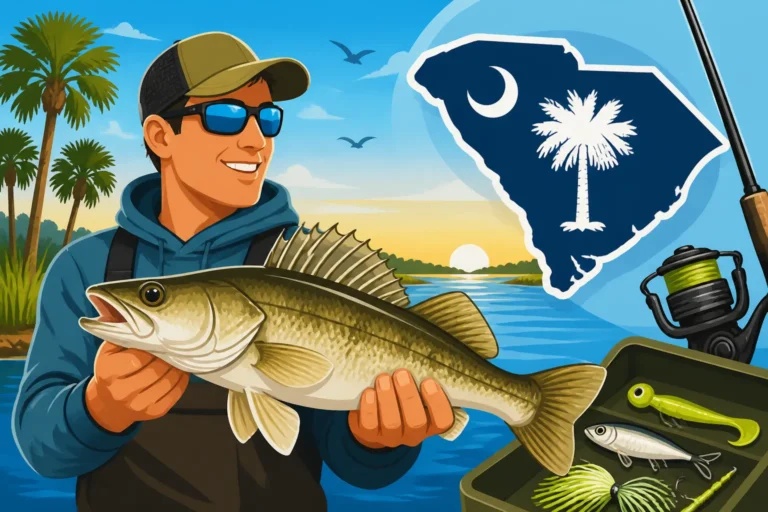
There’s nothing quite like the salty air, the shimmering expanse of the Atlantic, and the thrill of a bending rod when you're saltwater fishing in South Carolina. However, for many anglers, especially those new to our beautiful coast, the sheer variety of fish can be overwhelming. Knowing which species are truly worth your time and effort – the ones that offer the best fight, the tastiest fillets, or the most memorable experience – is key to a successful and enjoyable outing. This guide will walk you through the most popular and rewarding saltwater fish species you’ll find in our diverse coastal waters, from the shallow marsh creeks to the deep blue offshore.
The Allure of Saltwater Fishing in South Carolina
South Carolina's coastline is a vibrant tapestry of ecosystems, from expansive marsh grass and tidal creeks to sandy beaches, nearshore reefs, and the vast open ocean. This incredible diversity isn't just picturesque; it creates a dynamic habitat that supports an astonishing array of marine life, making it a prime destination for anglers seeking both challenge and bounty. Whether you're casting a line from a quiet dock or venturing miles offshore, there's a unique experience waiting for you.
Why South Carolina's Coast is a Saltwater Angler's Dream
Our Lowcountry offers a unique blend of productive estuaries, nutrient-rich rivers emptying into the ocean, and the proximity of the Gulf Stream, which brings warm water and pelagic species tantalizingly close. This means you don't necessarily have to run fifty miles offshore to find exciting action. Anglers can often find fantastic fishing within sight of land, whether it's battling a powerful redfish in a shallow creek or hooking into a speedy Spanish mackerel just beyond the breakers. The sheer accessibility combined with the biological richness creates an unparalleled fishing environment that keeps both locals and visitors coming back year after year. It's not just about the fish, either; it's about the dolphins breaching, the ospreys diving, and the stunning sunrises over the Atlantic that make every trip a cherished memory.
Understanding the Coastal Ecosystem
To truly appreciate the fishing opportunities here, it helps to understand the distinct zones of our coastal ecosystem. Our inshore waters, including the vast networks of tidal creeks, bays, and estuaries, are nursery grounds for many species. These areas are characterized by fluctuating tides, abundant grass beds, and muddy bottoms. Moving slightly out, we have the nearshore waters, which might include jetties, artificial reefs, and the surf zone along our beaches. These areas often see a mix of inshore species and migratory fish. Further offshore, the continental shelf drops away, leading to deeper waters where large pelagic species roam, often influenced by the powerful currents of the Gulf Stream. Each of these zones harbors different fish, demands different techniques, and offers its own particular brand of angling excitement. Knowing these distinctions helps you predict where your target species might be and what tackle you'll need to entice them.
Top Inshore Game Fish to Target
When we talk about inshore fishing in South Carolina, we're talking about the heart and soul of our coastal angling. These are the fish that thrive in our marshlands, tidal creeks, and shallow estuaries, providing year-round action and incredible challenges. They are accessible by small boats, kayaks, or even from the bank in many areas, making them popular targets for anglers of all skill levels.
Redfish Red Drum: The Lowcountry's Golden Prize
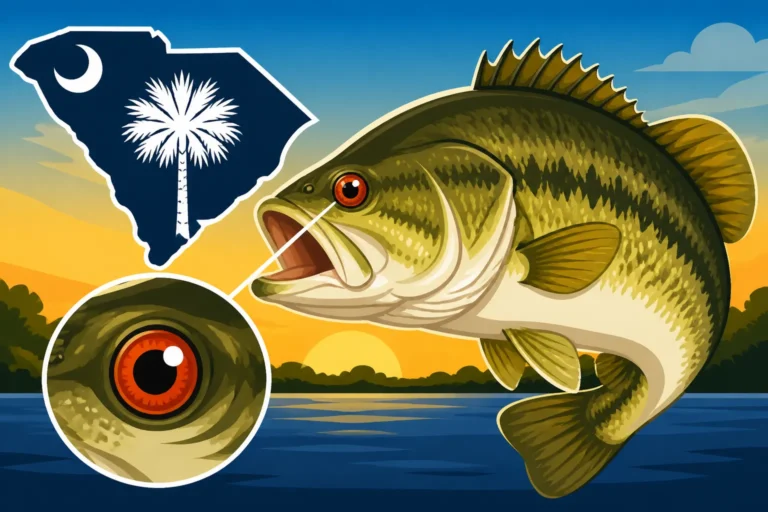
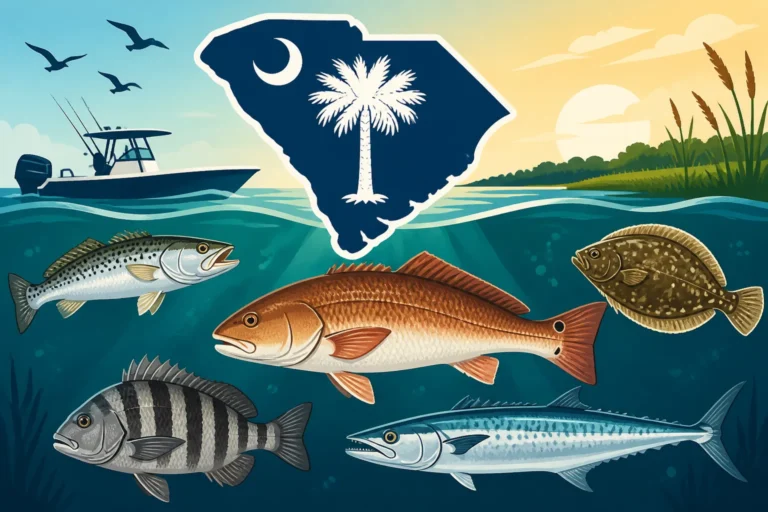
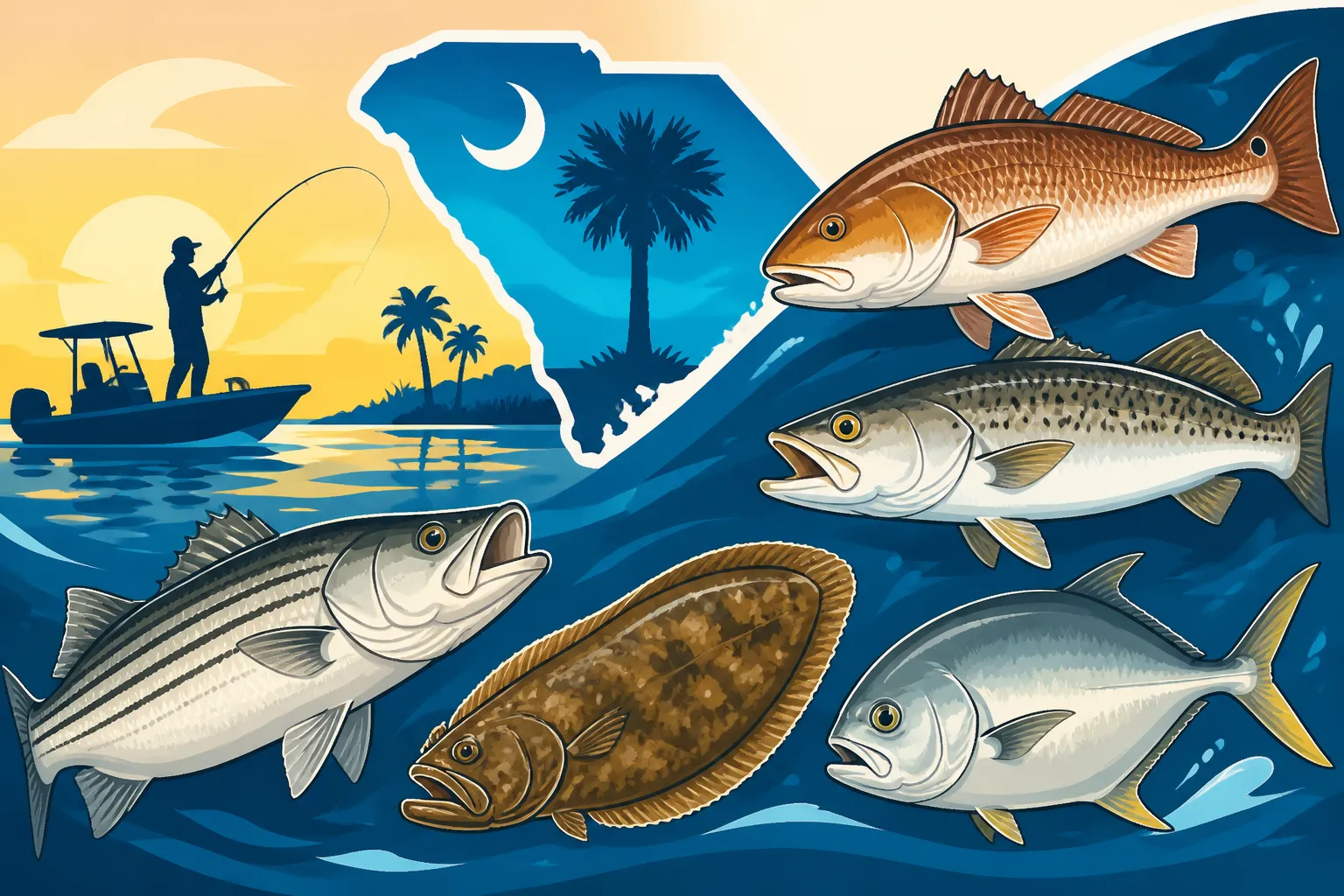
Ah, the redfish! Known affectionately as red drum, spot-tail bass, or just "reds," these fish are arguably the most iconic inshore species in South Carolina. They are powerful, aggressive, and incredibly beautiful, with that signature black spot (or spots!) on their tail. Redfish love to patrol the shallow grass flats and oyster beds, particularly during high tide when they'll "tail" as they root around for crabs and shrimp. They fight hard, with powerful runs that will test your tackle and your resolve. Targeting redfish often involves sight-fishing in clear, shallow water, making for an incredibly visual and exciting experience. It's a true game of cat and mouse, presenting a lure or bait just right without spooking them. You can dive deeper into all aspects of catching these beauties with our guide on Redfish Fishing in South Carolina: Rules, Spots, and Tips.
When you hook into a healthy redfish, be prepared for a spirited battle. They aren't known for aerial acrobatics like some other species, but their sheer power and stamina are legendary. Many anglers use medium-heavy spinning rods paired with braided line to effectively battle these strong fish, especially when they try to wrap you around an oyster raker. For bait, live shrimp, mud minnows, and cut mullet are perennial favorites, but artificial lures like soft plastics on a jig head, spoons, and topwater plugs can be incredibly effective, especially in early mornings or late evenings. For a solid setup, check out the various rod and reel combos available on Amazon that are specifically designed for inshore saltwater action.
Spotted Seatrout: The Speckled Beauties of the Shallowness
Another cornerstone of South Carolina's inshore fishing scene is the spotted seatrout, often just called "specks" or "trout." These graceful predators are characterized by their iridescent bodies and numerous small black spots, giving them a distinctive appearance. Unlike redfish, trout tend to prefer slightly deeper pockets of water within the estuaries, often congregating around oyster reefs, submerged structure, or grass lines where current brings food to them. They have a softer mouth than redfish, so a gentle hand is often needed to avoid pulling the hook. However, what they lack in raw power, they make up for in their aggressive strikes and delicious table fare.
Fishing for spotted seatrout can be incredibly rewarding, especially during cooler months when they tend to school up. Popular techniques include fishing with live shrimp under a popping cork, which creates a "shrimp fleeing" sound that attracts their attention. Artificial lures like soft plastic grubs, shrimp imitations, and MirrOlure plugs are also highly effective. Light to medium-light spinning gear is typically preferred to handle their softer bites and prevent tearing the hook free. Understanding their behavior and habitat is crucial for success, and our comprehensive guide, Spotted Seatrout in South Carolina Waters: The Full Guide, offers a wealth of information. Remember that these fish have specific regulations, including South Carolina's 10-Fish Spotted Seatrout Daily Limit Explained, which anglers must adhere to for conservation.
Flounder: Masters of Ambush
The ultimate camouflage artists of the inshore waters, flounder are flatfish renowned for their delicious white meat and their unique predatory style. They lie perfectly camouflaged on the sandy or muddy bottom, often near structure like jetties, docks, or oyster beds, waiting to ambush unsuspecting prey. Their eyes are on one side of their head, allowing them to scan upwards while remaining hidden. Catching a flounder requires a keen sense of touch and patience, as their bite is often a subtle "thump" rather than an aggressive strike. However, once hooked, they can put up a surprisingly strong fight, using their flat bodies to create resistance in the water.
Targeting flounder usually involves techniques that present bait or lures close to the bottom. Live mud minnows, finger mullet, or shrimp are excellent choices, often fished on a Carolina rig or a jig head bounced along the bottom. Artificial lures like soft plastic jerkbaits or grubs, also fished slowly along the bottom, can be very productive. Piers, docks, and inlet mouths are classic flounder hotspots. When a flounder takes the bait, it often "mouths" it before committing, so a slow, patient count before setting the hook is key. For more in-depth knowledge on these flatfish, check out our Flounder Fishing Guide for South Carolina Anglers, and always be mindful of South Carolina Flounder Fishing Regulations Explained before heading out.
Nearshore and Pier Fishing Favorites
Beyond the calm of the tidal creeks, but still within sight of our beautiful coastline, lies another exciting fishery. Nearshore waters, including the areas just outside the inlets, artificial reefs a few miles out, and our numerous fishing piers, offer a different set of challenges and target species. These areas are often a transition zone, attracting both inshore residents and migratory visitors.
Sheepshead: The Convict Fish of Structure
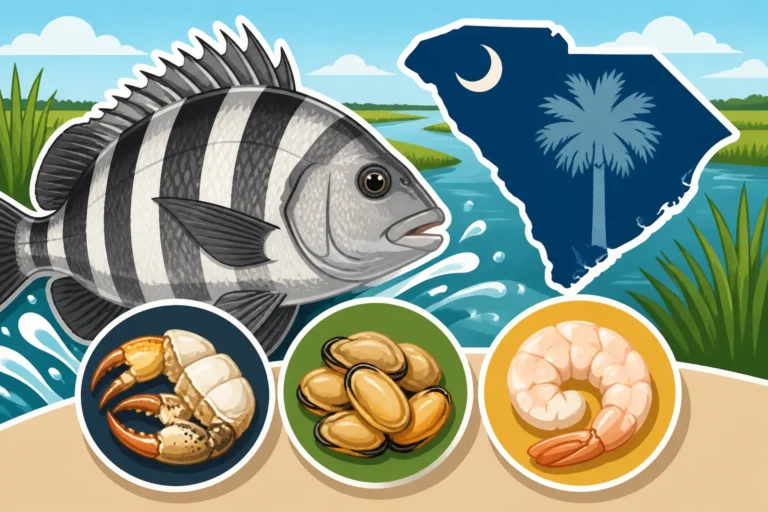
Sheepshead are a fascinating and challenging fish to target in South Carolina's nearshore waters. Named for their distinctively human-like teeth, which they use to crush crustaceans and mollusks, they are often found around hard structures like bridge pilings, jetties, rock walls, and oyster reefs. Their striped, "convict" patterned bodies make them easily identifiable. What makes sheepshead fishing so addictive is their notoriously light bite. They are masters at stealing bait, nibbling it cleanly off the hook without the angler ever feeling a thing. It requires extreme focus and a quick hook set to catch these wily fish.
To successfully target sheepshead, you need to be precise and patient. Small, sharp hooks are essential, often tipped with fiddler crabs, barnacles, or pieces of oyster. Anglers typically fish vertically right next to the structure, dropping their bait directly into the sheepshead's feeding zone. The bite is often described as a faint "tap" or just a slight weight, and you have to set the hook immediately. Sheepshead Fishing Tips for South Carolina's Brackish Waters offers excellent advice for mastering this unique species. While not known for long runs, they put up a powerful, stubborn fight in close quarters, trying to dive back into the structure, which can be thrilling on light tackle. Don't forget a pair of sturdy gloves for handling them once caught!
Spanish Mackerel: Speedsters of the Nearshore
When the water warms up, Spanish mackerel become a highly sought-after species in South Carolina's nearshore and surf zones. These sleek, torpedo-shaped fish are built for speed, making them an exhilarating catch. They typically hunt in schools, feeding on baitfish near the surface, often indicated by diving birds or disturbances in the water. Spanish mackerel are renowned for their blistering runs and sharp strikes, providing fast-paced action for anglers trolling or casting light lures. Their metallic silver bodies with yellowish-gold spots make them a beautiful sight, and they are excellent table fare when fresh.
Trolling small spoons, Gotcha Plugs, or casting metal jigs are popular and effective methods for Spanish mackerel. They are attracted to shiny, fast-moving baits that mimic the small baitfish they prey upon. Many anglers fish for them from piers, casting jigs and plugs out into the schools as they pass by. A medium-light spinning rod with a fast retrieve reel is ideal for keeping up with these speedsters. Always be prepared for a sudden, aggressive strike that can strip line off your reel in a hurry. You might want to pick up a few extra spoons or jigs from Amazon, as they can sometimes get cut off by these toothy critters!
Black Drum: The Bigger, Brooding Cousin
Often overshadowed by their more famous red drum relatives, black drum are another fantastic species found in South Carolina's nearshore and inshore waters, particularly around deeper channels, oyster beds, and structures. These robust fish can grow considerably larger than redfish, with trophy specimens weighing over 50 pounds. They are characterized by their high, arched back, whisker-like barbels under their chin, and a generally darker, more mottled coloration. While redfish are known for their golden hue, black drum are often a darker, more subdued gray-black. Their fight is typically a powerful, grinding battle rather than a fast run, making them a formidable opponent on heavy tackle.
Black drum are bottom feeders, using those chin barbels to locate crabs, oysters, and shrimp. Therefore, bottom fishing with bait is the most effective technique. Pieces of crab, shrimp, and cut fish are all excellent choices, presented on a Carolina rig. Unlike sheepshead, their bite is usually a more distinct thump, though still requiring a quick reaction. They are a common catch from piers, especially those located over deeper channels or near structure. While not as flashy as some other species, the sheer size and power of a large black drum make for a memorable fight. Keep an eye out for them around the same areas you might find sheepshead, as they share a love for crustacean-rich structural habitats.
Offshore Adventures: Deepwater Giants
For those willing to venture further out into the expansive waters of the Atlantic, South Carolina's offshore fishing scene offers the chance to tangle with some truly impressive pelagic species. These fish are typically strong, fast, and often incredibly beautiful, providing the ultimate big-game angling experience. Often, these trips require booking South Carolina Offshore Fishing Charters Explained due to the specialized boats and gear needed.
Mahi-Mahi Dolphin Fish: The Colorful Acrobats
Mahi-mahi, also known as dolphin fish (though unrelated to marine mammals), are one of the most exciting and visually stunning species you can encounter offshore in South Carolina. Known for their brilliant, iridescent colors – electric blues, greens, and yellows – that flash vibrantly when they're fresh out of the water, these fish are also incredible fighters. They are fast, acrobatic, and will often jump clear of the water multiple times during a fight, providing an unforgettable spectacle. Mahi-mahi are highly migratory and typically found in warmer offshore waters, often congregating around weed lines, floating debris, or temperature breaks.
Trolling ballyhoo, lures, or a combination of both is a common and highly effective method for mahi-mahi. When one fish is hooked, it's often a good idea to keep it in the water near the boat, as other mahi-mahi in the school will often follow it, creating a "bail out" scenario where multiple fish can be hooked. Medium-heavy conventional or spinning tackle is usually preferred, allowing anglers to handle their strong runs and aerial displays. Beyond the incredible fight, mahi-mahi are also highly prized for their firm, flaky, and delicious white meat, making them a fantastic catch all around. For anglers looking for a challenging and rewarding offshore experience, chasing mahi is truly hard to beat.
King Mackerel: Royalty of the Deep Blue
King mackerel, or "kings," are another highly sought-after offshore species known for their incredible speed, power, and razor-sharp teeth. These large, streamlined predators can be found anywhere from nearshore reefs to dozens of miles offshore, depending on water temperature and bait availability. They are often targeted by anglers using live bait slow-trolled or drifting, as well as by high-speed trolling with artificial lures. A king mackerel strike is often violent and unmistakable, with the line screaming off the reel as the fish makes an initial blistering run.
When targeting king mackerel, wire leaders are absolutely essential due to their formidable teeth. Live bait such as pogies (menhaden), blue runners, or mullet are top choices, often fished on a stinger rig. For artificials, large spoons, skirts, and plug lures trolled at varying speeds can also be very effective. Many anglers participate in king mackerel tournaments, highlighting the competitive spirit and dedication surrounding this species. The thrill of a king's strike and the challenge of bringing one to the boat make them a perennial favorite for offshore enthusiasts. Just remember to have a good pair of long-nosed pliers and a dehooker on hand!
Tuna and Wahoo: High-Speed Pelagics
For the truly adventurous offshore angler, South Carolina's deep waters offer opportunities to tangle with tuna (primarily blackfin and sometimes yellowfin) and wahoo. These are among the fastest and most powerful fish in the ocean, representing the pinnacle of pelagic sportfishing. Tuna are renowned for their endurance, fighting hard and deep for extended periods, while wahoo are famous for their explosive, lightning-fast initial runs and sharp teeth that can slice through monofilament. Both species are highly migratory and are typically found further offshore, often associated with structure like ledges, seamounts, or the edges of the Gulf Stream.
Trolling is the primary method for targeting tuna and wahoo, often using a spread of artificial lures like skirted baits, cedar plugs, or ballyhoo rigged with heavy leaders. High-speed trolling is particularly effective for wahoo, which seem to be triggered by baits moving at rapid speeds. Heavy-duty conventional tackle, often 50-pound class or higher, is necessary to stand a chance against these incredible fish. The fight with a tuna can be a grueling test of strength and stamina, while a wahoo's strike and initial run are nothing short of spectacular. Both are exceptional table fare, making the hard work of catching them even more rewarding. It's truly a bucket-list experience for any serious angler.
Essential Tips for Targeting South Carolina Saltwater Species
Successfully targeting South Carolina's diverse saltwater species isn't just about knowing what fish are out there; it's about understanding the nuances of how to approach them. From the gear you choose to the conditions you fish in, a few key considerations can make all the difference between a memorable trip and a frustrating one.
Gear Up for Success
Having the right tackle is absolutely fundamental when you're chasing saltwater species. Freshwater gear simply won't stand up to the corrosive effects of salt and the brute strength of many of our coastal fish. For inshore species like redfish, trout, and flounder, a medium-light to medium-heavy spinning rod and reel combo, spooled with 10-20 lb braided line and a fluorocarbon leader, is a versatile setup. This allows for sensitive feel, long casts, and enough power to handle most inshore fighters. You can find excellent quality inshore combos on Amazon that strike a good balance between durability and performance. Don't forget a good pair of pliers, a fishing towel, and a measuring device to ensure your catches meet South Carolina Redfish Slot Limit Rules and other size regulations.
As you move to nearshore and offshore fishing, your gear needs to scale up significantly. For species like king mackerel or mahi-mahi, you'll want heavier conventional reels or powerful spinning outfits spooled with 30-50 lb braid, paired with sturdy rods that can handle the stress of prolonged battles. Wire leaders become critical for toothy species. Beyond rods and reels, think about your bait and tackle box essentials. A variety of jigs, soft plastics, spoons, and topwater lures, especially those recommended for Best Lures for Inshore Redfish Fishing or Best Lures for Spotted Seatrout in Grass Flats, will ensure you're prepared for different conditions and fish preferences. And, of course, a reliable cooler with plenty of ice is non-negotiable for preserving your catch.
Tides, Seasons, and Techniques
Understanding the rhythm of the tides and the seasonal patterns of fish migration is paramount for saltwater success in South Carolina. Our inshore fishing, in particular, is heavily influenced by tidal movement. An incoming tide might push baitfish into shallow creeks, making redfish active, while an outgoing tide can concentrate fish around specific points or drains. Learning Tide-Based Techniques for Inshore Fishing will drastically improve your catch rates. Similarly, different species are more active during certain seasons. Spanish mackerel are abundant in warmer months, while larger seatrout might be more prevalent in cooler weather. Our comprehensive guide on South Carolina Saltwater Fishing Seasons will help you plan your trips to coincide with peak activity for your target species.
Beyond tides and seasons, refining your fishing techniques is key. For trout, a popping cork with live shrimp can be deadly, while for redfish, casting a weedless spoon into shallow grass flats is a classic move. Bottom fishing with cut bait or live shrimp on a Carolina rig works wonders for flounder and black drum. For those venturing offshore, trolling specific baits at certain depths and speeds is an art form that takes practice. Experimentation is part of the fun, but starting with proven methods for Inshore Trout Fishing Techniques for Beginners or How to Catch Redfish in South Carolina's Lowcountry will give you a solid foundation. Remember, a good fishing report from a local bait shop can be gold, offering real-time insights into what's biting and where.
South Carolina's saltwater fishing offers something for everyone, from the casual bank angler to the dedicated offshore warrior. With such a diverse array of species and habitats, every trip holds the promise of a new adventure and a thrilling catch. By understanding our coastal ecosystem, knowing which species to target, gearing up appropriately, and paying attention to the rhythms of the ocean, you're well on your way to experiencing the magic of fishing the Palmetto State's magnificent coast.
Disclaimer
This article is for general informational purposes only and does not constitute professional advice. Laws, prices and regulations vary by location and change over time. Consult a qualified professional for guidance on your specific situation.