Best Time of Year to Catch Crappie
Let's be real, figuring out the best time to hit the water for crappie in South Carolina can feel like trying to solve a puzzle with missing pieces. You hear whispers of different seasons, conflicting advice from seasoned anglers, and sometimes you just end up casting into empty water. This comprehensive guide is here to cut through the confusion, helping you understand the crappie's seasonal rhythms across the Palmetto State, so you can plan your trips for maximum success and finally fill that cooler.
The Crappie Calendar in South Carolina: Why Timing is Everything
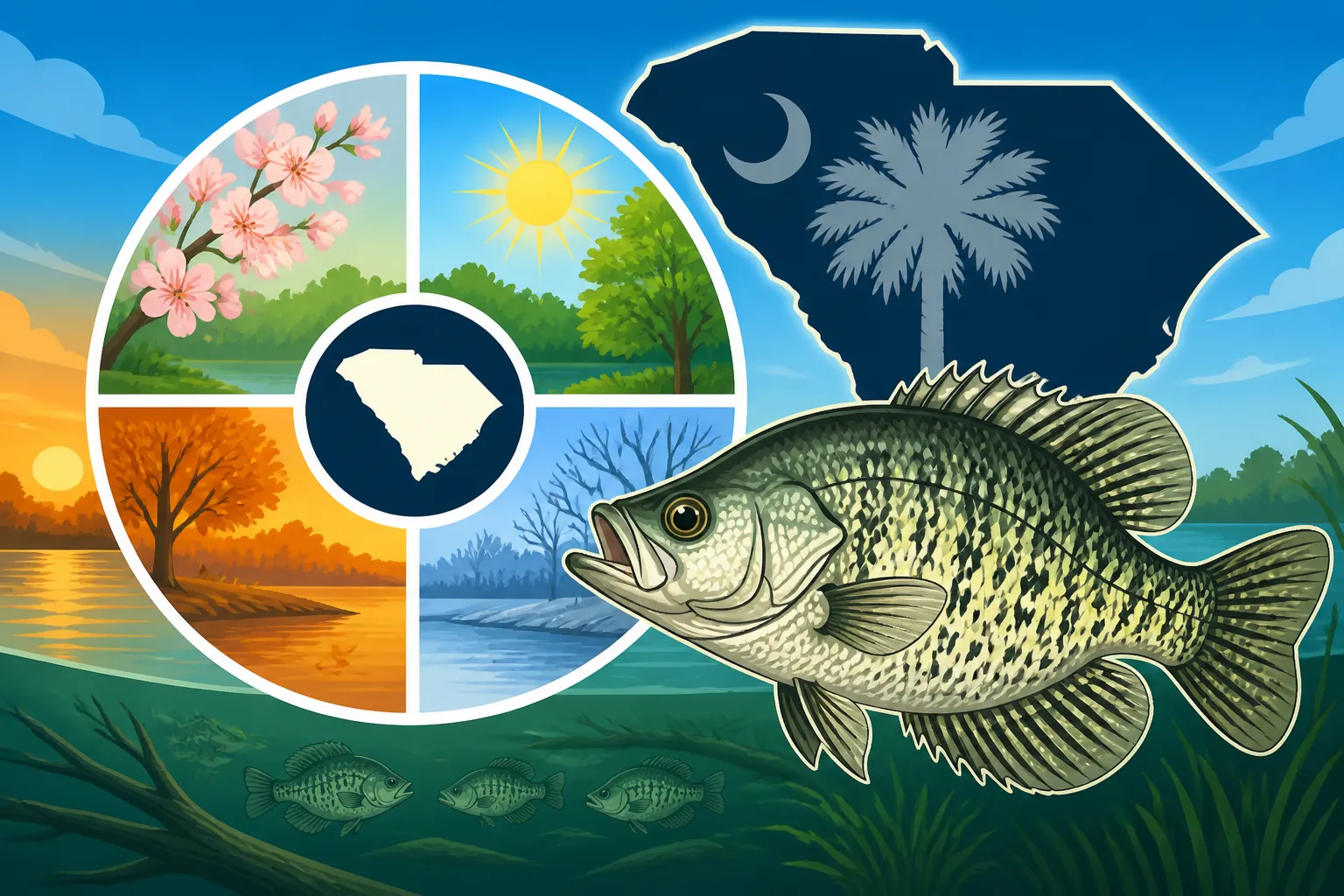
Understanding the annual cycle of crappie in South Carolina isn't just about knowing when they bite; it's about predicting their movements, their feeding habits, and ultimately, where you need to drop your line. Crappie are incredibly sensitive to changes in water temperature, sunlight, and even barometric pressure. These factors dictate everything from their depth to their aggression levels, and once you grasp these patterns, you’ll unlock a whole new level of fishing prowess. It's not just about luck; it's about strategy, and that strategy starts with the calendar.
Spring: The Golden Hour for Crappie
Ah, spring! For many crappie anglers in South Carolina, this is the most anticipated time of year. As the days lengthen and the sun warms the shallows, crappie begin their annual migration from deeper winter haunts towards the banks for their spawning ritual. This period, roughly from late February through May, offers some of the most consistent and exciting crappie fishing opportunities. You'll find them in predictable locations, often in large numbers, making it a fantastic time for both novice and experienced anglers.
Pre-Spawn Crappie: Warming Up for the Big Event
The pre-spawn phase, typically starting in late February or early March when water temperatures nudge into the low to mid-50s Fahrenheit, is when crappie really start to get active. They’re moving from their deep winter holes into staging areas—often creek channels, secondary points, and the mouths of coves—where they'll feed heavily to build up energy for spawning. This is a fantastic time because they’re hungry, aggressive, and often schooled up. Think of it as their last big meal before the arduous task of procreation.
You might find them congregating around submerged brush piles, standing timber, or even bridge pilings in 8-15 feet of water. Targeting these structures with small jigs, like 1/16 to 1/8 ounce, tipped with minnows or soft plastics, can be incredibly effective. Slow trolling or spider rigging multiple rods with different depths and bait options can help you quickly locate the schools. Lakes like Santee Cooper, with its vast shallow water and abundant structure, or Lake Moultrie, with its expansive stump fields, become crappie magnets during this time. For more specific tactics, you might want to read up on how to fish a jig for crappie in deep water, or explore some of the Best Crappie Spots on the Santee Cooper Lakes.
Spawning Crappie: Shallows and Structure
The peak spawning period hits when water temperatures consistently hover between 60-68 degrees Fahrenheit, usually from late March through April, depending on the specific lake and spring weather. This is when crappie move right into the super shallow water, often less than 5 feet deep, to lay their eggs. They seek out firm bottoms, usually near some kind of cover like submerged logs, weed beds, cypress knees, or even boat docks. This phase is legendary because you can sometimes literally see the fish guarding their nests.
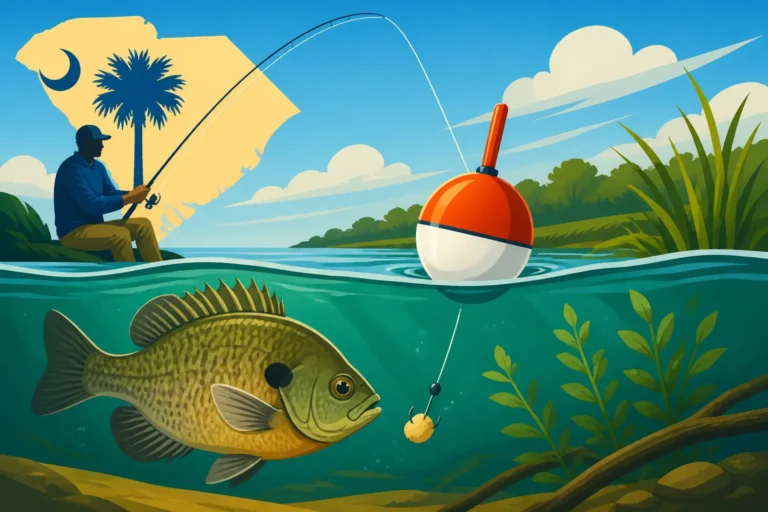
Light tackle is key here. Small jigs, typically 1/32 or 1/16 ounce, fished under a bobber are incredibly effective. A tiny minnow can also be irresistible. The trick is to be quiet and approach these areas slowly. Fan casting around likely cover will help you pinpoint their exact locations. If you're looking to really dial in your approach, learning How to Find Crappie in Spring can make all the difference. Sometimes, just a small change in jig color can trigger a bite, so it's a good idea to stock up on a variety of crappie jigs on Amazon before your trip.
Post-Spawn Crappie: Retreat and Recovery
After the rigors of spawning, crappie usually retreat from the extreme shallows. This post-spawn phase, typically in May and early June, can be a bit trickier but still very productive. The fish are often recovering and might be a little lethargic at first, but they quickly regain their appetite and disperse a bit more. They often move to slightly deeper water than where they spawned, perhaps to 5-10 feet, but still close to cover and food sources.
Look for them around drop-offs, the edges of weed lines, or deeper brush piles in coves and bays. They're still interested in jigs and minnows, but you might need to present them a bit slower or at slightly different depths. This is a good time for slow-trolling techniques, letting your baits cover more water until you find concentrations of fish. Remember, while the frenzy of the spawn might be over, plenty of hungry crappie are still out there.
Summer: Deep Water Challenges and Opportunities
When the scorching South Carolina summer sun takes hold and water temperatures climb into the 80s, crappie generally pull a vanishing act from the shallow areas. This is where many anglers get frustrated, assuming the fishing has completely shut down. While it certainly requires a different approach, summer crappie fishing can be incredibly rewarding if you know where to look and how to adapt your tactics. The key shifts from shallow cover to deeper, cooler water.
Deep Water Retreat: Finding the Thermocline
As the surface waters heat up, many South Carolina lakes stratify, forming a thermocline – a distinct layer where the water temperature changes rapidly. Crappie, being cold-blooded creatures, will seek out the cooler, oxygenated water just above or within this thermocline. This can often mean finding them in depths of 15-30 feet, sometimes even deeper in larger impoundments like Lake Hartwell or Lake Murray. They'll relate to deep structures like submerged humps, old creek channels, river bends, and vast brush piles on main lake points.
A good quality crappie sonar unit, easily found on Amazon, becomes an indispensable tool during the summer months. You'll be looking for baitfish schools and arcs of crappie hugging the bottom or suspended over deep structures. Once you mark them, vertical jigging with small jigs or tightlining with minnows directly into the school is the most effective approach. This isn't the run-and-gun fishing of spring; it's a more methodical, almost surgical, operation. Learning How to Jig for Crappie in Deep Water will become your summer mantra.
Night Fishing for Crappie: Beating the Heat
One of the best-kept secrets for summer crappie in South Carolina is night fishing. When the sun goes down, the crappie often become more active, moving up slightly in the water column as predatory pressures from other species lessen. Anglers use submersible crappie lights to attract plankton, which in turn attracts baitfish, and eventually, crappie. This creates a floating ecosystem right under your boat.
Setting up near a deep channel or a submerged structure with your lights deployed can lead to incredible action. You'll still want to fish vertically with small jigs or minnows, varying your depth until you find where the crappie are suspended in the light cone. It’s a peaceful, often productive way to escape the daytime heat and enjoy a unique fishing experience. If you’re curious about specific tactics, check out "Can You Catch Crappie at Night?" for more details.
Fall: Transition and Feeding Frenzies
Just like spring, fall is another prime time for crappie fishing in South Carolina. As the oppressive summer heat begins to wane and water temperatures start to drop, crappie undergo another significant shift in behavior. They sense the impending winter and begin to feed aggressively, packing on fat for the lean months ahead. This makes them highly catchable and often concentrated.
Autumn's Abundance: Locating Fall Crappie
As the water cools, usually from September through November, crappie will start to migrate out of their deepest summer haunts. They won't rush back into the extreme shallows right away, but they will move shallower than their summer depths, often congregating in 10-20 feet of water. Look for them around the mouths of major creek arms, on secondary points, and particularly around submerged brush piles, ledges, and standing timber along these migration routes. They will often school up tightly, making it possible to catch many fish once you locate a productive spot.
The key to fall crappie is covering water. Trolling small crankbaits or jigs at various depths can help you find those schools faster. Once you get a bite, hit the brakes and thoroughly work that area, as there are likely many more crappie nearby. If you’re looking for specific strategies for this season, a good resource would be Crappie Fishing Techniques for Fall. On lakes like Lake Wateree, which has plenty of creek channels and timber, fall crappie fishing can be truly outstanding.
Adjusting Techniques for Cooler Waters
While crappie are aggressive in the fall, they're not quite as frantic as during the spring spawn. Their metabolism is slowing down with the dropping water temperatures, so slower presentations often work best. Continuing to use small jigs (1/16 or 1/8 ounce) tipped with minnows or soft plastics is a tried-and-true method. However, don't be afraid to experiment with different jig colors; sometimes bright colors like chartreuse or orange work wonders, while other times a more natural white or black can be deadly. You can find a huge selection of jig colors on Amazon to ensure you're always prepared.
Another excellent fall technique is tightlining, especially if you're fishing vertical cover like standing timber or bridge pilings. This involves dropping a jig or minnow straight down, keeping a tight line, and feeling for the lightest taps. The fish might not hammer it, so paying close attention to your line is crucial. You can delve deeper into this method by reading about Tightlining Techniques for Crappie Explained. The fall is a rewarding season, offering both quantity and quality if you adjust your tactics to match the crappie's behavior.
Winter: The Art of the Slow Bite
Many anglers pack away their crappie gear once the cold winds of winter blow through South Carolina, but that’s a mistake! While winter crappie fishing can be the most challenging, it can also produce some of the biggest fish of the year. Crappie are still biting; they're just doing it much slower, and they're usually found in very specific, deeper locations. The biggest challenge isn't catching them, it's finding them.
Cold Weather Tactics for Crappie
In the coldest months, typically December through February, crappie movements are minimal. Their metabolism slows down significantly, meaning they don't need to eat as often. They'll typically be found concentrated in deep water, often in the main lake basins, deep creek channels, or around the deepest standing timber and brush piles. Depths of 25-40 feet are not uncommon, especially in larger impoundments.
The key technique for winter crappie is slow, methodical fishing. Vertical jigging with tiny 1/32 or even 1/64 ounce jigs, or presenting a small minnow on a light wire hook, is often the most effective. Your bites will be extremely subtle—a slight tap, a feeling of weight, or even just your line going slack. Watching your electronics for baitfish and crappie schools is absolutely critical. Consider dressing in warm, waterproof layers, which you can often find great deals on through Amazon, because you'll be spending more time stationary.
Best Locations for Winter Crappie
Crappie in winter will seek out stable environments. They'll often school up in large numbers around major creek channel bends, especially those that feature abundant deep brush or timber. Main lake points that drop off quickly into deep water are also prime areas. Another excellent spot can be deep bridge pilings or even the warmer discharge areas of power plants, where available.
On lakes known for their crappie populations, like Lake Moultrie, anglers often target the main river channel or deep ledges. The fish will be tightly packed, so once you find one, you've likely found a whole school. The patience required for winter crappie fishing is immense, but the reward of a stringer full of chunky "slabs" is well worth the effort.
Key Factors Influencing Crappie Behavior Beyond the Calendar
While understanding the seasonal calendar is crucial, it's not the only piece of the puzzle. Crappie are constantly reacting to their environment, and being able to read these subtle cues will make you a more consistent angler, no matter the time of year. Think of the calendar as your broad roadmap, and these factors as the real-time traffic updates.
Water Temperature is King
If there's one single factor that dictates crappie behavior more than any other, it's water temperature. It's the primary trigger for spawning, feeding activity, and depth preference. Crappie are poikilothermic, meaning their body temperature matches their environment. When the water is cold, their metabolism slows down, making them less active and less hungry. When it warms, they become more active and need to feed more frequently.
| Season | Water Temperature Range | Crappie Behavior | Typical Depth | Key Techniques |
|---|---|---|---|---|
| Early Spring (Pre-Spawn) | 50-59°F | Active, feeding heavily | 8-15 ft | Slow trolling, jigging |
| Mid-Spring (Spawn) | 60-68°F | Spawning, highly active | 2-8 ft | Bobber & jig/minnow, sight fishing |
| Late Spring (Post-Spawn) | 69-75°F | Recovering, dispersing | 5-10 ft | Slow trolling, vertical jigging |
| Summer | 76-85+°F | Deep, less active during day | 15-30+ ft (thermocline) | Vertical jigging, night fishing |
| Fall | 60-75°F | Aggressive feeding | 10-20 ft | Trolling, vertical jigging |
| Winter | Below 50°F | Slow metabolism, tight schools | 25-40+ ft | Slow vertical jigging, tightlining |
Knowing the current water temperature of your chosen lake or river will give you a significant advantage. Tools like a boat-mounted thermometer or even a simple handheld model can help you quickly find the "sweet spot" where crappie are most comfortable and active. For example, if it's spring and the water is only 55 degrees, you know they're likely in pre-spawn mode and not yet on the beds.
Weather Patterns and Their Impact
Beyond temperature, general weather patterns play a huge role. Cold fronts, heavy rains, prolonged sunny spells, and even wind can alter crappie behavior dramatically.
Post-Cold Front Blues
We've all experienced it: a beautiful warm day of fishing, followed by a sudden cold front that sweeps through. The next day, the fish just shut down. Crappie are particularly sensitive to these changes. A strong cold front usually means clear skies, high pressure, and a sudden drop in air temperature. This often pushes crappie deeper, makes them lethargic, and they become much harder to catch. You might need to scale down your baits, slow down your presentation, and fish deeper structures. Patience is key during these tough conditions.
Rain and Rising Water
Rainfall can have a mixed impact. A gentle rain can sometimes improve fishing by increasing water flow, washing in nutrients, and creating a low-light environment that encourages crappie to move shallower and feed. However, heavy, prolonged rains, especially those that muddy the water significantly, can scatter crappie and make finding them much more difficult. They might retreat to areas with clearer water or hug tight to cover. Fishing the edges of muddy water where it meets clear water can sometimes be productive.
Wind and Cloud Cover
Wind can be both a blessing and a curse. A light breeze can create a "crappie chop" on the water, breaking up the surface and making it harder for fish to see you, often improving the bite. Wind can also push baitfish, and thus crappie, towards certain banks or points. However, strong winds can make boat control difficult and fishing uncomfortable, driving crappie deeper or into more sheltered areas. Cloudy days, providing consistent low light, are often excellent for crappie fishing as it encourages them to stay active throughout the day, rather than retreating to deep cover.
By keeping an eye on the forecast and understanding how these elements interact with the seasonal patterns, you can make more informed decisions about when and where to cast your line, ensuring you make the most of your time on the incredible fishing waters of South Carolina.
Disclaimer
Please be aware that fishing regulations, including bag limits and size restrictions, can change. Always consult the latest regulations from the South Carolina Department of Natural Resources (SCDNR) before heading out on the water. This guide is for informational purposes only and does not constitute legal advice.