How to Catch Sheepshead Around South Carolina’s Piers and Jetties
Ah, the sheepshead! If you've ever spent hours staring at a rod tip, wondering if that subtle tap was a fish or just the current, you know the frustration and the ultimate thrill of pursuing this wily "convict fish" around South Carolina's coastal structures. It's not for the faint of heart, but with the right approach, reeling in a sheepshead from a pier or jetty can be one of the most rewarding angling experiences you'll find here in the Palmetto State. This guide is all about giving you the insider tips and tricks to transform those subtle taps into solid hookups.
The Sheepshead Enigma: Why They're So Challenging and Rewarding
Sheepshead are a fascinating species, known for their distinctive human-like teeth and their incredibly frustrating, often imperceptible bite. They're masters of larceny, capable of stripping your hook clean of bait without you ever feeling more than a ghostly whisper on your line. But don't let their thieving ways deter you! Landing one of these sturdy, hard-fighting fish, especially from the challenging environment of a pier or jetty, is a badge of honor for any South Carolina angler.
Identifying the "Convict Fish" and Their Preferred Haunts
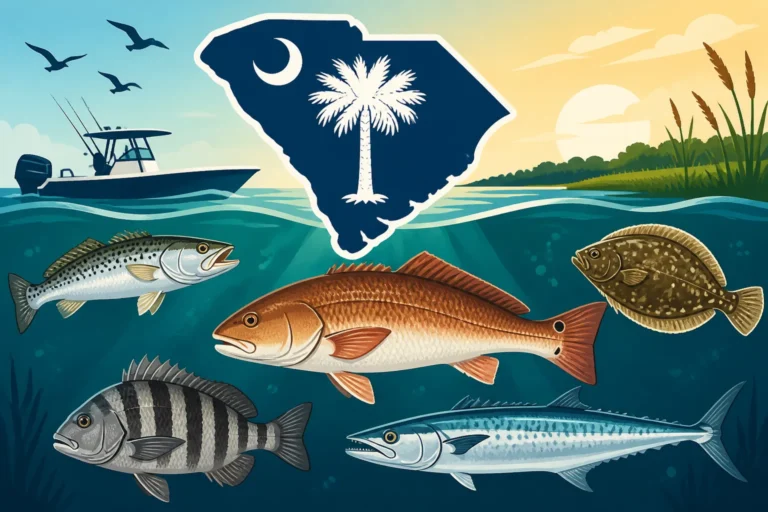
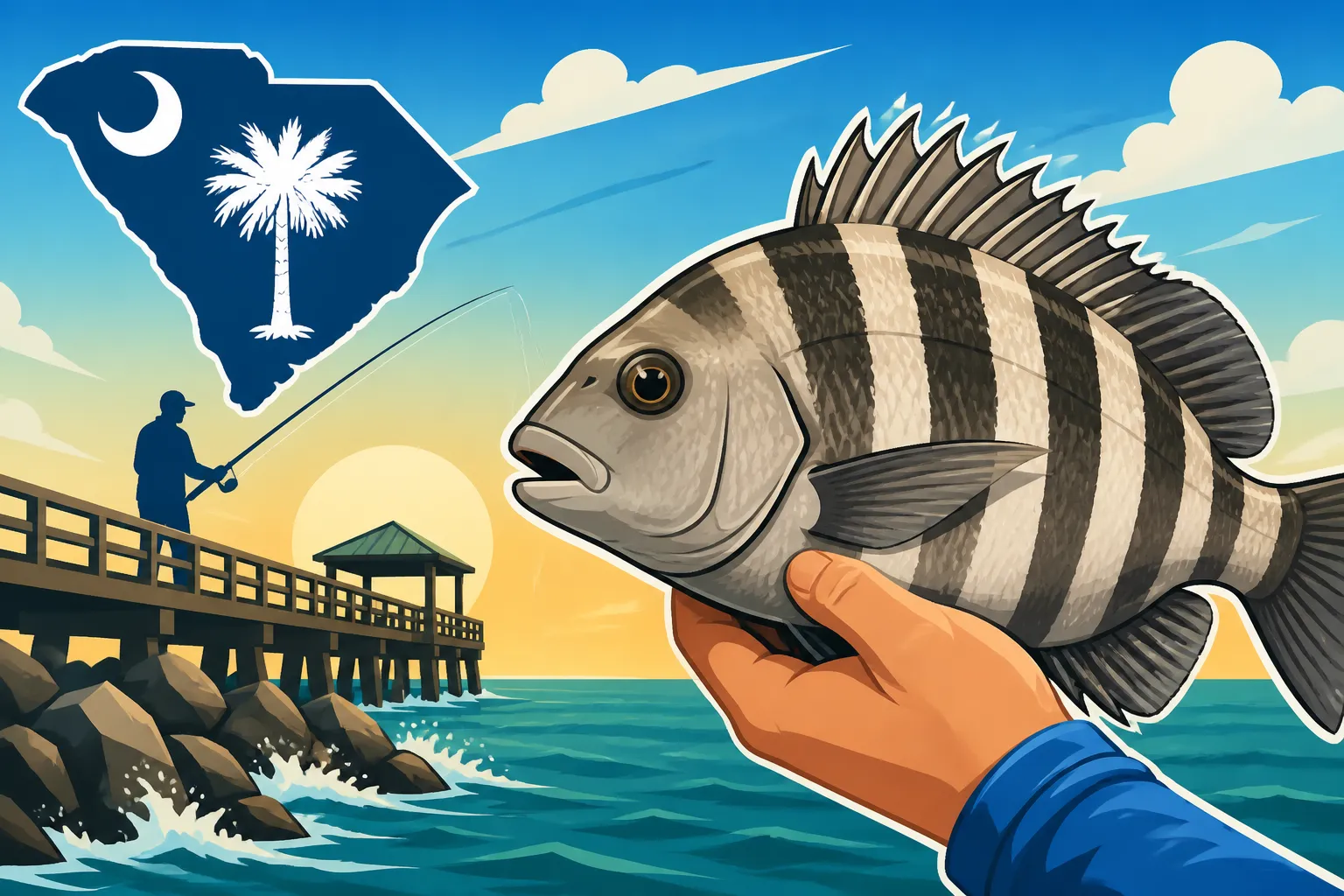
First things first, let's talk about identifying these striped beauties. Sheepshead get their nickname "convict fish" from the distinctive black and white vertical bars that run down their silver-gray bodies. They have a deep, compressed body, large dorsal and anal fins, and those unforgettable molars that are perfectly designed for crushing shellfish. When you hook one, you'll immediately feel their power – they pull hard and sideways, trying to rub your line against whatever structure they live near.
Speaking of where they live, sheepshead are absolute specialists when it comes to structure. They thrive in environments where they can find an abundance of their favorite foods, which are typically small crustaceans and shellfish. This means South Carolina's piers and jetties are prime real estate for them. Think about it: every piling, every rock, every oyster-encrusted crevice offers a smorgasbord of barnacles, crabs, and mussels. They'll hug these structures tightly, using them for shelter and as their personal buffet. Understanding Sheepshead Fishing Tips for South Carolina's Brackish Waters will help you visualize their preferred environments. You'll find them around the pilings of the Arthur Ravenel Jr. Bridge in Charleston, the fishing pier at Myrtle Beach, or the rock jetties that guard Murrells Inlet – basically, anywhere hard structure meets the salty tide.
Understanding Their Unique Diet and Behavior
The sheepshead's diet is key to understanding how to catch them. Those famous teeth aren't just for show; they're incredibly effective tools for scraping barnacles off pilings, crushing oyster shells, and cracking crab carapaces. This specialized diet means they're not generally interested in flashy lures or big chunks of cut bait like some other species. They're looking for natural, crunchy morsels, and they'll approach them with extreme caution.
Their feeding behavior is notoriously subtle. Unlike a redfish that might smash a bait or a trout that delivers a sharp thump, a sheepshead's bite is usually just a gentle "tick" or a slight pressure. It can feel like your bait just touched the bottom, or even like a tiny crab is picking at it. This delicate approach is exactly what makes them so challenging. They'll often mouth the bait, trying to ascertain if it's real before committing to a crush. If they feel any resistance or something unnatural, they'll simply let go and move on. Mastering the timing of your hookset to match this subtle bite is the ultimate goal, and it's a skill that only comes with practice and keen observation.
Assembling Your Sheepshead Arsenal: Rods, Reels, and Terminal Tackle
To outsmart a sheepshead, you need specialized gear that caters to their peculiar feeding habits and their close-quarters fighting style. Forget your heavy offshore rigs or your ultralight panfish setups; sheepshead demand a nuanced approach with tackle that offers both sensitivity and backbone. Many anglers find it convenient to source their gear from large online retailers. For instance, you can often find a great selection of suitable rods and reels on platforms like Amazon, offering competitive prices and a wide array of brands.
Rod and Reel Combinations for Pier and Jetty Fishing
When it comes to rods, you're looking for a delicate balance. You need a rod with a sensitive tip to detect those almost imperceptible bites, but enough backbone in the lower section to pull a stubborn sheepshead away from pilings or jagged rocks. A 7-foot medium-light to medium-action spinning rod is often ideal. Graphite rods are excellent for sensitivity, allowing you to feel every bump and scrape, which is crucial for distinguishing a bite from general bottom contact. A fast action tip will help you make quick, precise hooksets.
Pair that rod with a quality spinning reel in the 2500 to 3000 size range. This size offers enough line capacity for pier and jetty fishing and a smooth drag system, which is essential when a sheepshead makes a strong run. Fill your reel with braided line, typically 10 to 15-pound test. Braid has virtually no stretch, which dramatically increases your sensitivity and helps you feel those subtle bites. It also provides excellent abrasion resistance, a huge plus when fishing around rough structures. You can pick up spools of your favorite braid on Amazon easily.
The Critical Terminal Tackle: Hooks, Sinkers, and Line
This is where the details truly matter for sheepshead. Your terminal tackle needs to be robust enough to withstand their crushing jaws and the abrasive environment, yet subtle enough to fool these wary feeders.
- Leader Material: Always use a fluorocarbon leader, typically 15 to 25-pound test. Fluorocarbon is nearly invisible underwater, which is a major advantage for skittish fish like sheepshead. Its abrasion resistance is also superior to monofilament, providing a buffer against barnacle-encrusted pilings.
- Hooks: This is perhaps the most critical component. Sheepshead have small mouths and very bony jaws, making hooksets tricky. You need small, super-sharp, strong hooks. Owners, Gamasakatsu, or other quality brands in sizes #1 to 1/0 are popular choices. Circle hooks can be effective for minimizing gut hooks, but many experienced sheepshead anglers prefer a J-hook for its quicker, more direct hookset when feeling those light bites.
- Sinkers: You want just enough weight to get your bait to the bottom and hold it there in the current, but not so much that it kills your sensitivity. Egg sinkers or bank sinkers in weights from 1/4 to 1 ounce are common. The exact weight will depend heavily on the strength of the current and the depth you're fishing.
Here's a quick comparison of common sheepshead hooks:
| Hook Type | Pros | Cons | Best Use Case |
|---|---|---|---|
| J-Hook | Excellent for quick, precise hooksets | Can lead to gut-hooked fish if not set immediately | Experienced anglers who can detect subtle bites quickly |
| Circle Hook | Reduces gut-hooking, often sets itself | Requires patience, less immediate feedback on the bite | Beginners, or when targeting multiple fish (e.g., from a boat) |
| Treble Hook | High hookup ratio on initial bite | Easily snags, often damages fish, not commonly used for sheepshead | Not recommended for sheepshead due to mouth structure |
Essential Accessories for a Successful Trip
Beyond your rod and reel, a few key accessories will make your sheepshead trip much more successful and enjoyable.
- Pliers/Forceps: Sheepshead have sharp spines and bony mouths. A good pair of long-nose pliers or specialized fishing forceps are essential for hook removal, protecting both your fingers and the fish.
- Bait Bucket/Cooler: Keeping your bait fresh is paramount. A small bait bucket with an aerator for live crabs or a cooler with ice for shrimp or cut bait will ensure your offerings are at their best.
- Landing Net: Many piers and jetties are high above the water. A long-handled landing net or a pier gaff is critical for safely landing your catch, especially larger fish. Trying to hoist a sheepshead by the line from a high pier is a recipe for disaster.
- Knife/Scissors: For preparing bait or cutting line.
- Rag/Towel: Sheepshead are slimy! A rag helps with handling both the fish and your gear.
- Sun Protection: Don't forget sunscreen, a hat, and polarized sunglasses. Polarized lenses are incredibly helpful for spotting structure underwater and sometimes even the fish themselves.
Remember to double-check local regulations for Saltwater Fishing Rules in South Carolina before you head out, and consider picking up any missing items for your tackle box, such as extra sinkers or leader material, conveniently on Amazon.
Decoding the Menu: Best Baits and Presentations for Sheepshead
When it comes to sheepshead, bait choice and presentation are paramount. These fish are finicky eaters, and they demand a natural, enticing offering presented in a way that doesn't spook them. You can't just toss out any old bait and expect success.
Top Baits That Sheepshead Can't Resist
Sheepshead are carnivores with a particular fondness for crustaceans and bivalves. Mimicking their natural diet is your best bet for success.
- Fiddler Crabs: Hands down, the most popular and often most effective bait for sheepshead in South Carolina. Fiddler crabs are naturally abundant in coastal marshes, making them a staple in the sheepshead's diet. Their hard shells and lively legs are irresistible. You can often catch your own fiddlers in local marsh mud or buy them from bait shops.
- Oyster or Clam Pieces: If you have access to fresh oysters or clams, small pieces of their meat can be deadly. The trick is to use just enough to cover your small hook, leaving the point exposed. The natural scent trail is a huge attractant.
- Barnacles: Believe it or not, scraping barnacles off pilings and using them as bait is incredibly effective, as it's exactly what sheepshead are doing anyway! It's a bit more effort, but if you're struggling, this can be a game-changer.
- Live Shrimp (peeled): While not always the top choice, a small, peeled live shrimp can sometimes entice a bite, especially if fiddler crabs are hard to come by. The key is to peel it to expose more scent and make it easier for the sheepshead to crush.
- Sand Fleas (Mole Crabs): These small crabs, found burrowing in the surf line, are another natural food source for sheepshead and can be very effective, particularly if you're fishing near sandy-bottomed jetties.
The absolute freshness of your bait cannot be overstated. A lively fiddler crab or a freshly shucked piece of oyster will always outperform a stale or dead offering.
Mastering the Art of Rigging and Bait Presentation
The perfect bait is useless if it's not presented correctly. Sheepshead are notorious bait stealers, so your rigging needs to be precise.
The most common and effective rig for pier and jetty sheepshead fishing is a variation of the Carolina rig, sometimes called a "knocker rig" or a simple sliding sinker rig. Here’s how you set it up:
- Main Line: Your braided main line comes off the reel.
- Sinker: Thread a small egg sinker (1/4 to 1 ounce, depending on current) directly onto your main line.
- Swivel: Tie a small, strong barrel swivel to the end of your main line. The sinker will slide freely above this swivel.
- Leader: To the other end of the swivel, tie a 12- to 18-inch section of fluorocarbon leader (15-25 lb test).
- Hook: Finally, tie your small, sharp hook to the end of your fluorocarbon leader.
The beauty of this rig is that when a sheepshead picks up the bait, the line slides freely through the sinker, allowing the fish to take the bait without immediately feeling the weight of the sinker. This reduces resistance and gives you a precious extra second to detect the bite before the bait is gone.
When presenting your bait, aim to drop it as close to the pilings, rocks, or other submerged structures as possible. That's where the sheepshead are feeding. Keep your line relatively taut, but not so tight that the fish feels immediate resistance. You want just enough tension to feel that subtle "tick." For fiddler crabs, hook them through the bottom of the shell and out the top, making sure the hook point is exposed. For oyster or clam pieces, use just enough to cover the hook, leaving the point clear. The idea is to make your bait look as natural and unassuming as possible.
Timing, Tides, and Techniques: Maximizing Your Sheepshead Success
Catching sheepshead isn't just about having the right gear and bait; it's also about understanding their behavior patterns, particularly how they react to tides and currents. Success often comes down to being in the right place at the right time with the right approach.
The Importance of Tides and Water Conditions
Sheepshead are highly influenced by tidal movement. They generally feed best during periods of moving water, which stirs up their natural food sources from the structure. Both incoming and outgoing tides can be productive, but many experienced anglers prefer the peak of the tide or the periods just before and after the full current. During slack tide, when the water isn't moving much, sheepshead often become less active.
The clarity of the water can also play a role. While sheepshead are masters of structure, extremely clear water can make them even warier. Conversely, very muddy water can make it harder for them to find your bait. A moderately clear to slightly stained water often provides the ideal balance. Pay attention to how the tide is flowing around the pier pilings or jetty rocks. Sheepshead will often position themselves on the leeward side of the structure, out of the strongest current, waiting for food to wash by. Finding these current breaks can be incredibly productive. You can find more information on Tide-Based Techniques for Inshore Fishing.
Stealth and Patience: The Keys to Hooking a Nibbler
This is arguably the hardest part of sheepshead fishing. Because their bite is so subtle, it requires immense patience, focus, and a lightning-fast hookset.
- Feel the "Tick": Your primary goal is to feel that tiny "tick," "tap," or simply increased pressure on your line. It's often so faint that you'll second-guess yourself. Don't! If you feel anything out of the ordinary, assume it's a sheepshead.
- The Quick Set: The moment you feel that tick, you need to set the hook. Not a huge, sweeping bass-style hookset, but a quick, sharp upward or sideways snap of the wrist. Remember, they have bony mouths, so you need to drive that small, sharp hook home. If you wait even a second too long, they'll often spit the bait or cleanly clip it off your hook with those strong teeth.
- Stay Focused: Sheepshead fishing is not for multi-taskers. You need to keep your eyes on your rod tip and your hand ready to strike at all times. Any distraction can mean a missed fish. It's a game of wits, and the sheepshead are usually winning until you learn their game.
Locating Prime Sheepshead Structure on Piers and Jetties
Just because you're on a pier or jetty doesn't mean every spot is equally good. You need to actively seek out the best sheepshead habitat.
- Pilings and Buoy Chains: On piers, focus on the pilings that are heavily encrusted with barnacles and oysters. The more growth, the more natural food sources, and the more likely sheepshead will be present. Also, check around any submerged debris or old anchor chains that might be accumulating marine growth.
- Rock Piles and Rubble: On jetties, look for sections where there's a lot of varied rock structure, crevices, and areas where currents are creating eddies or washing food. Underwater rock piles, especially those with visible growth, are sheepshead magnets.
- Depth and Shade: Sheepshead can be found at various depths, but often they'll be in the shallower sections closer to the surface if there's good cover and food. In bright sun, they might prefer the shaded side of a piling.
- Oyster Beds: If the pier or jetty is adjacent to or built over an oyster bed, those areas are absolute goldmines. The sheepshead will patrol the edges of these beds, feeding on exposed oysters and the myriad of other creatures living within them. Exploring spots like Charleston Harbor Sheepshead Fishing Spots will give you a real-world perspective on these prime locations.
By combining the right gear with the perfect bait, understanding tidal influences, and employing meticulous technique, you'll greatly increase your chances of bringing one of these hard-fighting and delicious fish to hand. Trust me, once you feel that distinctive sheepshead tug and land your first "convict," you'll be hooked!
Disclaimer
This article is for general informational purposes only and does not constitute professional advice. Laws, prices and regulations vary by location and change over time. Consult a qualified professional for guidance on your specific situation.