South Carolina Stocked Trout Daily Limit
There's nothing quite like the crisp air of the South Carolina mountains, the sound of rushing water, and the promise of a trout at the end of your line. But let's be honest, figuring out the specific rules for keeping those beautiful fish, especially when it comes to stocked trout, can feel like trying to untangle a particularly stubborn fishing knot. It's frustrating to plan a perfect day only to second-guess if you're even allowed to keep that lovely rainbow. This guide is here to clear up all that confusion, breaking down the daily limits for stocked trout in South Carolina so you can fish with confidence and enjoy every moment.
Understanding South Carolina's Stocked Trout Program
South Carolina might be known for its stunning coastline and abundant saltwater fishing, but venture into the mountainous Upstate, and you'll discover a vibrant, cold-water fishery managed meticulously by the South Carolina Department of Natural Resources (SCDNR). The stocked trout program is a cornerstone of this effort, ensuring that anglers have ample opportunities to experience the thrill of trout fishing, even in a state that isn't naturally teeming with large, self-sustaining trout populations outside of very specific, high-elevation habitats.
The primary goal of stocking is to create a put-and-take fishery in waters that might not otherwise support year-round trout populations due to warmer temperatures or habitat limitations. These fish are typically raised in hatcheries, like the Walhalla State Fish Hatchery, before being released into designated public waters. This practice provides consistent fishing recreation and helps manage angling pressure on delicate native species, ensuring that everyone gets a chance to enjoy trout fishing in the Palmetto State.
Why Stocked Trout Have Different Rules
It might seem arbitrary to have different rules for stocked trout versus wild or native trout, but there's a solid, scientific reason behind it. Stocked trout, particularly rainbow and brown trout, are often introduced into streams and rivers with the expectation that they will be caught shortly after release. They are essentially a cultivated resource, managed to provide recreational opportunities.
Native trout, primarily the beautiful South Carolina's Native Brook Trout: A Blue Ridge Mountain Original, are a different story entirely. These fish have adapted over centuries to specific, pristine cold-water environments and are much more sensitive to environmental changes and fishing pressure. The rules for native brook trout are often much stricter, sometimes requiring catch-and-release only, to protect their fragile populations and ensure their long-term survival. Think of it like farming versus foraging; you have different harvest rules for crops you've grown yourself compared to rare wild berries you stumble upon. The SCDNR's approach ensures both recreational opportunities and ecological preservation.
Key Stocked Trout Streams and Regions
When you're looking to target stocked trout in South Carolina, your compass should point squarely towards the Upstate region. This area, with its higher elevations and cooler water temperatures, provides the necessary conditions for trout to thrive, at least for a season.
Some of the most popular and consistently stocked waters include the Chattooga River (especially sections accessible from the Sumter National Forest), the Chauga River, the Eastatoe Creek, and the Cheohee Creek. These are often freestone streams with plenty of public access, making them ideal for a day trip. You'll find a mix of rainbows and brown trout in these waters. For example, a favorite spot for many families to take the kids fishing is the Eastatoe Creek, where the SCDNR often releases a good number of healthy rainbows, making for an exciting and often productive outing. Checking the SCDNR's stocking schedule online can give you a heads-up on when and where fish are being released, maximizing your chances of a successful trip.
The Statewide Daily Limit for Stocked Trout
Alright, let's get down to the nitty-gritty: how many of those beautiful stocked trout can you actually take home? Understanding the daily limit is crucial for responsible angling and avoiding any run-ins with a game warden.
The good news is that for most stocked trout waters in South Carolina, the regulations are fairly straightforward. However, it’s vital to remember that these rules are subject to change, and certain specific streams or sections of rivers might have unique, more restrictive regulations. Always consult the most current South Carolina's Freshwater Fishing Regulations before heading out.
The General Rule for Most Waters
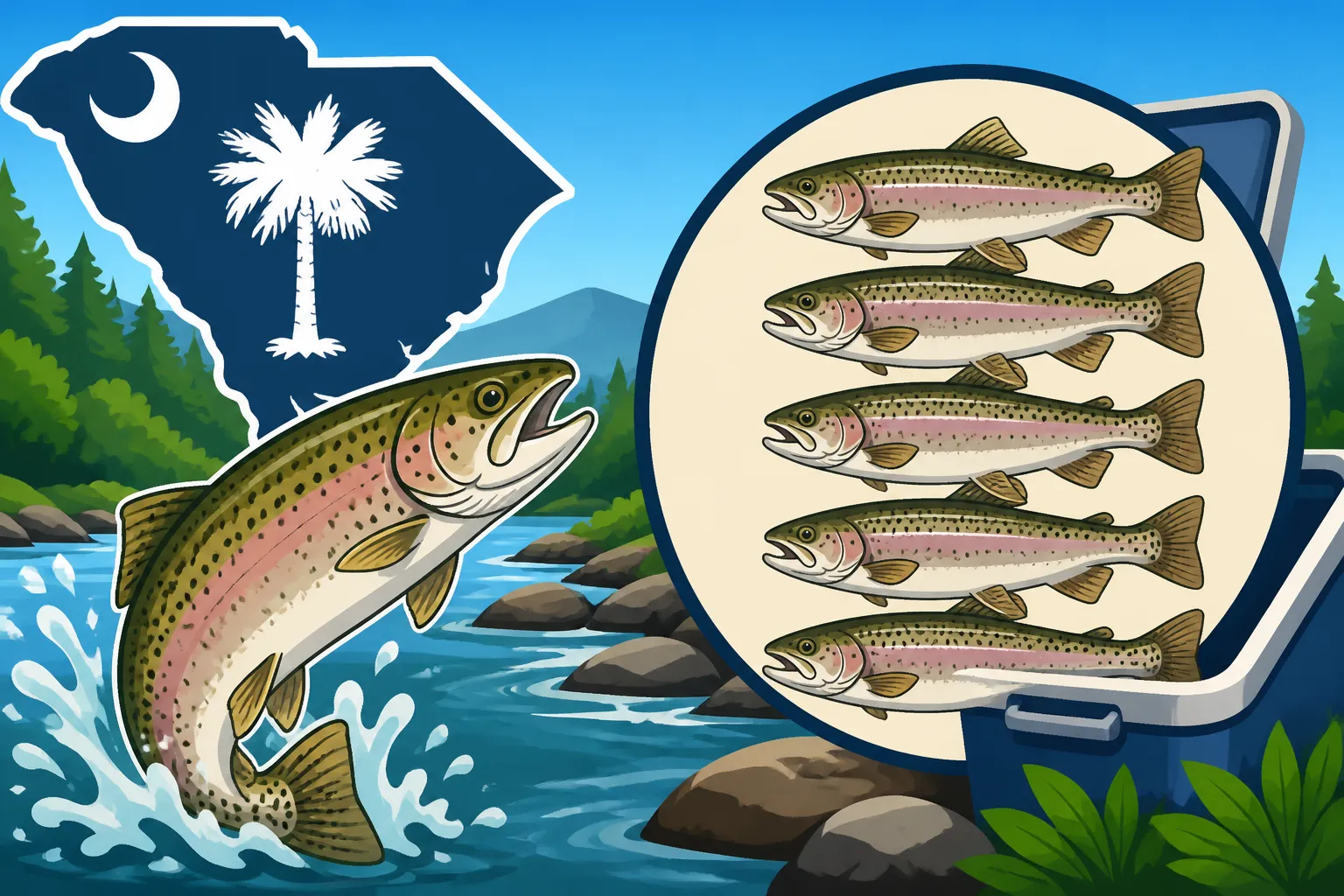
For the vast majority of stocked trout waters in South Carolina, the general daily creel limit for trout is 10 fish per person, per day. This limit applies to a combination of rainbow and brown trout. So, whether you catch 10 rainbows, 10 browns, or a mix of five of each, as long as your total doesn't exceed 10, you're within the legal limit.
This 10-fish limit is designed to allow anglers to enjoy a productive day of fishing while still spreading the resource among many participants throughout the stocking season. It’s important to note that this is a daily limit. You can't, for instance, catch 10 on Monday, come back Tuesday, and keep another 10, even if you still have Monday's fish in your cooler at home. The limit resets at midnight. Remember, this applies per angler, so if you’re fishing with a buddy, each of you can keep up to 10 fish, provided you both have a valid South Carolina Fishing License Guide.
Exceptions and Special Regulation Waters
While the 10-fish rule is a good general guideline, South Carolina has several special regulation waters where the trout limits are different, often more restrictive, to protect specific fish populations or enhance certain types of angling experiences. These exceptions are incredibly important to know before you cast a line, as ignorance of the law is never an excuse.
For instance, some streams might be designated as "trophy" waters or "catch-and-release" only, especially for native brook trout or in an effort to grow larger fish. The SCDNR regularly updates these specific regulations to manage their trout fishery effectively.
Here's a look at some common variations you might encounter in South Carolina, based on current regulations. Always check the official SCDNR guide for the most up-to-date and specific details on a particular stream, as How Trout Limits Vary by Stream in South Carolina is a key part of trout management:
| Stream/Water Body Type | General Daily Limit (Trout) | Specific Regulations | Notes |
|---|---|---|---|
| Most Stocked Waters | 10 fish | No size restriction | Applies to Rainbow and Brown Trout |
| Chattooga River (section) | 8 fish (combined) | 12-inch minimum size | Special management area, specific sections apply |
| Chauga River (section) | 8 fish (combined) | 12-inch minimum size | Similar to Chattooga, check specific sections |
| Eastatoe Creek (section) | 7 fish | No size restriction | Often stocked heavily, popular for families |
| Laurel Fork Creek (section) | 7 fish | No size restriction | Specific sections may apply |
| Some Wilderness Streams | Catch-and-Release Only | Artificial Lures Only | Often for native Brook Trout protection |
Note: This table provides examples and is not exhaustive. Always refer to the current SCDNR regulations for precise, up-to-date information on the specific body of water you plan to fish.
As you can see, places like the Eastatoe Creek might have a 7-fish limit, slightly different from the general 10. You might also find South Carolina Streams With a 5-Fish Trout Limit in certain areas or even South Carolina Streams With a 7-Fish Trout Limit. It’s a bit of a maze, which is why Checking a Stream's Trout Limit Before You Fish It is non-negotiable. Don't rely on old information or what a friend told you last year. The rules, and the stocking locations, can and do change. This variation helps answer the question of Why Trout Limits Differ From Stream to Stream, balancing conservation with angling opportunity.
Gear and Techniques for Responsible Stocked Trout Fishing
Now that we've got the regulations sorted, let's talk about the fun stuff: actually catching those trout! Responsible angling goes beyond just adhering to the daily limit; it also involves using appropriate gear and techniques, and practicing good stewardship, especially if you plan on releasing some of your catch.
Stocked trout are generally eager to bite, having been raised in a hatchery environment where food is plentiful. This makes them a fantastic target for anglers of all skill levels, from seasoned veterans to excited beginners.
Essential Gear for Stocked Trout
You don't need a boatload of expensive, specialized gear to enjoy stocked trout fishing in South Carolina. In fact, keeping it simple is often the best approach.
- Rod and Reel: A lightweight spinning rod, usually in the 5'6" to 6'6" range, paired with a small spinning reel (size 1000-2000) is perfect. This setup allows for delicate presentations and is sensitive enough to feel those subtle trout bites. You can find some fantastic, affordable combos on Amazon that are perfectly suited for this type of fishing.
- Line: Spool your reel with 4-6 pound test monofilament or fluorocarbon line. Lighter line is less visible to wary trout and allows for better casting of small baits and lures.
- Terminal Tackle:
- Hooks: Small, sharp hooks are key. Size 10 or 12 treble hooks, or single hooks in similar sizes, are ideal. If you're planning on catch and release, consider using barbless hooks or pinching down the barbs on your regular hooks.
- Weights: A few small split shot weights will help get your bait down to where the fish are.
- Bobbers/Floats: A small slip bobber or fixed bobber can be very effective, especially when fishing stiller pools or for beginners who want to easily see a bite.
- Bait: Stocked trout are often raised on pellet feed, so they readily take to common baits like:
- PowerBait: This comes in various colors and forms (dough, nuggets). Garlic and cheese scents are often very effective.
- Corn: Canned corn is a classic, cheap, and surprisingly effective bait.
- Worms: Live red wigglers or nightcrawlers are always a reliable choice.
- Lures: Small spinners and spoons are fantastic for active trout. Brands like Panther Martin, Rooster Tail, or small Mepps spinners are perennial favorites. If you're into Fly Fishing Techniques for Stocked Trout, then a 3 or 4-weight fly rod with a selection of nymphs, wet flies, and small streamers will be your go-to. For those preferring conventional gear, explore Spin Fishing Techniques for Stocked Trout for different presentations.
Remember to pack a small tackle box or bag with your essentials, some pliers for hook removal, and a measuring tape to ensure any fish you keep meet minimum size requirements (if applicable to that specific water).
Catch and Release Best Practices
Even if you're planning to keep your daily limit, you might catch more fish than you intend to harvest, or you might land a native brook trout that must be released. Practicing proper catch and release techniques is vital for the health of the fishery.
Here are some tips:
- Minimize Handling: Try to keep the fish in the water as much as possible. If you must lift it, do so gently with wet hands, supporting its belly. Avoid squeezing or touching the gills.
- Quick Release: Have your pliers or de-hooking tool ready so you can remove the hook quickly. If the fish is deeply hooked, it's sometimes better to cut the line as close to the hook as possible rather than risk further damage.
- Revival: If a fish seems sluggish before release, hold it gently in the current, facing upstream, until it regains its strength and can swim away on its own.
- Barbless Hooks: As mentioned, using barbless hooks makes removal much easier and reduces trauma to the fish. Many anglers using artificial lures specifically for South Carolina Stocked Trout Season Fishing Techniques will crimp down the barbs on their treble hooks.
By employing these practices, you ensure that any fish you release have the best possible chance of survival, contributing to a healthy and sustainable trout fishery for everyone to enjoy.
Navigating Regulations and Staying Informed
The world of fishing regulations can sometimes feel like a moving target, with rules changing to adapt to environmental conditions, scientific data, and conservation goals. Staying on top of the latest information isn't just about avoiding penalties; it's about being a responsible steward of South Carolina's natural resources.
It’s especially important to differentiate between different types of trout. For example, knowing the difference between South Carolina's Native Brook Trout vs Stocked Trout is crucial, as is understanding How to Tell a Native Brook Trout From a Rainbow Trout, because their regulations often vary significantly.
Checking Current South Carolina DNR Regulations
This cannot be stressed enough: always, always, always check the latest SCDNR regulations before each fishing trip. While this guide provides a general overview, specific rules can change annually, sometimes even within a season, due to biological needs or environmental factors.
Here’s how you can stay informed:
- SCDNR Website: The official South Carolina Department of Natural Resources website is your most reliable source. They publish the annual Freshwater Fishing Regulations guide, which is available digitally and often includes maps and detailed explanations of special regulation areas. This is the definitive source for all rules, including bag limits, size restrictions, and specific gear requirements for certain waters.
- Printed Guides: Many local tackle shops, sporting goods stores (like larger Amazon outdoor gear retailers, or local outfitters like Academy Sports + Outdoors), and SCDNR offices offer free printed copies of the regulations handbook. Keep one in your tackle box or glove compartment.
- Signage: Look for posted signs at public access points, boat ramps, and designated fishing areas. These signs often highlight specific rules for that particular body of water.
A hypothetical scenario: Imagine you're planning a trip to the Chattooga River, renowned for its trout. You remember hearing about a 10-fish limit. However, the SCDNR recently implemented a new regulation for a specific section of the Chattooga, reducing the limit to 8 fish with a 12-inch minimum size for conservation reasons. If you don't check the current rules, you could unknowingly be in violation. Taking a few minutes to confirm the rules for the precise stream you're visiting is a small investment for a worry-free day.
The Consequences of Exceeding Limits
Nobody wants to face a penalty, especially when they're out enjoying nature. The South Carolina Department of Natural Resources takes fishing violations seriously, and exceeding daily bag limits or keeping undersized fish can lead to significant consequences.
If you are caught by a game warden with more than the legal daily limit of trout, or with trout that do not meet minimum size requirements (if applicable), you could face a range of penalties:
- Fines: These can vary greatly depending on the severity of the violation and the number of fish involved. They can range from minor civil penalties to substantial monetary fines.
- Confiscation: Your catch, and sometimes even your fishing gear, could be confiscated.
- License Suspension or Revocation: Repeat offenses, or particularly egregious violations, can lead to the suspension or even permanent revocation of your fishing license. This means you wouldn't be able to legally fish in South Carolina for a specified period, or potentially ever again. The Penalties for Fishing Without a License in South Carolina are similar in severity, highlighting the importance of adherence to all regulations.
The best way to avoid these unpleasant outcomes is simple: know the rules, follow them, and if you're ever in doubt, err on the side of caution. It's better to release a fish you're unsure about than to risk a fine or losing your privilege to fish. Always aim to be a responsible angler, protecting South Carolina's beautiful waterways and fish populations for generations to come.
Disclaimer
Please note that fishing regulations, including daily limits and special rules for specific waters, are subject to change by the South Carolina Department of Natural Resources (SCDNR). While this guide provides comprehensive information based on current understanding, it is always the angler's responsibility to consult the most recent official SCDNR regulations before engaging in any fishing activity. This article is for informational purposes only and should not be considered a substitute for the official regulatory documents.