Santee Cooper Lakes: South Carolina’s Legendary Bass Fishery
There's a reason why when you mention "South Carolina fishing" to a seasoned angler, their eyes often light up at the mention of one particular name: Santee Cooper. For generations, these sprawling, connected lakes have been a proving ground for trophy bass fishermen, but trying to figure out where to start, what techniques to use, or even which lake to focus on can feel like staring at an overwhelming map without a compass. This guide is here to cut through the confusion and equip you with everything you need to know about navigating South Carolina's legendary bass fishery.
A Dual Dynasty: Understanding the Santee Cooper Lakes System
The Santee Cooper Lakes system isn't just one body of water; it's a magnificent, man-made marvel comprising two distinct, yet interconnected, reservoirs: Lake Marion and Lake Moultrie. Conceived in the 1930s and completed in the early 1940s by the South Carolina Public Service Authority (Santee Cooper), this ambitious hydroelectric project inadvertently created one of the most productive freshwater fisheries in the entire Southeast. Many anglers new to the area find themselves a bit bewildered by the sheer scale, often wondering if they should even attempt to tackle such a vast and complex system.
The Genesis of a Giant Fishery
Before the lakes, this area was a mix of swamp, forest, and farmlands, crisscrossed by the Santee River. When the dams were constructed, vast tracts of timber were left standing, creating an incredible underwater labyrinth of submerged trees, stumps, and brush piles. This natural habitat, combined with the fertile waters of the Santee River basin, provided an immediate boom for fish populations. Imagine acres upon acres of pristine cover where fish could thrive, feed, and reproduce with abandon. It was, and still is, a fisherman's dream come true, offering endless opportunities for those willing to explore.
The creation of the Santee Cooper Lakes wasn't just about power; it was also about flood control and navigation. The diversion of the Santee River into the Cooper River system fundamentally altered the hydrology of the region, leading to the formation of these two massive lakes. Lake Marion, often called the "Upstate Sea," is the largest, covering over 110,000 acres, while Lake Moultrie, though smaller at around 60,000 acres, is known for its incredible depth and structure. Together, they form a contiguous system connected by the famous Diversion Canal, creating a dynamic environment that constantly challenges and rewards anglers.
Lake Marion: The Upstate Sea
Lake Marion is truly a leviathan, stretching for miles and often feeling more like an inland sea than a lake. Its sheer size means it offers an incredible diversity of habitats, from vast open waters to cypress tree-filled swamps, shallow flats, and intricate creek channels. For anglers accustomed to smaller, more manageable lakes, the scale of Lake Marion can be daunting. You could spend a lifetime exploring its nooks and crannies and still discover new fishing spots.
Many of the most productive areas on Lake Marion are found within the remnants of the original cypress forests. These "tree farms" provide exceptional cover for bass, crappie, and catfish, making them prime targets for those who know how to navigate the maze. Access points are numerous, but knowing which ones lead to the best fishing can be half the battle. If you're planning a trip to this giant, it's worth checking out resources like Lake Marion Fishing Spots and Access Points to get a head start on your exploration.
Lake Moultrie: The Deeper Challenge
While Lake Marion might grab headlines for its size, Lake Moultrie offers a different kind of challenge, appealing to anglers who prefer deeper waters and more defined structure. This lake boasts an average depth greater than Marion, with numerous ledges, drops, and submerged humps that hold fish, especially during warmer months. It's not uncommon to find bass holding on deep structure here, requiring different tactics than those employed in Marion's shallower tree lines.
Lake Moultrie is also famous for its open-water fishing, particularly for striped bass. The combination of its depth, current, and abundant forage creates an ideal environment for these hard-fighting fish. The lake's connection to the Cooper River also means it experiences tidal influences, especially in its lower reaches, which can dramatically impact fish behavior and feeding patterns. Anglers often find success by focusing on areas with current or those where baitfish congregate. Don't be surprised to find excellent catfishing opportunities here too; Lake Moultrie is home to some truly massive catfish, making it a favorite for those chasing larger species, as detailed in our Lake Moultrie Catfish and Crappie Fishing Guide.
Why Santee Cooper Reigns Supreme for Bass Fishing
Santee Cooper isn't just a good bass fishery; it's consistently ranked among the best in the nation. This isn't by accident. A unique confluence of factors contributes to its legendary status, creating an environment where bass not only survive but truly thrive, growing to impressive sizes and providing incredible angling experiences. For many, the frustration of consistently catching smaller bass elsewhere melts away when they experience the potential of Santee Cooper.
Abundant Forage and Rich Habitat
The primary reason for Santee Cooper's prolific bass population is the incredible abundance of forage and the diverse, rich habitat available. These lakes are teeming with baitfish like threadfin and gizzard shad, golden shiners, and a variety of sunfish. Bass here don't have to work hard to find a meal, which contributes to their rapid growth rates and overall health. When bass have a consistent and rich food source, they grow bigger, faster, and become more aggressive predators.
Beyond the baitfish buffet, the habitat is truly unparalleled. The original standing timber, cypress trees, and stumps in Lake Marion provide an intricate underwater forest that offers endless ambush points and protective cover for bass. In Lake Moultrie, deeper ledges, humps, and submerged hydrilla beds serve the same purpose. This extensive cover isn't just for hiding; it's a vibrant ecosystem where everything from microscopic organisms to large predators interacts, creating a dynamic and nutrient-rich environment that supports a massive fish population.
Dynamic Water Movement and Fertility
The Santee Cooper system is characterized by dynamic water movement, especially through the Diversion Canal and as water is released through the dams. This constant flow circulates nutrients, oxygenates the water, and concentrates baitfish, which in turn concentrates predatory bass. Unlike stagnant lakes, Santee Cooper's flow ensures a healthy, active ecosystem. Many anglers find that current is a significant factor in locating active bass, particularly in the canal and around major points.
The lakes are also incredibly fertile, meaning they have a rich supply of nutrients that fuel the entire food chain. This fertility stems from the vast watershed drained by the Santee River, bringing in organic matter and minerals that support lush aquatic vegetation and abundant plankton. This high productivity at the base of the food chain translates directly into robust populations of baitfish, and ultimately, large, healthy bass. Anglers often comment on the vibrant green hues of the water, a visual testament to its rich ecosystem.
Year-Round Opportunities and Tournament Pedigree
One of the most appealing aspects of Santee Cooper is that it offers excellent bass fishing opportunities virtually year-round. While patterns certainly change with the seasons, there's always a way to catch bass here, whether it's shallow flipping in the cypress trees in spring or targeting deep structure with Alabama rigs in winter. This consistent productivity makes it a favorite destination for both recreational anglers and professional tournament circuits.
Santee Cooper has a long and storied history as a major tournament destination. It has hosted numerous national and regional events, including the Bassmaster Classic, often producing record-breaking catches. This tournament pedigree isn't just a fun fact; it's a testament to the lake's consistent ability to produce large numbers of quality bass. When top pros consistently choose a lake for their biggest events, you know it's a special place.
Targeting the Big Three: Largemouth, Stripers, and Hybrids
While Santee Cooper is renowned as a legendary bass fishery, it's important to clarify that this system offers incredible opportunities for more than just largemouth. The "bass" here truly refer to a triumvirate of species: the native largemouth, the powerful striped bass, and their feisty hybrid cousins. Each species presents its own unique challenge and preferred habitat, providing a diverse angling experience that keeps you on your toes.
The Mighty Largemouth Bass
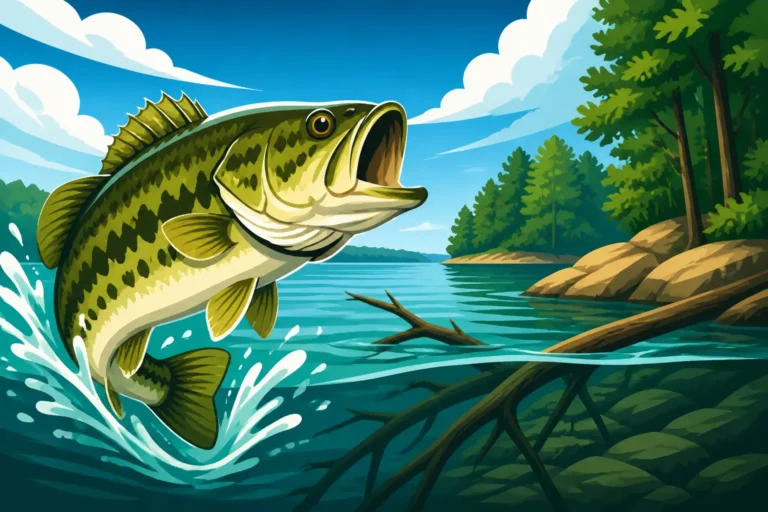
The largemouth bass is arguably the king of Santee Cooper. These lakes consistently produce trophy-sized largemouth, with many fish pushing or exceeding the double-digit mark. The abundance of cover and forage, particularly in Lake Marion's vast tree-filled areas, allows these fish to grow exceptionally large. Chasing a record Largemouth Bass in South Carolina is a dream for many anglers, and Santee Cooper is often the destination where those dreams come true.
Anglers targeting largemouth will find success using a variety of techniques. In spring, when bass move shallow for the spawn, flipping jigs, soft plastics, and topwater lures around cypress trees, docks, and lily pads are incredibly effective. As the water warms, bass might pull back to deeper cover, submerged hydrilla, or brush piles, requiring techniques like Carolina rigs, deep-diving crankbaits, or Texas-rigged worms. Remember, South Carolina Bass Fishing Techniques by Season provides a broader overview, but adapting to Santee Cooper's unique structure is key.
The Hard-Fighting Striped Bass
Santee Cooper is also famous for its striped bass fishery. These anadromous fish, known for their powerful runs and relentless fights, thrive in the lakes' open waters and current-rich areas. While striped bass are traditionally a saltwater species, a landlocked population flourishes here, offering an incredible freshwater sportfishing experience. They are so significant that striped bass is officially Striped Bass: South Carolina's Official State Fish.
Stripers in Santee Cooper are often targeted by trolling umbrella rigs, live bait (like shad or blueback herring), or casting large bucktail jigs. During cooler months, they tend to school up in deeper parts of Lake Moultrie and the Diversion Canal. In summer, they might go deep, seeking cooler, oxygenated water. Anglers often use electronics to locate schools of bait and the stripers feeding on them. It's a high-energy form of fishing that often results in multiple hook-ups and thrilling battles.
The Feisty Hybrid Striped Bass
Adding another layer of excitement to the Santee Cooper bass scene is the hybrid striped bass. These hard-fighting fish are a cross between striped bass and white bass, offering the aggressive nature of a striper in a slightly smaller, yet still incredibly powerful, package. They are stocked by the South Carolina Department of Natural Resources (SCDNR) to enhance the fishery and provide additional angling opportunities. Knowing the difference between them can be important, and our guide on Hybrid Striped Bass vs Striped Bass: What's the Difference can help you identify your catch.
Hybrid stripers typically school in open water, often chasing baitfish near the surface, especially during low light conditions or when a feeding frenzy erupts. They can be caught using similar techniques to stripers, but they are also very susceptible to casting jigs, spoons, and topwater lures into surfacing schools. Their aggressive nature makes them a favorite for anglers looking for fast action and a strong fight, and they are excellent table fare too!
Navigating the Hotspots: Key Fishing Areas on Santee Cooper
The sheer size of Santee Cooper can be intimidating, but knowing where to focus your efforts can make all the difference. While bass can be found throughout both lakes, certain areas consistently produce more and larger fish due to their unique features, structure, and forage concentrations. Think of these as proven battlegrounds where success is often measured in pounds, not inches.
The Legendary Diversion Canal
Connecting Lake Marion and Lake Moultrie, the Santee Cooper Diversion Canal is a truly unique and highly productive waterway. It's a relatively narrow, deep channel that experiences constant current due to the flow between the two lakes. This current is a magnet for baitfish, which in turn attracts large numbers of bass, stripers, and hybrids. For many anglers, the Diversion Canal is their go-to spot, especially when other areas are slow.
The canal's banks are lined with riprap and occasionally stumps or brush, offering excellent cover. Anglers often target current breaks, eddies, and points where fish can ambush passing bait. Vertical jigging, casting crankbaits, and fishing live bait are popular and effective techniques here. Be mindful of boat traffic, as the canal can get busy, especially on weekends. Our dedicated guide on Santee Cooper Diversion Canal Fishing Spots offers even more detail on how to tackle this unique stretch of water.
Lake Marion's Cypress Stump Flats
On Lake Marion, the vast cypress stump flats are arguably the most iconic and productive areas for largemouth bass. These shallow, often murky waters are filled with the remnants of the original forest, creating an almost impenetrable maze of cypress trees, stumps, and submerged timber. It's a daunting environment to navigate, but one that holds incredible numbers of big bass.
Fishing these areas often requires specialized techniques like flipping and pitching jigs or heavy Texas-rigged soft plastics into the densest cover. A stout rod and heavy line are essential to pull big bass out of the timber. Key areas include the "Big Grits" area, Wyboo Creek, and other major creek arms that lead into these vast stump fields. Patience and precision are paramount, but the reward of a true trophy largemouth crashing your bait in the cypress is unforgettable.
Lake Moultrie's Deep Ledges and Humps
Lake Moultrie, with its greater average depth, offers prime opportunities for targeting bass on deep ledges, humps, and submerged structure. Unlike Marion's shallow timber, Moultrie's bass often relate to depth changes and contour lines, especially during warmer months or when they're not actively feeding in the shallows. Using good electronics is crucial here to identify these subtle underwater features.
Popular techniques for fishing Moultrie's deeper waters include deep-diving crankbaits, spoons, Carolina rigs, and vertical jigging with heavy jigs or spoons. The areas around Bonneau Ferry, the Pinopolis Dam, and the offshore humps are well-known hotspots. Keep an eye on your fish finder for schools of baitfish suspended over structure, as these often indicate the presence of feeding bass. While Lake Moultrie is also famous for its catfishing, its deep-water bass opportunities should not be overlooked, particularly for those targeting Striped Bass Fishing Spots on Lake Moultrie.
Seasonal Strategies and Techniques for Bass Anglers
The dynamic nature of Santee Cooper means that successful bass fishing requires adapting your strategies and techniques to the changing seasons. What works like magic in spring might barely get a bite in summer, and vice-versa. Understanding these seasonal shifts is fundamental to consistently catching bass on these legendary lakes.
Spring: The Shallow Water Spectacle
Spring is arguably the most exciting time to fish Santee Cooper for largemouth bass, as fish move shallow for the pre-spawn and spawning phases. This is when many anglers catch their biggest bass of the year. The air is fresh, the cypress trees are budding, and the fish are aggressive. The challenge for many anglers coming from other regions is understanding the exact timing, as the spawn can vary across the vastness of the system. For a comprehensive overview, our South Carolina Bass Fishing Techniques by Season guide offers valuable insights.
- Pre-Spawn (Late Winter to Early Spring): Bass begin to move from deeper wintering grounds towards spawning areas. They're often found on primary and secondary points, creek channel bends, and transitions near shallow water. Crankbaits, jerkbaits, and lipless crankbaits are excellent for covering water and locating these staging fish.
- Spawn (Mid-Spring): When water temperatures hit the mid-60s, largemouth bass move onto beds in shallow, protected pockets, coves, and around cypress trees. Sight fishing with soft plastics, jigs, and senkos can be incredibly effective. Be respectful of spawning fish and minimize disturbance.
- Post-Spawn (Late Spring): After the spawn, bass are often lethargic but soon recover and move to slightly deeper cover near spawning areas. Topwater lures, spinnerbaits, and chatterbaits can be deadly as bass feed aggressively to regain energy. Focus on ambush points like submerged logs, stumps, and weed lines.
Summer: Deeper Dives and Early Morning Bites
As summer heats up, bass often retreat from the scorching shallow water into deeper, cooler, and more oxygenated areas. This doesn't mean the fishing shuts down, but it does require a change in tactics. Anglers who brave the heat are often rewarded with solid catches, especially if they focus on specific windows. For a general understanding of when bass bite best, consider What Time of Day Do Bass Bite Best?.
- Deep Water Strategies: Focus on Lake Moultrie's ledges, humps, and submerged brush piles. On Lake Marion, look for deeper creek channels, submerged timber lines, and the edges of expansive hydrilla beds in 10-20 feet of water. Carolina rigs, deep-diving crankbaits, heavy jigs, and shaky head worms are go-to baits.
- Early Morning/Late Evening Topwater: Don't completely abandon the shallows. During dawn and dusk, bass will often move into shallower areas to feed on baitfish. Throwing topwater frogs, poppers, and walking baits around lily pads, grass beds, and cypress trees can produce explosive strikes.
- Night Fishing: For many Santee Cooper regulars, summer nights are prime time, especially for catfish but also for bass. Bass will move shallow under the cover of darkness, making buzzbaits, black worms, and even spinnerbaits effective around lighted docks or shallow flats.
Fall: Transition and Feeding Frenzies
Fall is a beautiful time on Santee Cooper, with cooler temperatures and a renewed vigor in the bass population. As water temperatures drop, baitfish become more active, and bass follow suit, often engaging in aggressive feeding frenzies as they prepare for winter. The transition can be tricky, but once you locate schools of bait, the bass usually aren't far behind.
- Following the Bait: Look for large schools of shad in major creek arms and open water. Bass will often be busting the surface, driving baitfish up. When you see this, be ready with spinnerbaits, lipless crankbaits, and swimbaits to cast into the commotion.
- Shallow Cover Revival: As temperatures cool, bass will again move back into shallower cover like cypress trees, docks, and grass lines, similar to spring. Jigs, flukes, and topwater lures can be effective.
- Crankbait Bonanza: Fall is prime time for crankbaits, both shallow- and deep-diving. Cover points, submerged humps, and creek channel swings with a variety of crankbaits to elicit reaction strikes from actively feeding bass.
Winter: The Deep Chill and Slow Presentations
Winter fishing on Santee Cooper can be tough, but it can also produce some of the largest bass of the year for those willing to brave the cold and employ slow, methodical tactics. Bass become less active, their metabolism slows, and they often congregate in deeper, more stable water. Patience is a virtue during these colder months.
- Deep Structure: Look for bass congregated on deep ledges, humps, and creek channel junctions, often in 20-30 feet of water. Vertical jigging with spoons, blade baits, and heavy jigs is a key technique. Slow-rolling a crankbait can also entice lethargic fish.
- Suspended Fish: Sometimes, bass will suspend in open water over deep channels, especially if baitfish are doing the same. Using your electronics to find these fish and then targeting them with Alabama rigs or suspending jerkbaits can be highly effective.
- Sunny Days and Warm Water Pockets: On sunny winter days, bass might move to shallower, dark-bottomed pockets that warm up slightly. Slowly working a jig or a Texas-rigged worm in these areas can sometimes surprise you with a big bite.
Planning Your Trip: Access, Amenities, and Guide Services
A trip to Santee Cooper can be an incredible experience, but its vastness means that a little planning goes a long way. From knowing where to launch your boat to considering a professional guide, understanding the logistics will help you maximize your time on the water and make the most of this legendary fishery.
Public Access and Boat Ramps
Santee Cooper boasts numerous public access points and boat ramps scattered around both Lake Marion and Lake Moultrie. Some are managed by the SCDNR, others by local municipalities, and some by Santee Cooper itself. It’s a good idea to research specific ramps based on the area you plan to fish, as some are better suited for larger boats while others are ideal for smaller craft or kayaks. Popular ramps include Sparkleberry Landing, Pack's Landing, and Canal Lakes Fish Camp on Lake Marion, and Short Stay, John's Island, and Hatchery on Lake Moultrie.
When arriving at a ramp, especially on weekends, expect crowds. Santee Cooper is incredibly popular, and good etiquette is essential. Be prepared to launch quickly and move your vehicle and trailer efficiently. Remember to always have your South Carolina Fishing License Guide in order, as rangers actively patrol the lakes. Don't forget to clean your boat and trailer to prevent the spread of invasive species, a crucial practice for maintaining the health of this vital fishery.
Accommodations and Local Services
The Santee Cooper region offers a range of accommodations to suit every budget, from rustic fish camps and campgrounds to hotels and vacation rentals. Towns like Santee, Manning, and Moncks Corner serve as excellent bases of operation, providing easy access to different parts of the lakes. You'll find plenty of bait and tackle shops, restaurants, and grocery stores to stock up on supplies. It’s always a good idea to check local conditions and bait availability before you hit the water, especially for specific live bait like shad.
Many of these local businesses are deeply rooted in the fishing culture of Santee Cooper, and the owners or staff can often provide invaluable, up-to-the-minute fishing reports or advice. Don't be shy about asking questions! They've seen it all and can often point you in the right direction or suggest a local guide if you're feeling overwhelmed by the sheer scale of the water.
The Value of a Professional Fishing Guide
For first-time visitors or those looking to learn the intricacies of Santee Cooper, hiring a professional fishing guide is an investment that often pays dividends. A local guide possesses an unparalleled knowledge of the lakes, knowing where the fish are holding, what they're biting on, and how to navigate the complex underwater terrain, especially in areas with dense standing timber. They can save you countless hours of searching and frustration.
Many excellent guides operate on Santee Cooper, specializing in largemouth, stripers, or even multi-species trips. They provide all the necessary gear, expertise, and often even your required fishing licenses. Using a service like FishingBooker can help you find reputable local guides who know the Santee Cooper system inside and out. They can tailor a trip to your experience level and target species, ensuring a productive and enjoyable day on the water. If you're wondering about the costs, our South Carolina Fishing Charter Costs and Trip Types can give you a general idea of what to expect for a guided experience across the state. A guide's expertise can turn a confusing expanse of water into a productive angling adventure, making it a great option for those who want to maximize their chances of success on this legendary fishery.
| Season | Largemouth Bass Techniques | Striped Bass Techniques | Hybrid Striped Bass Techniques | Key Areas |
|---|---|---|---|---|
| Spring | Flipping jigs, soft plastics, topwater around cypress, docks | Trolling live bait, umbrella rigs near creek mouths | Casting jigs, spoons at surface activity | Shallow flats, protected coves, creek channels |
| Summer | Carolina rigs, deep crankbaits on ledges; topwater at dawn/dusk | Trolling deep, vertical jigging, live bait in cool water | Casting topwater, spoons into schooling fish | Deep ledges, humps (Moultrie), creek channels (Marion), open water |
| Fall | Spinnerbaits, lipless crankbaits, crankbaits, jigs | Trolling, casting into baitfish schools | Casting jigs, topwater into schooling fish | Main lake points, creek arms, baitfish concentrations |
| Winter | Vertical jigging, slow-rolling crankbaits, Alabama rigs | Vertical jigging, live bait deep, Alabama rigs | Vertical jigging, Alabama rigs over deep channels | Deep ledges, creek channels, open water over structure |
Disclaimer
Please remember that fishing regulations, conditions, and fish behavior can change rapidly. Always consult the latest South Carolina Department of Natural Resources (SCDNR) regulations before heading out. This guide is for informational purposes only and should not replace official sources or professional advice. Fishing inherently carries risks, so always prioritize safety on the water.