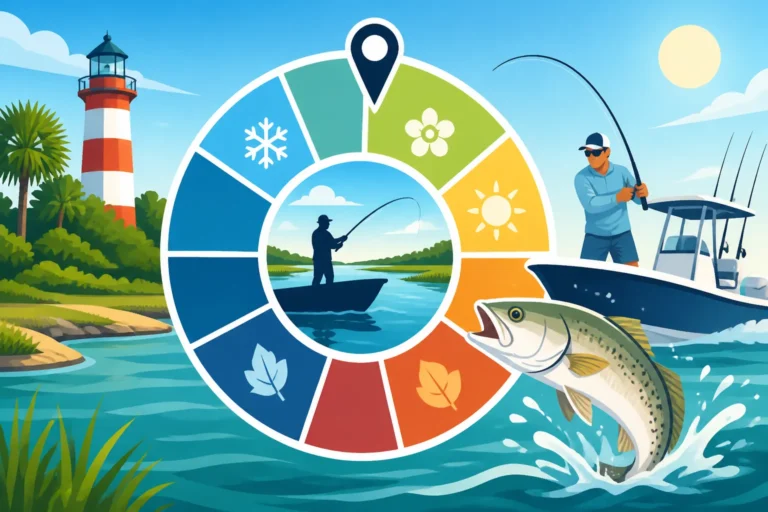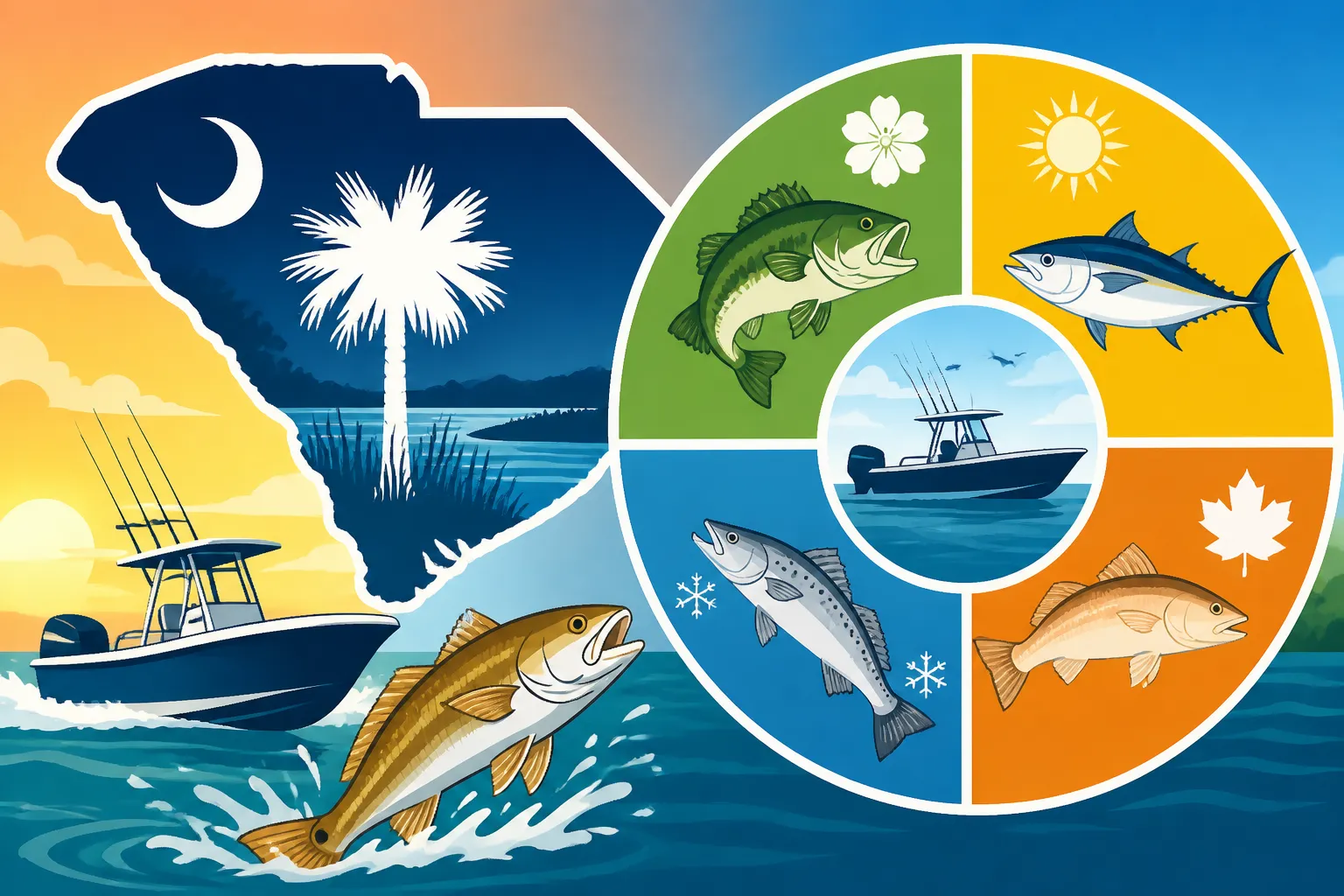
South Carolina Fishing Season Calendar for Charter Trips
It can be incredibly frustrating to dream of a perfect South Carolina fishing charter, only to realize you have no idea when the best time is to target your dream catch. The Palmetto State's waters are teeming with diverse fish, but their activity shifts dramatically with the seasons. This comprehensive guide will break down the South Carolina fishing season calendar, helping you understand when different species are biting so you can plan the most successful charter trip possible.
Understanding South Carolina's Dynamic Fishing Landscape
South Carolina is blessed with an incredible variety of fishing opportunities, from the cold, clear trout streams of the Upstate to the vast, rich inshore and offshore waters of the Atlantic. What makes our fishing so special (and sometimes a bit tricky to plan) is this very diversity. The fish you'll find biting in Lake Murray in July are completely different from those you'd target off the coast of Hilton Head in December. Each season brings its own set of challenges and rewards, influencing everything from water temperatures and bait availability to fish spawning patterns and migratory movements.
Planning a charter trip means aligning your desired catch with the season it's most likely to be active and abundant. Trying to catch king mackerel in January, for example, would be a pretty tough ask, just as trying to land a trophy largemouth bass during the dog days of summer might require specific, deep-water techniques. A good charter captain knows these patterns like the back of their hand, but understanding the general calendar yourself helps you communicate your goals and set realistic expectations.
It's also important to remember that "season" isn't just about the calendar month; it's heavily influenced by environmental factors. A mild winter might extend the bite for some species, while a sudden cold snap can shut things down quickly. However, general patterns hold true year after year, giving us a reliable framework for planning. This guide aims to provide that framework, helping you choose the best window for your adventure. You might also want to check out our South Carolina Fishing Seasons Guide for more general information on what's biting.
The Role of Water Temperature and Spawning Cycles
Fish are ectothermic, meaning their body temperature is largely regulated by the water around them. This fundamental biological fact dictates much of their behavior, including feeding, migration, and reproduction. As water temperatures rise in spring, many species become more active, feeding heavily to build energy for the upcoming spawn. This pre-spawn period is often one of the most productive times to fish, as hungry fish are less finicky.
For freshwater species like largemouth bass, the spawn typically occurs in spring when water temperatures reach optimal ranges, usually between 60-70 degrees Fahrenheit. During this time, bass are focused on reproduction and can be found in shallower waters, making them accessible but also vulnerable. After the spawn, they'll often move to deeper, cooler water or seek out shady cover as summer temperatures peak. For saltwater species, spawning cycles also play a huge role. Many popular inshore species like redfish and spotted seatrout have specific spawning windows that can influence their location and feeding habits. Understanding the Largemouth Bass Spawn Timing in South Carolina Reservoirs or South Carolina Redfish Slot Limit Rules can give you an edge in knowing what to expect on your trip.
Migratory patterns are another critical factor, especially for offshore and some inshore species. Fish like king mackerel, mahi-mahi, and even tarpon follow baitfish and favorable water temperatures along the coast. They might be here today and gone tomorrow, moving north or south as the seasons change. Charter captains meticulously track these movements, and booking your trip during the peak migration period for your target species is often the key to a memorable catch.
Seasonal Highlights for Popular South Carolina Charter Species
When you're looking to book a fishing charter in South Carolina, knowing what fish are typically biting during different times of the year is incredibly helpful. This section breaks down the general seasonal patterns for some of the most sought-after species, both inshore and offshore. Remember, these are general guidelines, and a good captain will always have the most up-to-date intel on local conditions. Many excellent guides list their specialties and peak seasons on booking platforms like FishingBooker, making it easy to find a trip tailored to your target.
Spring (March – May): Reawakening Waters and Hungry Fish
Spring is a fantastic time for charter fishing in South Carolina. As the waters warm up after winter, fish become much more active, and many species move into shallower areas to feed or spawn.
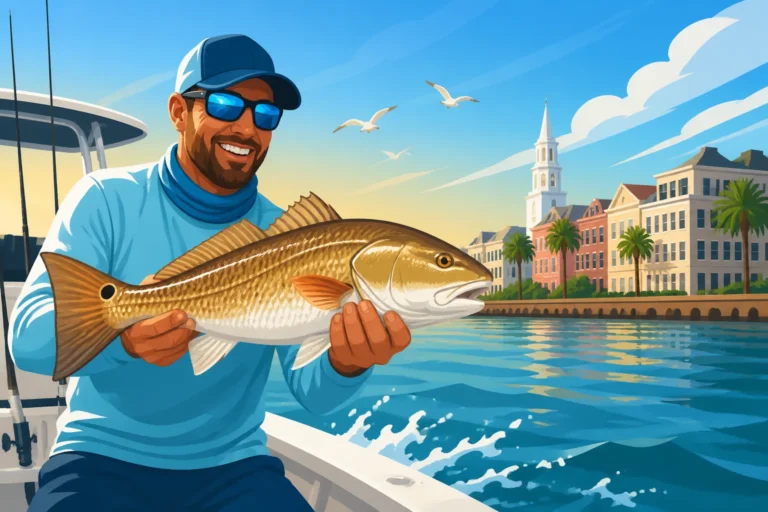
- Inshore: This is prime time for Redfish (also known as Red Drum) and Spotted Seatrout. They're often found in the shallow marsh creeks, grass flats, and oyster beds as they shake off winter sluggishness and start feeding aggressively. You can often find them tailing in the grass on high tides, making for exciting sight-fishing opportunities. South Carolina Redfish Slot Limit Rules are important to remember, as are Spotted Seatrout Size and Bag Limits in South Carolina. Flounder also start to become more active, moving into the inlets and estuaries as water temperatures climb.
- Offshore: Nearshore, you can find schooling Spanish Mackerel and the occasional King Mackerel starting to show up as they migrate north. Deeper offshore, reef fishing for Snapper and Grouper can be excellent, particularly as the waters warm to a comfortable temperature. Bottom fishing for these species can provide a steady bite and some delicious table fare.
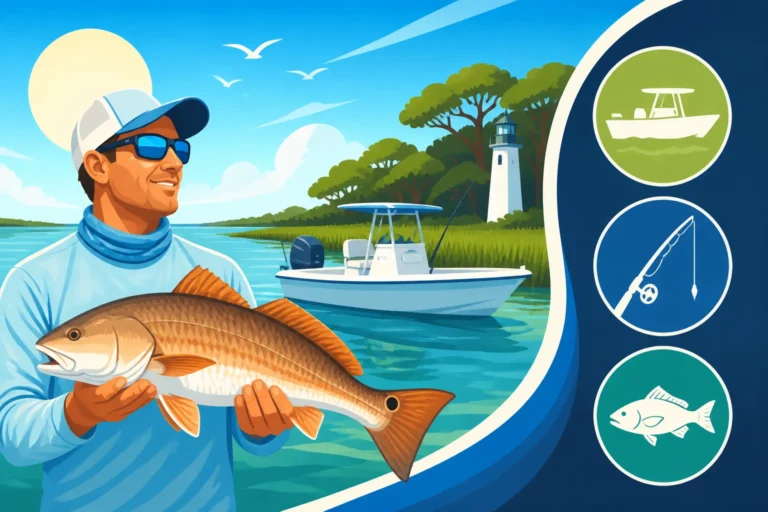
Spring is a versatile season, offering a blend of both inshore and nearshore opportunities. If you're hoping to experience South Carolina Redfish Charter Fishing Trips or South Carolina Speckled Trout Charter Trips, this is an excellent window.
Summer (June – August): Hot Action, Both Near and Far
Summer in South Carolina means warm weather and even warmer waters, leading to some incredible fishing, especially offshore. While inshore fishing can be productive, it often requires early morning or late evening trips to avoid the heat and target actively feeding fish.
- Inshore: Redfish and Spotted Seatrout are still present inshore, but they often retreat to deeper, cooler pockets of water or seek shade under docks and mangroves during the hottest parts of the day. Early morning charters for these species can be very rewarding. Tarpon make their annual appearance along the coast, offering a thrilling challenge for experienced anglers on specialized Summer Tarpon Charters on the South Carolina Coast. Shark fishing charters also become very popular, especially for families looking for excitement and a strong fight.
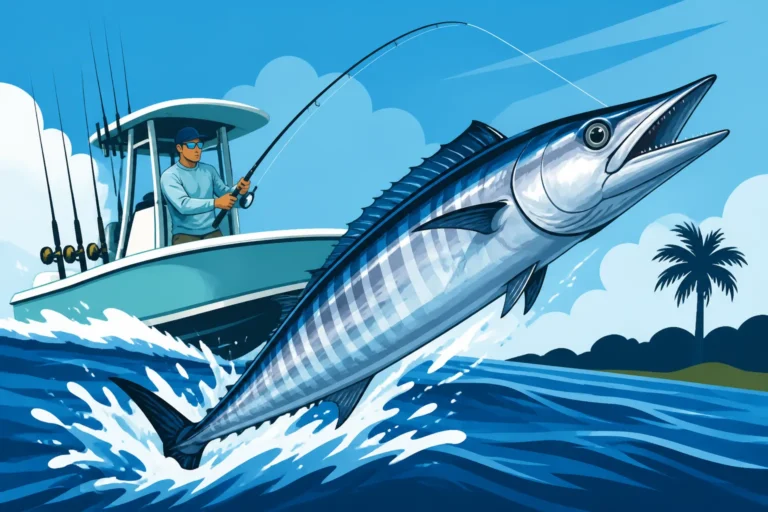
- Offshore: This is the peak season for offshore pelagic species. Mahi-Mahi (Dolphin), King Mackerel, Wahoo, and Tuna are all actively feeding in the blue waters of the Gulf Stream. These trips are typically full-day excursions, traveling many miles offshore, but the reward of landing a big game fish is often well worth it. You can learn more about specific targets like Mahi-Mahi Charter Fishing Trips in South Carolina.
Summer offers fantastic diversity, but be prepared for the heat and plan accordingly. Booking through platforms like FishingBooker can help you find captains who specialize in these varied summer techniques.
Fall (September – November): The "Bull Red" Run and Cooler Bites
Many seasoned anglers consider fall to be the absolute best time to fish in South Carolina. The oppressive summer heat breaks, water temperatures become ideal, and fish go on a feeding frenzy in preparation for winter.
- Inshore: This is the legendary "Bull Red" run, where large, mature Redfish gather in estuaries and nearshore waters before moving offshore for the winter. Catching these powerful fish on light tackle is an unforgettable experience. Spotted Seatrout fishing also heats up, with larger schools becoming active in the creeks and bays. Flounder gigging and traditional rod-and-reel fishing are also excellent as flounder fatten up.
- Offshore: King Mackerel remain a strong target, often moving closer to shore as baitfish school up. Offshore, Wahoo and Tuna can still be caught, and the reef fishing for Snapper and Grouper continues to be productive as the water cools slightly. The cooler temperatures make for more comfortable longer offshore trips.
If you have a choice, aiming for a fall charter trip usually offers the highest chances for consistent action and trophy fish, especially for redfish. You'll find many charter captains on FishingBooker promoting their fall "Bull Red" trips.
Winter (December – February): Cool Calm and Hot Spots
Winter fishing might seem less appealing, but it can offer some surprisingly productive and peaceful charter experiences, especially inshore. The crowds thin out, and many species become concentrated in specific areas.
- Inshore: Redfish remain a primary target, often schooling up in deeper holes and sun-warmed mud flats within the estuaries. They can be a bit more lethargic, but if you find a school, the action can be fast and furious. Spotted Seatrout also gather in deeper channels and creeks, and a skilled captain knows exactly where to look for them. This is also a good time for Sheepshead around oyster beds and bridge pilings. While the South Carolina Spotted Seatrout Gigging Ban Explained is in effect during winter months, rod and reel fishing is still allowed.
- Offshore: Offshore options become more limited due to potential rougher seas and colder water. However, if the weather windows permit, bottom fishing for Snapper and Grouper over reefs and wrecks can still be very good. Some deep-dropping for species like Tilefish is also an option for experienced offshore anglers.
Winter offers a unique charm, often with calm, crisp mornings and less boat traffic. It's a fantastic time for a more focused inshore charter, targeting concentrated schools of redfish and trout.
Planning Your Charter: Factors Beyond Just the Calendar
While the seasonal calendar is a fantastic starting point for planning your South Carolina fishing charter, it's certainly not the only factor. A truly successful trip comes down to a combination of elements, from the captain you choose to the conditions on the day. Remember, the best time of year to book a South Carolina fishing charter isn't just about fish, it's about your experience.
Here’s a look at other crucial considerations that will help you refine your timing and ensure a memorable trip. Finding the right fit for your group is essential, and many people start their search for South Carolina Fishing Charters: The Complete Guide.
| Season | Primary Inshore Targets | Primary Offshore Targets | Typical Weather | Considerations |
|---|---|---|---|---|
| Spring | Redfish, Spotted Seatrout, Flounder | Spanish/King Mackerel (nearshore), Snapper, Grouper | Mild, warming | Great overall, versatile options, pre-spawn bite |
| Summer | Redfish, Spotted Seatrout, Tarpon, Sharks | Mahi-Mahi, King Mackerel, Tuna, Wahoo | Hot, humid, occasional storms | Early/late inshore trips, offshore can be epic |
| Fall | Bull Reds, Spotted Seatrout, Flounder | King Mackerel, Wahoo, Tuna, Snapper, Grouper | Mild, cooling, pleasant | Often considered best season, "Bull Red" run |
| Winter | Redfish, Spotted Seatrout, Sheepshead | Snapper, Grouper (bottom fishing), deep drop | Cool, sometimes chilly | Fewer crowds, focused inshore, weather dependent offshore |
Tides, Weather, and Moon Phases
For inshore fishing, especially for species like redfish and spotted seatrout, tides are arguably more important than the calendar month. A good captain will plan your trip around the optimal tide for your target species and chosen fishing technique. For example, a falling tide can concentrate baitfish and predatory fish in certain creek mouths, while a rising tide might push redfish into shallow grass flats. When reviewing options on a site like FishingBooker, don't hesitate to ask captains about their preferred tidal conditions for the fish you want to catch.
Weather, of course, plays a huge role. High winds can make offshore trips uncomfortable or impossible, and even inshore fishing can be impacted by strong currents or muddy water after heavy rains. Always discuss weather contingencies with your charter captain. They are the experts on local conditions and will prioritize your safety and enjoyment. As for moon phases, they influence tidal strength and can sometimes affect fish feeding patterns, particularly for night fishing or species that feed heavily during strong current movements. While not as critical as daily tides or immediate weather, a captain might consider the moon phase for certain trips.
Choosing the Right Captain and Charter Type
Just as important as when you fish is who you fish with. A knowledgeable and experienced charter captain is your greatest asset. They understand the nuances of local waters, know where the fish are hiding, and can adapt techniques based on conditions. Don't be afraid to ask questions before booking: What species do they specialize in? What's their success rate for your target fish during your chosen season? Do they offer family-friendly trips, or are they geared more towards experienced anglers?
South Carolina offers a range of charter types, including South Carolina Inshore Fishing Charters Explained for shallower waters and South Carolina Offshore Fishing Charters Explained for deep-sea adventures. Decide whether you want to stay close to shore in the calm estuaries or venture out into the open ocean. This decision will significantly narrow down your seasonal options and the type of fish you can realistically target. For instance, a half-day inshore trip might be perfect for targeting redfish in the fall, while a full-day offshore trip is almost a requirement for chasing mahi-mahi in the summer. Platforms like FishingBooker allow you to filter captains by specialty, location (like Charleston Fishing Charters: South Carolina's Harbor Trips or Hilton Head Island Fishing Charters, South Carolina), and the type of fish they target, making your selection process much easier.
Consider also the length of your trip, as South Carolina Fishing Charter Trip Lengths Compared shows. A shorter trip might be fine for panfish with kids, but a serious offshore pursuit usually demands a full day on the water. Ultimately, successful charter fishing in South Carolina is a blend of good planning, a little bit of luck with the weather, and the invaluable expertise of a local captain.
Disclaimer
This article is for general informational purposes only and does not constitute professional advice. Laws, prices and regulations vary by location and change over time. Consult a qualified professional for guidance on your specific situation.