The South Carolina Spotted Seatrout Gigging Ban Explained
There’s nothing quite as frustrating as heading out for a planned fishing trip, only to discover that the method you intended to use is suddenly off-limits. For many anglers in South Carolina, the annual spotted seatrout gigging ban can feel like a sudden roadblock, leaving them wondering why they can’t harvest their catch in a specific way during certain months. This comprehensive guide will explain the South Carolina spotted seatrout gigging ban, delving into its purpose, specific dates, and what it means for you as an angler, helping you navigate these regulations with confidence.
Understanding the Gigging Ban in South Carolina
The concept of a "gigging ban" might seem a bit puzzling, especially if you're new to the Palmetto State's fishing scene or primarily use traditional rod and reel methods. However, it's a critical component of conservation efforts for certain species, particularly the popular spotted seatrout. It’s not about preventing you from fishing; it’s about protecting a vulnerable population during a crucial time.
Defining Gigging
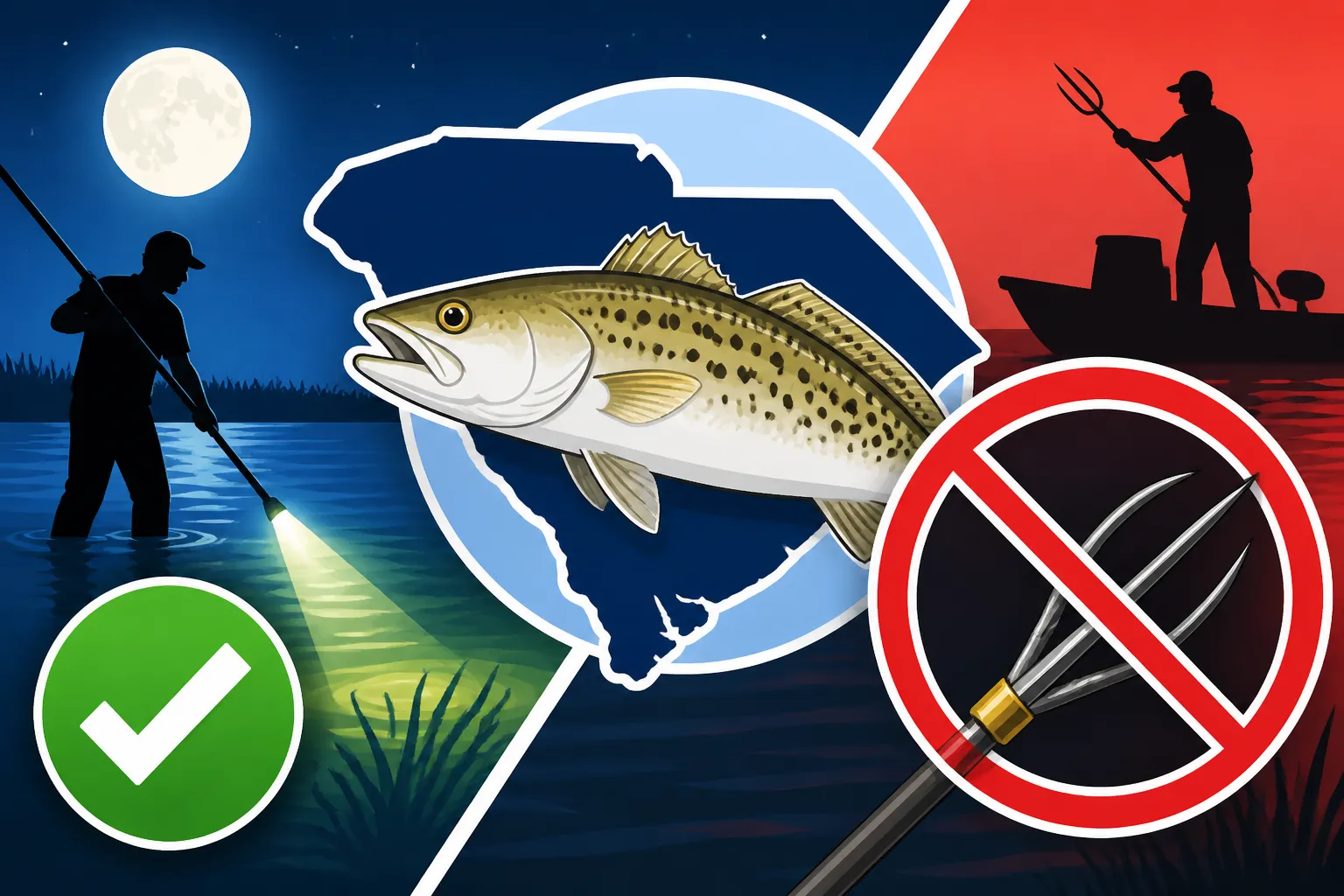
First, let's make sure we're all on the same page about what "gigging" actually entails. Gigging is a method of harvesting fish using a multi-pronged spear, often referred to as a "gig." It’s typically done at night, usually from a boat or by wading in shallow waters, under the illumination of bright lights. The angler spots the fish in the clear, shallow water and spears it. This method is incredibly effective, especially for species that tend to lay still or move slowly in low light conditions or shallow flats. While it’s a time-honored tradition for many, its efficiency also makes it a powerful harvesting tool that requires careful regulation to prevent overfishing. It’s a very visual and direct way to harvest fish, which also means it often requires less effort than traditional angling once you’ve located your target.
Historical Context of Gigging Regulations
South Carolina, like many coastal states, has a rich history of various fishing traditions, and gigging is certainly one of them. For generations, people have gigged for flounder, red drum, and spotted seatrout in the Lowcountry's abundant estuaries. However, as fishing pressure increased and scientific understanding of fish populations grew, the South Carolina Department of Natural Resources (SCDNR) recognized the need for regulations to ensure the sustainability of these valuable resources.
The evolution of these regulations isn't about singling out a particular group of anglers; it's about responding to ecological data. Historically, limits might have been less stringent, but with modern technology making it easier to locate and harvest fish, and with increasing numbers of people enjoying the sport, stricter measures became necessary. The ban on gigging for spotted seatrout during specific periods is a direct result of studies showing that this species becomes particularly vulnerable during certain seasons, and gigging during these times could lead to significant population declines if left unchecked. It’s a dynamic process, and regulations are often adjusted based on current stock assessments and environmental factors to maintain healthy fish populations for future generations of anglers.
Specifics of the South Carolina Seatrout Gigging Ban
Now, let's get down to the nitty-gritty details of the actual ban. It's important to know the precise dates, areas, and species affected so you don't inadvertently find yourself on the wrong side of the law. Nobody wants a fishing trip to end with a fine or confiscated gear.
Exact Dates and Duration
The South Carolina Spotted Seatrout Gigging Ban Dates are consistently enforced each year. This seasonal closure typically runs from December 1st through the end of February. That means for the entire months of December, January, and February, gigging for spotted seatrout is prohibited across South Carolina's coastal waters. This three-month period is strategically chosen to align with a critical time in the seatrout's life cycle when they are most vulnerable to this specific harvesting method. It's a blanket ban, meaning there are no exceptions for specific days or tide cycles within this window. As the article South Carolina's Winter Gigging Ban for Seatrout explains, this isn't just a suggestion, it's a firm rule to protect the species.
Geographical Scope of the Ban
The gigging ban for spotted seatrout applies to all coastal waters of South Carolina. This includes estuaries, tidal creeks, salt marsh systems, sounds, and nearshore waters where spotted seatrout are typically found. Essentially, if you're in an area where you'd normally target seatrout with a gig, the ban is in effect. It doesn't apply to freshwater systems where seatrout don't typically reside, but anywhere saltwater influence is present, you should assume the ban applies. This wide scope ensures comprehensive protection for the species across its entire South Carolina habitat. Local knowledge might suggest certain areas are less frequented by SCDNR, but the law applies universally across the state's coastal region.
Species Covered: Focus on Spotted Seatrout
While gigging can be used for various species, this particular ban specifically targets spotted seatrout (also known as speckled trout or "specks"). Other species that are sometimes gigged, such as flounder or red drum, might have different regulations or open seasons for gigging, but they are not included in this specific winter ban. The focus on spotted seatrout is due to their particular behaviors and vulnerabilities during the colder months, which we'll dive into next. It's crucial for anglers to be able to correctly identify their catch, especially if they are targeting other species during this time, to avoid accidentally gigging a spotted seatrout. Remember, knowing your target species is just as important as knowing the regulations.
Why Gigging is Banned While Rod-and-Reel Fishing Continues
This is often the core question that puzzles anglers: "If I can still catch spotted seatrout with a rod and reel, why can't I gig them?" It's a valid question, and the answer lies in the unique ecological vulnerabilities of spotted seatrout and the differences in impact between these two harvesting methods. The state’s intention isn't to stop you from enjoying a fresh catch, but to ensure that the population remains healthy.
Vulnerability of Spawning Seatrout
One of the primary reasons for the winter gigging ban is the increased vulnerability of spotted seatrout during cooler months. While seatrout generally spawn from spring through fall, they tend to aggregate in deeper, warmer waters during the winter to conserve energy. These congregations can make them easier targets for gigging. Think of it this way: when fish are spread out across vast areas, it’s harder to target a large number efficiently. But when they group together in predictable spots, often in clearer, colder water, gigging becomes incredibly efficient, potentially leading to overharvesting.
Furthermore, spotted seatrout, especially the larger, breeding-size fish, are crucial for future generations. Protecting these fish when they are most susceptible helps ensure they can contribute to the next spawning cycle. Gigging at night, often with powerful lights, also adds to this vulnerability, as the fish can be disoriented or less able to escape detection. This is a critical period for their survival and reproductive success, making it a priority for conservation efforts.
Conservation Efforts and Scientific Rationale
The SCDNR bases these regulations on scientific research and data collected over many years. This isn't just a gut feeling; it's a careful assessment of fish populations, reproductive cycles, and the impact of various fishing methods. The goal of the ban is to promote sustainable fishing practices, ensuring that there are enough spotted seatrout for future generations of anglers.
Studies have shown that intense pressure on aggregated fish populations can have a disproportionately negative effect, leading to a quicker decline than more dispersed fishing efforts. The gigging ban is one of several tools in the SCDNR's arsenal for managing the South Carolina Spotted Seatrout. This includes other regulations like minimum size limits (currently 14 inches, as detailed in South Carolina Spotted Seatrout Minimum Size 14 Inches) and daily bag limits (typically 10 fish per person, see South Carolina Spotted Seatrout Daily Bag Limit of 10 Fish). These combined efforts create a comprehensive management plan designed to maintain a robust and resilient spotted seatrout fishery.
Impact of Different Harvest Methods
The key difference between gigging and rod-and-reel fishing, especially during the winter, lies in selectivity and mortality rates.
- Rod-and-reel fishing often allows for more selective harvesting. Anglers can (and are legally required to) release undersized fish, and often have the option to release larger fish if they choose to do so. While there is always some level of post-release mortality, it is generally lower than with gigging. Also, fish caught on a rod and reel are often actively feeding and dispersed, making it a less efficient method for mass harvesting.
- Gigging, on the other hand, is generally less selective. Once a fish is gigged, its chances of survival are virtually zero. It's a direct harvest method. When fish are concentrated in specific areas during winter, gigging becomes a highly efficient way to remove a large number of fish quickly, including the larger, reproductively valuable individuals. The article Why Gigging Gets Banned but Rod-and-Reel Fishing Doesn't really drills down into this fundamental difference. The combination of vulnerability during colder months and the non-selective nature of gigging makes it a method that requires stricter controls during these critical periods.
Alternative Techniques During the Ban
So, if you can't gig for spotted seatrout during those winter months, does that mean you have to pack away your fishing gear entirely? Absolutely not! South Carolina offers fantastic year-round fishing opportunities, and with a few adjustments to your approach, you can still enjoy targeting spotted seatrout. It's about adapting your strategy to the conditions and the regulations. The article What to Use Instead of a Gig During South Carolina's Winter Ban offers great starting points.
Effective Rod-and-Reel Strategies
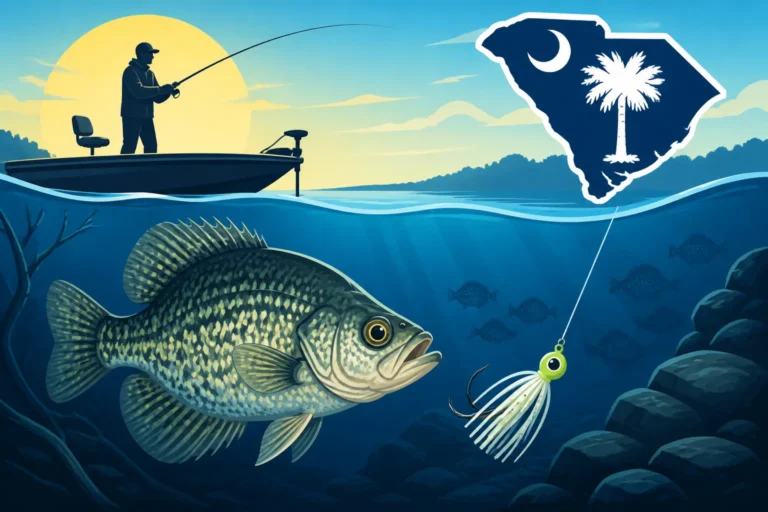
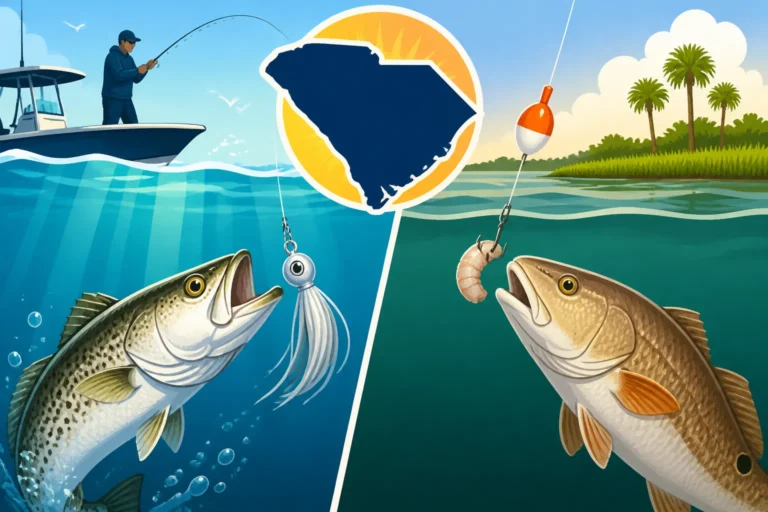
During the gigging ban, switching to traditional rod-and-reel fishing is your best bet for catching spotted seatrout. In winter, seatrout often move into deeper channels, tidal creeks, and around oyster beds or structure in estuaries. They tend to be less active in the colder water, so a slower, more deliberate retrieve is usually more effective.
- Slow-Sinking Lures and Jigs: Soft plastic lures rigged on a jig head are incredibly versatile. Try a slow-retrieve bounce off the bottom or a subtle "twitch, twitch, pause" retrieve. Colors like white, chartreuse, or natural baitfish patterns often work well. Many anglers find excellent soft plastics and jig heads on Amazon, which can be delivered right to your door.
- Live Bait: Live shrimp, mud minnows, or small finger mullet are perennial favorites. Fish them under a popping cork or on a simple Carolina rig near structure. The natural movement of live bait can entice even sluggish winter trout.
- Subtle Presentation: Avoid fast, erratic movements that might spook cold-water fish. Think finesse. Use lighter line and smaller leaders if conditions are clear. Target those periods around tidal changes, especially the slack tide or the beginning of an incoming tide, as fish might become slightly more active. You might find some excellent resources on finding good winter fishing spots by looking up titles like Best Inshore Fishing Spots in South Carolina.
Recommended Baits and Lures
Choosing the right bait or lure can make all the difference when trying to catch spotted seatrout during the winter ban. Remember, these fish are often conserving energy and might not chase fast-moving prey.
- Soft Plastics: As mentioned, soft plastics like Z-Man's "MinnowZ" or "GrubZ" are fantastic. Pair them with a 1/8 to 1/4 ounce jig head. Colors that mimic shrimp or small baitfish are usually productive. You can often find multi-packs of these popular lures on Amazon.
- MirrOlure Suspending Baits: Brands like MirrOlure make excellent suspending hard baits that imitate injured baitfish. These are perfect for cold water because you can cast them out, retrieve them to a certain depth, and then pause them. They'll just hang there, quivering, often triggering a strike from a wary trout.
- Live Shrimp: If you can get your hands on live shrimp, they are deadly for winter seatrout. You can free-line them or fish them under a small float in deeper holes.
- Scented Baits: Some anglers swear by scented soft plastics or adding a dab of scent to their lures. Companies like Pro-Cure offer various scents that can add an extra enticement for less active fish. Remember, while you can't gig, you absolutely can still try to catch Spotted Seatrout during the Gigging Ban with these effective techniques.
Other Legal Harvest Methods
While rod-and-reel is the most common alternative, it's worth noting any other legal methods, though they are fewer and far between for seatrout. For example, some anglers might use cast nets for catching bait, but directly cast netting game fish like spotted seatrout for harvest is typically regulated differently and usually not allowed in the same way gigging is restricted. Spearfishing, which uses different gear and techniques than gigging, is also often regulated separately and may have its own seasonal closures or species limitations. For spotted seatrout, during this winter period, your best bet for direct harvesting remains the good old rod and reel. Always double-check the latest SCDNR regulations for any other lesser-known or localized methods to ensure compliance.
Penalties and Enforcement of the Gigging Ban
Ignoring fishing regulations, especially a specific ban like the winter gigging prohibition, is not a minor infraction. The South Carolina Department of Natural Resources (SCDNR) takes these rules seriously, and for good reason—they are in place to protect valuable natural resources. It’s crucial to understand the potential consequences if you’re caught violating the ban. Nobody wants their day on the water to end with a citation and a hefty fine. For broader context on fishing law, you might find Penalties for Fishing Without a License in South Carolina an informative read on the consequences of not adhering to basic rules.
Fines and Legal Consequences
The penalties for violating the spotted seatrout gigging ban can be significant. Typically, this would be classified as a misdemeanor offense. While specific fines can vary based on the exact nature of the violation and any prior offenses, you can expect a substantial monetary fine. This fine can easily run into hundreds of dollars, potentially even more if multiple fish are illegally harvested or if it's considered a repeat offense.
Beyond the financial penalty, other legal consequences might include:
- Confiscation of Gear: Your gigging equipment, boat, or other fishing gear used in the commission of the offense could be seized by the SCDNR.
- Loss of Fishing Privileges: In more severe cases or for repeat offenders, your fishing license could be suspended or revoked. This means you wouldn't be able to legally fish in South Carolina for a specified period.
- Court Appearances: You would likely be required to appear in court to answer for the charges, adding further legal fees and time commitments.
The goal of these penalties isn't just punitive; it's a deterrent to help protect the species. It serves as a clear message that sustainable practices are paramount.
Role of SCDNR Officers
SCDNR Law Enforcement Officers are the primary enforcers of fishing regulations in South Carolina. These officers are highly trained and have jurisdiction over all state waters, both freshwater and saltwater. They patrol coastal areas by boat, vehicle, and sometimes even on foot, actively looking for violations. They are equipped to check licenses, inspect catches, and ensure compliance with all fishing laws, including specific bans like the seatrout gigging prohibition.
Their duties often include:
- Patrolling Known Hotspots: Officers are aware of common areas where gigging might occur, and they conduct targeted patrols during the ban period.
- Responding to Tips: SCDNR also responds to tips from concerned citizens and other anglers who report suspected illegal activity.
- Education: While enforcement is a key role, officers also serve an educational purpose, informing the public about regulations and conservation efforts.
It's important to remember that these officers are there to protect our natural resources. Cooperation with them ensures a safer and more sustainable environment for everyone. If an officer approaches you, be polite, provide identification, and allow them to conduct their inspection.
Reporting Violations
If you witness a violation of the spotted seatrout gigging ban or any other fishing regulation, the SCDNR encourages you to report it. Concerned citizens play a crucial role in conservation efforts. You can report violations anonymously through the SCDNR's Operation Game Thief program.
- How to Report: You can call their toll-free hotline or submit an online report. Providing as much detail as possible, such as the location, date, time, description of individuals or vessels involved, and the nature of the violation, can greatly assist officers in their investigation.
- Why Report: Reporting helps the SCDNR target their enforcement efforts effectively and sends a strong message that illegal activities will not be tolerated. It’s about protecting the future of fishing in South Carolina for all of us who love to be out on the water.
Staying Informed About Regulations
Fishing regulations are not static; they can and do change. What was legal last year might not be this year, and what applies to one species might not apply to another. For the dedicated angler, staying up-to-date is not just about avoiding fines; it's about being a responsible steward of our natural resources.
Official Sources for Regulation Updates
When it comes to fishing regulations in South Carolina, there is one definitive source: the South Carolina Department of Natural Resources (SCDNR). Relying on hearsay, social media posts, or outdated pamphlets can lead to costly mistakes.
- SCDNR Website: The official SCDNR website is your go-to resource. They typically have a dedicated section for fishing regulations that is updated regularly. This includes detailed information on licenses, bag limits, size limits, and special seasonal closures like the spotted seatrout gigging ban. You can usually download a comprehensive guide or view specific regulations online.
- SCDNR Mobile App: Many state agencies, including SCDNR, offer mobile applications (often called "Go Outdoors South Carolina" or similar) that provide easy access to regulations, licensing, and reporting tools. Checking the app on your phone while on the water is a quick way to verify a rule. You can find links to download these apps, and even purchase licenses, directly from the SCDNR website or through app stores like Amazon.
- Printed Guides: While the website is the most up-to-date, SCDNR often publishes annual printed fishing guides available at tackle shops, licensing agents, and SCDNR offices. Always make sure you pick up the current year's version.
The Importance of Annual Review
Even if you've been fishing in South Carolina for years, making an annual review of the regulations is a non-negotiable step for responsible angling.
- Regulations Change: Fish populations fluctuate due to environmental factors, fishing pressure, and conservation initiatives. The SCDNR constantly monitors these factors and adjusts regulations to ensure sustainability. For instance, a minimum size limit for a species could increase or decrease, or a specific season could be shortened or lengthened. The Understanding Redfish Slot Limit Changes Over Time article highlights how regulations for other popular species can evolve, underscoring this point.
- Species-Specific Rules: Different species have different rules. A limit for redfish might be vastly different from that for spotted seatrout or flounder. What’s allowed for recreational anglers might differ from commercial fishing.
- Staying Current Prevents Violations: The most obvious reason is to avoid accidentally breaking the law. Ignorance of the law is not a valid defense. A quick check before your season starts can save you a lot of hassle and money.
- Supports Conservation: By understanding and adhering to the rules, you actively participate in the conservation efforts that keep South Carolina's waters abundant for everyone. When does South Carolina's Seatrout Gigging Ban End? It ends on the last day of February, so you'll need to check those exact dates annually to confirm.
| Aspect | Details |
|---|---|
| Species Covered | Spotted Seatrout (also known as Speckled Trout, Specks) |
| Method Banned | Gigging (spearing fish with a multi-pronged spear, often at night with lights) |
| Ban Dates | Annually from December 1st through the last day of February (December, January, February) |
| Geographical Scope | All South Carolina coastal waters, including estuaries, tidal creeks, salt marsh systems, sounds, and nearshore. |
| Reason for Ban | Protects vulnerable, aggregated seatrout populations during colder months to ensure sustainability. |
| Permitted Methods | Rod and reel fishing is still permitted during the ban. |
| Alternative Techniques | Slow-sinking soft plastics, suspending hard baits, live bait (shrimp, mud minnows) on appropriate rigs. |
| Enforcement Agency | South Carolina Department of Natural Resources (SCDNR) Law Enforcement Officers. |
| Potential Penalties | Substantial monetary fines, confiscation of gear, possible suspension/revocation of fishing license, court appearance. |
| How to Stay Informed | Regularly check the official SCDNR website or their mobile app for the latest regulations. |
Disclaimer
Please remember that fishing regulations can change. While this guide provides comprehensive and up-to-date information, it is always your responsibility to consult the official South Carolina Department of Natural Resources (SCDNR) website or official publications before engaging in any fishing activity. This article is for informational purposes only and should not be considered legal advice.