South Carolina Speckled Trout Charter Trips
For many anglers, the dream of hooking a feisty speckled trout in the picturesque estuaries of South Carolina can be both exciting and a little daunting. Figuring out where to go, what bait to use, and how to navigate the ever-changing tides and regulations often leaves people feeling overwhelmed, or worse, coming home empty-handed. This guide is designed to cut through that confusion, helping you understand everything about booking a South Carolina speckled trout charter trip, ensuring you have the best possible chance at a successful and memorable outing.
Why Choose a Speckled Trout Charter in South Carolina?
Let's be honest, fishing in a new area, especially in a diverse coastal environment like South Carolina, can be a steep learning curve. There’s a world of difference between dropping a line in a local pond and navigating tidal creeks for a specific species like speckled trout. That's precisely where a dedicated charter trip shines, taking the guesswork out of your adventure and putting you directly onto the fish.
Local Expertise and Hidden Hotspots
One of the biggest advantages of a speckled trout charter is tapping into the captain's invaluable local knowledge. These guides spend countless hours on the water, observing patterns, understanding the subtle nuances of the tides, and knowing exactly where the trout are holding during different times of the year. They aren't just driving a boat; they're seasoned professionals who understand the ecosystem, the migration patterns, and the feeding habits of the fish.
Imagine spending precious vacation time trying to find a productive creek on your own, only to discover the fish have moved or the spot requires specific tidal conditions you weren’t aware of. A good captain already has these hidden hotspots mapped out in their mind, often knowing secret channels, oyster beds, and grass flats that aren't on any public chart. They'll also know how the recent weather has affected the bite, making real-time adjustments that a visiting angler simply can't.
Gear, Bait, and Techniques Provided
Another huge relief for many anglers, especially those traveling from out of state or new to saltwater fishing, is not having to worry about equipment. Speckled trout charters come fully equipped with all the necessary rods, reels, tackle, and most importantly, the right bait. Saltwater gear can be expensive and specialized, and knowing what works best for speckled trout in South Carolina's diverse waters requires experience.
Your captain will have high-quality rods and reels specifically spooled for targeting speckled trout, ensuring you have the right sensitivity and strength for these cunning fish. They'll also provide the freshest live bait, whether it's shrimp, mud minnows, or finger mullet, or have an arsenal of artificial lures that have proven effective in local waters. This not only saves you money on buying gear but also guarantees you're using what the fish are most likely to bite, maximizing your chances for success.
Navigating Regulations and Seasons
South Carolina has specific regulations for fishing, including minimum sizes, bag limits, and seasonal considerations for various species. Keeping up with these can be a headache, and unintentional violations can lead to hefty fines. When you book a guided trip, the captain is responsible for ensuring all fishing activities adhere to current state laws, taking that burden completely off your shoulders. They're well-versed in the South Carolina Fishing License Guide and all species-specific rules.
For instance, understanding the nuances of the South Carolina Spotted Seatrout Daily Bag Limit of 10 Fish and size requirements is critical. Your captain will ensure that any fish you keep are legal and will educate you on catch-and-release best practices for those that aren't. They also keep an eye on broader conservation efforts, sometimes even practicing voluntary limits more restrictive than state law to protect the fishery. This ensures your trip is not only successful but also responsible and compliant.
Understanding South Carolina's Spotted Seatrout
Often affectionately called "specks" or "speckled trout" by local anglers, the spotted seatrout is one of the most popular inshore game fish in South Carolina. They are prized for their aggressive strikes, challenging fight, and delicious table fare. To truly appreciate a charter trip targeting these fish, it helps to know a little about them.
Key Characteristics and Habitat
Spotted seatrout (Cynoscion nebulosus) are easily recognizable by the distinct black spots scattered across their silvery-gray bodies, which are particularly prominent along their backs and dorsal fins. They have a sleek, elongated body shape and two prominent canine teeth in their upper jaw, perfect for ambushing prey. While they can grow quite large, most keeper-sized fish in South Carolina range from 14 to 20 inches.
These fish thrive in the shallow, brackish waters of South Carolina's coastal estuaries, tidal creeks, and salt marshes. They particularly favor areas with seagrass beds, oyster reefs, and muddy bottoms where they can find ample food and cover. You'll often find them lurking around structure, drop-offs, and current breaks, waiting for an unsuspecting shrimp or baitfish to swim by. Understanding this habitat is key to finding them, and it's a specialty of inshore charter captains.
Seasonal Patterns and Behavior
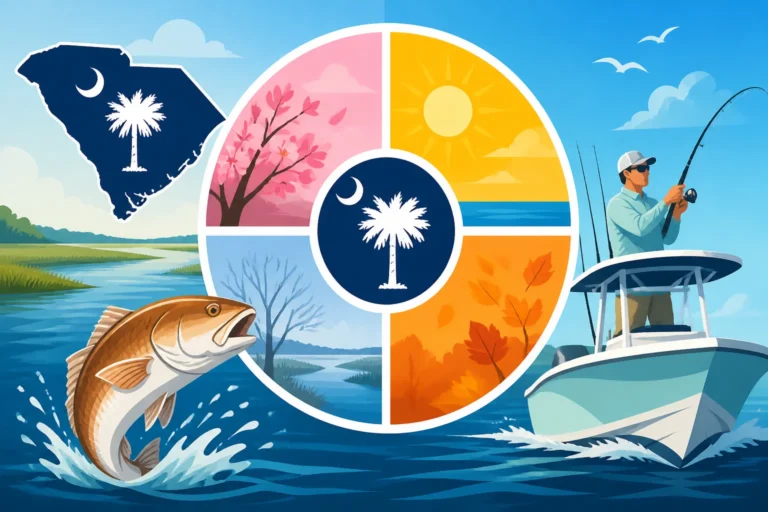
Speckled trout behavior is heavily influenced by water temperature and the availability of food. In South Carolina, you can often find them year-round, but their patterns shift with the seasons. Spring sees them becoming more active as water temperatures rise, moving into shallower areas to feed aggressively after the cooler winter months. This is often an excellent time for sight-fishing in clear waters.
Summer can mean they're a bit more spread out and may seek slightly deeper, cooler waters during the hottest parts of the day, often moving into the creeks and channels with good tidal flow. Fall is arguably one of the best times to target them, as they aggressively feed in preparation for winter, schooling up in larger numbers. As winter approaches and water temperatures drop, they'll typically move into deeper holes, protected channels, and residential canals where water temperatures are more stable. A charter captain knows these seasonal shifts intimately, guiding you to the most productive areas for that specific time of year.
South Carolina Spotted Seatrout Minimum Size 14 Inches and Bag Limits
Like any popular game fish, spotted seatrout are subject to specific regulations designed to ensure a healthy and sustainable fishery. In South Carolina, anglers must adhere to these rules, which include both a minimum size and a daily bag limit. Currently, the South Carolina Spotted Seatrout Minimum Size 14 Inches is in place, meaning any trout caught must measure at least 14 inches from the tip of its nose to the end of its tail to be legally harvested.
Beyond the size, there's also a daily possession limit. As mentioned, the Spotted Seatrout Daily Bag Limit of 10 Fish means an individual angler can keep no more than ten spotted seatrout per day. These limits are crucial for maintaining fish populations and are regularly reviewed and sometimes adjusted by state wildlife agencies. Your charter captain will be fully aware of the current South Carolina Spotted Seatrout Fishing Regulations Explained and will help you measure your catch accurately, ensuring compliance and promoting conservation on your trip.
What to Expect on a Speckled Trout Charter
Stepping aboard a fishing charter for the first time can bring a mix of excitement and questions. Knowing what to anticipate for a speckled trout trip in South Carolina can help you relax and fully enjoy the experience. These trips are generally designed to be accessible and productive, regardless of your prior fishing experience.
Typical Trip Duration and Inclusions
Most South Carolina speckled trout charters offer a range of trip durations, with the most common being half-day (typically 4-5 hours) and full-day (6-8 hours) options. For many, a half-day trip is perfect, offering plenty of time to catch fish without becoming overly tired, especially if you're new to saltwater fishing or have young children with you. Full-day trips allow for more exploration, hitting multiple spots, and often provide the opportunity to target other inshore species alongside trout.
Regardless of the duration, charters generally include all the essential fishing gear: rods, reels, tackle, and usually bait (though sometimes special requests for live bait might be an extra charge, so always confirm). Most captains also provide coolers with ice for your drinks and snacks, and often have a first-aid kit on board. What's typically not included are your personal food and drinks, sunscreen, sunglasses, and any personal fishing license you might need. Don't forget, when you're looking for a trip, platforms like FishingBooker often list detailed inclusions, so you know exactly what to expect before you book.
Common Fishing Techniques Used
Targeting speckled trout on a charter involves a variety of effective techniques, and your captain will adapt to what the fish are doing on any given day. One of the most common and productive methods is using live bait, such as live shrimp or finger mullet, fished under a popping cork. The popping cork creates an enticing splash and noise that mimics a feeding fish, drawing trout to your bait. This method is incredibly visual and exciting, especially for beginners and kids.
Another popular technique involves soft plastic artificial lures, often rigged on a jig head. These can be retrieved with a slow, steady retrieve or a "twitch-twitch-pause" action that imitates a fleeing baitfish. Sight fishing is also possible in clear, shallow waters, where the captain might pole the boat quietly through grass flats, allowing anglers to cast directly to visible trout. Fly fishing for speckled trout is also popular with some guides, offering a unique challenge. Your captain will guide you on the best technique for the conditions and your skill level.
The Role of Tides and Weather
In South Carolina's coastal environment, tides are arguably the single most important factor influencing speckled trout behavior and, consequently, fishing success. Trout use tidal currents to ambush prey and move in and out of feeding areas. A good charter captain will plan your trip around the most advantageous tidal stages, whether it's an incoming tide pushing bait into creeks or an outgoing tide concentrating fish in deeper channels.
Weather also plays a significant role. Cloudy days can sometimes make fish more active in shallower water, while bright, sunny days might push them deeper or into shaded areas. Wind can create chop, making casting harder but also oxygenating the water and disorienting baitfish. Extreme cold fronts can make trout lethargic, whereas stable warm weather often leads to an aggressive bite. Your captain constantly monitors weather forecasts and tide charts to put you in the best position. It's why booking a charter is so effective; they do all the heavy lifting of predicting the best windows for fishing. When considering the Best Time of Year to Book a South Carolina Fishing Charter, these tidal and weather considerations are always top of mind for captains.
Choosing the Right South Carolina Speckled Trout Charter
With so many excellent guides and charter services in South Carolina, picking the right one for your speckled trout adventure can feel like a big decision. It’s not just about finding a boat; it’s about finding the right captain and trip experience to match your expectations.
Researching Captains and Boats
The first step is to do a little homework. Look for captains who specialize in inshore fishing and specifically mention targeting speckled trout. Review their websites, social media, and read client testimonials. Pay attention to photos – are they consistent with what you want to catch? A good captain will have a well-maintained, clean boat that is suitable for the type of fishing you’ll be doing, whether it’s a shallow-drafting skiff for skinny water or a bay boat for slightly more open areas.
Don't hesitate to contact potential captains directly to ask questions. Discuss their experience, what their typical speckled trout trips entail, and how they handle different weather conditions. You want to feel comfortable and confident in your choice. Many anglers use reputable booking platforms, like FishingBooker, to browse different captains and boats, compare reviews, and directly inquire about trip details before making a commitment. This streamlines the research process significantly.
South Carolina Charter Fishing Costs and Trip Types
The cost of a South Carolina speckled trout charter can vary based on several factors: trip duration (half-day vs. full-day), the type of boat, the number of anglers, and the captain's experience. Generally, you’ll find half-day trips are more budget-friendly, while full-day excursions offer more fishing time and opportunity but come at a higher price point. It's important to remember that most charter prices are for the boat, not per person, up to a certain maximum number of passengers.
When comparing prices, make sure you understand what's included. Does it cover bait, tackle, and bottled water? What about cleaning your catch? Always clarify these details upfront. For a detailed breakdown, check out resources like South Carolina Charter Fishing Costs and Trip Types, which can help you set realistic expectations for your budget. While it might seem like a significant upfront cost, consider the value of the expertise, equipment, and access to prime fishing grounds you're getting.
Family-Friendly Fishing Charters in South Carolina and Group Considerations
If you're planning a trip with children, finding a Family-Friendly Fishing Charters in South Carolina is paramount. Some captains specialize in catering to younger anglers, offering shorter trips, simpler techniques, and a patient, encouraging demeanor. They understand that kids might have shorter attention spans and prioritize making the experience fun and engaging, even if it means fewer fish caught. Always mention if you're bringing children when you book, so the captain can prepare accordingly.
For groups, consider the maximum capacity of the boat. Most inshore boats can comfortably accommodate 2-4 anglers, with some larger bay boats handling up to 6. If you have a larger group, you might need to book two separate charters or find a larger vessel, which can sometimes be harder for inshore speckled trout trips. Discuss your group size and needs clearly with the captain or booking agent to ensure a comfortable and safe experience for everyone on board.
Preparing for Your Speckled Trout Adventure
Once you've booked your South Carolina speckled trout charter, a little preparation on your part can go a long way in ensuring a comfortable and enjoyable day on the water. It’s about being ready for the elements and having everything you need close at hand.
What to Bring and What's Provided
While your charter captain will provide the essential fishing gear, there are several personal items you'll want to bring along. Sun protection is crucial in South Carolina, so pack sunscreen, a wide-brimmed hat, and polarized sunglasses. Sunglasses aren't just for comfort; they help you spot fish or structure under the water, giving you an edge. Light, breathable clothing is best, and consider layers, as morning temperatures can be cooler than midday.
Don't forget your personal food and drinks, as these are rarely included. Small coolers for your provisions are usually welcome. A camera to capture those memorable catches is a must, and if you're prone to seasickness, take preventative medication well before the trip begins. Ask your captain specifically if there's anything else they recommend bringing or if there's anything you shouldn't bring.
Here's a handy table to help you prepare:
| Item Type | Essential (Bring) | Often Provided (Confirm with Captain) | Optional (Consider Bringing) |
|---|---|---|---|
| Personal Gear | Sunscreen, Hat, Sunglasses | Fishing Rods & Reels, Tackle, Life Jackets | Camera, Binoculars, Small Cooler for Snacks |
| Clothing | Light layers, Rain jacket (seasonal) | Extra shirt, Towel | |
| Food & Drink | Water, Snacks, Lunch | Ice for your cooler (sometimes) | Favorite drinks, Electrolyte packets |
| Documents | Valid Fishing License (if required) | Photo ID | |
| Comfort/Safety | Seasickness medication (if needed) | First Aid Kit, Safety Equipment | Comfortable non-slip shoes |
South Carolina Fishing License Requirements
This is a big one! While many charter boats operate under a blanket license that covers all passengers, it's not always the case, and rules can vary. It is absolutely critical to clarify this when booking your trip. Often, your charter captain will cover the fishing license for everyone on board. However, if they don't, you will need to purchase a valid South Carolina fishing license yourself.
You wouldn't want to get all the way out on the water, only to discover you're not legally covered. Always ask your captain directly before your trip. If you do need one, remember that licenses can often be purchased online through the South Carolina Department of Natural Resources (SCDNR) website, or from authorized license vendors like bait shops. For a full breakdown, consult South Carolina Fishing License Requirements in South Carolina to ensure you're fully prepared.
Tipping Your South Carolina Fishing Guide Etiquette
Tipping is a common practice in the charter fishing industry, much like in restaurants or other service professions. Your captain and any mate on board work hard to ensure you have a safe, fun, and productive trip. They put in long hours before and after the trip, maintaining equipment, cleaning the boat, and preparing bait. If you had a good experience, showing your appreciation through a tip is customary.
The general guideline for tipping a South Carolina fishing guide is 15-20% of the total charter cost. If they went above and beyond, handled challenging conditions expertly, or were particularly patient with children or beginners, a higher tip is always appreciated. Hand the tip directly to the captain at the end of the trip, or if there's a mate, you can ask the captain how they prefer the tip to be split. For more detailed insights, take a look at Tipping Your South Carolina Fishing Guide, as it helps understand the industry standards and ensures you show proper respect for their hard work.
Top Regions for Speckled Trout Charters in South Carolina
South Carolina's coast is a vast and diverse fishery, offering numerous prime locations for speckled trout. While you can find specks almost anywhere along the coast, some areas are particularly renowned for their healthy populations and excellent charter opportunities.
Charleston Harbor Fishing Spots and Surrounding Areas
Charleston is often considered the heart of South Carolina's Lowcountry fishing scene, and for good reason. Charleston Harbor Fishing Spots for South Carolina Anglers are abundant, offering a mix of expansive bays, intricate tidal creek systems, and Spartina grass flats that are perfect speckled trout habitat. The sheer volume of water and variety of structure means there's always a new spot to explore, and the trout fishing can be phenomenal, especially in the cooler months.
Captains operating out of Charleston often target areas like the Wando River, Cooper River, and the myriad of creeks feeding into the harbor. These areas offer both protection from open ocean conditions and a rich food source for trout. The convenience of Charleston's amenities also makes it a popular choice for visitors looking to combine a fishing trip with a vibrant city experience.
Murrells Inlet Inshore Fishing Spots in South Carolina
Just south of Myrtle Beach, Murrells Inlet stands out as a unique and highly productive fishing destination. This natural inlet is sheltered by a series of barrier islands and is home to an extensive network of tidal creeks, oyster beds, and grass flats that are absolutely teeming with speckled trout. Charters here often navigate the winding creeks and target the edges of oyster shells and the deeper bends where trout ambush bait.
Anglers often find themselves fishing within sight of beautiful salt marsh scenery, with abundant birdlife. The inlet's unique geography means it offers excellent protection from rough ocean waters, making it a comfortable spot for inshore fishing almost year-round. For more information on this gem, explore Murrells Inlet Inshore Fishing Spots in South Carolina, which highlights some of the best areas for specks.
Hilton Head Island and Beaufort Waters
Further south, Hilton Head Island and the surrounding Beaufort waters are another fantastic region for speckled trout charters. This area boasts vast expanses of pristine salt marsh, wide open sounds, and numerous tidal creeks that provide ideal habitat. Charters here often focus on the Calibogue Sound, Port Royal Sound, and the smaller creeks and estuaries that branch off them.
The fishing around Hilton Head and Beaufort is known for its incredible natural beauty, offering not just great fishing but also opportunities to see dolphins, sea birds, and other wildlife. Captains in this region are adept at navigating the complex network of waterways, finding the trout whether they are shallow in the grass or deeper in the channels. These areas also offer a variety of amenities and accommodations, making them a popular choice for fishing vacations. If you're considering this area, looking into Hilton Head Island Fishing Charters, South Carolina can give you a better idea of what's available.
Disclaimer
This article is for general informational purposes only and does not constitute professional advice. Laws, prices and regulations vary by location and change over time. Consult a qualified professional for guidance on your specific situation.