South Carolina Wahoo Charter Fishing Trips
The open ocean off South Carolina can be a truly incredible place, but nothing quite tests your tackle, your grit, and your arm strength like a wahoo. These torpedo-shaped speedsters are the ultimate challenge for many offshore anglers, and if you've ever dreamt of battling one of these toothy giants, knowing how to plan a South Carolina wahoo charter fishing trip is your first step to making that dream a reality. This guide will walk you through everything you need to know to pursue these incredible fish.
The Thrill of Wahoo Fishing in South Carolina
There's a reason why wahoo fishing holds such a special place in the hearts of offshore anglers. It's not just about landing a big fish; it's about the entire experience of chasing one of the fastest, most powerful predators in the ocean. The anticipation, the explosive strike, and the screaming drag are all part of the allure that keeps anglers coming back for more.
What Makes Wahoo a Prized Catch?
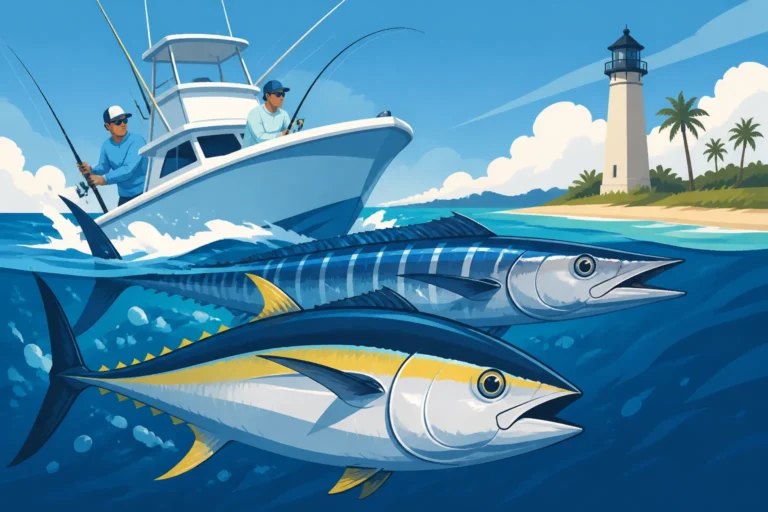
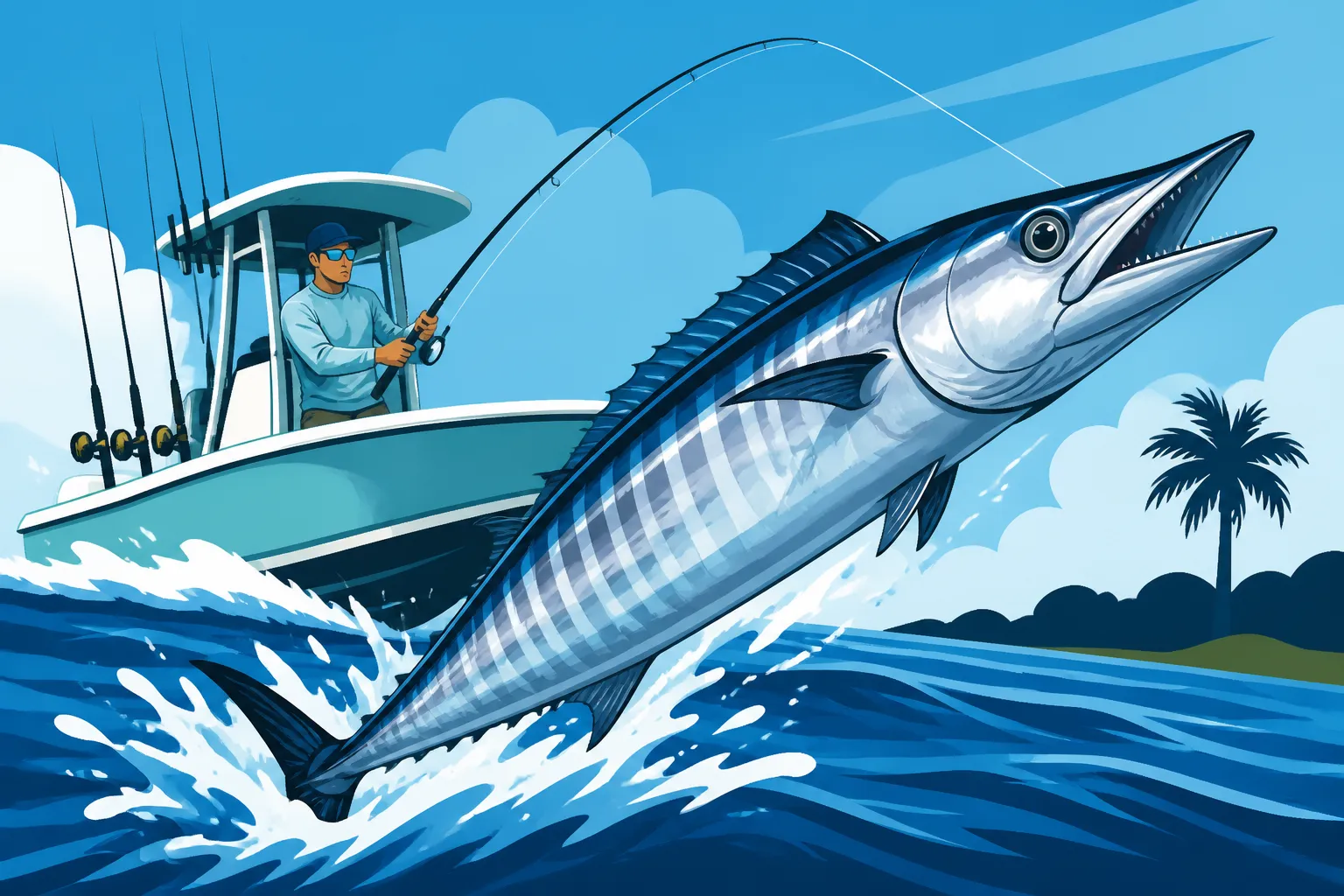
Wahoo are, simply put, built for speed. Their sleek, iridescent blue bodies are perfectly hydrodynamic, allowing them to slice through the water at incredible velocities. When a wahoo hits a trolled lure, it’s often described as a freight train striking—the line just peels off the reel at an alarming rate, and you quickly realize you're hooked into something truly special. This initial, blistering run is what sets them apart from many other game fish.
Beyond their speed, wahoo are also renowned for their delicious, firm white meat. Many consider it one of the finest-eating fish in the ocean, making the reward of a successful catch doubly satisfying. Unlike some other pelagic species, wahoo meat is not oily and lends itself well to various cooking methods, from grilling to searing. Their combination of a formidable fight and superb table fare solidifies their status as a highly prized catch for any offshore angler.
The challenge they present means that landing a wahoo feels like a true accomplishment. It requires proper tackle, sharp hooks, and often, a coordinated effort from the boat crew to ensure the fish is brought safely alongside without being lost to its powerful thrashing or razor-sharp teeth. It's a test of skill, patience, and good sportsmanship.
When to Target Wahoo in South Carolina Waters
Timing is often everything when it comes to offshore fishing, and wahoo are no exception. While you can sometimes encounter them year-round, there are peak seasons when your chances of hooking into these speed demons significantly increase. In South Carolina, wahoo tend to be more prevalent in deeper offshore waters, often associated with temperature breaks, weed lines, and bait concentrations along the Gulf Stream.
Generally, the spring and fall months are considered prime time for wahoo fishing off the South Carolina coast. During spring, as water temperatures begin to warm, wahoo migrate closer to the coast and feeding grounds, making them more accessible to charter boats. The fall run can be equally productive, often seeing larger fish as they feed aggressively before cooler water pushes them further offshore. Summer months can also yield good numbers, especially for those willing to venture further out to the Gulf Stream, while winter can be a bit more sporadic but still offer opportunities for trophy fish on warmer currents. Best Time of Year to Book a South Carolina Fishing Charter is always a good resource to consult for seasonal insights across different species.
It's important to remember that weather and ocean conditions play a huge role. Calm seas are not only more comfortable for the anglers but also allow the captain to effectively troll at the high speeds necessary for enticing wahoo strikes. Always communicate with your charter captain about the current conditions and their expert opinion on the best time for your trip.
Choosing the Right Wahoo Charter in South Carolina
Booking an offshore charter, especially for a specific species like wahoo, requires a bit more thought than just picking the first boat you see. You want to ensure you're going with a reputable operation that has the experience, equipment, and knowledge to put you on these fast-moving fish. The right choice can make all the difference between a memorable trip and a disappointing one.
Key Factors for a Successful Wahoo Trip
When it comes to targeting wahoo, not all offshore charters are created equal. You need a captain and crew who live and breathe high-speed trolling and understand the nuances of chasing these specific predators. Experience is paramount; a seasoned captain will know the productive offshore ledges, humps, and temperature breaks where wahoo are likely to congregate. They'll also have a proven track record of finding bait and understanding migration patterns.
The boat itself is another critical factor. Wahoo charters typically require larger, faster offshore boats capable of comfortably making long runs to the fishing grounds, often 30 to 60 miles or more offshore. These vessels should be equipped with top-tier electronics, including powerful fish finders and radar, to locate structure, bait, and birds that indicate feeding activity. Furthermore, the vessel should be well-maintained and hold all necessary safety equipment, ensuring a secure and enjoyable journey out to the deep blue.
Finally, the tackle must be up to the task. Wahoo demand heavy-duty conventional reels, stout rods, strong braided or monofilament line, and robust leaders, often wire, to withstand their sharp teeth and blistering runs. Charters specializing in wahoo will have this high-quality gear ready to go. Don't be shy about asking prospective captains about their experience specifically targeting wahoo and the gear they use. Browsing platforms like FishingBooker allows you to filter by specific types of fishing and read reviews, helping you find captains with a focus on pelagic species like wahoo.
Understanding Trip Lengths and Costs
Wahoo fishing is almost exclusively an offshore pursuit, meaning longer trip durations are generally required to reach the productive grounds and spend adequate time fishing. While some charters might offer "extended half-day" options, a full-day (8-10 hours) or even an extended full-day (12+ hours) trip is typically recommended for serious wahoo anglers. The extra time allows the captain to run further offshore to prime spots and gives you more fishing time once you're there. South Carolina Charter Fishing Costs and Trip Types can provide a broader overview, but for wahoo specifically, expect trips to fall into the higher-end duration and cost categories due to fuel, distance, and specialized gear.
When considering costs, remember that a wahoo charter often represents a significant investment. Prices can vary widely based on the boat's size, the captain's reputation, the trip duration, and what's included. Typically, charters charge a flat rate for the boat, regardless of how many people are aboard (up to the vessel's capacity). This means that splitting the cost among a group of friends can make it more affordable per person. When inquiring about price, always clarify what's included: fishing licenses, bait, tackle, and fish cleaning are common inclusions, but it’s always best to confirm upfront.
| Trip Length | Target Distance Offshore | Typical Fishing Time | Best for Wahoo? | Considerations |
|---|---|---|---|---|
| Half-Day (4-5 hrs) | Nearshore (10-20 miles) | 2-3 hours | No | Rarely enough time to reach prime wahoo grounds. |
| Full-Day (8 hrs) | Offshore (30-50 miles) | 4-5 hours | Yes | Good for focused wahoo fishing, balanced travel. |
| Extended Full-Day (10-12+ hrs) | Far Offshore (50+ miles, Gulf Stream) | 6-8+ hours | Absolutely | Maximizes time in prime wahoo territory, best chance for multiple hookups. |
For those looking for a truly dedicated wahoo experience, platforms like FishingBooker allow you to specifically search for "Tuna and Wahoo Charters off the South Carolina Coast", ensuring you find captains who are geared up and ready for these pelagic speedsters.
What to Expect on a Wahoo Charter Fishing Trip
So, you've booked your trip and the excitement is building! Knowing what a typical wahoo charter entails can help you feel more prepared and allow you to fully enjoy the adventure. These aren't your leisurely, bottom-fishing trips; wahoo charters are often a high-energy, fast-paced pursuit.
Gear and Techniques Used for Wahoo
The primary technique for wahoo fishing in South Carolina is high-speed trolling. This involves dragging a spread of lures or baits at speeds ranging from 12 to 20 knots (and sometimes even faster!) to cover vast amounts of water and entice these aggressive fish. The lures themselves are typically heavy, lipped plugs designed to track straight at high speeds, or skirted lures often pulled in conjunction with a planer or downrigger to get them deep in the water column. Sometimes, rigged ballyhoo or other natural baits are used in combination with skirts for added appeal.
The tackle used is robust to say the least. Heavy conventional rods paired with large, powerful reels loaded with strong braided line are standard. Wire leaders are absolutely essential due to the wahoo's incredibly sharp teeth, which can easily sever monofilament. The captain and crew will meticulously rig the spread, often using specific color patterns and lure depths based on conditions and their experience. When a wahoo strikes, the drag will scream, and the angler will typically need to reel furiously to gain line back against the fish's powerful runs. This is where good quality gear really proves its worth.
The Charter Experience: From Booking to Catching
Your wahoo charter typically begins with a morning meet-up at the dock. After a quick briefing, you'll embark on what can be a significant run offshore to the fishing grounds. This journey might take anywhere from one to three hours, depending on where the fish are biting. During this time, the crew will likely be preparing the tackle, rigging baits, and keeping an eye on the water for signs of life.
Once on the grounds, the crew will deploy the trolling spread. This is a dynamic process, and the captain will constantly monitor the electronics for temperature changes, bait schools, and offshore structure. When a fish hits, it's all hands on deck! The crew will work quickly to clear other lines, assist the angler in the fighting chair or stand-up harness, and ready the gaff. The fight can be intense and fast, often involving powerful head shakes and short, explosive runs. Once the fish is alongside, the crew will gaff it and bring it aboard. After a successful trip, the crew will usually clean and fillet your catch back at the dock, ready for you to take home. This is often included in the What's Included in a South Carolina Charter Fishing Trip cost, but always confirm beforehand.
Preparing for Your South Carolina Wahoo Adventure
A little preparation goes a long way, especially for an offshore trip that can last all day. Being well-prepared ensures your comfort, safety, and maximizes your enjoyment of the incredible fishing opportunity. Don't underestimate the power of the sun or the potential for motion sickness.
Essential Items to Bring
Even though most reputable South Carolina fishing charters will provide all the necessary fishing gear, bait, and safety equipment, there are several personal items you should bring to ensure a comfortable and enjoyable day on the water. Layered clothing is always a good idea, as offshore mornings can be cool, but midday sun can be intense. Think about quick-drying materials. Sun protection is non-negotiable: a wide-brimmed hat, sunglasses (polarized are a huge plus for spotting fish or weed lines), and high-SPF sunscreen are absolute musts.
Hydration is also key. Bring plenty of water and other non-alcoholic beverages. Snacks, sandwiches, and any other food you might want throughout the day are also a good idea, as charters typically don't provide meals. For those prone to motion sickness, taking preventative medication like Dramamine or Bonine the night before and again in the morning is highly recommended. Don't wait until you're feeling queasy – prevention is far more effective. What to Bring on a South Carolina Fishing Charter provides a comprehensive list that’s definitely worth checking out.
It's also wise to bring a cooler (separate from the boat's fish cooler) to transport your filleted catch home. Ziploc bags for fillets are also handy. And, of course, don't forget your camera to capture those thrilling moments and impressive catches!
Regulations and What to Know About Your Catch
Even on a charter, it's important to be aware of the fishing regulations for wahoo in South Carolina. While the captain and crew are responsible for knowing and adhering to all current rules, understanding the basics adds to your overall experience. Wahoo generally have a daily bag limit per person, and sometimes a vessel limit. Always defer to your captain for the most up-to-date information, as regulations can change.
As for your catch, wahoo are, as mentioned, excellent table fare. Most charters will clean and fillet your fish for you at the dock, leaving you with delicious, boneless portions ready for cooking. Be sure to confirm this service with your charter before you book. Once filleted, wahoo can be grilled, seared, baked, or even prepared as sashimi. It's a versatile fish that holds up well to various preparations, making that fresh catch even more rewarding. Enjoying your hard-earned wahoo dinner is truly the culmination of an incredible South Carolina offshore adventure.
Disclaimer
This article is for general informational purposes only and does not constitute professional advice. Laws, prices and regulations vary by location and change over time. Consult a qualified professional for guidance on your specific situation.