Best Time of Year to Fish South Carolina’s Coast
If you've ever found yourself staring at the South Carolina coast, rod in hand, wondering if you've picked the absolute best day to wet a line, you're not alone. It's easy to get overwhelmed trying to figure out when the bite is truly on, with so many variables like weather, tides, and what fish are even around. This guide will walk you through the seasonal rhythms of South Carolina's coastal waters, helping you pinpoint the prime times for your next fishing adventure.
Understanding South Carolina's Coastal Fishing Seasons
South Carolina's coastline is a vibrant, dynamic fishery, constantly changing with the seasons. Unlike some regions where fishing might shut down for months, the Palmetto State offers opportunities year-round. However, what you can catch and how you approach it shifts dramatically throughout the calendar, making it crucial to understand these patterns. It’s not just about warmer water; it’s about the entire ecosystem responding to temperature changes, daylight hours, and even salinity.
The Dynamic Nature of Coastal Waters
From the intricate marsh systems of the Lowcountry near Beaufort and Charleston to the expansive surf zones of Myrtle Beach, South Carolina's coast is incredibly diverse. These varying habitats each have their own nuances, but they all share one fundamental truth: fish are constantly moving. They migrate, spawn, and feed based on environmental cues. When water temperatures are just right, baitfish might swarm, bringing predators like redfish and trout close to shore. When it gets too cold or too hot, these fish seek refuge in deeper channels or more stable environments. Understanding these movements is the first step to becoming a successful coastal angler here.
Knowing the patterns can save you a lot of guesswork and ensure you're targeting the right species at the right time. For instance, chasing flounder in January might not be the most productive use of your time, but come late spring, they'll be much more active. The beauty of South Carolina's coast is that there's always something to chase, you just need to know what to expect.
General Seasonal Patterns
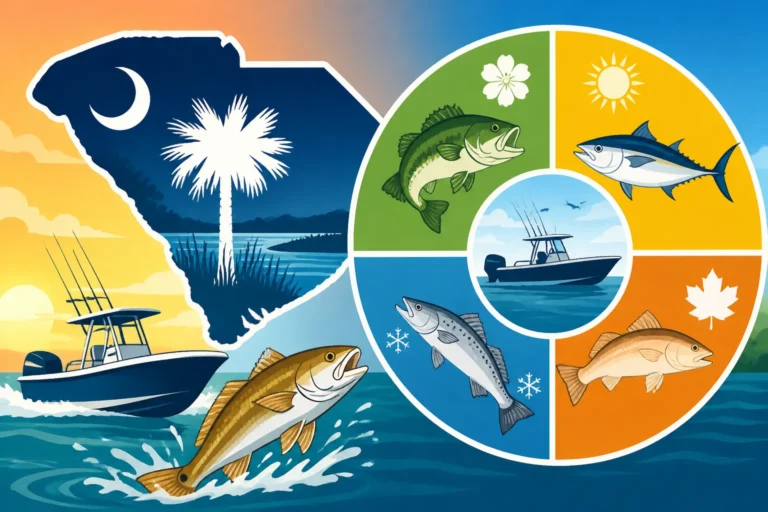
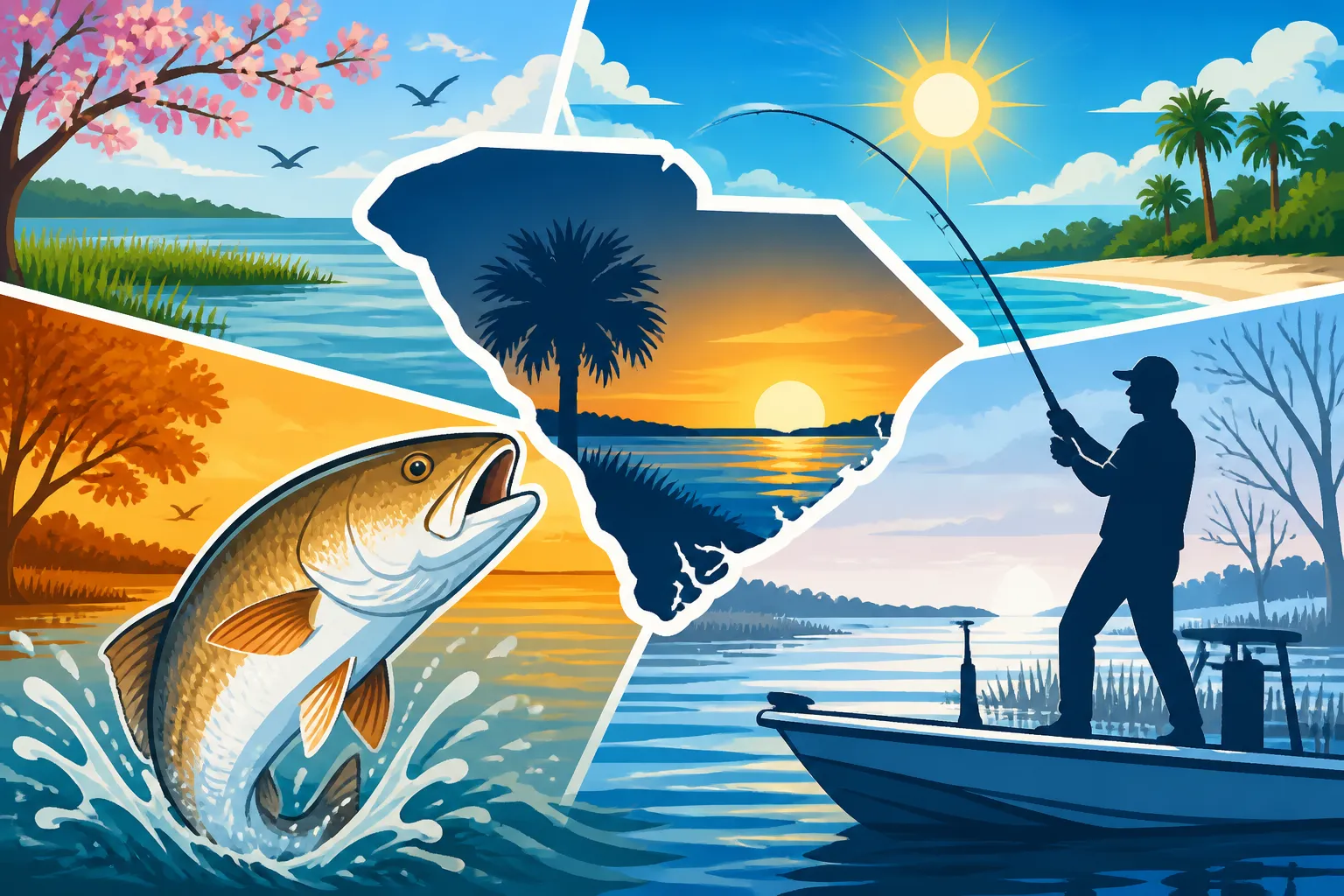
While specific days can vary, general seasonal patterns hold true for most coastal species in South Carolina. Spring sees a surge of activity as water warms, bringing in migratory species and waking up resident fish. Summer can be fantastic, especially for offshore action, but inshore fishing often requires early morning or late evening starts to beat the heat. Fall is widely considered a golden age for coastal fishing, with comfortable weather and hungry fish preparing for winter. And even winter, while challenging, offers unique opportunities for specific species like redfish in shallow, clear waters.
These broad strokes are important, but the devil is in the details, which we'll dive into next. Think of each season as offering a different menu – you just need to know what's being served! And always remember to consult up-to-date information on regulations, such as South Carolina Redfish Slot Limit Rules and Spotted Seatrout Size and Bag Limits in South Carolina, as they can change seasonally or annually.
Spring, Summer, Fall, and Winter: Coastal Opportunities Year-Round
Each season on the South Carolina coast presents its own set of challenges and rewards for anglers. There's truly no single "best" time, as it heavily depends on what you want to catch and what kind of fishing experience you're after.
Spring: Awakened Waters and Migratory Arrivals
As the chill of winter recedes and water temperatures climb, usually from March through May, the South Carolina coast springs to life. This is a fantastic time to be on the water. Baitfish like mullet and menhaden begin to move into the estuaries, and game fish follow close behind.
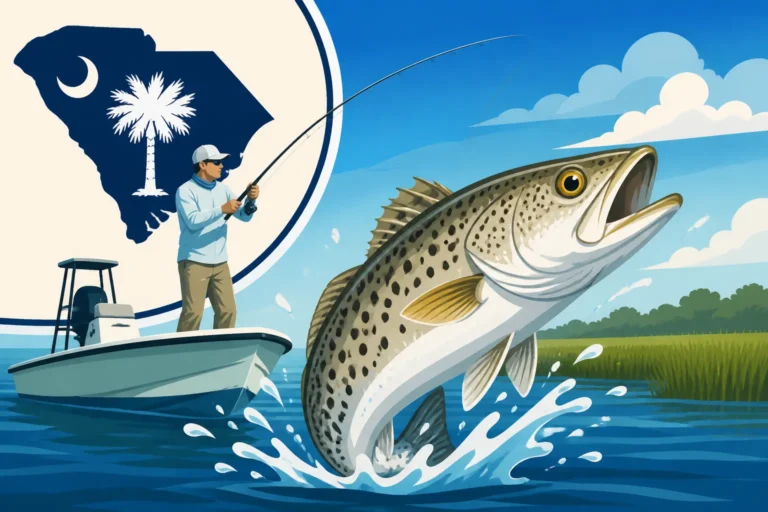
You'll find redfish becoming incredibly active in the shallower marsh creeks, often tailing in the mud as they feed. Spotted seatrout also become more aggressive, hitting a variety of artificial lures and live baits. Flounder start to make their presence known, moving from deeper wintering grounds into the sounds and inlets. Even migratory species like king mackerel and cobia begin to show up offshore as the warmer currents arrive. It's a season of abundance and aggressive bites, making it a favorite for many. If you're planning a trip during this lively period, services like FishingBooker can help you find local guides who know exactly where these fish are congregating. Remember to check specific rules like South Carolina Flounder Fishing Regulations Explained to stay compliant.
Summer: Heat, Offshore Action, and Early Morning Bites
South Carolina summers (June through August) are hot and humid, but the fishing can be incredible if you know how to play the conditions. Inshore, the bite often slows significantly during the midday heat. This means early morning or late evening trips are key for targeting redfish and trout in the cooler hours. The fish will often seek deeper, cooler water or hide under shaded docks and oyster bars. However, the warmer water also brings in a host of exciting species.
Offshore, summer is prime time for pelagic species like mahi-mahi, wahoo, and tuna. Bottom fishing for snapper and grouper also heats up considerably. Nearshore, you can find exciting opportunities for Shark Fishing Charters in South Carolina Waters or target species like Spanish mackerel. If you're looking to chase these bigger, faster fish, many local charters specialize in summer offshore adventures. Just be prepared for the heat, bring plenty of water, and slather on the sunscreen. This is also when you might find Summer Tarpon Charters on the South Carolina Coast, offering an exciting challenge for dedicated anglers.
Fall: The Angler's Favorite Season
For many seasoned anglers, fall (September through November) is the undisputed best time of year to fish the South Carolina coast. The oppressive summer heat breaks, offering comfortable fishing weather, and the fishing itself often reaches its peak. This is largely due to the "fall run" – baitfish are migrating out of the estuaries and fish like red drum, spotted seatrout, and flounder are aggressively feeding to bulk up for winter.
Redfish will be schooling heavily in the inlets and on the flats, sometimes creating massive "pushes" of water as they chase bait. The trout bite can be phenomenal, with many anglers reporting their largest fish of the year during this period. Nearshore, Spanish mackerel, king mackerel, and cobia are still prevalent, offering exciting action. The cooler water temperatures mean fish are more active throughout the day, not just at dawn and dusk. It’s a fantastic time for both inshore and nearshore enthusiasts. If you're hoping to experience this prime window, booking through platforms like FishingBooker well in advance is a good idea, as charters fill up quickly.
Winter: Challenging but Rewarding
Winter fishing in South Carolina (December through February) might not offer the same variety or sheer numbers as fall, but it can be incredibly rewarding for those who brave the colder temperatures. The key here is patience and knowing where to look. Many species move to deeper, warmer waters, but some remain accessible.
Redfish, in particular, can be a major target. They often congregate in large schools in shallow, clear marsh creeks and blackwater ponds, seeking refuge from the colder, open bay waters. While they might be less active, their schooling behavior can make them easier to spot, and once you find them, you can often catch multiple fish. Spotted seatrout are also found in deeper holes and channels. Just be aware of specific regulations like South Carolina's Winter Gigging Ban for Seatrout, which affects certain harvest methods during these months. Offshore, fishing can still be productive on warmer days, especially for snapper and grouper in deeper wrecks and reefs. For those who enjoy a quieter, more focused fishing experience, winter can be surprisingly fruitful.
Here's a quick overview of what you might target each season:
| Season | Primary Target Species (Inshore) | Primary Target Species (Offshore/Nearshore) | Key Fishing Conditions |
|---|---|---|---|
| Spring | Redfish, Spotted Seatrout, Flounder | Cobia, King Mackerel, Spanish Mackerel | Warming water, active bait, migratory fish |
| Summer | Redfish, Spotted Seatrout (early/late) | Mahi-Mahi, Wahoo, Tuna, Snapper, Grouper, Sharks, Tarpon | Hot weather, best offshore, early morning inshore |
| Fall | Redfish, Spotted Seatrout, Flounder | King Mackerel, Spanish Mackerel, Cobia | Mild weather, intense feeding, "fall run" |
| Winter | Redfish (schooling in shallows), Spotted Seatrout (deep holes) | Snapper, Grouper (deep water) | Cold water, clear inshore, challenging but rewarding |
Key Factors Influencing Your Coastal Trip's Success
Beyond just the season, several other critical factors will dictate your success on the South Carolina coast. Ignoring these can lead to a frustrating day, even if you’re fishing during a supposedly "prime" season.
Tides, Moon Phases, and Weather
Tides are arguably the single most important factor for inshore fishing along the South Carolina coast. The movement of water in and out of the estuaries directly impacts where fish feed and how accessible they are. A strong incoming or outgoing tide can push bait through choke points, creating feeding frenzies. Knowing the tidal schedule for your specific area is non-negotiable. Tide-Based Techniques for Inshore Fishing goes into more detail on how to use this to your advantage.
Moon phases also play a significant role, primarily by influencing the strength of the tides. New and full moons typically bring stronger "spring" tides, meaning greater water movement, which can be fantastic for certain fishing scenarios. Conversely, quarter moons lead to weaker "neap" tides. Weather, of course, is a huge factor. Clear, sunny days with light winds are generally preferred, but sometimes a little chop or cloud cover can actually improve the bite. Cold fronts can shut down fishing for a day or two, while steady warm weather can activate fish. Always check the forecast and consider how it might affect the fish's behavior.
Targeting Specific Species
Your definition of the "best" time often hinges on what you want to catch. If you dream of battling a trophy redfish, late fall might be your ideal window. If you're set on catching delicious flounder, late spring and early summer could be perfect. For those hoping to tangle with a powerful mahi-mahi, summer offshore trips are where it's at.
Understanding the habits and preferred conditions of your target species is paramount. Some fish, like redfish, are remarkably resilient and can be caught year-round, while others, like tarpon, are strictly seasonal. Do your homework on the specific fish you're after. Information on things like How Many Redfish Can You Keep in South Carolina? is vital before you even cast a line.
Choosing Between Inshore and Offshore
South Carolina offers both incredible inshore and offshore fishing, and the "best time" can differ significantly between the two.
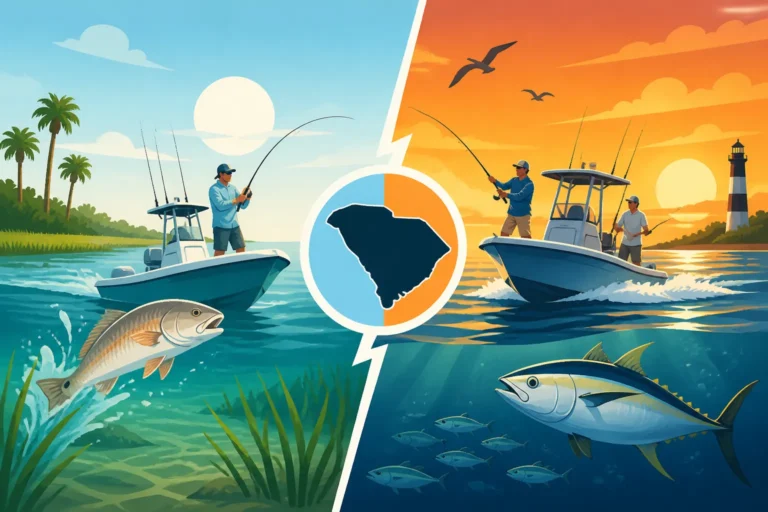
Inshore fishing typically refers to fishing in the protected waters of the sounds, bays, rivers, and marsh creeks. This is where you'll find redfish, spotted seatrout, flounder, and various panfish. Inshore fishing is heavily influenced by tides and is often best during the milder temperatures of spring and fall. However, as mentioned, summer mornings can be fantastic, and winter can offer incredible sight-fishing opportunities for schooling reds. It's generally more accessible and less weather-dependent than offshore fishing.
Offshore fishing takes you into the open ocean, often miles from shore. Here, you'll target pelagic species like tuna, wahoo, mahi-mahi, and king mackerel, or bottom dwellers like snapper and grouper. Offshore trips are much more weather-dependent – calm seas are essential for a comfortable and safe journey. Summer tends to be the prime season for many offshore species due to warmer water currents. These trips often require specialized boats and experienced captains, which you can often find through resources like FishingBooker, offering options for South Carolina Offshore Fishing Charters Explained.
Planning Your Perfect South Carolina Coastal Fishing Adventure
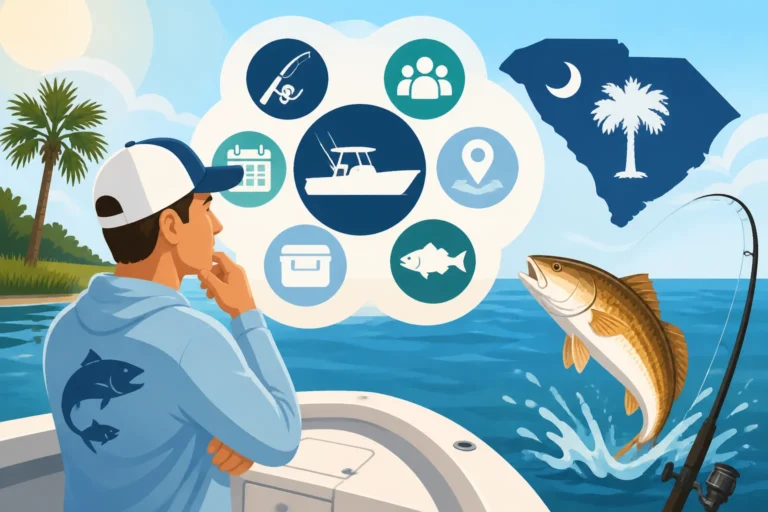
With all this information, it's time to put a plan into action. A little preparation can go a long way in maximizing your time on the water.
Researching Local Conditions and Regulations
Before heading out, always double-check the latest local conditions and regulations. Water temperatures, recent catch reports, and any emergency closures or changes to bag limits can impact your trip. The South Carolina Department of Natural Resources (SCDNR) website is an invaluable resource for this. Knowing the current rules, such as South Carolina Redfish Vessel Limit Explained, ensures you're fishing legally and sustainably.
Keep an eye on weather forecasts, not just for rain or sunshine, but for wind speed and direction, which can significantly affect comfort and safety on the water, especially in open bays or the ocean. Also, consider the lunar calendar for strong or weak tides. A quick online search for local fishing forums or bait shop reports can also give you real-time insights into what's biting.
Considering a Guided Charter Trip
For visitors or those less familiar with South Carolina's coastal waters, booking a guided fishing charter can be the absolute best way to experience the prime seasons. Experienced captains and guides live and breathe these waters; they know the secret spots, the current patterns, and exactly what bait or lure the fish are hitting on any given day. They also provide all the necessary gear and often handle your South Carolina Fishing License Requirements in South Carolina, ensuring you're compliant without the hassle.
Whether you're looking for an inshore marsh adventure in Charleston or a deep-sea excursion from Hilton Head, a guide can tailor the trip to your preferences and the current conditions. Platforms like FishingBooker offer a wide selection of South Carolina Fishing Charters: The Complete Guide across the state, allowing you to browse different trip types, target species, and customer reviews to find the perfect fit for your ideal fishing season. They can provide invaluable advice on the Best Time of Year to Book a South Carolina Fishing Charter for your desired experience.
Disclaimer
This article is for general informational purposes only and does not constitute professional advice. Laws, prices and regulations vary by location and change over time. Consult a qualified professional for guidance on your specific situation.