South Carolina Offshore Fishing Charters Explained
There's a unique call of the open ocean that many anglers hear, a yearning for vast blue waters and the powerful pull of a truly big fish. If you've ever felt that, you know the frustration of limited shore access or the sheer size of the equipment needed for serious deep-sea angling. This comprehensive guide is here to demystify South Carolina offshore fishing charters, helping you understand everything from what they offer to how to book your ultimate deep-sea adventure.
What Exactly Is Offshore Fishing in South Carolina?
When we talk about offshore fishing in South Carolina, we're really talking about venturing beyond the calmer, shallower waters of the bays, inlets, and nearshore areas. It's a commitment to the "blue water," where the continental shelf drops off, and a whole different class of marine life thrives. This isn't your casual cast from a pier; this is a full-blown expedition into the vastness of the Atlantic Ocean.
It's a world apart from freshwater angling, where you might be targeting largemouth bass in Lake Murray or crappie in the Santee Cooper Lakes. Offshore means battling strong currents, navigating significant waves, and pursuing fish that are often much larger and more powerful than anything you'll find closer to shore. It requires a specialized boat, robust gear, and a deep understanding of ocean conditions and fish behavior.
Defining Offshore: How Far Out Do You Go?
The term "offshore" isn't strictly defined by a specific number of miles, but generally, it refers to fishing anywhere from 10 miles to 60 miles or more off the South Carolina coast. This distance is where you start encountering significant changes in water depth, temperature, and current patterns. It’s also where you’ll find the structure that attracts large pelagic (open ocean) and reef-dwelling species.
For many charters, a "nearshore" trip might take you out a few miles to target species like King Mackerel or Spanish Mackerel, often within sight of land. But true offshore trips mean leaving the coast behind, sometimes until it's just a faint smudge on the horizon or completely out of view. The duration of the trip often correlates directly with how far out the captain plans to go and the type of fish you'll be targeting.
These longer distances necessitate larger, more stable boats capable of handling choppier seas and carrying ample fuel. You're heading into a different ecosystem, where the marine food chain becomes increasingly complex and the potential for a truly memorable catch escalates. It's an investment in time and resources, but the rewards—the sheer power of a Mahi-Mahi or the sustained fight of a Wahoo—are often well worth it.
The Thrill of the Deep Blue: Why Offshore Is Different
The allure of offshore fishing is multifaceted. For many, it's the raw, untamed nature of the open sea. You're not just fishing; you're on an adventure, battling the elements and testing your skills against some of the ocean's most formidable creatures. The anticipation of what might strike your line in those deep, mysterious waters is an unparalleled thrill.
Beyond the sheer excitement, there's a profound sense of peace and isolation that comes with being far from the shore. The endless horizon, the vast expanse of blue, and the feeling of being a small part of a massive ecosystem can be incredibly therapeutic. It's a chance to disconnect from the hustle and bustle of daily life and reconnect with nature in its grandest form.
From a fishing perspective, offshore offers a completely different challenge. The fish are often bigger, stronger, and smarter. The techniques are more specialized, involving heavy-duty rods and reels, sophisticated electronics to locate structure and bait, and a strategic approach to trolling or bottom fishing. It's a step up for anglers looking to push their limits and experience sport fishing at its most exhilarating.
What's the "Reef and Wreck" Fishing All About?
While "offshore" often conjures images of chasing fast-moving pelagic species in open water, a significant portion of South Carolina's offshore fishing revolves around natural and artificial reefs and wrecks. These underwater structures are like oases in the desert of the ocean floor, attracting a diverse array of marine life, from tiny baitfish to massive predators.
Natural reefs are geological formations, often rocky outcroppings or ledges, that provide shelter and food sources. Artificial reefs, on the other hand, are man-made structures intentionally sunk to create habitat. This can include old ships, military tanks, concrete culverts, or even purpose-built reef balls. South Carolina has an extensive artificial reef program, creating fantastic fishing opportunities up and down the coast.
Fishing these reefs and wrecks typically involves "bottom fishing" or "vertical jigging." You'll drop baits or lures directly down to the structure, targeting species that live in and around these underwater havens. These spots are prime locations for various snapper, grouper, amberjack, and triggerfish, offering a different kind of fight and a chance at some truly delicious table fare.
Why Choose an Offshore Fishing Charter?
Deciding to go offshore is one thing; figuring out how to do it is another entirely. For most anglers, especially those visiting South Carolina, an offshore fishing charter is not just a convenience, it's a necessity. These professionally operated trips remove all the logistical headaches, allowing you to focus solely on the experience and the fish. Trying to manage your own deep-sea rig, navigate unfamiliar waters, and have the right gear for a range of species can be overwhelming and costly.
A charter provides immediate access to specialized equipment, seasoned professionals, and boats designed specifically for the rigors of the open ocean. It's an all-inclusive package that transforms a complex undertaking into a seamless adventure. Whether you're a seasoned angler chasing a personal best or a family looking for an unforgettable outing, a charter levels the playing field, making world-class fishing accessible to everyone.
Expert Guidance and Local Knowledge
One of the greatest benefits of an offshore fishing charter is the expertise of the captain and crew. These are not just boat operators; they are highly skilled mariners and professional anglers who spend hundreds, if not thousands, of hours on the water each year. They possess an intimate knowledge of the local waters, including the best fishing grounds, seasonal patterns, and fish behaviors.
Think about it: they know where the baitfish are congregating, where the currents are most productive, and exactly which reefs and wrecks are holding fish on any given day. They understand the subtle shifts in weather and ocean conditions that impact fishing success, making real-time adjustments to put you on the fish. Their experience means less time searching and more time reeling. For example, knowing which areas might hold large Mahi-Mahi during a particular swell or where Grouper are staging after a cold front is invaluable knowledge that only comes with years on the water.
Moreover, a good captain and crew are excellent teachers. They'll instruct you on proper techniques for bait presentation, how to fight a powerful fish effectively, and how to maximize your chances of a successful hook-up. This guidance is particularly beneficial for less experienced anglers, but even seasoned pros can learn a trick or two from a local expert. They're there to ensure your trip is not just productive, but also safe and enjoyable. Many captains have a sixth sense for what's biting and where, a skill that simply cannot be replicated by looking at a chart or app.
Top-Tier Gear and Specialized Boats
Offshore fishing requires heavy-duty equipment that most recreational anglers don't own. Charter boats are outfitted with rods, reels, lines, and tackle specifically chosen to handle the powerful fish found in deep water. This means strong, reliable gear capable of withstanding the immense strain of a battling Tuna or the deep-diving power of a Grouper. You won't have to worry about your light freshwater rod snapping under the pressure!
Beyond the fishing gear, the boats themselves are marvels of engineering. Offshore charters operate large, stable vessels designed for comfort and safety in open water. They are equipped with powerful engines, advanced navigation systems, and sophisticated fish finders that can locate structure and fish schools deep beneath the surface. These boats often feature spacious decks, comfortable seating, and often enclosed cabins with amenities like restrooms, which become incredibly important on South Carolina 4-Hour vs 8-Hour Charter Fishing Cost trips.
Having access to this level of equipment and vessel takes all the pressure off you. You don't need to invest thousands of dollars in a suitable boat, maintenance, or specialized rods and reels. Everything you need is provided, professionally maintained, and ready for action. This allows you to step aboard, grab a rod, and immediately engage in serious sport fishing without any prior equipment ownership. For a complete overview of what's typically included, you can read more in our guide on South Carolina Charter Fishing Licenses and Gear Included.
Maximizing Your Chances for Trophy Fish
Let's be honest, part of the draw of offshore fishing is the chance to catch a truly impressive fish. These are the "bragging rights" species – the kind of fish that makes for a fantastic story and an even better photo. Offshore charters are specifically geared towards maximizing these opportunities. They go to the places where these trophy fish live, using the techniques and baits most likely to entice them.
Whether it's trolling for migratory pelagics like Mahi-Mahi Charter Fishing Trips in South Carolina and Tuna and Wahoo Charters off the South Carolina Coast or dropping jigs for monstrous Amberjack over wrecks, charter captains know the patterns and preferences of these larger species. They're constantly monitoring water temperature, current lines, and bait schools to position the boat in the most productive zones. Your likelihood of encountering a personal best dramatically increases when you're with a captain whose sole job is to put you on big fish.
Furthermore, the crew understands how to properly handle large fish, from the moment they strike to the net, gaff, or release. They know how to safely boat a powerful fish, how to revive and release a trophy that isn't a keeper, and how to clean and prepare your catch if you decide to take it home. This comprehensive support ensures that when that big fish finally bites, you have the best possible chance of bringing it to the boat and creating a truly unforgettable memory.
What Fish Species Can You Target Offshore in South Carolina?
South Carolina's offshore waters are teeming with a diverse array of fish, each offering a unique challenge and thrill. The species you'll target often depends on the time of year, how far offshore you venture, and the specific fishing techniques employed by your charter. From fast-swimming pelagics to powerful reef dwellers, the variety is incredible and promises an exciting experience for every angler.
Understanding what's biting when is key to managing your expectations and choosing the right time for your trip. While some species are more prevalent during warmer months, others are year-round residents or winter visitors. It's part of the dynamic nature of offshore fishing, where every trip holds the potential for a surprising catch.
Pelagic Powerhouses: Tuna, Mahi-Mahi, and Wahoo
These are the speed demons of the open ocean, highly sought after for their incredible fight and delicious table fare. They are migratory species, often following baitfish and temperature breaks, making them a primary target for trolling charters. When one of these hits your line, be prepared for a long, intense battle that will test your strength and endurance.
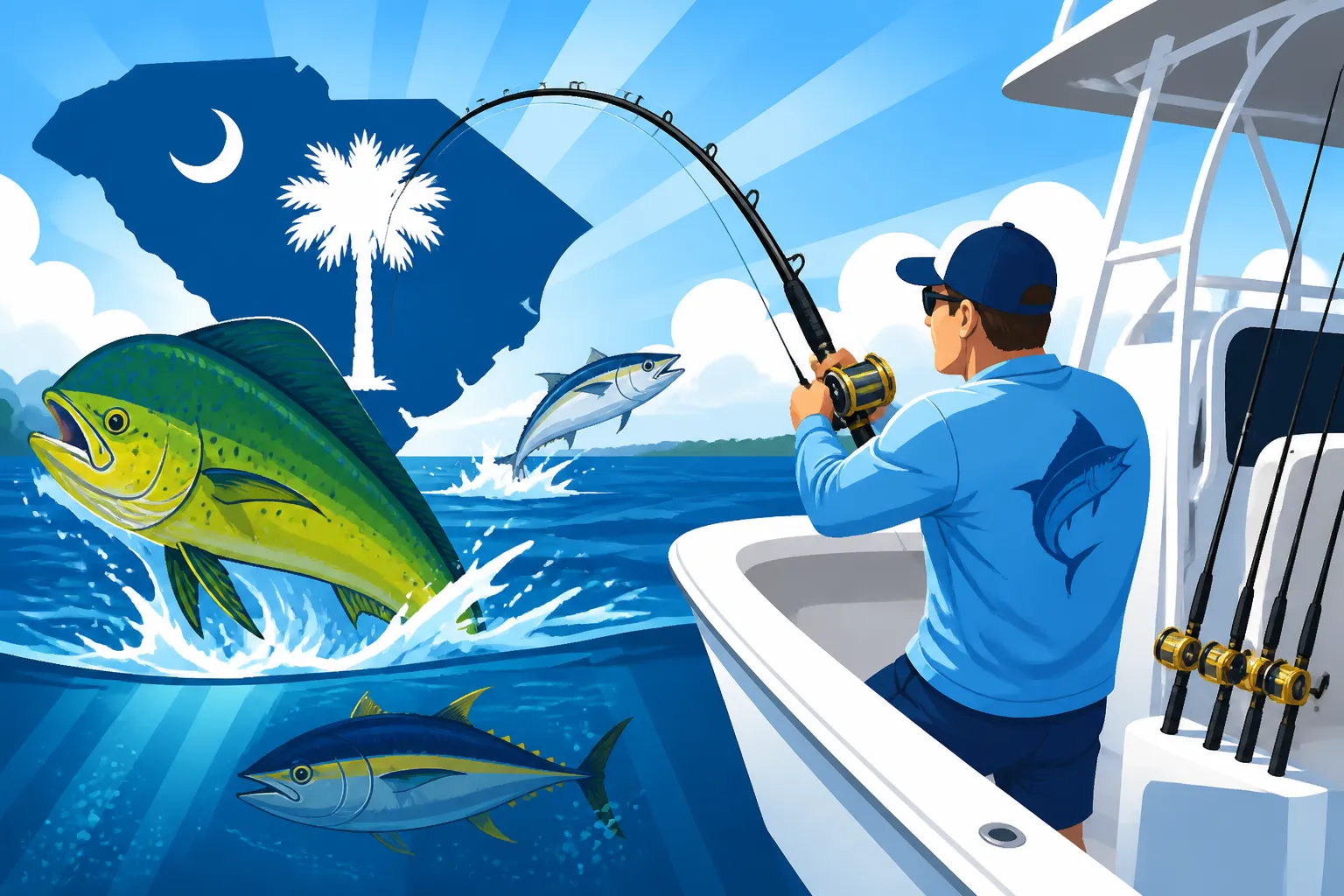
Mahi-Mahi (Dolphin Fish): Known for their vibrant colors (blues, greens, and yellows that fade shortly after being caught) and acrobatic jumps, Mahi-Mahi are a favorite among offshore anglers. They are typically found in warmer waters, often congregating around floating debris, weed lines, or current breaks where baitfish gather. They bite aggressively and provide fantastic sport, especially during the warmer spring and summer months. These fish are often targeted on Mahi-Mahi Charter Fishing Trips in South Carolina.
Tuna: Several species of Tuna can be found offshore, including Blackfin, Yellowfin, and sometimes even Bluefin. Blackfin Tuna are smaller but plentiful, offering a strong fight and excellent meat. Yellowfin Tuna are larger, more powerful, and provide a truly epic battle for anglers. Tuna are incredibly fast swimmers and can strip line off a reel at blistering speeds. They are often targeted further offshore, especially around ledges and deep-water structures. For more on these incredible fish, check out Tuna and Wahoo Charters off the South Carolina Coast.
Wahoo: These torpedo-shaped fish are built for speed and are one of the fastest in the ocean. They are identifiable by their sharp, vertical stripes and fearsome teeth. Wahoo strike with incredible force, often making long, blistering runs. They are excellent eating fish and are often caught while high-speed trolling. Their season tends to peak in spring and fall, but they can be caught year-round in certain areas.
Reef and Wreck Dwellers: Grouper and Snapper
When you're fishing over reefs and wrecks, you're entering the domain of powerful bottom dwellers that use the structure to their advantage. These fish are known for their initial powerful dive back into the cover, requiring quick reflexes and heavy tackle to turn them away from snagging your line on the structure.
Grouper: South Carolina's offshore waters are home to various grouper species, including Gag Grouper, Red Grouper, Scamp, and Warsaw Grouper. These fish are legendary for their strength and their ability to "reef" you, meaning they'll try to dive into the structure and cut your line. They require stout gear and a strong arm to pull them away from their rocky homes. Grouper fishing is often seasonal, with specific open and closed seasons to protect their populations. They are highly prized for their firm, white, delicious meat.
Snapper: Red Snapper are perhaps the most famous, known for their beautiful red color and excellent taste, though their season is often very limited or even closed. Other snapper species like Vermilion Snapper (often called "Beeliners") and Lane Snapper are more commonly targeted. These fish are schooling fish and can provide fast action when a school is located. They don't typically grow as large as grouper but are plentiful and offer a consistent bite, making them a favorite for many bottom fishing trips.
Amberjack: While not strictly a snapper or grouper, Amberjack are another powerful reef and wreck species. Known as "reef donkeys" for their incredible strength and stubborn fight, they are often found schooling around deep water structures. They provide a brutal, sustained fight and are a true test of an angler's stamina.
The Apex Predators: Sharks and Billfish Opportunities
For the ultimate big game experience, offshore waters can also offer encounters with apex predators that command respect. While dedicated trips for these species are often available, they can also be encountered as a bonus on other offshore excursions.
Sharks: South Carolina's waters are home to many shark species, some of which are frequently targeted on specific Shark Fishing Charters in South Carolina Waters. Depending on the season and location, you might encounter Blacktip, Spinner, Hammerhead, Tiger, or even Mako sharks further offshore. Shark fishing is a unique experience, focusing on powerful runs and the raw power of these ancient predators. Many charters practice catch and release for larger sharks, emphasizing conservation.
Billfish (Marlin, Sailfish, Swordfish): The dream catch for many big game anglers, billfish represent the pinnacle of offshore sport fishing. While less common than tuna or mahi-mahi, South Carolina does offer opportunities, particularly for Sailfish and White Marlin, and occasionally Blue Marlin further offshore. Swordfish are also targeted on specialized deep-drop night trips. Landing a billfish is a bucket-list achievement, involving sophisticated trolling techniques and incredible skill from both angler and crew. These fish are almost always released to ensure their populations thrive for future generations.
Here's a quick reference table for common offshore targets:
| Species Group | Typical Location | Primary Technique | Seasonality in SC (General) | Fight Characteristics | Culinary Value |
|---|---|---|---|---|---|
| Pelagic Species | Open Ocean, Weedlines, Buoys | Trolling | Warm months (Spring-Fall) | Fast, acrobatic runs | Excellent |
| Mahi-Mahi | Surface, debris | Trolling | Spring-Summer | Jumps, strong runs | Excellent |
| Tuna (Blackfin, Yellowfin) | Deep water, ledges | Trolling, Jigging | Year-round (species vary) | Fast, long runs | Excellent |
| Wahoo | Surface, open water | High-speed Trolling | Spring, Fall (year-round) | Blistering fast runs | Excellent |
| Reef/Wreck Species | Reefs, Wrecks, Ledges | Bottom Fishing, Jigging | Year-round (regulations vary) | Powerful, deep dives | Excellent |
| Grouper | Bottom structure | Bottom Fishing | Seasonal (check regs) | Hard initial dive | Excellent |
| Snapper | Bottom structure | Bottom Fishing | Year-round (species/regs vary) | Consistent pull, schooling | Excellent |
| Amberjack | Reefs, wrecks | Jigging, Bottom Fishing | Year-round | Brutal, sustained fight | Good |
| Apex Predators | Open Ocean, Structure | Trolling, Live Bait | Year-round (species vary) | Raw power, long runs | Varies by species |
| Sharks | Nearshore/Offshore | Bait Fishing | Warm months (Summer peak) | Powerful, long runs | Varies by species |
| Billfish (Marlin, Sailfish) | Open Ocean | Trolling | Summer-Fall | Spectacular jumps, strong runs | Catch & Release Preferred |
Different Types of Offshore Fishing Charters Available
Just as there are many fish in the sea, there are many types of offshore fishing charters in South Carolina, each designed to cater to different preferences, budgets, and experience levels. Understanding these options is crucial for booking a trip that aligns with your expectations and helps you achieve your fishing goals. Whether you're looking for a quick taste of the ocean or an all-day epic adventure, there's a charter out there for you.
You'll find options ranging from short excursions that get you out to prime spots quickly to longer, more ambitious trips that push further into the deep, targeting truly specialized species. This variety ensures that families, serious anglers, and casual visitors can all find an offshore experience that suits them.
Half-Day vs. Full-Day vs. Extended Trips
The duration of your charter is one of the most significant factors influencing your offshore experience. It impacts how far you can go, what species you can target, and ultimately, your chances of success.
Half-Day Charters: Typically lasting around 4-6 hours, half-day offshore trips are a great option for beginners, families with young children, or those on a tighter schedule. While you won't venture as far offshore as on a full-day trip, these charters can still put you on productive nearshore reefs and wrecks for species like King Mackerel, Spanish Mackerel, or some smaller bottom fish. They offer a taste of the deep blue without the full-day commitment and are often more budget-friendly. They're perfect for dipping your toes into the world of offshore fishing. For a detailed comparison of trip lengths, see Half-Day vs Full-Day Fishing Charters in South Carolina.
Full-Day Charters: Ranging from 8-10 hours, full-day trips are the most popular choice for serious offshore anglers. This extended time allows the captain to run further offshore, reaching deeper waters and more distant fishing grounds where larger pelagic species like Tuna, Mahi-Mahi, and Wahoo or trophy Grouper and Snapper reside. You'll have ample time for trolling, bottom fishing, and jigging, significantly increasing your opportunities for a diverse and substantial catch. These trips provide a much more immersive experience and are highly recommended for those who want the full offshore adventure.
Extended (or "Gulf Stream") Trips: These are the ultimate offshore expeditions, lasting 12 hours or more, sometimes even overnight for 24+ hours. Extended trips are for the hardcore angler looking to push the boundaries. They involve traveling long distances to the highly productive waters of the Gulf Stream, where the biggest Tuna, Marlin, and Swordfish lurk. These trips require significant endurance and a higher budget but offer the chance at truly once-in-a-lifetime catches. They are often specialized trips focused on specific, elusive big-game species.
Private Charters vs. Shared "Headboat" Experiences
Another crucial decision is whether to book a private charter or join a shared trip. Each has its own set of advantages, catering to different group sizes and preferences.
Private Charters: This is where you book the entire boat for your group, whether it's just you and a friend or a larger party. The main advantage is exclusivity and customization. You have the captain's full attention, and the trip can often be tailored to your specific desires – what species you want to target, what techniques you prefer, and how long you want to stay in a particular spot. Private charters offer a more intimate and personalized experience, ideal for families, corporate outings, or groups of serious anglers. While the upfront cost is higher, when split among a group, the per-person cost can be quite reasonable.
Shared "Headboat" or "Party Boat" Experiences: For solo anglers, couples, or smaller groups who don't want to charter an entire boat, headboats are a fantastic option. You pay a per-person fare and share the boat with other anglers. These boats are typically larger, designed to accommodate more people, and focus primarily on bottom fishing over reefs and wrecks. While less personalized than a private charter, headboats are usually the most economical way to experience offshore fishing. They're a great way to meet other anglers and are often very family-friendly, though the target species and fishing techniques are generally less varied. You can often find headboat options when searching on platforms like FishingBooker.
Specialized Trips: Trolling, Bottom Fishing, and Jigging
Beyond the general offshore trips, many charters offer specialized excursions focused on particular techniques or target species.
Trolling Trips: These charters focus on pulling lures or rigged baits behind the boat at varying speeds. Trolling is the primary method for catching fast-moving pelagic species like Tuna, Mahi-Mahi, Wahoo, King Mackerel, and Billfish. The boat continuously moves, covering vast amounts of water to find actively feeding fish. These trips are all about the chase and the explosive strike of a powerful fish.
Bottom Fishing Trips: As the name suggests, these trips focus on dropping baits or jigs down to the ocean floor over reefs, wrecks, or other structures. This technique is ideal for targeting species that live near the bottom, such as Grouper, Snapper, Triggerfish, and Amberjack. It often involves anchoring or drift fishing over known productive spots. Bottom fishing can provide steady action and is excellent for anglers who enjoy the direct fight of pulling a strong fish up from the depths.
Jigging Trips: A more active form of bottom fishing, jigging involves rapidly raising and lowering specialized lures (jigs) to mimic injured baitfish. This technique can be incredibly effective for enticing strikes from various species, including Amberjack, Grouper, Snapper, and even Tuna. It's a physically demanding but highly rewarding technique that appeals to anglers looking for an interactive and dynamic fishing experience.
What to Expect on Your Offshore Adventure
Embarking on an offshore fishing charter is an exciting prospect, but knowing what to expect can significantly enhance your experience and help you prepare properly. From what to bring to how your catch is handled, understanding the flow of the trip ensures you can relax and focus on the thrill of the chase. This isn't just a boat ride; it's a carefully orchestrated fishing expedition designed for success.
Preparation is key, not just for your comfort but also for maximizing your enjoyment. The captain and crew have a routine, and knowing what's coming next helps you settle into the rhythm of the day.
Preparing for Your Trip: What to Bring
Even though charters provide most of the essential gear, there are several items you should always bring to ensure a comfortable and enjoyable day on the water. The open ocean environment can be unpredictable, so being prepared for various conditions is crucial.
Sun Protection: The sun's reflection off the water can be intense, even on cloudy days. Bring a wide-brimmed hat, polarized sunglasses, and plenty of high SPF sunscreen. Long-sleeved shirts and pants, preferably made of UPF-rated fabric, are also highly recommended to protect your skin. Many anglers underestimate the sun's power out in the open ocean.
Appropriate Clothing: Dress in layers. Offshore temperatures can fluctuate, and weather conditions can change rapidly. A light jacket or rain gear is always a good idea, even if the forecast looks clear. Wear comfortable, non-slip shoes with good grip, as decks can get wet and slippery.
Food and Drinks: While some charters may offer drinks or snacks, it's always best to bring your own supply, especially on longer trips. Pack plenty of water to stay hydrated, along with snacks and a lunch. Avoid glass bottles. A small cooler for your personal items is usually welcome, just confirm with the captain beforehand.
Motion Sickness Medication: This is perhaps the most important item for many first-time offshore anglers. If you're prone to seasickness, take preventative medication (like Dramamine or Bonine) the night before and again in the morning of your trip. Don't wait until you feel sick; it's often too late by then. Being sick can quickly ruin an otherwise fantastic day.
Personal Items: A camera to capture your catches and the beautiful scenery, a small towel, and any personal medications you might need. A small dry bag can be invaluable for keeping electronics and valuables safe from spray. For a comprehensive list of what to pack, refer to our detailed guide: What to Bring on a South Carolina Fishing Charter.
The Onboard Experience: From Departure to Landing
Your offshore charter typically begins at the dock with a brief orientation from the captain and crew. They'll cover safety procedures, basic boat rules, and give you an overview of the day's plan and target species. This is your chance to ask any last-minute questions.
Once underway, the journey to the fishing grounds can be a significant part of the trip itself. Depending on how far out you're going, this could range from 30 minutes to several hours. During this time, you can relax, enjoy the scenery, and maybe spot some marine wildlife like dolphins or sea turtles. The crew will be busy preparing bait, rigging rods, and setting up the boat for fishing.
When you reach the fishing grounds, the real action begins. If trolling, lines will be set out, and the boat will begin its pattern. If bottom fishing, the captain will position the boat over a reef or wreck, and you'll be instructed to drop your lines. The crew will be constantly monitoring the sonar, managing lines, and assisting anglers with baiting hooks, casting, and fighting fish. The atmosphere on board is usually energetic and focused, especially when the fish are biting! Remember, if you get tangled, just ask for help – that's what the crew is there for.
Handling Your Catch: From Deck to Dinner Table
One of the most satisfying aspects of a successful offshore trip is bringing home fresh fish. Charter crews are experts at handling your catch from the moment it comes aboard.
Deck Management: Once a fish is caught, the crew will typically assist in landing it, whether with a net or a gaff, and secure it. For keeper fish, they will often bleed and ice them immediately to preserve freshness. This quick chilling process is essential for maintaining the quality of the meat. For fish that are undersized, out of season, or species the boat is not targeting for harvest, they will be carefully unhooked and released, often with instructions from the captain on proper release techniques to ensure survival. It's important to be aware of South Carolina's Redfish Slot Limit Explained and other regulations, though on a charter, the crew will manage adherence to all limits.
Filleting and Cleaning: A huge perk of charter fishing is that most crews offer to clean and fillet your catch for you at the end of the trip, usually back at the dock. This service is incredibly valuable, saving you the messy and time-consuming task of processing your fish yourself. You'll typically leave with neatly bagged fillets, ready for cooking. While often included, a gratuity for this service is always appreciated, as part of Tipping Your South Carolina Fishing Guide.
Conservation: Responsible charter operators are committed to conservation. They adhere strictly to all South Carolina fishing regulations, including bag limits, size limits, and seasonal closures. Many also promote catch-and-release for certain species, especially larger trophy fish or those with vulnerable populations. You'll be instructed on best practices for handling and releasing fish to minimize stress and maximize their chances of survival.
Important Considerations Before Booking Your Offshore Charter
Booking an offshore fishing charter is an investment, both in time and money, so it’s essential to approach it with careful consideration. A well-chosen charter can lead to an unforgettable experience, while a rushed decision might result in disappointment. Thinking through these key factors will help you find the perfect match for your South Carolina deep-sea adventure.
Remember, every charter operation is a little different, and what's included or expected can vary. Don't be afraid to ask questions.
Understanding Costs and What's Included
The cost of a South Carolina offshore fishing charter can vary significantly based on trip duration, boat size, type of trip, and number of anglers. Generally, full-day trips are more expensive than half-day trips, and private charters cost more than shared headboat excursions.
Pricing Structure: Most private charters are priced for the entire boat, regardless of how many people are in your group (up to the maximum capacity). Headboats charge on a per-person basis. When comparing options, always confirm whether the price is for the boat or per angler. You can get a general idea of the investment involved by looking at South Carolina Charter Fishing Costs and Trip Types.
What's Usually Included: Standard inclusions typically cover:
- The boat and its fuel.
- The experienced captain and crew.
- All necessary fishing rods, reels, tackle, and bait.
- Required safety equipment.
- Fishing licenses for all passengers (though it's always good to double-check this for larger groups, as some individual licenses may still be required. Our guide on South Carolina Fishing License Guide has more details.)
Potential Extra Costs: Be aware of potential additional expenses:
- Gratuity for the crew: This is customary and expected (typically 15-20% of the trip cost).
- Fish cleaning: While often included, some charters may charge a small fee for this service, especially on headboats.
- Food and drinks: Unless specified, these are usually not included.
- Special requests: If you ask for specific, expensive baits or specialized gear beyond what's standard, there might be an extra charge.
- Fuel surcharge: In times of unusually high fuel prices, some charters may add a surcharge. Always clarify this before booking.
Choosing the Right Captain and Crew
The success and enjoyment of your offshore charter largely depend on the professionalism, knowledge, and personality of your captain and crew. This isn't just about catching fish; it's about the entire experience.
Experience and Reputation: Look for captains with a proven track record of safety and success in offshore waters. Online reviews, testimonials, and word-of-mouth recommendations are excellent resources. Check if they specialize in the type of fishing you're interested in (e.g., trolling for pelagics or bottom fishing for grouper). A good captain should be licensed and insured.
Communication and Personality: A great captain and crew will be friendly, approachable, and eager to share their knowledge. They should be good communicators, explaining the fishing plan, answering questions, and providing instruction. If you're bringing children or less experienced anglers, look for a crew known for their patience and ability to make the trip fun for everyone. Platforms like FishingBooker often include detailed profiles of captains and boats, complete with reviews that can give you a sense of their personality and guiding style.
Boat Condition: While you'll rarely inspect the boat beforehand, pay attention to photos and descriptions. A well-maintained boat indicates a captain who takes pride in their operation and prioritizes safety. Modern electronics, comfortable seating, and cleanliness are all good indicators.
Booking Logistics: Deposits, Cancellations, and Timing
Once you've chosen your charter, understanding the booking process and policies is vital.
Booking in Advance: Offshore charters, especially popular ones during peak season, book up quickly. It's always advisable to book well in advance, sometimes several months ahead, particularly if you have specific dates or a large group. This is especially true for destinations like Charleston Fishing Charters: South Carolina's Harbor Trips or Hilton Head Island Fishing Charters, South Carolina.
Deposits and Payments: Most charters require a deposit to secure your booking, with the balance due on the day of the trip. Confirm the payment methods accepted (cash, credit card, etc.).
Cancellation Policies: Always read and understand the charter's cancellation policy. Reputable charters typically have a clear policy regarding cancellations due to weather, mechanical issues, or client changes. Weather-related cancellations (e.g., strong winds, rough seas) are usually at the captain's discretion for safety reasons, and you should be offered a reschedule or a full refund. Client cancellations often require notice within a certain timeframe to avoid losing your deposit.
Best Time to Book: While offshore fishing can happen year-round in South Carolina, the "best" time depends on what you want to catch. Warmer months (spring through fall) are generally prime for pelagic species like Mahi-Mahi and Tuna. Winter can be excellent for certain bottom fish and deep-water species. For more insights on seasonal opportunities, check out Best Time of Year to Book a South Carolina Fishing Charter. Planning your trip around the target species you have in mind will significantly increase your chances of a successful and memorable outing.
Top Offshore Fishing Destinations in South Carolina
South Carolina's long coastline offers several fantastic departure points for offshore fishing charters, each with its own unique charm and access to different fishing grounds. While the fish swim throughout the Atlantic, the infrastructure, types of charters available, and proximity to specific underwater structures can vary significantly by location. Whether you prefer a bustling city port or a more laid-back island vibe, there's a South Carolina destination that caters to your offshore fishing dreams.
From the historic waters of Charleston to the family-friendly beaches of Myrtle Beach and the upscale resorts of Hilton Head, the Palmetto State provides diverse launchpads for deep-sea adventure.
Charleston: A Hub for Deep Sea Action
Charleston is not only a city steeped in history and Southern charm but also a premier hub for offshore fishing in South Carolina. Its strategic location provides relatively quick access to productive offshore waters, including significant ledges, reefs, and artificial reef systems.
Proximity to Fishing Grounds: From Charleston, charter boats can efficiently reach the Gulf Stream, as well as numerous artificial reefs like the Charleston Deep Reef and the Capers Reef. These structures hold a rich diversity of fish, making Charleston a consistent producer of big catches. The extensive charter fleet in Charleston means you have a wide array of options, from high-speed center consoles for serious anglers to larger sportfishing yachts for luxury experiences.
Diverse Species: Anglers departing from Charleston can expect to target a wide variety of offshore species. Trolling trips frequently encounter Mahi-Mahi, Wahoo, and various Tuna species. Bottom fishing over the numerous reefs and wrecks yields Snapper, Grouper, Triggerfish, and Amberjack. During the right season, even Billfish like Sailfish and Marlin are within reach. The robust fishing culture here supports a highly experienced guide community, many of whom have fished these waters for decades. Learn more about local opportunities with Charleston Fishing Charters: South Carolina's Harbor Trips.
Beyond Fishing: After your offshore adventure, Charleston offers an incredible array of activities, from exploring historic sites and world-class restaurants to boutique shopping. It’s a destination that perfectly blends serious fishing with a vibrant cultural experience, making it ideal for groups where not everyone is solely focused on angling.
Myrtle Beach: Family-Friendly Offshore Options
Myrtle Beach is renowned for its wide, sandy beaches and family-friendly attractions, but it also serves as a popular gateway to offshore fishing. The charters operating out of Myrtle Beach cater to a broad audience, making it an excellent choice for families or groups with mixed fishing interests.
Accessibility and Variety: The charter fleet in Myrtle Beach is diverse, offering everything from half-day headboat trips that are perfect for beginners and children to full-day private charters for more experienced anglers. Many operations focus on making offshore fishing accessible and enjoyable for first-timers, emphasizing safety and a fun atmosphere. This means you can find trips specifically designed to introduce kids to the thrill of deep-sea fishing without overwhelming them.
Target Species: While the run to the furthest offshore grounds might be a bit longer than from some other ports, Myrtle Beach charters still consistently put anglers on excellent fish. Expect to target King Mackerel, Spanish Mackerel, and Barracuda closer to shore, with Grouper, Snapper, and Amberjack on the reefs and wrecks further out. During peak seasons, Mahi-Mahi and Tuna can also be found. For more detailed insights, check out Myrtle Beach Fishing Charters and Trip Options.
Tourist Infrastructure: The sheer volume of tourist amenities in Myrtle Beach means that finding accommodations, dining, and other activities is incredibly easy. This makes it a convenient choice for families planning a broader vacation around their fishing trip. You can spend the morning battling big fish and the afternoon enjoying the boardwalk or a round of mini-golf.
Hilton Head Island: Southern Charm Meets Big Game Fishing
Hilton Head Island combines an upscale, resort-style atmosphere with fantastic offshore fishing opportunities. Known for its pristine beaches, golf courses, and natural beauty, it's also a serious contender for deep-sea anglers seeking quality experiences.
Prime Location: Hilton Head's location in the southern part of South Carolina provides good access to both inshore estuaries and the productive offshore Atlantic waters. The local captains are intimately familiar with the numerous ledges, live bottom, and artificial reefs in the area, which are magnets for a variety of game fish. The relatively calm waters of Port Royal Sound offer a comfortable departure before heading out to sea.
Quality Charters: The charter fleet on Hilton Head tends to be very professional, offering high-quality boats and experienced crews. You'll find a range of options, from dedicated sportfishing boats targeting trophy pelagics to more family-oriented trips focusing on bottom fish. Many charters here pride themselves on providing a premium experience, often including extras and attentive service. Discover more about the offerings with Hilton Head Island Fishing Charters, South Carolina.
Diverse Catches: Offshore from Hilton Head, anglers can expect a rich bounty. Trolling for Mahi-Mahi, Wahoo, and Tuna is popular, especially during the warmer months. Bottom fishing over the extensive reef systems can yield excellent catches of Grouper, Snapper, and Triggerfish. For a truly unique experience, some charters specialize in Shark Fishing Charters in South Carolina Waters during the summer, targeting various species found in the deeper waters.
Resort Destination: Like Charleston, Hilton Head offers much more than just fishing. Its beautiful beaches, golf, tennis, and array of dining options make it a fantastic destination for a full vacation, allowing anglers to combine their passion with relaxation and luxury.
Disclaimer
This article is for general informational purposes only and does not constitute professional advice. Laws, prices and regulations vary by location and change over time. Consult a qualified professional for guidance on your specific situation.