South Carolina Inshore Fishing Charters Explained
Many anglers dream of exploring South Carolina's rich coastal waters, but the sheer vastness and unique characteristics of the inshore estuaries can feel overwhelming without local expertise. This comprehensive guide is here to demystify South Carolina inshore fishing charters, providing you with everything you need to know to book an unforgettable, productive, and truly hassle-free fishing adventure.
Understanding South Carolina Inshore Fishing: What Sets It Apart?
When we talk about inshore fishing in South Carolina, we're not talking about deep-sea expeditions far out in the Atlantic. Instead, we're focusing on the intricate network of waters much closer to land, typically within sight of the coastline or landmasses. This unique environment offers a completely different, yet equally thrilling, angling experience.
Defining Inshore Waters: Beyond the Breakers
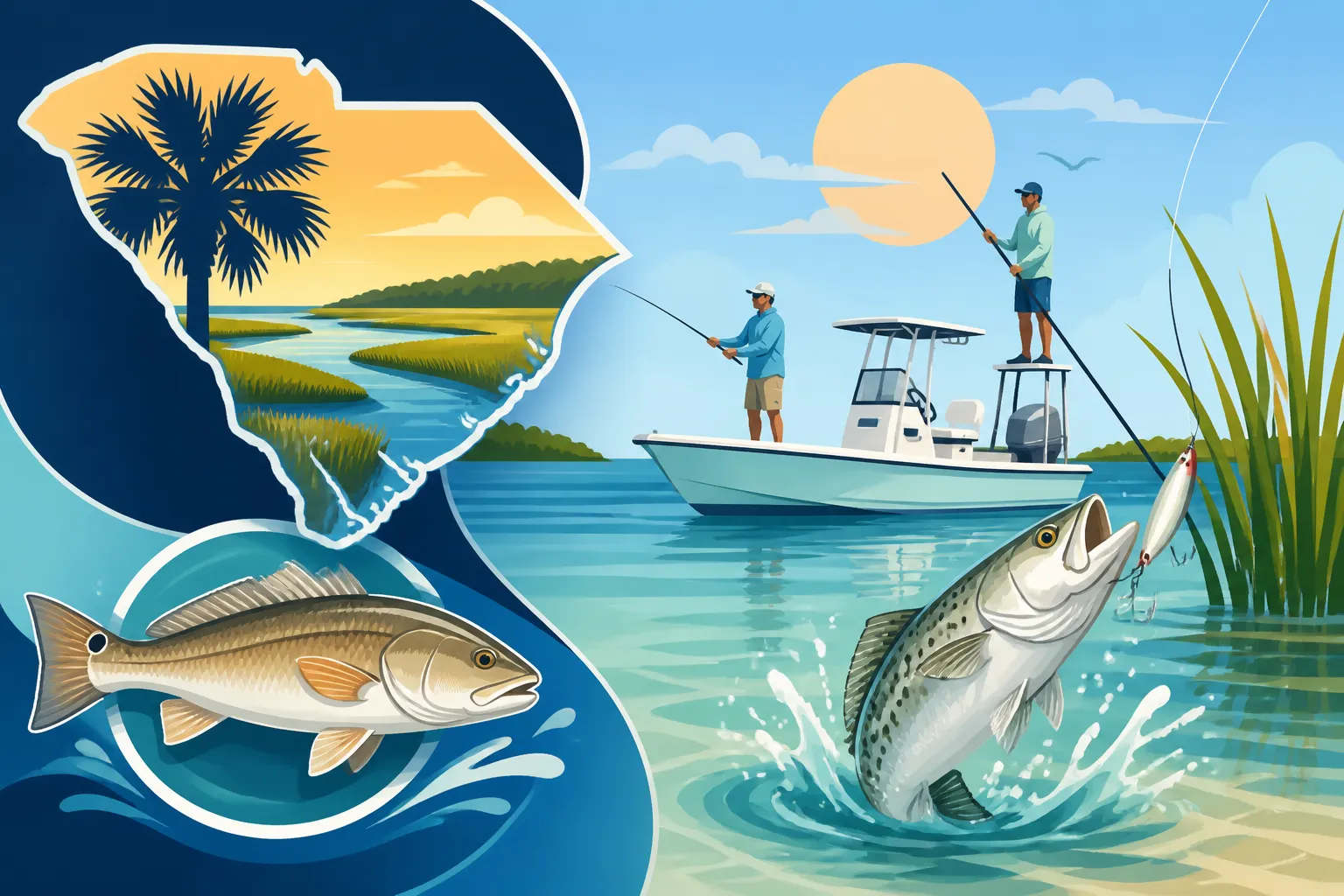
In South Carolina, "inshore" generally refers to fishing within bays, sounds, tidal rivers, creeks, and the vast expanse of saltwater marshes that define our Lowcountry landscape. These are typically calmer, shallower waters, often protected from the open ocean's swells by barrier islands, peninsulas, or extensive mud flats. Imagine navigating through winding creeks barely wider than your boat, or drifting silently over expansive grass flats as the tide moves in or out. It's a world away from the deep blue, characterized by fluctuating tides, abundant oyster beds, and intricate bottom structures that provide ideal habitats for a variety of popular game fish. This proximity to land means shorter travel times, often smoother rides, and a more intimate connection with the coastal ecosystem.
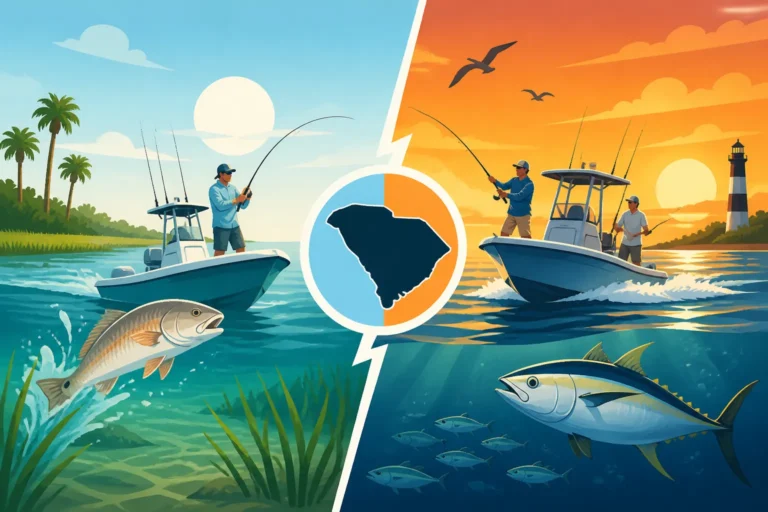
Unlike offshore fishing, where you might venture tens or even hundreds of miles out into the open sea targeting large pelagics like tuna or marlin, inshore trips keep you close to shore. You're exploring the estuaries, which are fertile nurseries for marine life, teeming with baitfish, shrimp, and crabs. This rich food source, combined with the protective structures of the marsh, makes these waters a prime hunting ground for a wide array of desirable species. It’s an environment that demands a different skill set and specialized knowledge, which is precisely where an inshore charter truly shines.
The calm nature of these waters also makes inshore fishing particularly appealing for families with younger children or those prone to seasickness. The stable environment allows for a more relaxed and enjoyable outing, ensuring everyone can participate comfortably without the worries of rough offshore conditions. It's truly a fantastic way to experience the beauty and bounty of South Carolina's coast without the commitment of a full-blown deep-sea adventure.
The Ecosystem of Inshore Fishing
South Carolina's inshore ecosystem is a vibrant, interconnected web of life, largely driven by the daily ebb and flow of the tides. The vast saltwater marshlands, often dominated by spartina grass, serve as critical nurseries for countless species, from tiny shrimp and crabs to juvenile fish. These nutrient-rich environments provide both food and shelter, making them magnets for predatory fish that anglers love to target. Oyster reefs, submerged structures like docks and bridges, and even subtle changes in bottom contour create ambush points and feeding lanes.
Understanding this dynamic environment is key to successful inshore fishing. Tides, in particular, play a monumental role. An incoming tide can push baitfish into creeks and onto flats, triggering a feeding frenzy. A falling tide might concentrate fish in deeper channels or around oyster bars as they wait for the next feeding opportunity. Water clarity, temperature, and even atmospheric pressure all influence fish behavior in these sensitive environments. A skilled inshore guide doesn't just know where the fish are; they understand why they are there and how to best present a bait or lure to them based on these ever-changing conditions.
This ecological richness means that inshore fishing offers incredible diversity. One moment you might be sight-fishing for tailing redfish on a shallow flat, and the next you could be casting live bait near a deep oyster bank for a gator trout. The constant interaction with this living system is what makes inshore fishing so captivating. It's not just about catching fish; it's about experiencing the pulse of the Lowcountry, observing its wildlife, and appreciating its natural beauty.
Contrasting Inshore with Nearshore and Offshore Experiences
To truly appreciate inshore charters, it helps to understand how they differ from their nearshore and offshore counterparts. While all offer fantastic fishing, the experience, target species, and even the equipment vary significantly.
Nearshore fishing typically takes you a few miles off the coast, still within sight of land, targeting species that might inhabit artificial reefs, wrecks, or natural ledges in waters ranging from 30 to 80 feet deep. Here, you might find species like Spanish mackerel, king mackerel, black sea bass, flounder, or cobia. The boats are generally larger than inshore skiffs but smaller than true offshore vessels, designed to handle a bit more swell than a shallow-draft inshore boat. The techniques often involve trolling, bottom fishing, or sometimes sight-casting to schooling fish.
Offshore fishing, on the other hand, is the big game adventure. This means heading 20, 50, or even 100 miles or more out into the open ocean, often to the Gulf Stream. Boats for these trips are substantial, built to handle rough seas and long runs. Here, you're chasing pelagic giants like mahi-mahi (dolphin), wahoo, tuna, sailfish, and marlin. The fishing methods are primarily trolling with large baits or lures, and the trips are typically full-day endeavors, often lasting 10-12 hours or more. The cost is also significantly higher due to fuel, boat size, and specialized gear. In contrast, inshore charters are typically 4-6 hour trips, more accessible, and focus on species that thrive in the shallower, brackish estuaries. Each type of fishing offers its own unique thrill, but for a true taste of South Carolina's coastal charm and a consistent chance at exciting catches without the long voyage, inshore is often the perfect choice.
The Undeniable Benefits of an Inshore Fishing Charter
You might be an experienced angler with your own boat, or perhaps you're just starting out and debating whether to rent a boat or try a charter. When it comes to South Carolina's inshore waters, a charter almost always provides an unparalleled advantage, especially for visitors or those unfamiliar with the local nuances.
Leveraging Local Knowledge and Expertise
This is, without a doubt, the single biggest benefit of hiring an inshore fishing charter. South Carolina's estuaries are incredibly complex. They are a maze of creeks, channels, oyster beds, and ever-shifting sandbars. What looks like a promising spot on a map might be completely barren, while a nondescript bank could be holding a school of hungry redfish. A local guide has spent years, if not decades, learning these waters. They understand the tides, the seasonal movements of fish, and the specific baits and techniques that work best on any given day.
Think of it this way: a good inshore guide isn't just a boat driver. They are a meteorologist, a marine biologist, a navigator, and a fishing expert all rolled into one. They know which creeks are holding bait, where the current is just right for a productive drift, and even what color lure the fish prefer under cloudy skies. They've tracked countless fish movements and understand the subtle signs – a nervous splash in the grass, a slight ripple on the surface – that indicate fish activity. This intimate, real-time knowledge is something you simply cannot replicate with a GPS unit and a few online tips.
Furthermore, guides are constantly on the water, talking to other guides, and staying updated on regulatory changes or environmental factors that might affect fishing. They know how to react when a spot isn't producing, quickly moving to a Plan B or C, saving you precious fishing time and frustration. For anyone wanting to maximize their chances of success and truly learn about the local fishery, a knowledgeable guide is an invaluable resource.
Convenience, Gear, and Hassle-Free Angling
Beyond the expertise, the sheer convenience of an inshore charter is a huge draw. Imagine showing up at the dock, stepping onto a clean, well-maintained boat, and finding all the rods, reels, tackle, and bait already prepared and ready to go. No need to worry about buying expensive gear you might only use once, no time spent untangling lines or rigging baits, and certainly no cleanup at the end of the day. Your guide handles literally everything.
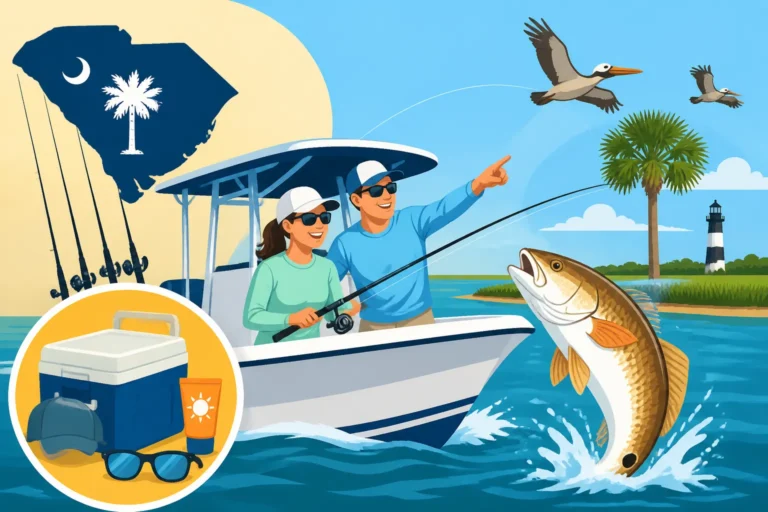
This includes the fishing license, too! Typically, when you book a charter, the captain’s license covers all passengers on board. This means you don't have to worry about securing individual South Carolina Fishing License Guide for the trip. This convenience is particularly appealing for visitors from out of state or those new to fishing, eliminating a potential hurdle and allowing them to focus entirely on the fun. All you typically need to bring are your personal items – sunscreen, sunglasses, hat, and snacks – and a cooler for your drinks.
The guides also use high-quality, specialized equipment that is perfectly suited for inshore species and conditions. This isn't just about having nice rods; it's about having the right action rod for a sensitive bite, the appropriate line weight for a powerful redfish, and the specific lures that are currently producing. This attention to detail ensures you have the best possible tools for the job, significantly increasing your chances of a successful and enjoyable outing. When your focus is solely on the cast and the fight, you're truly experiencing fishing at its best.
Safety and Comfort for All Skill Levels
Safety is paramount on any boating trip, and a licensed, professional fishing guide prioritizes it above all else. They are intimately familiar with their vessel, its safety equipment, and the local waterways, including potential hazards like shallow oyster beds or tricky channels. Guides are typically certified in first aid and CPR and carry all required safety gear, from life jackets for every passenger (including kids) to flares and communication devices. This peace of mind allows you to relax and enjoy the experience, knowing you're in capable hands.
Moreover, inshore charters are incredibly accommodating for anglers of all skill levels, from absolute beginners to seasoned veterans. If you've never held a fishing rod, your guide will patiently teach you how to cast, how to feel a bite, and how to properly fight a fish. They'll help you rig baits, untangle backlashes, and celebrate every catch, big or small. For experienced anglers, a charter offers the chance to learn new techniques, discover secret spots, and hone your skills with professional guidance. You might pick up a subtle trick for enticing a wary redfish or learn a new way to present a soft plastic bait that you've never considered before.
The boats themselves are also designed for comfort and efficiency in inshore environments. Many are shallow-draft skiffs or bay boats, allowing access to skinny water where larger vessels can't go, but still offering ample deck space and comfortable seating. This combination of expert guidance, top-notch equipment, and a safe, comfortable environment makes inshore charters an ideal choice for everyone, ensuring a positive experience for individuals, couples, and families alike.
Target Species: What You'll Be Chasing in South Carolina's Inshore Waters
South Carolina's inshore waters are a true angler's paradise, boasting a diverse array of game fish that offer exciting challenges and delicious rewards. Depending on the season and specific location, your inshore charter could put you on some truly memorable catches.
Redfish: The Lowcountry's Golden Standard
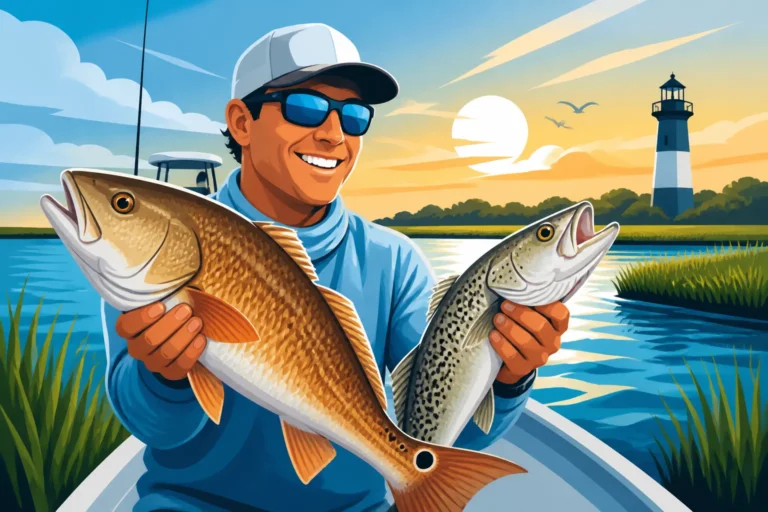
Ah, the redfish – or red drum, as they're also known – are arguably the most iconic inshore species in South Carolina. These bronze beauties are prized for their powerful fights, distinctive tail spots, and willingness to strike a variety of baits and lures. They inhabit the shallow grass flats, oyster rakes, and creek mouths of the estuaries, often feeding aggressively on shrimp, crabs, and baitfish.
Targeting redfish can be incredibly dynamic. On a calm, high tide, you might find yourself Best Lures for Tailing Redfish in Grass Flats, casting to "tailing" fish with their tails sticking out of the water as they root for crabs in the grass. This sight-fishing experience is one of the most exhilarating in all of fishing. As the tide falls, redfish often congregate in deeper channels or around oyster bars, offering opportunities for live bait or artificial lure presentations. They are notoriously strong fighters, making powerful runs and dogged pulls that will test your tackle and your stamina.
South Carolina has specific regulations to protect this valuable fishery, including a South Carolina Redfish Slot Limit Rules (typically 18 to 25 inches) and bag limits. Your charter captain will be intimately familiar with these rules, ensuring all fishing is done legally and sustainably. Catching a slot-sized redfish is a badge of honor for many inshore anglers, and whether you keep it for a delicious dinner or release it to fight another day, the experience of battling a Lowcountry red is truly unforgettable. For more in-depth information, check out our guide on Redfish Fishing in South Carolina: Rules, Spots, and Tips.
Spotted Seatrout: Speckled Treasures
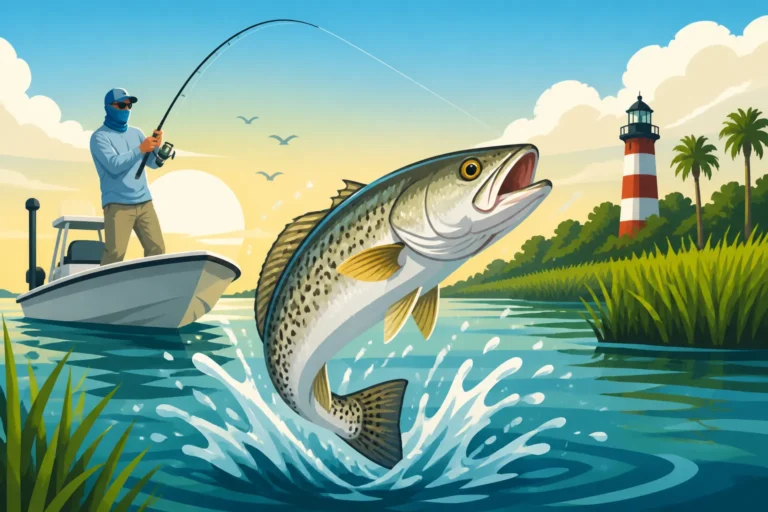
Another highly sought-after inshore species is the spotted seatrout, affectionately known as "specks" or "gator trout" when they reach impressive sizes. These sleek, iridescent fish are identifiable by the distinctive black spots scattered across their backs and fins. Unlike the brutish fight of a redfish, seatrout are known for their quick, head-shaking strikes and acrobatic leaps, often coming unbuttoned if you don't keep constant tension.
Seatrout prefer similar habitats to redfish, often found in deeper pockets of creeks, along marsh edges, and around oyster beds. They are voracious predators, ambushing baitfish and shrimp. Anglers often target them using soft plastic jigs, topwater lures, or live shrimp fished under a popping cork. The "pop" attracts the trout's attention, and when the cork disappears, you know you've got a strike! Early mornings and late evenings are often prime times for seatrout, especially during the warmer months when they venture into shallower areas.
Like redfish, spotted seatrout are subject to specific regulations in South Carolina, including a minimum size limit and a daily South Carolina Spotted Seatrout Daily Bag Limit of 10 Fish. Your charter guide will ensure you're aware of these rules. Landing a cooler full of speckled trout makes for fantastic table fare, and their cooperative nature often means consistent action, making them a favorite for both experienced anglers and beginners alike. Learn more about these fascinating fish in our guide to Spotted Seatrout in South Carolina Waters: The Full Guide.
Flounder and Sheepshead: Bottom Dwellers with a Bite
While redfish and seatrout often steal the spotlight, South Carolina's inshore waters are also home to other fantastic species that offer unique challenges and equally rewarding catches. Flounder and sheepshead are two such examples, each with their own distinct characteristics and preferred habitats.
Flounder, the masters of camouflage, lie hidden on the sandy or muddy bottom, waiting to ambush unsuspecting baitfish or shrimp. These flatfish are incredibly delicious and provide a surprisingly strong fight once hooked. They are often found near inlets, jetties, docks, and bridge pilings, or where smaller creeks empty into larger bodies of water, creating current funnels. Anglers typically target flounder by "flounder gigging" (though this is restricted to specific times of the year and areas, like the South Carolina's Winter Gigging Ban for Seatrout), or more commonly by dragging live mud minnows or artificial baits slowly across the bottom. The bite can be subtle, often feeling like a gentle tug or just dead weight, requiring patience and a good feel for your line. If you're keen to learn more, our Flounder Fishing Guide for South Carolina Anglers has all the details.
Sheepshead, on the other hand, are the "convict fish" of the inshore, named for their black and white striped bodies and human-like teeth. These peculiar fish are structure-oriented, found around oyster reefs, bridge pilings, docks, and any other hard structure where they can scrape off barnacles and crabs with those impressive chompers. Catching sheepshead is a true art form. They are notorious bait stealers, masters at nibbling bait off the hook without getting caught. Anglers typically use fiddler crabs or small pieces of shrimp on small, sharp hooks, focusing on a very light touch and quick reflexes to set the hook. They are excellent eating, but challenging to catch, making them a prized trophy for many inshore enthusiasts. For tips on landing these clever fish, check out our guide on Sheepshead Fishing Tips for South Carolina's Brackish Waters.
Premier Destinations for South Carolina Inshore Fishing Charters
South Carolina's coastline is a mosaic of diverse inshore environments, each offering its own unique charm and angling opportunities. From bustling historic cities to serene, undeveloped stretches of marsh, you'll find incredible fishing charters ready to explore these waters.
Charleston: Historic Waters, Abundant Fish
Charleston isn't just a city steeped in history and charm; it's also a world-class inshore fishing destination. The vast expanse of Charleston Harbor, fed by the Ashley and Cooper Rivers, coupled with the intricate network of creeks, flats, and oyster banks surrounding areas like Mount Pleasant, Folly Beach, and Isle of Palms, provides an incredibly rich fishery. The sheer size and diversity of this area mean that there's always a productive spot to be found, regardless of wind, tide, or season.
Charters operating out of Charleston have access to endless opportunities to target redfish, spotted seatrout, and flounder. Guides here are experts at navigating the harbor's shipping channels, identifying the smaller, less-pressured creeks where fish often retreat, and finding the perfect conditions for a bite. You might spend one part of your trip sight-fishing for redfish on a flood tide near Wadmalaw Island, and then later switch to drifting live shrimp under a popping cork for trout in the calmer waters near Shem Creek. The variety is truly astounding, often allowing anglers to target multiple species in a single outing.
The backdrop of Charleston's historic skyline, the iconic Ravenel Bridge, and the abundant Lowcountry wildlife (dolphins, seabirds, and even alligators are common sightings) add an extra layer of magic to the fishing experience. It's a fantastic blend of urban accessibility and pristine natural beauty. If you're looking for an active and diverse fishing trip with plenty of cultural opportunities nearby, a Charleston Fishing Charters: South Carolina's Harbor Trips is an excellent choice.
Hilton Head Island: Estuary Adventures
Further south, Hilton Head Island offers a slightly different, yet equally productive, inshore fishing experience. Known for its beautiful beaches, world-class golf courses, and upscale resorts, Hilton Head is also surrounded by a labyrinth of tidal creeks, protected sounds, and expansive salt marshes that are teeming with life. The Calibogue Sound, Broad Creek, and the many smaller feeder creeks provide fantastic habitat for all the major inshore species.
Hilton Head charters specialize in navigating these complex waterways, often taking anglers deep into the pristine marsh where the fishing pressure is lighter and the scenery is breathtaking. It's common to spend a morning casting along grass lines for redfish, then moving to a deeper channel to target seatrout and flounder, all while surrounded by the tranquil beauty of the Lowcountry. The guides here are incredibly adept at reading the tides and understanding the nuances of the local oyster beds and mud flats. They know where the bait congregates and, consequently, where the predators will be waiting.
The fishing here can be incredibly consistent, thanks to the vast, protected estuary system. Hilton Head's family-friendly atmosphere also extends to its fishing charters, with many guides offering trips specifically tailored for beginners and children, ensuring everyone has a chance to catch fish and create lasting memories. For a blend of beautiful scenery, abundant wildlife, and exceptional inshore fishing, a Hilton Head Island Fishing Charters, South Carolina trip is an absolute must-do.
Murrells Inlet and Georgetown: Northern Coastline Hotspots
Moving north up the South Carolina coast, Murrells Inlet stands out as a unique and highly productive inshore fishing destination. This historic fishing village, often called the "Seafood Capital of South Carolina," is centered around a protected tidal creek system that connects directly to the Atlantic Ocean. The inlet and its surrounding waters, including the expansive Waccamaw River and its tributaries, offer diverse angling opportunities.
Charters from Murrells Inlet typically explore the jetties, the main channel of the inlet, and the numerous feeder creeks and backwaters within the marsh. Redfish, spotted seatrout, and flounder are abundant here, with anglers often finding great success using live bait or artificial lures. The jetties at the mouth of the inlet can be particularly productive for a variety of species, offering a different type of structure fishing than the purely marsh-based environments further south. Guides here are experts at working the currents and understanding how fish move with the tides through the narrow inlet.
Just a bit further south lies Georgetown, home to the sprawling Winyah Bay, one of the largest estuaries on the East Coast. This massive system, formed by the confluence of several major rivers (the Waccamaw, Pee Dee, Black, and Sampit), offers a unique blend of brackish water fishing. While it boasts excellent redfish and trout fishing, it's also renowned for its healthy population of flounder and, further upriver, various freshwater species. Charter captains operating out of Georgetown are highly skilled at navigating this vast system, leading anglers to productive spots that might range from saltwater marsh to brackish river bends. To specifically explore this northern region, consider a Murrells Inlet Inshore Fishing Charters trip.
Beaufort and the ACE Basin: Untouched Beauty, Rich Fisheries
For those seeking a more remote and pristine inshore fishing experience, the Beaufort area and the adjacent ACE Basin offer unparalleled opportunities. Beaufort, a charming historic town, is nestled amidst some of the most undeveloped and ecologically rich estuaries in the entire state. The ACE Basin, named for the Ashepoo, Combahee, and Edisto rivers, is a vast, protected wetland complex renowned for its incredible biodiversity and minimal human impact.
Inshore charters operating out of Beaufort often venture into these expansive, tranquil waters, where the scenery is as much a part of the experience as the fishing itself. The marsh grass stretches for miles, interrupted only by winding creeks and occasional tree lines. This pristine environment supports incredibly healthy populations of redfish, spotted seatrout, and flounder, often providing opportunities for incredible sight-fishing experiences in clear water. Anglers here can expect less boat traffic and a profound sense of wilderness, making it a favorite for those who appreciate solitude and natural beauty alongside excellent fishing.
The guides in this region are intimately familiar with the subtle nuances of these undisturbed waters. They know the remote honey holes, the secluded creeks where fish gather, and the best times to navigate the shallowest flats. Fishing in the ACE Basin is an experience that connects you deeply with South Carolina's natural heritage, offering a chance to target trophy fish in a truly unforgettable setting. It’s an ideal choice for anglers looking for a peaceful escape and a genuine Lowcountry adventure.
Your Inshore Charter Experience: From Booking to Catch
Booking and going on an inshore fishing charter should be an exciting and stress-free experience. Knowing what to expect beforehand can help you prepare properly and make the most of your time on the water.
Preparing for Your Trip: What to Bring and Wear
One of the greatest advantages of a fishing charter is that the guide provides almost everything you need in terms of fishing gear. However, there are still a few essential items you should bring to ensure your comfort and enjoyment throughout the trip.
Firstly, sun protection is absolutely critical in South Carolina, even on cloudy days. Pack a good quality, water-resistant sunscreen with a high SPF, a wide-brimmed hat (one that won't blow off easily!), and polarized sunglasses. Polarized sunglasses are not just for comfort; they significantly reduce glare on the water, allowing you to spot fish, oyster beds, and other underwater features that are invisible to the naked eye. This can be a game-changer, especially when sight-fishing for redfish. Clothing should be light, comfortable, and ideally made from moisture-wicking materials. Long-sleeved shirts can provide additional sun protection.
Secondly, consider your personal comfort items. Bring any medications you might need, even if you don't typically get seasick (inshore waters are usually calm, but it's always better to be prepared). A small cooler packed with drinks (water, soda, juice) and snacks for yourself and your group is always a good idea, as you'll be out on the water for several hours. While most guides have a cooler on board for your catch, having your own drink/snack cooler keeps things separate and easily accessible. Don't forget your phone or camera for capturing those memorable moments, and a Ziploc bag or waterproof case for protection. Finally, wear comfortable, non-slip shoes with closed toes, as boat decks can get wet and slippery, and hooks are, well, sharp!
On the Water: A Day with Your Inshore Guide
Once you meet your guide at the dock, typically early in the morning, the adventure truly begins. After a quick safety briefing and perhaps a discussion about what you hope to catch, you'll head out into the labyrinth of creeks and estuaries. The ride itself is often part of the charm, as you zip past marsh islands, observe local wildlife, and feel the salty air on your face.
Your guide will constantly be assessing conditions – tide, current, wind, water clarity – to decide on the best spots and techniques. They'll likely start by taking you to an area known for active feeding, perhaps a productive oyster rake or a winding creek that's flushing baitfish. They'll provide all the tackle and bait, show you how to cast (or cast for you if needed), and instruct you on how to present your bait or lure effectively. They're watching everything, ready to point out a subtle bite or adjust your technique if needed. This is a learning experience as much as it is a fishing trip!
Throughout the trip, you'll likely move to several different spots, adapting to where the fish are most active. You might try live bait in one location, then switch to artificial lures in another. The guide's goal is to put you on fish and ensure you have a fun and productive day. Don't be afraid to ask questions about the local ecosystem, the fish species, or the techniques being used – most guides love sharing their knowledge and passion for the Lowcountry waters.
Handling Your Catch: Keep or Release, and Filleting Services
As you start catching fish, your guide will manage the process, helping you land and unhook them. For many inshore anglers, catch-and-release is a preferred practice, especially for larger breeding fish or non-slot-sized catches. If you're keen on releasing fish, your guide will demonstrate proper handling techniques to ensure the fish's best chance of survival. They might use specialized tools to safely remove hooks or nets to avoid damaging the fish.
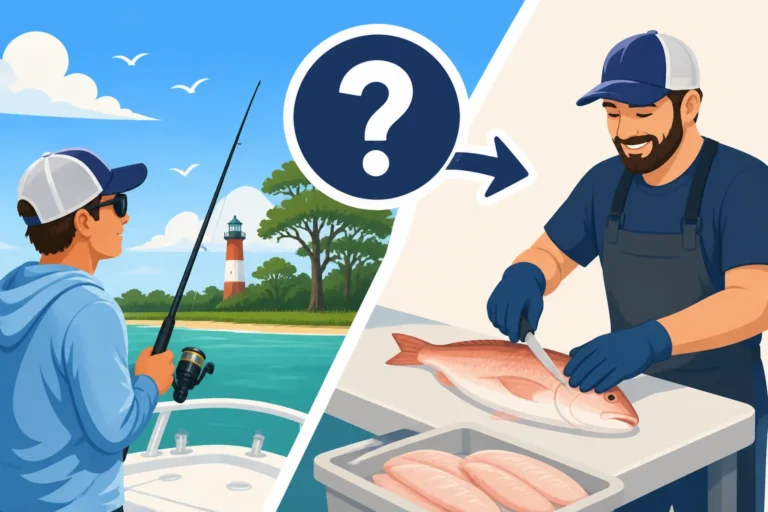
However, if you wish to keep your legal, slot-sized catch for dinner, that's perfectly fine too! Species like redfish, spotted seatrout, and flounder are highly prized for their delicious, white flaky meat. Your guide will store your keepers safely in a cooler on board, keeping them fresh throughout the trip. Once you return to the dock, many guides offer professional fish cleaning and filleting services, either as part of the charter fee or for a small additional charge. This is a huge convenience, as it means you leave with ready-to-cook fillets, eliminating the messy and time-consuming task of cleaning fish yourself.
It’s important to remember that all kept fish must adhere to South Carolina's current regulations regarding size and bag limits. Your guide will be well-versed in these rules, such as the South Carolina Redfish Slot Limit 18 to 25 Inches and the South Carolina Spotted Seatrout Daily Bag Limit of 10 Fish, and will ensure your catch is legal. Discuss your preferences for keeping or releasing fish with your guide at the beginning of the trip so they can plan accordingly.
Navigating the Booking Process for South Carolina Inshore Charters
Booking an inshore fishing charter in South Carolina doesn't have to be complicated, but a little preparation can go a long way in ensuring you find the perfect guide for your adventure.
Finding the Right Guide: Reputation and Specialization
The first step in booking a successful inshore charter is finding the right guide. Not all guides are created equal, and many specialize in different areas or species. Start by considering what kind of experience you're looking for. Are you hoping to target a specific fish, like a trophy redfish on the fly? Are you bringing young children and need a guide known for their patience with kids? Or are you an experienced angler looking to learn advanced techniques?
Word-of-mouth recommendations are invaluable. Ask friends, check local bait and tackle shops, or read online reviews from previous clients. Look for guides who consistently receive praise for their professionalism, their ability to find fish, and their overall demeanor. A guide with a great personality can make a good fishing trip even better. Also, consider their specialization. Some guides might focus heavily on sight-fishing for redfish, while others might be experts at bottom fishing for flounder or targeting trout with artificials. While many inshore guides are versatile, those who excel in a particular niche can offer a truly tailored experience.
Don't hesitate to research potential guides' websites or social media pages. This can give you a feel for their style, the type of boat they run, and the fish they typically catch. Look for clear photos of their vessel and past clients with fish, which often indicates a successful and reputable operation. A good guide will be proud to showcase their work and their clients' experiences.
Asking the Right Questions Before You Book
Once you've identified a few potential guides, it's time to reach out and ask some key questions. This not only helps you determine if they're the right fit but also clarifies expectations for your trip.
Here are some crucial questions to ask:
- What's included in the charter price? Clarify if bait, tackle, and a fishing license for passengers are covered. Most inshore charters include these, but it's good to confirm. Are fish cleaning services included, or is there an additional charge?
- What are the trip lengths and costs? Inshore charters typically offer half-day (4-hour) or 3/4-day (6-hour) options. Understand the pricing for each and what's best for your group and budget.
- What species are we likely to target during my trip's season? Guides can provide realistic expectations based on the time of year. While they can't guarantee a catch, they can tell you what's typically biting.
- What kind of boat do you run, and how many passengers can it comfortably hold? Ensure the boat is suitable for your group size and desired fishing style.
- What is your cancellation policy? Understand their policy regarding weather, emergencies, or other unforeseen circumstances.
- Do you welcome kids/beginners? If you're bringing children or new anglers, confirm the guide is patient and experienced with teaching.
- What should we bring? Reconfirm essentials like snacks, drinks, sun protection, and appropriate clothing.
Getting these details sorted upfront avoids any surprises and helps ensure a smooth, enjoyable trip. A professional guide will be happy to answer all your questions thoroughly.
Utilizing Online Platforms and Local Recommendations
In today's digital age, finding and booking a South Carolina inshore fishing charter has never been easier, thanks to online platforms and readily available local information.
Online booking platforms have revolutionized the way anglers connect with guides. Sites like FishingBooker act as comprehensive marketplaces where you can browse numerous South Carolina fishing charters, compare prices, read reviews, and book directly. These platforms often provide detailed profiles for each captain, outlining their experience, boat specifications, target species, and what's included in the trip. You can filter by location (e.g., Charleston, Hilton Head, Murrells Inlet), trip type (inshore, nearshore), and even specific species. The transparency of customer reviews on FishingBooker is particularly helpful, giving you unbiased insights into other anglers' experiences. This makes it easier to find a guide who matches your preferences and ensures a higher degree of accountability for charter captains.
Beyond online platforms, don't underestimate the power of local recommendations. As mentioned earlier, visiting a local bait and tackle shop in towns like Mount Pleasant, Beaufort, or McClellanville can be incredibly informative. The staff there often have direct relationships with local guides and can provide genuine, current recommendations based on local fishing reports. They might even know which guides specialize in the exact type of fishing you're hoping to do. Similarly, asking hotel concierges or resort staff in popular coastal destinations can also yield good suggestions. Combining the ease and breadth of online platforms like FishingBooker with authentic local advice is often the best strategy for finding and securing the perfect inshore fishing charter in South Carolina.
Understanding South Carolina Inshore Charter Costs and Value
One of the first questions people ask when considering a fishing charter is, "How much does it cost?" While prices vary, understanding the factors that influence the cost can help you budget and appreciate the value you receive.
Factors Influencing Charter Pricing
The price of a South Carolina inshore fishing charter isn't just a random number; it's a reflection of several key factors that contribute to the overall experience and operational expenses.
Trip Duration is perhaps the most obvious factor. A half-day trip, typically 4 hours, will be less expensive than a 3/4-day (6-hour) or full-day (8-hour) trip. Shorter trips are great for beginners, families with young children, or those on a tighter schedule. Longer trips allow more time to travel to different spots, target multiple species, and maximize your fishing time. The longer you're on the water, the more the guide's time, fuel, and bait costs add up.
Boat Size and Type also play a role. A smaller, simpler skiff might have a lower overhead than a larger, more feature-rich bay boat equipped with advanced electronics. While most inshore boats are designed for shallow water, the specific amenities (e.g., comfortable seating, T-tops for shade, powerful trolling motors) can influence the price.
Number of Anglers is another significant factor. Most charter prices are quoted for 1-2 passengers, with an additional charge for each extra person up to the boat's legal capacity (often 3-4 passengers for inshore skiffs, sometimes 5-6 for larger bay boats). This is because more anglers mean more bait, more tackle wear and tear, and more work for the guide. Some guides might even offer a slight discount for solo anglers, though this is less common.
Inclusions can affect the price. As discussed, most charters include rods, reels, tackle, bait, and a fishing license. However, some premium charters might offer additional amenities like snacks, drinks, or specialized high-end equipment, which could be reflected in a slightly higher price. Always clarify what's included when you book. For a detailed look at pricing structures, check out our guide on South Carolina Charter Fishing Costs and Trip Types.
What's Typically Included in the Charter Fee
When you book a South Carolina inshore fishing charter, you're usually paying for much more than just a boat ride. The charter fee typically covers a comprehensive package designed to make your fishing experience as enjoyable and effortless as possible.
Here's a breakdown of what's generally included:
- Professional Guide Services: This is the core of the value. You're paying for the captain's extensive local knowledge, years of experience navigating the waterways, understanding of fish behavior, and expertise in various fishing techniques. Their ability to find fish and adapt to changing conditions is invaluable.
- Boat and Fuel: The cost covers the use of a well-maintained, insured, and licensed vessel, along with all the fuel needed for your trip, which can be a significant expense.
- Rods, Reels, and Tackle: High-quality fishing rods and reels specifically chosen for inshore fishing are provided. This includes an array of terminal tackle such as hooks, weights, swivels, and various artificial lures (jigs, soft plastics, topwaters) that are producing at the time.
- Live and Artificial Bait: Guides provide all the necessary bait, whether it's live shrimp, mud minnows, fiddler crabs, or a selection of artificial lures. Sourcing fresh, live bait daily is a time-consuming and often costly endeavor, so having this covered is a big plus.
- Fishing License: As mentioned, the charter's blanket license usually covers all passengers on board, meaning you don't need to purchase your own individual South Carolina Fishing License Requirements in South Carolina for the day.
- Safety Equipment: All necessary safety gear, including life jackets (for adults and children), first-aid kits, and communication devices, are on board and accessible.
While fish cleaning services are often offered, they might sometimes be an additional small fee, so it's always worth confirming this upfront. Essentially, the charter fee bundles all the logistical necessities, allowing you to simply show up, cast a line, and enjoy the fishing.
The Etiquette of Tipping Your Fishing Guide
After a fantastic day on the water, you might be wondering about tipping your South Carolina fishing guide. Just like in other service industries, tipping is customary and greatly appreciated, as it acknowledges the guide's hard work, expertise, and dedication to providing you with a memorable experience.
Generally, a gratuity of 15% to 20% of the total charter cost is considered standard for a job well done. If your guide went above and beyond – perhaps they were exceptionally patient with your kids, found fish against tough conditions, provided excellent instruction, or even filleted your catch perfectly – a tip on the higher end of that range is a wonderful way to show your appreciation. Conversely, if you felt the service was adequate but not exceptional, a 15% tip is still appropriate.
The tip should be given directly to the captain or guide at the end of the trip, usually when settling up any remaining balance or after they've finished cleaning the fish. It's a tangible way to thank them for their efforts. Remember, a guide's income often relies significantly on these gratuities, especially considering the long hours, physical labor, and substantial costs involved in maintaining a boat and equipment. Don't let the question of tipping deter you from booking; think of it as a small investment in showing gratitude for a professional who worked hard to make your day special. For more in-depth advice, read our guide on Tipping Your South Carolina Fishing Guide.
Optimizing Your Trip: Best Seasons and Times for Inshore Success
South Carolina's inshore fishing can be productive year-round, but understanding the seasonal patterns and preferred times can significantly increase your chances of success and help you decide when to book your charter.
Spring's Bounty: Awakening the Estuaries
Spring in South Carolina (roughly March through May) is a fantastic time for inshore fishing, often considered by many to be one of the best seasons. As water temperatures begin to rise after the cooler winter months, the entire estuary system comes alive. Baitfish, shrimp, and crabs become more active, and the game fish respond accordingly, moving out of their deeper winter haunts and onto the shallower flats and marsh edges to feed aggressively.
Redfish fishing can be exceptional during the spring. They are actively feeding to recover from the leaner winter months and to prepare for spawning. This is prime time for sight-fishing opportunities on the flood tides as redfish cruise the grass flats. Spotted seatrout also become very active, biting readily on artificial lures and live bait. Flounder begin to migrate back into the estuaries from offshore, making them a more consistent target. The weather is generally mild and pleasant, making for comfortable days on the water. Early mornings and late afternoons are often the most productive during spring, though fishing can remain steady throughout the day as fish actively forage. It's a season of abundance and high activity, offering some of the most consistent fishing of the year.
Summer's Heat: Early Mornings and Late Evenings
South Carolina summers (June through August) can be hot, but the inshore fishing remains strong, albeit with a slight shift in strategy. The key to summer success is often timing: early mornings and late evenings typically offer the most comfortable conditions and the best bites. During the heat of midday, many fish will seek deeper, cooler water or hide in the shade of docks and marsh grass.
Redfish are still plentiful, but you might find them retreating into deeper creeks or under docks during the hottest parts of the day. Targeting them around oyster bars and current breaks with live bait can be very effective. Spotted seatrout continue to be a primary target, especially during the cooler parts of the day or around strong tidal movements. Topwater lures can be incredibly exciting at dawn and dusk when seatrout are actively feeding on the surface. Flounder fishing also hits its stride, as they settle into their summer patterns around structure and sandy bottoms.
Summer trips often start at the crack of dawn to take advantage of the morning bite before the sun gets too high. Sunset charters can also be highly productive and offer a beautiful way to experience the Lowcountry. Despite the heat, the abundance of bait and the active nature of the fish ensure that summer fishing is always an exciting prospect, particularly if you focus on the cooler parts of the day.
Fall's Frenzy: The Redfish Run and Active Trout
Fall (September through November) is another prime season for South Carolina inshore fishing, often rivaling or even surpassing spring for sheer productivity and excitement. As water temperatures begin to cool, baitfish start their migrations, triggering a feeding frenzy among predatory species. This is particularly true for redfish.
The "fall redfish run" is legendary, as large schools of adult redfish gather in the estuaries before moving offshore to spawn. This can lead to incredible opportunities to catch multiple large redfish in a single outing, often creating spectacular sight-fishing scenarios. Spotted seatrout also become incredibly aggressive, fattening up before winter, and often provide fast and furious action. Flounder remain active, and sheepshead fishing can also be excellent around structure as they prepare for the colder months.
The weather during fall is typically glorious – mild temperatures, lower humidity, and often stable conditions. This combination of comfortable weather and hyper-active fish makes fall an incredibly popular time for inshore charters. Many anglers consider it the absolute best time to target trophy redfish and fill coolers with cooperative trout. The fishing remains strong throughout the day, though tidal movements will always influence the best spots.
Winter's Calm: Challenging but Rewarding Opportunities
Winter (December through February) might seem like an off-season for fishing, but for the dedicated angler, South Carolina's inshore waters can offer unique and highly rewarding experiences. While fishing can be more challenging due to colder water temperatures and slower fish metabolism, the rewards can be substantial, and the peace and quiet of the winter marsh are unparalleled.
During winter, many fish congregate in deeper, warmer holes within the creeks and estuaries. Redfish often school up in large numbers, making them easier to locate once found. While they might not be as aggressively chasing baits, a slow, deliberate presentation with live or cut bait can be incredibly effective. Spotted seatrout also seek deeper channels, and targeting them with slow-moving jigs or suspended live bait can yield impressive catches of large "gator trout." Flounder are generally less active as many move offshore, but some can still be found in deeper holes. Sheepshead fishing around deep structure can be excellent if you brave the cold.
The advantage of winter fishing is less boat traffic and often clearer water, allowing for better visibility. The key to success is slowing down your presentation and focusing on finding those deeper, concentrated schools of fish. While you might not get the same fast and furious action as in spring or fall, catching a big winter redfish or trout in the tranquil beauty of the dormant marsh is a truly special experience. Dress in warm layers, and you might find winter fishing to be your new favorite pastime.
Disclaimer
This article is for general informational purposes only and does not constitute professional advice. Laws, prices and regulations vary by location and change over time. Consult a qualified professional for guidance on your specific situation.