Cheapest Way to Book a Hilton Head Fishing Charter
If you've ever dreamt of casting a line into the rich waters surrounding Hilton Head Island, but found yourself staring at charter prices with a bit of sticker shock, you're not alone. It's easy to assume that a guided fishing experience in a premier destination like South Carolina's Lowcountry is always an expensive luxury. This guide is here to unravel the mysteries of charter pricing and show you practical, realistic ways to enjoy the incredible fishing Hilton Head offers without completely emptying your wallet.
Understanding the Cost Structure of Hilton Head Fishing Charters
Before we dive into saving money, it's crucial to understand what goes into the price tag of a Hilton Head fishing charter. It's not just about the boat and the captain; there's a whole ecosystem of expenses that contribute to the final cost. Knowing these elements empowers you to make smarter choices.
Factors Influencing Charter Pricing
Several key factors play a significant role in how much you'll pay for a fishing trip out of Hilton Head. It's a bit like buying a car; there's a base model, and then all the add-ons that push the price up.
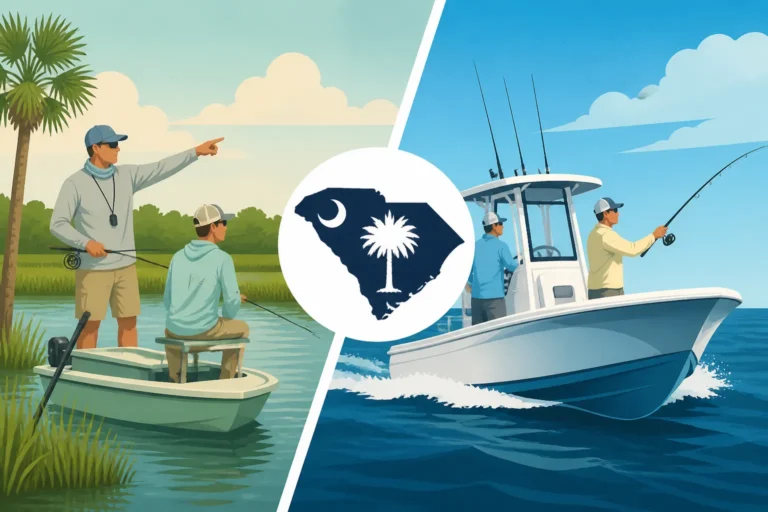
First, the type of fishing you want to do makes a huge difference. Are you looking to stay inshore, navigating the calm, shallow creeks and estuaries for redfish and trout? These trips generally cost less because they require smaller boats, less fuel, and often shorter travel times to fishing grounds. Or are you dreaming of heading offshore, chasing mahi-mahi, tuna, or wahoo in the deep blue? Offshore trips demand larger, more powerful vessels, consume significantly more fuel, and involve longer hours on the water, all of which drive up the cost. There's also nearshore fishing, which is a good middle ground, targeting species like king mackerel or cobia just a few miles from the beach.
Second, the size and amenities of the boat itself contribute to the price. A smaller center console boat, perfect for two to four anglers inshore, will naturally be less expensive to operate and charter than a large sportfisher equipped with air conditioning, a full head, and advanced electronics for deep-sea excursions. Think about how many people you plan to bring and what level of comfort and speed you expect.
Finally, the experience and reputation of the captain and crew also factor in. Highly sought-after captains with years of local knowledge and a proven track record of finding fish often command higher rates. They invest heavily in their gear, their boat's maintenance, and continuing education, all to ensure a top-notch experience for their clients. While a newer captain might offer a slightly lower rate, an experienced guide often means a higher chance of success and a safer, more enjoyable trip.
Decoding Trip Length and Type Costs
One of the most immediate ways to influence the price of your charter is by choosing the right trip length and type. Hilton Head offers a range of options, each with its own associated costs. You can find more details on specific trip lengths in Hilton Head Half-Day Fishing Charter Cost or Hilton Head 4-Hour Fishing Charter Price.
Half-day trips are typically the most economical option. These usually last around 4 hours and are perfect for families with young children or anglers who want a taste of fishing without committing to a full day on the water. While they offer less time to cover ground and try different spots, they are often sufficient to get some solid action, especially for inshore species. They are frequently offered as morning or afternoon slots, giving you flexibility.
Full-day trips, usually 6-8 hours, naturally come with a higher price tag. This extra time allows the captain to venture further, explore more fishing grounds, and adapt to changing conditions. For offshore fishing, a full-day trip is often a necessity due to the travel time involved to reach prime fishing spots. These trips are great for serious anglers looking for a more immersive experience and a higher chance of landing trophy fish.
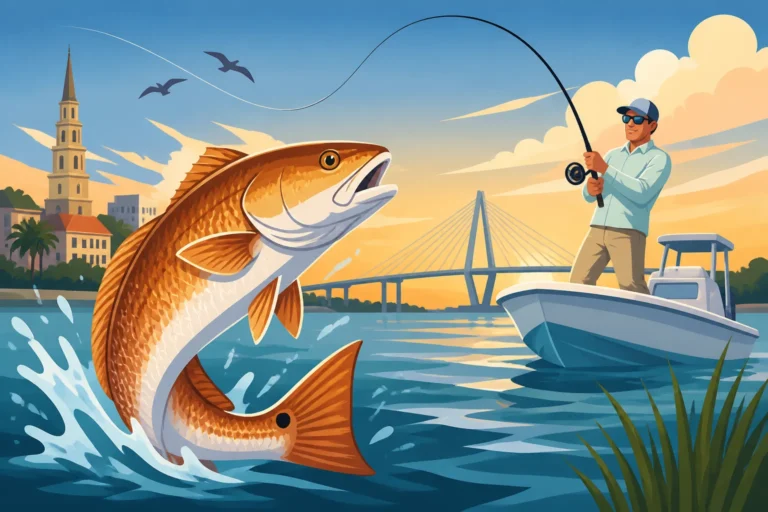
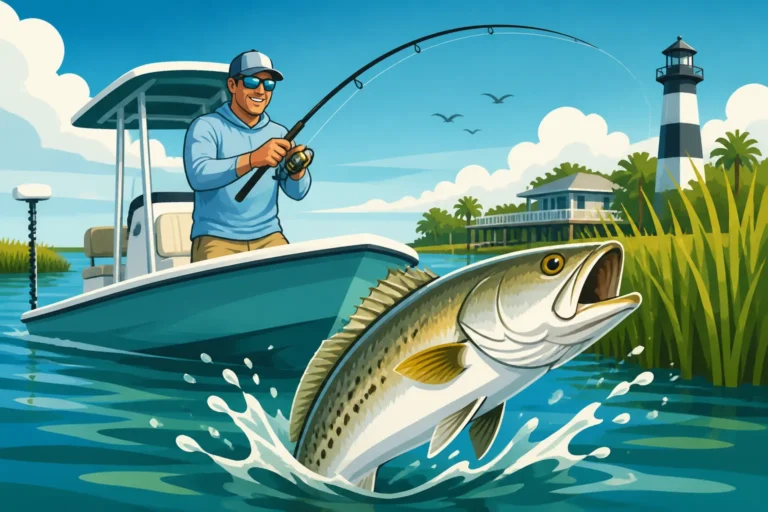
Then there are specialized trips, like shark fishing charters or night fishing trips, which might have unique pricing structures due to the specific gear, timing, or techniques involved. Some charters also offer specific target species trips, like Hilton Head Redfish Fishing Charter Trips or Hilton Head Speckled Trout Fishing Charters, which might be priced differently depending on the season and effort required.
Hidden Costs to Watch Out For
While the base charter fee covers the boat, captain, fuel, and usually bait and tackle, there can be a few "hidden" costs that can creep up and impact your budget. Being aware of these helps you budget more accurately.
One of the biggest is gratuity for the captain and crew. It's customary and highly appreciated to tip your crew, usually 15-20% of the total charter cost, assuming they provided good service. This isn't usually included in the initial price quote, so factor it into your calculations. For many crew members, tips form a significant portion of their income. You can learn more about this in How Much to Tip a Hilton Head Fishing Guide.
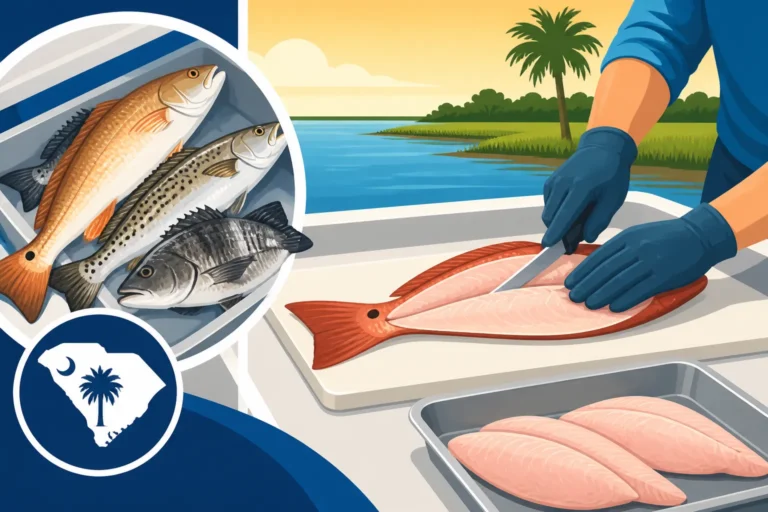
Another consideration is fish cleaning. While some charters include basic cleaning and filleting of your catch, others might charge an additional fee, especially for a large haul. Always clarify this upfront with your captain or booking agent. Also, think about cooler space and ice to transport your fresh fillets home.
Finally, consider your personal provisions. While some charters might offer bottled water, it's generally expected that you bring your own snacks, drinks, sunscreen, and any personal items you'll need for the trip. These small costs add up, so planning ahead can help keep your overall outing within budget.
Smart Strategies to Lower Your Hilton Head Charter Expenses
Now that we understand what makes up the cost, let's explore actionable ways to reduce your expenses without sacrificing the thrill of a great fishing experience. These strategies focus on being smart about your choices and leveraging opportunities.
Opting for Shorter Trips
As mentioned, trip length is a major cost driver. For those looking for the most budget-friendly option, a shorter trip is almost always the answer. A 4-hour inshore charter, for instance, provides ample time to catch a variety of species like redfish, flounder, and speckled trout, especially if the bite is on. It's a fantastic introduction to Hilton Head fishing and perfect for families or beginners.
Think about it: an inshore creek might be a short run from the dock, meaning less fuel burned and more time with lines in the water. While you might not cover as much ground or target as many different species as on an 8-hour trip, the shorter duration significantly reduces the overall price. You can still experience the joy of fishing, the beauty of the Lowcountry marshes, and the excitement of a bending rod. Often, a well-placed 4-hour trip during a peak tide can be just as productive, if not more, than a longer trip during slower conditions.
If you're unsure which length is right for you, consider Is a Half-Day or Full-Day Hilton Head Charter Better for Beginners? to weigh the pros and cons.
Embracing Group or Shared Charters
This is arguably one of the most effective ways to cut down on individual costs. Hilton Head fishing charters typically price their trips based on the boat, not per person, up to a certain maximum number of passengers (e.g., 4 or 6 people). This means if you can fill the boat with friends or family, you're essentially splitting the total cost. You can easily find information on What a Hilton Head Fishing Charter Costs per Person when dividing the total price.
For example, if a 4-hour inshore charter costs X dollars, and you go solo, you pay X. But if you bring three friends, each person pays X/4, which is a significant saving. This makes fishing charters much more accessible.
What if you're a solo angler or only have one other person? Many charter companies offer "shared" or "headboat" trips. These are less common for true private charters but are available from larger operations, especially for nearshore or offshore bottom fishing. On a headboat, you pay a per-person rate, and you're grouped with other anglers. While you lose the personalized attention of a private charter, the cost savings can be substantial. It's a great way to experience offshore fishing without having to foot the bill for an entire boat yourself. Always inquire about shared trip availability if you're a smaller party.
Timing Your Trip Wisely
The time of year and even the day of the week can impact charter availability and, sometimes, pricing. Hilton Head, like many coastal destinations, has peak tourist seasons, and these usually coincide with peak fishing demand.
Off-season fishing (late fall, winter, early spring, excluding holidays) can sometimes offer slightly lower rates or more flexibility for negotiation, especially with smaller operations. The fishing can still be excellent during these times, particularly for species like redfish and speckled trout inshore, or striped bass in nearby freshwater rivers. The weather might be cooler, but the crowds are thinner, and the atmosphere is often more serene. You can learn about the best times to book in Best Month to Book a Hilton Head Fishing Charter.
Fishing on weekdays rather than weekends can also sometimes lead to better rates or more availability. Captains are often booked solid on Saturdays and Sundays, but might be more willing to offer a slight discount or a more flexible schedule during the week, particularly outside of prime season. It never hurts to ask, especially if you have some flexibility in your travel dates.
Leveraging Booking Platforms and Local Connections for Deals
Finding the right charter involves a bit of research. Thankfully, there are several avenues to explore, from comprehensive online platforms to direct connections with local guides. Each has its own advantages when it comes to finding the most economical option.
Online Marketplaces vs. Direct Booking
In the digital age, online booking platforms have become incredibly popular for finding fishing charters. Sites like FishingBooker provide a vast database of available captains, allowing you to compare prices, read reviews, and see availability all in one place. These platforms can be a great starting point for discovering options and getting a baseline understanding of what different trips cost. They often feature clear breakdowns of what's included and display customer feedback, which is invaluable.
When using platforms like FishingBooker, you can easily filter by location, trip type, duration, and even target species. This makes it simple to search specifically for "inshore 4-hour trips" to find the most affordable options. Sometimes, captains will offer special deals or last-minute discounts through these platforms to fill empty slots, so keep an eye out.
However, once you've identified a few potential captains through an online platform, it can often be beneficial to also reach out to them directly. Sometimes, captains prefer direct bookings as it avoids platform fees, and they might be willing to offer a slightly better rate or more personalized package. It's always worth a polite inquiry. This also gives you a chance to gauge their personality and ask specific questions that might not be covered online. Remember, transparency is key, so if you're trying to compare Charleston vs Hilton Head Fishing Charter Prices, make sure you're looking at similar trip types and durations.
Tapping into Local Knowledge
There's something to be said for good old-fashioned local connections. If you're staying at a resort, vacation rental, or even a local bait shop, ask around! Hotel concierges, property managers, or staff at local marinas often have relationships with reputable captains and might be able to recommend guides who offer competitive rates or have specific availability that isn't widely advertised online.
Local bait and tackle shops are also goldmines of information. The folks working there live and breathe fishing, and they often know who the up-and-coming guides are, or those who are building their business and might be offering introductory rates. They can also provide real-time fishing reports, which can help you decide if a particular type of trip is likely to be productive during your visit. Sometimes, the most affordable options aren't the ones with the flashiest online presence.
Don't be shy about asking for recommendations, but always do your due diligence by checking reviews or asking for references. A personal recommendation can lead you to a fantastic experience at a great price. You might even stumble upon a guide who specializes in South Carolina Redfish Charter Fishing Trips or offers a unique, budget-friendly experience.
Comparing Quotes Effectively
When you're trying to find the cheapest way to book, simply comparing the bottom-line price isn't enough. You need to compare what's actually included in that price to ensure you're getting true value.
Create a simple checklist or table to keep track of what each charter quote offers.
| Feature | Charter A (Example) | Charter B (Example) | Charter C (Example) |
|---|---|---|---|
| Base Price (4-hour) | $$$ | $$ | $$$ |
| Max Passengers | 4 | 3 | 5 |
| Bait Included? | Yes | Yes | Yes |
| Tackle Included? | Yes | Yes | Yes |
| Fishing License? | Yes (boat license) | No (individual needed) | Yes (boat license) |
| Fish Cleaning? | Yes (basic) | Extra Fee | Yes (full service) |
| Beverages/Snacks? | Water provided | No | Water & Soda |
| Fuel Surcharge? | No | Potentially | No |
| Online Reviews (Avg.) | 4.8 stars | 4.5 stars | 4.9 stars |
| Gratuity Recommended | 15-20% | 15-20% | 15-20% |
As you can see from this hypothetical table, a charter that initially looks cheaper might end up costing more once you factor in individual licenses, fish cleaning fees, or the need to bring all your own drinks. Always clarify if a South Carolina Fishing License Guide is needed for individuals, or if the boat's blanket license covers passengers.
Don't be afraid to ask captains if they have any off-peak specials or if there's flexibility for certain group sizes. Sometimes, a charter might be willing to shave a small amount off the price or throw in an extra amenity if it means securing a booking, especially during slower periods. Politeness and clear communication are key here.
Making the Most of Your Budget-Friendly Hilton Head Fishing Trip
Finding an affordable charter is a victory, but truly getting the "cheapest way" means also maximizing the value of that trip. This isn't just about saving money, but ensuring you have an unforgettable experience within your budget.
What's Typically Included (and Not)
Understanding what you're paying for is fundamental. Most legitimate Hilton Head fishing charters will include:
- The boat and captain: Your vessel and expert guide for the duration of the trip.
- Fuel: This is typically covered in the base price, though some offshore charters may have a fuel surcharge clause for exceptionally long runs or fluctuating fuel prices, so always confirm.
- Fishing licenses: Many charter boats operate under a blanket fishing license that covers all passengers on board. However, it's always wise to confirm this. Don't assume. Do You Need a Fishing License for a Hilton Head Charter? is a good resource to check if you're ever in doubt.
- Bait and tackle: This usually includes all the rods, reels, lines, hooks, sinkers, and live or artificial baits needed for your target species. They'll have gear appropriate for the fish you're targeting.
What's often not included, as we touched on earlier, are things like gratuities, specialized snacks or beverages beyond basic water, sunscreen, hats, sunglasses, and any personal items. Knowing this beforehand allows you to pack smart and avoid unexpected costs.
DIY Savings: Gear, Snacks, and Drinks
To keep your charter costs down, take control of the "personal provisions" aspect.
Pack your own snacks and drinks: Instead of relying on convenience store prices at the marina, bring a cooler packed with your favorite sodas, water bottles, sandwiches, and snacks from home. This is a small saving that adds up over several trips or for a larger group. It also ensures you have exactly what you want on board.
Dress appropriately: Invest in good sun protection like a wide-brimmed hat, polarized sunglasses, and long-sleeved, breathable clothing. While not a direct "charter cost," avoiding sunburn or heatstroke means you won't need to cut your trip short or incur medical costs later. Think light layers for cooler mornings and evenings, even in summer. What to Wear on a Hilton Head Fishing Charter can give you more specific advice.
Consider basic essentials: A small, soft-sided cooler for your personal items is usually welcome. Bring a camera to capture memories, but ensure it's waterproof or in a protective case. Pack any personal medications you might need. Being prepared means you can fully enjoy the experience without needing to buy anything extra on the fly.
The Value of Experience Over Extravagance
Finally, remember that the "cheapest way" isn't just about the lowest dollar amount, but about the best value for your money. A budget-friendly charter doesn't mean a lesser experience. It means making smart choices that align with your priorities.
If your primary goal is to simply get out on the water, enjoy the scenery, and catch a few fish with your family, a shorter, inshore trip with a reputable guide is often the perfect choice. You'll still get the thrill of the bite, the beauty of the Lowcountry marshes, and memories that will last a lifetime. Many charters cater specifically to families and beginners, providing patient instruction and focusing on action. Are Hilton Head Fishing Charters Good for Kids? provides more insight into family-friendly options.
By focusing on a shorter trip, maximizing your group size, and being savvy about booking and budgeting for incidentals, you can absolutely enjoy an incredible fishing adventure on Hilton Head Island without breaking the bank. The real value comes from the experience, the natural beauty, and the shared moments, not just the size of the boat or the length of the trip.
Disclaimer
This article is for general informational purposes only and does not constitute professional advice. Laws, prices and regulations vary by location and change over time. Consult a qualified professional for guidance on your specific situation.