South Carolina Fishing Charters: The Complete Guide
It’s easy to feel overwhelmed when planning a fishing trip to South Carolina, especially if you’re looking to get out on the water but don’t own a boat or aren't familiar with the local waters. Trying to figure out where to go, what to catch, and what gear you even need can take all the fun out of it. This guide is here to walk you through everything you need to know about South Carolina fishing charters, helping you navigate the options and book the perfect trip for an unforgettable angling adventure.
Why Consider a Fishing Charter in South Carolina?
Let's be honest, dreaming of a perfect fishing day in South Carolina often comes with a heap of logistics. You need a boat, gear, bait, local knowledge, and of course, the time to put it all together. For many, that's just not feasible. This is where a fishing charter truly shines, transforming a potentially stressful outing into a seamless, enjoyable experience. It's not just about catching fish; it's about maximizing your time on the water with expert guidance and minimal fuss.
The Stress-Free Experience
One of the biggest advantages of booking a fishing charter is the sheer lack of stress involved. You don't have to worry about trailering a boat, launching it, navigating unfamiliar waters, or even cleaning up afterwards. The captain and crew handle all the heavy lifting, from preparing the boat and tackle to baiting hooks and netting your catch. All you need to do is show up ready to fish, soak in the beautiful South Carolina scenery, and enjoy the thrill of the catch. It's a vacation from the usual hassles of fishing, allowing you to truly relax and focus on the moment.
Imagine stepping onto a clean, well-maintained boat with all the rods, reels, and tackle already set up for the day's target species. No untangling lines, no forgotten bait, no worries about engine trouble. This convenience is a huge draw for families, beginners, and even experienced anglers who just want to enjoy a day without the responsibility of being the boat owner or guide. It's about letting someone else take the wheel, quite literally, so you can fully immerse yourself in the joy of fishing.
Expert Local Knowledge on Display
South Carolina's waters, both fresh and salt, are incredibly diverse, with intricate marsh systems, tidal creeks, vast lakes, and the expansive ocean. Each area holds different species, and their patterns change with the seasons, tides, and weather. Trying to figure this out on your own through trial and error can be incredibly frustrating and time-consuming. This is where the local expertise of a charter captain becomes invaluable.
These captains spend countless hours on the water, tracking fish movements, understanding feeding patterns, and knowing exactly where the bite is hot. They've learned the local nuances over years, sometimes decades. They know the subtle signs of a healthy oyster bed holding redfish, the hidden humps where striped bass school, or the offshore wrecks teeming with snapper and grouper. Their knowledge isn't just theoretical; it's practical, day-in and day-out experience that dramatically increases your chances of a successful and memorable trip. They can explain why certain techniques work in specific conditions, offering insights you wouldn't get from a guidebook.
Access to Prime Fishing Grounds
Let’s face it, some of the best fishing spots are either hard to reach without a proper boat or are closely guarded secrets known only to locals. Charter captains have the vessels and the know-how to take you directly to these prime fishing grounds. Whether it’s navigating shallow backcountry creeks for tailing redfish, venturing miles offshore to deep-water structures for pelagic species, or exploring vast lake expanses for trophy bass, a charter provides the access you might not otherwise have.
Many prime spots are far from public boat ramps or require specific navigation skills to avoid hazards like shallow oyster rakes or submerged timber. Charter boats are equipped with advanced electronics, including GPS and fish finders, allowing captains to pinpoint productive areas with precision. This means less time searching and more time with lines in the water. For example, without a knowledgeable guide, finding productive Lake Murray Fishing Guide for South Carolina Anglers or the best Murrells Inlet Redfish Fishing Spots in South Carolina can be a real challenge. A charter takes the guesswork out of it, putting you right where the fish are.
Types of South Carolina Fishing Charters: Inshore vs. Offshore
When you start looking into South Carolina fishing charters, one of the first distinctions you'll encounter is "inshore" versus "offshore." This isn't just about how far you go from the coast; it fundamentally changes the type of fish you'll target, the fishing techniques you'll use, and even the kind of boat you'll be on. Understanding these differences is key to booking a trip that aligns with your expectations and angling goals.
Inshore: The Shallow Water Specialists
Inshore fishing charters in South Carolina focus on the calmer, shallower waters of the coast. We're talking about tidal creeks, estuaries, salt marshes, bays, and even some nearshore ocean waters close to the beach or barrier islands. These trips are fantastic for anglers who might be prone to seasickness, prefer calmer waters, or are looking for a more hands-on, sight-fishing experience. The boats are typically smaller, shallower draft vessels designed to navigate these intricate waterways.
On an inshore trip, you'll primarily be targeting species like red drum (redfish), spotted seatrout (speckled trout), flounder, sheepshead, and various other panfish. The techniques often involve casting artificial lures or live bait with light tackle, often into tight spaces around oyster beds, dock pilings, or grass lines. It's an active style of fishing that rewards precision and patience. These trips are often incredibly scenic, allowing you to explore the stunning Lowcountry ecosystem up close. Many South Carolina Inshore Fishing Charters Explained are perfect for families and beginners due to the typically calm conditions and steady action.
Offshore: Deep Sea Adventures
Offshore fishing charters, on the other hand, are for those seeking the thrill of the open ocean and the challenge of larger, harder-fighting game fish. These trips venture many miles from the coast, sometimes dozens of miles, into much deeper waters. The boats are larger, more robust vessels designed to handle ocean swells, equipped with powerful engines and advanced navigation systems. If you're looking for an adrenaline rush and don't mind a bit of a ride, offshore is your calling.
The target species offshore are a different breed entirely. You'll be chasing pelagic fish like mahi-mahi (dolphin), wahoo, tuna (like blackfin), and king mackerel. Bottom fishing might yield snapper, grouper, and amberjack around reefs and wrecks. These trips typically involve trolling lures or baits at higher speeds for pelagics, or dropping heavy tackle to the bottom for reef fish. The fights can be long and intense, often requiring specialized gear. For a true deep-sea experience, check out South Carolina Offshore Fishing Charters Explained. Be prepared for longer travel times to and from the fishing grounds, but the potential rewards are often worth the journey.
Nearshore: The Best of Both Worlds
Sometimes, you want a taste of the ocean without committing to a full-blown deep-sea expedition. That's where nearshore charters come in. These trips typically stay within a few miles of the coastline, often targeting artificial reefs, ledges, and wrecks that are accessible without a long run. The waters are generally calmer than offshore but offer a chance at species not found in the skinny water marshes.
Nearshore fishing can target a mix of species, including king mackerel, Spanish mackerel, cobia, sharks, barracuda, and even some snapper and grouper depending on the depth and structure. You might still do some trolling or bottom fishing, but the travel time is significantly reduced compared to true offshore trips. It's a great option for those looking for bigger fish than inshore species but who might be wary of the really deep stuff. It offers a fantastic compromise, combining the excitement of ocean fishing with a slightly less strenuous journey.
Choosing the Right Charter: Factors to Consider
Deciding on the perfect South Carolina fishing charter isn't a "one size fits all" situation. There are several key factors that should influence your decision to ensure you have the best possible experience. Thinking through these points beforehand will help you narrow down your options and communicate effectively with potential charter captains. It's about aligning your personal preferences and expectations with what a specific charter can offer.
Species You Want to Target
This is often the most critical decision point. Are you dreaming of a specific trophy fish, or are you just happy to catch anything that bites? Your target species will largely dictate whether you go inshore, nearshore, or offshore, and what kind of gear and techniques the captain will use. For example, if you're set on catching a big redfish, an inshore or nearshore trip is your best bet. If mahi-mahi is on your bucket list, you'll need to go offshore.
Be clear with your charter captain about your angling goals. They can advise you on the best time of year for certain species and what to realistically expect. Sometimes, fishing for a specific species might not be productive during certain months, and a good captain will let you know. For instance, chasing South Carolina Redfish Slot Limit Rules will be a very different experience than targeting offshore tuna. Don't be afraid to ask about the success rates for your desired fish during your chosen season.
Group Size and Experience Level
Consider who will be joining you on the trip. Is it a solo adventure, a romantic getaway for two, a family outing with young children, or a wild trip with a group of experienced fishing buddies? The size of your group will determine the size of the boat you need, as charter boats have strict capacity limits for safety and comfort. A smaller skiff might be perfect for two anglers wanting to sight-fish the flats, while a larger center console or sportfisher is necessary for a party of six heading offshore.
Your group's experience level also matters. If you're bringing beginners or kids, look for charters that specifically advertise as "family-friendly" or "kid-friendly." These captains are usually more patient, have appropriate gear for younger anglers, and often focus on action-packed trips with easier-to-catch species like a Kid-Friendly Bluegill Fishing Techniques trip might aim for. If your group is full of seasoned anglers, you might prefer a more specialized charter focused on advanced techniques or trophy hunting. Communication with the captain about your group's dynamic is crucial for a smooth trip.
Trip Length and Time of Year
South Carolina offers charters ranging from half-day (typically 4 hours) to full-day (6-8 hours), and sometimes even extended trips. A half-day trip is excellent for beginners, families with young children, or those with limited time, offering a taste of the local fishing without too much commitment. A full-day trip allows more travel time to distant spots and more time fishing, increasing the chances of a larger catch or targeting multiple species. Consider your group's stamina and attention span when choosing a duration.
The time of year you plan your trip is equally important, as it directly impacts what fish are available and active. South Carolina boasts fantastic fishing almost year-round, but specific species have peak seasons. Spring and fall are often considered prime times for a wide variety of fish in both fresh and saltwater. Summer offers excellent offshore action and inshore opportunities, while winter can still produce great catches, especially for striped bass in lakes or redfish in the coastal marshes. Consulting a South Carolina Fishing Seasons Guide can give you a general idea of what's biting when, but a local captain will have the most up-to-date information.
Budget Considerations
Let's be real: fishing charters are an investment. Prices vary widely based on the type of trip (inshore, offshore), duration, size of the boat, and the captain's reputation. Half-day inshore trips are generally the most affordable, while full-day offshore excursions will be at the higher end. Don't forget to factor in potential additional costs like tips for the crew, snacks and drinks, or fish cleaning services if they aren't included.
It's tempting to go for the cheapest option, but remember that you often get what you pay for. A slightly more expensive charter might offer a more experienced captain, better equipment, a newer boat, or a higher level of service. Always ask what is included in the price – gear, bait, licenses, cooler with ice, fish cleaning? Knowing the full scope of costs upfront helps avoid surprises. Discuss your budget openly with potential captains; they might be able to suggest options that fit your price range while still providing a quality experience.
What to Expect on a South Carolina Fishing Charter
Booking a fishing charter is exciting, but if you've never done it before, you might have a lot of questions about what actually happens on the day of the trip. Understanding the typical flow, what's provided, safety measures, and even proper etiquette will help you feel more comfortable and ensure you have a fantastic time. It's about being prepared so you can focus on the fishing, not the unknowns.
Gear, Bait, and Licenses: What's Provided
One of the biggest conveniences of a charter is that the captain typically provides almost everything you need to fish. This includes all the rods, reels, tackle, and lures necessary for the target species and fishing conditions. You won't have to worry about bringing your own gear or trying to figure out what bait to use. The captain will have fresh bait on hand, whether it's live shrimp, mud minnows, cut bait, or appropriate artificials.
Even more importantly, most reputable charters cover the necessary fishing licenses for everyone on board. This is a huge relief, as navigating How to Get a Fishing License in South Carolina can be a bit confusing for out-of-state visitors. However, it's always a good idea to confirm this detail when you book. You might also find a cooler with ice for drinks and your catch, and sometimes bottled water is included. While the basics are covered, you should plan to bring your own snacks, beverages, and any personal items you might need.
Safety First: Protocols and Equipment
A good charter captain's top priority is the safety of their passengers. All licensed charter boats are required to carry specific safety equipment and adhere to strict regulations. You can expect life jackets for everyone (including appropriately sized ones for children), first-aid kits, communication devices (VHF radio, cell phone), fire extinguishers, and navigation equipment. Before leaving the dock, your captain will likely give a brief safety orientation, pointing out where safety gear is located and what to do in case of an emergency.
If you have any concerns about safety or boat conditions, don't hesitate to ask questions. A professional captain will be happy to address them. While rare, weather can change quickly on the water, especially in coastal South Carolina. Captains closely monitor forecasts and will make the call to reschedule or cut a trip short if conditions become unsafe. Trust their judgment; they are experienced in navigating these waters and prioritizing everyone's well-being.
Your Role as an Angler
While the captain and crew handle the heavy lifting, you're not just a passive observer. Your participation is what makes the trip exciting! The captain will guide you on how to cast, retrieve, and fight fish, especially if you're a beginner. Listen to their instructions and ask questions if you're unsure about anything. They want you to succeed and have fun.
Be prepared to follow directions, especially when it comes to specific fishing techniques or handling fish. If you hook a large fish, they'll guide you through the fight, helping you bring it to the boat. Remember, this is a team effort. Also, be mindful of your surroundings; keep an eye out for other lines in the water, and be aware of where hooks are to prevent accidents. Most importantly, relax and enjoy the experience. The beauty of a charter is that you get to learn from the best while enjoying the thrill of the catch.
Tipping Your Captain and Crew
Just like in other service industries, tipping your charter captain and crew is customary and very much appreciated. They work incredibly hard to ensure you have a safe, fun, and productive trip, from preparing the boat hours before you arrive to cleaning up and filleting your catch long after you've left. A general guideline for tipping is 15-20% of the total charter cost. If they went above and beyond, or if you had an exceptional day, a higher tip is always a wonderful gesture.
It's usually best to present the tip directly to the captain at the end of the trip, or ask if they prefer it to be split among the crew. This gesture shows your appreciation for their hard work, knowledge, and dedication. Remember, their livelihood often depends on these tips. If you're unsure about the local etiquette or How Much to Tip Your South Carolina Fishing Guide, don't hesitate to discreetly ask when you book or observe what others are doing if you're on a shared trip.
Popular South Carolina Charter Fishing Destinations
South Carolina's diverse coastline and rich inland waters offer a plethora of fantastic spots for fishing charters. Each region has its own unique charm, target species, and angling experiences. Whether you're seeking the historic beauty of Charleston, the family-friendly vibe of Hilton Head, or the bustling shores of Myrtle Beach, there's a perfect fishing adventure waiting for you. Let's explore some of the most popular charter fishing destinations in the Palmetto State.
Charleston: Historic Charms and Rich Waters
Charleston is not just a city steeped in history and Southern charm; it's also a premier fishing destination. The intricate network of tidal creeks, bays, and the expansive Charleston Harbor provides incredible inshore fishing opportunities. Here, you can target trophy redfish, speckled trout, and flounder amidst stunning Lowcountry scenery. Many charters depart from marinas around Mount Pleasant, Isle of Palms, or Folly Beach, giving you quick access to the fishing grounds.
Beyond the inshore bounty, Charleston also serves as a gateway to excellent nearshore and offshore fishing. Just a short run offshore, you can find artificial reefs and wrecks holding snapper, grouper, and king mackerel. Venture further out, and you're into prime territory for mahi-mahi, wahoo, and tuna. The variety of fishing experiences available from Charleston makes it a top choice for anglers of all skill levels. If you're staying in the area, a Charleston Fishing Charters: South Carolina's Harbor Trips is a must-do.
Hilton Head Island: Family Fun and Diverse Fishing
Hilton Head Island is renowned for its beautiful beaches, golf courses, and family-friendly atmosphere, but it's also a fantastic place to book a fishing charter. The calm waters of the Calibogue Sound, May River, and the surrounding estuaries offer abundant inshore fishing. Expect plenty of action with redfish, trout, and flounder, making it ideal for beginners and kids. The scenery, with its lush marsh grass and abundant wildlife, is an added bonus.
For those looking to venture further, Hilton Head also offers excellent nearshore and offshore options. Nearshore reefs hold a variety of species, and the Gulf Stream is accessible for serious big-game anglers chasing pelagics. Many resorts and marinas on the island have charter operations, making booking incredibly convenient. Whether you're planning a quick family outing or a dedicated angling expedition, Hilton Head Island Fishing Charters, South Carolina cater to every desire, ensuring everyone has a memorable time on the water.
Myrtle Beach: Grand Strand's Angling Hotspot
Myrtle Beach, the heart of the Grand Strand, is famous for its vibrant tourism, but its fishing scene is equally robust. While it might be known for its piers and surf fishing, there are numerous charter options available for those who want to get out on a boat. Inshore charters typically explore the Intracoastal Waterway and nearby inlets for species like redfish, trout, and flounder, providing a calmer alternative to ocean fishing.
The real draw for charters from Myrtle Beach often lies in its nearshore and offshore offerings. There are plenty of artificial reefs and natural ledges within reasonable striking distance, yielding catches of king mackerel, Spanish mackerel, snapper, grouper, and sharks. For the truly adventurous, offshore trips to the Gulf Stream target tuna, mahi-mahi, and wahoo. A Myrtle Beach Fishing Charters and Trip Options offers a different perspective on the coastline and a chance to escape the crowds while reeling in some impressive fish.
Murrells Inlet: The "Seafood Capital" Fishing Gateway
Just south of Myrtle Beach, Murrells Inlet proudly claims the title of "Seafood Capital of South Carolina," and for good reason. This picturesque fishing village boasts a phenomenal estuarine system that is a haven for inshore anglers. The winding creeks and vast marsh flats are teeming with redfish, speckled trout, and flounder, making it one of the most productive inshore fisheries on the East Coast.
Many charter boats operate out of Murrells Inlet, specializing in light tackle and fly fishing for these inshore favorites. The deep-water channel also provides access to the ocean for nearshore and offshore trips targeting king mackerel, sharks, and various reef fish. If you're serious about inshore fishing, or just want to experience a classic Lowcountry fishing village atmosphere, a charter from Murrells Inlet offers an authentic and rewarding experience. You'll find plenty of opportunities for Murrells Inlet Redfish Fishing Spots in South Carolina.
Booking Your South Carolina Fishing Charter
Once you've decided on the type of trip and the general area you want to fish, the next step is actually booking your South Carolina fishing charter. This process involves finding a reputable captain, understanding the booking details, and making sure you're fully prepared for your day on the water. A little planning goes a long way in ensuring a smooth and enjoyable experience.
Finding Reputable Charter Operators
Finding the right captain is paramount to a successful charter experience. Word-of-mouth recommendations are excellent if you know locals who fish. Online resources and booking platforms are also incredibly useful. Websites like FishingBooker specialize in connecting anglers with reputable charter captains worldwide, including a huge selection in South Carolina. They allow you to browse different captains, view their boats, read customer reviews, see what species they target, and compare prices. This makes it much easier to find a captain that suits your specific needs and preferences.
When researching, look for captains with consistently positive reviews, especially those that mention safety, professionalism, and a good demeanor with different types of anglers (families, experienced, etc.). Check if they are licensed and insured, and don't hesitate to call them directly to discuss your trip. A good captain will be happy to answer your questions, explain their fishing philosophy, and offer advice on the best time to fish for your target species. This direct conversation can also give you a feel for their personality and whether they're a good fit for your group.
Understanding Deposits and Cancellation Policies
Almost all fishing charters require a deposit to secure your booking, especially during peak seasons. This deposit helps protect the captain's time and resources. Be sure to understand the amount required and the accepted payment methods. It's always a good idea to get a written confirmation of your booking, including the date, time, price, and deposit amount paid.
Equally important is understanding the cancellation policy. Things happen – weather can be unpredictable, or plans can change. Most captains have clear policies regarding cancellations due to inclement weather (often decided by the captain for safety reasons) versus client cancellations. Typically, if the captain cancels due to weather, you'll receive a full refund or the opportunity to reschedule. If you need to cancel, there might be a cutoff period (e.g., 72 hours in advance) to receive your deposit back. Make sure you're clear on these terms before you commit, so there are no surprises down the line.
Preparing for Your Trip
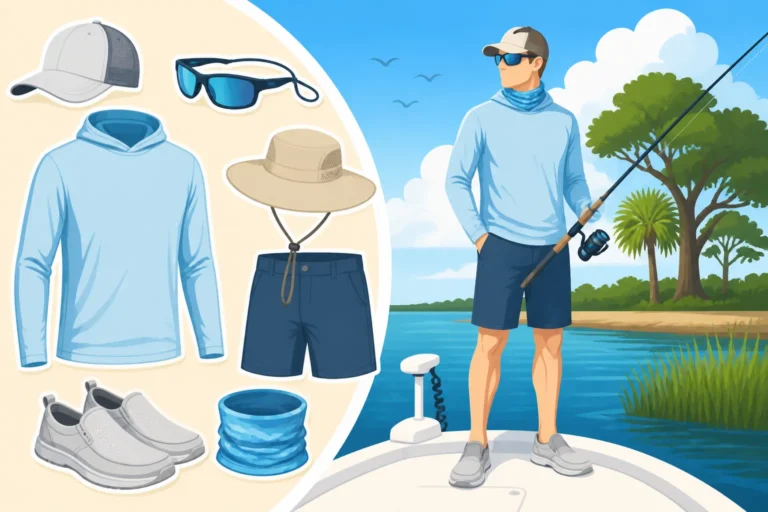
Once your charter is booked, it's time to prepare! While the captain provides most of the fishing gear, there are definitely some personal items you should bring to ensure your comfort and enjoyment. Essential items include sunscreen, a hat, sunglasses (polarized ones are excellent for spotting fish in clear water), and appropriate clothing for the weather conditions. Layers are often best, as temperatures can change on the water.
Don't forget snacks and drinks for your group, especially for longer trips. A small cooler can be handy for this. Bring a camera to capture those memorable moments, and any personal medications you might need. If you're prone to motion sickness, consider taking preventative medication before you board, especially for offshore trips. Lastly, consider bringing a waterproof bag for your phone or other valuables. For a more exhaustive checklist, check out What to Bring on a South Carolina Fishing Charter. Being well-prepared means you can fully immerse yourself in the fishing experience without any distractions.
Understanding Regulations and Catch Limits on Charters
Fishing in South Carolina, whether in freshwater or saltwater, comes with specific regulations and catch limits designed to protect fish populations and ensure sustainable fisheries for the future. When you're on a charter, your captain is the expert in these rules, but it's still beneficial for you as an angler to have a basic understanding. This ensures you're a responsible participant and appreciate the effort that goes into conservation.
Common Species and Their Limits
South Carolina has specific size and bag limits for almost every sport fish. For popular inshore species like redfish, there's often a slot limit, meaning fish must fall within a certain size range to be kept, and a daily bag limit per person, sometimes with a vessel limit too. For example, the South Carolina Redfish Slot Limit 18 to 25 Inches is a common regulation aimed at protecting breeding-size fish. Spotted seatrout also have minimum size and daily bag limits, such as the South Carolina Spotted Seatrout Daily Bag Limit of 10 Fish. Flounder, sheepshead, and various offshore species all have their own specific rules.
These regulations can change, sometimes annually, so relying on your captain's up-to-date knowledge is key. They often have printed copies of current regulations on board or check them regularly. The reason for these rules is simple: to ensure there are always plenty of fish for future generations. It’s a collective effort to keep South Carolina's waters vibrant and productive.
Charter Captains and Regulation Compliance
One of the significant advantages of fishing with a licensed charter captain is that they are intimately familiar with all current fishing regulations. They are legally responsible for ensuring that everyone on their vessel complies with these rules. This means they will instruct you on what fish can be kept, what needs to be released, and how to properly measure fish to determine if they are legal. You don't have to worry about accidentally breaking the law.
They also understand seasonal closures or special provisions, such as the South Carolina's Winter Gigging Ban for Seatrout. Your captain’s knowledge extends beyond just fish limits; it includes areas that might be closed to fishing, gear restrictions, and even specific handling requirements for certain species. They act as your on-water guide, not just to finding fish, but to fishing responsibly and legally within the state's conservation efforts. This peace of mind is invaluable, especially for anglers new to the area.
Catch and Release Practices
While catching fish to keep and eat is a big part of the charter experience, catch and release is also a very common and important practice, particularly for fish that are outside the legal slot limit, protected species, or simply for conservation-minded anglers. Your charter captain will teach you proper catch and release techniques to minimize harm to the fish. This includes handling fish gently, using appropriate dehooking tools, and releasing them quickly to maximize their chances of survival.
Many anglers choose to practice catch and release for larger, trophy-sized fish that fall out of the slot limit, or for species like striped bass which are often managed with strict limits to protect their populations. Discuss your preferences for keeping versus releasing fish with your captain at the beginning of the trip. They can tailor the experience to your desires, ensuring that if you want to take fish home for dinner, you do so within the legal limits and in a sustainable manner. It’s all part of being a respectful and responsible angler in South Carolina’s beautiful waters.
Disclaimer
This article is for general informational purposes only and does not constitute professional advice. Laws, prices and regulations vary by location and change over time. Consult a qualified professional for guidance on your specific situation.