Redfish Fishing Season Explained
Many anglers new to South Carolina's incredible saltwater scene often wonder, "When exactly is redfish season?" It's a common question, leading to a lot of confusion, especially when you hear local chatter about certain times being "better" than others. This guide is here to clear up that mystery, help you understand the true nature of redfish availability in the Palmetto State, and equip you with the knowledge to target these magnificent fish successfully year-round.
Understanding Redfish in South Carolina
Redfish, also known as red drum or spottail bass, are arguably one of the most sought-after game fish in South Carolina's coastal waters. Their powerful fights, stunning bronze coloration, and the distinctive "eyespots" near their tail make them a prized catch for both novice and experienced anglers alike. The allure of chasing redfish through marsh grass and along oyster beds is a deeply ingrained part of the Lowcountry fishing experience.
These fish are incredibly adaptable, thriving in the intricate network of estuaries, tidal creeks, and shallow flats that characterize much of our coastline. From the bustling waterways of Charleston Harbor to the serene backwaters of Hilton Head, redfish are present and actively feeding. Their diet is varied, consisting mainly of crabs, shrimp, and smaller baitfish, which are abundant in these rich marine environments. The robust nature of these fish means they can handle a range of water conditions and temperatures, which plays a big role in why they are available throughout the year.
The Enduring Popularity of Redfish
The popularity of redfish isn't just a recent trend; it's deeply rooted in the culture of coastal South Carolina. For generations, catching a big red drum has been a source of pride, a challenge, and a delicious meal. They represent the wild spirit of our saltmarsh ecosystems and the thrill of inshore fishing. This enduring popularity has also led to very careful management by the state's wildlife agencies, ensuring that these incredible fish populations remain healthy for future generations of anglers.
It's not uncommon to see fishing tournament circuits dedicated solely to redfish, drawing anglers from all over the Southeast. This competitive aspect, combined with their accessibility for recreational anglers, solidifies their status as a true flagship species for South Carolina fishing. Whether you're casting a lure from a kayak in a shallow creek or sight-fishing from a poling skiff, the pursuit of redfish offers endless excitement. You can find specialized gear and even guides for redfish fishing readily available, often with reviews and purchasing options on platforms like Amazon, highlighting their significant role in the recreational fishing market.
Where Redfish Call Home in South Carolina
South Carolina's diverse coastline provides an ideal habitat for redfish from top to bottom. From the North Carolina border down to Georgia, you'll find these fish thriving. Their preferred habitat includes shallow, brackish water with plenty of structure – think oyster rakes, spartina grass beds, and flooded marsh areas. These spots provide both cover from predators and an ample food supply. Redfish Hot Spots Along the South Carolina Coastline can give you an idea of where to begin your search.
Places like Murrells Inlet, Mount Pleasant, Charleston Harbor, and the vast marsh systems around Beaufort and Hilton Head are classic redfish strongholds. Each area offers slightly different fishing characteristics, but the common thread is the presence of healthy, dynamic estuaries. They navigate these intricate ecosystems with ease, moving with the tides to feed in flooded grass or retreating to deeper channels during low water. Understanding these local movements is key to consistent success, and often, local knowledge or resources like specialized maps found on Amazon can be incredibly helpful.
Is There a Specific "Redfish Season" in South Carolina?
This is perhaps the most common misconception among anglers, especially those coming from states with strict closed seasons for certain species. In South Carolina, there isn't a traditional "redfish season" in the sense of a specific time of year when you are legally permitted to fish for them and other times when you are not. Redfish are available and can be targeted by anglers year-round in the waters of South Carolina. This continuous opportunity is one of the many reasons why our state is such a prime destination for inshore fishing enthusiasts.
What often leads to the idea of a "redfish season" is the natural ebb and flow of their activity patterns, influenced by water temperature, spawning cycles, and bait availability. While you can always fish for them, there are certainly periods when they are more abundant, more aggressive, or easier to locate based on their seasonal behaviors. These are often referred to informally as "seasons," but it's important to remember this refers to peak fishing times, not legal restrictions on when you can pursue them.
The Truth About Year-Round Redfish Opportunities
The reality is, if you want to go redfish fishing in South Carolina on any given day of the year, you absolutely can. Unlike some species that migrate completely out of state waters or become entirely inaccessible due to spawning closures, redfish remain a consistent presence. This means that with the right techniques and a good understanding of their behavior in changing conditions, you can find success whether it's the dead of winter or the dog days of summer.
A mild South Carolina winter, for example, might see redfish schooling up tightly in deeper holes, making them a challenge to find but offering incredible fishing once located. In the height of summer, you might focus on early morning or late evening low-light conditions when they are more active in the shallows. The flexibility to fish for redfish throughout all twelve months makes planning a trip much easier, as you don't have to worry about missing a specific "window." This year-round availability underscores the importance of learning about Seasonal Fishing Techniques for South Carolina Anglers to adapt your approach to the conditions.
Why Many Anglers Think There's a "Season"
The perception of a "redfish season" often stems from a few factors. Firstly, the fall months are undeniably phenomenal for redfish fishing, particularly the "bull reds" (larger, mature fish) that gather in estuaries and near inlets for spawning. This period of intense activity and large fish often leads people to believe it's the only time to target them effectively. Secondly, angler experiences and success rates naturally fluctuate. A few slow trips during a challenging period might make someone feel like the "season" is over, even if fish are still present but require a different approach.
Another reason could be the impact of weather. Extreme heat in summer or very cold snaps in winter can make redfish less active or push them into harder-to-reach areas, reducing catch rates and making it feel like the fishing has shut down. However, the fish are still there; they're just behaving differently. Lastly, some coastal areas may have seasonal guide operations or charters that run more frequently during peak times, inadvertently reinforcing the idea of a limited "season." But rest assured, with the right gear and knowledge, every month offers a chance to hook into a South Carolina redfish.
Seasonal Patterns and Best Times to Fish for Redfish
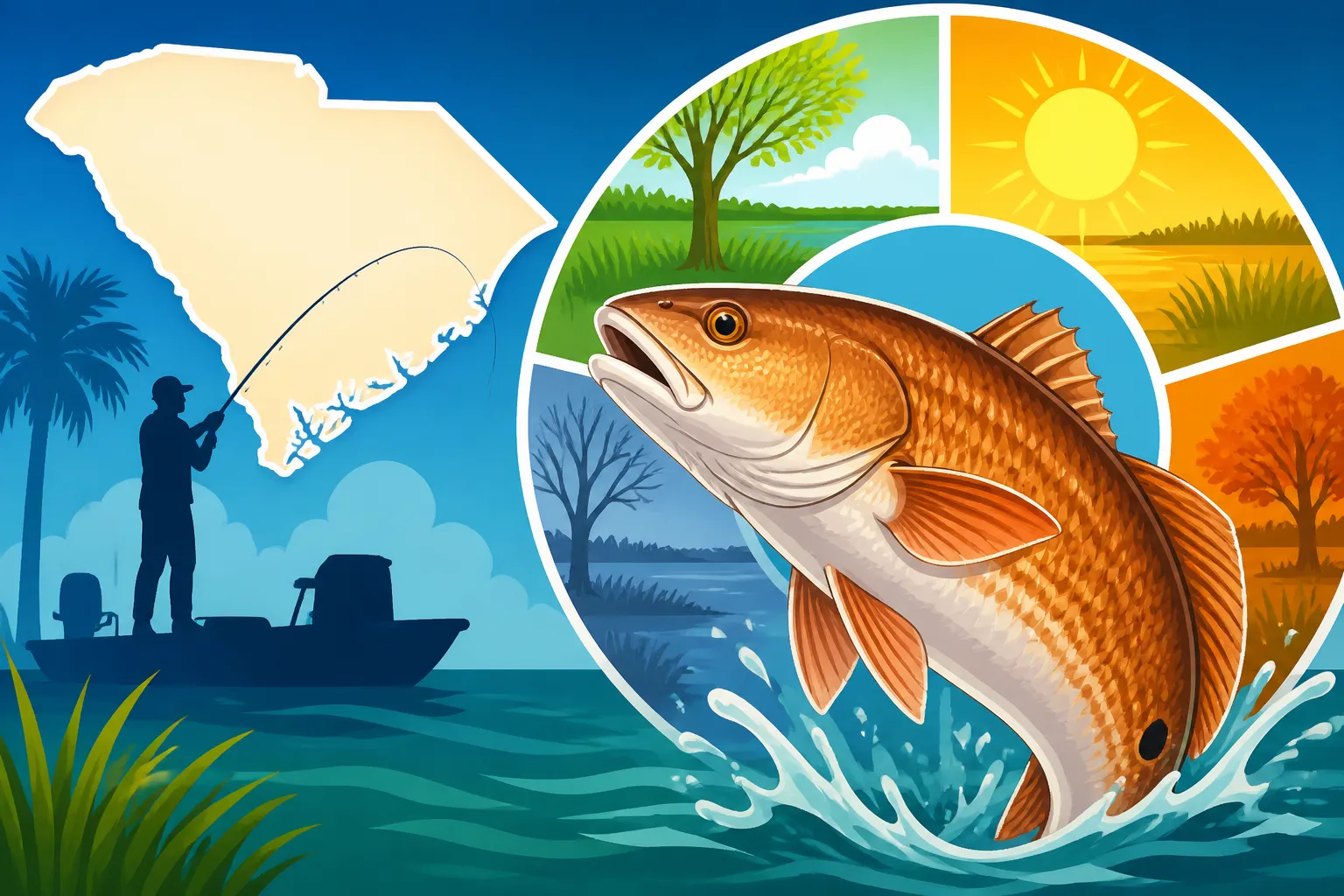
While there isn't a legal "season," redfish behavior undeniably changes with the seasons, presenting different opportunities and challenges for anglers. Understanding these patterns is key to maximizing your success no matter when you hit the water. Each part of the year in South Carolina offers a unique redfish experience.
| Season | Redfish Behavior Highlights | Common Techniques | Ideal Conditions |
|---|---|---|---|
| Spring | Warming water, pre-spawn feeding, moving into shallower flats, active after winter. | Soft plastics, spoons, live shrimp, cut bait. | Warming temps, strong tides. |
| Summer | Heat drives them to seek shade/cooler water, early morning/late evening bites, tailing activity on high tides. | Topwater lures (low light), weedless spoons, Gulp! shrimp, live mud minnows. | Low light, high tides, cooler water pockets. |
| Fall | "Bull Red" run for spawning, aggressive feeding, schooling fish in deeper channels and near inlets. | Large cut bait (mullet, blue crab), heavy jigs, artificials that mimic baitfish. | Moderate temps, stable weather, strong currents. |
| Winter | Water cools, schooling up tightly in deep holes and creeks, less aggressive, clearer water. | Finesse presentation, slow-moving baits, Gulp! shrimp, live mud minnows. | Calm, sunny days after a cold snap, low slack tide. |
Spring: Pre-Spawn and Energetic Bites
As the chill of winter recedes and water temperatures begin to climb into the 60s Fahrenheit, spring awakens the redfish. This is a fantastic time to target them as they become increasingly active, shaking off their winter sluggishness and moving into shallower waters to feed aggressively in preparation for the upcoming spawn. You'll find them cruising oyster beds and grass flats, eager to ambush baitfish, shrimp, and crabs.
Soft plastics rigged on jig heads are incredibly effective during this period, especially in natural baitfish or shrimp colors. Spoons are also excellent for covering ground and imitating fleeing bait. Look for warmer water pockets in protected creeks and areas where the sun has had a chance to heat the mud flats. Mornings can be particularly productive as the fish capitalize on rising temperatures and light conditions. This is a time when Inshore Redfish Techniques for Beginners can yield great results, as the fish are generally more forgiving.
Summer: Heat, Tailing Tides, and Early Mornings
Summer in South Carolina brings the heat, and with it, changes in redfish behavior. While fishing can still be excellent, you'll often need to adjust your timing and tactics. The middle of the day can be slow, as redfish seek deeper, cooler water or hide in the shade of docks and overhanging mangroves. The best action often happens during the cooler parts of the day: early mornings, late evenings, and even into the night.
One of the most exciting summer experiences is "tailing" redfish. On high tides, especially during full and new moons, redfish will push into flooded grass flats, rooting around for crabs and shrimp. Their tails will often break the surface, giving away their position. This is prime time for sight-fishing with weedless spoons or soft plastics. Does Tide Timing Matter for South Carolina Redfish? Absolutely! It's critical for this kind of fishing. Make sure to have a good pair of polarized sunglasses, easily found on Amazon, to spot those subtle movements.
Fall: The "Bull Red" Run and Aggressive Feeding
For many, fall is the redfish season, and for good reason. As water temperatures become ideal and baitfish migrate out of the estuaries, redfish go into a feeding frenzy to fatten up before the cooler months and their own spawning activities. This is when you'll hear about the "bull red" run, referring to the large, mature redfish (often over the slot limit) that gather in deeper channels, near inlets, and around major passes to spawn.
These larger fish are powerful fighters, and anglers often target them with heavier tackle and larger baits like whole mullet or substantial cut bait. In the shallower creeks and flats, the slot-sized redfish are also incredibly active, chasing down artificial lures with gusto. This is often the most consistent time for both numbers and size of fish inshore. Learning How to Catch Redfish on a Falling Tide can be particularly effective during the fall when fish are aggressively feeding on bait being pulled out of the creeks.
Winter: Slower Bites, Clearer Water, and Schooling Fish
Don't let the cooler temperatures deter you; winter redfish fishing in South Carolina can be incredibly rewarding, albeit different. The fish become less active and metabolism slows down, but the clearer water conditions often make sight-fishing opportunities exceptional on sunny, calm days. Redfish tend to school up tightly in winter, retreating to deeper holes, creek bends, and protected pockets where water temperatures are more stable.
The key to winter success is a slower presentation and stealth. Finesse is often preferred over aggressive retrieves. Soft plastics, especially those that mimic shrimp or mud minnows, fished very slowly along the bottom, can be deadly. Best Bait for Redfish in South Carolina's Marsh Creeks in winter might include live mud minnows or slow-moving artificials. Once you locate a school, the action can be fast and furious, as these fish tend to stay together. Many anglers rely on their fish finders to locate these schools, and you can find a wide range of these electronics, along with detailed reviews, on Amazon.
Navigating Regulations for Redfish
Even though there isn't a closed "redfish season" in South Carolina, there are stringent regulations governing their harvest. These rules are put in place by the South Carolina Department of Natural Resources (SCDNR) to ensure the long-term health and sustainability of the redfish population. Failing to understand and follow these regulations can result in hefty fines and penalties, so it's absolutely crucial for every angler to be informed. Always check the most current regulations before you head out, as they can change.
These regulations primarily focus on size limits (often referred to as "slot limits") and bag limits (how many fish you can keep per person and per boat). The goal is to protect both juvenile fish, allowing them to grow, and large spawning fish, ensuring they can reproduce and contribute to future generations. Anglers play a vital role in conservation by adhering to these rules and practicing responsible catch-and-release, especially for fish outside the legal slot.
Understanding South Carolina's Redfish Slot Limit
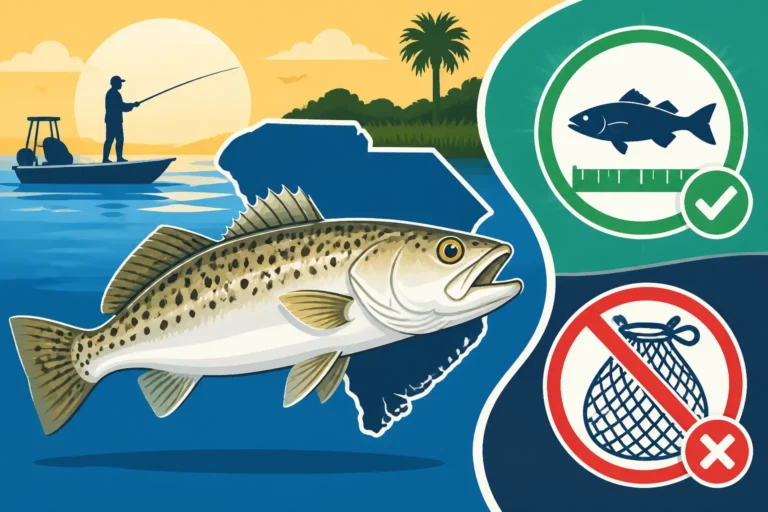
South Carolina employs a "slot limit" for redfish, which means you can only keep fish that fall within a specific length range. This is often an 18 to 25-inch window, measured from the tip of the nose to the tip of the tail. Fish shorter than the minimum length are considered "undersized" and must be immediately released unharmed. Likewise, fish longer than the maximum length are considered "oversized" (often referred to as "bull reds" or "spawners") and also must be released. South Carolina Redfish Slot Limit Explained further details this crucial regulation.
The slot limit strategy is highly effective because it protects the smaller, growing fish and the larger, reproductively valuable fish. This ensures that the population can replenish itself naturally. It's a system designed to promote both excellent recreational fishing and robust fish stocks. Always carry a measuring device on your boat or in your tackle box, readily available from outdoor retailers or through Amazon, to ensure your catch meets the legal requirements.
Daily Bag and Vessel Limits
In addition to the slot limit, there are also daily bag limits for redfish. This dictates how many legal-sized fish an individual angler can keep in a single day. There's also often a "vessel limit," which is the maximum number of legal redfish that can be on a boat, regardless of how many licensed anglers are on board. These limits are designed to prevent overfishing and distribute the harvest more equitably among anglers.
For example, a common bag limit might be one or two redfish per person per day, with a vessel limit of three or four fish. This means if you have three anglers on a boat and the vessel limit is four, you can only keep a total of four redfish, even if each angler is allowed to keep two individually. Understanding South Carolina Redfish Vessel Limit Explained is vital, especially when fishing with a group or on a charter. These rules are strictly enforced, and conservation officers frequently patrol our coastal waters.
Why Regulations Are Constantly Reviewed and Updated
Fish populations and environmental conditions are dynamic, and so are the regulations designed to manage them. The SCDNR constantly monitors redfish populations through scientific surveys, angler catch data, and environmental assessments. This ongoing research helps them understand the health of the stock and whether current regulations are effectively meeting conservation goals. As a result, regulations can and do change over time. How Often Redfish Regulations Get Updated is a question many anglers ask, and the answer is that it's an ongoing process based on scientific findings.
These changes might involve adjusting the slot limit, modifying bag limits, or implementing other protective measures if the data indicates a need. It's the angler's responsibility to stay informed about the most current rules. The SCDNR website is the official source for this information, but you can also find current summaries in fishing guides, bait shops, and even through fishing apps on your smartphone. Never rely solely on hearsay; always double-check the official sources before you cast your line.
Disclaimer
This article is for general informational purposes only and does not constitute professional advice. Laws, prices and regulations vary by location and change over time. Consult a qualified professional for guidance on your specific situation.