South Carolina Redfish Slot Limit Explained
Navigating the world of fishing regulations can feel like trying to untangle a stubbornly knotted line, especially when it comes to popular species like redfish. Many anglers, myself included, have felt that frustration of reeling in a beautiful catch, only to wonder if it’s a "keeper" or if it needs to go back. This guide is all about cutting through that confusion, giving you a clear, comprehensive breakdown of the South Carolina redfish slot limit so you can fish with confidence and stay on the right side of the law.
What Exactly is a Slot Limit, Anyway?
If you're new to fishing or just accustomed to simple minimum size limits, the term "slot limit" might sound a bit complex. But trust me, once you understand the thinking behind it, it makes a lot of sense, especially for valuable fisheries like our redfish here in South Carolina. It’s not just about what you can take home, but about protecting the future of the species.
The Philosophy Behind Slot Limits
Imagine a fishing regulation that says you can only keep fish between, say, 18 and 25 inches. That's a slot limit in a nutshell. The core idea behind this approach, used by wildlife agencies across the country, is to protect both the very young fish and the very large, mature "trophy" fish. Why? Because these two groups are often the most crucial for the overall health and population growth of a species.
Younger fish, those below the minimum size of the slot, haven't yet reached sexual maturity or had a chance to spawn multiple times. By letting them grow, we ensure they contribute to the next generation. The larger fish, those above the maximum size of the slot, are often the most prolific breeders, sometimes called "brood stock" or "bull reds." These big, healthy fish produce a disproportionately large number of eggs and play a vital role in keeping the population strong. Taking them out of the water removes a significant genetic contributor from the spawning pool.
So, the slot limit aims for a sweet spot. It allows anglers to harvest fish that have had a chance to reproduce at least once, but haven't yet become those super-sized, super-important breeders. It’s a conservation strategy designed to create a more resilient and sustainable fishery, ensuring that those thrilling battles with redfish continue for years to come. This approach helps prevent overfishing of critical age classes and maintains a balanced population structure.
How South Carolina Defines a Slot Limit for Redfish
South Carolina's specific redfish slot limit has been carefully determined by marine biologists to best manage our local population. While I can't give you a live, up-to-the-minute number (regulations can change, and you should always check the official SCDNR site for the absolute latest), I can tell you the shape of it. It generally involves a minimum length and a maximum length, and any redfish caught outside of that range must be released immediately and unharmed.
When you're out on the water, measuring is key. "Total length" typically means measuring from the tip of the snout (mouth closed) to the very end of the tail, with the tail pinched together to get the maximum length. It's not always easy when a fish is wiggling, but it's crucial for compliance. It’s a good idea to have a sturdy, reliable measuring board or a tape measure prominently displayed on your boat or kayak. You can often find durable, easy-to-read measuring boards on sites like Amazon that make quick work of checking your catch. This quick check helps you determine if your redfish falls within that legal window before it even gets into the cooler. Knowing exactly how to measure, and having the right tools, helps prevent accidental violations. It's a small step that makes a big difference in responsible angling. The regulations are in place to ensure a vibrant redfish population for everyone to enjoy, so understanding and following them is paramount. For more detailed information on measuring and current numbers, you’ll want to consult South Carolina Redfish Slot Limit 18 to 25 Inches and Current Redfish Regulations for Coastal Waters.
South Carolina's Current Redfish Slot Limit and Bag Rules
So, let’s get down to the brass tacks: what are the actual numbers you need to know, and how many redfish can you keep? These details are where many anglers get tripped up, and understanding them clearly will save you a lot of headache and potential fines.
The Specific Slot Limit Measurement
As discussed, South Carolina's redfish slot limit dictates that you can only keep redfish that fall within a very specific length range. Anything too small or too large must be returned to the water. This range is established after careful consideration of the species' growth rates, reproductive cycles, and the overall health of the fishery. While specific numbers can fluctuate based on environmental factors and scientific assessments, the principle remains constant: there's a minimum and a maximum.
If you reel in a beautiful redfish and it’s clearly below the minimum length, it’s often a young fish that needs more time to grow and contribute to the breeding population. On the flip side, if you hook into a massive "bull red" that’s well over the maximum length, resist the urge to keep it. These big fish are the powerhouses of the fishery, laying millions of eggs and ensuring the future of redfish in our waters. Releasing them, even though it might feel disappointing in the moment, is one of the most important things you can do as an angler for conservation. Always be ready with a measuring device; a quick measurement before placing it in the livewell or cooler prevents any issues. If it's outside the slot, release it carefully and quickly.
Daily Bag Limit and Vessel Limit
Beyond the slot limit, South Carolina also imposes a daily bag limit per person and a vessel limit, which caps the total number of redfish that can be kept on a single boat, regardless of how many licensed anglers are aboard. This is another critical piece of the puzzle that often causes confusion, especially for groups fishing together.
The daily bag limit specifies how many legal-sized redfish one individual angler can harvest in a 24-hour period. This means if you're fishing alone, you can keep your personal limit of redfish, provided they all fall within the established slot. However, the vessel limit is designed to prevent a large group of anglers on one boat from collectively harvesting an excessive number of fish. For example, if the vessel limit is set at a certain number, even if you have several licensed anglers on board, the total number of redfish kept on that boat cannot exceed that vessel limit. This ensures that even popular charter trips adhere to a conservative harvest strategy. Always clarify these limits with your fishing partners or charter captain before you head out, and refer to South Carolina Redfish Daily Bag Limit Per Person and South Carolina Redfish Two-Fish Vessel Limit Explained for the precise figures. Understanding both your personal bag limit and the vessel limit is essential to avoid penalties and contribute to sustainable fishing practices.
Practical Tips for Measuring and Releasing
Staying compliant with redfish slot limits and bag limits requires a bit of preparation and good practice on the water. It’s not just about knowing the rules, but about being able to apply them quickly and effectively.
First and foremost, have a reliable measuring device easily accessible. This could be a specialized fish ruler that sticks to your boat, a designated measuring board, or even just a sturdy tape measure that you've marked clearly. Many anglers find that a rigid measuring board, which you can place the fish on, makes accurate measurement much simpler than trying to hold a squirming fish against a flexible tape. You can find many options for these tools on Amazon, often with durable, waterproof materials perfect for saltwater environments.
When you catch a redfish, try to measure it as quickly and gently as possible. If it's clearly undersized or oversized, get it back into the water without delay. Use de-hooking tools to minimize harm, and try to keep the fish in the water as much as possible, especially during warmer months. If you must bring it aboard for a quick measurement, support its body weight horizontally and avoid holding it by the jaw vertically, which can damage its internal organs. Ensure your hands are wet to protect the fish's slime coat. These careful handling techniques increase the survival chances of released fish, which is just as important for conservation as following the slot limit itself. Remember, every fish you release unharmed is a potential breeder for future generations, contributing to the overall health of the fishery.
Why These Redfish Regulations Matter for South Carolina's Future
It’s easy to get caught up in the specifics of a regulation and forget the bigger picture. But when it comes to redfish, these rules are more than just bureaucratic hurdles; they are vital tools for ensuring that the incredible fishing opportunities we enjoy in South Carolina today will still be here for our children and grandchildren.
Protecting Breeding Stock
At the heart of the redfish slot limit is a fundamental biological principle: protect the breeding stock, and you protect the future population. Redfish, like many species, have different reproductive contributions throughout their lifespan. Smaller, younger fish haven't yet reached their peak reproductive potential. While they might spawn, their contribution to the overall number of eggs is relatively small compared to mature adults.
On the other hand, the very large redfish, often called "bull reds," are absolutely crucial. These older, larger females can produce millions of eggs in a single spawning season. Removing too many of these super-breeders from the population can have a devastating impact on the number of new fish entering the system. By releasing these oversized fish, we ensure that the most valuable reproductive assets remain in the water, continuing to replenish the stocks. The slot limit creates a protected zone for these vital fish, allowing us to harvest some while safeguarding the genetic powerhouse of the fishery. This balance is critical for the long-term health and abundance of species targeted in Redfish Fishing in South Carolina: Rules, Spots, and Tips.
Ensuring Sustainable Fishing Opportunities
Nobody wants to see our beautiful marsh creeks and coastal waters devoid of fish. The redfish regulations in South Carolina are a direct effort to prevent that scenario by promoting sustainable fishing opportunities. It’s a delicate balancing act between allowing anglers to enjoy their sport and harvest some fish, while simultaneously safeguarding the ecological integrity of the redfish population.
These limits are not arbitrary; they are the result of extensive research and monitoring by wildlife agencies. Biologists study population trends, spawning success, environmental factors, and fishing pressure to determine the optimal regulations. By adhering to the slot limit and bag limits, we, as anglers, become active participants in the conservation effort. Every time you release an undersized or oversized redfish, you're making a direct contribution to the sustainability of the fishery. This collective responsibility ensures that fishing remains a vibrant part of South Carolina's culture and economy, supporting not just the fish, but also the local businesses, guides, and families who depend on healthy ecosystems in places like Murrells Inlet Redfish Fishing Spots in South Carolina. It’s about more than just catching fish; it’s about preserving a legacy.
Common Misconceptions and What to Do
Even with the best intentions, it's easy to fall prey to common misconceptions or simply lose track of information. Regulations, by their nature, are always subject to change and misinterpretation. Let's clear up a couple of critical points that often trip up anglers.
"I Didn't Know" Isn't an Excuse
This might sound harsh, but it's a cold, hard truth: ignorance of fishing laws is not a valid defense if you're caught violating a regulation. Wildlife enforcement officers, or "game wardens," patrol our waters to ensure compliance, and their job is to uphold the regulations designed to protect our natural resources. When they check your license or your catch, they expect you to know the rules.
It's every angler's personal responsibility to understand and abide by the current fishing laws for the waters they intend to fish. This includes not just the redfish slot limit, but also other species-specific rules, general licensing requirements, and even regulations concerning tackle or bait. Getting caught with an undersized or oversized redfish, or going over the bag or vessel limit, can result in significant fines and even forfeiture of your gear. Trust me, paying a hefty penalty is a far worse feeling than releasing a big breeder. Be proactive: download the SCDNR app, keep a copy of the regulations in your tackle box, or check their website before each trip. Remember that Penalties for Fishing Without a License in South Carolina can be steep, and ignoring other regulations can be just as costly.
How Regulations Can Change
It's important to understand that fishing regulations are not set in stone forever. They are dynamic tools, constantly reviewed and adjusted based on scientific data and environmental conditions. What was legal last year might not be this year, or vice versa. This can be frustrating for anglers who just want consistent rules, but these changes are often necessary responses to protect a fishery.
Biologists continuously monitor fish populations, looking at factors like spawning success, juvenile recruitment, disease outbreaks, and habitat health. If data indicates a decline in population numbers, regulations might become stricter (e.g., smaller bag limits, narrower slot limits, or even seasonal closures). Conversely, if a population is thriving, there might be some loosening of restrictions. Environmental events, like unusually cold winters or prolonged red tides, can also impact fish populations and trigger swift regulatory changes. This is why it’s imperative to regularly check official sources like the South Carolina Department of Natural Resources (SCDNR) website or their official app before every fishing trip, especially if you haven't been out in a while. Don't rely solely on what a friend told you or what was in last year's guide. Always ensure you have the most up-to-date information, because How Often Redfish Regulations Get Updated can vary. By staying informed, you ensure you’re always fishing legally and responsibly.
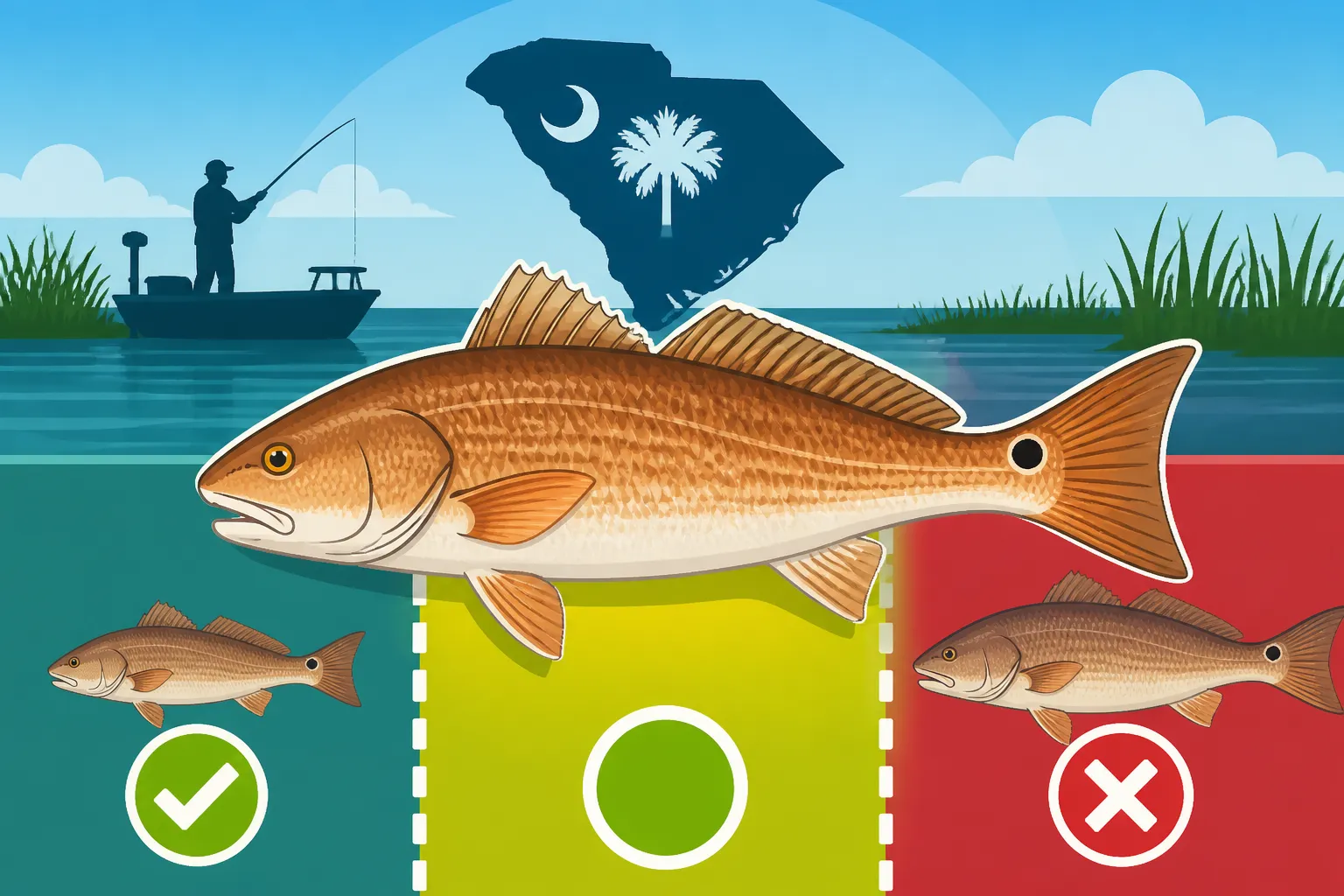
To help visualize the redfish slot limit, here's a general guide. Please remember to verify exact current measurements with the SCDNR.
| Redfish Length (inches) | Status | Action Required | Explanation |
|---|---|---|---|
| Below the minimum | Illegal to keep | Immediate Release | Fish is too small; needs to grow and mature. |
| Within the slot limit | Legal to keep | Check daily/vessel limits | This is the optimal size range for sustainable harvest. |
| Above the maximum | Illegal to keep | Immediate Release | Fish is a vital breeder; needs to stay in the water. |
Disclaimer
This article is for general informational purposes only and does not constitute professional advice. Laws, prices and regulations vary by location and change over time. Consult a qualified professional for guidance on your specific situation.