Redfish Hot Spots Along the South Carolina Coastline
It's incredibly frustrating when you're itching to get out on the water, eager to feel that distinctive thump of a redfish hitting your line, but you just can't pinpoint where they might be hiding. The South Carolina coastline is vast and diverse, making it a challenge to consistently find those elusive red drum. This guide is designed to cut through the guesswork, helping you understand where redfish thrive and the strategies you can employ to turn those frustrating outings into successful, rod-bending adventures across our beautiful Palmetto State waters.
Understanding Redfish Behavior Along the South Carolina Coast
Before we dive into specific locations, it’s really helpful to get into the head of a redfish, or red drum as they’re also known. These bronze beauties aren’t just randomly swimming around; they have patterns, preferences, and predictable behaviors influenced heavily by their environment. Knowing these fundamentals is like having a secret weapon in your tackle box.
The Influence of Tides and Water Depth
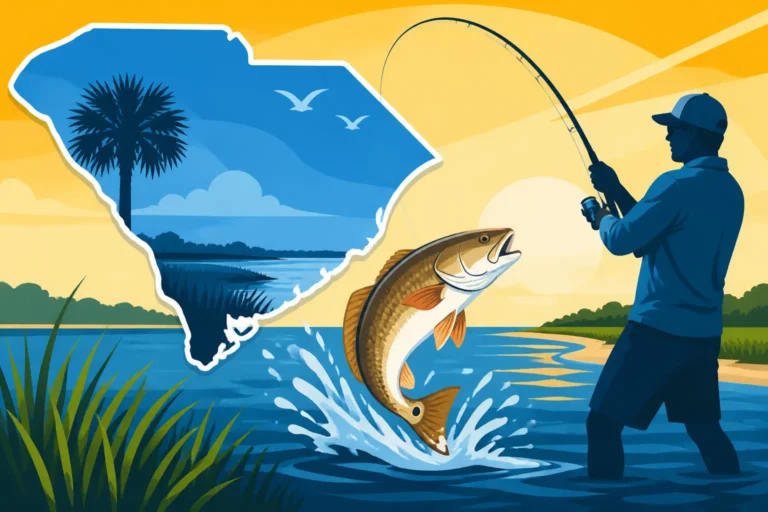
One of the biggest factors dictating where redfish will be found in South Carolina’s coastal waters is the tide. Our Lowcountry estuaries are truly dynamic, and redfish are masters at using the ebb and flow to their advantage. During an incoming or flood tide, they'll push far back into the shallowest marsh creeks and onto the grass flats, following the water as it rises. This is often when you get the incredible opportunity to see "tailing redfish," where their tails break the surface as they root around in the mud for crabs and shrimp. It's a truly iconic sight for any inshore angler.
Conversely, as the tide begins to fall, redfish will start to move out of those super shallow areas. They'll retreat into deeper tidal creeks, channels, and along the edges of oyster beds, congregating in spots where they can ambush baitfish flushing out of the marshes. The current created by the moving tide is also a massive factor; redfish often position themselves in current breaks, like behind oyster rakes or points, waiting for an easy meal to drift by. Understanding this rhythm is paramount. If you're fishing a specific spot, knowing the tide cycle for that day, and even the next few hours, will dramatically increase your chances.
Key Forage and Habitat Preferences
Redfish are opportunistic feeders, but they definitely have their favorites, and their habitat choices reflect where that food is abundant and accessible. Their primary diet consists of crustaceans like fiddler crabs and blue crabs, as well as a variety of shrimp (like the plentiful grass shrimp and white shrimp) and small baitfish such as finger mullet, mud minnows, and small menhaden. They’re bottom feeders for the most part, using their downward-facing mouths to forage along the seafloor, which is why those grass flats and oyster beds are such prime hunting grounds for them.
When it comes to habitat, think about what offers cover, food, and protection. Extensive marsh grass, especially Spartina alterniflora, is a redfish haven. The dense root systems and blades provide shelter, trap bait, and host a myriad of invertebrates. Oyster beds are another critical component; they offer structure, shelter, and a buffet of crabs and other small creatures. Tidal creeks, especially those with muddy bottoms adjacent to grass lines, are highways for redfish moving with the tides. Water clarity and temperature also play a role; redfish can tolerate a wide range, but they generally prefer water that isn't too cold (below 50°F can make them sluggish) and isn't too murky, though they are perfectly capable of feeding in stained water.
Top Redfish Hot Spots by Region
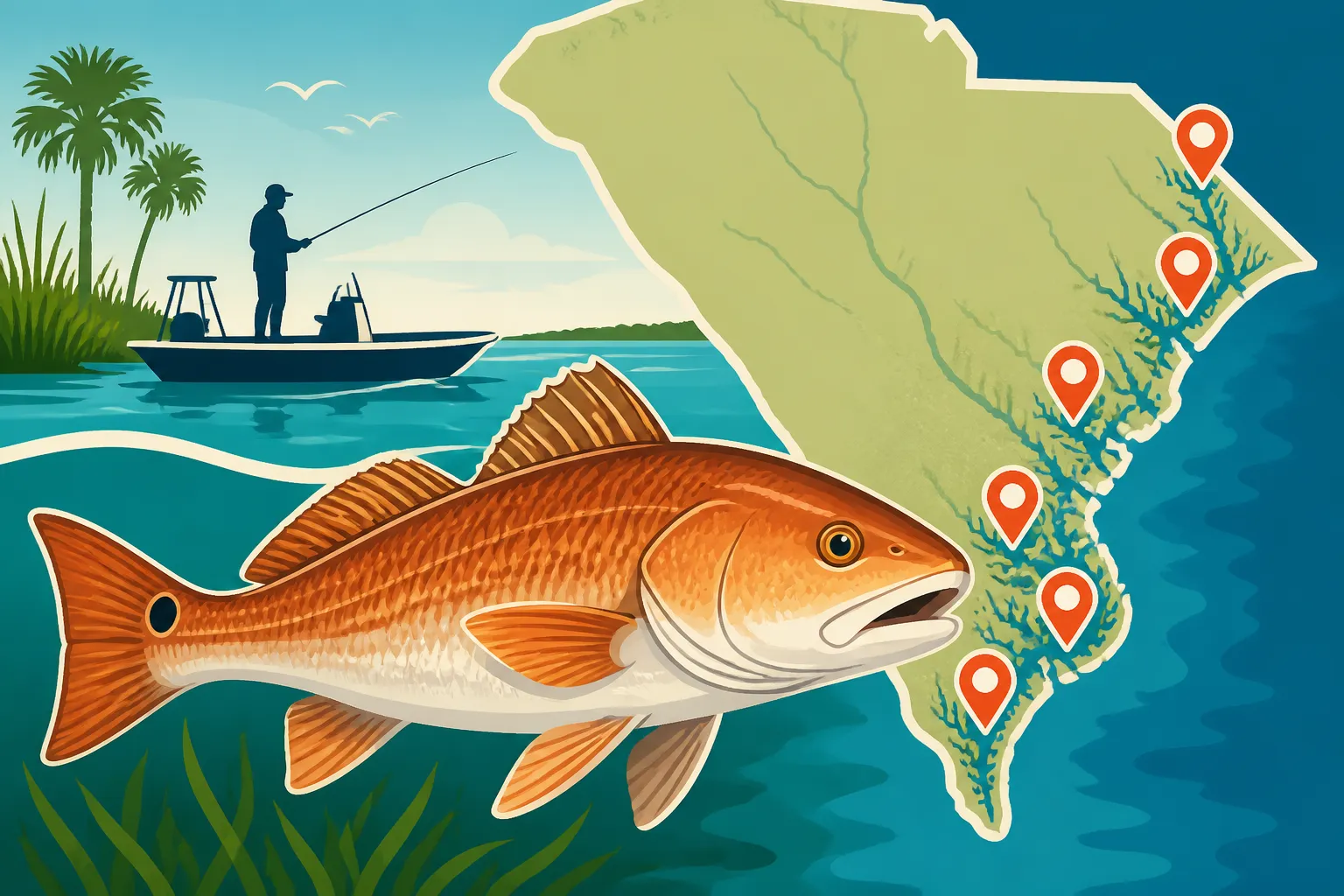
South Carolina's coastline is a tapestry of productive redfish waters, each with its unique charm and challenges. From the bustling inlets of the Grand Strand to the vast marsh systems of the Lowcountry, there's a spot for every angler.
The Northern Coast: Murrells Inlet and Surrounding Areas
If you're looking for redfish action on the northern end of our coast, Murrells Inlet is an absolute gem. This historic fishing village boasts an incredibly rich ecosystem, teeming with baitfish, shrimp, and crabs, making it a natural magnet for red drum. The inlet itself features a main channel that runs deep, but it's the countless smaller tidal creeks, expansive grass flats, and protective oyster beds branching off that channel where the redfish truly thrive. Anglers often find success targeting the jetties at the mouth of the inlet, especially on incoming tides, as water rushes in, bringing baitfish with it.
Further back into the estuary, near areas like Garden City Beach and Huntington Beach State Park, you’ll find vast stretches of Spartina grass that are perfect for sight fishing tailing redfish during high tide. The muddy bottoms of these creeks warm up quickly on sunny days, making them attractive to redfish in cooler months. Keep an eye out for submerged structure, like old docks or fallen trees, as these often hold fish waiting to ambush prey. For those visiting, there are plenty of access points, and if you’re looking to explore with a seasoned professional, you can find a number of excellent inshore guides who specialize in these waters. If you're really delving into the specifics of this area, you might want to read our guide on Murrells Inlet Redfish Fishing Spots in South Carolina.
Central Coast: Charleston Harbor and Its Estuaries
Moving south, the Charleston Harbor system is arguably one of the most prolific redfish fisheries in the entire state. This expansive and complex network of rivers, creeks, and sounds offers an incredible diversity of habitats for redfish to roam. The sheer volume of marshland and oyster-laden waters provides an endless supply of food and cover, making it a perennial favorite for local and visiting anglers alike. Within Charleston Harbor, popular areas include Shem Creek, known for its deep channels and abundant bait, and Wappoo Cut, which connects the Stono and Ashley Rivers and provides strong current flows that redfish love.
The barrier islands surrounding Charleston, such as Folly Beach, Isle of Palms, and Sullivan's Island, also contribute to the redfish habitat with their extensive backwater creeks and protected flats. Anglers frequently target the edges of grass lines, shell rakes, and dock pilings within these areas. Sight fishing opportunities abound on the clear, shallow flats, especially during cooler months when the water is clearer. The constant movement of tides here means you can often find fish by simply observing the water and how the bait is moving. If you're particularly interested in where the best redfish bite is, check out our piece on Best Redfish Spots in Charleston Harbor, South Carolina.
Southern Coast: Beaufort and Hilton Head Island
The southern reaches of the South Carolina coastline, encompassing the waters around Beaufort and Hilton Head Island, offer a truly pristine and productive environment for redfish. This region is characterized by its vast, unspoiled marshlands, deep-water sounds, and intricate creek systems, which provide an ideal nursery and feeding ground for red drum. Here, the redfish grow big and strong, often providing incredible fights for anglers. Significant waterways like Calibogue Sound, the May River, the Broad River, and Port Royal Sound are all interconnected, forming an enormous estuarine system.
These waters are exceptionally rich in oyster beds, which are absolutely critical for redfish. You'll often find schools of redfish stacked up on the edges of these oyster reefs, especially as the tide drops, waiting for shrimp and crabs to be washed off. The many small feeder creeks that crisscross the marshes around Hilton Head and Beaufort are also prime locations, particularly during high tide, when redfish push into the shallowest reaches to forage. Guided trips are very popular here, with many skilled captains specializing in targeting redfish. If you're considering hiring some local expertise, our guide on Hilton Head Island Fishing Charters, South Carolina can point you in the right direction.
Effective Strategies for Targeting Redfish in South Carolina
Knowing where the redfish are is just one piece of the puzzle. The next step is understanding how to entice them to bite. There are a multitude of techniques, baits, and lures that can prove effective, depending on the specific conditions you encounter.
Lure and Bait Selection
When it comes to getting a redfish's attention, you've got a couple of main avenues: live bait or artificial lures. Both can be incredibly effective, and often, the best strategy is to be prepared with both.
- Live Bait: This is often the go-to for many seasoned redfish anglers, especially when the bite is tough. Live shrimp are a universal favorite; few redfish can resist a fresh, wiggling shrimp, either free-lined or under a popping cork. Mud minnows and finger mullet are also excellent choices, especially when fishing around structure or deeper channels. The key is to keep your bait fresh and lively, as natural movement is what really triggers the strike.
- Artificial Lures: For those who prefer to cast and retrieve, the world of artificial lures offers endless possibilities. Soft plastics rigged on a jig head are perhaps the most versatile. Brands like Z-Man and Gulp! offer scents and textures that are incredibly appealing to redfish. Colors like "rootbeer," "chartreuse," "new penny," and "motor oil" are perennial favorites in our stained coastal waters. Spoons, particularly gold or silver weedless varieties, are fantastic for covering water and mimicking baitfish. Topwater lures, used during dawn or dusk, can produce explosive, heart-stopping strikes, especially when redfish are actively feeding in shallow water. Understanding what the fish are feeding on that day and matching your lure choice accordingly can make a huge difference. For more specific lure advice, check out Best Lures for Tailing Redfish in Grass Flats.
Essential Techniques and Gear
Beyond bait and lures, mastering a few core techniques and having the right gear will significantly boost your redfish success rate.
- Techniques:
- Sight Fishing: This is the pinnacle of inshore redfishing. It involves quietly poling or trolling through shallow grass flats and spotting redfish before you cast. Accuracy and stealth are crucial. Cast well ahead of the fish to avoid spooking them, allowing your lure to sink or settle naturally in their path.
- Casting to Structure: Redfish love structure – oyster beds, dock pilings, fallen trees, creek bends. Cast your bait or lure as close as possible to these features, allowing it to drift or work along the structure.
- Drifting: In areas with good current, drifting with live bait or a jig can be highly effective. The current does the work, presenting your bait naturally to hungry redfish holding in ambush points.
- Gear: A medium-light to medium-heavy spinning rod (6'6" to 7'6") paired with a 2500-3000 series reel is a versatile setup for most inshore redfish situations. Spool your reel with 10-15 lb braided line for sensitivity and casting distance, adding a 20-30 lb fluorocarbon leader for abrasion resistance against oyster shells and stealth. Your leader length can vary from 18 inches to several feet, depending on water clarity and conditions. Don't forget essentials like pliers, a landing net, and plenty of sunscreen! For a deeper dive into techniques tailored to specific conditions, consider exploring South Carolina Redfish Slot Limit and Tide-Based Techniques.
Navigating Regulations and Ethical Angling
As responsible anglers, it's absolutely crucial that we understand and adhere to the regulations set forth by the South Carolina Department of Natural Resources (SCDNR). These rules are in place to ensure the sustainability of our redfish populations for generations to come.
- Slot Limits and Bag Limits: South Carolina has strict rules regarding the size and number of redfish you can keep. Currently, redfish must be within a specific slot limit (e.g., 15-23 inches, though this can change, so always check the latest regulations) to be legally harvested, and there’s a daily bag limit per person. Fishing outside these limits can result in significant fines and penalties. Always consult the official SCDNR website or printed regulations before you head out. Our article on South Carolina Redfish Slot Limit Rules explains this in more detail, as does South Carolina Redfish Daily Bag Limit Per Person.
- Catch and Release Practices: Even if you plan to keep a few fish for dinner, practicing ethical catch-and-release is vital for the health of the fishery. Use circle hooks when fishing with live bait to minimize gut hooking, and handle fish gently. Support their body weight, avoid putting fingers in their gills, and get them back in the water quickly. Using a dehooker can also make the process smoother and less stressful for the fish. Staying informed on Current Redfish Regulations for Coastal Waters is an ongoing responsibility for all anglers.
- Fishing Licenses: Don't forget, you absolutely need a valid South Carolina fishing license for both freshwater and saltwater fishing, unless you're on a licensed charter boat where the captain's license covers everyone. Penalties for fishing without one are not worth the risk.
Making the Most of Your Redfish Trip
A successful redfish trip often comes down to careful planning and being prepared for whatever the South Carolina coast throws your way. A little foresight can turn a good day into a great one.
Planning Your Excursion
The planning stage is where you set the foundation for a successful redfish hunt. This means more than just picking a day to go; it involves a bit of research and strategic thinking. First, always check the weather forecast. High winds, heavy rain, or sudden temperature drops can dramatically impact fishing conditions and safety. Next, and perhaps most importantly for redfish, consult a tide chart. Knowing when the high and low tides occur in your chosen fishing zone will dictate when and where you should focus your efforts. Some anglers also pay attention to moon phases, believing that full and new moons, which produce stronger tides, can sometimes correlate with more aggressive feeding.
Deciding whether to go it alone or hire a guide is another key consideration. If you're new to the area or redfish fishing, a local guide can be invaluable. They know the current patterns, the latest hot spots, and the most effective techniques for that specific day. Platforms like FishingBooker make it easy to find and compare experienced local guides who specialize in South Carolina redfish. They offer detailed profiles, reviews, and booking options, helping you connect with the right expert to maximize your chances. For those who prefer a do-it-yourself approach, studying navigation charts and utilizing fishing apps can help you identify promising areas like deep channels, oyster bars, and grass flats. Whichever route you choose, having a plan will significantly improve your experience. You can find more comprehensive advice in our South Carolina Fishing Charters: The Complete Guide if you're leaning towards professional assistance.
Safety and Preparation
Beyond the fishing itself, ensuring your safety and comfort on the water is paramount. South Carolina's coastal environment, while beautiful, can be unpredictable. Always check marine weather forecasts, paying close attention to wind advisories and potential storm developments. Even on clear days, sun protection is a must. Pack plenty of high SPF sunscreen, a wide-brimmed hat, and polarized sunglasses, which not only protect your eyes but also help you spot fish beneath the surface. Staying hydrated is also crucial, especially during our warm summer months, so bring ample water or sports drinks.
For those venturing out in their own boat, conduct a thorough safety check before leaving the dock. Ensure all required safety gear is onboard and accessible: life jackets for everyone, a whistle or horn, visual distress signals, a fire extinguisher, and a first-aid kit. File a float plan with a trusted friend or family member, letting them know where you’re going and when you expect to return. This simple step can be a lifesaver if unforeseen circumstances arise. If you’re utilizing a service like FishingBooker to find a charter, rest assured that reputable captains will handle all these safety considerations, allowing you to focus purely on the fishing experience. Being prepared means you can relax and truly enjoy the thrill of chasing redfish along our stunning South Carolina coastline.
Redfish Hot Spots and Characteristics Table
| Region | Key Waterways/Areas | Primary Habitat Features | Best Tide for Fishing | Common Techniques Recommended |
|---|---|---|---|---|
| Northern Coast | Murrells Inlet, Garden City, Huntington Beach State Park | Tidal creeks, grass flats, jetties, oyster beds | Both incoming and outgoing | Live bait, soft plastics, topwater |
| Central Coast | Charleston Harbor, Shem Creek, Wappoo Cut, Kiawah/Seabrook | Marsh grass, oyster rakes, dock pilings, deep channels | Both incoming and outgoing | Sight fishing, live bait, jigs |
| Southern Coast | Beaufort, Hilton Head, Calibogue Sound, May River, Port Royal Sound | Extensive marsh, numerous oyster beds, deep sounds | Both incoming and outgoing | Live bait, soft plastics, spoons |
Disclaimer
Please remember that fishing regulations, including slot limits, bag limits, and licensing requirements, can change. It is always the angler's responsibility to check the latest rules and regulations published by the South Carolina Department of Natural Resources (SCDNR) before heading out on the water. This guide is for informational purposes only and does not constitute legal advice.