Is Walleye Fishing Good in South Carolina?
For many anglers, especially those visiting from northern states or new to the South Carolina fishing scene, the idea of catching walleye here feels a bit like a myth. You might have heard whispers, or perhaps dismissed it entirely, wondering if it's even worth the effort to chase a species more commonly associated with colder, deeper lakes far to the north. This guide is here to unravel the truth about walleye fishing in the Palmetto State, offering a realistic look at their presence, the challenges involved, and how you might just land one of these elusive beauties.
The Elusive Walleye: A South Carolina Reality Check
Let's be honest right upfront: South Carolina is not a walleye fishing mecca like Minnesota or the Great Lakes region. If you're coming here expecting to fill a cooler with walleye on every trip, you're likely to be disappointed. However, that doesn't mean they don't exist, or that catching one isn't a rewarding experience. It just means you need to adjust your expectations and approach. The walleye population here is far from robust, but for those dedicated anglers willing to put in the time and effort, the possibility of hooking a trophy-sized walleye is definitely real. It often boils down to understanding their specific, limited habitats and adapting your techniques accordingly.
The challenge, and perhaps the allure, of walleye fishing in South Carolina lies in its rarity. This isn't a fish you'll stumble upon in every pond or river. They require very specific conditions, primarily cooler, well-oxygenated water, which limits their prevalence to a handful of environments. For many local anglers, catching a walleye is considered a significant achievement, a testament to their persistence and knowledge of these specific waters. It’s a pursuit that often teaches you a great deal about the subtle nuances of freshwater fishing.
Where to Find Walleye in the Palmetto State
While not widespread, walleye do have a presence in South Carolina, primarily in the Upstate region. These are typically the reservoirs that mimic some of the conditions found in their more northern native ranges: deep, clear, and with cooler water temperatures, especially in the deeper sections. Knowing these specific locales is your first and most crucial step in even attempting to target walleye here.
Key Walleye Strongholds in South Carolina
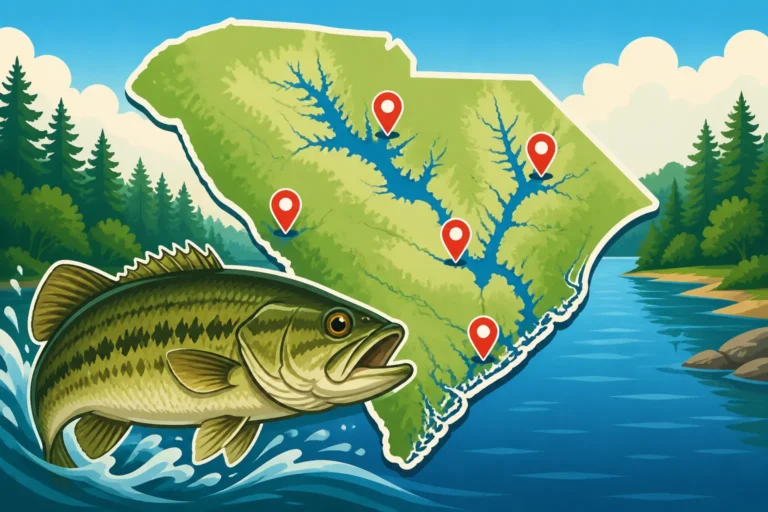
The most notable areas where walleye are found in South Carolina are a couple of the larger, deeper reservoirs in the Upstate. Lake Hartwell, for instance, which straddles the South Carolina-Georgia border, is perhaps the most prominent. It's a vast lake with deep channels and cooler water found in its depths, particularly during the warmer months, making it suitable for walleye. Lake Jocassee is another prime location, known for its exceptional water clarity and deep, cold waters that maintain ideal conditions for walleye year-round. These lakes were stocked with walleye decades ago, and while they haven't exploded in population, a remnant population persists and offers a unique challenge.
When you're exploring these lakes, remember that walleye are often found in deeper water, especially during the day and as water temperatures rise. Look for submerged structures, deep humps, ledges, and channels. Using good sonar equipment is almost a necessity to locate these specific areas and identify potential fish. Without it, you're essentially fishing blind in vast bodies of water. You might also find them shallower during low light conditions or cooler seasons, but generally, deep water is their sanctuary here. For more general information on fishing locations, check out our guide on Best Lakes for Fishing in South Carolina.
Identifying Prime Walleye Habitat
Walleye are masters of camouflage and often prefer to hug the bottom or relate closely to structure. In these South Carolina lakes, that means looking for areas with rocky bottoms, steep drop-offs, submerged timber, and deep points. They use these features for ambush points and protection from sunlight. Their eyes are specially adapted for low light, giving them an advantage over prey in deeper, darker water or during dawn and dusk. This preference for low light means that heavily overcast days, or fishing during twilight hours, can often be more productive than bright, sunny afternoons.
Understanding the thermocline (the layer in a lake where the temperature changes rapidly with depth) can also be crucial. Walleye will often position themselves just above or within the thermocline during summer months, seeking cooler, oxygen-rich water. This kind of nuanced understanding of fish behavior and lake topography is what separates successful walleye anglers from those who just cast randomly. Don't forget that understanding South Carolina Freshwater Fishing Regulations is also key before you head out.
Techniques and Tackle for South Carolina Walleye
Since South Carolina walleye are often deeper and more scattered than their northern counterparts, your techniques need to be precise and deliberate. You're not typically dealing with large schools, but rather individual fish or small groups. This means covering water efficiently and presenting your bait effectively is paramount.
Popular Walleye Fishing Techniques
The most effective techniques for walleye in South Carolina often involve fishing deep and slow. Trolling with crankbaits or spinner rigs is a highly popular and effective method, especially for covering large areas of water and searching for scattered fish. Deep-diving crankbaits that can reach depths of 20-40 feet are often essential. The vibration and profile of these lures can trigger strikes from otherwise dormant fish. Make sure you match your lure size and color to the prevalent forage in the lake, whether it's shad, herring, or sunfish. You can find a good selection of specialized walleye lures on Amazon to experiment with.
Another productive technique is vertical jigging, particularly when you've located schools of baitfish or potential walleye on your sonar. Using jigging spoons, blade baits, or soft plastic jigs tipped with live bait (like a minnow or nightcrawler) can be deadly. Drop your lure straight down to the depth where you're seeing fish, then use short, sharp lifts and drops to entice a bite. This technique requires patience and a good feel for subtle strikes. For broader seasonal advice, consult our South Carolina Fishing Seasons Guide.
Essential Gear for Walleye Anglers
Given the deep-water nature of South Carolina walleye fishing, your gear needs to be up to the task. Medium-heavy spinning or baitcasting rods, paired with reels spooled with braided line (with a fluorocarbon leader for stealth), are ideal. Braided line offers excellent sensitivity, allowing you to feel the slightest tap from a cautious walleye in deep water, and its lack of stretch is crucial for solid hooksets. A good quality fish finder is, as mentioned, indispensable. This isn't just a convenience; it's a critical tool for locating structure, baitfish, and the walleye themselves in the vastness of these reservoirs.
| Gear Category | Recommended Features | Why It Matters for SC Walleye |
|---|---|---|
| Rod | 6'6" – 7'6" Medium-Heavy to Heavy, Fast Action | Power for deep hooksets, sensitivity for subtle bites, handles heavy lures. |
| Reel | High-quality Spinning or Baitcasting, smooth drag | Essential for fighting larger fish and managing heavier line/lures. |
| Line | 10-20 lb Braided Main Line with Fluorocarbon Leader (8-15 lb) | Unmatched sensitivity for deep water, minimal stretch, stealthy presentation. |
| Lures | Deep-diving Crankbaits, Jigging Spoons, Blade Baits, Soft Plastics | To reach target depths and mimic local forage; versatility is key. |
| Live Bait | Minnows, Nightcrawlers, Shad (where legal) | Often irresistible, especially when tipped on jigs or crawler harnesses. |
| Electronics | High-resolution Fish Finder with GPS and Down/Side Imaging | Absolutely crucial for locating deep structure, bait, and walleye. |
Don't forget the small but mighty details. A good selection of weights, swivels, and sharp hooks is vital. Remember to carry a landing net large enough for a potentially respectable walleye. You can stock up on many of these essentials, from specialized lures to a new tackle box, conveniently through Amazon.
Comparing Walleye to Other South Carolina Freshwater Favorites
When anglers ask, "Is walleye fishing good in South Carolina?", what they're often implicitly asking is "Is it as good as fishing for bass, crappie, or catfish?" The answer, honestly, is no, not in terms of abundance or ease of access. However, that doesn't mean it's not good in its own unique way. The appeal of walleye fishing in the Palmetto State is precisely its challenge and the reward of catching a rare, highly prized game fish.
The Walleye vs. Other Popular Species
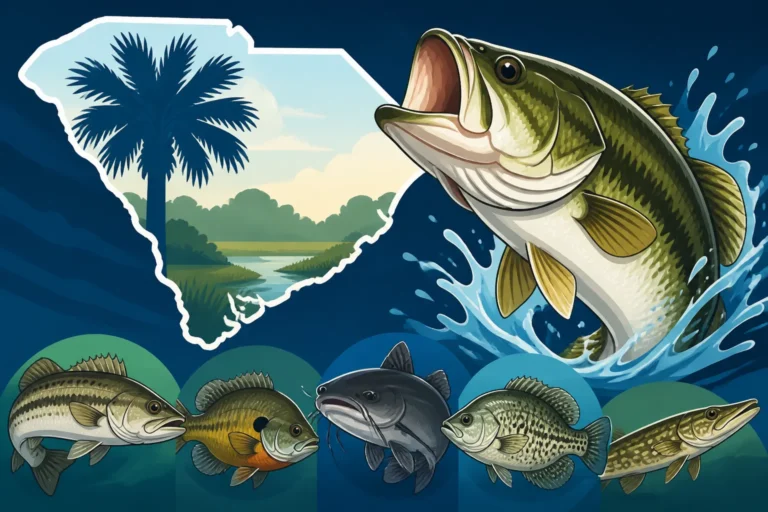
South Carolina boasts phenomenal fishing for a variety of species. Largemouth bass are abundant in nearly every lake and pond, offering exciting topwater action, deep-water structure fishing, and a strong tournament scene. Crappie fishing is extremely popular, especially in the spring and fall, with anglers often catching limits from brush piles and standing timber. Catfish, particularly the blues and flatheads in the Santee Cooper lakes, can reach massive sizes, providing a powerful fight and excellent table fare.
Compared to these species, walleye are considerably less numerous and much more geographically restricted. You won't find them in every county, and you certainly won't find them as readily as you would a bass or bluegill. This scarcity is a double-edged sword: it means lower catch rates, but also that each walleye caught feels like a true accomplishment. If you're looking for consistent action and high numbers, other species will serve you better. If you're seeking a unique challenge and a chance at a true freshwater trophy, then walleye might be for you. Learn more about diverse species in South Carolina Freshwater Fish Species Worth Targeting.
Why the Pursuit Can Be Worth It
Despite the challenges, many anglers find the pursuit of walleye in South Carolina incredibly rewarding. It forces you to refine your deep-water techniques, understand subtle bite indicators, and become intimately familiar with sonar and navigation. The low light and deep-water habits of walleye also mean you're often fishing during quieter times on the lake, away from the crowds that might flock to more popular bass or crappie spots. Plus, walleye are renowned for their delicate, flaky white meat, making them one of the best-tasting freshwater fish available. The culinary reward alone is enough to motivate many anglers to brave the depths.
It's a niche pursuit, for sure, and perhaps not one for the beginner who just wants to "catch something." But for seasoned anglers looking to expand their skill set or those with a specific love for this species, South Carolina offers a unique opportunity to chase walleye in a less traditional setting. Just remember to have your South Carolina Fishing License Guide sorted before you head out, and if you're ever confused about species identification, especially with sauger, we have a helpful guide on Walleye vs Sauger: How to Tell Them Apart. Sometimes, the thrill is in the hunt for something truly special, and in South Carolina, that can certainly be the elusive walleye.
Disclaimer
This article is for general informational purposes only and does not constitute professional advice. Laws, prices and regulations vary by location and change over time. Consult a qualified professional for guidance on your specific situation.