Do Redfish Live in Brackish Water?
It's a common question for anglers new to the Lowcountry, or even seasoned folks who are just starting to target specific species: "Do redfish really live in brackish water?" The short answer is a resounding yes, and understanding this crucial fact can completely transform your fishing success. Many people struggle with finding these elusive, hard-fighting fish because they don't fully grasp their preferred environments. This guide will dive deep into why redfish thrive in brackish waters, where to find them in South Carolina, and how to adapt your techniques for these unique habitats.
The Truth About Redfish and Their Habitat Preferences
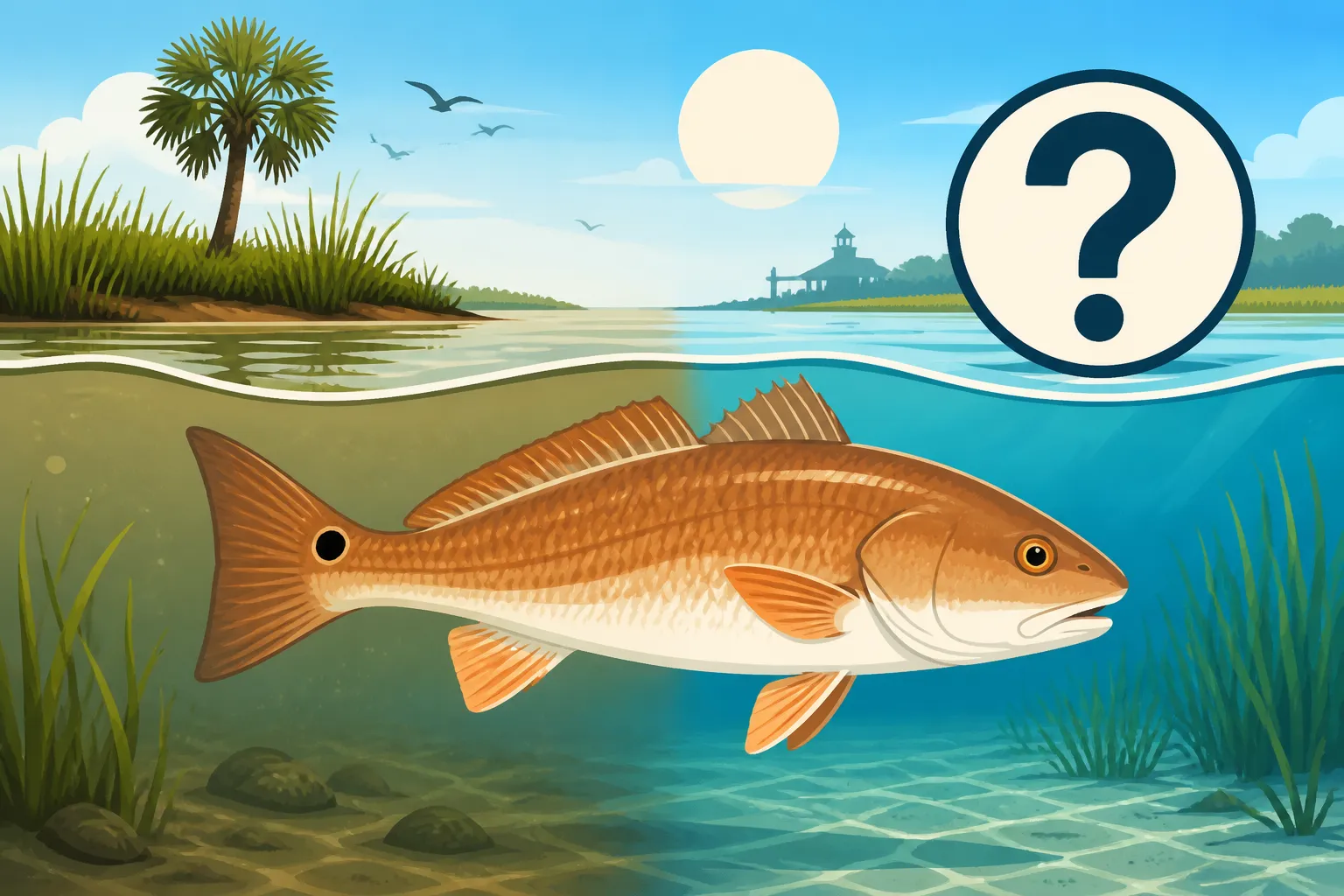
Redfish, also widely known as red drum or spottail bass, are incredibly adaptable fish, but they have a distinct preference for environments where freshwater and saltwater mix. This unique blend creates what we call brackish water, and it's the sweet spot for redfish at various stages of their lives. If you've been searching for them solely in crystal-clear ocean waters or deep offshore, you might be missing the vast majority of the population that calls the murky, nutrient-rich estuaries home.
Think about it from a redfish's perspective. These areas, like the extensive marsh systems and tidal creeks found along South Carolina's coast, offer a perfect balance. The slightly lower salinity isn't too harsh for their physiology, yet it's saline enough to support a robust food chain of crustaceans, small fish, and other invertebrates that make up the bulk of their diet. The labyrinthine nature of these brackish creeks also provides ample cover from larger predators, especially for juvenile redfish. It's a nursery, a pantry, and a safe haven all rolled into one. You'll find them navigating these waters with ease, often hugging oyster beds, submerged grass, and muddy banks.
Understanding Brackish Water: A Redfish Paradise
So, what exactly is brackish water, and why does it act as such a magnet for redfish? Brackish water is defined by its salinity level, which falls somewhere between freshwater (less than 0.5 parts per thousand, or ppt) and full seawater (typically 30-35 ppt). In South Carolina, this usually means anywhere from about 0.5 ppt up to 30 ppt, depending on the specific location, rainfall, and tidal influence. It's a dynamic environment, constantly changing with the ebb and flow of the tides, and the amount of freshwater input from rivers and streams.
This variable salinity is key. Rivers carrying freshwater meet the ocean's tides, creating zones where the two gradually mix. These zones are incredibly fertile, packed with nutrients that support a huge amount of aquatic life. For a redfish, this means a consistent, abundant food supply without having to venture far. The turbid, stained nature of many brackish creeks also offers a sense of security. Redfish are ambush predators, and the lower visibility helps them hide from prey and blend into their surroundings, making them feel safer than they might in clear, open water. It’s also often a bit warmer in the shallow brackish flats than in the open ocean, which is appealing to them, especially during cooler months.
The Role of Tides and Freshwater Inflow
The dynamic nature of brackish water is heavily influenced by tides and freshwater inflow. When a heavy rain pushes more freshwater down the rivers, the salinity in the estuaries can drop significantly. Conversely, during periods of drought or strong incoming tides, the saltwater pushes further upstream, increasing salinity in areas that might typically be very fresh. Redfish are incredibly adept at navigating these changes. They might move further upstream into shallower, lower-salinity creeks when the tide is high and foraging opportunities are good, then retreat to deeper, slightly more saline pockets as the tide falls. This constant movement is why understanding Does Tide Timing Matter for South Carolina Redfish? is so crucial for success.
The constant mixing and movement also oxygenates the water and carries nutrients throughout the ecosystem, keeping it vibrant. This rich environment supports dense populations of fiddler crabs, shrimp, mud minnows, and small baitfish – all prime targets for a hungry redfish. Areas around river mouths, coastal impoundments, and tidal marsh systems are classic examples of prime brackish redfish habitat. When you're out there, look for signs of baitfish activity or wading birds; these are often good indicators of a healthy, productive brackish zone where redfish will likely be feeding.
Where to Find Redfish in South Carolina's Brackish Waters
South Carolina's coast is practically built for redfish, with miles upon miles of intricate brackish water systems. From the bustling harbors near Charleston to the serene, remote creeks of the Lowcountry, redfish are present in nearly every brackish nook and cranny. Knowing where to start looking is half the battle, and once you understand their preferred hangouts, you'll begin to unlock more consistent bites.
Tidal Creeks and Estuaries
The vast network of tidal creeks and estuaries are the quintessential redfish strongholds. These are often muddy-bottomed waterways, lined with Spartina grass, oyster shells, and sometimes mangrove-like vegetation in the southernmost parts of the state. Redfish will patrol these creeks, especially on an How to Fish an Incoming Tide for Redfish, moving onto flooded grass flats to forage for crabs and shrimp. As the tide recedes, they'll often fall back into deeper creek channels, concentrating in depressions, around oyster rakes, and at the mouths of smaller feeder creeks. Places like Murrells Inlet, Mount Pleasant, and the rivers surrounding Beaufort offer countless such opportunities. You can find more specific locations in our guide on Best Inshore Fishing Spots Along the South Carolina Coast.
When fishing these areas, pay close attention to structure. Oyster beds are absolute magnets for redfish, providing both food and ambush points. Docks, fallen trees, and any kind of irregularity on the bottom can also hold fish. Look for "nervous water" – subtle ripples or wakes that indicate a fish is moving just below the surface, or the tell-tale "tailing" redfish with their tails breaking the surface as they dig for food in shallow water. These visual cues are gold.
River Mouths and Impoundments
The points where major rivers like the Santee or Edisto meet the coastal estuaries are incredibly productive brackish water zones. Here, the consistent influx of freshwater creates a more stable, albeit still variable, brackish environment. These areas are rich in nutrients and provide a highway for migrating baitfish, which in turn attracts redfish. Furthermore, many coastal impoundments – old rice fields now managed for wildlife – maintain brackish water conditions and can hold huge numbers of redfish, though access may be restricted or require special permits.
Fishing around river mouths often means dealing with stronger currents, so adjusting your tackle and presentation is important. Heavier jig heads or sinkers might be necessary to keep your bait in the strike zone. Look for eddies and current breaks where redfish can conserve energy while waiting for food to drift by. For impoundments, if you gain access, stealth is your friend. Kayaks or paddleboards can be incredibly effective for navigating these shallow, often calm waters.
Essential Gear and Techniques for Brackish Water Redfish
Catching redfish in brackish water requires a slightly different approach than, say, offshore trolling. It's often about finesse, stealth, and presenting the right bait or lure effectively in their preferred habitat. Having the correct gear certainly helps, but understanding how to use it is even more important.
Rods, Reels, and Line
For most brackish water redfish scenarios, a medium-light to medium-heavy spinning rod, typically 7 to 7.5 feet in length, will serve you well. This length provides good casting distance while still allowing for accurate presentations in tight creek systems. Pair this with a reliable spinning reel in the 2500-4000 size range, spooled with 10-20 lb braided line. Braid offers superior casting distance and sensitivity, which is crucial for feeling those subtle bites. You'll want to tie a 2-3 foot fluorocarbon leader (20-30 lb test) to your main line. Fluorocarbon is nearly invisible underwater and is more abrasion-resistant, which is vital when fishing around oyster shells and other sharp structures. Many anglers find great deals on these setups on Amazon, where you can read reviews and compare options.
| Gear Type | Recommendation | Why it Matters |
|---|---|---|
| Rod | 7'-7'6" Medium-Light to Medium-Heavy Spinning Rod | Versatile for casting, accuracy, and fighting fish. |
| Reel | 2500-4000 Series Spinning Reel | Good balance of line capacity and drag for inshore species. |
| Main Line | 10-20 lb Braided Line | Excellent sensitivity, casting distance, and strength. |
| Leader | 20-30 lb Fluorocarbon Leader | Low visibility and abrasion resistance. |
| Sunglasses | Polarized | Essential for spotting fish and structure in shallow water. |
| Boots/Shoes | Water-resistant, grippy | For wading and boat deck safety. |
Baits and Lures That Get Results
Redfish are opportunistic feeders, so they'll hit a wide variety of offerings. For live bait, shrimp are almost universally effective – a perfect choice for beginners. Mud minnows, fiddler crabs, and small finger mullet are also excellent options. For dead bait, cut pieces of mullet or pogies (menhaden) fished on the bottom can be deadly, especially when fish are in deeper pockets or channels. Check out Best Bait for Redfish in South Carolina's Marsh Creeks for more details.
When it comes to artificial lures, jig heads paired with soft plastic paddletails or shrimp imitations are probably the most popular choice. Colors like "rootbeer," "chartreuse," "new penny," and "Gulp! white" are consistent producers. Topwater lures, particularly walk-the-dog style baits, can be incredibly exciting during early morning or late evening hours, especially when redfish are actively feeding on the surface. Spoons and spinnerbaits are also effective, mimicking fleeing baitfish. You can explore a huge selection of these lures on Amazon to get an idea of what's out there and what other anglers recommend. Remember, presentation is key – a natural retrieve often out-fishes fancy tricks.
Adapting Your Approach to Brackish Conditions
Fishing brackish water means being observant and willing to adapt. The water clarity can vary wildly, from gin-clear to chocolate milk, sometimes within the same day or tide cycle. In murkier water, opt for baits or lures with more vibration or scent. Gold spoons, rattling jigs, or scented soft plastics like those from the Amazon-available Gulp! line can make a big difference. In clearer water, stealth becomes paramount; longer leaders, lighter weights, and more natural presentations are often necessary.
Don't forget the importance of the South Carolina Redfish Slot Limit Rules and South Carolina Redfish Vessel Limit Explained. These regulations are in place to protect our precious redfish populations, so always be sure to know the current rules before you head out. Whether you're sight-fishing in knee-deep water or casting to oyster rakes from a boat, understanding that redfish thrive in brackish environments is the first and most important step to becoming a successful South Carolina redfish angler. Good luck out there!
Disclaimer
This article is for general informational purposes only and does not constitute professional advice. Laws, prices and regulations vary by location and change over time. Consult a qualified professional for guidance on your specific situation.