South Carolina Spotted Seatrout Fishing Regulations Explained
There's nothing more frustrating than heading out for a relaxing day of fishing, only to realize you're unsure about the latest regulations for the species you're targeting. For us anglers in South Carolina, staying on top of spotted seatrout rules is crucial, especially with how quickly things can change. This guide is here to untangle all the ins and outs of South Carolina's spotted seatrout fishing regulations, from size and bag limits to those tricky seasonal restrictions, so you can cast your line with confidence and keep our fisheries healthy.
Understanding South Carolina's Spotted Seatrout Size Limits
One of the most fundamental rules when targeting spotted seatrout, or "speckled trout" as many of us lovingly call them, is the size limit. It's not just a suggestion; it's a critical component of conservation that helps ensure these fish have a chance to reproduce and grow before they end up on our dinner plates. Trying to keep track of minimum sizes can sometimes feel like a moving target, but for spotted seatrout in South Carolina, it's pretty straightforward.
Minimum Length Explained
South Carolina has a specific minimum size requirement for spotted seatrout, meaning any fish you catch below this length must be immediately released unharmed. This isn't just an arbitrary number; it's based on scientific research to protect juvenile fish and allow them to reach reproductive maturity. Historically, these limits have been adjusted to ensure a sustainable fishery. The current regulation is designed to protect the breeding stock, giving the fish a chance to spawn at least once, if not multiple times, before they're eligible for harvest. It's a cornerstone of responsible angling and something every fisher needs to commit to memory before heading out to the marsh or the nearshore reefs. This commitment ensures there are plenty of trout for future generations to enjoy. You can learn more about specific dimensions in South Carolina Spotted Seatrout Minimum Size 14 Inches.
Measuring Your Catch Accurately
So, you've hooked a beautiful spotted seatrout – congratulations! Now comes the critical part: measuring it correctly. A lot of anglers get this wrong, either accidentally or due to rushing, and it can lead to unfortunate penalties. The official measurement for spotted seatrout in South Carolina is from the tip of the nose to the tip of the tail, with the tail compressed. This means you lay the fish flat, gently squeeze the tail fins together to get the maximum length, and measure straight from the snout to that compressed tail tip. Don't eyeball it! Investing in a good, reliable measuring board or a durable tape measure is a smart move. You can find excellent, waterproof options on Amazon that are perfect for boat or kayak use, ensuring you're always accurate. It's also a good practice to have your measuring device clearly marked and ready to go before you even start fishing, saving precious time when you need to quickly measure and potentially release a fish. Remember, quick and careful handling is key for released fish to survive.
Daily Bag Limits and Vessel Limits for Spotted Seatrout
Beyond just the size, there's also the question of how many spotted seatrout you're allowed to keep. This is where "bag limits" come into play, and they're just as important as size limits for managing fish populations. It's easy to get excited when the bite is hot, but sticking to the bag limit is vital for everyone's long-term enjoyment of the fishery.
Per-Person Daily Limit
For individual anglers, South Carolina sets a specific daily bag limit for spotted seatrout. This limit dictates the maximum number of fish you can possess per person per day. It's designed to distribute the harvest fairly among anglers and prevent overfishing, especially during peak seasons when seatrout are abundant. Whether you're fishing solo from a kayak or with a friend from a small skiff, each licensed angler is generally subject to this individual limit. It's essential to count your fish carefully, and once you've reached your limit, it's time to either switch to a different species or practice catch-and-release for the rest of the day. Exceeding this limit, even by one fish, can result in fines and other penalties, so it's not worth the risk. For precise numbers, check out South Carolina Spotted Seatrout Daily Bag Limit of 10 Fish.
What About Group Charters?
This is a common point of confusion, especially for those heading out on a guided trip or with a larger group of friends. On a fishing charter or any vessel with multiple anglers, the "vessel limit" can sometimes apply, which might differ from a simple multiplication of individual bag limits. However, for spotted seatrout in South Carolina, the regulations typically focus on the individual bag limit. This means each person on the boat who is actively fishing and licensed is allowed their individual daily limit. So, if you have four licensed anglers on a boat, and the daily bag limit is 10 fish per person, the boat collectively could potentially possess up to 40 fish. It's always best practice for the captain or the most experienced angler on board to clearly communicate these rules to everyone and keep a running tally of the fish caught and kept to avoid any misunderstandings. Your guide on a charter trip should always be well-versed in South Carolina's 10-Fish Spotted Seatrout Daily Limit Explained and all other current regulations.
The Spotted Seatrout Gigging Ban and Seasonal Restrictions
While rod-and-reel fishing for spotted seatrout is a popular year-round activity in many areas, there's a specific method that faces seasonal restrictions: gigging. This is a topic that generates a lot of discussion among anglers, and for good reason, as these bans are put in place for very important conservation purposes. It can be easy to forget these nuances if you're not paying attention to local announcements.
When and Where Gigging is Prohibited
South Carolina implements an annual ban on gigging for spotted seatrout during specific colder months. This restriction is crucial because spotted seatrout become more susceptible to gigging during these times. As water temperatures drop, seatrout tend to congregate in shallower, clearer waters where they can be more easily spotted and harvested using gigs. This concentration makes them vulnerable to overharvesting, which could severely impact the overall population. The ban is a proactive measure to protect the species when they are most exposed and vulnerable, particularly targeting their wintering grounds. So, if you're planning a winter fishing trip and usually rely on gigging for seatrout, you'll need to adjust your methods. It's always wise to double-check the exact dates, but typically Gigging Prohibited From December Through February is a good rule of thumb. This ban is strictly enforced, and violations carry significant penalties.
Alternative Methods During the Ban
Just because gigging is off-limits for a few months doesn't mean you can't target spotted seatrout in South Carolina. Far from it! Many anglers find great success using traditional rod-and-reel methods throughout the winter. Live shrimp, mud minnows, or artificial lures like soft plastics rigged on jig heads are all incredibly effective, even in colder water. In fact, many seasoned anglers swear by winter fishing for larger "gator" trout, which often become more active as they forage for food. Fishing these cooler months often means slower retrieves and focusing on deeper pockets or structures where trout might be seeking refuge from the cold. It’s a fantastic opportunity to hone your light tackle skills and enjoy the peaceful serenity of the Lowcountry in winter. Learn more about year-round techniques in How to Catch Spotted Seatrout in South Carolina During the Gigging Ban.
Why These Regulations Matter for Conservation
Regulations aren't designed to make fishing harder; they're put in place to ensure that we, and future generations, can continue to enjoy fishing in South Carolina. Without thoughtful management, even abundant species like spotted seatrout could face significant challenges. These rules are the result of scientific study and public input, all aimed at maintaining a healthy ecosystem.
Protecting Spawning Stock
The primary reason for minimum size limits and seasonal gigging bans is to protect the spotted seatrout's ability to reproduce. Fish below a certain size often haven't had the chance to spawn, or they may only be able to produce a small number of eggs. By letting these younger fish go, we're giving them the opportunity to contribute to the next generation of seatrout. Similarly, the winter gigging ban protects larger, mature fish that are often concentrated and vulnerable, ensuring they can survive the colder months and contribute to spring spawning efforts. This approach is fundamental to sustainable fisheries management, ensuring that the population remains robust and resilient. You might be interested in Why Gigging Gets Banned but Rod-and-Reel Fishing Doesn't for a deeper dive into the reasoning behind these specific prohibitions.
The Role of Anglers in Conservation
Every time you head out to fish, you play a vital role in conservation. By understanding and adhering to regulations, you're not just avoiding a fine; you're actively contributing to the health of the fishery. This includes using proper catch-and-release techniques for undersized fish, respecting bag limits, and staying informed about any changes to the rules. Websites like Go Outdoors South Carolina are fantastic resources for the most up-to-date information, and many local tackle shops, like those you might find near Spotted Seatrout Fishing Near Beaufort, are also great places to get current intel. Consider investing in a good pair of dehookers or needle-nose pliers, easily found on Amazon, to ensure you can quickly and safely release fish without causing them harm. Our actions as individual anglers collectively determine the future of South Carolina's incredible fishing opportunities. Staying educated and responsible is our way of giving back to the waters that give us so much joy.
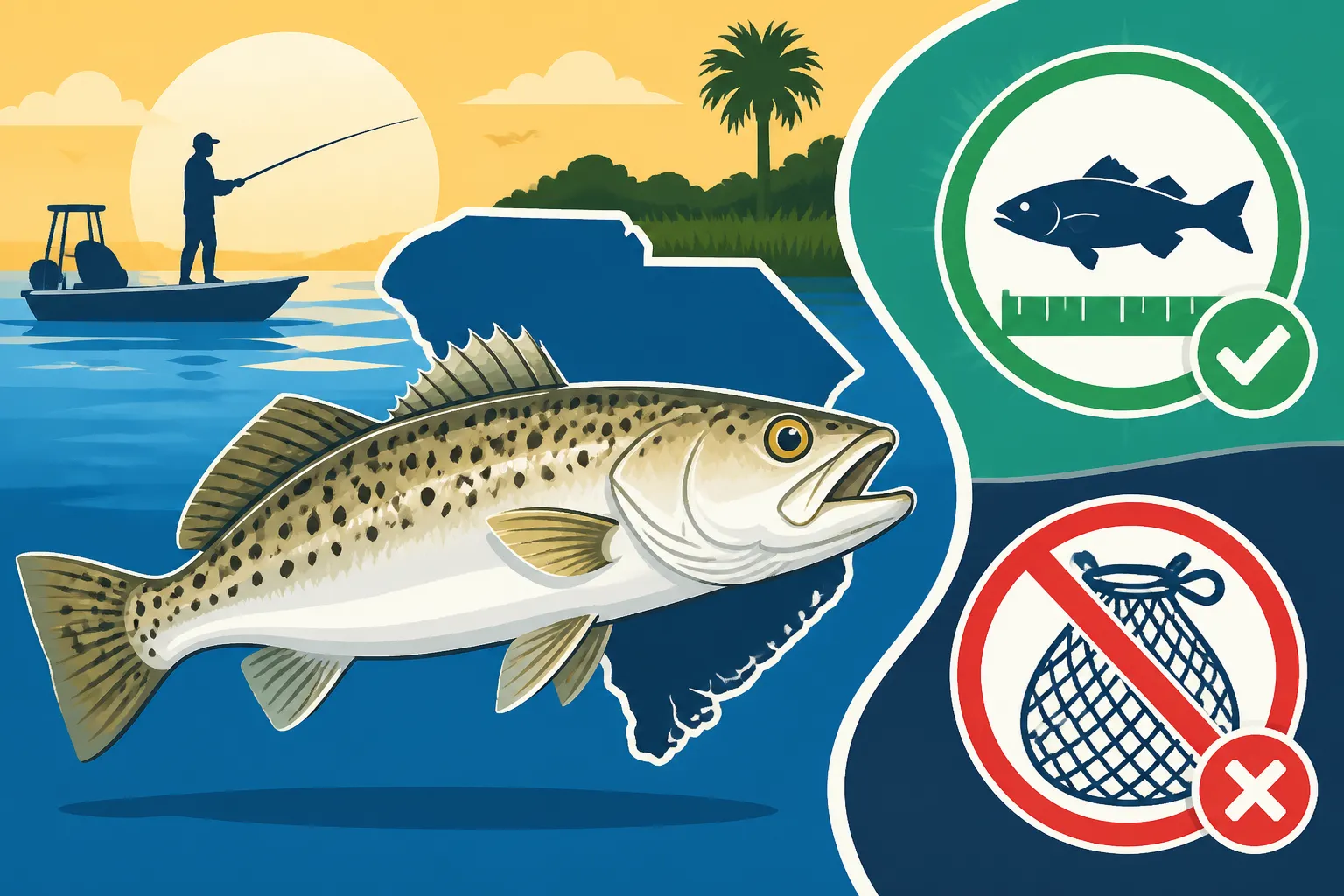
South Carolina Spotted Seatrout Regulations at a Glance
To make it a little easier to digest, here’s a quick summary of the key regulations for spotted seatrout in South Carolina:
| Regulation Type | Specific Rule | Notes |
|---|---|---|
| Minimum Size | 14 inches (total length) | Measured from tip of nose to compressed tail tip. |
| Daily Bag Limit | 10 fish per person | Applies to each licensed angler. |
| Vessel Limit | N/A (Individual bag limit applies per angler) | No specific vessel limit; individual limits stack for multiple anglers. |
| Gigging Ban | December 1 – February 28 (approximate dates) | Protects vulnerable, concentrated trout during colder months. |
| Gear | Rod and Reel allowed year-round | Gigging prohibited during specific winter months. |
Always check the South Carolina Department of Natural Resources (SCDNR) website for the most current and official regulations before you head out, as rules can change.
Disclaimer
This article is for general informational purposes only and does not constitute professional advice. Laws, prices and regulations vary by location and change over time. Consult a qualified professional for guidance on your specific situation.