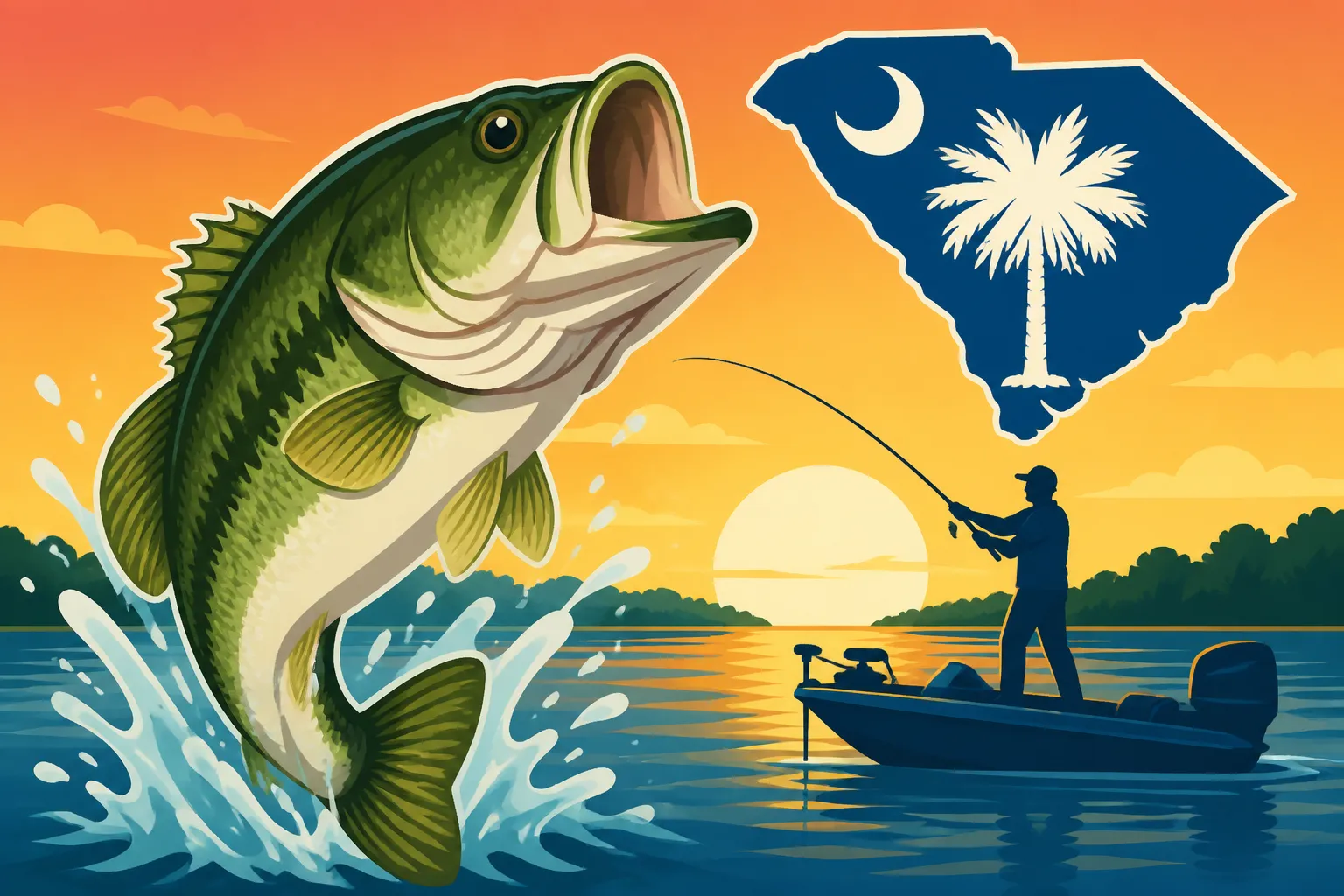
Largemouth Bass Fishing Near Lake Marion, South Carolina
Oh, the allure of Lake Marion for a dedicated bass angler is undeniable! But let's be real, stepping onto its vast waters for the first time, or even the tenth, can feel overwhelming when you're specifically targeting those elusive largemouth bass. With its sprawling acreage and endless cover, knowing where to start and what techniques to employ can be a real head-scratcher. This guide is here to cut through the confusion, offering a detailed roadmap to successfully land largemouth bass around South Carolina's legendary Lake Marion.
Understanding Lake Marion's Largemouth Bass Habitat
Lake Marion isn't just any lake; it's a true South Carolina treasure, often called the "Inland Sea" for good reason. Its immense size and diverse underwater landscape create a paradise for largemouth bass, but also a challenge for anglers trying to decipher where these fish might be hiding. If you've ever felt like you're fishing a needle in a haystack, you're not alone. Understanding the unique habitat of Lake Marion is the first step to unlocking its largemouth bass potential.
The Vast Landscape and Its Cover
Imagine acres upon acres of prime bass real estate, and that's Lake Marion. The lake is famous for its abundant cover, which includes ancient cypress trees draped with Spanish moss, countless submerged stumps from the original forest, and dense mats of hydrilla and lily pads. These features aren't just scenic; they are critical ambush points and protective havens for largemouth bass. They provide shade, oxygen, and excellent concealment from predators and prey alike.
This wealth of cover is a double-edged sword for us anglers. While it means there are plenty of places for bass to live, it also means finding them can be like navigating a labyrinth. You might spend hours casting to what looks like perfect cover, only to come up empty. The trick isn't just to cast to cover, but to understand which cover is most active and how bass relate to it at different times of the year and day. Persistence and careful observation are your best friends here.
Depth, Structure, and Submerged Features
Beyond the visible cover, what lies beneath the surface of Lake Marion is equally important. The lake is riddled with intricate submerged features that dictate where largemouth bass will congregate. Think about old creek channels that wind their way across the lakebed, hidden humps and ledges that rise from the depths, and even the remnants of old roadbeds or foundations from prior settlements. These structures act like underwater highways and gathering spots for baitfish, which, in turn, draw in hungry bass.
Knowing the lake's topography, often referred to as "reading the map," is crucial. Bass will often position themselves along these features, using them as travel routes or staging areas before moving into shallower water to feed. During hotter months, deeper ledges and creek channel bends become vital refuges where bass can escape the scorching sun. Understanding these underwater nuances allows you to fish more efficiently, presenting your bait where the fish are most likely to be holding. For more on the area, check out Santee Cooper Lakes: South Carolina's Legendary Bass Fishery.
Water Clarity and Forage
Lake Marion's water clarity can vary significantly, often described as stained rather than crystal clear, especially after rain or in certain sections of the lake. This stained water plays a big role in how bass hunt and how we, as anglers, should approach them. In murkier conditions, bass rely more on their lateral line (which detects vibrations) and scent, making noisy or scented lures particularly effective. Colors also become important, with brighter or darker shades often performing better than natural hues in low visibility.
But what truly makes Lake Marion a largemouth bass powerhouse is its incredible forage base. The lake teems with baitfish like gizzard shad and threadfin shad, along with panfish such as bluegill and crappie. This abundant food supply ensures that the largemouth bass here are well-fed and grow to impressive sizes. When you're thinking about lure selection, always consider what the bass are likely eating. Mimicking the local baitfish in size, shape, and color can drastically improve your chances. Understanding What Do Largemouth Bass Eat in South Carolina Ponds? can really help with your lure choices.
Seasonal Strategies for Largemouth Bass on Lake Marion
Fishing Lake Marion for largemouth bass isn't a one-size-fits-all endeavor. The season dramatically dictates where bass will be and what they'll be willing to bite. Adapting your approach with the changing seasons is not just a suggestion; it's a necessity for consistent success. Let's break down how to tackle Lake Marion's largemouth bass throughout the year.
Springtime Spawning Frenzy
Ah, spring! This is arguably the most exciting time for largemouth bass fishing on Lake Marion. As water temperatures climb into the 60s, bass begin their annual migration from deeper wintering holes to shallower spawning grounds. This period can be broken down into three phases: pre-spawn, spawn, and post-spawn.
In the pre-spawn, bass are bulking up, feeding aggressively before the rigors of spawning. They're often found on points, humps, and channel swings leading into spawning coves. This is when big crankbaits, spinnerbaits, and jigs can really shine. The spawn itself sees bass moving onto beds in very shallow, protected waters, often around cypress trees, lily pads, or sheltered banks. Sight fishing becomes an option, where you can literally see the bass on their nests. Soft plastics like lizards, creature baits, and worms are excellent for enticing these protective fish. Post-spawn, the bass are recovering, often retreating slightly deeper to ambush points near the spawning flats before dispersing. While this period can be a bit tougher, finesse worms or even a buzzing frog over sparse cover can still get bites. Mastering the nuances of Largemouth Bass Spawning Season Explained will give you a significant advantage.
Summer's Deep Water Haul
When the South Carolina summer sun beats down, Lake Marion's water temperatures rise, and the largemouth bass usually follow suit—moving deeper to find cooler, more oxygenated water. This doesn't mean they stop feeding; it just means you have to adjust your tactics. Forget the shallow flats you tore up in spring; now you're looking for main lake points, offshore humps, and the edges of those deep creek channels.
Techniques like deep cranking with large diving crankbaits that can reach depths of 15-20 feet are highly effective. Carolina rigs, with their ability to present soft plastics along the bottom, are also fantastic for working these deeper structures. Heavy jigs, pitched to submerged timber or rock piles, can tempt lethargic bass. The key during summer is to concentrate your efforts during the early morning and late evening hours when bass might briefly move shallower to feed, or to commit to fishing deeper structure throughout the day. Look for schools of baitfish on your electronics, as bass will often be close by.
Fall's Feeding Binge
As summer heat gives way to cooler autumn days, Lake Marion undergoes a transformation, and the bass get a second wind. This "fall turnover" often sees water temperatures drop, signaling to the bass that it's time to feed heavily in preparation for winter. This is a time of incredible opportunity for anglers, as bass become incredibly aggressive, often chasing schools of baitfish across open water or into creek arms.
Topwater action can be phenomenal during the fall, especially during low light conditions, as bass slash at schooling baitfish. Walking baits, poppers, and buzzbaits can provoke explosive strikes. Crankbaits, especially those that mimic shad, become go-to lures for covering vast areas and finding active fish. Jerkbaits are also deadly when bass are chasing bait in clearer water. Focus on areas where creek channels meet main lake points or where baitfish are congregating. The bass will be following their food, so finding the bait is key to finding the fish. While generally for stained water, knowing Best Lures for Largemouth Bass in Muddy Water can offer insights into effective colors and actions that still apply to fall fishing.
Winter's Slow and Steady Approach
Don't let the colder temperatures deter you from fishing Lake Marion in winter; it can be incredibly rewarding, though it requires a different mindset. Largemouth bass become more sluggish in cold water, conserving energy, and their metabolism slows down significantly. They're not going to chase a fast-moving bait far, so your presentations need to be slow, deliberate, and often subtle.
Bass in winter will typically relate to deeper water, seeking out thermal refuges like deep holes in creek channels, main lake points that drop off quickly, and large areas of submerged timber that offer cover and slightly warmer water. Techniques like slowly dragging jigs or shaky heads along the bottom are highly effective. Suspending jerkbaits, fished with long pauses, can also be deadly, as the bait hangs tantalizingly in the bass's strike zone. Don't be afraid to sit on a spot and work it thoroughly; sometimes it takes multiple presentations to coax a bite. Remember, patience is a virtue in winter fishing, and your efforts can often be rewarded with some of the biggest bass of the year. For more specific insights, read Do Largemouth Bass Bite in Cold Weather?.
Here's a quick reference for seasonal tactics:
| Season | Key Locations | Primary Techniques | Go-To Lures |
|---|---|---|---|
| Spring | Shallow coves, points, creek channels | Casting, sight fishing, pitching | Soft plastics (lizards, worms), spinnerbaits, jigs |
| Summer | Deep ledges, offshore humps, channel edges | Deep cranking, dragging, dropping | Deep diving crankbaits, Carolina rigs, heavy jigs |
| Fall | Main lake points, creek arms, baitfish schools | Topwater, cranking, ripping | Topwater baits, medium crankbaits, jerkbaits |
| Winter | Deep holes, channel bends, submerged timber | Slow dragging, suspending, jigging | Jigs, shaky heads, suspending jerkbaits, spoons |
Essential Lures and Techniques for Lake Marion Bass
With Lake Marion's diverse habitat and seasonal changes, having a versatile tackle box and a repertoire of techniques is crucial. You're not just throwing any lure; you're matching the hatch, the depth, and the mood of the fish. Let's dive into some of the most effective lures and techniques that anglers use to consistently catch largemouth bass on this magnificent lake. And hey, for stocking up, Amazon is a great place to browse for a wide variety of these essentials!
Soft Plastics for the Jungle
Lake Marion is a jungle of cover, from thick hydrilla mats to fields of cypress stumps. This is where soft plastics truly shine. Texas-rigged worms, creature baits, and Senkos are your bread and butter for navigating these challenging environments. The beauty of a Texas rig is its weedless design, allowing you to pitch it directly into the densest cover without constantly snagging.
When fishing soft plastics, the retrieve is key. For example, a slow, methodical drag-and-pause with a heavy worm around a stump can often trigger a strike from a bass lurking in the shadows. For flipping and pitching into tight spots, creature baits offer a bulkier profile that mimics crawfish, a favorite food source. Experiment with different colors; green pumpkin, black, and junebug are perennial favorites on Lake Marion. Don't forget to vary your weight size – heavier weights help punch through thick vegetation, while lighter ones allow for a more natural fall. To get started, learn How to Rig a Texas-Rig Worm for Bass.
Crankbaits and Spinnerbaits for Covering Water
Sometimes, you need to find the fish first, and that's where reaction baits like crankbaits and spinnerbaits excel. These lures are designed to cover a lot of water quickly, triggering impulse strikes from active bass. Lipless crankbaits are fantastic for working over submerged grass beds or vast flats, while diving crankbaits are essential for reaching those deeper ledges, humps, and creek channels that bass relate to, especially in warmer months.
Spinnerbaits are incredibly versatile, particularly effective in areas with sparse cover or when the water has a bit of stain to it. The flash and vibration they produce can attract bass from a distance. Experiment with different blade combinations (Colorado for thump, Willowleaf for flash) and colors. White, chartreuse, and a combination of both are often productive on Lake Marion. Remember to vary your retrieve speed; sometimes a slow roll is all it takes, while other times a burning retrieve can draw an aggressive reaction.
Topwater Excitement
Is there anything more thrilling in bass fishing than a topwater explosion? On Lake Marion, particularly during the spring and fall, or in low-light summer conditions, topwater fishing can be absolutely incredible. Frogs, poppers, and buzzbaits are your tools for this heart-pounding action.
Frog lures, with their weedless design, are perfect for working over dense lily pads and hydrilla mats. The key is to walk them slowly across the surface, pausing occasionally, just daring a bass to blow up on them. Poppers create a disturbance on the surface, mimicking struggling baitfish, while buzzbaits create a commotion with their rotating blades. Topwater baits are most effective when bass are actively feeding near the surface or are positioned shallow. Be patient, resist setting the hook too early (wait until you feel the weight of the fish), and prepare for an adrenaline rush! For tips on timing, refer to Topwater Bass Fishing Techniques for Early Morning.
Jig Fishing and Finesse Tactics
When the bite gets tough, or bass are hunkered down deep in heavy cover, jigs and finesse tactics often save the day. Jigs, in their various forms, are highly effective imitations of crawfish or baitfish. Flipping and pitching jigs are essential for targeting individual pieces of cover like cypress trees, stumps, and dock pilings. A slow, subtle hop or drag of a jig can be irresistible to a bass that isn't willing to chase. Football jigs are excellent for deep-water structure, maintaining bottom contact over rocky or gravelly areas.
When bass are pressured or lethargic, finesse techniques like shaky heads and drop shots can be game-changers. A shaky head worm, presented on light line, offers a subtle, enticing presentation that can provoke strikes when nothing else will. Drop shots allow you to suspend a small plastic bait at a precise depth, perfect for targeting bass holding just off the bottom on humps or ledges. Don't underestimate the power of a delicate approach on Lake Marion, especially after a cold front or during the heat of summer. For all these lures and more, a quick search on Amazon will show you the latest and greatest options.
Navigating Lake Marion and Finding Key Bass Zones
Lake Marion is a vast body of water, and while its size is part of its charm, it can also be incredibly daunting for anglers trying to locate fish. Knowing how to navigate, where to launch, and how to interpret the water are skills that will significantly enhance your largemouth bass fishing experience.
Access Points and Launch Ramps
Getting your boat onto Lake Marion is relatively straightforward, with numerous public access points and launch ramps scattered around its perimeter. These ramps typically offer ample parking and good facilities, making it easy to get your vessel in and out of the water. Depending on which part of the lake you want to explore, you'll find ramps that provide quick access to specific areas, whether it's the upper reaches near the Diversion Canal or the expansive lower lake towards the dam.
Before heading out, it’s always a good idea to research the specific ramp you plan to use, checking for any temporary closures or conditions. A little planning here can save you a lot of frustration. And remember, no matter where you launch, you'll want to make sure your South Carolina Fishing License Guide is up to date! For specific locations, you might want to look into Boat Ramps on Lake Marion and Lake Moultrie for more details on getting your vessel on the water.
Reading the Water and Using Electronics
This is where the art and science of fishing truly come together on Lake Marion. "Reading the water" means observing everything around you to find potential bass holding spots. Look for changes in water color, current breaks, baitfish activity (jumping, schooling), and visible cover like cypress trees, submerged brush piles, or weed lines. These visual cues are often direct indicators of where bass might be feeding or holding.
Modern marine electronics are invaluable tools for fishing Lake Marion. A good depth finder and GPS unit can reveal a world of hidden structure: old creek channels, humps, ledges, and even individual brush piles that aren't visible from the surface. Side imaging and down imaging technologies can help you scan large areas quickly to pinpoint schools of baitfish and the bass that are often lurking nearby. Learning to interpret these sonar readings will allow you to fish smarter, spending less time searching and more time presenting your lures in productive zones.
Local Knowledge and Resources
Never underestimate the power of local knowledge. The anglers who fish Lake Marion regularly, the folks who run the bait and tackle shops, and even local guides possess a wealth of information that can fast-track your learning curve. Don't be shy about striking up conversations at the ramp or in a tackle shop; most anglers are happy to share general tips and recent patterns, especially if you're a polite and respectful listener.
Beyond personal interactions, there are plenty of resources to help you. Detailed lake maps, both paper and digital, are essential for identifying key structures and contours. Online fishing forums and communities (while I can't point you to specific ones) can also provide valuable, real-time insights from other anglers. Remember, conditions on a lake as dynamic as Marion can change quickly, so staying informed is key. The more you immerse yourself in the local fishing scene and absorb the experiences of others, the better equipped you'll be to consistently find and catch those magnificent Lake Marion largemouth bass.
Disclaimer
This article is for general informational purposes only and does not constitute professional advice. Laws, prices and regulations vary by location and change over time. Consult a qualified professional for guidance on your specific situation.