Topwater Bass Fishing Techniques for Early Morning
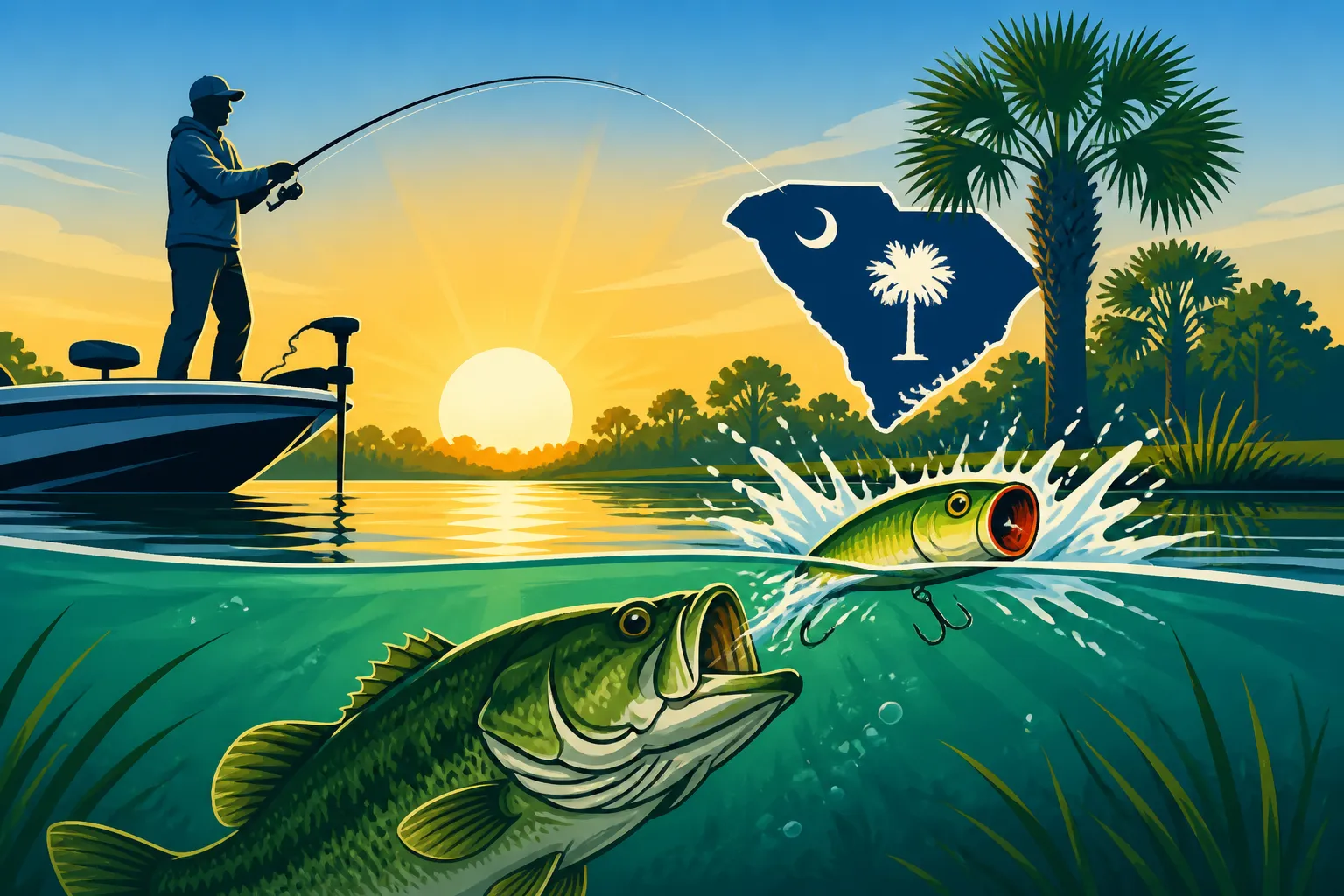
There's nothing quite like the hopeful quiet of a pre-dawn morning on a South Carolina lake, the air crisp, the water a perfect mirror. But that peaceful anticipation can quickly turn into frustration if the bass aren't biting, especially when you're hoping for those explosive topwater strikes. This guide is dedicated to unraveling the secrets of early morning topwater bass fishing, helping you understand the subtle cues and master the techniques that turn those tranquil moments into thrilling catches.
Why Early Morning is Prime Time for Topwater Bass Fishing
For many bass anglers, the hours just before and after sunrise are practically sacred, and for good reason. It's not just about beating the heat; it's about understanding how bass behave and how environmental conditions conspire to create the perfect topwater storm.
The Magic Hour and Bass Behavior
The "magic hour," as many anglers call it, isn't just a pretty phrase for photographers; it's a prime feeding window for largemouth bass. As the sun begins to creep above the horizon, the light levels are incredibly low, and this gives predatory fish like bass a distinct advantage. Their eyes are well-adapted for low light conditions, allowing them to spot prey silhouetted against the slightly brighter surface or the still-dark bottom. This visual edge makes them bolder and more willing to venture into shallower water, actively hunting baitfish that might be less visible to them as the day brightens.
Think about it from a bass's perspective: throughout the harsh midday sun, they often retreat to deeper, cooler, and shadier cover. But as evening approaches and into the early morning, water temperatures can drop slightly, and the low light offers a protective cloak. This is when they move out from under those docks, submerged timber, or thick lily pads and start cruising the shallower flats, creek channels, and points. They're looking for an easy meal before the sun gets too high and forces them back into hiding. This is often the best time of day to catch bass, making it crucial to get on the water early.
Capitalizing on Low Light Conditions
Low light isn't just about visibility; it also influences water temperature and oxygen levels in crucial ways. During the dark hours, the surface water cools slightly, and the water column can become more uniform in temperature. As the sun rises, it starts to warm the upper layers, which can also trigger baitfish activity. This ripple effect brings smaller fish closer to the surface, and where the bait goes, the bass will follow.
Furthermore, vegetation, which is abundant in many South Carolina lakes like Lake Marion or Lake Wateree, releases oxygen into the water as it photosynthesizes. This process starts with the first rays of light, drawing baitfish and, consequently, bass to these oxygen-rich areas. The combination of cooler water, increased oxygen, and reduced light makes bass more active and less wary. They're less likely to be spooked by your presence or the splash of a topwater lure compared to when the sun is high and they're feeling more exposed. It’s an angler’s golden opportunity to present a bait that makes a commotion right on the surface, mimicking struggling prey.
Essential Gear and Lure Selection for Early Morning Topwater
Having the right tools for the job is paramount when you're trying to entice a trophy bass to strike on the surface. From your rod and reel setup to the specific lure you tie on, every detail can make a difference in your success.
Rods, Reels, and Line Considerations
For topwater fishing, particularly with heavier baits like walking baits or frogs, a medium-heavy to heavy power casting rod, usually between 6'10" and 7'6" in length, is often ideal. The extra length helps with casting distance and enables you to make longer sweeps to work your lures effectively. The "fast" action tip is crucial because it allows for precise casting and quick lure manipulation, while the stout backbone provides the power needed to drive those treble hooks home on a powerful strike. When choosing a rod, ensure it has enough backbone to handle the force of a bass blowing up on your bait.
Pair your rod with a baitcasting reel that has a gear ratio in the 7.1:1 to 8.1:1 range. This faster retrieve speed allows you to quickly pick up slack line after a strike, which is absolutely vital for setting the hook effectively before the bass spits the lure. It also helps you manage line quickly if a fish charges at you. As for line, many anglers opt for braided line, typically 30 to 50 lb test, for topwater presentations. Braid has no stretch, which gives you direct contact with your lure and incredible hook-setting power, especially on long casts. Its buoyancy also helps keep your topwater bait riding high on the surface. If you're fishing around sparse cover or in very clear water, some anglers might use a monofilament leader (15-20 lb) to reduce visibility, or even straight monofilament (14-20 lb) for its stretch which can prevent hooks from tearing out of a fish's mouth on a jump, though it sacrifices some hook-setting power. You can find a fantastic selection of braided lines and topwater rods on Amazon to suit any budget.
The Topwater Arsenal: Poppers, Walkers, and Frogs
Your tackle box should be stocked with a variety of topwater lures to match different conditions and bass moods. These aren't just pretty baits; each excels in specific scenarios.
- Poppers: These lures have a cupped face that "pops" or "chugs" water when twitched, creating a disturbance that mimics a struggling baitfish or a frog. Poppers like the Rebel Pop-R or Heddon Super Spook Jr. are fantastic when bass are holding tight to cover, such as along docks, submerged timber, or brush piles, common sights on lakes like Lake Hartwell. The erratic splash and gurgle can draw fish out of thick cover. They're also great in slightly choppy water where a walking bait might get lost.
- Walking Baits (Walk-the-Dog Lures): These slender, cigar-shaped lures, such as the Heddon Zara Spook or the Strike King KVD Sexy Dawg, glide from side to side across the surface with a "walk-the-dog" retrieve. This rhythmic, snaking action is incredibly lifelike and can be irresistible to bass, especially in open water or over submerged grass flats. The key is to establish a consistent cadence, making the lure dance enticingly. This technique is often highly effective in the early morning when bass are actively cruising.
- Topwater Frogs: For fishing in extremely heavy cover—think matted lily pads, dense hydrilla, or thick duckweed—a hollow-bodied frog lure is your best friend. Brands like Spro or LIVETARGET make excellent weedless frogs that can be worked directly over the top of vegetation where other lures would snag instantly. Bass love to ambush prey from beneath this type of cover, and a frog slowly worked across the mat is a perfect imitation of a meal practically asking to be eaten. The weedless design means you can cast it into places where bass feel safest, which are often the places they're most likely to be feeding in the low light.
Having a diverse range of these lures will allow you to adapt to whatever conditions you encounter, ensuring you're ready to tackle those Bass Fishing Techniques after the spawn or during the pre-spawn season.
Mastering Topwater Techniques in South Carolina Waters
It’s not enough to just cast a topwater lure; you need to bring it to life. The way you work your bait, read the water, and adapt to changing conditions are all critical components of successful early morning topwater fishing.
Popping, Walking, and Skipping
Each topwater lure has its own personality, and learning to draw that out is key.
- Poppers: The classic retrieve for a popper involves a sharp downward twitch of the rod tip, followed by a pause. The twitch makes the lure "pop" and splash water, while the pause allows the ripples to dissipate and gives the bass time to hone in on the sound and movement. Vary the length of your pauses. Sometimes a quick pop-pop-pause works, other times a single pop followed by a long, agonizing pause (5-10 seconds) is what triggers a strike. Experiment with the force of your twitches too; a subtle ripple might be more effective in calm, clear water, while a big splash might be needed in choppier conditions or around thick cover to get a bass's attention.
- Walking Baits: Mastering the "walk-the-dog" retrieve takes practice but is incredibly rewarding. Cast your walking bait out, let it settle, then point your rod tip down towards the water. Give slack in the line and rhythmically twitch your rod tip while reeling in slack with your reel handle. It's a "twitch-twitch-pause" or "twitch-twitch-reel" motion where the rod tip guides the lure and the reel just takes up slack. The lure should glide from side to side in a mesmerizing, zigzag pattern. Again, vary your cadence and pauses. Sometimes a fast, continuous walk drives bass crazy; other times, a slow, deliberate walk with longer pauses is what they want.
- Frogs: When fishing hollow-bodied frogs over mats or through heavy vegetation, the retrieve is often slower and more deliberate. Cast the frog onto the mat and let it sit for a moment. Then, give it short twitches, making it "walk" or "jump" across the surface of the cover. Don't be afraid to let it sit again, mimicking a real frog pausing. When you hit an open pocket in the vegetation, let it sit on the edge for a few seconds before twitching it into the open water. This often triggers an ambush strike. The beauty of the frog is its ability to go where other lures can't, allowing you to present a bait directly over the heads of hiding bass in places like the thick grass beds of Lake Moultrie.
Reading the Water for Prime Topwater Opportunities
Successful topwater fishing isn't just about lure presentation; it's about knowing where to cast. The early morning light helps you see clues that might be hidden later in the day.
Look for areas where bass are likely to congregate. This includes:
- Shade Lines: As the sun begins to rise, look for the advancing shadow lines created by docks, overhanging trees, or bluffs. Bass will often patrol these edges, using the low light of the shaded area as an ambush point. Cast your topwater lure to the sunny side of the line and work it into the shade.
- Grass Beds and Lily Pads: Thick vegetation is a natural magnet for baitfish and bass. Target the edges of these mats, as well as any pockets or lanes within them. Bass will hold under this cover, waiting to strike anything that moves overhead.
- Woody Cover: Laydowns, submerged timber, and brush piles are classic bass haunts. Cast your topwater right up against the wood, letting it sit briefly before starting your retrieve. The splashdown itself can be enough to trigger a curious bass.
- Rip Lines and Current Seams: On rivers or larger lakes with current, look for areas where different water currents meet, creating a visible "rip line" on the surface. These seams often concentrate baitfish and provide bass with an easy ambush point.
- Baitfish Activity: Keep an eye out for schooling baitfish flickering on the surface or small splashes. Where there's bait, there are predators. A topwater lure mimicking a panicking baitfish near this activity can be irresistible. This is where knowing What Time of Day Do Bass Bite Best? can be a game-changer.
Adjusting to Post-Sunrise Conditions
The magic hour doesn't last forever. As the sun climbs higher and brightens the sky, bass behavior changes. The surface bite often slows down, and bass retreat to deeper, shadier cover. But that doesn't mean you have to pack up and go home. You just need to adapt.
As the light levels increase, try moving your topwater presentations closer to heavier cover. Instead of fishing open flats, focus on tight pockets in lily pads, the darkest corners under docks, or deep into submerged brush. You might also need to slow down your retrieve, giving bass more time to react, or switch to a more subtle topwater, like a smaller popper or even a soft plastic stick bait worked weightless on the surface.
If the topwater bite completely dies, it’s a good sign to switch to other techniques. Consider moving to Texas-rigged worms, jigs, or spinnerbaits to target bass holding in deeper cover. Understanding South Carolina Bass Fishing Techniques by Season will guide you on how to switch it up throughout the year. For instance, after the sun gets high, you might want to try How to Fish Deep Structure for Bass in Summer, often a more productive approach in the heat.
Common Challenges and Troubleshooting Early Morning Topwater Fishing
Even with the perfect lure and technique, topwater fishing can be finicky. It’s not uncommon to experience frustrating blow-ups without a hook-up or to face conditions that seem to shut down the bite entirely. Knowing how to troubleshoot these issues can save your morning.
Dealing with Missed Strikes
This is perhaps the most common frustration in topwater fishing: a huge explosion on your lure, your heart leaps, you set the hook… and nothing. The bass completely missed it, or you pulled the lure away too soon. It happens to everyone! The key to reducing missed strikes lies in patience and understanding how a bass attacks.
When a bass strikes a topwater lure, it often creates a vacuum, sucking in water and the bait. Many anglers have a natural instinct to react immediately to the visual explosion. However, the bass often hasn't actually eaten the lure yet; it's just created the disturbance. A common piece of advice is to "wait until you feel the fish" before setting the hook. This means allowing the bass to fully engulf the lure and turn away, creating tension on your line. Once you feel that solid weight, then unleash a powerful, sweeping hookset.
Another factor contributing to missed strikes can be the lure itself. Ensure your hooks are razor-sharp. Dull hooks can easily slip out of a bass's mouth. You might also consider upgrading the treble hooks on some of your lures, especially those from a budget brand, to stronger, sharper ones. For frogs, if bass are consistently striking the body but not the hooks, try bending the hooks up slightly or trimming a bit of the skirt to expose more hook point. Sometimes, a faster retrieve can also lead to more direct strikes as the bass has less time to inspect the lure and simply reacts.
Overcoming Clear Water Frustrations
South Carolina offers a range of water clarities, from the tannic blackwater rivers to the crystal-clear mountain lakes like Lake Keowee. While clear water can be beautiful, it also makes bass more wary and visible. In highly clear conditions, a big, splashy topwater might actually spook bass instead of attracting them.
When faced with clear water, stealth becomes your best ally.
- Longer Casts: Keep your boat or yourself further away from your target. Longer casts mean less chance of spooking fish.
- Subtle Lures: Opt for smaller poppers, walking baits, or even soft plastic jerkbaits worked weightless on the surface, which create less commotion.
- Natural Colors: Lure colors that mimic natural baitfish (silver, white, clear, natural greens) can be more effective than flashy or bold patterns.
- Work the Edges: Instead of casting directly into cover, work the edges of grass beds or shade lines. Bass might be more willing to come out of cover for a subtle meal than to expose themselves to chase a noisy one in bright, clear conditions.
- Dawn Patrol: Double down on being on the water before first light. The absolute lowest light conditions are your best chance in clear water, before the sun gives bass maximum visibility.
When to Switch Tactics
There will be mornings when, despite your best efforts, the topwater bite just isn't happening. Maybe a cold front rolled through, or the fish are simply in a different mood. Don't be stubborn; knowing when to switch tactics is a mark of a seasoned angler.
If you've thoroughly worked your preferred topwater spots for an hour or two after sunrise with no success, it's time to consider other options. Bass might still be in the area, but they might have moved deeper or are looking for a subsurface meal.
- Go Subsurface: Start by transitioning to lures that work just below the surface, like a shallow-running crankbait or a bladed jig (ChatterBait). Sometimes bass are still aggressive but aren't willing to break the surface.
- Fish the Cover: If they've retreated to heavy cover, try flipping and pitching jigs or Texas-rigged plastics into the densest parts of brush piles, under docks, or deep into lily pads.
- Deep Water Structures: As the sun gets high, target deeper ledges, humps, or points with jigs, drop shots, or deep-diving crankbaits. For those exploring South Carolina's Best Bass Fishing Lakes, knowing when to shift from topwater to deep-diving techniques is crucial for consistent success. This also includes understanding that Best Lures for Largemouth Bass in Muddy Water will differ significantly from clear water scenarios.
| Lure Type | Best Conditions | Typical Action | Retrieve Style | Target Areas |
|---|---|---|---|---|
| Popper | Calm to light chop, tight cover, low light | Splash, Chug, Gurgle | Twitch-pause, varying cadence and pause length | Docks, brush, lily pad edges, pockets |
| Walking Bait | Open water, scattered grass, clear to stained water | Side-to-side glide ("walk") | Rhythmic twitch-reel, continuous or with pauses | Open flats, points, submerged grass |
| Hollow-Body Frog | Heavy matted vegetation, lily pads, thick grass | Skitters, walks, sits | Short twitches, slow crawl, long pauses over open water | Dense mats, weed beds, thick cover |
Early morning topwater bass fishing in South Carolina is an experience filled with anticipation and explosive action. By understanding bass behavior, equipping yourself with the right gear, mastering various techniques, and knowing when to adapt, you'll greatly increase your chances of hooking into that memorable topwater strike. Remember to check the local South Carolina Fishing License Guide and specific regulations for the waters you're fishing to ensure a responsible and enjoyable trip. Good luck out there, and may your topwater strikes be fierce!
Disclaimer
Fishing regulations and conditions in South Carolina can change. Always consult the latest rules and guidelines from the South Carolina Department of Natural Resources (SCDNR) before heading out on the water. This guide is for informational purposes only and should not replace official sources.