Do Largemouth Bass Bite in Cold Weather?
Oh, the age-old question that plagues many a passionate angler when the chill sets in: "Do largemouth bass actually bite in cold weather?" It's a valid concern! Many of us pack away our rods and reels once the leaves start to fall, assuming that bass become completely lethargic and uncatchable. We've all been there, standing by a seemingly lifeless lake, wondering if we're just wasting our time. But I'm here to tell you that while bass behavior definitely shifts with dropping temperatures, you absolutely can catch them in the colder months. This guide will walk you through the nuances of largemouth bass in South Carolina's cooler waters, equipping you with the knowledge and techniques to turn those chilly outings into successful fishing adventures.
Understanding Largemouth Bass Behavior in Cold Water
When the water temperature drops, largemouth bass don't just disappear; they simply change their habits. They become less active, their metabolism slows down, and their feeding windows shorten. This isn't because they're being stubborn, but because it's a matter of survival. Their cold-blooded nature means their body temperature mirrors the water around them, directly impacting their energy levels and how quickly they digest food.
The Impact of Water Temperature on Bass Metabolism
Think of it like us trying to run a marathon in freezing temperatures versus a comfortable spring day. We'd move slower, burn energy differently, and probably prefer a warm meal to a cold salad. Bass are similar. As water temperatures fall below 50-55 degrees Fahrenheit, their metabolism significantly slows. This means they don't need to eat as often or expend as much energy chasing down prey. They become much more opportunistic, looking for an easy, high-calorie meal rather than actively hunting. This metabolic slowdown is the primary reason why many anglers find winter bass fishing challenging – the fish just aren't as aggressive as they are during the warmer seasons. You'll often find them grouped up, conserving energy.
Where Bass Go When the Water Gets Cold
One of the biggest misconceptions is that bass simply vanish. In reality, they migrate to areas where they can find stable temperatures and easy access to food without expending too much energy. Deep water is often key. Lakes and reservoirs stratify in the winter, with the warmest water (though still cold to us!) settling at the bottom. This "thermal refuge" can be anywhere from 15 to 40 feet deep, depending on the body of water and local conditions.
Look for structure in these deeper zones: submerged creek channels, ledges, deep points, humps, and brush piles. These areas provide cover and ambush points for bass, allowing them to conserve energy while waiting for prey to swim by. In shallower bodies of water or during brief warm spells, they might move to sun-exposed rock formations or dark bottom areas that absorb heat. But generally, when the cold really settles in, deep structure is your friend. Understanding How Big Do Largemouth Bass Get in South Carolina Lakes in these conditions requires a different approach.
Key Factors Affecting Cold Weather Bass Bites
Catching bass in cold weather isn't just about finding them; it's about understanding the subtle cues that trigger their bites. Several environmental factors play a huge role in how active and willing to strike these fish will be.
Barometric Pressure Changes
This is a big one. You know how some people claim to feel aches and pains before a storm? Fish, especially bass, are incredibly sensitive to changes in barometric pressure. A stable, high-pressure system generally means clear skies and calm weather, and it often leads to inactive fish. Bass tend to hunker down closer to the bottom during these times, feeling the pressure on their swim bladders. They'll still bite, but you'll need to work harder and present baits slowly and precisely.
Conversely, a falling barometric pressure, which typically precedes a cold front or storm, can often kickstart a feeding frenzy. Bass know that rough weather is coming, and they'll feed aggressively while they can. The trick is to be out on the water before the front actually hits. Once the front passes and the pressure stabilizes at a high level again, expect a tougher bite for a few days. Keeping an eye on the weather forecast isn't just for your comfort; it's a critical part of successful cold weather bass fishing.
Water Clarity and Color
Clear water is often a double-edged sword in cold conditions. On one hand, it allows for deeper light penetration, which can help warm the water a tiny bit and make visual predators like bass more effective. On the other hand, clear water also means bass can see you and your line more easily, making them more wary. You might need to scale down your line size and use more subtle lure presentations.
Stained or slightly turbid water can actually be beneficial in cold weather. The reduced visibility can make bass less spooky, allowing you to get closer. It can also hold heat a bit better than very clear water. When fishing in stained water, consider using lures with more vibration or those that create a larger profile, and don't be afraid to experiment with brighter colors like chartreuse or orange, especially if you're finding Best Lures for Largemouth Bass in Muddy Water. These colors can stand out better in low visibility.
The Role of Sunlight and Overcast Conditions
Sunlight can be your best friend in cold weather. On bright, sunny days, bass will often move shallower, especially onto dark bottoms or rock beds, to absorb the sun's warmth. These spots can warm up by a few degrees, which can be enough to trigger a brief feeding window. On these days, targeting sun-exposed areas like northern banks (if the sun is in the south) or shallow flats with dark substrate can be highly effective. The bass might be found right against the cover, soaking up every ray.
Overcast days, however, can present a different challenge. Without direct sunlight, bass might stay deeper or be less inclined to move into shallow warming zones. The bite can be more spread out and harder to pinpoint. This doesn't mean they won't bite, but you'll likely need to focus on slower, deeper presentations and cover more water to find scattered fish. Sometimes, a prolonged period of overcast, mild weather can keep the bite consistent, but sharp, sudden overcast conditions after a sunny spell can shut them down.
Wind and Its Impact on Water Temperature
Wind plays a significant role, both good and bad. A light, consistent breeze on a sunny day can ripple the water's surface, breaking it up just enough to make fish feel more secure, while still allowing some warming. However, a strong, sustained wind, especially a cold one, can rapidly cool down surface waters, pushing baitfish and bass into deeper, more sheltered areas. It can also create current in still bodies of water, which can sometimes activate bass, but more often it just makes fishing difficult and unpleasant.
If it's windy and cold, focus on the downwind side of structures or banks where baitfish might be pushed and bass are waiting for an easy meal. Wind-blown points can be excellent, as the current concentrates bait. Just make sure you're geared up for the cold, because a stiff winter breeze can cut right through you!
Effective Techniques for Cold Water Largemouth Bass
Fishing for largemouth bass in cold weather demands a radical shift in your approach. Forget those fast, erratic retrieves you use in summer; winter fishing is all about patience, precision, and slow, deliberate movements.
Slow Down and Downsize Your Presentation
This is the golden rule of cold water bass fishing. Because their metabolism is slow, bass aren't going to chase down a rapidly moving lure. They want an easy meal. Think about the cadence of your retrieve – it should be agonizingly slow, often with long pauses. Sometimes, the fish will hit the lure during a pause, when it's simply sitting motionless on the bottom.
Downsizing your bait can also be critical. Smaller, more subtle presentations are often more appealing to a lethargic bass. Instead of a large crankbait, opt for a finesse jig or a shaky head. If you’re usually throwing a full-sized spinnerbait, try a smaller compact version or a bladed jig. The idea is to mimic a weak, dying, or easily catchable prey item. You’ll be surprised how effective a small, slow presentation can be when everything else fails.
Target Deep Water Structure
As mentioned before, deep water is where the bass retreat to find stable temperatures. This means you need to get your bait down to them. Forget about shallow cover unless you're experiencing a rare warm spell or fishing a unique piece of structure that holds heat. Focus on locating underwater contours like ledges, points, humps, and submerged timber. A good depth finder is invaluable here.
Once you find a promising piece of structure, work it thoroughly. Don't just make a few casts and move on. Bass often group up tightly in winter, so if you catch one, there's a good chance there are more in the exact same spot. Fan cast the area, and then try different angles and retrieve paths to ensure you're covering every inch of that structure. For example, if you're fishing Largemouth Bass Fishing Near Lake Marion, South Carolina, you'd focus on the deeper channels and stump fields.
Vertical Jigging and Finesse Techniques
Vertical jigging is an incredibly effective technique when bass are holding tight to deep structure. Instead of casting, you position your boat directly over the fish or structure and drop your lure straight down. This allows for pinpoint accuracy and keeps your bait in the strike zone longer. Blade baits, spoons, and heavy jigs are excellent for this. The key is to lift and drop the lure slowly, letting it flutter naturally. Sometimes just a slight quiver of the rod tip is all it takes to entice a strike.
Finesse techniques, which involve lighter line, smaller baits, and subtle presentations, are also kings in cold water. Drop-shot rigs, Ned rigs, and shaky heads are perfect examples. These rigs allow you to present a small plastic bait almost weightlessly, giving it a natural, enticing action with minimal effort from the angler. These are fantastic for when bass are finicky and just nipping at baits. Using these methods requires a soft touch and a keen eye for slight line movements that indicate a bite.
Live Bait vs. Artificial Lures
While artificial lures can be incredibly effective, especially when worked slowly and methodically, live bait often has an edge in cold water. A lively shiner or minnow can be irresistible to a lethargic bass because it offers a high-calorie, natural meal without the bass having to expend much energy. The natural scent and movement of live bait can trigger bites when artificial presentations fail.
If you opt for live bait, present it naturally. Use a small hook and minimal weight to allow the baitfish to swim freely. Fishing it on a Carolina rig or a simple slip bobber rig over deep structure can be highly effective. However, if you prefer artificials, stick to those slow-moving, subtle options. Jerkbaits with long pauses, slow-rolled spinnerbaits, and deep-diving crankbaits can all produce. Consider adding scent to your artificial lures as well, which can sometimes provide that extra appeal needed to trick a wary bass.
Essential Gear and Bait for Winter Bass Fishing
Don't let the cold weather catch you unprepared! Having the right gear not only makes your trip more comfortable but also significantly increases your chances of success. Cold water fishing requires some specific adjustments to your tackle box and wardrobe.
Rod and Reel Setup for Cold Weather
You'll generally want a slightly lighter rod and reel setup than your usual power fishing gear for summer. A medium-light to medium power spinning rod, typically 6'6" to 7' long, with a fast or extra-fast action, is ideal for most cold water finesse techniques. This allows for sensitive feel to detect subtle bites and enough backbone to set the hook. Pair it with a 2000 or 2500 series spinning reel spooled with 6-10 lb fluorocarbon line. Fluorocarbon is excellent for cold water because it's nearly invisible underwater and has very little stretch, giving you better feel.
If you're opting for vertical jigging with heavier lures, a medium-heavy casting rod (6'10" to 7'2") with a fast action might be more appropriate, paired with a low-profile baitcasting reel. Spool this with 10-15 lb fluorocarbon or braided line with a fluorocarbon leader. Remember, comfort is key when fishing in the cold, so choose gear that feels good in your hands, even with gloves on.
Best Lures and Baits for Cold Water
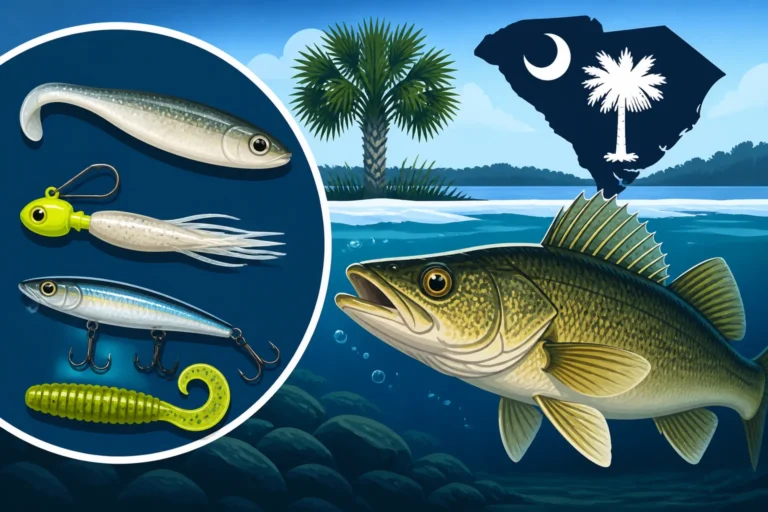
Choosing the right lure is paramount. Here's a breakdown of common cold-water favorites:
- Jigs: Finesse jigs (1/4 to 3/8 oz) with small plastic trailers or hair jigs are deadly. Pitch them slowly around deep cover and let them sit. The subtle fall and profile are irresistible.
- Shaky Heads/Ned Rigs: These are phenomenal for extremely tough bites. A small mushroom-head jig with a small, buoyant plastic worm or stick bait is worked slowly on the bottom. The bait stands up, mimicking a feeding minnow or crawfish.
- Blade Baits: These metal lures vibrate intensely on the retrieve, mimicking fleeing baitfish. They're excellent for vertical jigging or casting and retrieving with a lift-fall motion.
- Spoons: Jigging spoons (1/2 to 1 oz) are classic cold-water producers. Drop them to the bottom, rip them up, and let them flutter back down. Most bites occur on the fall.
- Jerkbaits: Hard plastic jerkbaits, especially suspending models, can be very effective. Cast them out, twitch them a few times, and then pause for 5-10 seconds, or even longer. The suspending action keeps them in the strike zone, and the long pauses often trigger reactionary strikes. Many anglers will stock up on these versatile lures from retailers like Amazon.
- Crankbaits (Deep-Diving): When bass are holding deep, a slow-rolled deep-diving crankbait can be effective, especially if you can make it bounce off submerged structure.
- Live Bait: As mentioned, shiners, minnows, or even crawfish can be excellent when presented naturally on a light rig.
| Lure Type | Best Use Case | Retrieve Style | Advantages in Cold Water |
|---|---|---|---|
| Finesse Jigs | Deep structure, brush piles, rocky points | Slow drag, hop, or dead stick with long pauses | Subtle, natural profile, allows long contact with bottom |
| Shaky Head/Ned Rig | Finicky fish, clear water, sparse cover | Slow drag, slight shakes, long pauses | Extremely subtle, bait stands up, high sensitivity |
| Blade Baits | Vertical jigging, deep suspended fish | Lift and fall, retrieve with vibrations | Strong vibration, fast sink rate, triggers reaction bites |
| Jigging Spoons | Vertical jigging, open water schools, deep rock | Rip and fall, flutter action | Highly reflective, erratic fall mimics injured baitfish |
| Suspending Jerkbaits | Clear water, open water near cover | Twitch, twitch, long pause (5-20 seconds) | Stays in strike zone during pauses, triggers reaction |
| Deep Crankbaits | Deep ledges, channel edges, rocky bottoms | Slow steady retrieve, deflect off structure | Covers water efficiently, reaches deep fish, deflects |
| Live Minnows/Shiners | Tough bites, highly lethargic fish | Light line, natural drift/swim over structure | Natural scent and movement, irresistible to inactive bass |
Winter Apparel and Safety Tips
Comfort and safety are non-negotiable when fishing in cold weather. Layers are your best friend. Start with a moisture-wicking base layer, add insulating layers (fleece or down), and top it off with a waterproof and windproof outer shell. Don't forget your extremities: a warm hat, insulated gloves (or fingerless gloves for dexterity), and waterproof, insulated boots are crucial. Hand warmers are also a lifesaver.
Always be aware of the risks of hypothermia. If you start shivering uncontrollably, feel numb, or become disoriented, get to warmth immediately. If you're on a boat, wear a personal flotation device (PFD) and ensure all your safety equipment (like a whistle, first-aid kit, and fully charged phone) is accessible. Cold water immersion is extremely dangerous, so taking precautions is vital. Checking the forecast for sudden temperature drops or high winds is always a smart move. You can find quality cold weather fishing attire and hand warmers on sites like Amazon. For more information on fishing in specific conditions, check out Winter Fishing Techniques in South Carolina Lakes.
Maximizing Your Chances: Tips for Cold Weather Success
Even with the right gear and techniques, cold weather fishing can be challenging. Here are some extra tips to stack the odds in your favor.
Fishing the Warmest Parts of the Day
This might seem obvious, but it's often overlooked. The warmest part of a winter day is typically from late morning to mid-afternoon. This is when the sun has had a chance to penetrate the water, and any shallow, dark-bottomed areas might have absorbed enough heat to entice bass into slightly shallower water for a brief feeding period. Early mornings and late evenings, which can be prime times in warmer months, are usually the toughest bites in winter. Plan your trip around the midday hours for the best chance at success.
Remember, even a one or two-degree temperature rise can make a significant difference to a cold-blooded fish like a bass. Focus your efforts during these peak warming windows, and don't be afraid to try those sun-drenched banks or shallow rock piles that might otherwise seem unproductive.
Locating Baitfish Schools
Where there's bait, there are usually bass. In winter, baitfish like shad and minnows will also seek out warmer, more stable water, often congregating in large schools around deep structure or in creek channels. Bass will follow these schools, setting up ambush points nearby. Your fish finder is your best friend here. Look for dense clouds of baitfish, and then explore the structure immediately around and below them.
If you find a concentration of bait, fish it thoroughly. Bass won't be far away. Pay attention to how the baitfish are behaving. If they're tightly schooled and stationary, the bass below them are likely lethargic too. If the bait is scattered or moving erratically, it could indicate that bass are actively feeding. Understanding What Do Largemouth Bass Eat in South Carolina Ponds? can also help you identify preferred baitfish.
The Importance of Boat Positioning
When fishing deep structure, your boat positioning can make all the difference. Modern electronics allow you to map contours and identify specific pieces of cover. Position your boat so you can make precise casts to these targets, allowing your bait to fall naturally along ledges, into brush piles, or over humps. If you're vertical jigging, keep your boat directly over the target.
Using your trolling motor to slowly work along a contour line or to hold your position against a light breeze is crucial. Practice making accurate casts and controlling your boat to maximize your time in the strike zone. Sometimes, just a slight adjustment in your boat's position can put your lure right in front of a waiting bass. This level of precision is especially important when bass are grouped tightly and reluctant to move far for a meal.
Patience and Persistence
Cold weather bass fishing tests your patience. The bites are often subtle – a slight tick, a feeling of "mush," or just added weight on your line. You won't always get that aggressive "thump" you're used to. It's easy to get discouraged when you're not getting bites, but persistence is key. Work an area thoroughly before moving on. Make dozens of casts, try different angles, and experiment with different retrieves.
Remember that a successful cold weather trip might only yield a few fish, but those fish are often larger, healthier bass that have survived the colder conditions. Don't measure success by quantity alone; appreciate each fish caught in these challenging conditions. Your dedication to learning South Carolina Fishing Seasons Guide will truly pay off.
When to Call It Quits
Knowing when to call it a day is also important. If the weather turns nasty, if you're uncomfortable, or if you've tried every technique in your arsenal and the fish simply aren't biting after several hours, there's no shame in packing it in. Sometimes, the conditions are just too tough, and the fish truly are shut down. Safety should always be your top priority, so don't push it if the cold becomes too much. There's always another day to fish, and a warm cup of coffee tastes even better after a challenging but rewarding day on the water, even if it's a short one.
Disclaimer
This article is for general informational purposes only and does not constitute professional advice. Laws, prices and regulations vary by location and change over time. Consult a qualified professional for guidance on your specific situation.