Hilton Head Speckled Trout Fishing Charters
Trying to find the perfect fishing charter for a specific species like speckled trout on Hilton Head Island can feel like navigating a maze of options, leaving you wondering which trip will truly deliver. This comprehensive guide is designed to cut through the confusion, helping you understand exactly what to look for and expect from a dedicated Hilton Head speckled trout fishing charter, ensuring your angling adventure is both successful and incredibly enjoyable.
Why Hilton Head Island is a Speckled Trout Paradise
Hilton Head Island, with its intricate network of salt marshes, tidal creeks, and oyster-laden estuaries, truly stands out as a premier destination for speckled trout fishing in South Carolina. It's not just a beautiful place; it's an ecosystem perfectly tailored for these prized inshore game fish.
The Ideal Habitat of Hilton Head's Estuaries
Picture this: miles of winding, shallow creeks lined with vibrant green spartina grass, feeding into larger sounds and bays. This is the heart of Hilton Head's inshore fishery, and it's precisely where speckled trout thrive. These estuarine environments provide a smorgasbord of food sources, from small baitfish like mullet and menhaden to shrimp and crabs, all critical components of a speckled trout's diet. The intricate root systems of the marsh grass offer excellent ambush points for these predatory fish, allowing them to hide from plain sight while waiting for an unsuspecting meal to swim by. Oyster beds, often found dotting the bottom of these creeks, are also crucial. They act as natural filtration systems, creating clearer water, and their jagged surfaces provide another layer of protection and food for various smaller creatures, attracting the entire food chain that speckled trout depend on. It's this complex, healthy habitat that makes the Lowcountry waters so productive.
Seasonal Opportunities for Speckled Trout
While you might find speckled trout in Hilton Head waters almost year-round, certain seasons truly shine for targeting these fish. The fall, winter, and early spring typically offer the most consistent action. As the water temperatures begin to cool in the fall, speckled trout become more active, feeding aggressively to build up reserves for the colder months. This is often considered prime time, with fish congregating in deeper holes in the creeks, making them easier to locate for experienced guides. Winter fishing can be phenomenal on warmer days, with trout often schooling tightly in deeper, sheltered areas where water temperatures are more stable. Early spring sees them begin to spread out again, moving into shallower waters as the baitfish return. Summer can still yield trout, but they tend to be more scattered and move into cooler, deeper channels during the heat of the day, making them a bit more challenging to consistently target compared to the cooler seasons. Understanding these seasonal patterns is key, and a good charter captain will always know where the fish are holding, no matter the time of year. For a broader look at the best times to wet a line, check out Best Time of Year to Fish in South Carolina.
What to Expect on a Hilton Head Speckled Trout Charter
Booking a specialized speckled trout charter means you're not just going out for "fishing in general." You're stepping onto a boat with a guide whose expertise is finely tuned to find and catch these specific fish. This focus often translates into a more productive and tailored experience.
Typical Trip Lengths and Inclusions
Most Hilton Head inshore charters, including those targeting speckled trout, offer a few standard trip durations. You'll commonly see half-day trips, usually around 4 hours, which are perfect for a focused morning or afternoon session. Full-day trips, often 6 to 8 hours, give you more time to explore different spots, adapt to changing conditions, and generally increase your chances of a substantial catch. For a more detailed look at timing, consider South Carolina Fishing Charter Trip Lengths Compared.
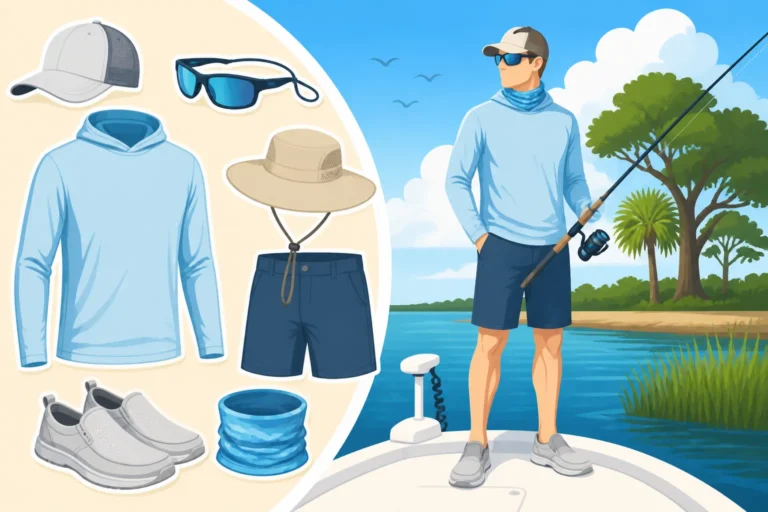
When you book a reputable charter, much of the essential gear is included. This means light tackle spinning rods and reels, perfectly suited for the delicate bite of a speckled trout, along with all the necessary terminal tackle. Your guide will also typically provide a variety of baits, which might include live shrimp, mud minnows, or a selection of artificial lures like soft plastics and topwater plugs. Crucially, most charters cover the necessary fishing licenses for everyone on board, so you usually don't have to worry about securing your own South Carolina Fishing License Guide beforehand. What you should bring often includes sunscreen, a hat, polarized sunglasses, appropriate clothing for the weather, snacks, drinks, and a cooler to take your legal catch home (if you choose to keep any). Always confirm these details when booking, as specifics can vary slightly from one captain to the next. For a general overview of what's typically provided, you can read What's Included in a South Carolina Charter Fishing Trip.
Common Fishing Techniques and Baits Used
Your Hilton Head speckled trout guide will be a master of various techniques, adapting them to the specific conditions of the day, including tide, water temperature, and fish behavior. One of the most classic and effective methods involves fishing with a popping cork and live bait. Imagine a small float that makes a "pop" sound when you twitch your rod, mimicking a shrimp or baitfish fleeing at the surface. Below it, a live shrimp or mud minnow dangles, enticing trout lurking in the grass lines or oyster beds. This technique is often incredibly visual and exciting, especially when a trout smashes the bait just under the cork.
Jigging with soft plastic lures, like Gulp! shrimp or paddle-tail plastics, is another go-to. These are fished near the bottom or suspended in the water column, imitating the natural movements of bait. Your guide might also have you throwing topwater plugs during low-light conditions, creating explosive strikes as trout ambush them from below. Fly fishing for speckled trout is also popular in these waters, especially in the cooler months when the fish are concentrated. A good guide will teach you the nuances of each technique, helping you feel the subtle bite of a trout and successfully bring it to the boat. If you're new to inshore fishing, learning Inshore Trout Fishing Techniques for Beginners can be really helpful.
South Carolina Speckled Trout Regulations on Charters
Even on a charter, you'll need to adhere to South Carolina's fishing regulations for speckled trout. Your captain is responsible for knowing and following these rules, but it’s always good for anglers to be aware. Currently, there are specific size and bag limits to protect the population and ensure sustainable fishing for future generations. For instance, the minimum size limit for spotted seatrout is generally South Carolina Spotted Seatrout Minimum Size 14 Inches, meaning any fish shorter than that must be immediately and carefully released. Additionally, there's a daily bag limit, typically South Carolina Spotted Seatrout Daily Bag Limit of 10 Fish per person. These regulations are subject to change, so always double-check the latest information from the South Carolina Department of Natural Resources (SCDNR) or rely on your experienced charter captain for guidance. They are a great resource and will ensure you stay compliant. While winter gigging for seatrout has specific bans, as discussed in South Carolina's Winter Gigging Ban for Seatrout, rod-and-reel fishing usually remains open.
Choosing the Right Hilton Head Speckled Trout Charter
With several excellent guides operating out of Hilton Head Island, making the right choice can feel a bit overwhelming. But by focusing on a few key factors, you can ensure you pick a charter that perfectly matches your expectations and fishing style.
Key Factors to Consider When Booking
When you're looking for that perfect speckled trout charter, experience truly matters. Look for captains who have a deep understanding of the local Hilton Head estuaries, their tides, and, most importantly, the behavior of speckled trout throughout the seasons. A seasoned guide knows where the fish will be holding based on water temperature, current, and time of year.
Consider the type of boat: for inshore speckled trout fishing, you'll typically be on a bay boat or a center console specifically designed for navigating shallow creeks and flats while still offering a comfortable ride. Some guides specialize in light tackle, which is fantastic for the fight of a trout, while others might offer fly fishing opportunities if that's your passion. Don't shy away from checking out reviews on platforms like FishingBooker or the captain's own website. Real-world feedback from previous clients can tell you a lot about the guide's personality, their success rate, and the overall experience they provide. You want a guide who is patient, passionate, and a good teacher, especially if you're bringing beginners or kids. Looking for general information on finding a good guide can also be found in Choosing the Right South Carolina Fishing Guide.
Understanding Pricing and What Affects It
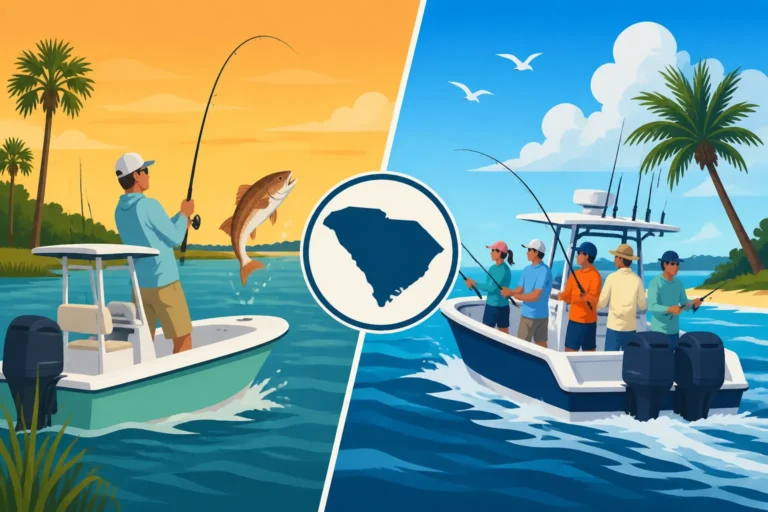
Charter pricing for speckled trout trips on Hilton Head Island isn't always a one-size-fits-all scenario. The cost largely depends on several variables. The most significant factor is trip duration: a 4-hour half-day trip will naturally cost less than a 6- or 8-hour full-day excursion. The size and type of the boat can also play a role, as can whether you opt for a private charter, which gives you the entire boat to your group, or a shared trip, where you might join other anglers. Private charters offer a more personalized experience but come at a higher total cost, though the per-person cost can decrease with more people in your group. Shared trips are often more budget-friendly for solo anglers or small parties. Remember, prices are typically set per trip, not per person, up to a certain maximum number of anglers. It’s always best to contact the charter directly or check their listings on platforms like FishingBooker for the most current pricing. Specific costs aren't static, so comparing rates directly will give you the clearest picture.
Here's a quick comparison of common charter options:
| Trip Type | Duration | Group Size (Typically) | Inclusions | Focus | Notes |
|---|---|---|---|---|---|
| Half-Day | 4 hours | 1-4 anglers | Gear, bait, license | Focused trout session | Ideal for beginners, families, or limited time |
| Full-Day | 6-8 hours | 1-4 anglers | Gear, bait, license | More exploration, varied spots, species | Offers more flexibility and potential for larger catch |
| Private | Any | Exclusive to your group | Fully customizable | Tailored to your preferences | Best for personalized experience, higher total cost |
| Shared | Half-Day/Full | Mixed individuals | Standard inclusions | Cost-effective for solo or small parties | Less personalized, fixed schedule and target species |
Questions to Ask Your Prospective Captain
Before you commit to a booking, having a few questions ready can help solidify your choice and ensure there are no surprises. First, always ask about their specific experience targeting speckled trout in the Hilton Head area. Do they specialize in light tackle, or do they accommodate fly anglers? What kind of gear do they provide, and is it well-maintained? Inquire about their typical approach to finding trout—do they focus on specific tides or types of structure?
It's also smart to ask about their cancellation policy, especially regarding weather. South Carolina weather can be unpredictable, and you want to know what happens if your trip needs to be rescheduled or canceled due to unsafe conditions. Finally, don't forget to ask if fish cleaning services are included or available at an extra charge. Good communication upfront makes for a smoother, more enjoyable trip for everyone. You can often find a lot of this information upfront when browsing detailed charter listings on sites like FishingBooker.
Maximizing Your Speckled Trout Fishing Experience
Once you've booked your Hilton Head speckled trout charter, a little preparation and understanding of on-board etiquette can elevate your trip from good to unforgettable. It's all about going with the flow and making the most of the expertise your guide brings to the table.
Preparing for Your Trip
Pre-trip preparation is simple but crucial for comfort and success. Check the weather forecast for Hilton Head the day before your trip. Dress in layers, as mornings can be cool and afternoons warm, even in the "cooler" seasons when trout are abundant. Wear comfortable, non-slip shoes and don't forget a hat and polarized sunglasses – these are not just for comfort, but the sunglasses help you spot fish and structure in the water. Sunscreen is an absolute must, even on cloudy days, as the sun's reflection off the water can be intense. Pack plenty of water and any snacks you might want; while some charters provide drinks, it's always wise to bring your own favorites. A camera is a great idea to capture those memorable moments, but ensure it’s protected from salt spray. Lastly, make sure you arrive at the designated meeting point a little early. Being punctual shows respect for your captain’s time and ensures you get the most out of your booked hours.
On-Board Etiquette and Working with Your Guide
Your charter captain is your expert for the day, and listening to their advice is paramount. They know the water, the fish, and the local nuances better than anyone. Be patient; fishing isn't always constant action, and sometimes it takes time to find the bite. Don't hesitate to ask questions—a good guide loves to share their knowledge and help you learn. If you're new to fishing or to specific techniques, communicate that upfront. They can offer guidance and make sure you feel comfortable. Remember that the captain works hard to put you on fish, keep you safe, and ensure a good time. A customary tip is a great way to show your appreciation for their efforts. The standard is usually 15-20% of the trip cost, but a truly exceptional experience might warrant more. You can learn more about this in Tipping Your South Carolina Fishing Guide.
Handling Your Catch Responsibly
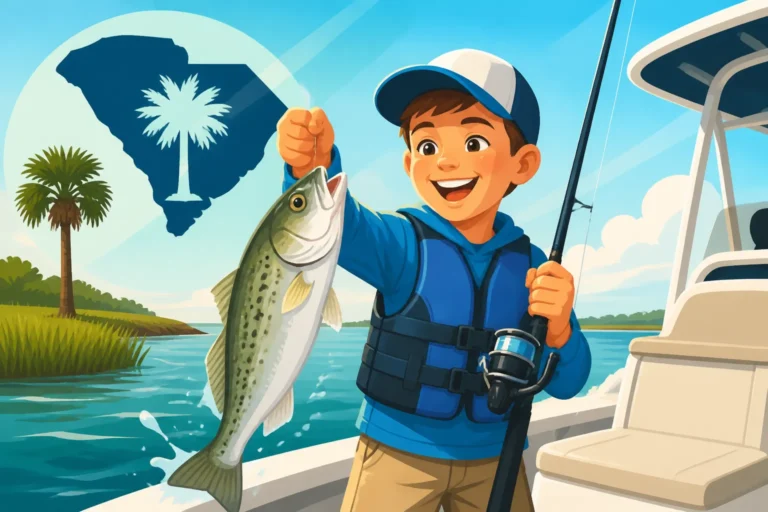
Part of a great fishing experience is understanding how to handle your catch, whether you plan to release it or take it home for dinner. Many anglers on Hilton Head charters practice catch and release for speckled trout, especially for larger "gator" trout, to help preserve the breeding stock. If you plan to release a fish, handle it gently, minimize its time out of the water, and use wet hands to avoid removing its protective slime coat. Your captain will guide you on proper release techniques to give the fish the best chance of survival.
If you decide to keep your legal-sized trout (remembering those South Carolina Spotted Seatrout Minimum Size 14 Inches and South Carolina Spotted Seatrout Daily Bag Limit of 10 Fish rules), your captain will typically provide an iced cooler to store them during the trip. Many charter captains also offer fish cleaning and filleting services once you return to the dock, often for a small fee or as part of the gratuity. This is a huge convenience, leaving you with delicious, ready-to-cook fillets to enjoy. Knowing the rules and having a plan for your catch demonstrates responsible angling and contributes to the health of South Carolina's incredible fisheries. For a deeper dive into specific species, you might also find Spotted Seatrout vs Other Trout Species: How to Tell Them Apart to be an interesting read. You can find excellent speckled trout fishing in areas like Spotted Seatrout Fishing Near Beaufort too. If you're looking for Best Inshore Fishing Spots in South Carolina, Hilton Head will always be high on the list.
Disclaimer
This article is for general informational purposes only and does not constitute professional advice. Laws, prices and regulations vary by location and change over time. Consult a qualified professional for guidance on your specific situation.