Best Time of Year to Fish in South Carolina
Trying to figure out the absolute best time to cast a line in South Carolina can feel like a real head-scratcher. With our incredible diversity, from the cold mountain streams to the expansive coastal estuaries, different fish thrive at different times, and knowing when and where to go can make all the difference between a memorable trip and a frustrating one. This comprehensive guide will walk you through the seasonal rhythms of fishing across the Palmetto State, helping you pinpoint the prime windows for your target species and optimize your angling adventures.
Understanding South Carolina's Diverse Fishing Landscape
South Carolina is truly a unique state for anglers, offering an incredible variety of environments that each come alive at different times of the year. You could be chasing trout in the chilly Upstate mountains one weekend and battling redfish in the warm Lowcountry marshes the next. This vast difference means that "the best time to fish" isn't a single answer, but rather a dynamic calendar influenced by water temperature, fish biology, and regional characteristics.
The Freshwater vs. Saltwater Divide
It's a tale of two waters here, and understanding their distinct seasonal behaviors is the first step to becoming a more successful angler. Freshwater systems—our lakes, rivers, and ponds—are largely governed by ambient air temperature and rainfall, which directly impact water temperatures and levels. As the mercury rises and falls with the seasons, fish like bass, crappie, and catfish respond by moving to different depths, feeding more or less aggressively, and entering their crucial spawning phases. A warm front in spring can kick off a largemouth bite in Lake Murray, while a cold snap in winter might send crappie deep into brush piles in Lake Moultrie.
On the other hand, our saltwater environments, stretching from the bustling piers of Myrtle Beach down to the serene tidal creeks of Hilton Head, are deeply influenced by ocean currents, tides, and salinity, in addition to temperature. Many saltwater species, such as redfish and spotted seatrout, are highly sensitive to even subtle changes in water temperature, which dictate their migratory patterns and feeding habits. The incoming tide on a warm fall day can bring a flood of baitfish, and hungry predators, into shallow marsh flats. Likewise, cooler ocean currents might push pelagic species further offshore in the summer, while inshore species seek deeper channels. Understanding these fundamental differences is crucial for any angler trying to navigate the South Carolina Freshwater Fishing Calendar or the South Carolina Saltwater Fishing Seasons.
Regional Nuances Across the Palmetto State
South Carolina is often divided into three distinct geographic regions: the Upstate, the Midlands, and the Lowcountry. Each of these areas presents its own unique fishing opportunities and seasonal peaks.
The Upstate, characterized by the foothills of the Blue Ridge Mountains, is home to pristine trout streams and deep, clear reservoirs like Lake Keowee and Lake Hartwell. Here, cold-water species like trout thrive, particularly in spring and fall. The bass fishing in these mountain lakes can be phenomenal during the cooler months, with fish moving to shallower waters as temperatures rise in spring and fall. Even smallmouth bass can be found in some of the rivers in this region, offering a different challenge. Anglers often find themselves needing to adjust their tactics significantly when moving from a high-altitude stream to a vast reservoir.
Moving into the Midlands, you'll find sprawling reservoirs like Lake Murray, the Santee Cooper lakes (Lake Marion and Lake Moultrie), and Lake Wateree. These lakes are renowned for their incredible populations of striped bass, largemouth bass, crappie, and catfish. The seasonality here is pronounced. Summer means chasing stripers in deep, oxygenated waters, often at night, while spring and fall bring explosive topwater action for bass. These large, fertile lakes tend to warm up quickly in spring, kicking off early spawns, and hold their warmth longer into the fall, extending the prime fishing season. The massive Santee Cooper system, for instance, is famous for its Best Time of Year to Fish Santee Cooper Lakes in South Carolina, with distinct peak seasons for various species.
Finally, the Lowcountry along the coast offers unparalleled saltwater fishing opportunities. From the labyrinthine tidal creeks of Murrells Inlet and Charleston Harbor to the expansive surf of Myrtle Beach, this region is a paradise for redfish, spotted seatrout, flounder, and a host of other inshore and nearshore species. The mild winters here mean that saltwater fishing can be a year-round pursuit, though species behavior changes dramatically with the seasons. Spring and fall are often considered prime times as baitfish are abundant and water temperatures are comfortable, leading to aggressive feeding. However, even in the dead of winter, skilled anglers can find success targeting redfish in deeper holes or catching sheepshead around structure. The intricate tidal systems mean that even day-to-day success can depend heavily on understanding local tides and currents.
Spring Fishing in South Carolina: A Time of Abundance (March – May)
Ah, spring! For many anglers in South Carolina, this is arguably the most anticipated season. After the chill of winter, the warming waters and longer days signal a resurgence of activity, bringing fish into shallower areas and triggering their spawning rituals. It's a truly vibrant time to be on the water, whether you're battling bass or stalking redfish.
Freshwater Spring Frenzy: Bass and Panfish Spawns
As spring rolls in, the freshwater lakes and rivers of South Carolina come alive with spawning activity. This is prime time for species like largemouth bass, crappie, and various panfish. The warming water temperatures, typically reaching into the 50s and 60s Fahrenheit, trigger these fish to move from their deeper wintering grounds into shallower coves, flats, and around submerged vegetation.
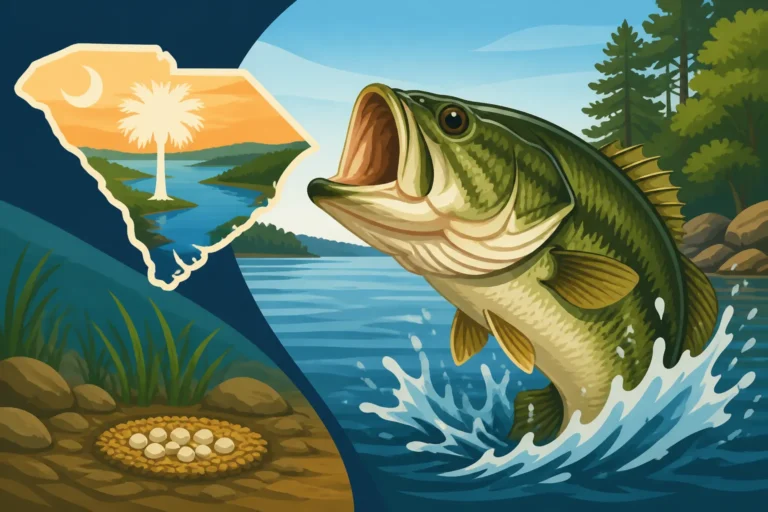
For largemouth bass, the pre-spawn and spawn periods are legendary. Before they move onto their beds to reproduce, bass feed heavily, building up energy. This is when they are most aggressive and often willing to strike a wide variety of lures. Think crankbaits, spinnerbaits, and even larger soft plastics. Once the water hits the sweet spot—usually in the mid-60s—the bass will move to construct their nests, often visible in clear, shallow areas. During this time, sight fishing can be incredibly effective, using baits like jigs or soft stick baits to entice them off their beds. Understanding the Largemouth Bass Spawn Timing in South Carolina Reservoirs is key to intercepting these fish at their most vulnerable. Post-spawn, the fish disperse and can be a bit harder to pattern, but they will still be feeding to recover their energy. Many anglers turn to their favorite online retailer, like Amazon, to stock up on new soft plastic worms and swimbaits for these varying bass stages.
Crappie also hit their peak activity in spring. These delicious panfish migrate to shallower cover, such as brush piles, submerged trees, and docks, to spawn when water temperatures are in the upper 50s to low 60s. Anglers can have incredible success spider-rigging with live minnows or jigging with small jigs around these structures. The bite can be fast and furious, making it an excellent time for families to get out on the water. Many lakes, like Lake Wateree and the Santee Cooper lakes, offer fantastic crappie fishing during this period. For those looking to learn more, there's a great deal to explore about South Carolina Crappie Fishing Techniques by Season.
And let's not forget bream and bluegill. These feisty panfish, often overlooked, provide fantastic light tackle action, especially as the water warms and they begin their successive spawns throughout spring and into early summer. They’ll congregate in large numbers on beds in shallow areas, often recognizable by their circular depressions on the bottom. A simple worm under a bobber can lead to non-stop action, making spring a perfect time to introduce kids to fishing.
Saltwater Spring Awakening: Redfish and Trout Resurgence
Just like their freshwater counterparts, many inshore saltwater species respond enthusiastically to the rising temperatures of spring. The Lowcountry marshes and estuaries truly come alive during this season, offering some of the year's most exciting fishing.
Redfish, or red drum, become incredibly active. As water temperatures climb into the 60s, these powerful game fish begin moving out of their deeper winter holes and into the vast shallow marsh flats and oyster beds. They're often found in smaller "schoolie" groups early in the spring, transitioning to more widespread distribution as the season progresses. This is a fantastic time for sight fishing, especially on high tides when redfish "tail" as they root for crustaceans and small fish in flooded grass. Anglers use a variety of techniques, from casting artificial lures like scented soft plastics and weedless spoons to live bait such as mud minnows or cut bait. For those new to this exciting pursuit, learning Inshore Redfish Techniques for Beginners can significantly boost your success.
Spotted seatrout, another inshore favorite, also make a strong comeback in spring. After slowing down during the colder months, they become much more aggressive as the water warms, congregating in creek mouths, oyster shell rakes, and around grass lines. They're often targeted with soft plastic grubs, suspending lures, or live shrimp under a popping cork. The bite can be particularly good during moving tides, as baitfish are swept past their ambush points. Spring provides a consistent bite for these delicious fish before the summer heat sends them to deeper, cooler waters.
Flounder, though sometimes a bit later to the party, also start to reappear as spring progresses, often found ambushing baitfish around structure like dock pilings, jetties, and creek edges. Live mud minnows or small finger mullet fished on a Carolina rig are exceptionally effective for these bottom dwellers.
Trout Fishing in the Mountains
While the Lowcountry revels in saltwater warmth, the Upstate region of South Carolina offers exceptional cold-water fishing, particularly for trout. Spring is often considered the peak season for trout fishing in the state’s mountain streams and rivers.
South Carolina’s trout program includes both stocked rainbow and brown trout, as well as populations of native brook trout. As snowmelt subsides and stream flows stabilize, the water temperatures in these clear mountain rivers become ideal for trout. They become more active, feeding on emerging insects and baitfish. Fly fishermen will find excellent opportunities to present dry flies, nymphs, and streamers, matching the hatch of various aquatic insects. The Chattooga River and its tributaries, the Chauga River, and portions of the Saluda River are popular destinations for this serene yet challenging pursuit.
Spin fishermen also find success with small inline spinners, spoons, or live bait like worms or corn. The key is to approach these pristine waters quietly and present your offerings naturally. Many of these streams are nestled within beautiful national forests and wilderness areas, providing not only great fishing but also stunning scenic beauty. Always be sure to check specific regulations for each stream, as some areas may have special catch-and-release rules or specific tackle restrictions to protect the delicate trout populations. This blend of fly fishing and spin fishing in a picturesque setting makes spring trout fishing a truly unique South Carolina experience.
Summer Fishing in South Carolina: Beating the Heat (June – August)
When the South Carolina summer hits, the heat can be intense, both on land and in the water. This means anglers often need to adjust their strategies significantly to find success. While the midday sun might send some species deep, it also brings out opportunities for others, and smart planning can lead to fantastic catches.
Deepwater Strategies for Freshwater Giants
As freshwater lakes and rivers warm significantly, many fish retreat to deeper, cooler, and more oxygenated waters. This doesn't mean the fishing stops; it just shifts focus. Summer becomes prime time for deep-water specialists, particularly striped bass and catfish.
Striped bass, the official state fish, are a prime target in large reservoirs like Lake Murray, Lake Hartwell, and the Santee Cooper lakes during summer. As surface temperatures soar, stripers move to the thermocline – a layer of water where the temperature changes rapidly – seeking cooler, more comfortable conditions. This often means they’ll be found in 30-60 feet of water or even deeper, suspending over submerged structure or in main lake channels. Anglers often employ down-lining live bait (like blueback herring or gizzard shad) or trolling umbrella rigs and deep-diving crankbaits to reach these depths. Early morning, late evening, and especially night fishing can be incredibly productive, as stripers will occasionally push bait to the surface during these cooler periods. If you're heading to Lake Murray, you'll definitely want to explore Lake Murray Summer Striped Bass Techniques in South Carolina to dial in your approach.
Catfish also thrive in the summer heat. Both channel cats and larger blue catfish are active throughout the season, and while they might hold in deeper channels during the hottest parts of the day, they will readily move into shallower flats and humps to feed, particularly at night. Bottom fishing with cut bait (like shad, herring, or bream), chicken livers, or commercial stink baits is highly effective. Many anglers enjoy jug fishing or trotlining for catfish during the summer months, setting lines in the evening and checking them in the morning for impressive catches. The Santee Cooper lakes, in particular, are legendary for their trophy-sized blue catfish, with fish often exceeding 50 pounds. This is a great time to experiment with different baits and locations to find where the biggest cats are lurking.
Coastal Action: Tarpon, Sharks, and Offshore Pelagics
While freshwater fishing requires a strategic shift to deeper waters, the South Carolina coast really comes alive in the summer with big game opportunities. The warmer ocean currents bring a host of exciting species closer to shore and to the offshore grounds.
For the adventurous angler, summer is tarpon season. These magnificent "silver kings" migrate along the coast, often entering larger estuaries and inlets in search of baitfish. While notoriously challenging to hook and land, the thrill of seeing a tarpon leap from the water is unparalleled. Tarpon are typically targeted with live bait like mullet or menhaden, either free-lined or under a float, often near passes or along deeper channels. It's a chase that requires patience, heavy tackle, and a bit of luck, but landing one is a bucket-list achievement for many.
Shark fishing also heats up in summer. Numerous species, from blacktips and spinners to hammerheads and tiger sharks, cruise the coastal waters. Anglers can target them from the surf, piers, or from boats in nearshore and offshore waters. Heavy tackle, wire leaders, and large cut bait (like bonita, mackerel, or ray) are essential. While many sharks are catch-and-release, some species are legal to harvest with proper licensing and adherence to size limits. Always prioritize safety and responsible handling when shark fishing.
Further offshore, the blue water comes alive with pelagic species. Mahi-mahi (dorado), tuna (especially blackfin and yellowfin), wahoo, and marlin are all targets for those willing to make the longer run to the Gulf Stream. Trolling with artificial lures, ballyhoo, or other natural baits is the primary method. This is a highly specialized form of fishing that often requires charter boats equipped with extensive electronics and experienced crews. Charters departing from marinas in Charleston, Mount Pleasant, and Murrells Inlet offer these thrilling offshore expeditions, promising explosive strikes and powerful battles with truly impressive fish.
Early Morning and Late Evening Bites
No matter if you're fishing freshwater or saltwater in the summer, the sun is your biggest challenge. The intense midday heat not only makes it uncomfortable for anglers but also often sends fish into a lethargic state, making them less likely to feed. This is why experienced summer anglers often adopt a "dawn and dusk" strategy.
Early mornings are magical. As the sun rises and water temperatures are at their coolest, many species become incredibly active. This is when you can find largemouth bass crashing topwater lures in freshwater lakes, or redfish eagerly feeding in shallow marsh flats before the heat pushes them to deeper channels. The low light conditions are also advantageous, as fish are less wary and more likely to expose themselves in open water. Getting on the water before dawn means you can enjoy a couple of hours of prime fishing before the heat becomes unbearable, allowing you to return to the boat ramp as others are just heading out.
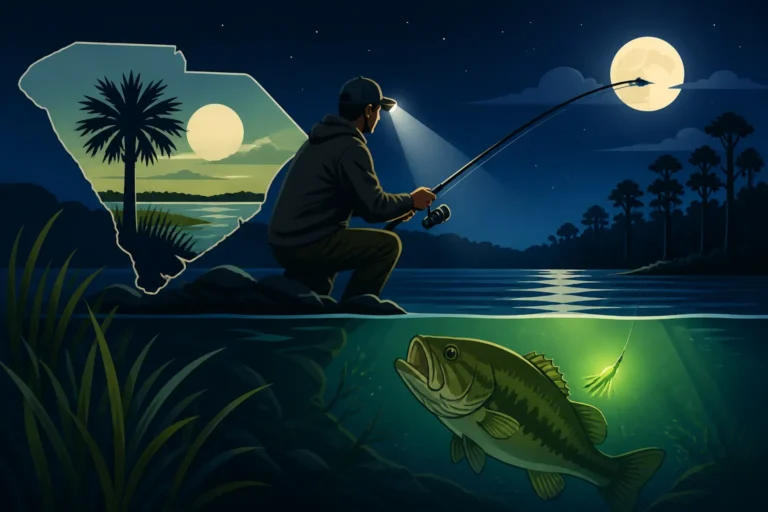
Similarly, late evenings and nights offer another excellent window of opportunity. As the sun dips below the horizon, water temperatures begin to drop, and many nocturnal or crepuscular feeders become active. Catfish, as mentioned, are prime targets at night, often moving into shallower feeding areas. Striped bass in our larger reservoirs can also provide phenomenal topwater or shallow-water action under the cover of darkness, especially if there's good moon phase. Even some inshore saltwater species, like spotted seatrout, can be caught feeding under dock lights or around bridges at night. When preparing for night fishing, remember to bring adequate lighting (headlamps are a must!), bug spray (you can find good options on Amazon), and be extra cautious navigating in the dark. These cooler periods not only offer better fishing but also a much more pleasant experience for the angler, free from the oppressive midday sun.
Fall Fishing in South Carolina: The Golden Season (September – November)
If spring is the awakening, then fall is the grand feast. Many anglers consider autumn to be the absolute best time of year to fish in South Carolina, and for good reason. As temperatures cool, both freshwater and saltwater species enter a period of aggressive feeding in preparation for the upcoming winter, often resulting in some of the most consistent and exciting action of the year.
Freshwater Feast: Active Bass and Crappie
As summer's heat breaks and water temperatures begin to drop consistently, freshwater lakes and rivers undergo a phenomenon known as "fall turnover." This process, where surface water cools and sinks, mixing with deeper, warmer water, can sometimes temporarily slow fishing. However, once the turnover is complete and water temperatures stabilize in the 60s and 70s, it triggers a massive feeding spree.
Largemouth bass become incredibly active, often schooling up and chasing baitfish aggressively. This is a fantastic time for throwing reaction baits like crankbaits, spinnerbaits, and even topwater lures early and late in the day. Bass will often follow schools of shad into shallower coves and creek arms, providing explosive action. Covering water and staying on the move to locate these feeding schools is key. Lakes like Lake Hartwell and Lake Murray can offer incredible fall bass fishing, with patterns often lasting well into November. The Best South Carolina Lakes for Largemouth Bass truly shine during this season.
Crappie fishing also picks up significantly in the fall. After being scattered and often deep in the summer, crappie begin to congregate and move shallower as baitfish become more available. They can be found around brush piles, docks, and bridge pilings in depths ranging from 10-20 feet. Trolling small jigs or live minnows is a popular and effective method. The bite can be very consistent, making fall a favorite time for crappie enthusiasts. The Santee Cooper lakes are legendary for their crappie populations, and fall provides an excellent opportunity to fill a cooler.
Beyond bass and crappie, other freshwater species like striped bass in the reservoirs also experience a resurgence. They often become more willing to chase topwater baits as they herd baitfish, offering some of the most exciting surface blow-ups of the year. Catfish, too, remain active and feed heavily as they prepare for the colder months, making fall an excellent time for targeting trophy-sized blues and flatheads.
Inshore Redfish and Trout Blitzes
The Lowcountry's inshore waters are arguably at their absolute prime during the fall. The mild temperatures, abundant baitfish, and aggressive predators create truly epic fishing opportunities for redfish and spotted seatrout.
Redfish go into a full-on feeding frenzy. As cooler air temperatures drop the water temperature into the comfortable 60s and 70s, large schools of redfish often form, especially along grass lines, oyster rakes, and in the mouths of creeks. They are highly attuned to the outgoing tide, as it pulls vast amounts of baitfish, shrimp, and crabs from the flooded marsh grass. This is an incredible time for sight fishing, as redfish can be seen "pushing water" or "tailing" in the shallows. Anglers find great success with a variety of artificial lures, including gold spoons, soft plastic paddletails, and topwater plugs. Live shrimp or mud minnows under a popping cork are also deadly. Being aware of the South Carolina Redfish Slot Limit and Tide-Based Techniques becomes even more crucial during these productive periods, as conservation of this prized species is paramount.
Spotted seatrout also hit their stride in the fall. They become incredibly active, often ganged up in larger numbers around shell rakes, creek junctions, and deeper channels. They are voracious predators during this time, readily hitting soft plastic jigs, suspending twitch baits, and of course, live shrimp. The consistent bite and sheer numbers of trout caught in the fall make it a favorite among many coastal anglers. While they might not fight with the same brute force as a redfish, their aggressive strikes and delicious fillets make them a highly sought-after species. Look for them in areas with good current flow, often near ambush points where they can easily pick off passing bait.
Flounder also make a strong showing in the fall as they migrate out of the estuaries and towards the ocean for their winter spawning grounds. This "flounder run" can offer excellent fishing, particularly around inlets, jetties, and nearshore reefs. Drifting live mud minnows or finger mullet on a Carolina rig is a classic and effective method for targeting these flatfish during their outward migration.
Offshore Opportunities Before Winter
While fall fishing often focuses on the incredible inshore bite, the offshore scene still offers some fantastic opportunities before the winter weather makes long runs less feasible. The cooling ocean temperatures can actually concentrate some pelagic species, making them easier to target.
Species like mahi-mahi, wahoo, and tuna can still be found around the Gulf Stream and various offshore structures well into the early fall. The crowds often thin out after the summer, providing a more peaceful offshore experience. Trolling continues to be the dominant method, with captains constantly monitoring water temperature breaks and current lines to find where these highly migratory fish are holding. While not as consistent as the summer peak, a beautiful fall day offshore can yield impressive catches.
Additionally, nearshore wrecks and reefs can offer excellent fishing for snapper, grouper, and amberjack. As water temperatures cool, these bottom dwellers often become more aggressive. Vertical jigging, bottom fishing with live or cut bait, and even some light tackle action can be found on these structures. Just remember that regulations for reef fish can be complex, with specific seasons and bag limits for various species, so always check the latest rules before heading out. Heading out for a fall offshore trip means preparing for potentially cooler weather, so having a good, waterproof jacket (available on Amazon, of course) is always a smart idea.
Winter Fishing in South Carolina: The Quiet Pursuit (December – February)
Winter fishing in South Carolina might not have the explosive bite of spring or fall, but it offers a unique charm and some truly rewarding opportunities for dedicated anglers. It’s a season for quiet contemplation, strategic thinking, and often, targeting specific species that thrive in colder conditions. While many fair-weather anglers pack away their gear, those who brave the chill can find solitude and success.
Targeting Winter Crappie and Catfish
As water temperatures plummet in freshwater lakes and rivers, many species become lethargic and move to deeper, more stable environments. This is where crappie and catfish often shine in the winter.
Crappie in the winter will typically congregate in very deep water, often suspending in large schools around significant structure like brush piles, standing timber, or deep creek channels. They become much less active, requiring a slow, finesse approach. Techniques like "tightlining" or "spider-rigging" with tiny jigs or live minnows are highly effective. Anglers use sensitive rods and electronics to locate these schools, then present baits directly to the fish, often holding them perfectly still or imparting only the slightest twitch. A common depth range might be 20-40 feet, sometimes even deeper. The bite can be subtle, feeling more like a slight weight on the line than an aggressive strike, but successful winter crappie anglers often fill coolers when others catch nothing. For detailed methods, exploring Winter Fishing Techniques in South Carolina Lakes can be a huge advantage.
Catfish, particularly the larger blue catfish, remain quite active throughout the winter in South Carolina's major reservoirs like Santee Cooper and Lake Murray. While they might move slower, they still need to feed. They often stack up in deep river channels, bends, and holes, especially near areas with current. Bottom fishing with large cut bait (shad or herring) is the go-to method. Anchoring upstream of a deep hole and letting your bait drift into the strike zone can be incredibly productive. Night fishing can still be viable, especially on milder winter nights, but during the day, focusing on warmer, sunny periods can also yield good results. Winter is often the time when trophy-sized blue cats are caught, as the big fish are concentrated and feeding.
Inshore Sheepshead and Finesse Redfish
On the saltwater side, winter in South Carolina's Lowcountry offers a distinct set of opportunities, with sheepshead and redfish being the primary targets. The mild winters here mean that inshore fishing never truly shuts down, but it definitely changes character.
Sheepshead are a winter staple along the South Carolina coast. These striped "convict fish" love structure and thrive in colder water. They can be found around bridge pilings, jetties, dock pilings, and oyster reefs. They have incredibly strong, human-like teeth designed for crushing shellfish, so specialized baits like fiddler crabs, barnacles, or shrimp are essential. Sheepshead are also famous for their light bite; it often feels like a gentle tap, requiring a keen sense of feel and quick hookset. Many anglers use a small, stout hook and a Carolina rig or float rig to present their bait precisely against the structure. The consistent fight and delicious fillets make them a rewarding winter catch.
Redfish, while not as numerous or aggressive as in the fall, can still be caught consistently in winter. The key is to find them in their "wintering holes" – deeper, more stable areas of tidal creeks, protected coves, and larger estuaries where water temperatures fluctuate less. They often school up in tight groups during cold snaps, seeking warmth and protection. During these periods, a slow and methodical approach is best. Finesse techniques with soft plastics, live mud minnows, or even Gulp! shrimp on a weighted hook can coax a strike. Look for sunny days when the shallow mud flats warm up slightly, and redfish might push into these areas to bask and feed. On particularly calm, sunny days, you might even spot large schools of redfish in very shallow water, offering sight-casting opportunities. Remember that the South Carolina Redfish Slot Limit still applies, so be sure to measure your fish carefully.
Understanding Weather Fronts and Water Temperatures
Winter fishing success, more than any other season, is heavily dictated by weather fronts and water temperatures. A clear understanding of these factors will drastically improve your chances.
Cold fronts can be a real game-changer, and not usually for the better. Immediately after a strong cold front passes, the fishing often slows dramatically. High-pressure systems bring clear skies and plummeting temperatures, causing fish to become lethargic and less willing to feed. During these periods, it's often best to wait a day or two for conditions to stabilize, or to focus on the warmest part of the day, usually late morning to early afternoon.
Water temperature is perhaps the single most important factor. Fish are cold-blooded, and their metabolism slows down significantly in cold water. Even a difference of a few degrees can dictate whether fish are actively feeding or hunkered down. Pay close attention to temperature gauges if you have them, and target areas where the water might be slightly warmer – perhaps a dark-bottomed flat that absorbs more sunlight, or a deep hole that holds a more stable temperature. Online resources and local bait shops can provide up-to-date water temperature readings for popular fishing spots. Using a fish finder to locate schools in deeper water is almost essential during the winter months, ensuring you're presenting your bait where the fish are actually holding. Additionally, gear like thermal underwear and waterproof outer layers (often found on Amazon with competitive prices) become essential to stay comfortable during long winter days on the water.
Species-Specific Seasonal Breakdown
To help you quickly visualize the prime times for various popular species in South Carolina, here's a quick overview. Remember, these are general guidelines, and local conditions can always shift the exact peak periods.
| Species | Best Spring (Mar-May) | Best Summer (Jun-Aug) | Best Fall (Sep-Nov) | Best Winter (Dec-Feb) |
|---|---|---|---|---|
| Largemouth Bass | Excellent (Pre/Spawn) | Good (Deep, Early/Late) | Excellent (Feeding Frenzy) | Fair (Deep, Slow) |
| Striped Bass | Excellent (Feeding) | Good (Deep, Night) | Excellent (Topwater, Schooling) | Good (Deep) |
| Redfish | Excellent (Shallows) | Good (Inshore, Deeper) | Excellent (Tail/School) | Good (Wintering Holes) |
| Spotted Seatrout | Excellent (Active) | Good (Deeper, Early/Late) | Excellent (Aggressive) | Fair (Slow, Deep) |
| Crappie | Excellent (Spawn) | Fair (Deep, Structure) | Excellent (Feeding) | Excellent (Deep, Finesse) |
| Catfish | Good (Active) | Excellent (Night, Deep) | Excellent (Feeding) | Good (Deep Channels) |
| Flounder | Good (Returning) | Good (Structure) | Excellent (Migration) | Fair (Deep) |
| Trout (Freshwater) | Excellent (Streams) | Fair (High Elevation) | Excellent (Streams) | Good (Slower Streams) |
Essential Considerations for Year-Round Success
No matter what time of year you hit the water in South Carolina, there are some fundamental principles that will always improve your chances of success. These aren't tied to a specific season but are crucial for being a consistently effective and responsible angler. This also applies to learning How to Choose the Right Fishing Technique for Each Species.
Monitoring Water Temperature and Conditions
Beyond just knowing the general seasonal trends, being able to read and react to current water conditions is paramount. Fish are cold-blooded creatures, and water temperature is the single biggest factor influencing their metabolism, activity levels, and where they choose to hold.
For freshwater anglers, a good fish finder with a temperature gauge is an invaluable tool. Learning where the thermocline is in summer, or finding warmer pockets of water in winter, can lead you directly to actively feeding fish. Even in spring and fall, knowing the exact temperature can help you pinpoint specific stages of the spawn or feeding patterns. Factors like recent rainfall, which can cause rivers to rise and become muddy, or prolonged droughts, which can lower lake levels, also impact fish behavior and access. Checking local river gauges and lake reports can provide crucial information before you even leave the house.
For saltwater anglers, water temperature is equally vital, often dictating the presence and activity of migratory species. However, additional factors come into play. Understanding salinity levels, often influenced by river outflow, can affect where certain fish hold. Clarity of the water, impacted by tides, wind, and rainfall, affects how fish feed and what lures they might strike. Murky water might call for noisy lures or bait, while clear water might demand a more subtle presentation. Learning to interpret these environmental cues, often by observing baitfish activity or asking local bait shops, will sharpen your angling instincts throughout the year.
Tides and Lunar Phases for Saltwater Anglers
If you're fishing the coast of South Carolina, ignoring the tides is like trying to drive with your eyes closed. The rhythmic ebb and flow of the ocean are the lifeblood of our saltwater fisheries, directly influencing bait movement, fish feeding patterns, and access to prime fishing grounds.
Tides dictate everything in the Lowcountry. An incoming tide can push nutrient-rich water and baitfish into shallow marsh grass, creating incredible opportunities for tailing redfish. An outgoing tide, conversely, can concentrate baitfish and predators in creek mouths and choke points. Understanding the timing of high and low tide, and knowing whether the current is moving in or out (flood or ebb), is more important than the time of day for many saltwater species. Different species also have preferences; for example, flounder often position themselves to ambush bait on a falling tide, while trout might prefer the slack water at the top or bottom of the tide. Online tide charts and local knowledge are essential tools for planning any saltwater trip.
While perhaps less direct than temperature and tides, some anglers also pay attention to lunar phases. Many believe that major and minor feeding periods, as well as the intensity of tidal movements, are influenced by the moon. Full moons and new moons, which produce the strongest "spring tides," can create exceptionally strong currents that move a lot of water and bait, potentially leading to increased feeding activity. While not universally agreed upon, many seasoned anglers swear by planning their trips around specific moon phases to maximize their chances, especially for certain species or during specific seasons.
Gear Adaptations for Changing Seasons
Being a versatile angler means more than just knowing when to fish; it also means being prepared with the right equipment for the conditions. South Carolina's distinct seasons demand different gear to ensure comfort, safety, and effectiveness.
In the spring and fall, layering is key. Mornings can be chilly, but midday often warms up considerably. Having a lightweight, waterproof jacket is always a good idea, as pop-up showers are common. Sunglasses and a hat are essential for glare protection and sun safety, regardless of the season. Your tackle choices will be varied, reflecting the diverse feeding patterns of fish. You'll need everything from topwater lures for bass and redfish to deep-diving crankbaits and jigs.
Summer fishing calls for sun protection above all else. Lightweight, breathable long-sleeved shirts, pants, wide-brimmed hats, and plenty of sunscreen are non-negotiable. Hydration is also critical, so bring ample water or sports drinks. Tackle might lean towards lighter lines and more natural baits as fish can become finicky in the heat, or heavier offshore gear for big game. Don't forget bug spray, especially for early morning or late evening trips in freshwater or marsh areas.
Winter requires warm, waterproof, and insulated clothing. Thermal base layers, fleece mid-layers, and a heavy-duty waterproof and windproof outer shell are crucial. Insulated boots, gloves, and a warm hat will keep you comfortable. Tackle might shift to more sensitive rods for detecting subtle bites, and smaller, slower-moving baits or jigs for lethargic fish. A thermos of hot coffee or soup can also make a huge difference on a chilly day. You can find excellent selections of all these seasonal fishing clothing and accessories on Amazon. Adapting your gear not only makes your trip more enjoyable but directly contributes to your success on the water.
Planning Your South Carolina Fishing Adventures
With all this information, you're better equipped than ever to plan your South Carolina fishing trips. But successful angling isn't just about knowing when to go; it's also about leveraging local expertise, adhering to regulations, and always prioritizing safety.
Consulting Local Resources and Guides
While this guide provides a solid foundation, there's no substitute for current, local knowledge. Conditions on the water can change rapidly, and what worked last week might not work today.
Local bait and tackle shops are a goldmine of information. The folks who run these shops are often lifelong anglers themselves and hear daily reports from other fishermen. They can tell you what's biting, where, and what baits or lures are working best. They also often have updated information on water levels, temperatures, and any recent regulation changes. Don't be shy about striking up a conversation and asking for advice; they love to share their passion.
For those looking for an even deeper dive into specific areas or species, hiring a local fishing guide or charter captain is an excellent investment. A good guide knows the waters intimately, understands seasonal patterns, and can put you on fish quickly. They'll also provide all the necessary gear and typically take care of the South Carolina Fishing License Requirements in South Carolina for you. This is especially beneficial for visitors or new anglers who want to maximize their time on the water and learn proven techniques. Whether you're targeting bass on Lake Murray or redfish in the Charleston marshes, a guide can fast-track your learning curve and provide an unforgettable experience.
The Importance of a Valid Fishing License
This might seem obvious, but it's crucial to reiterate: always make sure you have a valid South Carolina fishing license before casting a line. This isn't just a legal requirement; the funds generated from license sales directly support the conservation efforts that keep our fisheries healthy and thriving for future generations.
The type of license you need will depend on several factors: whether you are a resident or non-resident, your age, and whether you plan to fish in freshwater, saltwater, or both. You can purchase licenses online through the South Carolina Department of Natural Resources (SCDNR) website (Go Outdoors South Carolina), at authorized bait and tackle shops, or at many sporting goods stores. Ignoring this requirement can lead to hefty fines and a ruined fishing trip. For a full breakdown of what you need, check out the South Carolina Fishing License Guide. Remember, special exemptions might apply for very young children or seniors, but it's always best to confirm your specific situation.
Even if you're fishing on a charter, while the boat itself might have a blanket license, individual anglers may still need their own, depending on the specifics. Don't leave it to chance; a quick check beforehand can save a lot of hassle.
Safety First: Preparing for All Conditions
Finally, always prioritize safety on the water, regardless of the season or location. South Carolina's diverse environments can present various challenges, and being prepared is key.
Weather can change rapidly, especially during transitional seasons like spring and fall. Always check the forecast before heading out and be prepared for sudden storms, strong winds, or temperature drops. Have appropriate foul-weather gear readily accessible. If fishing from a boat, ensure all required safety equipment, such as life jackets, throwable flotation devices, and signaling devices, are on board and in good working order. Tell someone where you're going and when you expect to return.
Hydration and sun protection are critical year-round, but especially in the hot summer months. Even in winter, reflective surfaces like water can cause sunburn, so sunscreen and sunglasses are always a good idea. Bug spray is your friend in warmer months, particularly in freshwater areas and coastal marshes. If you're wading in saltwater, be aware of oyster shells that can cut and stingrays that can be present in shallow, muddy bottoms. Shuffling your feet as you walk can help scare off stingrays.
Ultimately, fishing in South Carolina is a fantastic experience throughout the year, each season offering its own unique rewards. By understanding the seasonal patterns, adapting your techniques, and always keeping safety in mind, you'll be well on your way to countless memorable days on the water.
Disclaimer
The information provided in this guide is for general informational purposes only and is subject to change. Fishing regulations, seasons, and limits are set by the South Carolina Department of Natural Resources (SCDNR) and can be updated at any time. Always consult the official SCDNR website or their latest regulations digest before planning any fishing trip to ensure compliance with current laws. Fishing conditions can vary widely based on weather, water levels, and other environmental factors. Neither the author nor the publisher assumes any liability for any omissions or errors in this information, nor for any loss, injury, or damage incurred as a result of using this information.