Best Inshore Fishing Spots in South Carolina
The frustration of driving for hours, launching your boat, and then drawing a blank in unfamiliar waters is something every angler knows. You've heard tales of South Carolina's incredible inshore fishing, but knowing where to go and what to expect can feel like chasing a ghost. This comprehensive guide is here to cut through the confusion, offering a deep dive into the Palmetto State's most productive inshore fishing spots, ensuring your next trip is filled with bent rods and tight lines.
Understanding South Carolina's Inshore Waters
South Carolina boasts an expansive and incredibly diverse coastline, home to a vast network of inshore waters that are a paradise for anglers. This isn't just about the open ocean; it's about the intricate tapestry of creeks, estuaries, and shallow flats that wind their way through the iconic Spartina grass. Understanding these unique environments is the first step to unlocking their secrets and consistently finding fish.
Defining Inshore: Creeks, Estuaries, and Flats
When we talk about "inshore fishing" in South Carolina, we're really talking about fishing in the waters inside the barrier islands and coastline, generally sheltered from the open ocean swells. This encompasses a huge range of habitats. You've got the vast, sprawling estuaries where freshwater rivers meet the saltwater, creating nutrient-rich nurseries for countless species. Think about the labyrinthine tidal creeks that crisscross the marshlands, often just a few feet deep at low tide, carving out perfect ambush points for predators. And let's not forget the expansive shallow flats, often covered in oyster beds or lush grass, which become feeding grounds for fish when the tide is high. Each of these micro-habitats offers something different, requiring a slightly varied approach. It's not just "fishing the coast"; it's about discerning the nuances of these interconnected systems.
The Influence of Tides and Moon Phases
If there's one thing that dictates inshore fishing success in South Carolina, it's the tide. The ebb and flow of the water are absolutely critical, far more so than in many other fishing environments. Fish in these shallow, dynamic systems are constantly on the move, following the bait and seeking protection, all dictated by the water level. A rising tide brings food and covers structure, allowing fish like redfish to push into the grass flats. A falling tide concentrates baitfish into deeper channels and choke points, making them easier targets for predators. Understanding a local tide chart isn't just helpful; it's non-negotiable. Furthermore, the moon phases heavily influence the strength of these tides, with full and new moons bringing stronger "spring" tides (higher highs and lower lows) which can make certain spots either too shallow or too fast-moving to fish effectively. Conversely, the "neap" tides during quarter moons offer more moderate water movement. Learning to read the water and anticipate these changes is a skill that will dramatically improve your catch rate. For a deeper dive, check out our guide on how to utilize Tide-Based Techniques for Inshore Fishing.
Water Salinity and Habitat Diversity
The blend of freshwater and saltwater creates a gradient of salinity that plays a crucial role in determining which species you'll find where. Near the mouths of rivers, where freshwater runoff is significant, the water might be brackish, attracting species that tolerate a wider range of salinity like red drum and even some freshwater species pushed downstream. As you move closer to the ocean, the water becomes fully saline, hosting a wider array of marine species. This salinity gradient, combined with the diverse physical habitats—from muddy bottom creeks to oyster reefs, sandy flats, and submerged grass beds—creates an ecological mosaic. Each habitat supports a specific food chain, from tiny fiddler crabs scurrying on the marsh banks to mullet schooling in the channels. The more you learn to identify these different habitats and understand their relationship to salinity and tide, the better equipped you'll be to predict where your target species will be holding.
Lowcountry Hotspots: Charleston and Surrounding Areas
The Lowcountry region of South Carolina, particularly around Charleston, is often considered the heart of the state's inshore fishing scene. Its vast network of marshland, barrier islands, and historical waterways provides an incredible backdrop for anglers seeking redfish, trout, flounder, and more. This area isn't just beautiful; it's teeming with life and offers endless opportunities for both seasoned pros and newcomers alike.
Charleston Harbor and Its Tidal Creeks
Charleston Harbor itself is a massive estuary, fed by the Ashley and Cooper Rivers, and it's far more than just a shipping lane. This expansive body of water, along with its countless tidal creeks, is an absolute powerhouse for inshore fishing. Anglers regularly target redfish, spotted seatrout, and flounder throughout the harbor's various nooks and crannies. The numerous oyster beds and Spartina grass lines provide ample structure for these species to ambush bait. A common strategy involves navigating the smaller creeks on a rising or falling tide, casting soft plastics or live bait near marsh edges and structure. You might find yourself fishing right next to historical landmarks, catching quality fish while feeling connected to centuries of maritime history. For those specifically chasing sheepshead, the pilings and jetties within the harbor are prime real estate; you can find fantastic opportunities in spots like the Charleston Harbor Sheepshead Fishing Spots.
Folly Beach and Kiawah Island Estuaries
Just south of Charleston, the estuaries surrounding Folly Beach and Kiawah Island offer equally impressive, if not more pristine, inshore fishing experiences. These areas are characterized by extensive, undisturbed marsh systems and clear, shallow waters that are perfect for sight fishing. The tidal creeks behind Folly Beach are renowned for strong runs of redfish, especially during cooler months when they school up in deeper holes. Similarly, the remote estuaries around Kiawah Island provide a serene fishing environment where anglers can find plentiful spotted seatrout and flounder. The relative lack of boat traffic in some of these more secluded areas can make for a tranquil day on the water. Kayak anglers, in particular, find these locations ideal for quietly paddling into productive shallows, getting up close and personal with the abundant wildlife.
Mount Pleasant and Shem Creek's Bounty
Across the Cooper River from downtown Charleston lies Mount Pleasant, another vibrant hub for inshore fishing. Shem Creek, a famous commercial and recreational waterway, is surrounded by a dense network of tidal creeks and marsh that hold an incredible bounty of fish. While Shem Creek itself is often busy with restaurant-goers and boat traffic, the smaller, quieter creeks branching off it are absolute goldmines. Many local fishing guides launch from here, heading out to target redfish in the expansive marsh flats that extend towards the Isle of Palms and Sullivans Island. The sheer volume of baitfish—mullet, shrimp, and fiddler crabs—in this system means predators are rarely far away. Whether you're casting artificials or drifting live shrimp under a popping cork, the Mount Pleasant Redfish Fishing Spots offer consistent action, making it a favorite among local and visiting anglers alike.
Northern Coast Gems: Myrtle Beach to Murrells Inlet
While the Lowcountry gets a lot of attention, the northern coast of South Carolina also holds its own as a prime inshore fishing destination. From the bustling shores of Myrtle Beach to the charming fishing village of Murrells Inlet, this region offers diverse habitats and consistent angling opportunities, often with a slightly different flavor than its southern counterparts. Don't underestimate the productivity of these waters; they're packed with fish and promise memorable experiences.
Murrells Inlet: A Famous Fishery
Murrells Inlet is arguably the most famous inshore fishing destination on South Carolina's northern coast, and for good reason. This unique tidal creek system, protected by jetties at its mouth, boasts an incredible amount of structure—oyster reefs, docks, rock jetties, and deep channels—that attract and hold a multitude of fish species. Redfish are a primary target here, often found cruising the grass flats on high tide or schooling in deeper holes during low tide. Spotted seatrout are also abundant, especially around current breaks and shell beds. Flounder can be found lying in wait near structure or ambushing bait along the sandy bottoms. The inlet's natural beauty, combined with its accessibility and the sheer volume of fish, makes it a perennial favorite. Many local guides operate out of Murrells Inlet, a testament to its consistent productivity. If you're serious about chasing the Palmetto State's most iconic inshore species, you'll want to explore the Murrells Inlet Redfish Fishing Spots.
Little River Inlet and the Intracoastal Waterway
Further north, near the North Carolina border, you'll find Little River Inlet. This inlet provides access to a fertile network of tidal creeks and the Intracoastal Waterway (ICW). The ICW itself, while often thought of as a transit route, is a vibrant fishery. Its banks are lined with docks, bulkheads, and small feeder creeks that hold impressive numbers of redfish, flounder, and trout. The deeper sections of the ICW can also produce excellent fishing for these species, especially during colder months when fish seek stable water temperatures. Anglers working the oyster beds and marsh edges near Little River Inlet can experience fast action, especially on incoming tides when bait is pushed into the shallower areas. It’s a fantastic area for those who enjoy a mix of fishing environments, from the protected waters of the ICW to the more dynamic environment of the inlet itself.
Winyah Bay and Georgetown's Productive Waters
Heading south from Murrells Inlet, but still part of the northern coastal region, lies Winyah Bay, one of the largest estuaries on the East Coast. This massive, brackish water system, fed by several major rivers including the Waccamaw, Pee Dee, Black, and Sampit, is a truly unique inshore fishery. Its extensive freshwater influence means you'll find a fascinating blend of saltwater and even some migratory freshwater species coexisting. Redfish are plentiful throughout the bay, often found in the shallower grass beds and around the numerous islands. Spotted seatrout thrive in the clearer sections, and flounder are commonly caught along the channel edges. The sheer size of Winyah Bay means there are endless pockets to explore, from the narrow creeks that snake through the marsh to the vast open waters near the ocean. It’s a destination that rewards exploration and offers a different type of inshore challenge, perfect for anglers looking for a big, wild fishery.
Southern Lowcountry Paradises: Hilton Head and Beaufort
The southernmost stretch of South Carolina's Lowcountry, encompassing Hilton Head Island and the historic town of Beaufort, offers some of the most picturesque and productive inshore fishing grounds in the state. This region is characterized by vast, pristine marshlands, intricate creek systems, and a vibrant ecosystem that supports a phenomenal fishery. For anglers seeking a truly immersive Lowcountry experience, these areas are hard to beat.
Hilton Head Island's Extensive Marsh Systems
Hilton Head Island is famous for its resort amenities, but beneath the surface, it’s surrounded by an immense and incredibly fertile marsh ecosystem that defines its inshore fishing. The creeks and estuaries behind the island, such as those within the Calibogue Sound, provide phenomenal opportunities for redfish, spotted seatrout, and flounder. The sheer volume of Spartina grass and oyster shell banks creates perfect ambush points and feeding grounds. Tailing redfish are a common sight on the flood tides as they push into the grass to forage for fiddler crabs and shrimp. The clear waters here also make it ideal for sight fishing, allowing anglers to spot their target before making a cast. Many professional guides, often booked through platforms like FishingBooker, operate out of Hilton Head, offering specialized trips into these productive waters. They know the subtle nuances of these tides and how to put you on fish, making a guided trip a fantastic option, especially for visitors.
Beaufort's Pristine Sounds and Rivers
Just a short drive from Hilton Head, Beaufort offers an even more extensive and often less crowded network of inshore fishing opportunities. The Beaufort River, Port Royal Sound, and the countless tidal creeks and tributaries that feed into them are legendary. This area is a true haven for all three major inshore species: redfish, trout, and flounder. The vast, undeveloped marshland provides undisturbed habitat, and the strong tidal flows ensure a constant supply of nutrients and baitfish. Anglers can explore endless creeks, targeting redfish along the marsh edges, trout in deeper channels, and flounder near sandy drops. The waters here are generally very clean, contributing to healthy fish populations. It’s a place where you can feel truly immersed in nature, often with bald eagles soaring overhead as you cast your line.
Edisto Island: Untouched Inshore Beauty
For those seeking a more remote and less developed inshore experience, Edisto Island offers a truly untouched paradise. Situated between Charleston and Beaufort, Edisto boasts a pristine coastline and an intricate network of tidal creeks and estuaries that are less pressured than some of the more well-known spots. The North Edisto River and the creeks surrounding the island are incredibly productive for redfish, spotted seatrout, and flounder. What sets Edisto apart is its wild, natural beauty; you'll find fewer boats and more opportunities to connect with nature while still enjoying fantastic fishing. It’s a place where patience and exploration are richly rewarded, offering a chance to discover your own secret spots in the winding marsh. Anglers looking for a tranquil day on the water, away from the crowds, will find Edisto Island an ideal destination.
Key Species to Target in Inshore Waters
South Carolina's inshore waters are a vibrant ecosystem, teeming with a variety of game fish that provide exciting challenges for anglers. While many species can be caught, three stand out as the undisputed kings of the marsh and estuary: Redfish, Spotted Seatrout, and Flounder. Understanding their habits, preferred habitats, and regulatory guidelines is crucial for a successful and responsible fishing trip.
Redfish Red Drum: The Lowcountry Icon
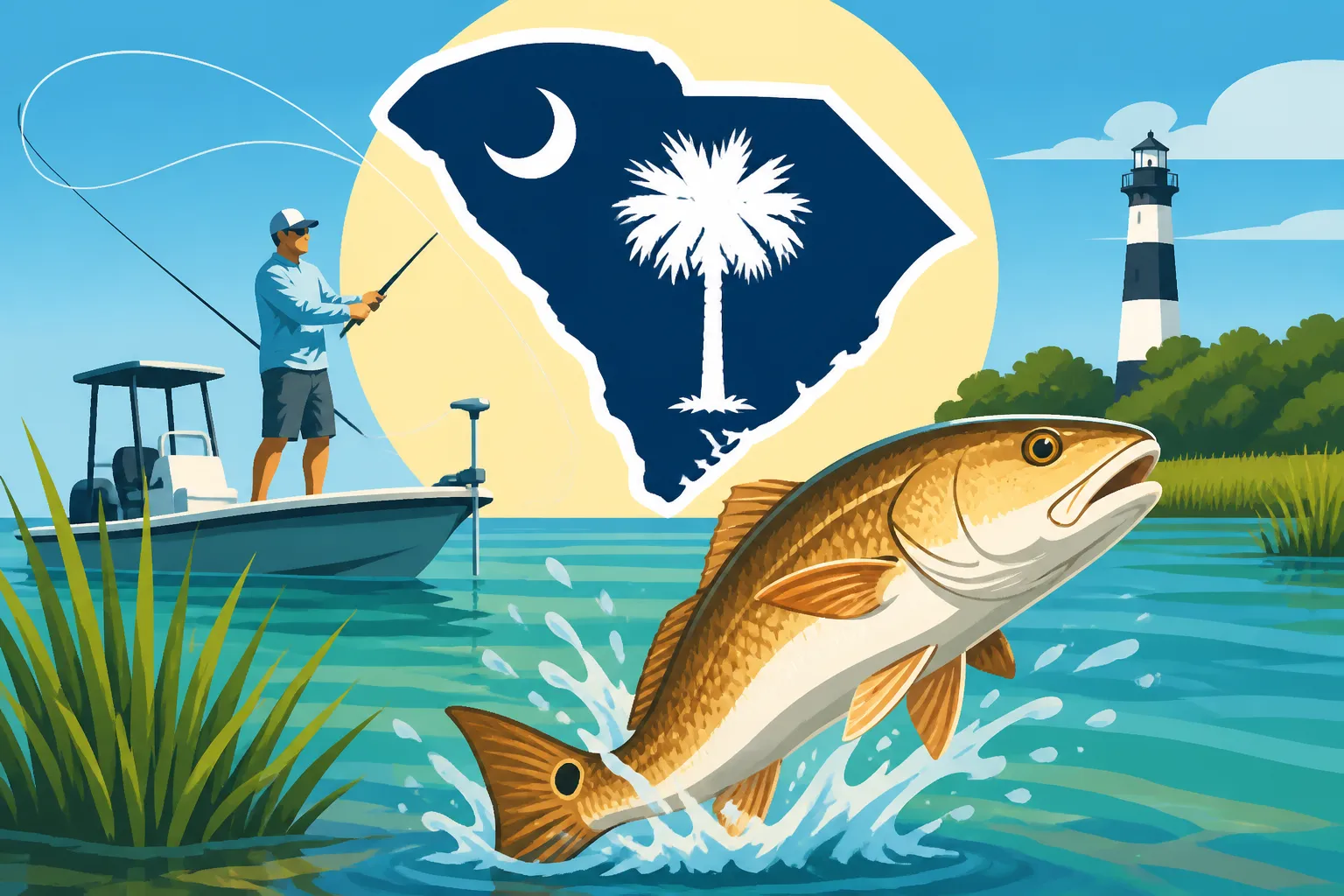
The redfish, or red drum, is arguably the most iconic inshore species in South Carolina. Known for their bronze coloring, powerful fights, and distinctive black spot (or spots) near their tail, redfish are present year-round and can be found across all inshore habitats. They love cruising the shallow grass flats on incoming tides, often "tailing" as they root for crabs and shrimp in the flooded marsh grass. On outgoing tides, they'll often stack up in deeper channels, creek mouths, and around oyster beds, waiting to ambush baitfish being swept out. They're voracious eaters and will hit a wide variety of baits and lures, from live shrimp and cut mullet to artificial soft plastics and topwater plugs.
- Regulations: South Carolina has strict slot limits and bag limits for redfish to protect their populations. Currently, the slot limit typically means you can only keep fish between 18 and 25 inches, with a daily bag limit of three fish per person and a vessel limit of six. These rules are crucial for maintaining a healthy fishery. Always double-check current regulations before heading out, as they can change. For more detailed information on specific rules, consult the guide on South Carolina Redfish Slot Limit Rules.
- Techniques: Sight fishing for tailing reds on the flats is a thrilling experience, often requiring accurate fly or light tackle casts. When they're in deeper water, casting soft plastics on jig heads, fishing live mud minnows or shrimp, or even using topwater lures early in the morning can be highly effective. The key is often patience and understanding how the tides move the fish.
Spotted Seatrout: A Year-Round Favorite
Spotted seatrout, often just called "specks" by locals, are another staple of South Carolina's inshore fishery. Distinguished by the dark spots on their backs and fins, and their sharp canine teeth, these fish are present throughout the year, though their behavior changes with the seasons. They tend to prefer cleaner, clearer water and are often found along grass lines, oyster reefs, and in deeper channels. While they can be caught during the day, early morning, late evening, and even night fishing can be particularly productive.
- Regulations: Like redfish, spotted seatrout are subject to specific size and bag limits to ensure sustainability. South Carolina currently has a minimum size limit of 14 inches and a daily bag limit of 10 fish per person. It’s vital to understand these rules, especially since they can sometimes differ from neighboring states or change seasonally. Familiarize yourself with the Spotted Seatrout Size and Bag Limits in South Carolina before your trip.
- Techniques: Spotted seatrout respond exceptionally well to soft plastic lures fished on a jig head, particularly those mimicking baitfish or shrimp. Popping corks with live shrimp or artificials are also incredibly effective, creating a commotion that draws their attention. They often hold near structure and current breaks, making these areas prime targets. Live bait, like shrimp or small minnows, can be irresistible.
Flounder: Masters of Ambush
The flounder is a unique and highly prized inshore fish, known for its flat body and ability to camouflage perfectly against the bottom. These ambush predators lie in wait, half-buried in sand or mud, striking at unsuspecting baitfish or shrimp that pass by. South Carolina's inshore waters offer excellent flounder fishing, particularly around inlets, creek mouths, docks, and submerged structures. They're a favorite target for their delicious white meat.
- Regulations: Flounder regulations are designed to protect their populations and vary seasonally. Currently, there's a minimum size limit of 16 inches and a daily bag limit of 5 fish per person. These regulations are periodically reviewed and updated, so always consult the latest SCDNR guidelines before fishing.
- Techniques: Flounder fishing often involves slow, deliberate presentations. Live mud minnows, finger mullet, or artificial baits like Gulp! shrimp fished on a Carolina rig or a plain jig head are highly effective. Bouncing the bait slowly along the bottom near structure is key, as flounder won't chase a fast-moving meal. Pier fishing and wade fishing around sand flats at creek mouths can also be very productive for flounder.
Other Exciting Catches
Beyond the "Big Three," South Carolina's inshore waters host a variety of other exciting species. You'll often encounter sheepshead around docks, pilings, and oyster reefs, known for their human-like teeth and challenging fight. Small crabs or barnacles are their preferred bait. Black drum, a larger cousin to the redfish, can be found in similar habitats, often preferring bottom baits like shrimp or cut fish. Even smaller panfish like spot and croaker are abundant, providing great action for kids and bait for larger predators. Knowing how to identify these fish and understanding their preferences will add variety and excitement to your inshore fishing adventures.
Essential Gear and Techniques for Inshore Success
Having the right equipment and understanding how to use it effectively is paramount to success in South Carolina's dynamic inshore environments. From choosing the correct rod and reel combination to selecting the perfect bait and mastering various casting techniques, a well-prepared angler significantly increases their chances of a memorable day on the water.
Rods, Reels, and Line Selection
For general inshore fishing in South Carolina, a medium-light to medium power spinning rod, typically 6'6" to 7'6" in length, is a versatile choice. This allows for accurate casting of a variety of lures and enough backbone to handle a fighting redfish or a good-sized trout. Pair this with a reliable spinning reel in the 2500-4000 series. Brands like Penn, Shimano, and Daiwa offer excellent saltwater-specific reels that can withstand the corrosive effects of saltwater. For your line, braided line is a popular choice for its sensitivity, strength-to-diameter ratio, and casting distance. A 10-20 lb braid is usually sufficient, tied to a 20-30 lb fluorocarbon leader. The leader provides abrasion resistance against oyster shells and fish teeth, and its low visibility can be crucial in clear Lowcountry waters.
When selecting your gear, consider the specific targets and conditions. If you're primarily targeting larger redfish in heavy cover, you might lean towards a medium-heavy rod. For lighter presentations and more finesse fishing for trout, a lighter action rod would be more appropriate. Always rinse your gear thoroughly with freshwater after each trip to prevent salt corrosion, ensuring longevity.
Bait and Lure Strategies for Different Species
The beauty of South Carolina's inshore fishing is the diversity of bait and lure options available. For redfish, live bait like shrimp, mud minnows, or cut mullet rigged on a Carolina rig or under a popping cork are deadly. Artificials like soft plastic paddletails (e.g., Z-Man DieZel Minnowz, D.O.A. C.A.L. Shad) on a jig head, spoons, or topwater plugs (e.g., Heddon Super Spook Jr., MirrOlure Top Dog) can also be incredibly effective, especially during early morning or late evening. For more options, consider reviewing the Best Bait for Redfish in South Carolina's Marsh Creeks.
Spotted seatrout are often caught on similar baits. Live shrimp under a popping cork is a classic for a reason – the noise attracts them, and the scent of the shrimp seals the deal. Soft plastic lures, especially those in natural colors or chartreuse, jigged along grass lines or over oyster beds, are also highly productive. For flounder, live mud minnows or small finger mullet are hard to beat, fished slowly on a Carolina rig. Artificial Gulp! shrimp or swimming mullet also work wonders when slowly dragged across the bottom. The key is to match the hatch – use baits and lures that mimic the prevalent forage in the area you're fishing.
Kayaks, Skiffs, and Wade Fishing Tactics
The shallow, intricate nature of South Carolina's inshore waters lends itself perfectly to various fishing platforms beyond traditional large boats. Kayaks are fantastic for accessing skinny water that larger vessels simply can't reach. They allow for a stealthy approach, crucial when targeting spooky fish in clear, shallow flats. Paddling quietly through the marsh, casting to tailing reds, is an experience every angler should try. Many kayaks are now specifically designed for fishing, offering stability, rod holders, and even pedal drives for hands-free propulsion.
Skiffs, particularly shallow-drafting flats boats, are another popular choice. These boats are designed to run in very little water and get you into the heart of the marsh, offering a stable platform for multiple anglers. They're often powered by outboard motors but can be poled silently across flats for a stealthy approach.
Finally, wade fishing is an often-underestimated tactic. With proper footwear (oyster shells are no joke!), you can quietly stalk the edges of grass flats, oyster rakes, and creek mouths on foot. This allows for an incredibly intimate connection with the environment and minimizes noise and disturbance, often resulting in more bites from wary fish. Always be aware of tides when wading, ensuring you don't get stranded or cut off by rising water.
Navigating Regulations and Conservation
Responsible angling is a cornerstone of maintaining South Carolina's phenomenal inshore fishery for future generations. Understanding and adhering to fishing regulations isn't just about avoiding penalties; it's about actively participating in the conservation efforts that protect these valuable resources. Every angler plays a role in sustaining the health and abundance of our coastal ecosystems.
Understanding South Carolina's Inshore Regulations
The South Carolina Department of Natural Resources (SCDNR) sets specific regulations for saltwater fishing, covering everything from licensing requirements to size limits, bag limits, and gear restrictions. These rules are put in place based on scientific data to ensure sustainable fish populations. For instance, knowing the current redfish slot limit (e.g., 18-25 inches) and the bag limit is crucial. Similarly, there are specific rules for spotted seatrout, flounder, and many other species. Ignorance of the law is no excuse, and wardens regularly patrol these waters.
Before every trip, it's your responsibility to check the latest regulations. They can change annually or even mid-season based on stock assessments. The SCDNR website is your best friend for this, offering up-to-date pamphlets and advisories. Also, remember that you'll need a valid South Carolina Fishing License Guide for saltwater fishing if you're over the age of 16. While fishing with a licensed charter captain often covers the group, if you're going out on your own boat or from the shore, you'll need your own. Make sure you understand details like the South Carolina's $15 Annual Saltwater Fishing License Explained if you're a resident.
Importance of Catch and Release
While keeping a few legal-sized fish for dinner is a cherished part of fishing for many, embracing catch and release practices, especially for larger breeding-size fish or when you've already met your bag limit, is incredibly important for conservation. Larger fish contribute more significantly to spawning success, and releasing them ensures they can continue to reproduce.
When practicing catch and release, handle fish with care. Minimize their time out of the water, use appropriate tools like dehookers to remove hooks quickly, and support the fish horizontally. Avoid touching their gills or eyes. For larger redfish, which are often "bull reds" over the slot limit, it's especially critical to revive them thoroughly before release, allowing them to regain their strength and swim off strongly. Many anglers find immense satisfaction in knowing they've contributed to the health of the fishery by responsibly releasing a beautiful game fish.
Protecting Our Coastal Ecosystems
Our inshore fishing spots are inextricably linked to the health of the broader coastal ecosystem. The vast salt marshes, oyster reefs, and seagrass beds are not just pretty scenery; they are vital nurseries for countless marine species, filtering water and protecting shorelines. As anglers, we have a responsibility to be stewards of this environment.
- Trash Management: Always pack out everything you pack in. Loose fishing line, plastic bags, and bait containers can be deadly to wildlife.
- Minimal Impact: Avoid disturbing fragile marsh grasses or running aground on oyster reefs, which can cause irreparable damage. Stay in designated channels where possible.
- Chemical Responsibility: Dispose of old fishing line, motor oil, and other chemicals properly. Avoid using harsh chemicals near water bodies.
- Respect Wildlife: Observe wildlife from a distance and avoid disrupting nesting birds or marine mammals.
By being mindful of our impact, we can ensure that these incredible inshore fishing spots remain vibrant and productive for generations of anglers to come.
Planning Your Inshore Fishing Adventure
Embarking on an inshore fishing trip in South Carolina is an exciting prospect, but a little planning goes a long way toward making it a truly successful and enjoyable experience. From deciding whether to hire a guide to understanding the best times to visit, thoughtful preparation can significantly enhance your chances of reeling in that trophy catch or simply having a fantastic day on the water.
Choosing a Fishing Charter or Guide
For many visitors or those new to South Carolina's intricate inshore waters, hiring a local fishing charter or guide is an invaluable investment. These professionals possess an intimate knowledge of the local tides, fish behavior, and specific hotspots, often updated daily. They provide all the necessary gear, bait, and most importantly, the expertise to put you on fish. A good guide will also educate you on local regulations and conservation efforts.
When choosing a guide, consider their specialization (e.g., fly fishing for redfish, light tackle for trout), their boat size (which dictates access to shallower water), and their reputation. Websites like FishingBooker are excellent resources for finding reputable captains in areas like Hilton Head or Charleston, allowing you to read reviews and compare offerings. Many guides offer half-day (4-hour) and full-day (8-hour) trips, with half-day options often being perfect for beginners or those with limited time. For larger groups, a private charter is ideal, but shared charters can be a more budget-friendly option for solo anglers. For more on this, check out our guide on Hilton Head Redfish Fishing Charter Trips. Don't forget to ask about what's included (license, bait, tackle) and customary gratuities for your hard-working captain and mate.
Best Times of Year to Visit
South Carolina boasts excellent inshore fishing opportunities year-round, but the best time to visit often depends on your target species and preferred weather.
- Spring (March-May): This is a fantastic time as water temperatures rise. Redfish become very active, moving onto the flats. Spotted seatrout and flounder fishing heats up. The weather is generally pleasant, and baitfish start to become abundant.
- Summer (June-August): While it can be hot, summer offers excellent fishing, especially early mornings or late evenings. Redfish, trout, and flounder are all present. Tarpon make their migratory appearance, offering a unique challenge for skilled anglers. Summer evenings also mean great opportunities for night fishing, especially for trout.
- Fall (September-November): Many consider fall the absolute prime time for inshore fishing in South Carolina. Water temperatures cool, fish feed aggressively in preparation for winter, and "bull reds" can be found schooling up near inlets. The weather is glorious, and baitfish are everywhere.
- Winter (December-February): Don't dismiss winter! While some species slow down, redfish often school up in large numbers in deeper, warmer holes, offering incredible sight fishing opportunities on sunny days. Trout can also be found in deeper channels. It's a quieter time on the water, often yielding quality catches. To prepare for your trip, consider checking Best Time of Year to Fish South Carolina's Coast.
Local Resources and Bait Shops
Before heading out, connect with local resources. Bait and tackle shops are invaluable. The staff often provide real-time fishing reports, advice on what's biting, and what baits or lures are working best. They can also tell you about local access points, boat ramps, and any temporary regulations or advisories. These shops are not just places to buy gear; they are community hubs for anglers.
Many coastal towns also have local fishing forums or social media groups where anglers share information and tips. A quick online search for "Charleston fishing report" or "Hilton Head bait shops" will typically yield a wealth of local knowledge. Always be polite and respectful when asking for information, as local knowledge is often hard-earned. These connections can turn a good fishing trip into a truly legendary one.
| Inshore Hotspot | Primary Species Targeted | Best Time of Year | Typical Water Depth | Recommended Gear |
|---|---|---|---|---|
| Charleston Harbor | Redfish, Seatrout, Flounder, Sheepshead | Year-round, Fall/Spring peak | 3-15 ft, tidal creeks vary | Medium-light spinning, 10-20lb braid, jig heads, live shrimp |
| Murrells Inlet | Redfish, Seatrout, Flounder | Year-round, Fall/Spring peak | 2-10 ft, deep channels | Medium spinning, 15lb braid, popping corks, soft plastics |
| Hilton Head Estuaries | Redfish, Seatrout, Flounder | Year-round, Fall/Spring peak | 1-8 ft, extensive flats | Medium-light spinning, 10lb braid, weedless lures, live mud minnows |
| Winyah Bay | Redfish, Seatrout, Flounder, Black Drum | Year-round, Fall/Spring peak | 4-20 ft, brackish areas | Medium spinning, 20lb braid, cut bait, large soft plastics |
| Beaufort Rivers/Sound | Redfish, Seatrout, Flounder | Year-round, Fall/Spring peak | 2-12 ft, clear creeks | Medium-light spinning, 10-15lb braid, sight fishing lures, live shrimp |
Disclaimer
Fishing conditions, regulations, and access can change rapidly. Always consult the official South Carolina Department of Natural Resources (SCDNR) website for the most current information regarding fishing licenses, bag limits, size restrictions, and any emergency closures before planning your trip. This guide is for informational purposes only and does not supersede state or local regulations.