What to Wear on a Hilton Head Fishing Charter
Heading out for a fishing charter from Hilton Head Island is an exciting prospect, but if you've never done it before, you might find yourself staring blankly at your closet, wondering what on earth to wear. The coastal weather can be a real chameleon, shifting from chilly mornings to blazing afternoons, often with a sprinkle of sea spray thrown in for good measure. This comprehensive guide is here to take the guesswork out of your packing, ensuring you're comfortable, protected, and ready to reel in that big catch, no matter what the South Carolina weather decides to do.
Dressing for the Hilton Head Climate: Layers are Your Best Friend
Ah, Hilton Head! It's a beautiful place, but anyone who lives or fishes here knows that the weather forecast can sometimes feel like a suggestion rather than a rule. One minute it's crisp and cool, the next the sun is beating down, and then a quick shower rolls through. That's why the golden rule for any South Carolina fishing trip, especially one out on the water, is layers, layers, layers! Trust me on this one; you'll thank me when you're peeling off a fleece at midday instead of shivering through the morning.
Understanding Coastal Weather Swings
Picture this: you're heading out to the docks at dawn for an early charter. The air is cool, perhaps a bit breezy, and the thought of a warm cup of coffee is just as appealing as the promise of biting fish. You bundle up, feeling smart. But then, as the sun climbs higher, and you're miles offshore or deep in the inshore creeks, that cool morning air might transform into a surprisingly intense warmth. What felt perfect at 6 AM feels like a full-body sauna at 10 AM.
The speed of the boat also plays a huge role in how warm or cool you feel. Cruising at 20 knots across the open water, even on a warm day, creates a significant wind chill that can make you feel much colder than you are. Then, when the boat slows down for fishing, that wind chill disappears, and the sun's intensity immediately takes over. Even on cloudy days, the sun's UV rays penetrate, leading to unexpected sunburns. And let's not forget the possibility of a sudden, brief rain shower or constant sea spray from the boat's movement. Being prepared for all of these scenarios is key to enjoying your time on the water.
The Art of Layering: Tops and Bottoms
Mastering the art of layering isn't just about throwing on extra clothes; it's about choosing the right materials and types of garments to adapt to changing conditions. You want to be able to add or shed layers easily throughout your trip.
When it comes to your base layer, think moisture-wicking. This is the layer closest to your skin, and its job is to pull sweat away from your body, keeping you dry and preventing that clammy, chilled feeling if you get wet. Materials like polyester, nylon, or merino wool are fantastic choices. Cotton, on the other hand, is your enemy here. Once cotton gets wet, whether from sweat or sea spray, it stays wet, making you cold and uncomfortable. Trust me, there’s nothing worse than a cold, damp cotton shirt rubbing against you on a breezy boat.
Your mid-layer is all about insulation. This is what provides warmth when temperatures drop. A lightweight fleece jacket, a synthetic puffy vest, or a long-sleeve performance shirt can fit the bill perfectly. This layer should be easy to put on over your base layer and take off if things heat up. It traps warm air close to your body, providing that much-needed comfort when the wind picks up or the sun hides behind the clouds.
Finally, the outer layer is your shield against the elements. This needs to be wind and waterproof, especially for offshore trips or days with even a slight chance of rain. A lightweight rain jacket or a dedicated fishing shell will protect you from sea spray, unexpected downpours, and biting winds. Look for something breathable so you don't overheat while staying dry. Many anglers find excellent options by searching for "South Carolina offshore fishing jackets" which are designed to handle salty air and wet conditions.
For your bottoms, quick-drying shorts or pants are the way to go. Again, avoid heavy cotton jeans which soak up water and take forever to dry, leaving you feeling heavy and uncomfortable. Performance fishing pants, often made from nylon or similar synthetic blends, offer sun protection, flexibility, and dry incredibly fast. On a hot summer day, quick-drying shorts are perfect. For cooler weather or added sun protection, lightweight convertible pants that zip off into shorts can be a fantastic versatile option.
Let's imagine a scenario: You board your charter from Hilton Head at 7 AM. It's 55 degrees, and you're wearing a long-sleeve synthetic base layer, a fleece jacket, and waterproof outer shell. As the boat speeds out, you're cozy. By 9 AM, the sun is out, it's 70 degrees, and you shed the shell and fleece. You're now comfortable in your base layer. Later, a pop-up shower hits, and you quickly put your shell back on, staying dry. This adaptable approach is precisely what makes your trip enjoyable. Remember, even if the forecast says sunny, a light rain jacket is never a bad idea when you're on the water.
Essential Gear Beyond the Clothes: Protecting Yourself Head to Toe
While dressing in layers is crucial, your comfort and safety on a Hilton Head fishing charter extend beyond just your core clothing. There are several other items that might seem minor but make a huge difference in your overall experience, from protecting you from the elements to keeping you safe around fishing gear.
Head and Face Protection
The South Carolina sun can be unforgiving, even on cloudy days. Protecting your head and face is non-negotiable for preventing sunburn and heatstroke.
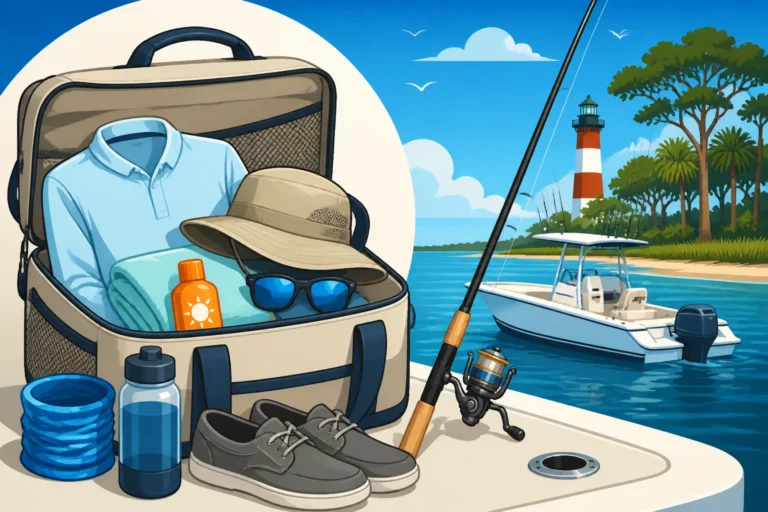
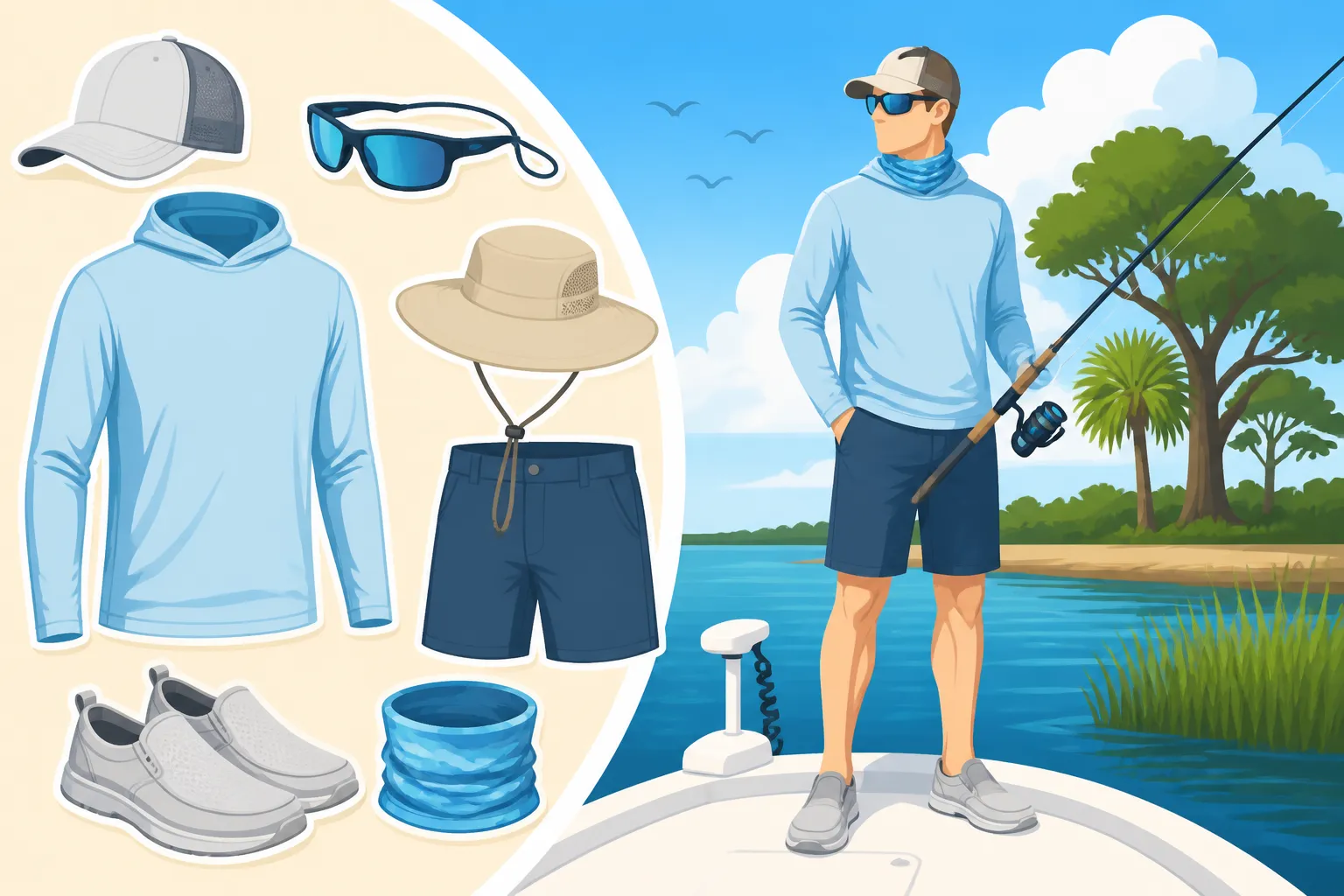
A good hat is your first line of defense. A wide-brimmed hat offers maximum protection for your face, ears, and neck from the sun. If you prefer a baseball cap, make sure to apply extra sunscreen to your ears and neck, or pair it with a neck gaiter (more on those in a moment). A hat also helps keep rain and sea spray out of your eyes, improving visibility.
Polarized sunglasses are an absolute must. They do more than just protect your eyes from harmful UV rays; they significantly reduce glare off the water, allowing you to see deeper into the water. This can be a game-changer for spotting fish, especially in the clear inshore waters around Hilton Head. Imagine being able to see a redfish cruising in a grass flat or a school of baitfish getting busted – polarized lenses make it possible. Plus, they offer protection from errant hooks or lures, which, while rare on a well-managed charter, is always a possibility.
Don't forget sunscreen! A high-SPF, waterproof formula is essential. Apply it generously to all exposed skin – face, neck, ears, hands, and any part of your legs if wearing shorts. Reapply frequently, especially after handling fish, wiping sweat, or getting splashed. Sunburn can quickly ruin an otherwise fantastic day on the water. A good lip balm with SPF will also save your lips from getting chapped and burned.
Footwear Considerations for Safety and Comfort
Your choice of footwear is about more than just comfort; it's a critical safety consideration on a boat.
Always opt for closed-toe shoes. While flip-flops might seem appealing for a beach vacation, they are a hazard on a fishing boat. Hooks, weights, and even the occasional dropped tool are common occurrences, and you don't want your toes exposed. Moreover, boat decks can get slippery, whether from fish slime, water, or bait. Closed-toe shoes with good grip provide much better stability and protection.
Look for shoes with non-marking soles. This is a courtesy to the boat captain, as dark soles can leave scuffs on the deck. Many boat shoes, deck boots, or athletic shoes are designed with non-marking outsoles. Water-resistant or quick-drying materials are also a huge plus. Shoes made from mesh, synthetic leather, or rubber will dry much faster than canvas or traditional leather if they get wet. Think sturdy boat shoes, deck boots, or even specialized water sandals like Keen, which offer excellent toe protection and grip.
Hand Protection and Accessories
Your hands are constantly at work when fishing, and they need some love too!
Fishing gloves can be incredibly beneficial. They offer protection from the sun, especially the backs of your hands which are often overlooked for sunscreen. They also provide a better grip on rods and reels, even when wet, and can protect your hands when handling fish with rough skin, sharp fins, or teeth. Many come with cut-off fingers for better dexterity, or full-finger options for maximum sun protection.
Finally, a bandana or a sun buff (neck gaiter) is a surprisingly versatile accessory. You can wear it around your neck for sun protection, pull it up over your face to protect your nose and cheeks, or even use it as a headband to keep sweat out of your eyes. It’s small, lightweight, and can make a big difference in preventing sunburn and keeping you comfortable.
Practical Considerations and What to Avoid
When preparing for your Hilton Head fishing adventure, it's not just about what you should wear, but also what you shouldn't and some general advice to make your trip smoother. Being practical about your choices can prevent discomfort and ensure you're fully prepared for the day ahead.
Material Matters: What Works and What Doesn't
We've touched on this, but it bears repeating: cotton is generally a poor choice for fishing attire. When cotton gets wet – whether from sea spray, rain, or sweat – it loses its insulating properties and takes an incredibly long time to dry. This can lead to you feeling chilled and miserable, especially if there's any breeze. Save your favorite cotton t-shirt for dinner on land.
Instead, lean heavily on synthetics like polyester, nylon, and other performance blends, or natural materials like merino wool. These fabrics are designed to wick moisture away from your skin, dry quickly, and often offer built-in UPF (Ultraviolet Protection Factor) for sun protection. Many fishing-specific brands make excellent long-sleeve shirts that are light, breathable, and offer serious sun defense.
Choosing light colors for your clothing is also a smart move, especially on sunny days. Lighter hues reflect sunlight, helping to keep you cooler, whereas darker colors absorb heat. This might seem minor, but every little bit helps when you're under the South Carolina sun for hours.
Storage and Personal Items
Space on a fishing charter, especially on smaller inshore boats, can be limited. Being mindful of what you bring and how you store it is important.
A dry bag or a waterproof backpack is an absolute essential. This is where you'll stash your phone, wallet, camera, car keys, and any extra layers you've shed. Even if you think your day will be perfectly dry, a sudden splash from a wave, an unexpected rain shower, or even just sitting something down in a puddle of water on the deck can wreak havoc on electronics and other valuables. A small dry bag gives you peace of mind.
Practice minimalism when packing. You don't need five different outfits. Bring only what you need for the trip itself. A few layers, your protective gear, and your essentials are usually sufficient. Overpacking can clutter the boat and make it harder for both you and the crew to move around safely.
If you're prone to seasickness, take preventative medication before you board the boat, ideally an hour or so beforehand. Trying to take it after you're already feeling queasy is often too late and less effective. Chat with your doctor if you have concerns, but being proactive here can save your trip. You can often find great advice on charter specifics by browsing options on platforms like FishingBooker, which often include details on what is provided and what you should bring.
Consulting Your Charter Captain
This might be the most valuable tip of all: always check with your specific charter company or captain before your trip. They are the experts on their vessel and the local conditions. They can provide tailored advice based on the forecast for your specific day, the type of fishing you'll be doing (e.g., Hilton Head Inshore Fishing Charter Prices vs. deep-sea offshore trips), and even the season.
A good captain will be happy to answer questions about what to wear, what to bring, and what to expect. Some charters might even provide certain gear, like rain suits, though it's always best to come prepared with your own. For example, a captain running a Hilton Head Half-Day Fishing Charter Cost for inshore redfish might have slightly different recommendations than one heading way out for tuna. A quick call or email can clear up any doubts and ensure you're perfectly equipped for your adventure. You can usually find contact information for these charters when booking through services like FishingBooker.
Seasonal Specifics for Hilton Head Fishing
Hilton Head Island enjoys a relatively mild climate year-round, but there are distinct differences between the seasons that will influence your clothing choices for a fishing charter. Understanding these nuances will help you optimize your comfort and protection.
Summer Fishing Attire
Oh, those long, sunny South Carolina summer days! From June through August, temperatures on Hilton Head are typically hot and humid, often reaching into the 80s and 90s Fahrenheit. The sun's intensity is at its peak.
For summer fishing, your primary focus should be on lightweight, breathable, and maximum sun-protective clothing. Think long-sleeve, loose-fitting shirts made from performance fabrics with high UPF ratings. These shirts are designed to keep you cool by wicking away sweat while providing a physical barrier against harmful UV rays, which is often more effective than relying solely on sunscreen. Lightweight fishing pants or quick-drying shorts are perfect for bottoms. Wide-brimmed hats are especially important, as are polarized sunglasses. Hydration is absolutely key in the summer. Bring plenty of water and electrolyte drinks, and sip throughout the day. Even if you feel cool on the boat due to the breeze, dehydration can sneak up on you fast.
Fall and Spring Transition Attire
The shoulder seasons of spring (March-May) and fall (September-November) are often considered some of the best times to fish in South Carolina, but they also bring the most variable weather. This is where the layering strategy truly shines.
Spring can start quite cool in March, with mornings in the 40s or 50s, warming to the 60s or 70s by afternoon. April and May typically see warmer temperatures, but cooler mornings and evenings persist, and pop-up showers are common. Fall generally follows a similar pattern, starting warm in September and gradually cooling through October and November.
During these transition months, you'll want to layer more heavily than in summer. Start with a moisture-wicking base layer, add a warm mid-layer like a fleece or light jacket, and always have a good quality wind and waterproof outer shell. Convertible pants are excellent, allowing you to adapt from cool mornings to warmer afternoons. Be prepared for potentially strong winds, which can make even a mild day feel chilly on the water. Check the forecast not just for temperature but also for wind speed and chance of rain. You might want to refer to Best Time of Year to Book a South Carolina Fishing Charter for more insights on seasonal variations.
Winter Fishing Attire
While Hilton Head winters are mild compared to many northern climates, don't underestimate the chill on the water, especially during early morning departures from December through February. Air temperatures can easily drop into the 30s or 40s, and with the added wind chill from boat speed, it can feel much colder.
For winter fishing, prioritize warmest layers and serious waterproof outerwear. A thermal base layer (long underwear) under your fishing pants or quick-drying shorts can make a huge difference. On top, multiple warm layers, including a heavy fleece or even a puffy jacket, are advisable. Your outer shell should be robustly wind and waterproof. Don't forget a warm hat that covers your ears, thermal socks, and potentially waterproof gloves. While the sun may be less intense, sunscreen is still important, as UV rays reflect off the water.
Even if you're only going for a South Carolina Half-Day Charter Fishing Cost, staying warm and dry is paramount to enjoying the trip in cooler months. Remember, it's always easier to remove a layer if you get too warm than to magically conjure one if you're freezing! And for a complete picture of your trip, don't forget to review What's Included in a South Carolina Charter Fishing Trip as some charters might offer certain cold-weather gear.
| Clothing Item | Summer | Spring/Fall | Winter |
|---|---|---|---|
| Base Layer (Top) | Lightweight, long-sleeve, UPF-rated shirt | Moisture-wicking long-sleeve shirt | Thermal long-sleeve shirt |
| Mid Layer (Top) | N/A (Optional light fishing shirt) | Lightweight fleece or jacket | Heavy fleece, puffy jacket, or insulated vest |
| Outer Layer (Top) | Lightweight rain jacket (for showers/spray) | Wind/waterproof shell | Heavy wind/waterproof jacket |
| Bottoms | Quick-drying shorts or lightweight pants | Quick-drying pants (convertible ideal) | Thermal base layer + waterproof pants |
| Headwear | Wide-brimmed hat or cap | Wide-brimmed hat or cap (maybe beanie for cool mornings) | Warm beanie or insulated hat |
| Eyewear | Polarized sunglasses (essential) | Polarized sunglasses (essential) | Polarized sunglasses (essential) |
| Footwear | Closed-toe, quick-drying boat/deck shoes | Closed-toe, water-resistant boat/deck shoes | Waterproof boots or heavy boat shoes |
| Socks | Moisture-wicking athletic socks | Moisture-wicking athletic socks | Thermal socks |
| Gloves | Sun protection fishing gloves (optional) | Sun protection/light fishing gloves | Warm, waterproof fishing gloves |
| Accessories | Sun buff, sunscreen, lip balm, dry bag | Sun buff, sunscreen, lip balm, dry bag | Sunscreen, lip balm, dry bag, hot packs (optional) |
Disclaimer
This article is for general informational purposes only and does not constitute professional advice. Laws, prices and regulations vary by location and change over time. Consult a qualified professional for guidance on your specific situation.