Inshore Trout Fishing Techniques for Beginners
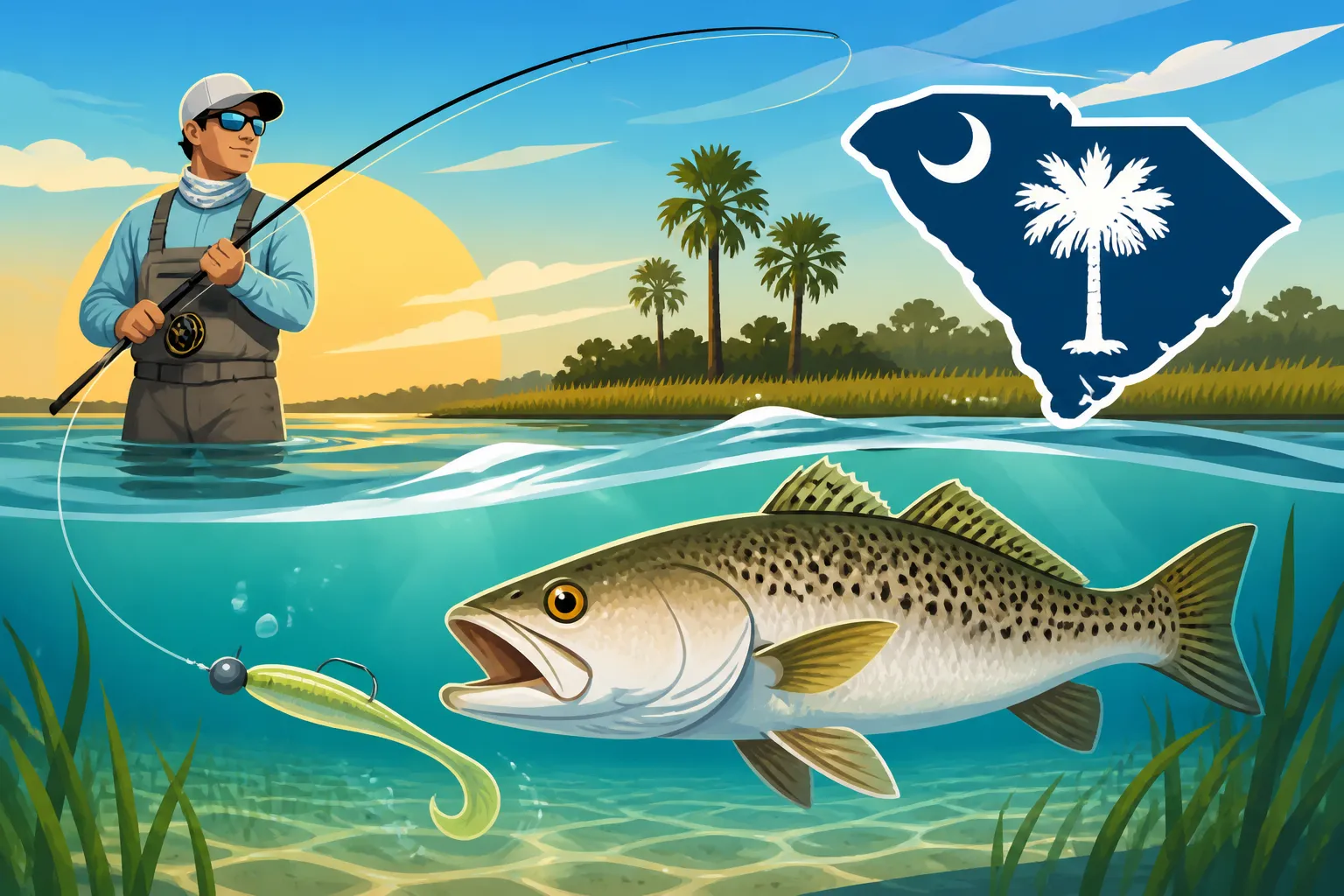
If you've ever stood on a dock or the edge of a South Carolina marsh, watching experienced anglers effortlessly pull in speckled trout, you might feel a little intimidated. It seems like there's a secret handshake or a special trick to it, doesn't it? Well, you're not wrong to feel that way; inshore trout fishing can definitely have its nuances. But I'm here to tell you that with a few straightforward techniques and a clear understanding of your target, you can absolutely enjoy the thrill of catching these beautiful fish. This guide will demystify inshore trout fishing, giving beginners like you the confidence and know-how to start reeling in South Carolina's spotted seatrout.
Understanding South Carolina's Inshore Spotted Seatrout
Before you even cast a line, it's incredibly helpful to get inside the head of a spotted seatrout. Knowing where they live, what they like to eat, and the rules around catching them will instantly boost your chances of success and make your time on the water more productive.
Where to Find Them: Grass Flats, Oyster Beds, and Creeks
Spotted seatrout, often just called "specks" or "spotted trout," are creatures of habit when it comes to their preferred hangouts. They absolutely love the shallow, brackish waters of our estuaries, particularly areas that offer a combination of food and ambush points. Think about the Lowcountry's expansive grass flats – those lush, green underwater meadows are prime real estate. They provide cover for trout to hide from predators and ample hunting grounds for the baitfish and crustaceans they feast on.
Oyster beds are another hotspot. These rugged formations act like natural reefs, attracting all sorts of smaller organisms that trout find delicious. When the tide washes over these beds, it dislodges crabs, shrimp, and tiny fish, creating a smorgasbord for hungry trout. Similarly, the myriad of smaller creeks and tidal guts that wind through the marsh are fantastic places to find them, especially where these smaller channels merge with larger bodies of water, creating current funnels. Trout often stage themselves in these areas, waiting for the tide to deliver their next meal. Understanding where to look for them is half the battle won, allowing you to focus your efforts on high-percentage areas.
What They Eat: The Trout's Diet
Trout aren't particularly picky eaters, but they definitely have their favorites. Their diet largely consists of whatever is most abundant and easiest to catch in their environment. Here in South Carolina, that often means shrimp, small finger mullet, and mud minnows. These are the primary forage items you'll want to imitate with your baits and lures.
They're opportunistic predators, meaning if something looks like an easy meal swimming by, they're likely to strike. This is great news for beginners, as it means you don't always need the most intricate lure presentations. Sometimes, just putting a live shrimp or a realistic soft plastic in the right place at the right time is all it takes. During certain seasons, they might also key in on crabs or even smaller baitfish species like glass minnows. The key is to match the hatch, so to speak, by using baits and lures that resemble what the trout are naturally eating in the area you're fishing.
South Carolina's Spotted Seatrout Regulations for Beginners
One of the most crucial aspects of being a responsible angler is knowing and adhering to the local fishing regulations. It's not just about avoiding fines; it's about helping to conserve our precious fisheries for future generations. For spotted seatrout in South Carolina, there are specific rules regarding minimum size limits and daily bag limits. These regulations can change, so it's always wise to check the most current information before every trip. You'll want to be familiar with the official guidelines, such as the comprehensive South Carolina Spotted Seatrout Fishing Regulations Explained.
Keep in mind that while you might be excited to keep every fish you catch, understanding how to identify a keeper-size spotted seatrout by eye is an important skill to develop. Sometimes, regulations also include restrictions on certain fishing methods during specific times of the year, like the well-known South Carolina's Winter Gigging Ban for Seatrout. Familiarizing yourself with these nuances ensures you're fishing legally and ethically.
Essential Gear for Beginner Inshore Trout Fishing
Walking into a tackle shop can be overwhelming with the sheer number of rods, reels, and lures on display. As a beginner, you don't need to break the bank or have a highly specialized setup. Starting with a few reliable, versatile pieces of equipment will get you on the water and catching fish quickly.
Rod, Reel, and Line Selection
For inshore spotted seatrout, a light to medium-light spinning rod and reel combo is your best friend. Why spinning gear? Because it's incredibly user-friendly for beginners, making casting light lures and baits much easier to master than baitcasting setups.
- Rod: Look for a spinning rod between 6 feet 6 inches and 7 feet 6 inches in length, with a "fast" action. This means the rod bends mostly in the tip section, giving you good sensitivity to feel subtle bites and enough backbone to handle a feisty trout. A medium-light power is usually perfect, allowing you to cast lighter lures but still having enough strength to control a decent-sized fish. Many excellent beginner-friendly combos can be found on retailers like Amazon, offering great value.
- Reel: Pair your rod with a spinning reel in the 2500 to 3000 series size. These reels hold enough line for inshore fishing and are light enough to cast comfortably all day. Ensure it has a smooth drag system, which is crucial for fighting fish without breaking your line.
- Line: For your main line, 10 to 15-pound braided line is a fantastic choice. Braid offers incredible sensitivity, allowing you to feel even the lightest taps, and it casts a mile. Because braid is visible to fish, you'll want to tie on a fluorocarbon leader. A 15 to 20-pound fluorocarbon leader, about 2-3 feet long, is practically invisible underwater and provides abrasion resistance against oyster shells and fish teeth.
Basic Lures and Baits That Work
When you're starting out, keep your bait and lure selection simple. The goal is to present something appetizing to the trout without overcomplicating things.
- Live Bait: There's no denying that live bait is often the most effective choice, especially for beginners. Live shrimp are absolute trout candy. A lively mud minnow, often called a killifish, is another excellent option. These can be fished under a popping cork or free-lined, depending on the current and depth. When you're just learning, observing how trout react to live bait can teach you a lot about their feeding habits.
- Soft Plastic Lures: These are incredibly versatile and effective. Look for soft plastic paddletails or grub tails in lengths ranging from 3 to 4 inches. Colors like white, chartreuse, clear with glitter, and "new penny" (a brownish-orange) are perennial favorites that mimic shrimp and baitfish. You'll usually rig these on a jig head, which we'll discuss in the terminal tackle section. Many experienced anglers keep a variety of these soft plastics on hand, often buying them in bulk from sites like Amazon for convenience.
- Popping Corks: While not a bait itself, a popping cork is an indispensable tool for fishing live bait and even some soft plastics. It suspends your bait at a desired depth and, when retrieved with a twitch, creates a "chugging" sound that mimics a shrimp flicking its tail, attracting trout.
Terminal Tackle You'll Need
"Terminal tackle" refers to all the bits and pieces you tie onto the end of your fishing line. Having the right assortment is key to rigging your baits effectively.
- Jig Heads: These are weighted hooks specifically designed for rigging soft plastics. For trout fishing, 1/8 ounce to 1/4 ounce jig heads are generally sufficient. Make sure the hook size is appropriate for your soft plastic (typically 1/0 to 3/0). The weight allows you to cast your lure and get it down to where the fish are.
- Hooks: If you're using live bait without a jig head, small circle hooks or J-hooks in sizes 1/0 to 2/0 are common. Circle hooks are excellent for beginners as they tend to hook fish in the corner of the mouth, reducing gut-hooking and making release easier.
- Weights/Sinkers: While jig heads provide weight for soft plastics, you might need split shot or small egg sinkers if you're free-lining live bait in a current or trying to get it deeper.
- Swivels: Small barrel swivels or ball-bearing swivels can be useful for connecting your main line to your leader, helping to prevent line twist, especially if you're using a popping cork setup.
- Leader Material: As mentioned, fluorocarbon leader material in 15-20 pound test is essential. It's tough, clear, and provides a buffer between your braid and the fish. You can buy spools of this in varying lengths, and it's another item that's readily available on Amazon.
Here’s a quick overview of beginner-friendly bait and lure options for inshore trout:
| Bait/Lure Type | Best For | Beginner Friendliness | Pros | Cons |
|---|---|---|---|---|
| Live Shrimp | All conditions | Very High | Natural movement, strong scent, highly effective | Requires keeping alive, can be expensive |
| Mud Minnows | Tougher conditions | High | Hardy, good in murky water, can catch larger trout | Slower retrieve, less active than shrimp |
| Soft Plastic Paddletail | Mimicking baitfish | Medium-High | Versatile, various colors, no need to keep alive | Requires some retrieve technique, no natural scent |
| Soft Plastic Grub Tail | Slow retrieves, jigging | Medium-High | Simple action, good for deeper water, inexpensive | Less realistic profile than paddletail |
| Popping Cork | Enhancing live/soft bait | High | Attracts fish, easy to suspend bait at depth | Can be bulky, not ideal for stealthy presentations |
Fundamental Inshore Trout Fishing Techniques
Now that you've got your gear sorted, let's talk about how to actually use it to entice those trout. These techniques are straightforward and highly effective for beginners.
Fishing with Live Bait Under a Popping Cork
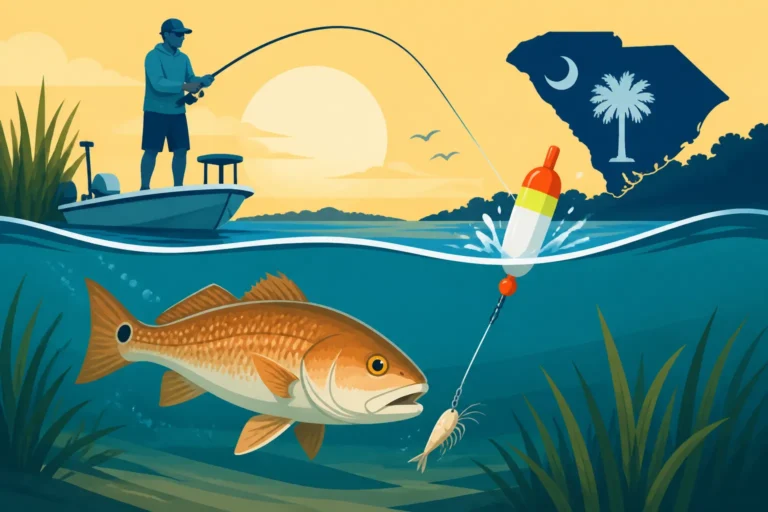
This is perhaps the quintessential beginner's technique for spotted seatrout in South Carolina, and for good reason—it works! The popping cork rig is simple, visual, and highly effective, especially when you're fishing over grass flats or near oyster beds.
Here's how to set it up and use it:
- Rigging: Tie your fluorocarbon leader to your main line (using a uni-to-uni knot is common). Then, slide your popping cork onto your leader, followed by a small weight (like a split shot or a small egg sinker) just above your hook. The leader length from the cork to the hook should be adjusted so your bait sits just above the grass or oyster shell, typically 1.5 to 3 feet deep. Finally, tie on a 1/0 or 2/0 circle hook.
- Baiting: Hook a live shrimp through the horn (the hard spike on its head) or just under the dark spot on its back. If using a mud minnow, hook it through the lips or just behind the dorsal fin.
- Casting: Cast your rig out towards areas you suspect hold trout – remember, grass lines, oyster beds, and creek mouths are prime spots.
- Retrieving and Popping: Let your cork sit for a few seconds. Then, give your rod tip a sharp, short twitch. This "pops" the cork on the surface, creating a distinct "chugging" sound and splash, mimicking a shrimp or baitfish trying to escape. Let it sit again for 5-10 seconds, then repeat. The idea is to create an intermittent commotion that attracts attention without being constant or overwhelming.
- Detecting Bites: When a trout strikes, your cork will usually disappear under the water with a splash. Resist the urge to jerk the rod immediately. With a circle hook, simply start reeling smoothly and firmly. The fish will hook itself as the line tightens. This method is incredibly visual and exciting, making it perfect for those just starting out.
Soft Plastic Techniques for Artificial Lures
Once you're comfortable with live bait, transitioning to soft plastics is a natural next step. They offer more versatility in terms of presentation and can be very effective. Many anglers swear by Best Lures for Spotted Seatrout in Grass Flats and you'll often find these recommendations include soft plastics.
- Rigging: Most soft plastics for trout are rigged on jig heads. Simply thread the soft plastic body onto the jig head so it sits straight and naturally, with the hook point exposed.
- Jigging: This is the most common technique. Cast your rigged soft plastic out and let it sink to the desired depth. Once it's there, raise your rod tip sharply (a "pop" or "jerk"), then immediately drop it back down, allowing the lure to fall on a slack line. This mimics a fleeing or injured baitfish. As it falls, keep a light tension on your line to feel for subtle bites. Many trout hit the lure on the fall. Reel in the slack and repeat.
- Slow Retrieve: Sometimes, a steady, slow retrieve with occasional twitches is all it takes. This is particularly effective with paddletail lures, whose tails will swim enticingly even with minimal movement. Experiment with the speed until you find what the fish prefer.
- Mimicking Baitfish: Always try to make your lure look alive. Think about how a shrimp or minnow moves in the water. Short, sharp jerks, pauses, and slow glides can all trigger a strike. It's a dance between your rod tip and the lure. Don't be afraid to experiment with retrieve speeds and jigging actions.
Reading the Tides and Water Conditions
Understanding the tides is arguably one of the most critical elements of successful inshore fishing, especially for trout. The Lowcountry's tides are constantly moving water in and out of the marsh, and this movement dictates where and when trout feed.
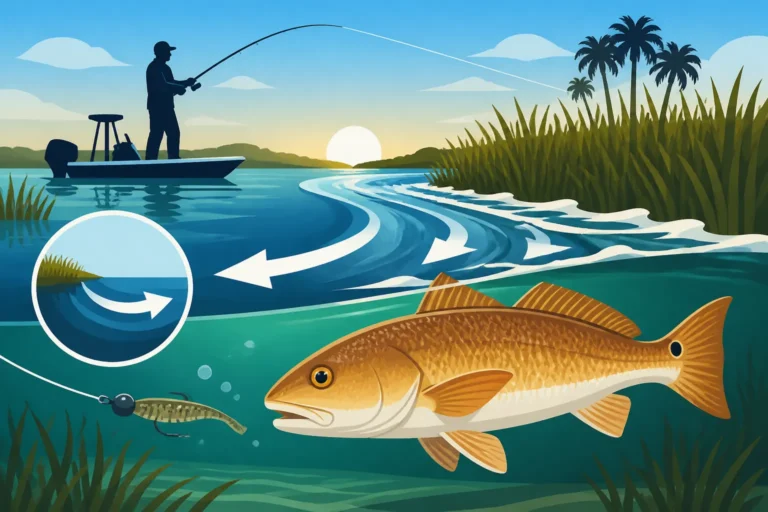
- Tide Influence: Trout often move with the tides. During an incoming tide, they'll push into the grass flats and shallow creeks, following the bait that moves in with the water. As the tide starts to fall, they'll often position themselves in ambush points along creek mouths, oyster bars, or deeper channels, waiting for bait to be flushed out. Knowing How to Fish an Outgoing Tide for Trout can make a huge difference in your success. Conversely, understanding if and Does Tide Direction Change Where Trout Feed? will fine-tune your approach.
- Water Clarity: Clearer water often means trout are more wary and might prefer a more subtle presentation or a longer fluorocarbon leader. Murky water, on the other hand, might require baits with more vibration, scent (like a scented soft plastic or live bait), or brighter colors to help fish find them. Pay attention to how the current is moving the water and bringing bait in or out of the marsh. This observation will help you pinpoint where the trout are likely to be staging.
Tips for a Successful Beginner Trout Fishing Trip
Fishing is about more than just catching fish; it's about the experience, the learning, and enjoying the outdoors. But let's be real, catching fish makes it a whole lot better! These tips will help you maximize your enjoyment and your chances of success.
Best Times of Day and Year to Target Trout
Timing can make a huge difference when chasing spotted seatrout. They are generally more active during certain periods.
- Dawn and Dusk: These "golden hours" are often the most productive. The lower light conditions make trout feel more comfortable moving into shallower areas to feed, and baitfish are also more active. Many anglers consider Best Time of Day to Catch Spotted Seatrout to be during these periods.
- Cooler Months: While you can catch trout year-round in South Carolina, the cooler months (late fall, winter, and early spring) are often considered prime time. As water temperatures drop, trout tend to congregate in deeper pockets and channels, making them easier to locate. This is also when you might consider specific tactics or Best Bait for Spotted Seatrout in Cold Weather. During the hotter summer months, focus on fishing early mornings or late evenings when water temperatures are slightly lower.
- Cloudy Days: Overcast conditions can sometimes extend the active feeding periods, as the reduced sunlight makes trout less skittish.
Practice Patience and Observation
Fishing, especially for beginners, requires a healthy dose of patience. You won't always catch a fish on every cast, and that's okay! Every trip is a learning experience.
- Don't Get Discouraged: If the fish aren't biting right away, try changing your retrieve speed, the color of your lure, or even your location. Sometimes moving just a few yards down a creek bank can make all the difference. Remember, even the most seasoned anglers have slow days.
- Observe Your Surroundings: Look for signs of life. Are there baitfish flickering on the surface? Are birds diving into the water? These are often indicators that predatory fish, like trout, are nearby. Pay attention to the tides, the wind, and the water color. The more you observe, the more you'll learn about Where to Catch Spotted Seatrout in South Carolina's Inshore Waters under different conditions. Each piece of information helps you build a mental map of what works and why.
Safety and Conservation Practices
Being safe on the water and respecting the resource are paramount.
- Safety First: Always tell someone where you're going and when you expect to return. Wear appropriate sun protection, bring plenty of water, and if you're on a boat, ensure you have all the required safety gear. Conditions in the marsh can change quickly, so always be aware of the weather.
- Handle Fish Gently: If you plan to release a trout, handle it as little as possible. Use wet hands to avoid removing their protective slime coat. Remove the hook quickly and carefully. If a fish is deeply hooked, it's sometimes better to cut the line as close to the hook as possible rather than trying to remove it, which can cause more damage.
- Adhere to Regulations: This goes without saying, but always measure your fish and count your catch carefully to ensure you're within the legal limits. Knowing the South Carolina's 10-Fish Spotted Seatrout Daily Limit Explained is a part of being a responsible angler. Taking care of our fish populations ensures that the next generation of anglers can enjoy the same incredible fishing opportunities that we do.
Inshore trout fishing in South Carolina is an accessible and incredibly rewarding pursuit for beginners. With the right gear, a few fundamental techniques, and a healthy dose of patience and observation, you'll be well on your way to catching these silvery beauties. Don't be afraid to get out there, experiment, and most importantly, enjoy the journey!
Disclaimer
This article is for general informational purposes only and does not constitute professional advice. Laws, prices and regulations vary by location and change over time. Consult a qualified professional for guidance on your specific situation.