South Carolina Charters That Welcome Young Anglers
Trying to introduce your kids to the magic of fishing is a wonderful goal, but finding a charter that truly caters to young anglers can feel like searching for a needle in a haystack. Many parents worry about trips being too long, too serious, or just not engaging enough for little ones, leaving everyone frustrated. This guide is here to take the guesswork out of planning your family's next adventure, helping you discover South Carolina fishing charters specifically designed to welcome young anglers and make their first saltwater experience unforgettable.
Why a Dedicated Kid-Friendly Charter Makes All the Difference
Bringing your children on a fishing charter isn't just about catching fish; it's about creating lasting memories, fostering a love for the outdoors, and teaching patience and respect for nature. However, a standard charter trip, often focused on targeting trophy fish for experienced adults, might not be the best fit for wiggly, short-attention-span kids. That's where a charter specifically geared towards young anglers becomes invaluable.
These specialized charters understand that success isn't solely measured by the size of the catch, but by the smiles and excitement on a child's face. They prioritize engagement over endless hours of waiting, often moving between spots more frequently or varying techniques to keep things fresh. It’s about igniting that spark of curiosity and wonder in a way that a generic fishing trip simply can't.
Moreover, a captain experienced with children knows how to keep them safe and comfortable, recognizing the signs of boredom or seasickness before they become a big problem. They're patient, encouraging, and often act as educators, explaining the marine life and environment in an age-appropriate way. This thoughtful approach transforms a mere fishing trip into an enriching educational experience that kids will talk about for years.
Understanding the Focus on Fun and Safety
A truly kid-friendly charter puts fun and safety at the forefront of the experience. This means more than just having life jackets available; it means a captain and crew who are genuinely enthusiastic about teaching and interacting with children. They understand that a little bit of silliness or a captivating story can make all the difference in keeping a young angler hooked (pun intended!).
Safety protocols are also tailored for little ones. This might include extra vigilance when casting, clearer instructions on handling fish, or even having designated "safe zones" on the boat where kids can relax. The goal is to ensure that while learning and having a blast, every child feels secure and protected throughout the adventure.
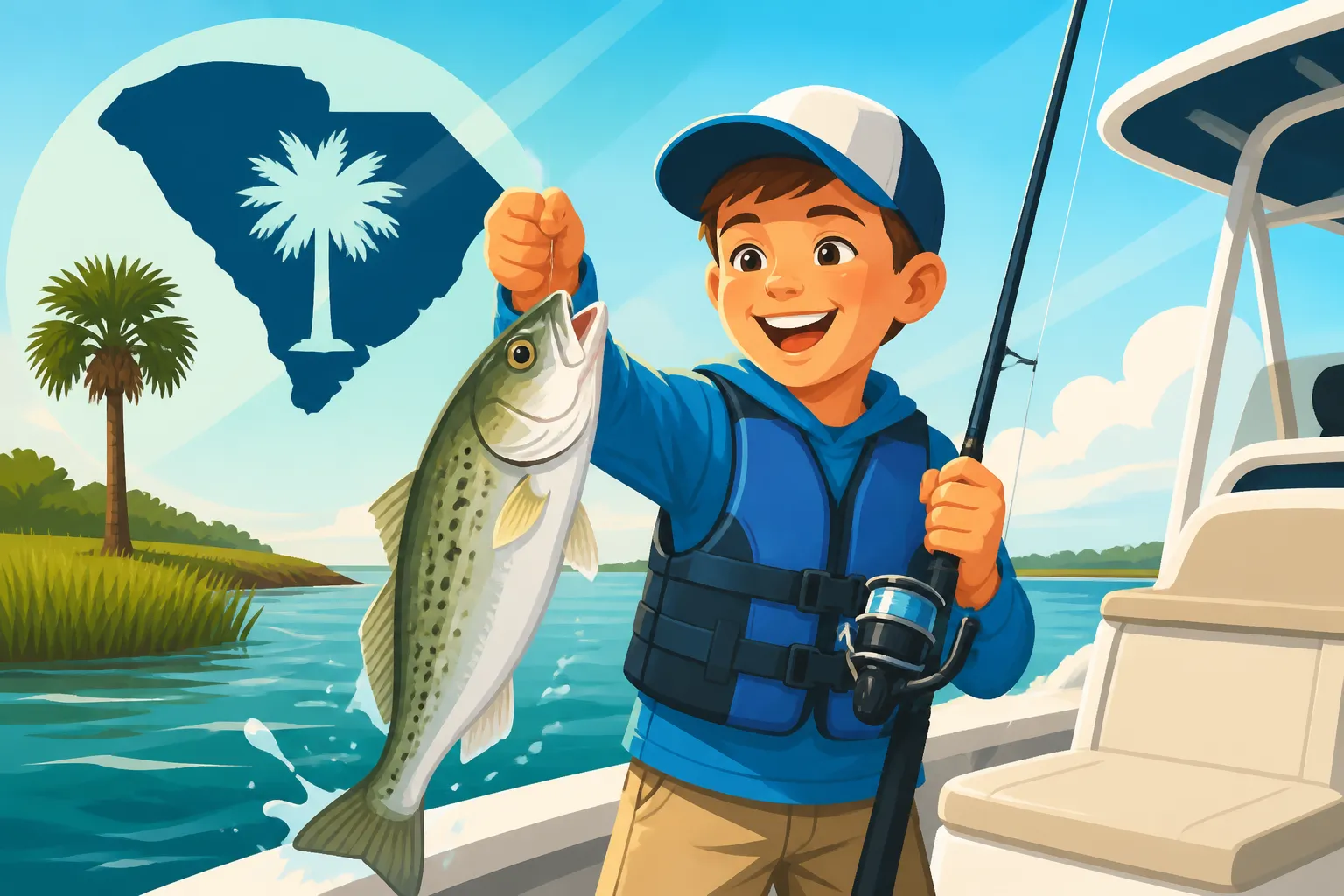
Imagine your child reeling in their first fish, their eyes wide with excitement, while the captain cheers them on and helps them gently release or safely bring the fish aboard. These are the moments that build confidence and create positive associations with fishing, laying the groundwork for a lifelong passion rather than a one-time outing.
The Role of Patience and Education
One of the biggest differences you'll notice on a charter designed for kids is the incredible patience of the crew. They know that children might need more help baiting a hook, untangling a line, or even just waiting patiently for a bite. There's no rush, no pressure, just understanding and support.
Beyond the practicalities of fishing, these captains often embrace the role of an educator. They might point out local wildlife, explain the tides, or share fascinating facts about the fish species the kids are catching. This informal learning can be incredibly impactful, turning a fishing trip into a living classroom where environmental awareness and marine biology come to life.
For example, a captain might show a child how to identify different baitfish or explain why certain species have specific markings. This hands-on education is far more engaging than any textbook, helping children develop a deeper appreciation for the ecosystem they're exploring. It fosters a sense of stewardship and responsibility, teaching them that fishing is not just about taking, but also about understanding and preserving.
Key Features to Look For in a South Carolina Charter for Young Anglers
When you're trying to pick the perfect charter for your family, there are several key indicators that signal a truly kid-friendly experience. It's not just about the boat or the fishing gear, but the entire philosophy of the trip. Thinking about these aspects before you book can save a lot of headaches and ensure everyone has a fantastic time.
Remember, a great family trip isn't always the one that catches the biggest fish, but the one where everyone, especially the kids, feels engaged, safe, and happy. It's about the adventure, the laughs, and those priceless moments of connection with nature and each other.
To help with your search, resources like FishingBooker allow you to read reviews and often specify if a charter is "family-friendly" or "kid-friendly," giving you a head start on finding the right fit. Many listings on such platforms will explicitly detail what they offer for younger guests.
Captain's Demeanor and Crew Experience
The captain and crew are arguably the most crucial element of a kid-friendly charter. Look for reviews that specifically mention their patience, enthusiasm with children, and ability to make the trip fun for all ages. A captain who genuinely enjoys teaching kids is worth their weight in gold.
An experienced captain knows how to gauge a child's attention span and adapt the trip accordingly. They might suggest shorter fishing bursts, intersperse fishing with storytelling, or even point out dolphins, shorebirds, or other wildlife to keep spirits high. This flexibility and attentiveness are hallmarks of a truly family-oriented guide.
Imagine a captain who laughs with your child as they reel in a small pinfish, celebrating it as if it were a record-breaker. This positive reinforcement, coupled with a calm and encouraging demeanor, can turn a hesitant beginner into a budding angler. It’s this personal touch that sets apart a good captain from an extraordinary one when kids are on board.
Trip Length and Target Species
For younger children, a shorter trip, usually a half-day (4 hours), is often ideal. Their attention spans are limited, and a full-day excursion can quickly become tiresome, leading to meltdowns instead of memories. Many charters understand this and offer specific shorter options for families. You can explore options for Half-Day vs Full-Day Fishing Charters in South Carolina to understand what fits your family best.
The target species also matters greatly. Kids often thrive when they get frequent bites, even if the fish aren't huge. Inshore fishing for species like pinfish, croaker, spot, small drum, or even smaller redfish and speckled trout can provide constant action, keeping kids engaged and excited. These species are generally easier to reel in and don't require heavy-duty gear that can be cumbersome for small hands. Kid-Friendly Fish Species to Catch in South Carolina are plentiful in the Lowcountry estuaries.
When reviewing charter options, ask about their typical catches on family trips. A good captain will be upfront about what you can realistically expect to catch and will prioritize quantity of bites over trophy hunting, especially when kids are involved. The goal is to maximize the fun and minimize the frustration of long waits.
Boat Amenities and Gear for Kids
The boat itself should be comfortable and safe for children. Look for charters with ample deck space, clear walkways, and perhaps even a restroom on board, especially for longer trips or younger kids. Shade is also a huge plus in the South Carolina sun, so a boat with a T-top or partial canopy can be a game-changer for comfort.
Properly sized fishing gear is another crucial factor. Charters welcoming young anglers will typically have lighter rods and reels that are easy for small hands to manage. Using adult-sized heavy tackle can be frustrating and even physically challenging for kids, leading to a quick loss of interest.
| Trip Type | Typical Duration | Primary Target Species | Best Age Range | Key Benefit |
|---|---|---|---|---|
| Inshore Creek Fishing | 3-4 Hours | Redfish (small), Speckled Trout, Flounder, Drum, Croaker, Pinfish | 5-12 years | Frequent bites, calm waters, varied scenery |
| Nearshore Reef/Wreck | 4-6 Hours | Sea Bass, Sheepshead, Grunt, Spanish Mackerel | 8+ years | Stronger fighting fish, slight ocean adventure |
| Crabbing/Shrimping Combo | 2-3 Hours | Blue Crab, Shrimp, Baitfish | 3-10 years | Hands-on interaction, educational, no-pressure fishing |
| Shark Fishing (Nearshore) | 4-5 Hours | Small Sharks (Blacktip, Atlantic Sharpnose) | 10+ years | Thrill of a big fight, unique experience |
Remember to confirm these details when you book. Don't hesitate to ask specific questions about the boat's amenities, the captain's approach to kids, and the type of fishing they typically do for families.
Preparing Your Kids for a Memorable South Carolina Fishing Adventure
Even with the most amazing kid-friendly charter, a little preparation on your end can go a long way in ensuring a smooth and enjoyable trip for everyone. Managing expectations, packing smart, and having a few tricks up your sleeve can make all the difference between a great day and a challenging one.
This isn't just about what to bring, but also about the mental groundwork. Talk to your kids beforehand, get them excited, and give them a realistic picture of what a fishing trip entails. This helps avoid disappointment if the fish aren't biting constantly or if the boat ride is bumpier than expected.
Many of these tips also apply to adult first-timers. For general advice, check out First-Time Charter Fishing Tips for South Carolina Visitors.
Setting Expectations and Managing Boredom
Before you even step on the boat, have an honest conversation with your children about what to expect. Explain that fishing requires patience and that sometimes, the fish just aren't biting. Emphasize that the fun isn't just in catching fish, but in the experience of being on the water, seeing wildlife, and spending time together.
To combat potential boredom during lulls in the action, pack a small bag of quiet distractions. This could include a book, a small travel game, or even some binoculars for spotting birds and dolphins. Snacks are also a critical boredom-buster! A well-fed child is generally a happy child. Consider a small prize for the first fish, biggest fish, or even the most colorful fish, to keep motivation high.
Also, prepare them for the rocking motion of the boat, even in calm inshore waters. For kids prone to motion sickness, consider preventative measures like motion sickness bands or child-appropriate medication before you depart. Being prepared can prevent a small discomfort from derailing the entire outing.
Essential Gear and Comfort Items
Packing wisely is crucial for a comfortable and safe trip. Sun protection is paramount in South Carolina. This means a wide-brimmed hat, sunglasses, and plenty of reef-safe sunscreen. Lightweight, long-sleeved shirts can also provide excellent sun protection without being too hot.
Footwear should be non-slip and comfortable, as boat decks can get wet. Bring extra clothes in case of splashes or spills. Of course, plenty of water and snacks are essential to keep energy levels up and prevent dehydration, especially on warmer days. A small cooler with drinks and treats is always a good idea. For a comprehensive list, consult What to Bring on a South Carolina Fishing Charter.
While many charters provide fishing licenses for their passengers, it’s always wise to confirm this beforehand. For individual licenses, you might need to check South Carolina Fishing License Rules for Kids in South Carolina or Fishing License Age Requirements for Minors to see if your child needs their own. It’s always better to be prepared than surprised.
Emphasizing "Catch and Release" and Respect for Fish
Part of the educational aspect of fishing with kids is teaching them about conservation and ethical angling practices. Many charters will practice catch and release, especially for certain species or undersized fish. Explain to your children why this is important for the health of the fish population and the environment.
Teach them how to gently handle a fish, supporting its body, and how to safely unhook it if the captain or mate allows. If you plan to keep some fish, explain the rules and limits, such as the South Carolina Redfish Slot Limit Rules or South Carolina Spotted Seatrout Minimum Size 14 Inches. This instills a sense of responsibility and respect for the creatures they're interacting with.
The entire experience should be framed as an opportunity to connect with nature, not just to harvest fish. By emphasizing the well-being of the fish and the environment, you're teaching valuable lessons that extend far beyond the fishing trip itself, fostering a generation of responsible outdoors enthusiasts.
Finding and Booking Your Perfect Family Fishing Trip
So, you're ready to dive in and find that perfect family fishing adventure! South Carolina's coastline, from the serene marshes near Beaufort to the bustling waters around Charleston and Hilton Head, offers a plethora of options for anglers of all ages. Knowing where to start your search and what questions to ask will help you narrow down the choices and secure a fantastic experience.
Don't be afraid to reach out to multiple captains or booking services. A good captain will be happy to answer your questions and discuss how they cater to families. Transparency upfront leads to a more enjoyable trip for everyone involved.
For a broader understanding of costs, check out our South Carolina Charter Fishing Cost Guide. This can help you set a budget and understand what different price points typically offer.
Online Platforms and Local Recommendations
One of the easiest ways to start your search is through online booking platforms. Websites like FishingBooker are excellent resources, as they aggregate numerous local charters, complete with photos, reviews, and detailed descriptions of their offerings. You can often filter for "family-friendly" or "kid-friendly" options, making the initial search much simpler. They often list which captains specialize in certain trips, like Family-Friendly Charters on Hilton Head Island or Family Fishing Charters near Charleston.
Don't underestimate the power of local recommendations! If you're staying in a particular area, ask hotel staff, local tackle shops, or even other families you meet for their suggestions. Personal testimonials often provide the most accurate insights into a captain's disposition and suitability for children.
Many marinas will also have flyers or information about local guides. A quick phone call can often tell you a lot about a captain's personality and whether they'd be a good fit for your family. A friendly voice and willingness to discuss your specific needs are good indicators.
Types of Kid-Friendly Charters in South Carolina
South Carolina boasts a diverse range of fishing environments, and many charters cater specifically to inshore or nearshore experiences, which are typically best for kids.
Inshore Fishing Charters: These trips usually take place in the calmer, protected waters of estuaries, tidal creeks, and bays. The boat ride is generally smoother, minimizing the risk of seasickness. Target species are often plentiful and provide consistent action, perfect for keeping young anglers engaged. Think redfish, speckled trout, flounder, and various panfish. These are often the go-to choice for families, especially with younger children. For example, Inshore Fishing Charters near Hilton Head, South Carolina are very popular.
Nearshore Fishing Charters: For slightly older or more adventurous kids who can handle a bit more ocean movement, nearshore trips might venture a few miles offshore to artificial reefs or wrecks. Here, you might target species like sea bass, sheepshead, or even smaller sharks. The action can be exciting, but the water can be choppier than inshore.
Combination Trips: Some unique charters offer combination trips that blend fishing with other activities like crabbing or shrimping. These are fantastic for very young children or those who need constant stimulation. The hands-on experience of pulling up crab traps or cast-netting for shrimp can be incredibly exciting and educational, even if fishing isn't the sole focus. These trips prioritize interactive fun and typically have less pressure to catch a specific quota of fish.
Disclaimer
This article is for general informational purposes only and does not constitute professional advice. Laws, prices and regulations vary by location and change over time. Consult a qualified professional for guidance on your specific situation.