What Fish Can You Catch on a South Carolina Offshore Charter?
Venturing out into the vast, open waters off the coast of South Carolina is an experience unlike any other, but for many anglers, the big question isn't just if they'll catch something, but what they can expect to reel in. The sheer variety of fish species inhabiting our offshore waters can be a little overwhelming to consider, and it often feels like you need an encyclopedic knowledge just to know what to hope for. This guide is here to demystify the incredible catches that await you on a South Carolina offshore fishing charter, covering everything from the schooling titans of the open ocean to the mysterious dwellers of the deep reefs.
Understanding South Carolina Offshore Waters and Their Inhabitants
When we talk about "offshore fishing" in South Carolina, we're really talking about a wide range of environments, from the nearshore artificial reefs and ledges just a few miles out, to the continental shelf and beyond, where the ocean floor drops dramatically into truly deep water. Each of these zones holds its own unique ecosystem and, consequently, its own cast of characters when it comes to fish species. Understanding these different habitats is key to appreciating the diversity of what you might encounter.
The Dynamics of South Carolina's Offshore Environment
Our coastline benefits from a dynamic interplay of currents, particularly the influence of the Gulf Stream, which brings warm, nutrient-rich waters close to our shores. This creates a vibrant marine highway for many migratory species, attracting them to our waters as they follow baitfish and favorable conditions. These currents also interact with underwater structures like ledges, wrecks, and artificial reefs, creating upwellings that bring food to the surface, concentrating baitfish and, in turn, larger predatory species. It's these underwater features, often unseen from the surface, that fishing charter captains meticulously study and map out. Many anglers find researching available trips on platforms like FishingBooker helpful because you can often filter by the type of offshore trip, giving you a better idea of the specific grounds a captain usually fishes.
Pelagic vs. Demersal Species: A Quick Overview
Before we dive into specific fish, it's helpful to understand the two main categories of offshore fish you'll encounter:
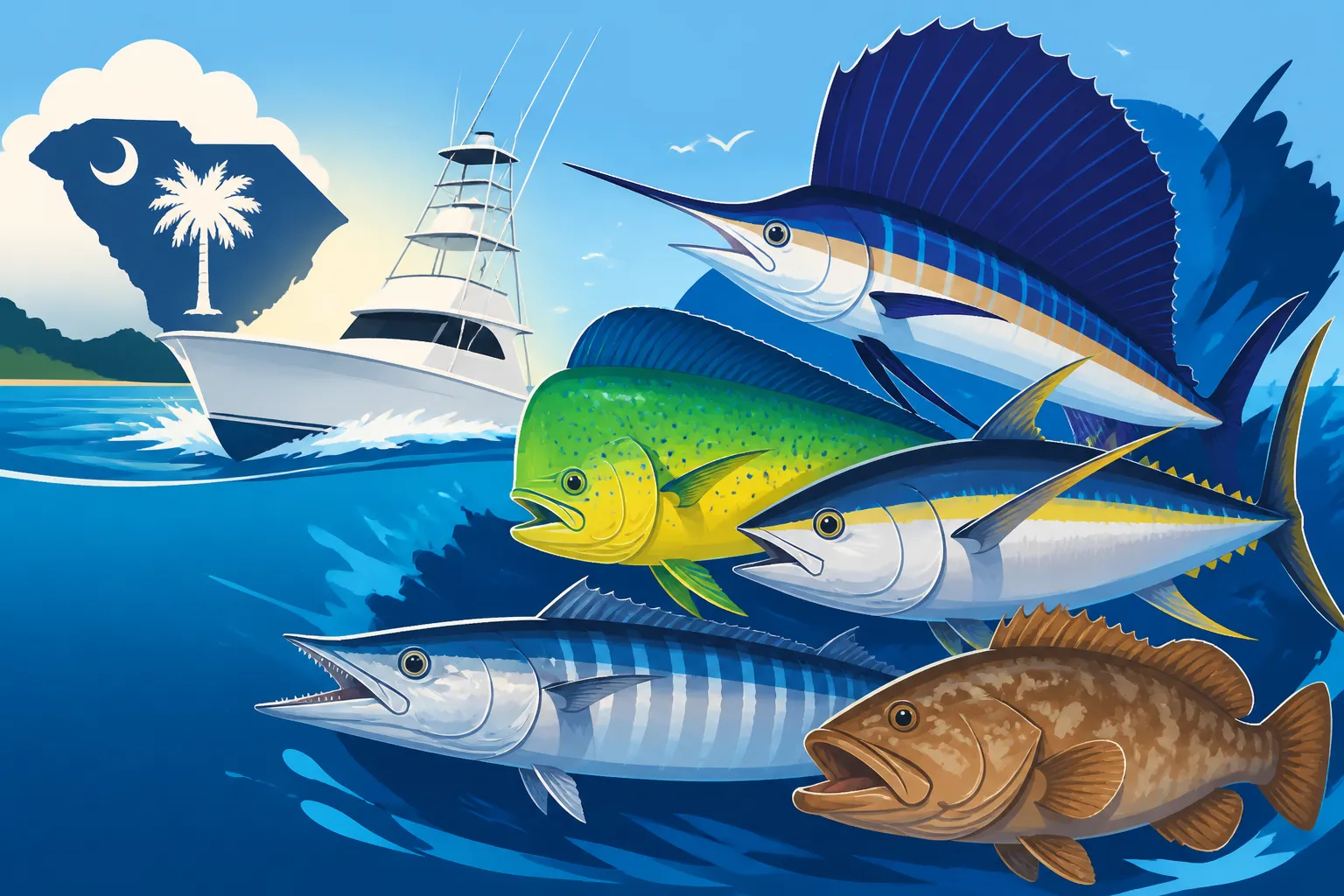
- Pelagic Species: These are the open-ocean wanderers, the fish that swim in the water column, often near the surface or suspended at various depths. They are typically highly migratory, powerful swimmers, and often targeted for their incredible fighting abilities and speed. Think of tuna, marlin, wahoo, and mahi-mahi. They follow baitfish schools across vast distances.
- Demersal Species (Bottom Dwellers): These fish live on or near the seabed, often associating with structure like reefs, wrecks, and rocky outcrops. They might not always be as fast as their pelagic cousins, but they often offer a strong, stubborn fight. Snapper, grouper, amberjack, and sea bass fall into this category. Charters often combine strategies, starting with a run to a deep-water wreck for these bottom fish before heading further offshore for pelagics, or vice versa, depending on the season and bite.
Popular Pelagic Species Targeted on Offshore Charters
For many anglers, the allure of offshore fishing is the chance to tangle with these powerful, fast-moving giants of the open sea. These are the fish that require heavy tackle, screaming reels, and a lot of grit.
Mahi-Mahi (Dolphin Fish)
Ah, mahi-mahi! The vibrant, acrobatic "dolphin fish" (though they are not related to marine mammals) are arguably one of the most sought-after species on South Carolina offshore charters, especially during the warmer months. They're not just beautiful with their iridescent greens, blues, and golds, but they're incredibly aggressive feeders and fantastic table fare.
Mahi-mahi often congregate around floating debris, sargassum weed lines, or current breaks where baitfish gather. When a charter finds a good weed line, it can turn into a feeding frenzy, with multiple hook-ups at once. They'll readily strike trolled ballyhoo, lures, or even live bait pitched to them. Their fight is characterized by incredible leaps and powerful runs, making them a thrilling catch. Many captains offering Mahi-Mahi Charter Fishing Trips in South Carolina will specifically target these fish from late spring through early fall.
Tuna: Yellowfin, Blackfin, and Albacore
Tuna are the true athletes of the ocean, built for speed and endurance. South Carolina's offshore waters provide excellent opportunities for several tuna species, with yellowfin and blackfin being the most common targets.
- Yellowfin Tuna: These are the giants, known for their powerful, sustained fights that can test even the most experienced angler. They are often found further offshore, sometimes around significant temperature breaks or offshore ledges. Trolling with large lures or natural baits like ballyhoo is a common technique, but chunking (chumming with cut bait) can also be incredibly effective. Landing a big yellowfin is a true offshore accomplishment.
- Blackfin Tuna: Smaller but equally spirited, blackfin tuna are a fantastic fight on lighter tackle and are excellent eating. They tend to be found closer to the continental shelf than yellowfin and are often caught while trolling for other pelagic species. They hit fast and hard, providing plenty of action.
- Albacore Tuna: While not as commonly targeted as yellowfin or blackfin, albacore can also be encountered, particularly during certain migrations. They are characterized by their exceptionally long pectoral fins and provide a good fight.
Fishing for tuna often involves long runs offshore, so booking a full-day or even an extended charter is often recommended to maximize your chances. Tuna and Wahoo Charters off the South Carolina Coast are popular choices for those seeking these pelagic powerhouses.
Wahoo
If speed is what you're after, the wahoo is your fish. Known for their lightning-fast runs and razor-sharp teeth, wahoo are one of the fastest fish in the ocean. They are sleek, silver torpedoes that can empty a reel in seconds.
Wahoo are often caught while high-speed trolling, sometimes with specialized lures or rigged baits designed to withstand their incredible speed. They can also be found around structure and temperature breaks. The sheer power of a wahoo strike is unforgettable, and their meat is highly prized. If your captain mentions targeting "high-speed pelagics," wahoo are almost certainly on the menu. You can often find specifics on target species by looking at a captain's trip descriptions on platforms like FishingBooker.
Billfish: Marlin and Sailfish
For the ultimate offshore challenge, billfish are in a league of their own. South Carolina's offshore waters host both marlin (blue and white) and sailfish, offering anglers a chance at a truly trophy-class catch.
- Blue Marlin: The apex predator of the offshore world, blue marlin are massive, powerful, and notoriously challenging to catch. They are found far offshore in deep water, often around the edges of the continental shelf or significant underwater canyons. Catching a blue marlin is a bucket-list achievement for many anglers, requiring specialized heavy tackle and immense skill from both the angler and the crew.
- White Marlin: Smaller than blues but incredibly acrobatic and feisty, white marlin are also found in our offshore waters. They offer a fantastic fight on lighter tackle and are known for their spectacular jumps.
- Sailfish: Instantly recognizable by their enormous dorsal fin, sailfish are another incredible billfish species that frequent our waters. They are known for their dazzling leaps and bursts of speed. While often caught as a bonus when targeting other species, some charters will specifically focus on them, especially during peak seasons.
Billfish are often catch-and-release to conserve their populations, making a successful release as celebrated as the hook-up itself.
Sharks
While not always the primary target, sharks are an undeniable presence in South Carolina's offshore waters and often provide an exhilarating fight. Various species, including blacktip, spinner, hammerhead, and even mako sharks, can be encountered.
Many charters offer dedicated Shark Fishing Charters in South Carolina Waters, but sharks can also be caught as incidental bycatch while trolling or bottom fishing. They are powerful, resilient fighters that will test your tackle and stamina. Always listen to your captain regarding shark handling, as these powerful creatures require respect and careful release.
Bottom Dwellers and Reef Fish: Beyond the Surface
While the pelagics grab the headlines with their speed and size, the diverse world beneath the surface offers incredible fishing opportunities, often closer to shore or over specific underwater structures. These fish provide a different kind of fight – often deep, stubborn, and powerful.
Snapper Species: Vermilion, Red, and Lane
Snapper are a cornerstone of offshore bottom fishing in South Carolina, prized for their delicious taste and consistent action. Several species can be found, each with its own characteristics:
- Vermilion Snapper (Beeliners): These are often found in large schools over reefs and rocky bottoms, sometimes in impressive numbers. They are not huge, but they bite aggressively and provide excellent eating. You can often catch several at a time, making for a fun, fast-paced trip.
- Red Snapper: While typically managed under strict federal regulations (often catch-and-release only, or with very limited seasons), when open, red snapper are a highly prized catch. They are powerful, deep-water fighters found around significant offshore structure. Always check current regulations as they change frequently.
- Lane Snapper: Smaller but beautiful and tasty, lane snapper are often found in shallower offshore waters and around artificial reefs. They are a good option for anglers looking for consistent action and good eating.
Bottom fishing for snapper typically involves dropping baits like squid, cut fish, or live bait down to the structure. Charters specializing in reef fishing often bring in impressive hauls of these tasty fish.
Grouper Species: Gag, Scamp, Red, and Black
Grouper are the heavyweights of the reef, known for their immense power and their tendency to try and "reef" you – pulling your line into the sharp edges of their rocky homes. They require heavy tackle and a strong arm to pull them away from structure once hooked.
- Gag Grouper: A common and highly sought-after species, gag grouper are powerful fighters and excellent table fare. They often sit on top of or just inside structure, waiting to ambush prey.
- Scamp Grouper: Considered by many to be one of the finest eating fish in the ocean, scamp grouper have delicate, flaky white meat. They are often found in deeper waters and can be a bit more challenging to target specifically, but they are a fantastic bonus catch.
- Red Grouper & Black Grouper: These are also found in South Carolina's offshore waters, with similar characteristics to gag grouper – powerful, structure-loving, and delicious.
Grouper fishing is a game of skill and strength. Using heavy jigs, live bait, or large chunks of cut bait dropped directly onto offshore wrecks and reefs are common tactics. Your captain will guide you on the best techniques.
Amberjack (AJ's)
If you want a workout, look no further than the amberjack, often affectionately called "reef donkeys." These powerful fish are renowned for their incredible stamina and brutish strength. They might not jump like a mahi-mahi, but they will pull with every ounce of their being.
Amberjack congregate in large schools around prominent offshore structures, wrecks, and artificial reefs. They are aggressive feeders and will readily strike live baits, jigs, and even large poppers on the surface. Fighting a large amberjack is a true test of an angler's endurance, often leading to sore arms and burning muscles! They are frequently caught on South Carolina Offshore Fishing Charters Explained because of their consistent presence on structure.
Sea Bass (Black Sea Bass)
Black sea bass are another abundant and tasty bottom fish found over rocky bottoms, artificial reefs, and wrecks. While they don't reach the size of grouper or amberjack, they provide consistent action and are excellent eating.
They are often caught on smaller baits and jigs dropped to the bottom. They school up, so when you find them, you can often catch many. This makes them an excellent target for family-friendly charters or when the bite for larger fish is slow.
Seasonal Considerations for Offshore Catches
The ocean is a dynamic environment, and what you can expect to catch offshore in South Carolina changes significantly with the seasons. Water temperature, baitfish migrations, and spawning patterns all play a huge role in the availability of different species. Knowing the general seasonal trends can help you choose the best time to book your South Carolina Fishing Charters: The Complete Guide and manage your expectations.
Spring (March – May)
Spring is a season of transition and excitement offshore. As water temperatures begin to warm, migratory species start moving into our region.
- Mahi-Mahi: Early season mahi can start showing up in late spring, especially further offshore as the Gulf Stream pushes warmer water closer.
- Wahoo: Spring is often prime wahoo season, particularly in March and April, as they follow baitfish along temperature breaks.
- Tuna: Blackfin tuna can be a good target in the spring, and the occasional yellowfin might start to make an appearance.
- Bottom Fish: Gag grouper and various snapper species become more active as water temperatures rise, offering excellent bottom fishing opportunities. Amberjack are also often plentiful around wrecks.
Summer (June – August)
Summer is peak season for many of the most exciting offshore pelagic species. The warmer waters bring an explosion of life.
- Mahi-Mahi: This is absolutely prime time for mahi-mahi. They are abundant, aggressive, and can be found around weed lines and floating debris.
- Billfish: Blue and white marlin, as well as sailfish, are actively migrating and feeding in our offshore waters during the summer. Dedicated billfish charters are in full swing.
- Tuna: Yellowfin and blackfin tuna continue to be good targets, often requiring longer runs offshore.
- Sharks: Summer is also an excellent time for Shark Fishing Charters in South Carolina Waters, with many species active in the warmer waters.
- Bottom Fish: Grouper, snapper, and amberjack remain excellent targets, though some species may be harder to pull from the bottom in extreme heat.
Fall (September – November)
Fall is a fantastic time for offshore fishing in South Carolina, often considered one of the best. The water temperatures are still warm, but the intense summer heat often breaks, and fish are actively feeding in preparation for winter.
- Wahoo: Fall can rival spring for fantastic wahoo fishing, especially in September and October.
- Mahi-Mahi: While not as numerous as in summer, good numbers of mahi-mahi can still be caught early in the fall.
- Tuna: Both yellowfin and blackfin tuna fishing can be excellent in the fall, particularly as they feed heavily.
- Billfish: Sailfish and marlin continue to be present, offering continued opportunities for billfish enthusiasts.
- Bottom Fish: Grouper and snapper fishing often remains strong throughout the fall, with cooler temperatures making for more comfortable fishing.
Winter (December – February)
Winter offshore fishing can be more challenging due to colder temperatures and fewer migratory pelagic species, but there are still opportunities for those willing to brave the chill.
- Wahoo: While less consistent, some wahoo can still be caught, often requiring deeper trolling depths.
- Tuna: Occasional schools of blackfin tuna might be found, especially if warmer water eddies spin off the Gulf Stream.
- Bottom Fish: This is often the prime time for targeting certain deep-water grouper species, as they congregate on offshore structure. Large amberjack can also be found. You may want to consult South Carolina Saltwater Fishing Seasons to see what's most active.
Here's a quick overview of some common catches by season:
| Fish Species | Spring (Mar-May) | Summer (Jun-Aug) | Fall (Sep-Nov) | Winter (Dec-Feb) |
|---|---|---|---|---|
| Mahi-Mahi | Good | Excellent | Good | Occasional |
| Yellowfin Tuna | Good | Excellent | Excellent | Good |
| Blackfin Tuna | Excellent | Excellent | Excellent | Good |
| Wahoo | Excellent | Good | Excellent | Good |
| Blue Marlin | Good | Excellent | Good | Occasional |
| White Marlin | Good | Excellent | Good | Occasional |
| Sailfish | Good | Excellent | Good | Occasional |
| Amberjack | Excellent | Excellent | Excellent | Excellent |
| Grouper (Gag, Red) | Good | Good | Excellent | Excellent |
| Snapper (Vermilion) | Excellent | Excellent | Excellent | Excellent |
| Sharks | Good | Excellent | Good | Occasional |
| Black Sea Bass | Excellent | Excellent | Excellent | Excellent |
When you're looking to book your trip, remember that most reputable captains provide detailed information about what they target and what's biting during specific times of the year. Many platforms, like FishingBooker, allow you to directly communicate with captains to discuss the best timing for your desired catch. Consider checking out South Carolina Charter Fishing Trip Lengths Compared to see how trip duration impacts your target species too!
Ultimately, an offshore fishing charter in South Carolina offers a thrilling adventure and the chance to catch some truly incredible fish. Whether you're dreaming of a leaping mahi-mahi, a powerful tuna, or a stubborn grouper, our waters have something spectacular to offer every angler.
Disclaimer
This article is for general informational purposes only and does not constitute professional advice. Laws, prices and regulations vary by location and change over time. Consult a qualified professional for guidance on your specific situation.