Choosing the Right South Carolina Fishing Guide
Embarking on a fishing adventure in South Carolina can be an absolutely incredible experience, offering everything from the serene mountain streams teeming with trout to the bustling coastal estuaries brimming with redfish and speckled trout. But let's be honest, for many of us, navigating these diverse waters and knowing where the fish are biting is a monumental challenge. That's where a local fishing guide comes in, yet the process of actually choosing the right one can feel overwhelming and a little like a shot in the dark. This comprehensive guide is here to demystify that process, helping you understand the different types of guides, what to look for, and how to book a trip that perfectly matches your angling dreams.
Understanding What a Fishing Guide Offers
When you think about going fishing in a new area, or even a familiar one with a new challenge, the idea of hiring a guide probably crosses your mind. But what exactly does a "fishing guide" entail, and how do they differ from, say, a full-blown charter operation? It's a common point of confusion, and understanding the distinctions is the first step toward making an informed choice.
The Difference Between a Guide and a Charter
Many people use the terms "fishing guide" and "fishing charter" interchangeably, but there's often a nuanced difference, especially here in South Carolina. While both involve paying a professional to take you fishing, their scale, focus, and vessel types can vary quite a bit.
Think of a fishing guide as often offering a more specialized, intimate, and hands-on experience. These individuals might operate smaller boats, such as a flats boat designed for shallow inshore waters, a jon boat for river systems, or even lead wade-fishing or kayak trips. Their expertise is frequently honed in specific niches – perhaps fly fishing for trout in the Upstate, stalking tailing redfish in the Lowcountry marshes, or targeting specific freshwater species like crappie or bass in smaller, harder-to-reach pockets of lakes. A guide often focuses heavily on instruction, teaching you techniques, reading the water, and truly improving your skills. They're more like a personal tutor on the water.
On the other hand, fishing charters, while also guided trips, often lean towards a larger-scale operation. These typically involve bigger boats, sometimes carrying more passengers, and often venture further afield, such as offshore for species like mahi-mahi, tuna, or wahoo. Inshore charters might operate larger bay boats designed for bigger water bodies or more comfortable rides for multiple anglers. Charters are excellent for groups, families, or those seeking a broader angling experience without necessarily diving deep into specific techniques. While they certainly provide expertise and put you on fish, the focus might be less on one-on-one instruction and more on the overall experience of "going fishing" with a group. Both offer the invaluable advantage of local knowledge, supplied gear, and a safe vessel, but the atmosphere and educational depth can differ.
Types of Guided Fishing Trips Available in South Carolina
South Carolina's diverse aquatic landscapes mean an equally diverse array of guided fishing opportunities. From the cool mountain streams to the expansive Atlantic Ocean, there's a guided trip for every preference.
For those drawn to freshwater, you'll find guides specializing in the massive lakes like Murray, Santee Cooper, or Hartwell. Here, you might target trophy largemouth bass, hard-fighting striped bass, or panfish like crappie and bluegill. A freshwater guide often knows the intricate patterns of these lakes, understanding seasonal movements, optimal depths, and the best baits and lures to use. They might focus on specific techniques such as jigging for crappie around brush piles or slow-rolling crankbaits for sluggish winter bass. If you're seeking the thrill of trout fishing, especially for the elusive native brook trout, guides in the Blue Ridge Mountain region are experts at navigating those pristine, often challenging, waters, teaching you the art of fly fishing or light spin gear.
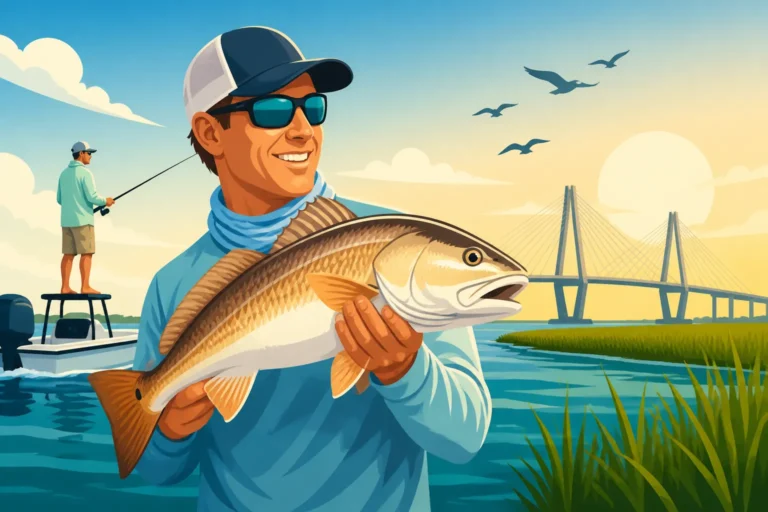
On the saltwater side, the options truly explode. Inshore guides typically focus on the labyrinthine network of tidal creeks, estuaries, and salt marshes that define much of South Carolina's coast. Their targets are usually redfish, spotted seatrout, and flounder. These trips often involve navigating shallow water, understanding tides, and using light tackle for a thrilling fight. Nearshore guides might take you just a few miles offshore to target species like king mackerel, Spanish mackerel, or various snapper and grouper species over artificial reefs or natural bottom structure. Then, of course, there are the offshore charter operations, venturing far into the Atlantic for pelagic species. Each type of guide and trip offers a unique window into South Carolina's incredible fisheries, tailored to specific species, environments, and angling styles. It's truly a matter of matching your personal fishing desires with the guide's expertise.
Identifying Your Fishing Goals
Before you even start scouring for guides, take a moment to really think about what you want out of the trip. This isn't just about catching fish; it's about the entire experience. Being clear on your goals will help you narrow down the vast options and find a guide who can deliver the trip of your dreams. Without a clear picture, you might end up on a trip that's fun, but not quite what you envisioned.
What Species Do You Want to Target?
South Carolina is a veritable smorgasbord of fish species, each with its own habitat, preferred techniques, and seasonality. Are you dreaming of reeling in a monster largemouth bass from one of our famed reservoirs like Lake Murray or the Santee Cooper system? Perhaps you've heard tales of the incredible striped bass fishing, often found in impressive numbers in lakes like Lake Murray. For those seeking the solitude of mountain streams, the pursuit of trout, including our beautiful native brook trout, might be your calling. If so, a guide specializing in fly fishing for trout in the Best Streams for Brook Trout in the Blue Ridge Mountains would be your perfect match.
Move to the coast, and the target list expands dramatically. Many anglers flock to South Carolina for the inshore "big three": redfish, spotted seatrout, and flounder. Each requires slightly different approaches. If tailing redfish in flooded grass flats sounds exciting, you'll need a guide specializing in that specific technique and environment, often found in estuaries near places like Charleston or Murrells Inlet. For other anglers, the thrill might be a shark fishing trip, or perhaps venturing further offshore for mahi-mahi or tuna. Knowing your target species is paramount, as a guide who excels at catching bass might not be the best choice for chasing redfish, and vice-versa. Don't be afraid to be specific – your guide is there to help you achieve your goals, but they need to know what those are!
Preferred Fishing Environment and Style
Beyond the specific fish, where and how do you envision yourself fishing? South Carolina offers everything from expansive open water to intimate, winding creeks. Do you prefer the calm, sheltered waters of a Lowcountry marsh, ideal for sight fishing for redfish, or the thrill of being out on a big lake, chasing schooling stripers? Maybe the quiet solitude of a riverbank or a kayak fishing trip appeals to your adventurous side.
Consider the level of physical exertion you're comfortable with. Wade fishing for trout, while incredibly rewarding, requires some stamina and comfort with navigating slippery riverbeds. Kayak fishing offers unparalleled access to shallow waters but demands paddling effort. A large, comfortable center console boat might be perfect for those who prefer to sit back and enjoy the ride while bottom fishing. Also, think about the atmosphere: do you want a fast-paced, high-action trip, or a more relaxed, scenic outing where catching is secondary to the experience? Guides often cater to different styles, some being hardcore trophy hunters, others focusing on family fun and a more leisurely pace. Articulating your preferred environment and style early on will help you find a guide whose approach aligns with yours.
Group Size and Experience Level
Who are you bringing along, and what's everyone's comfort level with fishing? This is a huge determinant in choosing the right guide. If it's a solo trip where you're looking for intensive instruction to refine your fly casting, that's a very different trip than taking a family with three young children, two of whom have never held a fishing rod.
For families with kids, you'll want a guide who is patient, encouraging, and experienced with young anglers. They'll often have a good sense of humor and focus on keeping the trip engaging, perhaps targeting easier-to-catch species like bluegill or small redfish. Look for guides who explicitly advertise Kid-Friendly Fishing Charters on Hilton Head Island or Family-Friendly Fishing Spots in South Carolina. If you're a seasoned angler looking to learn advanced techniques or target a specific trophy, you'll want a guide who can match your intensity and offer expert-level insights. Conversely, if you're a complete beginner, don't be shy about stating that. A good guide will appreciate the honesty and tailor the trip to teach you the basics without judgment. Confirming the maximum number of people the guide can comfortably accommodate on their vessel is also essential for group trips, ensuring everyone has enough space and attention.
Key Factors to Consider When Choosing a Guide
Once you've zeroed in on your fishing goals, it's time to start evaluating potential guides. This is where the rubber meets the road. Don't rush this step; a little homework here can make the difference between a memorable day on the water and a disappointing one.
Experience and Specialization
This is perhaps the most critical factor. An experienced guide isn't just someone who's been fishing a long time; it's someone who has spent years on the water, day in and day out, in the specific area you plan to fish, and for the species you hope to catch. Local knowledge is paramount in fishing. They know the tides, the currents, the seasonal patterns, the secret spots, and how fish react to different weather conditions. They understand the intricacies of navigating particular waterways, which can be surprisingly complex in places like our Lowcountry marsh systems.
Beyond general experience, look for specialization. If you want to catch redfish on the fly, you don't want a guide who primarily focuses on trolling for king mackerel. Ask about their main focus: do they specialize in light tackle, fly fishing, live bait, artificials? How much time do they spend targeting your desired species? A guide's website or online profile (on platforms like FishingBooker) should clearly articulate their expertise. Don't be afraid to ask direct questions about their success rates for certain species during the time of year you plan to visit. A truly professional guide will be transparent and realistic about what to expect.
Personality and Communication Style
You're going to be spending several hours, perhaps an entire day, in a boat with this person. Their personality and communication style can profoundly impact your enjoyment of the trip. Do you prefer a quiet, stoic guide who lets the fishing do the talking, or someone more outgoing and conversational? Are you looking for a patient instructor, or a laid-back companion?
Pay attention to how they communicate before you even book. Are they prompt in responding to inquiries? Is their information clear and comprehensive? Do they patiently answer your questions, or do you feel rushed? A guide with excellent pre-trip communication usually translates to a well-organized and enjoyable trip on the water. This is especially important if you're bringing children or beginners; a patient and encouraging demeanor can make all the difference for a positive first-time fishing experience. Trust your gut feeling based on your initial interactions.
Equipment and Boat Condition
A professional guide relies on their equipment, and so do you for a safe and productive trip. Their boat should be well-maintained, clean, and appropriate for the waters you'll be fishing. For instance, an inshore guide should have a boat designed for shallow draft and navigating narrow creeks, while an offshore charter will require a larger, more seaworthy vessel. Don't hesitate to ask about the boat: what kind is it, how old, how many people does it comfortably hold?
Beyond the boat, consider the fishing gear. Are the rods and reels well-maintained, high-quality, and suitable for the target species? Are there enough rods for everyone in your party, rigged and ready to go? Do they use fresh, sharp hooks and quality line? A guide who takes pride in their equipment generally takes pride in their service. Also, think about safety equipment: life jackets (especially for children), a first-aid kit, communication devices, and other safety essentials should be readily available and in good working order. Safety should always be a top priority.
Licensing, Insurance, and Safety
This factor is non-negotiable. Any legitimate, professional fishing guide in South Carolina should be properly licensed and insured. For saltwater charters operating on navigable waters, the captain should hold a valid U.S. Coast Guard (USCG) Captain's license. While specific licensing for freshwater guides might vary depending on the type of operation and vessel, they should still operate legally and safely.
Insurance is crucial. This protects both the guide and you in case of an accident or unforeseen event. Don't be shy about asking to see proof of both licensing and insurance. A reputable guide will have no issue providing it. Beyond the paperwork, inquire about their safety protocols. What's their plan in case of bad weather? Do they conduct a safety briefing? Are life jackets easily accessible and properly fitted for all passengers, particularly children? A guide who prioritizes safety demonstrates professionalism and care for their clients, providing you with invaluable peace of mind during your adventure.
Navigating the Booking Process
You've got your goals, you know what to look for in a guide, and now it's time to actually make that dream trip a reality. The booking process itself can be straightforward, but there are some critical steps to ensure everything goes smoothly from inquiry to confirmed trip.
Where to Find Reputable Fishing Guides
In today's digital age, finding fishing guides is easier than ever, but it also means wading through a lot of options. Online booking platforms are a popular starting point. Sites like FishingBooker (my first natural mention of the brand) aggregate listings for guides and charters across South Carolina, often including photos, descriptions of trips, pricing, and crucially, client reviews. These platforms can be a great way to compare options side-by-side and read unbiased feedback from previous customers.
Beyond online marketplaces, don't overlook local resources. Tackle shops and marinas are often hubs of local fishing knowledge, and their staff can provide invaluable recommendations based on your specific needs. They hear direct feedback from clients and often know which guides are consistently delivering great experiences. Word-of-mouth from friends, family, or fellow anglers is another excellent source. Additionally, check out local tourism websites or fishing forums dedicated to South Carolina; these can offer lists of licensed guides and insights into specific regions. Always cross-reference information and read multiple reviews to get a balanced perspective.
Asking the Right Questions Before You Book
Once you've identified a few potential guides, it's time to reach out and ask some questions. This pre-booking dialogue is essential for clarifying expectations and avoiding misunderstandings. Think of it as your interview process for your ideal fishing partner. Start with practicalities: "Is your desired date available?" and "What is the total price for my group size?"
Then, dive deeper. Ask explicitly what's included and excluded. Does the price cover bait, tackle, and fuel? Are snacks, drinks, or lunch provided? Crucially, ask about fishing licenses. While some guides may operate under a blanket vessel license for certain activities, it's generally safe to assume that individual anglers will need their own South Carolina fishing license. You'll want to review the South Carolina Fishing License Guide to understand the requirements. Inquire about the cancellation policy, especially concerning weather. What happens if the weather is too rough to go out? What's their refund policy if you have to cancel? Be sure to ask about target species success rates for the time of year you plan to fish – a good guide will give you realistic expectations, not just guarantees of limits. Getting clear answers to these questions upfront, as detailed in What to Ask Before Booking a South Carolina Fishing Charter, will set the stage for a smooth trip.
Understanding Contracts and Deposit Policies
Most professional fishing guides and charters will require a deposit to secure your booking, especially for peak seasons. This is standard practice and helps protect the guide from last-minute cancellations. The amount of the deposit can vary, often ranging from 25-50% of the total trip cost.
Before you hand over any money, ensure you understand the guide's cancellation and refund policy in detail. What's the deadline for canceling and still receiving a full or partial refund? What happens to your deposit if the guide has to cancel due to unsafe weather conditions? Will it be refunded, or can it be applied to a rescheduled trip? It's wise to get these policies in writing, whether through an email confirmation, a booking platform's terms and conditions, or a formal contract. This clarity, as explored in Booking Deposits and Cancellation Policies for South Carolina Charters, protects both parties and helps prevent any unpleasant surprises down the road. Never assume anything; always get confirmation on these crucial financial and logistical details.
Understanding Costs and What's Included
One of the first questions on every angler's mind when considering a guided trip is, "How much does it cost?" The answer, as you might expect, isn't a simple fixed number. Guide rates in South Carolina can vary significantly based on several factors, and understanding what you're paying for is key to assessing value.
Factors Influencing Guide Rates
The price of a guided fishing trip in South Carolina is influenced by a range of variables. Firstly, the duration of the trip is a major factor. Half-day trips (typically 4-5 hours) will be less expensive than full-day excursions (6-8 hours or more). Longer trips allow more time to travel to prime spots, chase different species, or simply enjoy a more relaxed pace.
The type of fishing also plays a significant role. Highly specialized trips, such as fly fishing for elusive trout in remote mountain streams or chasing specific pelagic species far offshore, often command higher rates due to the expertise, specialized equipment, and fuel required. Inshore trips are generally less expensive than offshore adventures, primarily due to fuel costs and the larger, more expensive vessels needed for the open ocean.
The number of anglers in your party will also impact the per-person cost. While the total price for a private trip might remain relatively stable for 1-2 people, adding more anglers often increases the overall fee, though the per-person cost might decrease slightly. Seasonality can also affect pricing, with peak fishing seasons sometimes seeing higher demand and rates. Finally, the guide's experience and reputation can influence their pricing; top-tier guides with proven track records often charge more for their unparalleled knowledge and consistently high success rates.
What Should Be Included in the Price
When you pay for a guided fishing trip, you're not just paying for a boat ride; you're paying for expertise, equipment, and access. A reputable guide's fee should generally include:
- The guide's time and expertise: Their knowledge of local waters, fish patterns, and techniques is what you're primarily investing in.
- The boat and fuel: Necessary for getting you to the fishing grounds safely and efficiently.
- High-quality fishing gear: Rods, reels, and tackle appropriate for the target species. This means you don't have to haul your own gear or worry about having the right equipment.
- Bait and lures: Whether it's live shrimp for redfish or specific artificials for bass, the cost of bait and tackle is typically covered.
- Safety equipment: Life jackets, first-aid kit, and other essential safety gear.
- Ice and often bottled water: A thoughtful touch that keeps you hydrated and your catch fresh.
Many guides will also offer to clean and fillet your catch at the end of the trip, an invaluable service for anglers looking to take home fresh fish for dinner. Always confirm these inclusions beforehand, as detailed in Cleaning and Filleting Your Catch After a South Carolina Charter, to avoid any surprises.
Navigating Tipping and Other Potential Add-ons
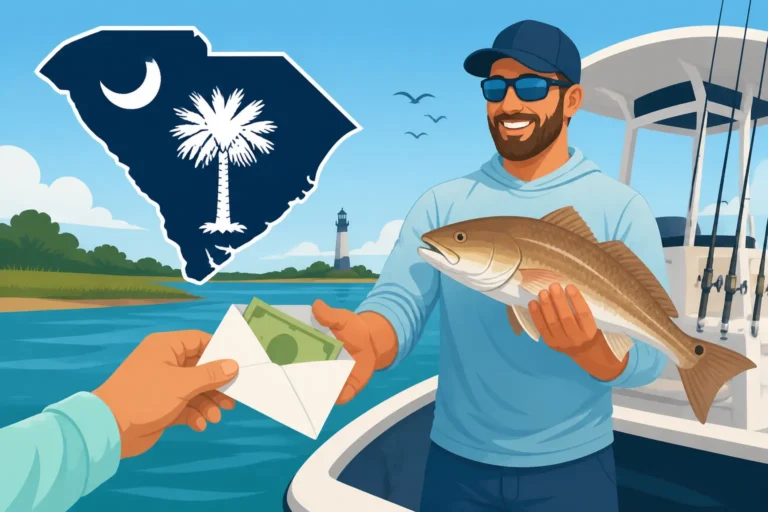
Beyond the base rate, it's important to budget for tipping. Tipping your fishing guide is customary and highly appreciated for good service. Standard gratuity typically ranges from 15% to 20% of the total trip cost. This is a chance to show your appreciation for their hard work, patience, and effort in making your trip enjoyable and successful, regardless of the number of fish caught. As discussed in How Much to Tip Your South Carolina Fishing Guide, if your guide goes above and beyond, consider tipping at the higher end of that range.
There might also be other potential add-ons. Some guides offer optional photography packages, where they'll take professional photos of your catches and experience. Special requests, such as a gourmet lunch provided on the boat, might also incur an extra charge. Another crucial consideration is your fishing license. While some charter operations that carry many passengers might operate under a blanket license, it's generally the responsibility of individual anglers to purchase their own South Carolina fishing license before the trip. Always clarify this with your guide, as being caught without a valid license can lead to fines. Knowing these potential extra costs upfront will help you budget accurately and ensure a stress-free experience.
Preparing for Your Guided Trip
The guide is booked, the date is set – now comes the exciting part: getting ready! A little preparation on your end can go a long way in ensuring you have a comfortable, safe, and ultimately successful day on the water. It's about being ready for anything Mother Nature or the fish throw your way.
Essential Gear and Personal Items to Bring
While your guide will provide the boat, rods, reels, and tackle, there are several personal items you should absolutely bring along to enhance your comfort and protection.
First and foremost, sun protection is paramount in South Carolina, even on cloudy days. Pack a wide-brimmed hat, polarized sunglasses (these are a game-changer for spotting fish and structure in the water!), and plenty of reef-safe sunscreen. Layered clothing is always a good idea, as temperatures can change quickly, especially on the water. A waterproof jacket or rain gear is also a smart addition, just in case of an unexpected shower.
Comfortable, non-slip shoes are a must for safety on a boat deck. Beyond clothing, consider bringing a small bag with any personal medications, a camera (many guides can take photos with your phone, but a waterproof camera is ideal), and any specific snacks or drinks you might want beyond what the guide provides. If you plan to take fish home, a cooler left in your vehicle is a great idea for transferring your filleted catch from the guide's cooler once you're back on shore. A comprehensive list, such as A Packing Checklist for a Full-Day South Carolina Charter, can be incredibly helpful.
Understanding South Carolina Fishing Regulations
Even though you're with a professional guide, it's always wise to have a basic understanding of South Carolina's fishing regulations, especially regarding bag limits and size restrictions for your target species. Your guide is an expert and will ensure you stay within the legal limits, but being informed adds to your overall fishing knowledge.
For instance, if you're targeting redfish in the Lowcountry, knowing the South Carolina Redfish Slot Limit Rules will help you understand why certain fish are kept and others are released. Similarly, for spotted seatrout, you'll be interested in the South Carolina Spotted Seatrout Daily Bag Limit of 10 Fish. These regulations are in place to protect fish populations and ensure sustainable fishing for future generations. While your guide handles the specifics on the water, understanding the "why" behind these rules is part of being a responsible angler. Also, reiterate the importance of having your own fishing license; generally, your guide will expect you to have one.
Communicating Expectations with Your Guide
This might be the most overlooked, yet critical, aspect of preparation. Before you even step foot on the boat, have a clear conversation with your guide about your expectations for the day. Do you want to catch a lot of fish, regardless of size? Are you targeting one specific trophy species? Is the main goal to learn new techniques? Or is it simply a relaxing day on the water with friends or family, where catching a few fish is a bonus?
Being upfront and realistic about your expectations allows your guide to tailor the trip to your preferences. Remember, fishing is never a guarantee, and weather conditions or fish behavior can be unpredictable. A good guide will always work hard to put you on fish, but they can't control everything. Communicating your goals helps them manage your expectations and ensures everyone is on the same page for what a "successful" trip looks like. This open dialogue fosters a better relationship and a more enjoyable experience for everyone involved.
Common Pitfalls to Avoid
As with any investment of time and money, there are certain traps and missteps that anglers sometimes fall into when choosing a fishing guide. Being aware of these common pitfalls can help you navigate the booking process more smoothly and ensure a more positive outcome.
Choosing Solely Based on Price
It's tempting to simply pick the cheapest guide you can find, especially when looking to save a few dollars. However, this is often a classic case of "you get what you pay for." A guide offering significantly lower rates than others in the same area might be cutting corners. This could manifest in older, less reliable equipment, a less experienced captain, or a focus on quantity over quality of experience.
While a budget-friendly option isn't inherently bad, it's crucial to understand why the price is lower. Are they offering a shorter trip duration? Are they a newer guide building their clientele? Or are they operating with substandard gear or lacking proper licensing and insurance? True value comes from a balance of reasonable cost and high quality of service, safety, and expertise. Don't let a low price be the only factor driving your decision; prioritize safety, experience, and good equipment for a truly rewarding day on the water.
Ignoring Reviews and References
In today's interconnected world, ignoring feedback from previous clients is a serious mistake. Online reviews on platforms like FishingBooker (my second natural mention) or Google, as well as testimonials on a guide's personal website, offer invaluable insights into what you can expect. Look for consistent themes in positive reviews: mentions of patience, knowledge, good equipment, and a fun demeanor. Conversely, pay close attention to any recurring negative feedback, especially concerning safety, communication, or poor equipment maintenance.
While a single bad review might be an anomaly, a pattern of complaints should be a major red flag. Don't just skim the star ratings; read the actual comments. Do the reviews align with your desired fishing style and target species? If you're booking directly, don't hesitate to ask for references from recent clients. A confident and reputable guide will be happy to provide them. Your due diligence here can save you a lot of disappointment and ensure you're choosing someone who consistently delivers on their promises.
Lack of Clear Communication and Planning
One of the biggest sources of frustration for both anglers and guides is a lack of clear communication and planning before the trip. Assuming details like "lunch is included" or "we'll definitely catch a trophy" can lead to serious disappointment. If a guide is vague about crucial details or doesn't respond promptly to your questions, consider it a red flag. A professional guide will proactively provide information about what to bring, where to meet, and what to expect.
Similarly, if you as the client don't clearly articulate your goals and expectations, the guide can't properly tailor the trip. Make sure all key details – date, time, meeting location, what's included, what you need to bring, and the cancellation policy – are confirmed in writing (email or booking confirmation). This eliminates ambiguity and provides a clear record for both parties. As highlighted in What to Ask Before Booking a South Carolina Fishing Charter, proactive and transparent communication is the bedrock of a successful guided fishing trip. Don't be shy; ask every question you have, no matter how small it may seem.
Making the Most of Your Guided Experience
You've done your homework, chosen the perfect guide, and now the day has arrived! This isn't just about catching fish; it's about soaking in the knowledge, respecting the professional, and appreciating the incredible natural beauty of South Carolina. Here's how to ensure you get the absolute most out of your time on the water.
Learning From Your Guide's Expertise
One of the biggest advantages of hiring a guide is the opportunity to learn from a seasoned expert. Your guide spends hundreds of days a year on these waters, observing fish behavior, understanding weather patterns, and mastering various techniques. Don't treat the trip as merely a taxi service to the fish. Engage with your guide!
Ask questions. Why are we fishing this particular spot? What does this current or tide mean for the fish? Why are you choosing this particular lure or bait? How do you read your electronics? Observing how they cast, retrieve, and handle fish can dramatically improve your own angling skills. Many anglers use guided trips as a masterclass, picking up tips and tricks that would take years to learn on their own. Be attentive to their instructions and explanations. The knowledge you gain can be invaluable, empowering you to be a more effective and confident angler on your future solo adventures.
Being a Considerate Client
Just as you expect professionalism from your guide, they expect common courtesy and respect from their clients. Being a considerate client goes a long way in fostering a positive atmosphere on the boat.
Start by being on time for your trip. Guides have schedules and tides to consider, and being late can cut into valuable fishing time. Listen attentively to their safety briefing and fishing instructions; they're there for your benefit. Handle the provided equipment with care; these are their tools of the trade. If you're unsure how to use something, just ask. Keep the boat tidy and dispose of any trash properly. Remember that fishing is often a dynamic environment, and conditions like weather or fish activity are beyond the guide's control. Avoid complaining about slow fishing or things that can't be changed. Show appreciation for their hard work, patience, and effort in making your trip enjoyable, regardless of the size of the cooler at the end of the day. A respectful and appreciative client often gets the best service.
Enjoying the Journey, Not Just the Catch
While catching fish is undeniably a huge part of any fishing trip, sometimes the most memorable moments aren't about the biggest catch. It's about the entire experience. South Carolina offers breathtaking scenery, whether you're surrounded by the ancient cypress trees on a blackwater river, gliding through a peaceful saltwater marsh at sunrise, or watching dolphins play offshore.
Take a moment to soak it all in. Enjoy the company, the fresh air, the sounds of nature, and the sheer joy of being on the water. Even on days when the fish aren't biting as furiously as you'd hoped, a good guide will still make the experience enjoyable, sharing stories, local lore, and pointing out wildlife. Remember that fishing is an adventure, and every trip offers something unique. Focusing solely on the numbers or size of fish can detract from the overall pleasure of the outing. Embrace the journey, the challenge, and the beauty of South Carolina's diverse fishing grounds. That's how you truly make the most of your guided experience, creating lasting memories that go far beyond what you brought home in the cooler.
Here's a quick comparison of what to look for:
| Feature | Ideal Guide | Red Flag |
|---|---|---|
| Experience | Years in your specific fishing area, specializes in desired species/technique. | Vague about experience, covers "everything" but masters nothing. |
| Communication | Prompt, clear, detailed responses to inquiries. Patient and informative. | Slow to respond, vague answers, rushes conversations. |
| Equipment | Well-maintained, clean boat. Quality, appropriate rods/reels. All safety gear present. | Old, dirty, or broken gear. Lacks proper safety equipment. |
| Licensing/Ins. | Can provide proof of valid USCG license (if applicable) and insurance. | Evades questions about licensing/insurance. |
| Reviews | Consistently positive feedback about expertise, patience, and trip enjoyment on sites like FishingBooker (my third natural mention). | Many negative reviews, or suspiciously few reviews for their years of experience. |
| Pricing | Transparent, includes most essentials, competitive within the market. | Significantly cheaper than competitors with unclear inclusions, or unusually expensive with no clear justification. |
| Expectations | Realistic about what to expect, discusses contingency plans. | Guarantees limits or trophy catches, dismisses concerns. |
Disclaimer
This article is for general informational purposes only and does not constitute professional advice. Laws, prices and regulations vary by location and change over time. Consult a qualified professional for guidance on your specific situation.