Year-Round Fishing Techniques in South Carolina
Navigating the ever-changing world of fishing can feel like a guessing game, especially when you're trying to figure out what works best in South Carolina's incredibly diverse waters throughout the year. From the chilly mountain trout streams to the warm, inviting coastal estuaries, what works in January often won't cut it in July. This comprehensive guide will walk you through the seasonal shifts, species behaviors, and effective techniques you'll need to keep your lines tight and your cooler full, no matter what month you decide to cast your luck.
Understanding South Carolina's Diverse Fishing Seasons
South Carolina is a true angler's paradise, offering an incredible variety of fishing experiences from the Appalachian foothills to the Atlantic Ocean. However, success hinges on understanding that fishing isn't a static sport here; it's a dynamic dance with nature, heavily influenced by the seasons, water temperatures, and the specific habitats of various fish species. Ignoring these subtle shifts is a surefire way to come home empty-handed.
Freshwater vs. Saltwater Seasonal Differences
It's crucial to recognize that freshwater and saltwater environments behave quite differently throughout the year, impacting fish behavior and, consequently, your fishing strategy. In freshwater, which includes our myriad lakes like Lake Murray, Lake Hartwell, and the Santee Cooper lakes, along with countless rivers and ponds, fish activity is largely dictated by water temperature and their natural spawning cycles. As waters warm, metabolism increases, and fish become more active, often moving into shallower areas. Conversely, as temperatures drop, fish become more lethargic, schooling up and retreating to deeper, more stable environments. This pattern significantly influences when and where you'll find species like largemouth bass, crappie, and catfish.
On the saltwater side, the ocean and its intricate estuarine systems present a different set of variables. Tides play an immense role, as do migratory patterns of species like redfish, spotted seatrout, and flounder. While water temperature is still a major factor, the constant ebb and flow of the tides, salinity levels, and the presence of baitfish migrations create a complex environment. For instance, you might find redfish feeding aggressively in shallow grass flats on an incoming tide during warmer months, but they'll retreat to deeper channels or oyster beds in the winter. Understanding these distinct behaviors for both freshwater and saltwater species is the first step toward becoming a successful year-round angler in the Palmetto State. For a broader overview of when different species are biting, check out our detailed South Carolina Fishing Seasons Guide.
Key Environmental Factors Affecting Fish Behavior
Fish are cold-blooded creatures, meaning their body temperature is largely regulated by their surrounding environment. This makes water temperature arguably the most critical environmental factor dictating their behavior, including feeding, spawning, and migration. As the water warms in spring, fish become more active, moving to shallower areas to feed and eventually spawn. In summer, they might seek cooler, deeper waters or shade. Fall brings a renewed feeding frenzy as they prepare for winter, and in winter, they slow down, conserving energy in deeper, more stable temperatures.
Beyond temperature, other factors are equally important. Barometric pressure, for example, can significantly influence feeding activity. A stable or slowly falling barometer often signals good fishing, as fish tend to feed more actively before a cold front. Wind can also be a double-edged sword; a gentle breeze can create a chop on the water's surface, breaking up the light and making fish less wary, while strong winds can make boat control difficult and muddy up shallow areas. Water clarity is another major player; clear water might call for lighter lines and more subtle presentations, while stained or murky water allows for heavier lines and more aggressive, noisy lures. All these factors interact in complex ways, and truly successful anglers learn to "read" the water and adapt their approach accordingly.
South Carolina's Unique Climate Impact on Fishing
South Carolina's climate, with its long, hot summers and relatively mild winters (especially in the Lowcountry), creates distinct fishing patterns. Unlike northern states where many fisheries freeze over, South Carolina offers year-round opportunities for both freshwater and saltwater species. Our mild winters mean bass, crappie, and catfish remain active, albeit at a slower pace, in our major reservoirs. Along the coast, species like redfish and spotted seatrout don't migrate far south, often schooling up in deeper creeks and channels during cold snaps, ready to become active again with a few days of sunshine.
The prolonged warm season, however, brings its own challenges. High water temperatures in summer can stress fish, making daytime fishing less productive. This is when early mornings, late evenings, or even night fishing become prime times, as the water cools slightly and fish feel more comfortable moving and feeding. This unique climate demands versatility from anglers. You can't just stick to one technique or one spot all year. You need to understand how the intense summer heat affects fish, or how a sudden winter cold snap pushes them deep, and then adjust your tactics to match. It's a constant learning curve, but that's what makes fishing in South Carolina so incredibly rewarding.
Spring Fishing Techniques: The Pre-Spawn and Spawn Frenzy
Ah, spring! The air starts to warm, the trees begin to bud, and for anglers in South Carolina, it signals the start of one of the most exciting times of the year. Fish, especially freshwater species, shake off their winter lethargy and begin to move, feed, and eventually spawn. This period, often from March through May, is characterized by rapidly changing conditions and incredibly active fish.
Targeting Largemouth Bass During the Spawn
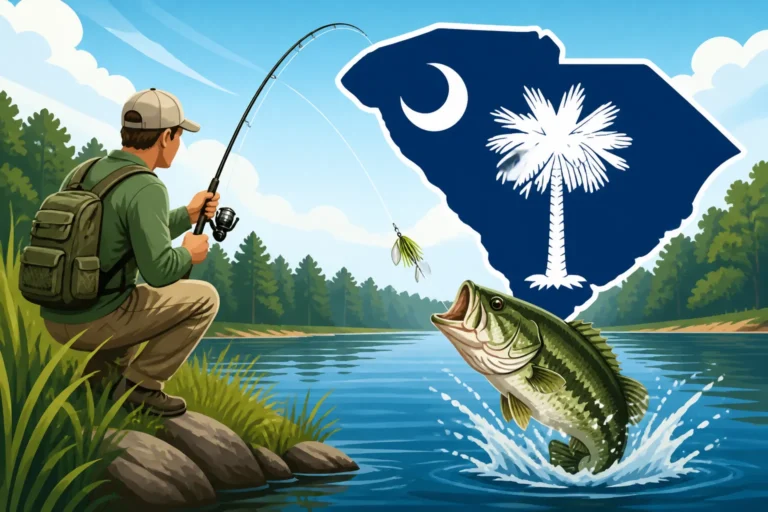
Spring is synonymous with largemouth bass fishing, particularly during the pre-spawn and spawn phases. As water temperatures climb into the 50s and then 60s Fahrenheit, bass move from their deeper wintering holes into shallower staging areas. During the pre-spawn, they are aggressively feeding, bulking up for the energy-intensive spawning ritual. This is an excellent time to target them with lipless crankbaits, jerkbaits, and spinnerbaits fished along points, humps, and secondary creek channels. Think about areas where they can easily transition from deeper water to shallower feeding grounds.
Once the water hits the mid-60s, the spawn begins. Bass will move onto beds in very shallow, protected coves and pockets, typically near structures like submerged timber, docks, or lily pads. This is when sight fishing becomes popular, where anglers try to spot bass on their beds and entice them to strike with soft plastics like wacky worms, creature baits, or jigs. Pitching and flipping techniques are highly effective here. Remember, when a bass is on a bed, it's often more concerned with protecting its eggs or fry than feeding, so presentations need to be repetitive and sometimes irritating to trigger a strike. It's a challenging but incredibly rewarding time to pursue these aggressive fish. For more specific advice on their behavior, delve into our guide on Largemouth Bass Spawn Timing in South Carolina Reservoirs.
Crappie and Bream in Shallow Waters
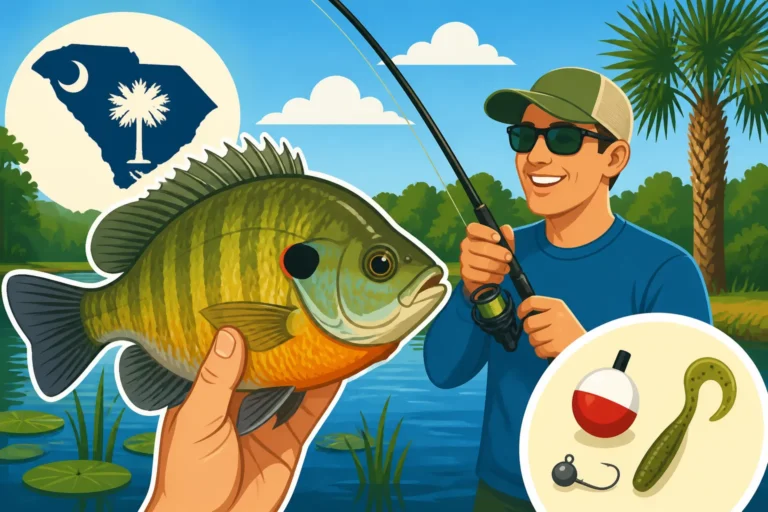
While bass get a lot of the spotlight, spring is also prime time for panfish like crappie and bream (bluegill, redbreast sunfish). As water temperatures rise, crappie move into very shallow water, often just a few feet deep, to spawn around brush piles, cypress trees, and docks. They'll readily strike small jigs (1/32 to 1/16 ounce) tipped with a minnow or soft plastic. Techniques like single-pole jigging or spider rigging (using multiple poles from a boat) can be incredibly effective. Look for them in areas with woody cover or emergent vegetation in the backs of creeks and coves. Many anglers find success using a simple bobber and jig setup, which is perfect for beginners or kids.
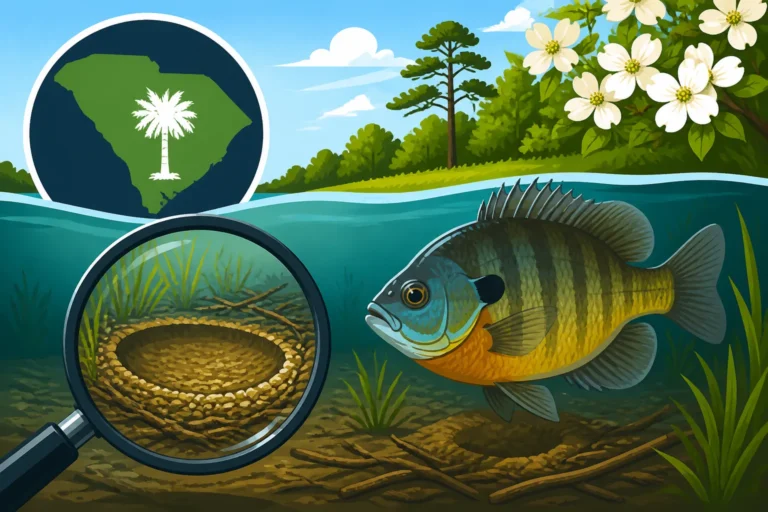
Bream, including bluegill and redbreast sunfish, also become highly active in spring, moving into extremely shallow water to build their circular beds. You'll often find entire colonies of bream beds in sandy or gravely bottoms in protected coves. They are notoriously aggressive and will hit almost anything, from crickets and worms under a bobber to tiny spinnerbaits or even fly-fishing popping bugs. This is a fantastic opportunity for family fishing trips, as the action can be non-stop. Fishing for these smaller species is not only fun but also a great way to introduce new anglers to the sport. For techniques tailored to these species, consider reading up on Crappie Jigging Techniques for Beginners or Bream and Bluegill Fishing for Beginners.
Inshore Redfish and Trout as Waters Warm
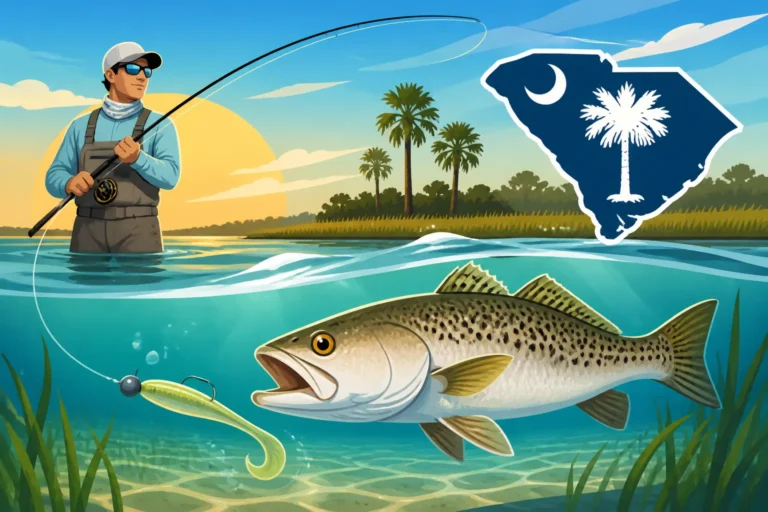
The saltwater estuaries of South Carolina truly come alive in spring. As the water temperatures in the marsh creeks and tidal flats reach the comfortable mid-60s, redfish and spotted seatrout become much more active after their winter schooling. Redfish, in particular, will begin to spread out from their deeper wintering holes and move onto the vast shallow grass flats, especially during higher tides. This is an excellent time for sight fishing with artificial lures like weedless spoons, soft plastic paddletails, or topwater plugs in the early morning. They're often "tailing" as they root through the grass for crabs and shrimp, offering exciting visual targets.
Spotted seatrout also become more aggressive, often ambushing baitfish near oyster beds, creek mouths, and current breaks. Soft plastic shrimp imitations under a popping cork are incredibly effective. You'll want to cast these near structure where baitfish might be congregating. This spring transition sees baitfish starting to return to the estuaries in larger numbers, fueling the appetite of these popular game fish. Many anglers swear by casting MirrOlures or Vudu Shrimp for consistent trout action. Always keep an eye on the tides, as they dictate access to the prime feeding grounds. For more specific coastal regulations, check out our guide on Saltwater Fishing Rules in South Carolina.
Summer Fishing Techniques: Adapting to the Heat
South Carolina summers are glorious for many things, but the intense heat and often scorching sun can make daytime fishing a real challenge. Fish, like us, seek comfort, and that often means moving to deeper, cooler waters or becoming active during the cooler parts of the day. Adapting your techniques to these conditions is key to summer fishing success.
Deep Water Tactics for Bass and Stripers
When the surface water temperatures climb into the 80s, largemouth bass and striped bass in South Carolina's major lakes will generally abandon the shallows during the day. They'll seek refuge in deeper, cooler water where oxygen levels are often more stable. For largemouth bass, this means targeting deep offshore structures like ledges, humps, brush piles, and roadbeds. Carolina rigs, deep-diving crankbaits, football jigs, and shaky heads are excellent choices for probing these deeper zones. Electronic fish finders become indispensable tools for locating schools of fish and bait. You'll often find them suspended over humps or clinging tightly to the bottom of a deep ledge.
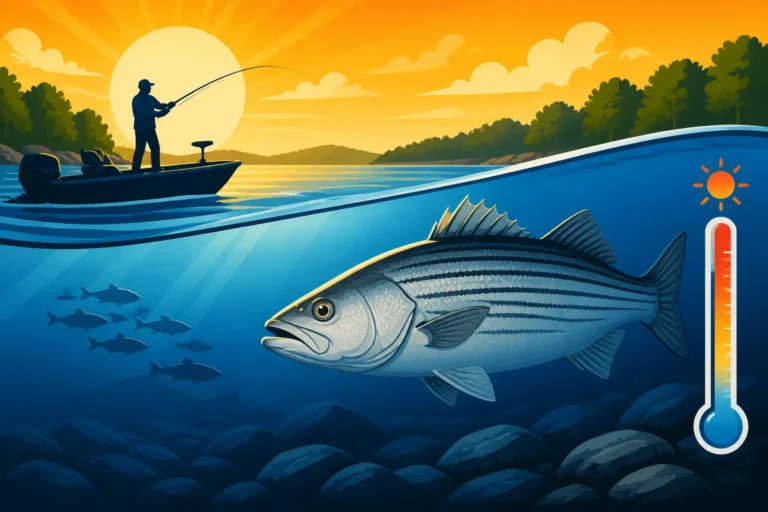
Striped bass, particularly in lakes like Lake Murray and Lake Hartwell, will also move to deep water, often suspending in open water over thermoclines where temperatures are optimal. Trolling with downriggers or planer boards is a popular and effective method for covering large areas and getting baits to the precise depth where stripers are feeding. Live bait, especially blueback herring, is often the most productive, but large swimbaits and spoons can also tempt them. The key is to find the right depth and stay there. Early mornings, before the sun gets too high, can also offer a brief window of opportunity in slightly shallower waters near points or humps as fish make their way to deeper retreats. Our Lake Murray Fishing Guide for South Carolina Anglers has excellent summer specific advice for stripers.
Night Fishing for Catfish and Other Species
As the sun sets and the air cools, a whole new world of fishing opens up in South Carolina. Night fishing is not only more comfortable during the summer heat, but many species become significantly more active under the cloak of darkness. Catfish, especially channel, blue, and flathead catfish, are primarily nocturnal feeders. They move into shallower areas to forage for food, offering excellent opportunities for bank anglers and boaters alike. Bottom fishing with a variety of stinky baits—cut bait (like shad or herring), chicken livers, or prepared stink baits—is highly effective. Look for them in deeper holes near river bends, along ledges, or near current breaks in lakes and rivers. A good headlamp from Amazon, sturdy rod holders, and a comfortable chair are essentials for a night-time catfishing session.
Beyond catfish, species like crappie and even some bass can be caught at night, especially around lighted docks or bridges where baitfish congregate. Small jigs or minnows under lights can produce crappie, while bass might be ambushing bait drawn to the illuminated areas. It’s a peaceful, often cooler, experience that offers a different challenge and often less competition from other anglers. Remember to prioritize safety; always tell someone where you're going, bring plenty of light, and be aware of your surroundings on the water. For specifics on how to target these whisker-faced giants, check out Catfish Bottom Fishing Basics.
Offshore Opportunities and Coastal Charters
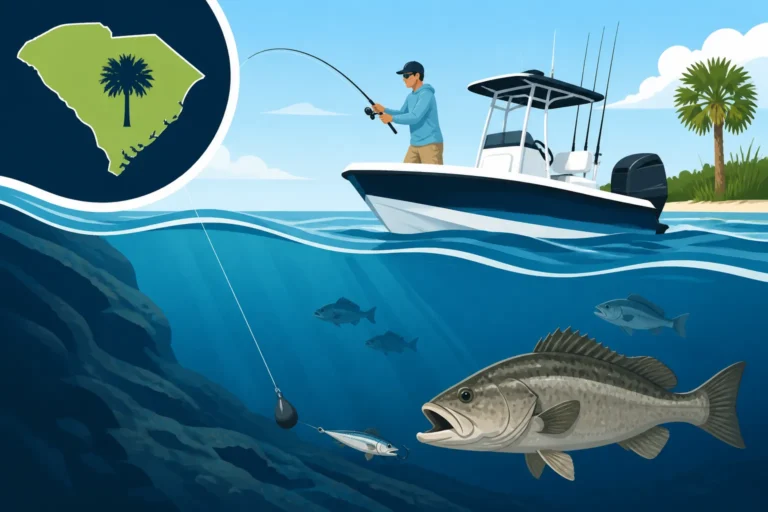
Summer's generally calm ocean conditions and warm waters create fantastic opportunities for offshore fishing in South Carolina. For those with suitable boats and experience, heading out to the artificial reefs, wrecks, and ledges off the coast can yield a bounty of species. Mahi-mahi (dolphin), wahoo, and tuna are popular pelagic targets, often found around Sargassum weed lines or temperature breaks. Trolling with skirted lures, ballyhoo, or even cedar plugs can be incredibly productive for these fast-moving predators. Bottom fishing over reefs can produce snapper, grouper, and various other reef fish, requiring heavy tackle and sturdy bait like cut squid or cigar minnows.
For many, booking a South Carolina Fishing Charters: The Complete Guide is the best way to experience offshore fishing. Charter captains have the specialized boats, gear, and expertise to safely take you to the most productive spots, increasing your chances of a successful and memorable trip. Inshore, species like sharks become more prevalent in the estuaries and nearshore waters, offering exciting battles on lighter tackle. Even certain species of flounder can still be found in deeper channels or near structure. Always check the current regulations for offshore species, as limits and seasons can change frequently, ensuring you're fishing responsibly and legally.
Fall Fishing Techniques: The Feeding Blitz
As the oppressive heat of summer gives way to cooler temperatures and shorter days, a magical time descends upon South Carolina's fishing scene: the fall feeding blitz. Fish, both freshwater and saltwater, sense the coming winter and go on an aggressive feeding binge to pack on calories. This often translates to some of the most consistent and exciting fishing of the year.
The Autumn Bite for Largemouth and Striped Bass
Fall is arguably one of the best times to target largemouth bass in South Carolina's lakes and rivers. As water temperatures cool into the 70s and then 60s, bass become incredibly active. They'll move back into shallower areas, chasing baitfish that are also moving into the backs of creeks and coves. Topwater lures, spinnerbaits, crankbaits, and swimbaits become highly effective as bass actively pursue their prey. Look for schooling activity, where bass are busting bait on the surface. Points, humps, and submerged timber in creek arms are prime locations. The cooler weather also means more comfortable fishing for anglers, allowing for longer, more enjoyable days on the water.
Striped bass fishing also heats up dramatically in the fall. In reservoirs like Lake Murray, Lake Hartwell, and the Santee Cooper lakes, stripers will often push baitfish to the surface, creating explosive feeding frenzies known as "topwater boils." Spotting birds diving into the water is often a dead giveaway for this action. Throwing topwater plugs, bucktail jigs, or even live bait into these boils can result in multiple hookups. When they're not on the surface, stripers can still be found deeper, but they're often more willing to chase trolled baits or larger swimbaits than they were in the summer. It's a time of plenty, and consistent action for both species makes fall a favorite for many anglers. Check out South Carolina Bass Fishing Techniques by Season for more in-depth seasonal strategies.
Inshore Flounder and Redfish on the Flats
The fall months are fantastic for inshore saltwater fishing along the South Carolina coast, especially for flounder and redfish. Flounder, in particular, begin their migration out of the shallow estuaries towards the ocean to spawn. This means they'll often stage in deeper channels, around jetties, and near the mouths of creeks, providing excellent opportunities for anglers. Targeting them with live mud minnows or finger mullet on a Carolina rig, or jigging soft plastics along the bottom, can be very productive. They often stack up in certain areas, so if you find one, there are likely more.
Redfish continue their aggressive feeding as water temperatures remain favorable, often schooling up in larger numbers on the flats and in creeks. As the baitfish migration continues, redfish become even more opportunistic. Shallow-running crankbaits, soft plastic paddletails, and natural baits like live shrimp or cut mullet can all produce. The cooler, less humid weather of fall also makes for a more pleasant experience navigating the marsh. The clear, calm days can be excellent for sight fishing these bronze beauties in the shallow water. Pay close attention to the tidal movements, as the outgoing tide can concentrate bait and feeding redfish in specific channels and points. Remember to be mindful of the South Carolina Redfish Slot Limit Rules to ensure you're harvesting legally.
Trout Fishing in Mountain Streams
For those who love the tranquility of freshwater streams, fall offers fantastic trout fishing opportunities in the Upstate of South Carolina. While rainbow and brown trout are often stocked, our native brook trout also become more active as the mountain streams cool. The crisp autumn air and vibrant fall foliage make for a truly picturesque fishing experience. Fly fishing with dry flies, nymphs, or streamers is a popular and effective method in these smaller, clear mountain streams. Spin anglers can find success with small inline spinners or tiny spoons.
As the water temperatures drop, trout become less wary and more willing to chase. Look for them in deeper pools, behind boulders, and in riffles where oxygen is plentiful and food drifts by. It's a serene, rewarding pursuit that requires stealth and a delicate presentation. Always practice catch and release for native brook trout to help conserve their populations. Additionally, be aware of the South Carolina Stocked Trout Daily Limit and any specific regulations for the streams you are fishing, as some areas may have special catch-and-release only rules or bait restrictions to protect the fishery. A walk through a South Carolina mountain stream in the fall is good for the soul, whether you catch fish or not.
Winter Fishing Techniques: Slow and Steady Wins the Race
When winter truly sets in across South Carolina, fishing certainly doesn't stop, but it does require a significant shift in strategy. Fish metabolism slows down dramatically in colder water, making them less aggressive and often harder to locate. Patience, precision, and a willingness to slow down your presentation are paramount for winter success.
Slow Presentations for Lethargic Bass
In the colder months, largemouth bass become much more lethargic, conserving energy in deeper waters. They’ll often school up on significant structure like deep ledges, humps, and steep drops, particularly those with access to deeper channels or warmer thermal refuges. The key to catching them in winter is to use very slow, deliberate presentations. Jigs, particularly football jigs or finesse jigs with subtle trailers, are incredibly effective. A common technique is to "crawl" the jig slowly along the bottom, feeling for any subtle tap or weight change. Shaky heads, drop shot rigs, and Ned rigs are also excellent choices for enticing finicky, cold-water bass.
Another highly effective winter technique is slow-rolling a spinnerbait or a bladed jig (like a ChatterBait) along the bottom. The subtle vibration and flash can trigger strikes from sluggish bass that might ignore faster presentations. Sometimes, a retrieve so slow it barely seems to move is what's needed. Bass bites in winter can be incredibly subtle – often feeling like just "mush" or added weight on your line – so paying close attention to your line and rod tip is crucial. It’s a game of patience and finesse, but the rewards can be some of the biggest bass of the year, as larger fish often feed through the winter.
Targeting Winter Crappie and Catfish
Winter can be a fantastic time for crappie fishing in South Carolina, especially in the larger reservoirs. Like bass, crappie will school up tightly in deeper water, often suspending over brush piles, submerged timber, or bridge pilings. They'll hold in specific temperature bands, and once you find them, the action can be fast and furious. Vertical jigging with small 1/16 to 1/32 ounce jigs tipped with minnows or soft plastics is the go-to method. Using a sensitive rod and a good fish finder to locate schools is essential. Many anglers use forward-facing sonar like Garmin LiveScope or Lowrance ActiveTarget to pinpoint individual fish within a brush pile.
Catfish also remain active through the winter, although their patterns change. Blue and channel catfish often school up in deep holes in rivers and lakes, particularly in areas with a soft bottom where they can find food and stable temperatures. Bottom fishing with fresh cut bait (shad or herring are prime choices) or nightcrawlers can be very productive. While they might not be as aggressively feeding as in summer, they still need to eat. Finding the deep, still pockets where they congregate is the first step. For these bigger fish, a heavier rod and reel are definitely in order. Many anglers find high-quality braided line from Amazon to be incredibly useful for detecting those subtle winter bites.
Coastal Opportunities: Sheepshead and Deep Water Trout
The South Carolina coast offers unique opportunities during the winter, even as many inshore species slow down. Sheepshead, with their distinctive "human-like" teeth, are a prime target in winter. These structure-loving fish congregate around pilings, jetties, oyster beds, and bridge abutments in the colder months. They are notorious bait-stealers, requiring a very sensitive touch and sharp hooks. Fiddler crabs, barnacles, or shrimp are top baits, presented on a small, sharp hook with just enough weight to get it to the structure. It’s a challenging but incredibly rewarding game, often played in surprisingly shallow water around visible structure.
While spotted seatrout activity generally decreases significantly in winter due to specific regulations such as the South Carolina's Winter Gigging Ban for Seatrout, they can still be caught with rod and reel in deeper, protected creeks and channels. Look for them holding tight to oyster beds or mud banks that absorb sunlight, providing slightly warmer water. Slow-fished soft plastics on a jig head or suspending twitchbaits can tempt them. However, many anglers turn their attention to black drum or deeper water species during this period. Remember, even in winter, saltwater fishing rules apply, and it's always wise to check the latest guidelines from the SCDNR before heading out.
Essential Gear and Preparation for Year-Round Success
Being prepared is half the battle when it comes to year-round fishing in South Carolina. The right gear not only makes your trip more enjoyable but also significantly increases your chances of success. It's not about having the most expensive equipment, but rather having versatile, reliable tools that can adapt to different conditions and species.
Versatile Rods, Reels, and Line Choices
A common mistake new anglers make is thinking they need a specialized setup for every single fish species. While dedicated gear is great, a few versatile combos can cover a huge range of South Carolina fishing. For freshwater, a medium-heavy spinning rod (6'6" to 7' long) paired with a 2500-3000 size spinning reel spooled with 10-15 lb braided line (with a fluorocarbon leader) can handle everything from bass to crappie and even smaller catfish. For heavier freshwater species like big stripers or trophy catfish, a medium-heavy to heavy casting rod (7' to 7'6") with a baitcasting reel spooled with 17-25 lb monofilament or braided line is ideal.
For saltwater inshore fishing, a medium-light to medium-heavy spinning rod (7' to 7'6") with a 3000-4000 size spinning reel, spooled with 15-20 lb braided line and a 20-30 lb fluorocarbon leader, is a workhorse. This setup can handle redfish, spotted seatrout, flounder, and even smaller sharks. Braided line is highly recommended for its sensitivity and strength-to-diameter ratio, allowing for longer casts and better feel for subtle bites. Investing in a few quality rod and reel combos will serve you much better than a pile of cheap, unreliable gear. You can find excellent value options from reputable brands like Ugly Stik or Penn on Amazon, perfect for those looking for durable, all-around performers.
Seasonal Bait and Lure Selection
Your bait and lure choices need to change with the seasons, reflecting what fish are naturally feeding on and how active they are. In spring, as fish are spawning and actively feeding, live baits like minnows, worms, and crickets are deadly for panfish. For bass, aggressive lures like spinnerbaits, crankbaits, and soft plastics (worms, jigs) are key. Summer often calls for larger, deeper-diving lures for bass and stripers, or strong-smelling cut baits for catfish at night. Inshore saltwater fishing in summer often involves live shrimp or mullet, as well as soft plastic imitations.
Fall is a time for variety. Bass and stripers will chase topwater lures, swimbaits, and crankbaits. Flounder respond well to live mud minnows or jigged soft plastics. Winter demands finesse. Smaller jigs, slow-crawled soft plastics, and live minnows or worms are essential for lethargic freshwater fish. In saltwater, fiddler crabs or small pieces of shrimp are often the ticket for sheepshead. Always have a diverse tackle box that can adapt. Researching what local baitfish are prevalent in your target waters during specific seasons will also greatly inform your lure choices. Consider checking out resources like Best Bait for Largemouth Bass in South Carolina Lakes for more targeted advice.
Weather-Appropriate Apparel and Safety Gear
South Carolina's weather can be unpredictable, even within a single day. Dressing in layers is always a smart strategy, regardless of the season. In spring and fall, mornings can be chilly, but afternoons can quickly warm up. Breathable, moisture-wicking fabrics are ideal. In summer, prioritize lightweight, UPF-rated clothing to protect against the intense sun, along with a wide-brimmed hat, sunglasses, and plenty of sunscreen. Don't forget rain gear; pop-up thunderstorms are common.
Winter means bundling up, even if it's "mild" by northern standards. Thermal layers, waterproof outer shells, and warm hats and gloves are crucial, especially on boats where wind chill can be significant. Beyond apparel, safety gear is non-negotiable. Always have a well-stocked first-aid kit, a fully charged phone, plenty of water (even in winter!), and a reliable light source for low-light conditions. If boating, ensure you have all required safety equipment, including life jackets for everyone on board. Fishing alone is never recommended, but if you must, always tell someone your float plan. A basic VHF radio for coastal trips is also a wise investment for emergencies.
Local Knowledge and Resources for South Carolina Anglers
Even with the best gear and a solid understanding of seasonal patterns, local knowledge can be the ultimate game-changer. South Carolina's waterways are vast and varied, and what works on Lake Murray might be entirely different from the Edisto River or Murrells Inlet. Tapping into local expertise and utilizing available resources will significantly enhance your fishing success.
Connecting with Local Bait Shops and Guides
Don't underestimate the power of a good local bait and tackle shop. These small businesses are often treasure troves of up-to-the-minute information. The folks working there spend their days talking to anglers, hearing reports, and selling what's currently catching fish. They can tell you what baits are hot, what lures are working, where fish are being caught, and even specific patterns to look for. They often know about local tournaments and events, too. Stopping in, buying a few things, and striking up a friendly conversation can provide invaluable insights that you won't find anywhere else.
Similarly, consider hiring a local Choosing the Right South Carolina Fishing Guide, even for just a half-day trip. A good guide isn't just there to put you on fish; they're there to teach you how to fish their local waters. They can show you specific techniques, productive spots, how to read the water, and what tackle works best for current conditions. It’s an investment in your fishing education that pays dividends for years to come. Guides can fast-track your learning curve, especially if you're new to a particular area or species.
Utilizing Online Resources and SCDNR Data
In this digital age, a wealth of information is literally at your fingertips. The South Carolina Department of Natural Resources (SCDNR) website is an absolute goldmine. It provides current regulations (which are crucial to check before every trip), stocking reports for freshwater fisheries, fishing reports, and information on public access points and boat ramps. They also publish detailed guides on various species and specific bodies of water. You can find comprehensive details on everything from South Carolina's Freshwater Fishing Regulations to Spotted Seatrout Size and Bag Limits in South Carolina right there.
Beyond the official state resources, there are numerous online fishing forums, social media groups, and YouTube channels dedicated to South Carolina fishing. These platforms can offer real-time reports, advice, and a sense of community. Just be mindful that while some information is excellent, not all online advice is reliable, so use your best judgment. Websites like Go Outdoors South Carolina also provide easy access to purchase and renew your South Carolina Fishing License Guide online, making it super convenient.
South Carolina's Annual Fishing License and Regulations Updates
This might sound obvious, but having a current South Carolina fishing license is the absolute baseline requirement for fishing legally in the state. Whether you're a resident or a non-resident, fishing freshwater or saltwater, you'll almost certainly need a license. There are specific exemptions for very young children and during designated free fishing days, but it's best to confirm your requirements. The penalties for fishing without a license can be steep, so it's not worth the risk.
Furthermore, fishing regulations in South Carolina are subject to change, sometimes annually, to ensure sustainable fisheries. Bag limits, size limits, and even seasonal closures for certain species or areas can be updated. It's an angler's responsibility to stay informed about the most current rules. The SCDNR website is the primary source for this information. A quick check of their regulations page before each fishing season or trip can save you from potential fines and help conserve our valuable fish populations for future generations.
Ethical Angling and Conservation for Sustainable Fishing
As anglers, we have a responsibility to protect the very resources that provide us with so much enjoyment. Ethical angling and conservation aren't just buzzwords; they are vital practices that ensure South Carolina's incredible fishing opportunities remain healthy and abundant for years to come. Every angler plays a role in this stewardship.
Practicing Catch and Release Techniques
While it's certainly fun to keep a few fish for a tasty meal, practicing catch and release, especially for larger breeding fish, is a cornerstone of conservation. When you decide to release a fish, doing it correctly dramatically increases its chances of survival. Minimize the time the fish is out of the water; a quick photo is fine, but don't prolong the process. Use a net to land the fish gently, or if possible, unhook it while it's still in the water.
Barbless hooks can make unhooking much easier and less damaging. If using treble hooks, consider replacing them with single hooks, or at least pinching down the barbs. For fish that have swallowed the hook deep, cut the line as close to the hook as possible rather than trying to rip it out; the hook will often rust away naturally. Handle fish with wet hands to avoid removing their protective slime layer, which can lead to infection. For certain species like striped bass, especially in warmer months, consider moving to single, large hooks to minimize gut hooking, as their mortality rate after release can be higher in warm water. Our guide on South Carolina's Freshwater Fishing Regulations further emphasizes proper handling and release practices.
Understanding Bag and Size Limits
Bag and size limits are not arbitrary rules; they are scientifically determined guidelines designed to protect fish populations from overharvesting and ensure that enough fish can reproduce. A "bag limit" dictates the maximum number of fish of a particular species you can keep in a single day. A "size limit" specifies the minimum or maximum length a fish must be to be legally harvested, often referred to as a "slot limit." For instance, the South Carolina Redfish Slot Limit Rules specify a certain size window, meaning fish too small or too large must be released.
It is absolutely critical to know and adhere to these limits for every species you target. Before you even cast a line, especially if you plan to keep fish, verify the current regulations for that specific species and body of water. Carry a ruler or measuring tape with you. If you're unsure about the size or identification of a fish, it's always best to release it. These regulations are in place to ensure that healthy populations persist, protecting future fishing opportunities for everyone.
Protecting South Carolina's Waterways
The health of our fish populations is directly tied to the health of our waterways. As anglers, we are often on the front lines of observing and influencing water quality. Always practice "leave no trace" principles: pack out everything you pack in, and if possible, pick up any litter you find. Never dump trash, fishing line, or any pollutants into the water. Even small pieces of monofilament line can entangle and kill wildlife. Many public boat ramps and access points have recycling bins for fishing line, so take advantage of them.
Be mindful of spreading invasive species. Clean your boat, trailer, and gear thoroughly after leaving one body of water, especially if you're moving to another. This prevents the transfer of harmful plants, animals, or pathogens that can devastate ecosystems. Support organizations and initiatives that work to protect and restore South Carolina's rivers, lakes, and coastal estuaries. By being responsible stewards of our natural resources, we help ensure that the abundant fishing opportunities we cherish today will still be there for generations to come.
Disclaimer
The information provided in this guide is for general informational purposes only and is not intended as legal advice. Fishing regulations, license requirements, and environmental conditions in South Carolina can change frequently. Always consult the official South Carolina Department of Natural Resources (SCDNR) website or other authoritative sources for the most current and accurate information before engaging in any fishing activities. Adherence to all local, state, and federal laws is the sole responsibility of the angler.