Bank Fishing Techniques for Freshwater Anglers
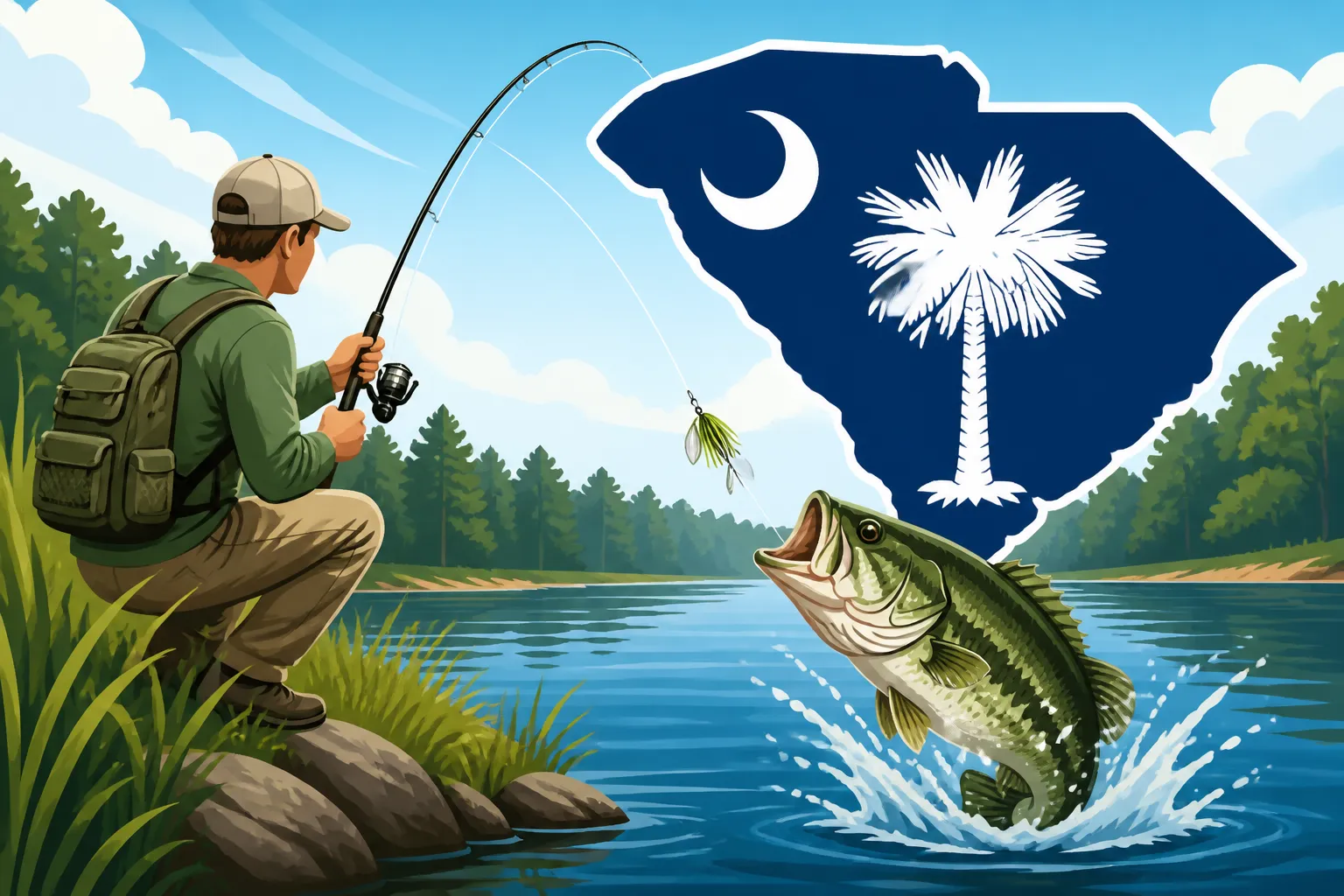
There’s a common misconception out there, one that many folks who love the idea of wetting a line often fall victim to: the belief that you absolutely need a boat to catch good fish in South Carolina. You gaze out at those vast lakes and winding rivers, seeing sleek bass boats zip by, and figure that if you don't have one, you're out of luck. But let me tell you, that couldn't be further from the truth! This guide is here to unravel that myth, offering a deep dive into proven bank fishing techniques for freshwater anglers across the Palmetto State, proving you can have an incredibly rewarding day on the water right from the shore.
The Underrated Art of Bank Fishing in South Carolina
Bank fishing, sometimes called shore fishing, is often seen as the beginner's approach, or perhaps a fallback option when the boat's in the shop. But for seasoned anglers and newcomers alike in South Carolina, it's a legitimate, often highly productive, and uniquely peaceful way to experience our incredible freshwater fisheries. You don't need a heavy investment, a tow vehicle, or even a deep understanding of marine electronics. Just a rod, some tackle, and a willingness to explore the edges.
Why Bank Fishing is Accessible and Rewarding
One of the biggest hurdles for many people wanting to get into fishing is the perceived cost and complexity. Boats, trailers, gas, specialized electronics – it all adds up fast. Bank fishing strips away all that intimidation. It's truly fishing for the people, an accessible entry point that requires minimal gear and almost no overhead. You can simply grab a rod and a small tackle box and head to a local pond, a state park lake, or find a quiet bend on a riverbank.
Think about it: no launching ramps, no gas money, no maintenance. Just the serene sound of water lapping against the shore, the rustle of leaves, and the thrill of a tug on your line. It's a fantastic way to connect with nature, de-stress, and enjoy the outdoors, often in places you might not even realize hold some fantastic fishing opportunities. Plus, you'd be surprised at the quality of fish you can pull right off the bank. Many of our lakes and rivers have thriving populations of bass, crappie, catfish, and various panfish that hug the shoreline structure, making them perfect targets for shore-bound anglers.
Common Misconceptions About Fishing from Shore
Let's tackle some of those persistent myths head-on. The biggest one? "You can't catch big fish from the bank." This is absolutely false. Trophy-sized largemouth bass, hefty catfish, and impressive crappie are caught by bank anglers regularly. These fish often patrol shallow waters near cover for feeding, especially during certain times of the year like the spawn or early morning/late evening hours. You might not cover miles of water like a boat angler, but you're often targeting the most productive water within casting distance.
Another myth is that "it's only for beginners." While it's incredibly beginner-friendly, bank fishing demands its own set of skills and knowledge. Understanding fish behavior, reading the water, presenting your bait subtly, and knowing when and where to cast are all skills that seasoned bank anglers hone over years. It's a challenging and rewarding pursuit that offers constant learning. Finally, some believe "limited spots" plague bank anglers. South Carolina is actually blessed with a vast network of public access points, from state parks to county recreation areas, urban ponds, and accessible riverbanks. With a little research, you'll find far more opportunities than you might imagine.
Essential Gear for South Carolina Bank Anglers
While bank fishing is all about simplicity, having the right gear can make a world of difference in your success and enjoyment. You don't need to break the bank, but a few key items will ensure you're prepared for whatever bites – or doesn't.
Rods, Reels, and Line for Freshwater Shoreline Success
For freshwater bank fishing in South Carolina, versatility is your best friend. A good all-around rod is typically a medium-light to medium action spinning rod, somewhere between 6 to 7 feet long. This length gives you enough leverage for casting distance without being too cumbersome in tight spots, and the action provides a good balance of sensitivity for detecting bites and backbone for fighting fish. A spinning reel, usually in the 2500-3000 size range, pairs perfectly with this setup, offering smooth casting and easy handling for most freshwater species. If you're looking for a reliable starter combo, many reputable brands offer excellent rod and reel sets that are readily available on platforms like Amazon.
When it comes to line, you've got a few choices, each with its own advantages. Monofilament (mono) is a classic for its stretch, knot strength, and affordability, often in the 8-12 lb test range. It's forgiving and great for topwater or reaction baits. Fluorocarbon offers less stretch, better sensitivity, and is nearly invisible underwater, making it ideal for finesse presentations, though it can be pricier. Braid, while highly sensitive and strong with no stretch, is very visible and can be a bit more challenging to tie effectively; often, anglers will use a fluorocarbon leader with braid for a stealthy presentation. For general bank fishing targeting a mix of species like bass, crappie, and catfish, an 8-10 lb test monofilament or fluorocarbon is a fantastic starting point.
Tackle Box Essentials: Baits, Lures, and Terminal Gear
A bank angler's tackle box doesn't need to be massive, but it should be well-organized and stocked with versatile options. For live bait, nothing beats the classics: red worms, nightcrawlers, and crickets are irresistible to panfish and often bass, while live minnows (where allowed) are deadly for crappie. Always check local regulations regarding baitfish collection and use.
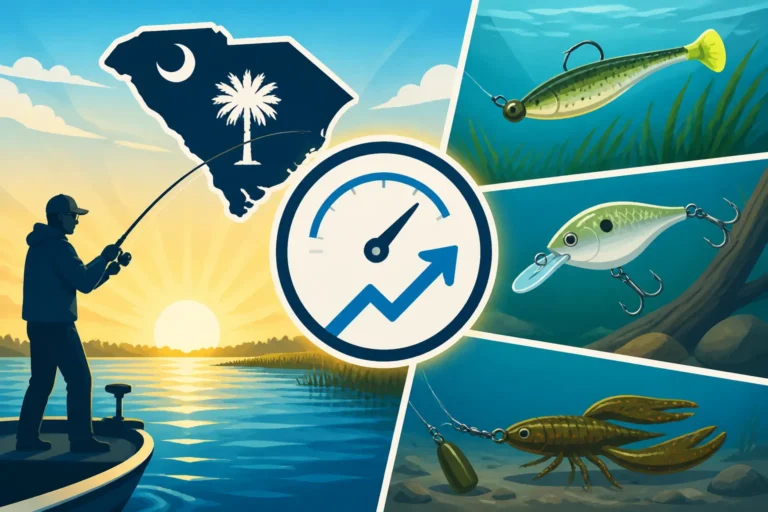
When it comes to artificials, a few go-to choices will cover most situations. Soft plastics like Senkos or plastic worms, rigged Texas-style or wacky, are incredibly effective for bass around cover. Spinnerbaits and chatterbaits are excellent for covering water and eliciting reaction strikes. Small crankbaits or lipless crankbaits work well for aggressive fish. And don't forget jigs – micro jigs for crappie, or larger jig-and-trailer combos for bass and even some catfish. A small selection of topwater lures can be thrilling during low-light hours.
Your terminal tackle is just as crucial. You'll need a variety of hooks (EWG hooks for Texas rigging, circle hooks for catfish, small Aberdeen hooks for panfish), split shot weights or bullet weights for weedless rigging, and a few bobbers (slip bobbers for deeper presentations, clip-on for shallower water). Swivels can help prevent line twist. A pair of pliers or multi-tool, line clippers, and a small stringer or cooler for your catch (if keeping) round out the essentials.
Comfort and Safety Gear for a Day on the Bank
Fishing from the bank often means being exposed to the elements, so comfort and safety shouldn't be overlooked. Sun protection is paramount in South Carolina, so a wide-brimmed hat, sunglasses (polarized ones will help you spot fish and submerged structure!), and sunscreen are non-negotiable. Insect repellent can be a lifesaver, especially during warmer months or near marshy areas.
Consider a lightweight, foldable chair or a sturdy bucket (which can double as tackle storage or a cooler) for those longer waits between bites. A small cooler with ice for drinks and snacks will keep you hydrated and energized, and if you plan to keep fish, it's essential for maintaining their quality. A basic first-aid kit is always a good idea for minor cuts or scrapes. Depending on the terrain, waterproof boots or even chest waders can be incredibly helpful if you plan on exploring muddy banks or wading into shallow water for better casting angles. Many of these items, from polarized sunglasses to compact first-aid kits, are easily sourced from online retailers like Amazon.
Mastering Freshwater Bank Fishing Techniques
Bank fishing is more than just casting and hoping for the best. It's about understanding the specific behaviors of freshwater species and adapting your techniques to entice them from the shore. Patience and observation are your greatest allies.
Targeting Bass from the Bank
Largemouth bass are arguably the most popular freshwater game fish in South Carolina, and they are absolutely catchable from the bank. The key is to think like a bass: where would they ambush prey? Look for structure and cover near the shoreline. This includes fallen trees (laydowns), lily pads, cattails, boat docks, rocky banks, or sudden drop-offs close to the bank. These areas provide shade, ambush points, and protection.
Techniques vary depending on the cover. If you're fishing dense vegetation or submerged timber, a Texas-rigged soft plastic worm or creature bait is your best friend. The bullet weight and hook are designed to be weedless, allowing you to punch through cover without snagging. Cast beyond the cover and retrieve slowly, feeling for subtle taps. For open water along weed lines or docks, a spinnerbait or a chatterbait can be very effective. Fan cast these lures to cover a wide area, varying your retrieve speed until you find what the bass prefer. During the pre-spawn season, bass are often moving into shallower areas, making them prime targets for bank anglers. Learning Bass Fishing Techniques for Spring Pre-Spawn can give you a significant edge during this productive time.
Crappie and Panfish Strategies for Shore Anglers
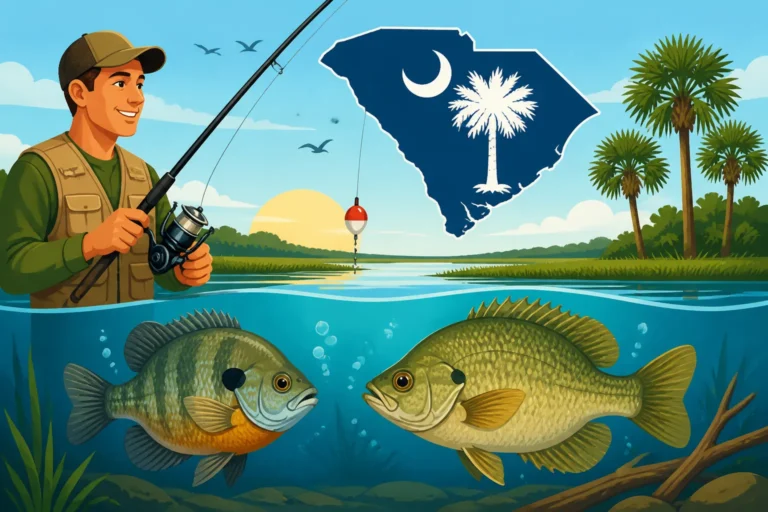
Crappie, bluegill, and other sunfish (often collectively called bream or panfish) are fantastic targets for bank anglers, especially for those looking for consistent action. These species often congregate in schools and can provide a ton of fun, particularly for families.
For crappie, the trick is finding submerged brush piles, standing timber, or dock pilings near the bank, especially in slightly deeper water. A simple jigging technique is highly effective: a small tube jig or marabou jig, often tipped with a crappie minnow, fished under a bobber. Cast it out, let it sit, and then give it a subtle twitch. Alternatively, if you know the crappie are deeper, a slip bobber rig allows you to present your bait at a precise depth. During spring, crappie move into shallower waters for spawning, making them very accessible from the bank. Knowing How to Find Crappie in Spring can dramatically increase your catch rates.
Bluegill and redbreast sunfish are often found in shallower water near aquatic vegetation, lily pads, or over sandy bottoms where they build their beds. The classic setup is a small hook (size 8 or 10) baited with a piece of red worm, a cricket, or a mealworm, fished under a small bobber. Cast near cover and wait for the bobber to dip. These feisty little fish provide constant entertainment and are perfect for introducing kids to fishing. Simple, effective techniques like those detailed in Simple Bream Fishing Techniques for Kids are incredibly valuable for getting consistent bites.
Catfish Tactics from Riverbanks and Lake Shores
South Carolina's lakes and rivers boast an impressive population of catfish, including channel, blue, and flathead catfish, all of which are very accessible to bank anglers. Catfish are bottom feeders and often lurk in deeper holes, channels, or current breaks along riverbanks and lake shores.
The most effective method for bank catfishing is bottom fishing. A Carolina rig or a simple slip sinker rig works wonders. This setup allows your bait to rest on the bottom while the line runs freely through the weight, letting the catfish take the bait without feeling resistance. For bait, cut bait (pieces of shad, herring, or bream where legal), chicken livers, and various prepared "stink baits" are incredibly effective. Channel cats love smelly baits, while blue cats prefer fresh cut bait, and flatheads almost exclusively go for live bait.
The best times to target catfish from the bank are often during the evening and night hours, when they are most active. Look for deeper cuts in the bank, areas with slower current on rivers, or points and humps on lakes. A sturdy rod holder is essential to keep your rod secure while you wait for a bite. Understanding How to Bottom Fish for Catfish in detail can elevate your success when targeting these whiskered giants.
Reading the Water: Locating Fish from the Bank
The biggest challenge for a bank angler is often the limited range. You can't just motor to a new spot miles away. This makes "reading the water" an incredibly crucial skill. Learning to identify potential fish-holding areas from shore and understanding how environmental factors influence fish behavior will dramatically improve your chances.
Identifying Prime Bank Fishing Structure and Cover
Fish are creatures of habit and prefer areas that offer shelter, food, and security. From the bank, you need to actively look for these "fish magnets."
Docks and Piers: These offer shade and structure, attracting baitfish and, consequently, predatory species like bass and crappie. Cast under and around them.
Fallen Trees and Brush Piles (Laydowns): These are absolute hotspots, providing excellent cover and ambush points for bass, crappie, and even catfish. Approach quietly and cast precisely into the branches.
Rock Piles and Riprap: Rocky areas, especially along dam faces or bridge abutments, hold baitfish and crawfish, attracting bass and various sunfish.
Weed Lines and Aquatic Vegetation: Lily pads, hydrilla, and cattails provide cover, oxygen, and food. Cast parallel to the edge of the weed line or into any open pockets.
Culverts and Inflows: Any pipe or ditch draining into the lake or river can be a fantastic spot, especially after rain, as it washes in food and creates current.
Current Breaks in Rivers: In rivers, look for eddies behind rocks, logs, or points. Fish will sit in these calmer spots, conserving energy while waiting for food to drift by.
Depth Changes: Even subtle changes in depth near the bank, like a small drop-off, can concentrate fish. Often, the bank isn't just a flat slope; there might be deeper pockets or trenches close to shore.
Understanding How Weather and Water Conditions Affect Fish
Fish behavior is heavily influenced by their environment. Understanding these dynamics helps you decide when, where, and how to fish.
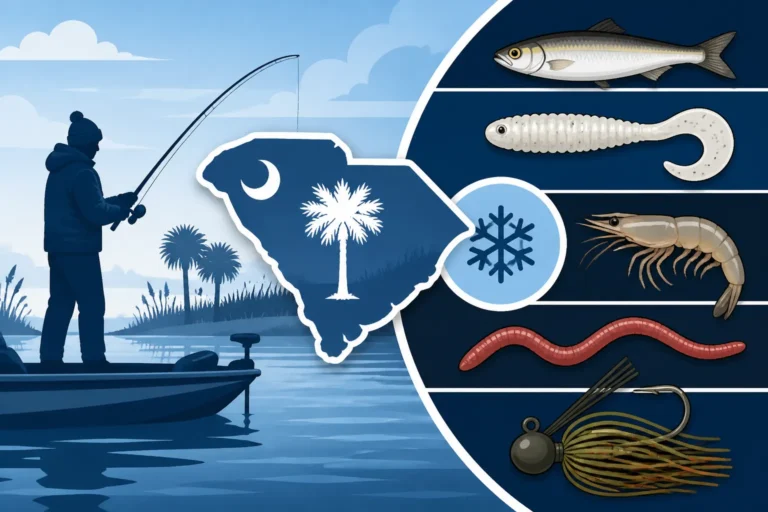
Water Temperature: This is perhaps the most critical factor. In extreme cold, fish metabolism slows, and they become lethargic, often seeking deeper, more stable temperatures. In extreme heat, they seek cooler, oxygen-rich areas like deeper water or shade. Optimal temperatures see more active feeding.
Water Clarity:
- Clear Water: Fish are more visual, so use natural bait colors, lighter lines, and finesse presentations. Stealth is key.
- Muddy or Stained Water: Fish rely more on their lateral line (vibration) and sense of smell. Use brighter colors (chartreuse, orange), noisy lures (spinnerbaits with big blades, rattling crankbaits), or strong-smelling baits (for catfish).
Weather Systems:
- High Pressure (Post Cold Front): Often means clear skies and a slow bite. Fish can become lethargic and less willing to chase. This is when finesse techniques shine. Understanding Fishing Techniques After a Cold Front can help you adapt.
- Low Pressure (Pre-Front): Can signal an active bite as fish feed heavily before a storm.
- Rain: Light rain can often turn on the bite by washing in nutrients and breaking up the surface, making fish feel more secure. Heavy rain can muddy waters, requiring adjustments.
Wind: A light chop on the water can be beneficial, breaking up the surface and making fish less skittish. Heavy wind can make casting difficult and create strong currents.
Scouting New Bank Fishing Spots
Finding new, productive bank fishing spots is part of the adventure. It requires a bit of detective work and local exploration.
Online Maps: Start with satellite views on Google Maps or other mapping apps. Look for public access points, parks, bridges, culverts, and any visible shoreline structure like docks or fallen trees. This is a powerful tool for finding potential honey holes.
Local Parks and Public Access: Many state parks, county parks, and even municipal parks have designated fishing areas or easily accessible shorelines. These are often well-maintained and provide facilities. For example, spots at Lake Murray State Park (like Dreher Island State Park) or Lake Greenwood State Park offer fantastic shoreline access.
Talking to Locals: The best resource might be right in your community. Strike up conversations at local tackle shops, convenience stores near lakes, or even with other anglers you meet on the bank. They often have invaluable, up-to-date information on what's biting and where. Tackle shops, in particular, are treasure troves of hyper-local knowledge and can point you to the best baits and techniques for specific areas.
Strategic Casting and Presentation for Shoreline Success
When you're limited to fishing from the bank, every cast counts. Unlike boat anglers who can move around to get the perfect angle, you often have to make the perfect cast from a fixed position. This demands accuracy, stealth, and a keen understanding of how to present your bait.
Accuracy and Distance: Key to Reaching Fish from Shore
The ability to cast accurately and with sufficient distance is paramount for bank anglers. You're trying to hit specific targets—that small opening in the lily pads, the edge of a dock, or just beyond that submerged log. Practice makes perfect, so spend some time in your yard honing your casting skills without a hook.
Casting Techniques:
- Overhead Cast: The most common and provides good distance and accuracy in open areas.
- Sidearm/Underhand Cast: Excellent for casting under low-hanging branches or docks, or when you need to keep your lure low to avoid spooking fish.
- Skip Casting: A more advanced technique where you "skip" a soft plastic lure across the water's surface like a skipping stone, allowing it to reach far under docks or overhanging cover that an overhead cast couldn't.
Focus on smooth, controlled motions rather than brute force. A good cast isn't about how hard you throw, but how fluidly you load and release the rod. Remember, the goal isn't just to cast far, but to cast where the fish are. Don't be afraid to make shorter, more precise casts if the fish are right along the bank.
Stealth and Approach for Skittish Bank Fish
Fish, especially larger ones in clear, shallow water, are incredibly wary. A heavy footstep on the bank, a sudden movement, or a loud noise can send them scattering. Bank anglers need to be particularly stealthy.
Move Slowly and Quietly: Approach your chosen fishing spot with care. Avoid stomping, running, or dragging gear loudly. If you're fishing a highly pressured area, this can make all the difference.
Keep a Low Profile: Try to avoid silhouetting yourself against the sky. Crouch down, stand behind bushes, or use natural cover to break up your outline.
Wear Natural Colors: Bright, contrasting clothing can make you stand out. Opt for greens, browns, and grays that blend with the natural environment.
First Cast Advantage: Often, your first few casts into an undisturbed spot are your best chance. Make these casts count, placing your lure perfectly without spooking any nearby fish. If you blow the first few casts with splashes or by landing too close, you might move the fish away from your target zone.
Varying Your Retrieve and Presentation
Once your lure or bait is in the water, how you bring it back (or let it sit) is critical. Fish don't always want the same thing, so experiment with your retrieve.
Slow and Steady: Many times, especially when fish are lethargic or in cold water, a slow, methodical retrieve is best. This gives the fish ample time to see, track, and commit to your bait.
Twitch and Pause: For soft plastics, jigs, or even topwater lures, a series of short twitches followed by a pause can mimic a wounded baitfish or an insect struggling on the surface. Many strikes happen during the pause.
Stop-and-Go: For crankbaits or spinnerbaits, retrieve a few cranks, pause, then retrieve again. This erratic motion can trigger a reaction strike.
Bottom Bouncing: For catfish or bass in deeper water, allow your lure or bait to hit the bottom and then slowly drag or hop it along, stirring up sediment and mimicking foraging prey.
Experiment with Depth: If you're not getting bites on the surface or mid-water, try letting your lure sink deeper. Many fish species hold close to the bottom, especially in brighter conditions.
Remember, fish rarely ignore a perfectly presented meal. Pay attention to what the fish tell you. If a particular retrieve isn't working, don't be afraid to switch it up! Many versatile lures, jigs, and soft plastics can be found readily available on Amazon, allowing you to experiment with different presentations easily.
Best Freshwater Bank Fishing Spots in South Carolina
South Carolina offers a diverse range of freshwater environments, from massive inland lakes to winding blackwater rivers and serene community ponds. The good news is, many of these spots are incredibly accessible for bank anglers.
Public Parks and State Lakes for Easy Access
South Carolina's state parks and many county-run parks are invaluable resources for bank anglers. They often provide well-maintained access points, parking, and sometimes even fishing piers or designated bank fishing areas.
Lake Murray: Often called the "Jewel of South Carolina," Lake Murray is famous for its striped bass and largemouth bass. While a boat is advantageous, several public parks offer great bank fishing. Dreher Island State Park is a prime example, offering miles of shoreline access, fishing piers, and rocky points where you can target bass, crappie, and stripers. Other public access points around the lake, especially near bridges, can be very productive.
Lake Greenwood: Another excellent option, Lake Greenwood State Park provides ample bank access. You can often find good spots for largemouth bass, striped bass, and various panfish from its shores.
Lake Wateree: Known for its impressive bass and catfish, Lake Wateree also has state park access points and public recreation areas that cater to bank anglers. The shallow coves and areas with vegetation along its banks are great places to cast a line. For beginners, exploring areas like those mentioned in Lake Wateree Bass Fishing Spots for Beginners can yield great results.
Santee State Park (Lake Marion): Located directly on Lake Marion, part of the legendary Santee Cooper system, this state park offers excellent bank fishing for bass, crappie, and monster catfish. The piers and accessible shoreline provide fantastic opportunities.
These state parks, and many others across the state, are explicitly highlighted as prime destinations for shore-bound anglers in guides like State Park Fishing Spots in South Carolina. They are designed to be family-friendly and accessible to all skill levels.
River and Creek Banks for Diverse Opportunities
South Carolina's rivers and creeks offer a different kind of bank fishing experience, often with strong currents and unique fish species.
Edisto River: As one of the longest free-flowing blackwater rivers in North America, the Edisto is a true gem. Its dark, tannin-stained waters hold excellent populations of redbreast sunfish, largemouth bass, and various catfish. Public landings and bridges often provide easy bank access. You can fish from sandy banks or small clearings. Check out Edisto River Fishing Spots in South Carolina for more specific locations and tips.
Congaree River: Flowing through the heart of the state near Columbia, the Congaree is renowned for its trophy catfish. While boat access is common, numerous spots along its banks, especially near parks or designated access points, can be very productive for bottom fishing.
Broad River: In the upstate, the Broad River offers great opportunities for bass and sunfish, particularly below shoals or near public access areas. Wading opportunities are often present, allowing bank anglers to extend their reach.
Local Creeks: Don't overlook the smaller, unnamed creeks and tributaries. Many hold surprising numbers of panfish, small bass, and even trout in the Upstate mountains. Access might be more challenging, often requiring some bushwhacking, but the solitude and potential for untouched fish are often worth it.
When fishing rivers, always be mindful of current, potential snags, and slippery banks. Safety should be your top priority.
Community Ponds and Local Access Points
Beyond the major lakes and rivers, South Carolina is dotted with countless smaller community ponds, farm ponds, and local recreation areas that offer fantastic bank fishing, often without the crowds of larger bodies of water.
SCDNR Public Fishing Lakes: The South Carolina Department of Natural Resources (SCDNR) manages several small public fishing lakes specifically designed for bank anglers. These lakes are often regularly stocked with catfish, bream, and bass, making them excellent choices for families and beginners. They typically have designated bank fishing areas, picnic spots, and restrooms. Check the SCDNR website for a list of these lakes in your area.
Neighborhood Ponds: Many housing developments and private communities have retention ponds or small lakes. Always check for "no fishing" signs or ask permission if it's private property. These ponds can be surprisingly productive and offer a convenient, quick fishing fix.
Urban Ponds: Even in cities like Columbia or Charleston, you might find small urban parks with ponds that are stocked or hold resident fish populations. These often provide easy, family-friendly access.
These smaller venues are fantastic for honing your skills, introducing new anglers to the sport, and simply enjoying a relaxing day. They are often less pressured, and the fish, while perhaps not always trophy-sized, are usually abundant and willing to bite.
Legalities and Etiquette for South Carolina Bank Anglers
Just because you're fishing from the bank doesn't mean you're exempt from rules and responsibilities. As a responsible angler, understanding and adhering to South Carolina's fishing regulations and practicing proper etiquette is crucial for preserving our fisheries and ensuring everyone enjoys their time on the water.
Understanding Fishing License Requirements
This is perhaps the most fundamental rule for any angler in South Carolina: you need a valid fishing license. This applies whether you're in a boat, on a pier, or casting from the bank. If you're fishing in freshwater, you'll need a freshwater fishing license.
Who Needs One? Generally, all residents and non-residents aged 16 and older need a license to fish in South Carolina's public waters. There are specific exemptions, such as those fishing on certain private ponds or during designated free fishing days, but generally, assume you need one.
Where to Get One: You can purchase a South Carolina fishing license online through the SCDNR's Go Outdoors South Carolina portal, by phone, or in person at authorized license vendors (like sporting goods stores). For a comprehensive breakdown of options and requirements, take a look at the South Carolina Fishing License Guide.
Age Exemptions: Children under the age of 16 are typically exempt from needing a fishing license in South Carolina, making bank fishing a fantastic, affordable family activity. However, it's always wise to confirm current regulations, as rules can occasionally change. For detailed information on specific age requirements, consult resources like Fishing License Requirements in South Carolina.
Remember, conservation officers regularly patrol popular fishing spots, including public park banks and river access points. Getting caught without a license can result in fines and legal trouble. It's simply not worth the risk.
Adhering to Bag Limits and Size Restrictions
A valid license is just the first step. Once you start catching fish, you need to be aware of the daily bag limits and size restrictions that apply to specific species. These regulations are put in place by the SCDNR to protect fish populations and ensure sustainable fishing for future generations.
Why They Matter: Imagine if everyone kept every fish they caught, regardless of size or quantity. Our fish populations would be decimated quickly. Bag limits (the maximum number of fish you can keep in a day) and size restrictions (minimum or maximum lengths for keeping a fish) are vital tools for managing these resources.
Checking the Regulations: The rules vary significantly by species and sometimes even by specific bodies of water. For example, the bag limit for largemouth bass is different from that for crappie or catfish. Similarly, some species, like striped bass, may have specific slot limits (a range of sizes you can keep) or even seasonal closures. Always consult the most current SCDNR Freshwater Fishing Regulations guide before you head out. This guide is usually available online or at license vendors. Understanding South Carolina Fishing Bag Limits Explained will help you stay compliant.
Measuring Your Catch: If you intend to keep fish, always carry a measuring tape. If a fish is undersized, release it gently and quickly.
Practicing Leave No Trace Principles
As stewards of our natural resources, anglers have a responsibility to minimize their impact on the environment. Practicing Leave No Trace principles ensures that our fishing spots remain clean, healthy, and enjoyable for everyone.
Pack It In, Pack It Out: Whatever you bring to your fishing spot, make sure you take it with you when you leave. This includes all trash, food wrappers, empty bait containers, and especially discarded fishing line. Monofilament and braided line can be deadly to wildlife. Many tackle shops have recycling bins for old fishing line.
Respect Wildlife: Observe wildlife from a distance. Do not harass or feed animals. Be especially careful with discarded hooks and lines, which can injure birds and other creatures.
Respect Private Property: Always be aware of property boundaries. If you're unsure whether an area is public or private, assume it's private and seek permission before entering or fishing. Trespassing is not only illegal but also gives anglers a bad name.
Be Considerate of Other Anglers and Users: Share the space. Don't crowd other anglers. Keep noise levels down. If you're fishing near hikers, dog walkers, or picnickers, be mindful of your casting and ensure their safety.
Minimize Shoreline Disturbance: Try to avoid unnecessary trampling of vegetation along the banks. If you're wading, do so carefully to avoid disturbing fish beds or sensitive aquatic habitats.
By following these simple guidelines, bank anglers can ensure that South Carolina's freshwater fishing opportunities remain vibrant and accessible for generations to come.
| Species Targeted | Recommended Bank Technique | Best Baits/Lures | Optimal Time/Conditions |
|---|---|---|---|
| Largemouth Bass | Texas Rig, Wacky Rig, Spinnerbait, Jig | Soft plastic worms, creature baits, spinnerbaits, jigs, crankbaits | Early morning/late evening, around cover, pre-spawn |
| Crappie | Jigging, Slip Bobber | Small tube jigs, minnows, marabou jigs | Spring spawn, brush piles, submerged timber, docks |
| Bluegill/Bream | Bobber Fishing, Micro Jigs | Worms, crickets, mealworms, bread | Warm weather, shallow vegetated areas, sunny days |
| Catfish | Bottom Fishing (Carolina Rig, Slip Sinker) | Cut bait (shad, herring), chicken livers, stink baits, live bait | Evening/night, deep holes, current breaks, muddy water |
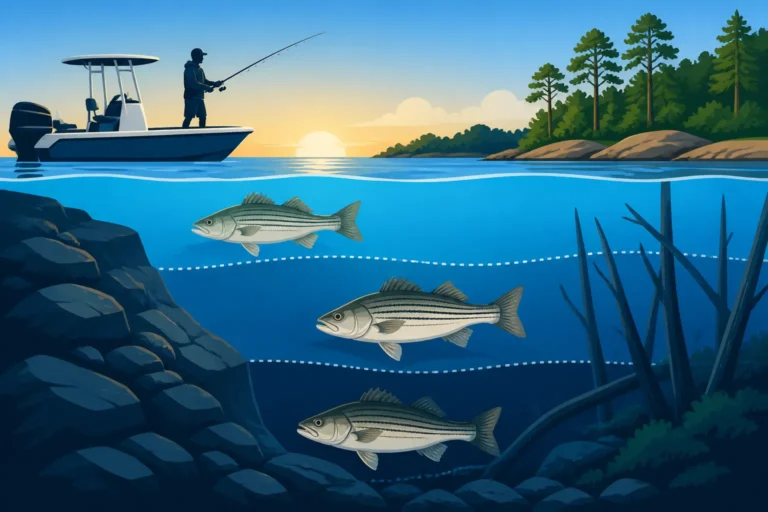
| Striped Bass | Live Bait (Herring, Shad), Large Artificials | Live herring, bucktail jigs, large swimbaits | Cooler months, tailraces, deep points, early morning |
Disclaimer
The information provided in this guide is for general informational purposes only and is subject to change. Fishing regulations, including licensing requirements, bag limits, and size restrictions, are set by the South Carolina Department of Natural Resources (SCDNR) and can be updated periodically. It is the responsibility of every angler to consult the most current official SCDNR regulations before fishing to ensure compliance. Failure to do so may result in penalties. Always prioritize safety while on the water.