Bream and Bluegill Fishing for Beginners
For many folks, the idea of fishing sounds like a fantastic way to unwind, but the sheer volume of gear, complicated techniques, and endless regulations can feel incredibly overwhelming. It's easy to get discouraged before you even cast a line. This guide is designed to demystify bream and bluegill fishing in South Carolina, breaking it down into simple, manageable steps so you can get out there and enjoy the peace and excitement of catching your first fish.
Why Bream and Bluegill are Perfect for New Anglers
If you're just starting your fishing journey, or even if you're looking for a relaxing, low-stress outing, bream and bluegill are truly your best friends in the world of South Carolina fishing. They are abundant, eager to bite, and found in almost every freshwater body across the state. Forget about needing a fancy boat or expensive electronics; these feisty little fish are incredibly accessible, making them ideal for beginners and families.
Abundant and Easy to Catch
One of the biggest frustrations for new anglers is spending hours without a single bite. It's disheartening, and it can quickly make you question why you even bothered. With bream and bluegill, that frustration is often a thing of the past. These species, which include popular fish like bluegill, redbreast sunfish, and redear sunfish (often collectively referred to as "bream" or "panfish"), are incredibly prolific in South Carolina's ponds, lakes, and slow-moving rivers. Their numbers mean there's a much higher chance of success, which is crucial for building confidence and keeping spirits high, especially when fishing with kids.
They're not particularly shy, either. Unlike some of the more elusive game fish that require specific presentations or advanced tactics, bream and bluegill are often quite aggressive when it comes to feeding. Drop a tasty morsel near their hangout, and you'll usually get a quick nibble, if not an immediate take. This consistent action is what makes the experience so much fun, transforming a potentially dull wait into an exciting series of small victories. It’s also a fantastic way to learn the basics of feeling a bite, setting the hook, and reeling in a fish without the pressure of a trophy catch.
Found in Most Freshwater Bodies
You don't need to travel far or find some secret, remote fishing spot to find bream and bluegill in South Carolina. They thrive in a vast array of freshwater environments, from the smallest farm ponds to the mighty Santee Cooper Lakes. This widespread distribution means that no matter where you are in the state, there's likely a prime bream and bluegill spot just a short drive away. Think about local community ponds, public parks with small lakes, and the quieter coves of larger reservoirs. These fish are incredibly adaptable.
For instance, you'll find them schooling around submerged structures like fallen trees, docks, and weed beds in Lake Murray, or hiding in the cypress stumps and lily pads of Lake Marion. Even smaller, unnamed ponds that dot the landscape are often teeming with them. This accessibility removes a significant barrier for beginners who might not have a boat or want to spend a lot of time searching for elusive fish. You can easily find good spots for Bank Fishing Techniques for Freshwater Anglers, which is a perfect starting point. The ease of access makes it simple to pack a small tackle box and a couple of rods and just head out for an impromptu afternoon of fun without much planning.
Essential Gear for Starting Out
When you're new to fishing, walking into a tackle shop can feel like trying to decipher a foreign language. There are so many options, so many different types of rods, reels, lines, and lures, it’s easy to get overwhelmed and think you need to spend a fortune. The good news is, for bream and bluegill, you absolutely do not. You can get started with a very basic, affordable setup that will serve you well and make your first trips enjoyable. The key is simplicity and functionality.
Rods and Reels for Panfish
For bream and bluegill, a lightweight, easy-to-handle rod and reel combo is all you need. Think of something that feels comfortable in your hand and isn't too long or heavy. A 5 to 6-foot ultralight or light-action spinning rod paired with a small spinning reel (size 1000 to 2000) is absolutely perfect. This type of setup is forgiving for casting, sensitive enough to feel the subtle bites of panfish, and light enough to make the fight with even a small bluegill feel exciting. You can often find great starter combos on Amazon or at local sporting goods stores like Dick's Sporting Goods for a very reasonable price, sometimes as low as $30-$50.
When choosing, don't get hung up on brand names or advanced features. Focus on something that feels balanced and robust enough to handle repeated use. The reel should have a smooth drag system, which is important for preventing your line from breaking if you hook into something a bit bigger than expected. For line, a light monofilament line, typically 4 to 6-pound test, is ideal. It’s thin enough to be nearly invisible to the fish but strong enough for most panfish and resistant to abrasion. Remember, the lighter the line, the more natural your bait will look in the water, which can make a big difference when fish are being finicky.
Hooks, Bobbers, and Sinkers
These three components form the core of your bream and bluegill rigging. For hooks, simplicity is key. Small, sharp hooks are a must because bream and bluegill have relatively small mouths. Look for Aberdeen or bait holder hooks in sizes #8 to #12. The smaller the number, the larger the hook, so a #12 hook is quite small, perfect for tiny mouths, while a #8 is a good all-around choice. Having a variety of sizes on hand is always a good idea. You can often buy bulk packs of these hooks on Amazon, ensuring you’re well-stocked.
Bobbers, also known as floats, are your visual indicators. When the bobber goes down, you've got a bite! Small, sensitive bobbers are best for panfish. A simple clip-on red and white round bobber or a slip bobber are both excellent choices. Slip bobbers are great for fishing deeper water because you can adjust the depth easily without having to slide your bobber up and down the line. Finally, sinkers are used to get your bait down to the desired depth. Tiny split shot sinkers, which you can simply pinch onto your line a few inches above the hook, are perfect. You only need enough weight to cast your bait effectively and keep it submerged, so often one or two small split shots will do the trick.
The Essential Gear Checklist
To make it easy, here's a quick rundown of the gear you'll want to have in your tackle box. This table should help you visualize what to look for when you're shopping.
| Item | Description | Why It's Essential |
|---|---|---|
| Rod | 5-6 foot ultralight or light action spinning rod | Easy to cast, sensitive to light bites, makes fighting small fish fun. |
| Reel | Small spinning reel (size 1000-2000) | Matches the rod, holds appropriate line, simple to operate. |
| Fishing Line | 4-6 pound test monofilament | Inexpensive, low visibility, strong enough for panfish, good knot strength. |
| Hooks | Aberdeen or Bait Holder hooks, sizes #8-#12 | Small enough for panfish mouths, sharp for easy hooksets, bait holders keep bait on. |
| Bobbers | Small clip-on or slip bobbers | Visual indicator of bites, helps suspend bait at desired depth. |
| Sinkers | Small split shot sinkers | Adds weight for casting, gets bait to the fish. |
| Live Bait | Worms, crickets, mealworms | Irresistible to bream and bluegill, highly effective. |
| Small Pliers | Needle-nose or fishing pliers | Essential for removing hooks safely and cutting line. |
| Stringer/Cooler | For keeping fish if you plan to harvest them | Keeps your catch fresh and safe. |
| Sunscreen/Hat | Protection from the elements | Important for comfort and safety during extended outdoor exposure. |
| Small Cooler | For drinks and snacks | Stay hydrated and energized, especially on warmer South Carolina days. |
Understanding Bream and Bluegill Behavior in South Carolina
Successfully catching bream and bluegill isn't just about having the right gear; it's also about understanding where they live and when they're most likely to bite. While they are abundant, knowing a bit about their habits will significantly increase your success rate and make your fishing trips more productive and enjoyable. It's like learning to speak their language – you'll know where to listen and when to talk.
Where to Find Them
Bream and bluegill are classic structure-oriented fish. This means they love to hang around anything that offers cover, shade, or a food source. In South Carolina’s diverse freshwater environments, this could mean a variety of locations. Look for areas with submerged timber, which are essentially underwater fallen trees and logs. These provide both shelter from predators and ambush points for smaller insects and crustaceans, which are part of the bream and bluegill diet. Think about the countless cypress stumps in Lake Marion or the woody debris along the Edisto River.
Docks and piers are also hotspots. The pilings and shaded areas beneath them offer refuge and often attract aquatic insects. Any kind of weed bed, particularly those with lily pads or cattails, will also hold fish, as they offer dense cover and a rich ecosystem for food. Rock piles, brush piles (sometimes intentionally sunk by anglers), and even abrupt changes in bottom contour can be holding areas. Pay attention to shady spots, especially on bright, sunny days, as these fish will seek cooler, darker areas. Sometimes, the best "structure" is simply a deep bank or an overhang that provides shelter.
What They Eat
Bream and bluegill are opportunistic feeders, which is great news for beginners because it means they aren’t too picky. Their diet primarily consists of insects, small crustaceans, and larvae. This is why natural baits are so incredibly effective. Think about what falls into the water or lives near the bottom of a pond. This knowledge will guide your bait choices.
For instance, crickets are a classic and highly effective bait. Their natural chirping sound and movement in the water are irresistible. Worms, whether red wigglers or nightcrawlers (often found in most garden supply stores or even your backyard), are another go-to. They release a natural scent trail that attracts fish. Mealworms, available at most pet stores, are also fantastic, especially for smaller bluegill. In terms of artificial lures, tiny jigs (1/32 to 1/16 ounce) with small plastic bodies resembling insects are often productive. The key is to present something small, natural, and easy for them to gulp down. Learning the Best Bait for Catching Bluegill can significantly enhance your fishing success.
Best Time to Fish
While bream and bluegill can be caught throughout the day, certain times tend to be more productive. Generally, like many fish, they are most active during the cooler parts of the day. This means early morning, right after sunrise, and late afternoon, leading into dusk, are often prime fishing times. During these periods, the water temperature is typically more comfortable, and light levels are lower, making them feel safer to feed. The Best Time of Year to Catch Panfish is usually in the spring and early summer when they are actively spawning and feeding heavily.
On overcast days, however, you might find them biting consistently throughout the day, as the cloud cover mimics the low-light conditions they prefer. During the heat of a South Carolina summer afternoon, bream and bluegill will often retreat to deeper, cooler water or seek dense shade. If you're fishing mid-day in summer, focus on those shaded areas under docks, overhanging trees, or in deeper pockets of water. Always observe the conditions; sometimes, a sudden change in weather, like a slight drizzle or a passing cloud, can trigger a bite.
Simple Techniques That Always Work
Fishing for bream and bluegill doesn't require complex rigs or advanced casting techniques. The beauty of it lies in its simplicity. For beginners, mastering a couple of fundamental approaches will lead to consistent catches and a lot of fun on the water. These tried-and-true methods have been passed down through generations of anglers for a reason – they work!
The Classic Bobber Rig
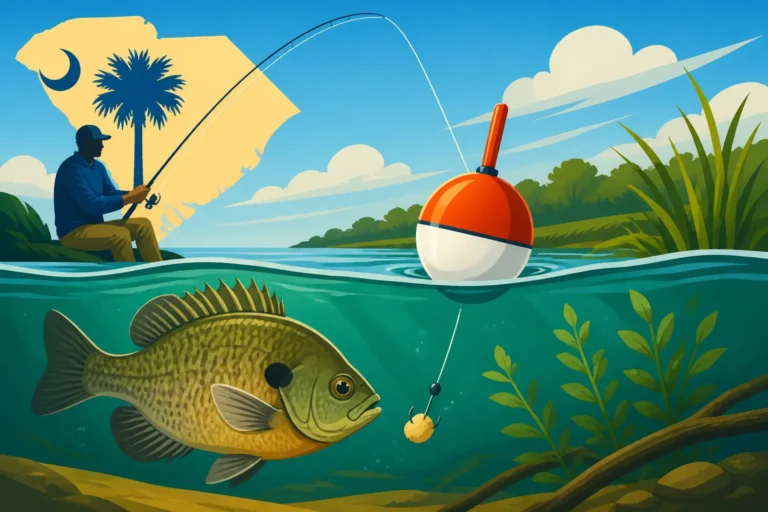
This is probably the first fishing technique many of us learned, and it remains incredibly effective for bream and bluegill. The setup is straightforward: you tie your hook to the end of your line, attach one or two small split shot sinkers a few inches above the hook, and then clip on your bobber about 12-24 inches above the sinkers. The bobber's job is twofold: it keeps your bait suspended at a specific depth off the bottom, and it acts as a visual strike indicator. When a fish bites, the bobber will dip, twitch, or go completely under the water.
To execute this, simply cast your rig out to a promising spot, such as near a lily pad patch, along a dock, or beside a fallen tree. Let the bait settle, and then watch your bobber intently. When it moves, slowly reel in the slack line and gently lift your rod tip to set the hook. This technique is fantastic for kids and beginners because it's so visual and immediately rewarding. It's also great for understanding how fish interact with bait, giving you a tangible connection to what's happening under the water. For an even simpler setup, consider exploring Kid-Friendly Bluegill Fishing Techniques.
Bottom Fishing with Natural Baits
Sometimes, bream and bluegill are a bit deeper or prefer their meals right on the bottom. This is where a simple bottom fishing rig comes into play. Instead of a bobber, you'll use a slightly heavier sinker to keep your bait anchored to the lakebed or river bottom. A common setup involves tying a small swivel to your main line. Then, on a short leader (6-12 inches) attached to the other end of the swivel, tie your hook. Above the swivel, you can use an egg sinker or a small bell sinker that slides freely on your main line, with a small bead between the sinker and the swivel to protect the knot.
Cast this rig out, let it sink to the bottom, and then reel in just enough slack so you can feel your line without moving the sinker. Instead of watching a bobber, you'll feel the bites as taps or pulls on your rod tip. This method is particularly effective for larger bream and redear sunfish (shellcrackers) who often forage along the bottom for snails and other crustaceans. It’s also useful when fishing in slightly deeper water where a bobber might not be as effective or visible. The key is patience and a light touch on the rod, allowing the fish to take the bait before gently setting the hook.
Finding the Best Fishing Spots in South Carolina
One of the most common frustrations for new anglers is knowing where to go. South Carolina is absolutely brimming with fishing opportunities, but narrowing it down can be tough. The good news is that for bream and bluegill, you often don't need a boat or a secret hotspot. Many excellent places are publicly accessible and perfect for a relaxing day of fishing.
Public Ponds and Community Lakes
South Carolina's state parks and local recreation departments maintain numerous ponds and small lakes that are specifically managed for public fishing. These spots are often stocked with various panfish, making them ideal for beginners and families. For example, many municipal parks in towns across the state feature small lakes with fishing piers or easy bank access. These locations are usually well-maintained, offer amenities like restrooms and picnic areas, and often have regulations designed to ensure a positive fishing experience.
A great example is the fishing opportunities found within various state parks. Table Rock State Park Fishing Spots in South Carolina, while known for trout, also offer excellent panfish opportunities in its smaller lakes. These locations are fantastic because they often have cleared bank access, making it easy to cast without getting tangled in brush. Before heading out, a quick search on the South Carolina Department of Natural Resources (SCDNR) website or a call to your local county park and recreation department can reveal a wealth of nearby, family-friendly fishing spots. These are often the Best Family Fishing Spots for Beginners in South Carolina.
State Parks and Recreational Areas
Beyond local ponds, South Carolina's state parks are a treasure trove for panfish enthusiasts. Many parks, such as Santee State Park with its access to Lake Marion, offer dedicated fishing areas, piers, and even boat rentals for small johnboats if you want to explore a bit further. These parks are often designed with recreation in mind, providing safe and accessible environments for all ages. You can usually find detailed maps of the parks online, highlighting fishing access points.
These areas are perfect for beginners because they remove a lot of the guesswork. The water bodies are generally well-managed, and the staff can often provide up-to-date information on recent catches or active spots. Additionally, state parks offer more than just fishing; you can make a whole day of it with hiking trails, picnic areas, and sometimes even nature centers. This makes it an ideal destination for a family outing where fishing is just one part of the adventure.
Small Lakes and River Backwaters
While the big reservoirs like Lake Murray or Lake Hartwell might seem daunting, their quieter coves and backwaters are often fantastic for bream and bluegill. Look for areas marked as "no wake zones" or places where the main channel narrows into slower-moving water. These spots tend to have less boat traffic, more vegetation, and a calmer environment where panfish feel comfortable feeding. Similarly, the backwaters and oxbow lakes along rivers like the Edisto or Congaree can be phenomenal. These areas are typically shallower, warmer, and rich in aquatic life, making them perfect habitats.
When exploring these larger water bodies, pay attention to aerial maps or fishing apps that show contours and vegetation. Look for fingers of land extending into the water, submerged humps, or areas where creeks feed into the main body, bringing in nutrients and baitfish. Even if you don't have a boat, many of these areas can be accessed from shore points, especially in designated recreational zones. Remember that even on private ponds, you might need to check if you need a license to fish from a private pond, though often on true private property with permission, it's not required.
Practical Tips for a Successful and Enjoyable Trip
Beyond the gear and the spots, there are a few practical considerations that can really elevate your bream and bluegill fishing experience, especially for beginners. These tips focus on safety, ethics, and simply making sure everyone has a good time out on the water. Fishing should be relaxing, not another source of stress!
Safety First, Always
Being safe on the water is paramount. South Carolina's weather can change quickly, so always check the forecast before you go. Even if you're just bank fishing, consider wearing a life jacket, especially if you're near deep water or if you're taking children along. A simple fall can turn a fun day into a dangerous situation in an instant. Sun protection is also crucial in the South Carolina sun. Wear a wide-brimmed hat, sunglasses, and liberally apply sunscreen, even on cloudy days. You'd be surprised how quickly you can get a nasty sunburn when you're focused on your bobber.
Bring plenty of water, especially during the warmer months, to stay hydrated. A small first-aid kit with bandages, antiseptic wipes, and pain relievers is also a smart addition to your tackle box for minor scrapes or hook accidents. If you're fishing near roads or other public areas, be aware of your surroundings and keep an eye on your gear. Finally, always let someone know where you're going and when you expect to return, particularly if you're exploring a new or more remote area.
Catch and Release or Keep for the Pan
One of the great things about bream and bluegill is that they are delicious! Many anglers love to keep a mess of them for a fresh fish fry. However, it's essential to understand the regulations regarding bag limits and sizes if you plan to keep your catch. The South Carolina Department of Natural Resources (SCDNR) sets these limits to ensure healthy fish populations. While bream and bluegill are abundant, knowing your limits ensures you're fishing responsibly. You can find detailed information in the SCDNR's annual fishing regulations guide, which is usually available online or at tackle shops. Consider if Is Sunfish Good to Eat? for insights into preparing your catch.
If you choose to catch and release, which is a great practice, especially if you're just fishing for sport, handle the fish gently. Wet your hands before touching them to protect their protective slime coat. Remove the hook quickly and carefully. If the fish has swallowed the hook deeply, it's sometimes better to cut the line as close to the hook as possible rather than tearing the fish's delicate internal organs trying to remove it. Release the fish back into the water gently, allowing it to swim away on its own power. This ensures future generations of anglers can enjoy these prolific fish.
Fishing with Kids and Beginners
Bream and bluegill fishing is practically tailor-made for introducing children to the joys of angling. Their eagerness to bite and the simplicity of the techniques make for a highly engaging and rewarding experience. When taking kids, remember to keep it fun and manage expectations. It's not about catching the biggest fish or the most fish; it's about the experience. Bring extra snacks, drinks, and maybe even a small toy or book for when their attention wanes. Short fishing trips are often best to start, maybe an hour or two, to prevent boredom or fatigue.
Teach them the basics of casting and reeling, but also talk about nature, identify birds, or point out interesting insects. Make it an educational and interactive outdoor adventure. Patiently help them bait their hooks and remove fish. A small, lightweight rod specifically designed for kids can make a big difference in their ability to handle the gear independently. Remember, the goal is to ignite a lifelong passion for the outdoors, and a positive first fishing experience with bream and bluegill can do exactly that. Getting a good understanding of Fishing License Rules for Kids in South Carolina is also important before heading out.
South Carolina's Variety of Panfish
When we talk about "bream" or "bluegill" in South Carolina, we're actually often referring to a whole delightful family of sunfish species. While bluegill are undoubtedly the most common and popular, our waters are home to several other distinct and equally enjoyable panfish that are perfect targets for beginners. Understanding a little bit about these different species can add an extra layer of appreciation to your fishing adventures.
Bluegill: The Backyard Favorite
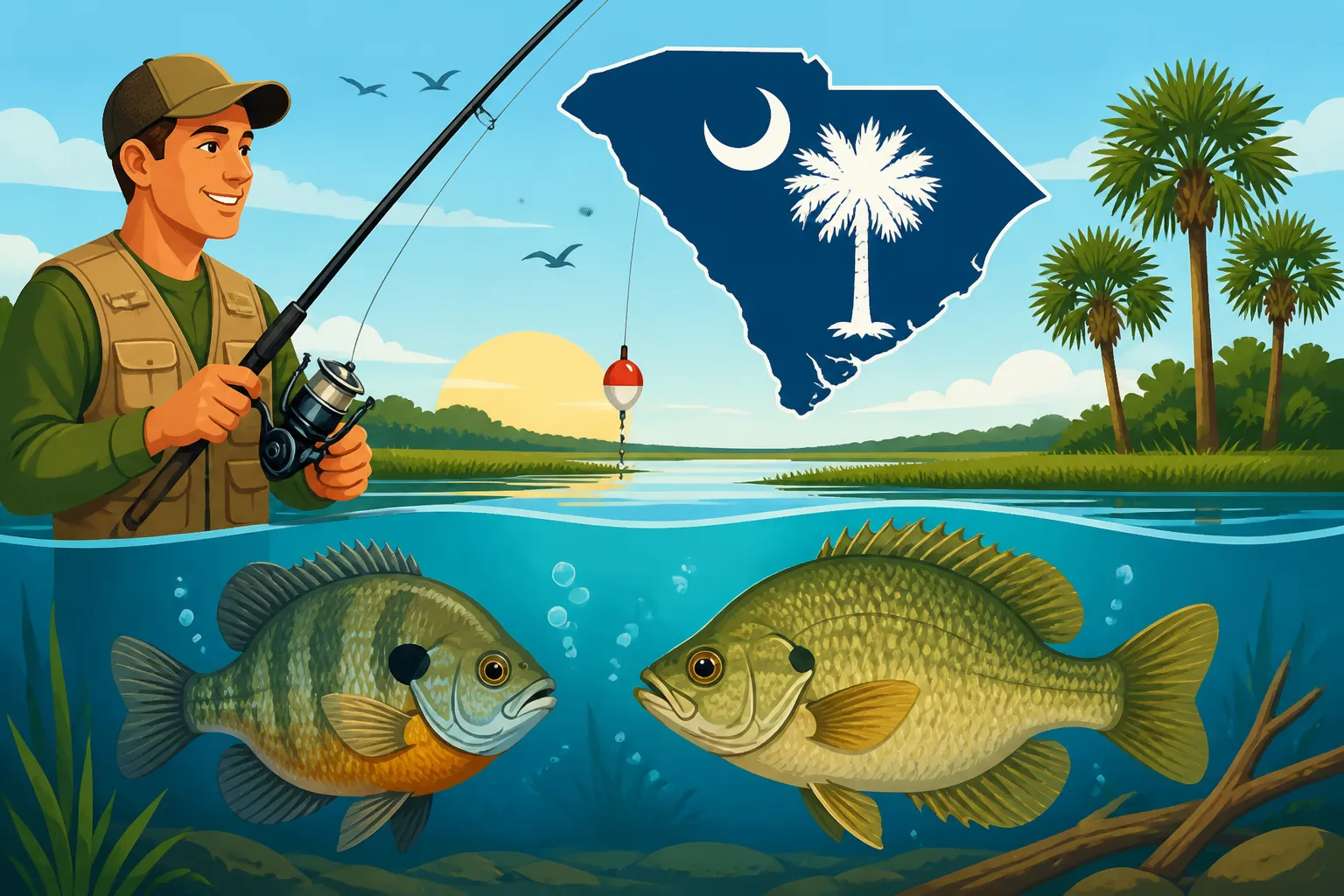
The bluegill is, without a doubt, the king of panfish for many anglers, especially in South Carolina. Easily identifiable by its dark, almost black "ear" flap and sometimes vertical barring on its sides, the bluegill has a distinct small mouth and a round, platter-like body. They are incredibly widespread and thrive in ponds, lakes, and slow-moving rivers across the entire state. What makes them such a favorite is their aggressive feeding habits and their willingness to bite almost any natural bait presented to them.
Bluegill are often found in large schools, meaning that if you catch one, you're likely to catch several more in the same spot. They are prolific breeders, particularly in the spring and early summer when they create "beds" – circular depressions in shallow, sandy, or gravelly bottoms – to lay their eggs. Finding a bluegill bed can lead to non-stop action, as the males aggressively guard the nests. This makes them not only a joy to catch but also a vital part of the freshwater ecosystem, providing a food source for larger predatory fish and wildlife.
Redbreast Sunfish: The River Jewel
While bluegill might dominate the lakes, the redbreast sunfish is the quintessential river bream in South Carolina. Often found in cleaner, flowing waters of creeks and rivers, especially in the central and coastal plains, the redbreast is easily recognized by its vibrant orange to red belly (hence the "redbreast" name) and a very long, slender black ear flap that often extends past the eye. They also tend to have a slightly more elongated body shape compared to the rounder bluegill.
Redbreast sunfish are known for being strong fighters for their size, providing a spirited tug on light tackle. They eagerly take worms, crickets, and small artificial lures. Fishing for redbreast often means exploring the bends of rivers, casting near submerged logs, and targeting areas with moderate current. They are a beautiful fish to catch and hold, adding a splash of color to your cooler or stringer. If you're looking to explore river fishing beyond still waters, the redbreast sunfish is an excellent target.
Other Notable Panfish Species
Beyond bluegill and redbreast, South Carolina waters host a variety of other panfish that beginners might encounter and enjoy. The redear sunfish, often called "shellcrackers," are another popular species, particularly known for their preference for snails and other mollusks. They get their nickname from their ability to "crack" the shells of their prey. Redear are typically larger than bluegill and have a distinctive red or orange margin on their ear flap. They are often found on the bottom of lakes and ponds, making them a prime target for bottom fishing techniques.
Another common catch is the warmouth, a somewhat stockier sunfish with a slightly larger mouth and often a mottled, camouflaged pattern. They tend to prefer weedier, murkier waters and are a bit more predatory, sometimes striking small lures aggressively. While not as widespread or numerous as bluegill, catching a warmouth can be a pleasant surprise. Exploring South Carolina's Nine Native Sunfish Species Explained can help you identify these delightful fish as you catch them. Each species offers a slightly different experience, but all provide accessible and fun fishing opportunities for newcomers.
Disclaimer
Please remember that fishing regulations, including license requirements, bag limits, and size restrictions, are subject to change. Always consult the official South Carolina Department of Natural Resources (SCDNR) website or their most current printed regulations guide before heading out on any fishing trip. This guide is for informational purposes only and does not supersede official regulations.